
2027 Most Affordable Online Information Systems Degree Programs Ranking in Alabama

Co-Founder and Chief Data Scientist
Choosing the right information systems degree program can be challenging, especially with so many options available online. This article introduces the 2027 Most Affordable Online Information Systems Degree Programs Ranking in Alabama, developed by the Research.com team of data scientists.
It's designed to help Alabama students make informed decisions by highlighting affordable and quality programs that fit your goals.
Pursuing an information systems degree opens doors to exciting career opportunities, and this guide makes your path clearer and easier to navigate.
Key benefits of getting online information systems degree in Alabama
- Information systems graduates in Alabama can look forward to rewarding salary prospects, with many related jobs across the U.S. offering mean hourly wages around $40, equating to approximately $83,000 annually.
- Career paths include roles like systems analyst, IT manager, and database administrator, as demonstrated by graduates from the University of Alabama who secure diverse opportunities in both private and public sectors.
- Online degrees from schools such as Auburn University provide flexibility and allow students to balance work and study, making it easier to gain practical experience while earning their degree.
What can I expect from online information systems degree in Alabama?
The average in-state tuition for online information systems degrees in Alabama typically ranges from $6,000 to $10,000 per year at public universities, making these programs an affordable option for many students. Graduates from popular institutions such as the University of Alabama at Birmingham or Auburn University report that this cost balance allows them to pursue quality education without the heavy financial burden often seen at private schools.
Many students appreciate the flexibility of online programs that let them maintain jobs or family responsibilities while studying. By investing in an Alabama public university program, students often find a practical pathway to career advancement without accumulating excessive debt.
For example, graduates highlight how their schools' regional accreditation ensured employers recognized their degrees, helping them secure rewarding positions in sectors like healthcare, finance, or government locally. The manageable tuition rates paired with meaningful internships and partnerships within Alabama's growing IT industry provide real value, making the investment in an online information systems degree worthwhile and motivating.
Where can I work with online information systems degree in Alabama?
Graduates with an online information systems degree in Alabama find rewarding opportunities in cities like Birmingham, Huntsville, and Mobile, where strong industry demand drives career growth. For example, many who studied at the University of Alabama at Birmingham have moved into IT management roles within local hospitals, leveraging skills in electronic health records and data security to improve patient care systems.
In Huntsville, graduates from institutions like Alabama A&M University often enter aerospace and defense sectors, working on systems integration or network administration projects. These roles offer hands-on experience with cutting-edge technologies, making day-to-day work both challenging and fulfilling.
Others have found success with public agencies and universities supporting digital transformation efforts, focusing on database management and software development. Here, positions offer stability and the chance to impact community services positively.
Graduates report that engaging internships during their online studies helped build strong professional networks, making it easier to secure roles such as Information Systems Manager or IT Project Manager. Exploring sectors aligned with your skills-whether healthcare, government, or manufacturing-can create flexible, well-paying career paths across Alabama.
How much can I make with online information systems degree in Alabama?
Graduates with an online information systems degree in Alabama generally start with salaries between $50,000 and $60,000 annually, especially in roles like IT support specialists or junior analysts. Those earning their degree from recognized institutions such as the University of Alabama at Birmingham or Auburn University often find these entry-level salaries a solid foundation for growth. With hands-on experience or certifications in fields like cybersecurity or cloud computing, graduates can see their salaries increase to around $85,000 or higher.
In metropolitan areas like Birmingham and Huntsville, the demand for skilled information systems professionals is strong, reflecting higher salary potential. For instance, Huntsville's aerospace and defense industries offer competitive pay, rewarding graduates who bring specialized skills.
Graduates often share that gaining real-world experience through internships or projects during their studies at Alabama colleges helped them negotiate better starting salaries and faster career advancement.
Consistent sector growth in Alabama ensures opportunities to build a rewarding career with upward earning potential for information systems degree holders.
- Key benefits of getting online information systems degree in Alabama
- What can I expect from online information systems degree in Alabama?
- Where can I work with online information systems degree in Alabama?
- How much can I make with online information systems degree in Alabama?
- How do we rank schools?
- 2027 Most Affordable Online Information Systems Degree Programs Ranking in Alabama
- What online information systems degree graduates have to say
- Key Findings
- How long does it take to complete online information systems degree in Alabama?
- What's the difference between online and on-campus information systems degree?
- What is the average cost of online information systems degree in Alabama?
- What financial aid is available to online information systems degree students in Alabama?
- What are the prerequisites for enrolling in online information systems degree program in Alabama?
- What courses are typically in online information systems degree programs in Alabama?
- What types of specializations are available in online information systems degree programs in Alabama?
- How do you choose the best online information systems degree in Alabama?
- What career paths are available for online information systems degree students in Alabama?
- What is the job market for online information systems degree in Alabama?
- Frequently Asked Questions About information systems
- Related Information Systems Rankings for Nearby States
- Top Trending Information Systems Rankings
How do we rank schools?
Investing in your education is a significant decision that can shape your future, and the Research.com team understands the importance of making informed choices. To assist prospective students in Alabama, we have meticulously developed the "2027 Most Affordable Online Information Systems Degree Programs Ranking in Alabama." Our commitment to quality, credibility, and accuracy is reflected in the thorough research and analysis conducted to compile this ranking.
We utilized the following reputable data sources to ensure a comprehensive evaluation of affordable online Information Systems degree programs:
By exploring this ranking, readers will gain valuable insights into cost-effective and quality online programs that fit their needs, supporting informed decisions about their educational investments. For more information about our ranking methodology, please visit our Research.com methodology page.
2027 Most Affordable Online Information Systems Degree Programs Ranking in Alabama
# 1 position
Columbia Southern University
Bachelor
Columbia Southern University offers a Bachelor program focused on Information Technology. The program has a graduation rate of 33%, reflecting the percentage of students who complete their degree. About 63% of students receive moderate financial aid, making the program more accessible. There are 17,763 online students enrolled, indicating a large online learning community. The average total cost of the degree is $33,360.
# 2 position
Amridge University
Bachelor
The Bachelor's program in Information Technology at Amridge University spans 48 months and maintains a graduation rate of 100%. The average total cost for completing the program is $55,040. The program enrolls 675 online students, reflecting its accessible online format. Specific data on acceptance rate and financial aid availability is not provided, focusing attention on program duration, cost, and student success rates for prospective applicants.
# 3 position

Jacksonville State University offers a Master's program focused on Public Administration and Human Services. The program has an open admission policy with a 78% acceptance rate. It supports a large online student base, currently enrolling 3,827 students. The graduation rate for this program is 55%. Additionally, all students benefit from high levels of financial aid, with 100% of enrollees receiving assistance.
What online information systems degree graduates have to say
- "The University of Alabama's online Information Systems program offered the perfect blend of flexibility and rigorous coursework. I could balance work and study seamlessly, and the professors were always supportive. This degree truly opened doors in my tech career, boosting my confidence and skills." - Emily
- "Studying at Auburn University Online was a game-changer. The curriculum was updated with real-world tech trends, and the interactive projects kept me engaged despite being remote. I felt connected and prepared, making my transition into the IT workforce smooth and exciting!" - Marcus
- "I chose Troy University for its reputation and the quality of its online Information Systems degree. The community of learners and accessible resources made every challenge manageable. I loved how the program was designed to fit my busy lifestyle while advancing my expertise." - Sarah
Key Findings
- The average total cost for an online bachelor's degree in information systems at Alabama public universities ranges from $15,000 to $25,000 for in-state students.
- Early career salaries for graduates in Alabama average around $55,000 annually, with mid-career earnings reaching approximately $90,000 or more.
- Information technology and systems management jobs in Alabama are expected to grow by about 10% over the next decade.
- Many Alabama online programs have accreditation, which is important for credit transfers, employer recognition, and federal financial aid eligibility.
- Some universities offer specializations like cybersecurity or data analytics to enhance career opportunities.
- Flexible online and hybrid degree options are available to accommodate working adults and out-of-state students.
How long does it take to complete online information systems degree in Alabama?
Completing an online information systems degree in Alabama typically depends on whether you study full-time or part-time. For instance, students at the University of Alabama or Auburn University often finish their bachelor's degree in about four years if enrolled full-time, matching the standard 120 credit hours. Many graduates share that flexible pacing helped them balance work and studies effectively without feeling overwhelmed.
Part-time students, common among working professionals attending schools like Troy University or the University of South Alabama, usually take five to six years. This extended timeline allows them to juggle job responsibilities and family life, making the journey feel manageable and rewarding rather than rushed.
Associate degrees from community colleges, such as Jefferson State, generally wrap up in two years, making them a great starting point. Meanwhile, online master's programs in Alabama often range from one to two years full-time, with part-time options extending up to three years-offering even more flexibility to accommodate busy schedules.
What's the difference between online and on-campus information systems degree?
Online and on-campus information systems degrees in Alabama offer distinct learning experiences tailored to different lifestyles. For example, graduates from the University of Alabama often highlight the flexibility of online programs, which let them balance work and family while accessing lectures anytime. This asynchronous format suits those who need control over their schedules without sacrificing quality.
Conversely, students at Auburn University value on-campus programs for the immediate feedback and hands-on labs that enrich their understanding of network security and database management. The face-to-face interaction fosters a strong sense of community and easier networking with peers and professors, which enhances career connections.
Cost-wise, online students may save on housing and commuting, though tuition remains similar across both formats at Alabama public universities, typically between $9,000 and $12,000 annually. Reliable internet and tech skills are crucial for online success, but universities increasingly offer dedicated support services to ensure students stay on track and confident in their learning.
What is the average cost of online information systems degree in Alabama?
The average cost of an online information systems degree in Alabama is around $44,200 for the full program, based on median total costs. This figure reflects the overall affordability compared to many other states, making Alabama an appealing choice for students seeking an affordable online degree. Many graduates from public universities in Alabama recall their investment as manageable, often balancing part-time work or employer tuition assistance to stretch their budgets further.
Students at popular institutions like the University of Alabama and Auburn University benefit from tuition rates that are significantly lower for in-state residents, generally ranging between $7,000 and $10,000 per year. These savings add up across the typical 120 to 130 credit-hour BS programs in information systems, allowing students to pursue their degree without accumulating overwhelming debt. Many also highlight how additional costs such as books and technology fees were reasonable and factored into their financial planning.
For those considering the Alabama affordable online information systems degree programs, exploring financial aid options and scholarships specific to Alabama residents can also considerably reduce overall expenses. Prospective students often find value in consulting financial aid offices directly for personalized advice.
Online learners frequently compare Alabama's costs with national averages, which can be twice as high. To find the right fit, students sometimes review resources about the best GIS programs in the US, since geographic information systems share similarities with information systems and insights from one can guide decisions about the other.

What financial aid is available to online information systems degree students in Alabama?
Students pursuing online information systems degrees in Alabama can access multiple financial aid options to ease tuition costs. Federal aid like Pell Grants offers up to $7,395 for eligible students, which many graduates from popular institutions such as the University of Alabama or Auburn University have used to cover a significant portion of their tuition. Additionally, the Alabama Student Grant Program provides state residents with need-based grants that often reduce expenses by several hundred to a few thousand dollars annually.
Institutional scholarships at schools known for their information systems programs also play a big role. These scholarships, usually based on merit or financial need, have helped numerous students maintain their GPA while feeling motivated and supported throughout their studies. For working professionals, employer tuition assistance or reimbursement programs present a practical way to fund graduate-level courses without financial stress.
Some students also benefit from work-study opportunities that allow them to earn money through on-campus or community service jobs. These combined resources create a supportive environment conducive to academic success in Alabama's online information systems programs.
What are the prerequisites for enrolling in online information systems degree program in Alabama?
To enroll in an online information systems degree in Alabama, you'll first need a high school diploma or GED, which is the foundation expected by programs at universities like the University of Alabama at Birmingham or Auburn University. Many graduates recall that maintaining a minimum GPA of around 2.5 to 3.0 helped them meet eligibility and stand out during admissions.
Standardized test scores such as the SAT or ACT may be requested, though several schools have adopted test-optional policies, easing the path for applicants with strong work experience or college credits. For example, students transferring from community colleges often found submitting official transcripts essential but straightforward.
Academic preparation in math-especially algebra or statistics-is a must since these skills support success in courses like systems analysis or database management. Basic computer literacy is also commonly required to keep up with coursework, a requirement many graduates appreciated as it smoothed their transition into complex technical subjects.
Applicants should also be ready to pay application fees and may need to submit letters of recommendation or personal statements for competitive tracks. These steps provide an opportunity to showcase motivation and practical experience, boosting confidence in admissions at Alabama's top online programs.
What courses are typically in online information systems degree programs in Alabama?
Online information systems degree programs in Alabama, such as those offered by the University of Alabama and Auburn University, focus on practical courses that prepare you for real-world IT roles. Graduates often highlight how systems analysis and design classes helped them confidently evaluate and improve business technology, much like solving puzzles in a corporate setting.
Core courses cover database management, teaching you to create secure, efficient data systems-a skill graduates credit for landing roles as database administrators in Birmingham tech firms. Project management courses are essential, providing strategies to lead successful IT projects on time and on budget, reflecting the experiences of students working with local businesses.
Programming fundamentals, typically featuring languages like Python and SQL, are a cornerstone, enabling students to tackle coding challenges they encounter in internships and entry-level positions. Networking and cybersecurity classes prepare you to protect valuable company data from threats, a competence praised by graduates now employed in Huntsville's growing tech sector.
Electives such as business intelligence, data analytics, and cloud computing allow you to customize your learning path, supporting ambitions in data-driven careers or e-commerce innovation within Alabama's expanding digital economy.
What types of specializations are available in online information systems degree programs in Alabama?
Students pursuing an online information systems degree in Alabama often choose from several practical specializations designed to equip them with job-ready skills. Common focuses include cybersecurity, which prepares graduates to protect data and networks from increasing cyber threats; data analytics, teaching the interpretation of complex datasets for strategic business decisions; and health informatics, which combines healthcare knowledge with IT skills-especially relevant in Alabama's expanding medical sector.
Many learners from popular Alabama colleges appreciate how ERP specialization trains them to integrate core business processes efficiently, while software development tracks sharpen programming and application-building abilities. These concentrations reflect the robust job market in Birmingham and Huntsville, where companies frequently seek professionals with clear expertise in these areas.
For those interested in healthcare IT, programs often recommend exploring CAHIIM accredited HIM degree online options alongside their information systems concentration options to strengthen their credentials and career prospects.
How do you choose the best online information systems degree in Alabama?
Choosing the best online information systems degree in Alabama means focusing on key factors like accreditation, curriculum, cost, and local industry connections. Graduates from well-known Alabama universities often praise programs accredited by regional bodies like SACSCOC, which ensures quality and smooth credit transfers. These programs typically blend core subjects such as cybersecurity, database management, and cloud computing with flexible online formats that fit busy schedules.
Affordability is crucial-many students find that Alabama public universities offer some of the most affordable information systems programs Alabama, often under $7,000 annually for online study. This makes pursuing an online degree more achievable without sacrificing quality.
Strong career support from universities in tech hubs like Birmingham and Huntsville helps students secure internships and job placements. Alumni frequently highlight how these industry ties simplified their transition into IT roles. Also, faculty who are active in research or the tech industry provide timely insights and support.
For students exploring their options, it's worth comparing programs' delivery styles and support services-and also reviewing options like a computer science bachelor degree online for broader tech training.
What career paths are available for online information systems degree students in Alabama?
Graduates with an online information systems degree in Alabama find rewarding career paths such as Information Systems Manager, Systems Analyst, Data Analyst, and Cybersecurity Specialist. For instance, graduates from popular schools like the University of Alabama or Auburn University often step into roles managing technology strategies or analyzing business data, earning competitive salaries around $65,000 to $123,000 annually. These roles reflect real-world demands seen across Alabama's expanding tech and business sectors.
Many information systems degree job opportunities Alabama include Database Administrator and IT Support Specialist positions, particularly appealing to those who enjoy hands-on work with data and systems. Several graduates have reported feeling empowered by quickly advancing in roles that address challenges in aerospace or healthcare industries prevalent in Alabama.
Those interested in securing a specialized role may consider further certifications or a cyber security degree to meet the rising demand for cybersecurity experts in the state.
What is the job market for online information systems degree in Alabama?
The job outlook for information systems graduates in Alabama is very promising, driven by steady growth in technology roles across major cities such as Birmingham, Huntsville, and Montgomery. Graduates from universities in Alabama often find rewarding careers in systems analysis, IT project management, and cybersecurity, especially given Huntsville's strong aerospace and defense sectors and Birmingham's expanding financial services market. These industries actively seek skilled professionals to support digital transformation and secure critical data.
Many graduates report positive experiences leveraging their online information systems degree to secure positions with competitive salaries, with average starting wages between $55,000 and $75,000. Well-known Alabama public universities provide affordable degree options that make entering this market accessible, particularly for in-state students. For those seeking specialized advancement, pairing an online information systems degree with a data science master online can further enhance career opportunities.
Alabama online information systems degree career opportunities continue to expand as technology-driven industries prioritize hiring professionals to support evolving IT infrastructure, offering graduates strong growth potential near home.
Frequently Asked Questions About information systems
Students pursuing online information systems degrees in Alabama can enhance their learning by actively engaging with digital resources and campus alumni networks. Alabama hosts numerous technology firms, providing opportunities for virtual internships and hands-on projects that complement theoretical knowledge. According to the Alabama Department of Labor, the demand for IT professionals in the state is projected to grow 12% through 2030, emphasizing the value of practical experience.
Leveraging local professional organizations such as the Alabama Technology Network can offer mentorship and networking options. Additionally, students benefit from regular communication with instructors and participation in interactive webinars, improving understanding and retention of complex topics.
Emerging niches within the information systems field reflect rapid technological advances and growing industry needs. In Alabama, demand is particularly strong for cybersecurity specialists, driven by increasing cyber threats to businesses and government entities. The U.S. Bureau of Labor Statistics projects a 35% growth in information security analyst roles nationally by 2031, with Alabama's tech sector aligning with this trend.
Data analytics and business intelligence also stand out, helping organizations make data-driven decisions. Experts expect these areas to grow as companies in Alabama's manufacturing and healthcare sectors rely more on data.
Additionally, cloud computing and IT project management are gaining traction as companies move to remote and hybrid work models, emphasizing scalable and secure infrastructure solutions.
After completing an online information systems degree in Alabama, preparing for the job market involves several key steps. First, gaining practical experience through internships or cooperative education programs is essential. Alabama hosts numerous tech employers, especially in Birmingham and Huntsville, where hands-on skills are valued.
Network actively by joining professional organizations such as the Alabama Technology Network or the Association for Information Systems. These connections can lead to job opportunities and industry insights.
Certifications, such as CompTIA Security+ or Cisco's CCNA, enhance resumes by validating technical expertise. Additionally, tailoring your resume to highlight Alabama's growing industries, including aerospace and healthcare IT, helps position graduates competitively.
Resources like the Alabama Career Center System also offer job placement assistance and workshops to aid in the transition from education to employment.
Employers in Alabama seeking graduates with online information systems degrees prioritize a blend of technical and soft skills. Proficiency in database management, cybersecurity, and programming languages such as Python and SQL ranks highly. According to the Alabama Department of Labor, demand for professionals capable of handling cloud computing and IT infrastructure continues to grow statewide.
Strong analytical thinking and problem-solving abilities are essential for adapting to emerging technologies. Communication skills are also crucial, as graduates must often translate technical concepts to non-technical stakeholders.
Familiarity with project management tools and teamwork experience further enhance employability in Alabama's evolving information systems job market.
Finding internships in Alabama relevant to an information systems degree involves leveraging university career services and local industry connections. Many Alabama schools offering online information systems degrees, like the University of Alabama and Auburn University, provide dedicated internship placement assistance through their career centers. These offices often partner with regional employers in technology, finance, and government sectors seeking interns skilled in information systems.
Students should also explore state resources such as the Alabama Department of Labor's job portal, which frequently lists internship opportunities in IT and information systems fields. Additionally, professional organizations like the Alabama Technology Council offer networking events that connect interns with local businesses.
With Alabama's growing tech workforce, projected to increase by 15% in IT roles through 2028 according to the U.S. Bureau of Labor Statistics, internships provide valuable hands-on experience and job prospects for students pursuing information systems careers.
Obtaining an online information systems degree in Alabama can significantly enhance career mobility and advancement opportunities. According to the Alabama Department of Labor, information technology jobs are expected to grow by 15% statewide through 2030, driven by expanding industries like healthcare and cybersecurity. Graduates with this degree often qualify for roles such as systems analysts, IT project managers, and database administrators, which offer higher salaries and career growth potential.
Online programs provide flexibility for working professionals in Alabama, allowing them to upskill without interrupting their careers. Employers increasingly prefer candidates with formal education in information systems due to rapid technology changes.
Additionally, Alabama's competitive job market rewards those with updated IT skills, supporting upward mobility within organizations. University of Alabama data shows alumni with information systems degrees report a 20% higher likelihood of promotion within five years compared to non-degree holders.
Studying for an information systems degree in Alabama equips students with skills that cross traditional academic boundaries, preparing them for interdisciplinary roles. Programs emphasize combining technology, business, and data management, reflecting real-world workplace demands. According to the Alabama Commission on Higher Education, curricula often integrate courses in computer science, management, and communication.
Alabama's growing technology and manufacturing sectors increase demand for professionals who can apply information systems knowledge across fields like healthcare, logistics, and finance. This approach develops critical thinking and problem-solving abilities, essential for collaborative work environments.
Students gain hands-on experience with software tools and project management techniques, enabling them to bridge technical and organizational challenges effectively.
Choosing between a thesis and a non-thesis information systems degree program in Alabama depends largely on your career goals and learning style. A thesis option typically involves conducting original research, which is ideal if you plan to pursue doctoral studies or a research-focused career. In contrast, a non-thesis program emphasizes practical skills through coursework and projects, often suiting professionals aiming for industry positions.
Data from the Alabama Commission on Higher Education shows that many state universities offer both paths in online formats, allowing flexibility. Tuition rates can vary, but non-thesis programs often require fewer credits, potentially reducing cost and time to graduation.
Consider your readiness for independent research and whether your future employer values practical experience or advanced research abilities. Reviewing program curricula and faculty expertise can also guide your decision.
Students based in Alabama who want to pursue an information systems degree abroad have several pathways, mostly through partnerships or study-abroad programs offered by Alabama universities. Many institutions in Alabama, such as the University of Alabama and Auburn University, provide virtual exchange programs or dual-degree options in collaboration with international universities. These options allow students to complete coursework online while engaging with foreign faculty and peers.
Additionally, some programs incorporate global case studies and international business components to provide global context without requiring physical travel. According to the Alabama Commission on Higher Education, over 15% of Alabama's public university students participate in some form of international study experience.
For students seeking fully online degrees with an international perspective, selecting programs accredited by recognized bodies ensures quality and transferability of credits.
Part-time job opportunities in Alabama that complement an online information systems degree are growing alongside the state's expanding tech sector. Roles such as IT support technician, data analyst intern, and network assistant are common. These positions help students apply classroom concepts in real-world environments, boosting skills in systems management, cybersecurity, and data handling.
According to the Alabama Department of Labor, job openings in computer and information technology occupations are projected to grow by 12% through 2030, faster than average for all fields.
Local businesses, universities, and government agencies often seek student interns and part-time workers familiar with database management and software troubleshooting, making these roles valuable for practical experience.
Online information systems students in Alabama benefit from numerous networking opportunities despite studying remotely. Many Alabama universities with online programs encourage virtual engagement through dedicated discussion boards, webinars, and group projects. Additionally, professional organizations such as the Alabama Chapter of the Association for Information Systems (AIS) offer students access to local events and industry connections.
The state's growing tech sector, centered in cities like Birmingham and Huntsville, hosts regular conferences and workshops, often accessible to students. Moreover, Alabama universities partner with local businesses for internship programs, providing practical experience and in-person networking.
According to the Alabama Department of Labor, the information technology sector in Alabama employs over 43,000 people, emphasizing strong professional demand and creating further networking potential for students.
Alumni networks play a significant role in supporting online information systems degree students in Alabama. These networks provide valuable access to industry professionals, many of whom work in the state's growing tech sector. According to the Alabama Department of Labor, information technology employment is projected to grow by 12% through 2030, increasing the demand for skilled graduates.
Through alumni events, mentorship programs, and online communities, students gain insights into real-world challenges and career opportunities. Alumni connections often lead to internships and job referrals, which are critical in the competitive IT field.
Furthermore, universities such as the University of Alabama and Auburn University maintain active alumni groups specifically focused on information systems, helping students stay connected locally and nationally.
To customize an online information systems degree in Alabama, students should explore programs offering various concentrations or electives that align with their career objectives. Many Alabama universities, including the University of Alabama at Birmingham, allow learners to choose specializations like cybersecurity, data analytics, or IT management. Selecting relevant coursework helps build specific skills that employers in Alabama's growing tech sector seek.
Internships and capstone projects are vital customization options, providing real-world experience and networking opportunities within local businesses. According to the Alabama Department of Labor, IT occupations in the state are expected to grow by 13% through 2030, increasing demand for specialized knowledge.
Students can also utilize advising services to tailor the curriculum to certifications valued in Alabama, such as CISSP or PMP, boosting employability in competitive job markets.
Online information systems students in Alabama commonly face challenges related to balancing coursework with work and family responsibilities. Many students enroll part-time, which can extend the time needed to complete their degrees. Access to reliable internet and technology also remains a concern in rural areas, where broadband gaps affect digital learning experiences.
Another issue is adapting to self-directed study, as online programs require strong time management and motivation. Some students report difficulties in finding engaging collaboration opportunities compared to traditional classrooms.
According to the Alabama Commission on Higher Education, retention rates for online programs in technology fields are about 10% lower than in-person counterparts, underlining these challenges.
With an online information systems degree in Alabama, you can pursue several respected professional certifications that enhance your career prospects.
Popular options include the Certified Information Systems Security Professional (CISSP), which is valued by employers for cybersecurity roles, and the Certified Information Systems Auditor (CISA), important for IT auditing and control positions.
The CompTIA Security+ certification is also a common choice, particularly for entry-level cybersecurity professionals.
Additionally, the Project Management Professional (PMP) credential supports advancement in IT project management roles.
According to the Alabama Department of Labor, demand for certified IT professionals in information systems is projected to grow by 8% through 2028, highlighting the importance of these certifications in local job markets.
Applying for an online Information Systems degree in Alabama requires a clear, well-organized approach. Start by researching programs offered by accredited Alabama institutions, such as the University of Alabama at Birmingham or Auburn University, both known for strong technology curricula. Ensure your application highlights relevant experience, as Alabama employers value practical IT skills linked to industry trends.
Include a concise personal statement explaining your goals and how the program aligns with your career plans. Alabama's growing tech sector, especially in Birmingham and Huntsville, demands graduates proficient in data management and cybersecurity. Mentioning awareness of these trends can strengthen your application.
Submit official transcripts, letters of recommendation, and, if required, GRE scores. Attention to detail and meeting all deadlines reflect professionalism, crucial for acceptance in competitive programs.
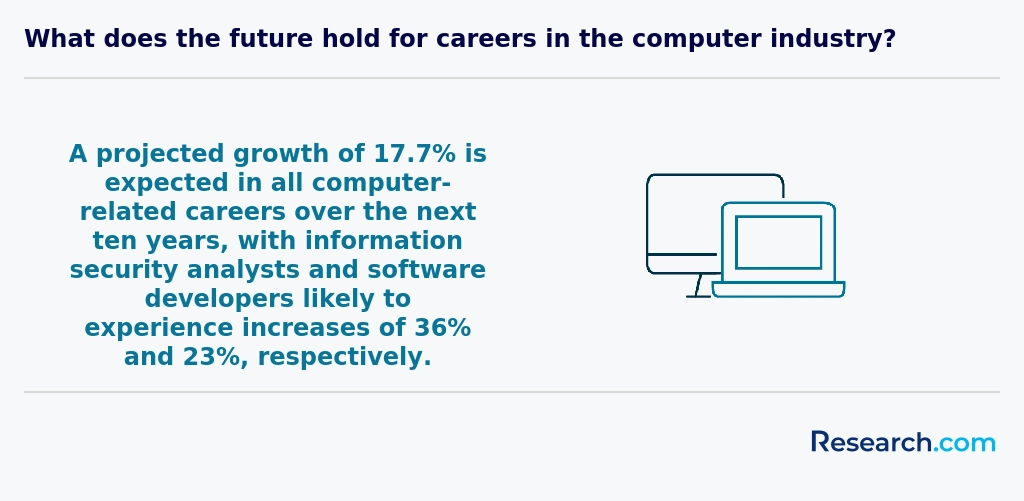
The career outlook for information systems professionals is increasingly global, reflecting the interconnected nature of technology and business. According to the U.S. Bureau of Labor Statistics, employment in computer and information technology occupations is projected to grow 15% from 2021 to 2031, much faster than the average for all occupations.
Graduates with information systems degrees, including those studying online in Alabama, can expect opportunities not only locally but internationally. Companies worldwide seek experts who understand both technology and business processes. This demand is driven by the rise of digital transformation and data management needs.
In Alabama specifically, the technology sector's growth supports an expanding job market. According to the Alabama Technology Council, the state added over 5,000 tech jobs in recent years, highlighting strong regional opportunities tied to global trends.
Understanding diverse markets and regulations can benefit those pursuing this career. Many programs now emphasize global business strategy alongside information systems skills to prepare students for international collaboration.
Gaining practical experience while pursuing an online information systems degree in Alabama is crucial for career readiness. Many Alabama universities incorporate hands-on projects and virtual labs into their online curricula, allowing students to apply theoretical knowledge in simulated real-world environments.
Internships are an excellent option; students can seek opportunities with local tech firms or government agencies in cities like Birmingham or Huntsville, which have growing IT sectors. According to the Alabama Department of Labor, the state's IT jobs are projected to grow by 12% through 2030, increasing demand for interns and entry-level workers.
Additionally, students may join online coding bootcamps and participate in professional organizations such as the Alabama Technology Network to network and gain experience.
When choosing a concentration within an online information systems degree program in Alabama, consider your career goals and local job market demands. Alabama's growing tech industry, particularly in Birmingham and Huntsville, values specializations like cybersecurity, data analytics, and network administration, according to the Alabama Department of Labor.
Evaluate the curriculum of each concentration to ensure it covers skills relevant to current technologies and certifications.
Also, review faculty expertise and internship opportunities available through the program, as these enhance practical experience.
Understanding your strengths and interests alongside Alabama's industry trends will guide your best concentration choice.
Related Information Systems Rankings for Nearby States
- 2027 Most Affordable Online Information Systems Degree Programs Ranking in Georgia
- 2027 Most Affordable Online Information Systems Degree Programs Ranking in Arkansas
- 2027 Most Affordable Online Information Systems Degree Programs Ranking in Kentucky
- 2027 Most Affordable Online Information Systems Degree Programs Ranking in Missouri
- 2027 Most Affordable Online Information Systems Degree Programs Ranking in Illinois
- 2027 Most Affordable Online Information Systems Degree Programs Ranking in Texas
- 2027 Most Affordable Online Information Systems Degree Programs Ranking in Virginia
- 2027 Most Affordable Online Information Systems Degree Programs Ranking in Kansas
- 2027 Most Affordable Online Information Systems Degree Programs Ranking in Pennsylvania
- 2027 Most Affordable Online Information Systems Degree Programs Ranking in Michigan
Top Trending Information Systems Rankings
References
- Information Systems https://www.wits.ac.za/course-finder/undergraduate/clm/information-systems/
- What Is Information Systems Management? A Career Guide https://www.manipaldubai.com/blogs/what-is-information-systems-management
- What Are the Issues and Challenges in Information Technology? https://reinvent-hit.com/what-are-the-issues-and-challenges-in-information-technology/
- Information Technologies Master of Science Without Thesis Secondary Education Program https://www.tyyc.itu.edu.tr/ProgramHakkinda.php
- Computer Information Systems - Applied Technology Division - Central Alabama Community College https://www.cacc.edu/programs/computer-information-science
- Information Technology Certification Programs https://www.isaca.org/credentialing/certifications
- Top 50 InfoSec Networking Groups to Join | Fortra https://www.fortra.com/blog/top-50-infosec-networking-groups-join
- The Top IT Challenges Facing Universities (And How to Tackle Them) | Full Fabric https://www.fullfabric.com/articles/it-challenges-universities-face
- 2023 Most Popular Online Computer Information Systems Bachelor's Degree Schools in Alabama - Course Advisor https://courseadvisor.com/majors/computer-and-information-sciences/computer-information-systems/rankings/most-popular-online/bachelors-degrees/southeast/alabama/
- 144 Best Business Information Systems courses abroad 2026 https://www.hotcoursesabroad.com/study/training-degrees/international/business-information-systems-courses/cgory/cb.41-4/sin/ct/programs.html


