
2027 Most Affordable Online Information Systems Degree Programs Ranking in Michigan

Co-Founder and Chief Data Scientist
Are you considering pursuing an information systems degree but concerned about cost? This article introduces the 2027 Most Affordable Online Information Systems Degree Programs Ranking in Michigan, designed to help you navigate your options with confidence.
Created by the Research.com team of data scientists, the ranking highlights affordable, quality programs that fit different needs and goals. Reading this guide can empower you to make an informed decision that balances value and educational excellence.
Investing in an information systems degree opens doors to a rewarding career, and this article is here to support your journey every step of the way.
Key benefits of getting online information systems degree in Michigan
- Information systems graduates in Michigan often pursue careers as computer and information analysts, earning a mean annual wage of around $103,000, offering a rewarding and well-paid path.
- Career opportunities include roles in IT management, systems analysis, and database administration, with graduates from Michigan State University frequently securing diverse positions in thriving local tech companies.
- Completing an information systems degree online through institutions like Western Michigan University provides flexibility and access to quality education, making it easier to balance work, family, and study commitments compared to traditional programs.
What can I expect from online information systems degree in Michigan?
The average cost of an online information systems degree in Michigan typically hovers around $10,000 per year for in-state students, especially at public universities like Wayne State University or Central Michigan University. Graduates often recall appreciating this affordability, which balances quality education with financial feasibility. However, costs can vary depending on the institution and whether students qualify for in-state tuition or access employer tuition assistance programs.
Some students find that these tuition rates support their ability to maintain work-life balance while advancing their careers, since many programs are designed for working adults. Graduates frequently mention how flexible schedules and practical coursework-including cloud computing and IT governance-make the investment feel worthwhile.
Still, it is important to consider additional expenses, such as technology fees or course materials, which may not be included in listed tuition. While some might question the value given these extras, many alumni emphasize that the opportunity to connect with Michigan's automotive and manufacturing sectors offers unique career benefits that justify the cost.
Where can I work with online information systems degree in Michigan?
Graduates from online information systems programs at Michigan institutions like the University of Michigan and Michigan State University often find themselves entering diverse and dynamic career paths within the state. Many pursue roles in the automotive sector, where companies such as General Motors and Ford highly value their skills in managing complex supply chains and driving innovation through data analytics. One graduate, for example, shared how their work involved optimizing manufacturing processes using real-time data, which brought a sense of accomplishment and growth.
Healthcare also emerges as a significant employer. Graduates often support electronic health record systems or telemedicine platforms, contributing to enhanced patient care technologies in systems like Michigan Medicine. This work resonates personally with many alumni who appreciate helping improve community health services through technology.
Other common paths include financial institutions in cities like Detroit, where graduates protect sensitive data and detect fraud, as well as fast-growing tech hubs in Ann Arbor and Lansing that offer stimulating roles in software development and network management. These opportunities reflect Michigan's broad and evolving tech landscape, though success often depends on adaptability and continuous learning.
Moreover, some graduates find meaningful work in public sector roles, maintaining cybersecurity and digital services for government entities. This illustrates the range of environments where an information systems degree is valuable, emphasizing that each path involves distinct challenges and rewards.
How much can I make with online information systems degree in Michigan?
Graduates with an online information systems degree in Michigan often see starting salaries around $60,000 to $75,000 for roles such as systems analysts or IT specialists. This aligns with reports from universities like the University of Michigan and Michigan State University, where alumni share experiences of securing well-paying entry-level jobs soon after graduation. These salaries reflect not only the technical competencies gained through rigorous coursework but also the growing demand for IT talent in cities like Detroit and Ann Arbor.
More experienced professionals, including database administrators and network architects, can expect median salaries ranging from $85,000 to $110,000. These positions typically require a strong grasp of systems design and security-skills emphasized in these universities' online programs. Graduates often highlight how certifications earned alongside the degree enhanced their employability and income potential.
While median wages for management roles in Michigan reach approximately $125,000, this figure depends on factors such as the employer's size and location. Graduates in metropolitan areas usually have an advantage due to higher tech sector concentration and local economic conditions, reinforcing the value of strategically choosing where to work.
- Key benefits of getting online information systems degree in Michigan
- What can I expect from online information systems degree in Michigan?
- Where can I work with online information systems degree in Michigan?
- How much can I make with online information systems degree in Michigan?
- How do we rank schools?
- 2027 Most Affordable Online Information Systems Degree Programs Ranking in Michigan
- What online information systems degree graduates have to say
- Key Findings
- How long does it take to complete online information systems degree in Michigan?
- What's the difference between online and on-campus information systems degree?
- What is the average cost of online information systems degree in Michigan?
- What financial aid is available to online information systems degree students in Michigan?
- What are the prerequisites for enrolling in online information systems degree program in Michigan?
- What courses are typically in online information systems degree programs in Michigan?
- What types of specializations are available in online information systems degree programs in Michigan?
- How do you choose the best online information systems degree in Michigan?
- What career paths are available for online information systems degree students in Michigan?
- What is the job market for online information systems degree in Michigan?
- Frequently Asked Questions About information systems
- Related Information Systems Rankings for Nearby States
- Top Trending Information Systems Rankings
How do we rank schools?
Investing in your education is a significant decision that can shape your future, and the Research.com team understands the importance of making informed choices. To assist prospective students in Michigan, we have meticulously crafted the "2027 Most Affordable Online Information Systems Degree Programs Ranking in Michigan." Our commitment to quality, credibility, and accuracy is reflected in the extensive research and analysis conducted to compile this ranking.
We utilized the following reputable data sources to ensure a comprehensive evaluation of Information Systems programs:
By exploring this ranking, readers will gain valuable insights into the most affordable online Information Systems degree programs in Michigan, enabling them to make well-informed decisions about their educational investments. For more details on our methodology, please visit our Research.com methodology page.
2027 Most Affordable Online Information Systems Degree Programs Ranking in Michigan
# 1 position

The University of Michigan-Flint offers a Master's degree program focused on Information Technology with a length of 24 months. The program has a graduation rate of 40% and costs an average total of $17,355. It enrolls 4,488 online students and has a less selective acceptance rate of 70%. Nearly all students receive financial aid, with 99% benefiting from high aid levels.
# 2 position

The University of Michigan - Dearborn offers a 24-month Master's program focused on Engineering. With a graduation rate of 58%, the program is less selective, admitting 56% of applicants. Nearly all students-99%-receive financial aid, reflecting a high level of support. The average total cost is $30,300. The program also enrolls 1,370 online students, providing flexible learning options for those pursuing advanced engineering studies.
# 3 position

The University of Detroit Mercy offers an 18-month Master's program in Information Technology with an acceptance rate of 75%, indicating less selective admissions. The program has a graduation rate of 67% and costs an average total of $26,670. One hundred students are enrolled online, and all students benefit from high levels of financial aid, with 100% receiving assistance throughout their studies.
# 4 position

Central Michigan University offers a Master's program in Information Technology lasting 24 months. The program has an open admission policy with a 90% acceptance rate. With a graduation rate of 59%, the average total cost is $31,320. The university provides a high level of financial aid, with 96% of students receiving support. This program is designed for those seeking advanced education in IT at a reasonable cost and accessible entry standards.
# 5 position
Davenport University Online
Bachelor
Davenport University Online offers a Bachelor's degree program focused on Information Technology. The program serves approximately 4,700 online students, providing flexible access to higher education in this field. Details about the program's length, total cost, graduation rate, acceptance rate, and financial aid availability are not currently disclosed, emphasizing enrollment scale as the primary known factor for prospective students to consider.
What online information systems degree graduates have to say
- "At Michigan State University, the online information systems program was flexible yet challenging, allowing me to balance work and study. The real-world projects helped me gain practical skills that employers value. I felt supported every step of the way, making this journey truly rewarding." - Emily
- "Western Michigan University's approach to teaching information systems online exceeded my expectations. The interactive lectures and dedicated professors made complex concepts easy to understand. I grew confident in my abilities and ready for the tech industry. Studying here was a life-changing experience." - Marcus
- "The University of Detroit Mercy's online information systems degree offered me convenience without sacrificing quality. The curriculum was up-to-date and relevant, preparing me for today's evolving digital landscape. I appreciated the strong community feeling despite being remote-something that truly motivated me." - Sophia
Key Findings
- Tuition for online bachelor's degrees in information systems in Michigan ranges from $10,000 to $25,000 for in-state students, with public universities generally being more affordable than private ones.
- Graduates can expect an average starting salary of about $58,000 per year, increasing to around $90,000 annually with mid-career experience.
- Job openings in information systems roles in Michigan are projected to grow by over 10% in the next decade.
- Key job roles include systems analysts, IT project managers, database administrators, and cybersecurity specialists.
- Many online programs offer practical experience through virtual labs and remote internships linked to local job markets.
- Some degrees are accredited by bodies like ABET or regional accreditors, which supports quality education and better job prospects.
How long does it take to complete online information systems degree in Michigan?
Completing an online information systems degree in Michigan varies significantly based on student circumstances and program structure. For example, undergraduates attending Wayne State University full time often finish in about four years, aligning with the typical 120-credit-hour requirement. Some graduates share how taking summer courses sped up their path, reducing their study time to three years, which felt rewarding and motivating.
Alternatively, part-time students balancing work and family at Grand Valley State University frequently take three to six years, appreciating the flexibility despite a longer timeline. This balance can foster a positive, manageable experience without overwhelming commitments.
Graduate students pursuing online master's degrees commonly complete their programs in one to two years, with many valuing the brisk pace that allows them to advance careers quickly. Some find accelerated tracks especially appealing, as they help minimize costs and maintain momentum.
Ultimately, time to completion depends on personal pace, transfer credits, and program specifics, making it essential to consider individual goals and life demands when planning.
What's the difference between online and on-campus information systems degree?
Choosing between online and on-campus information systems degrees in Michigan often boils down to lifestyle and learning preferences. Graduates from universities like the University of Michigan and Michigan State University frequently note that online programs offer unmatched flexibility, ideal for those balancing work or family, thanks to asynchronous classes accessible anytime. This means a working professional can study after hours without commuting, making progress at their own pace.
In contrast, students attending on-campus programs at schools such as Wayne State University appreciate the regular face-to-face interaction that fosters stronger connections with professors and peers. These structured schedules build a routine and provide immediate access to campus tech labs, which some find crucial for mastering hands-on skills in information systems.
Cost differences also inform decisions. Public universities in Michigan typically charge $11,000 to $15,000 annually for in-state tuition, but online learners often benefit from reduced fees and no commuting expenses. However, some mention extra technology fees or software costs.
While some employers still prize the traditional networking opportunities from on-campus degrees, many recognize online credentials from accredited Michigan institutions as equally credible, reflecting evolving workforce realities.
What is the average cost of online information systems degree in Michigan?
The average cost of an online information systems degree in Michigan can vary widely, but median data suggest a total cost near $28,995. In-state students benefit from a substantially lower median of approximately $23,827, reflecting more affordable tuition rates at public institutions. Out-of-state learners face a higher median cost around $37,548, indicating the price premium of residency status. These amounts provide a more precise snapshot than older estimates, helping students plan financially and weigh their options carefully.
Graduates from Michigan State University, known for its competitive online tuition near $650 per credit hour for in-state learners, often report satisfaction balancing cost with program quality. Similarly, students at the University of Michigan appreciate the value of paying closer to $600 per credit hour when resident, lending some peace of mind when budgeting. Private colleges such as Walsh College, charging between $800 and $1,000 per credit hour, reflect the upper end of this spectrum but may offer unique specializations that some students find worth the investment.
Prospective students searching for affordable online information systems programs Michigan-wide should also consider financial aid and employer tuition reimbursement, which many graduates have found crucial in easing the expense. Beyond tuition, students consistently mention how course materials and technology fees add to the total cost, but online study minimizes living expenses. To explore various options thoroughly, it's helpful to look into the best GIS programs available in Michigan, which sometimes share overlap with information systems curricula and costs.
What financial aid is available to online information systems degree students in Michigan?
Students pursuing online information systems degrees in Michigan often navigate a financial aid landscape that blends federal, state, and institutional resources. Graduates from well-known institutions like the University of Michigan or Michigan State University frequently recall how applying for FAFSA unlocked significant aid, including Pell Grants up to $7,395 for the 2023-2024 year. This benefit relieved financial strain without requiring repayment, enabling focus on coursework rather than debt.
Beyond federal support, Michigan's state programs such as the Michigan Competitive Scholarship and the Tuition Incentive Program provide meaningful assistance, especially for those attending public universities. These funds require students to maintain academic standards, reinforcing the importance of sustained effort for ongoing eligibility.
Many students also tap into scholarships offered by their colleges targeting IT and business majors. For example, online learners at Oakland University note that merit-based and need-based awards often ease tuition burdens. Additionally, those balancing jobs find employer tuition reimbursement common in Michigan's automotive and tech sectors, turning professional advancement into a realistic goal.
Nevertheless, some students emphasize the challenge of thoroughly exploring all aid opportunities early. Utilizing resources like the Michigan Education Trust and Fastweb, while time-consuming, can yield unexpected scholarships from community foundations and IT organizations, making financial aid a dynamic, proactive process.
What are the prerequisites for enrolling in online information systems degree program in Michigan?
To enroll in an online information systems degree in Michigan, students typically need a high school diploma or GED, reflecting a foundational level of literacy and numeracy. For example, graduates from schools like the University of Michigan-Dearborn often recall how meeting this baseline requirement felt like the first step toward a rewarding tech career. Many programs also expect a minimum GPA around 2.5, ensuring applicants have demonstrated sufficient academic achievement. Some institutions may require standardized test scores, though many have shifted to test-optional policies, recognizing that such scores don't always convey a student's potential, especially during the disruptions caused by COVID-19.
Prospective transfer students must present transcripts illustrating completed coursework in math or computer science, such as introductory courses or statistics. Students from Michigan State University highlight how these prerequisites built their confidence entering advanced material online. Additionally, submitting a personal statement explaining your interest and career goals can make a significant difference, as admissions committees value motivation alongside academic records. While letters of recommendation are uncommon for undergraduates, they may be requested at the graduate level. These varied requirements reflect the balance Michigan schools strike between accessibility and preparedness in information systems education.
What courses are typically in online information systems degree programs in Michigan?
Online information systems degree programs in Michigan commonly include courses that balance technical expertise with business understanding. Graduates from universities like the University of Michigan and Michigan State University often recall foundational courses such as Introduction to Information Systems, Database Design and Management, and Systems Analysis and Design. These classes help students grasp essential skills like programming and managing large data sets, which are critical in real-world IT environments.
Additionally, students frequently engage with cybersecurity and data analytics courses, such as Cybersecurity Principles and Data Analytics and Visualization, reflecting the rising importance of protecting digital information and interpreting complex data. These subjects resonate with graduates who have experienced increasing demand for such skills within Michigan's growing tech hubs.
Programs also often blend in business courses like project management and IT strategy. Graduates appreciate how these classes simulate workplace challenges, helping them align technical decisions with organizational goals, especially in cities like Detroit where tech roles are rapidly expanding.
What types of specializations are available in online information systems degree programs in Michigan?
Online information systems specializations Michigan students often encounter include Cybersecurity, Data Analytics and Business Intelligence, Health Informatics, and Enterprise Systems and IT Management. Graduates from universities like the University of Michigan-Flint and Michigan State University have expressed that choosing Cybersecurity felt rewarding, as it directly addresses real-world challenges like protecting sensitive company data from increasing cyber threats. This specialization aligns well with local job market demands, where companies urgently seek skilled professionals.
Others pursuing the Michigan information systems degree concentration options have found Data Analytics vital for their careers, especially in industries leveraging big data to inform decisions. In fact, the 15% growth in analytics roles reported by the state's tech sector reflects this trend. Health Informatics, offered by programs including the online CAHIIM accredited health information management degree, appeals to those interested in combining technology with healthcare - a major field in Michigan.
Some graduates describe Enterprise Systems and IT Management as a complex yet exciting path, preparing them to oversee organizational IT projects and infrastructure across the state's corporate landscape. While these specializations address distinct needs, students benefit from considering how each aligns with career goals and Michigan's evolving economy.
How do you choose the best online information systems degree in Michigan?
Choosing the best online information systems degree in Michigan involves scrutinizing both program quality and practical outcomes. Graduates from well-known Michigan colleges often emphasize the importance of programs with regional accreditation, as this affects both employer recognition and credit transferability. While many programs claim to be flexible, students report that asynchronous course formats provided by Michigan universities genuinely allow balancing work and study, a critical factor when managing personal commitments. However, students should critically examine the curriculum depth to ensure coverage of essential topics like cybersecurity, database management, and project management, which employers in Michigan's tech hubs, such as Detroit and Ann Arbor, highly value.
Costs remain a significant concern. Those pursuing affordable Michigan information systems programs advise comparing tuition rates carefully, as online options can differ widely. Some graduates found it helpful to investigate all expenses, including fees and technology charges, alongside financial aid opportunities. For a clearer perspective on price expectations, many refer to resources like the computer science degree cost guides. Ultimately, focusing solely on cost without considering career support and local job market integration may undermine future prospects.
What career paths are available for online information systems degree students in Michigan?
Graduates holding an online information systems degree in Michigan often find diverse career paths reflecting the state's dynamic economy. Many enter IT support and network administration roles, crucial for ensuring seamless technology functionality in businesses; alumni from the University of Michigan-Flint have shared how hands-on projects helped them secure positions managing networks with competitive salaries. In metropolitan areas like Detroit and Ann Arbor, systems analysts collaborate closely with tech companies, turning complex business needs into practical software solutions, a path praised by graduates from Wayne State University for its blend of technical and strategic skills.
Another significant avenue involves data management and analytics, where professionals interpret growing datasets in healthcare and finance-sectors rapidly expanding in Michigan. These opportunities resonate with students who appreciate actionable insights from data and are eager to join thriving industries. Similarly, cybersecurity is a promising field, especially for those pursuing a cybersecurity masters or related certifications, offering roles that protect sensitive information with salaries above state averages. Considering online information systems careers in Michigan, it's clear that the degree can launch rewarding paths, though success often depends on combining education with practical experience and certifications.
What is the job market for online information systems degree in Michigan?
The job market for graduates with online information systems degrees in Michigan is generally favorable, driven by expanding technology needs across key industries. Graduates from popular institutions report finding entry-level roles like systems analyst or IT support specialist within sectors such as automotive manufacturing and healthcare, where demand for automation and cybersecurity expertise is growing. This practical experience provides a solid foundation for career growth, highlighting Michigan's promise for those seeking technology roles.
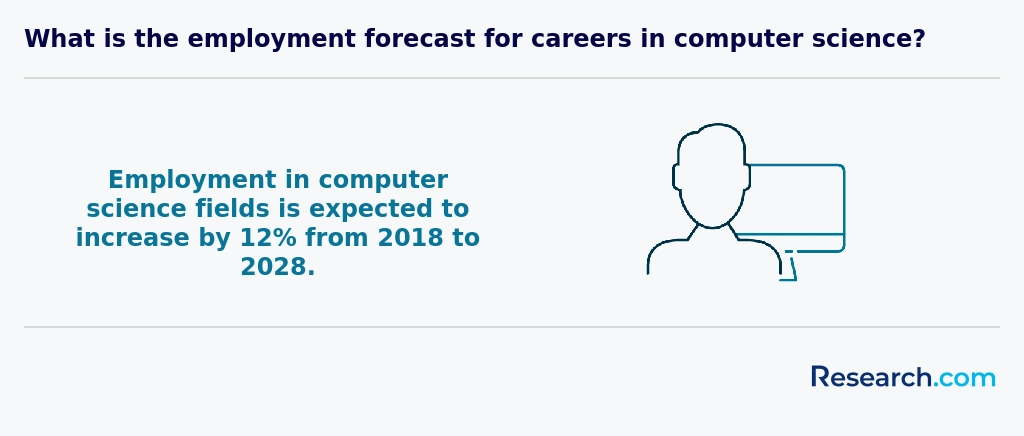
Considering Michigan information systems degree career outlook, professionals benefit from a labor market projecting about 12% job growth in computing management over the coming decade. While salaries in cities like Detroit may fall slightly below the national average, the lower cost of living helps graduates enjoy competitive lifestyles. Many students appreciate how local public universities offer affordable online programs that help minimize educational expenses without sacrificing quality.
Graduates often emphasize staying current with emerging technologies and certifications to enhance their hiring potential. For students balancing costs and outcomes, exploring options such as MS data science online programs can provide valuable complementary skills to boost career prospects in Michigan's evolving market.
Frequently Asked Questions About information systems
Students pursuing online information systems degrees in Michigan can enhance their learning by actively engaging with digital resources and participating in virtual study groups. Michigan hosts several institutions offering accredited programs, such as Central Michigan University and Western Michigan University, which provide access to up-to-date technology and industry-relevant software.
Leveraging internships within Michigan's growing tech sector-especially in cities like Detroit and Ann Arbor-helps students apply theoretical knowledge. According to the Michigan Economic Development Corporation, the information technology sector grew by 2.3% in 2023, creating numerous professional opportunities.
Additionally, online learners should utilize academic advising, career services, and networking events provided by their schools to stay connected and informed about industry trends.
The field of information systems is rapidly evolving, with several emerging niches gaining traction in Michigan's tech and business sectors. Areas such as cybersecurity, data analytics, and cloud computing are particularly prominent.
Michigan's growing automotive and manufacturing industries are driving demand for information systems specialists proficient in the Internet of Things (IoT) and industrial automation. According to the Michigan Economic Development Corporation, jobs related to data management and cloud services have increased by over 12% between 2019 and 2023.
Additionally, healthcare information systems are expanding in the state due to rising investments in digital health records and telemedicine platforms. These specialized fields offer promising career paths for students pursuing online information systems degrees in Michigan.
Preparing for the job market after completing an online information systems degree in Michigan involves building both technical skills and practical experience. Many Michigan employers seek candidates familiar with current technologies like cloud computing, cybersecurity, and data analytics.
Students should pursue internships or cooperative education opportunities during their studies. These programs often connect students with companies in Detroit's growing tech industry or Grand Rapids' expanding IT sector. According to the Michigan Talent Investment Agency, information systems roles in the state are projected to grow 11% by 2030.
Certification in popular platforms such as AWS, Cisco, or CompTIA can strengthen a resume. Networking through local industry groups like the Michigan Information Technology Association helps graduates learn about job openings and trends specific to Michigan.
Employers in Michigan highly value graduates of online information systems degree programs who demonstrate strong technical skills and practical knowledge. Key competencies include proficiency in database management, cybersecurity, and systems analysis. According to the Michigan Economic Development Corporation, demand for IT professionals with these skills has grown by over 10% in recent years.
Analytical thinking and problem-solving abilities are essential, as employers seek candidates who can optimize business processes using technology. Communication skills are also critical since many roles require collaboration across departments.
Additionally, familiarity with programming languages like Python and Java, alongside cloud computing experience, increases job prospects in Michigan's competitive tech market.
Finding internships in Michigan related to an information systems degree involves leveraging local resources and industry connections. Many universities in Michigan maintain partnerships with tech companies and offer dedicated internship placement services for their students. Additionally, platforms like Handshake and LinkedIn list numerous opportunities in cities such as Detroit, Ann Arbor, and Grand Rapids, where the state's tech sector is growing.
According to the Michigan Department of Labor, the information technology sector is expected to grow by 10% through 2028, increasing internship availability. Students should also explore organizations like TechTown Detroit and the Michigan Economic Development Corporation for programs supporting tech internships.
Networking through local chapters of professional bodies like the Association for Information Systems (AIS) can also be valuable. Applying early and tailoring resumes to highlight technical skills will enhance chances of securing competitive positions within Michigan's expanding information systems field.
Online information systems degrees in Michigan significantly enhance career mobility due to the state's growing tech industry. According to the Michigan Department of Technology, Management & Budget, employment in computer and information technology occupations is projected to grow by 12% through 2030, faster than average.
Graduates with these degrees often qualify for higher-level roles like IT managers, systems analysts, or cybersecurity specialists. The flexibility of online programs allows students to continue working while gaining skills valued by Michigan employers such as General Motors and Ford, who invest heavily in digital transformation.
Data from the U.S. Bureau of Labor Statistics shows the median annual wage for information systems managers in Michigan is about $135,000, indicating strong advancement potential with the right credentials.
Studying for an online information systems degree in Michigan equips students for interdisciplinary roles by combining technical knowledge with business and management skills. Programs often include coursework in data analytics, cybersecurity, and project management, preparing graduates to collaborate across departments.
Michigan's economic diversity, with strong sectors in automotive, healthcare, and finance, provides real-world contexts for applying information systems expertise. According to the Michigan Department of Technology, Management & Budget, over 50,000 jobs relate to IT and information systems statewide, highlighting interdisciplinary career opportunities.
Additionally, many Michigan universities emphasize teamwork and communication skills within their curricula, vital for cross-functional roles.
When choosing between thesis and non-thesis options for an online information systems degree in Michigan, consider your career goals first. A thesis program is research-intensive and suits students aiming for academic roles or advanced study, such as PhD programs. It involves conducting original research, often requiring 6-12 additional credit hours.
Non-thesis programs focus more on practical skills and coursework, ideal for professionals targeting managerial or technical positions in Michigan's growing tech sector.
The Michigan Economic Development Corporation reports a 10% annual growth in IT jobs, emphasizing applied knowledge. Cost and time commitment also differ; thesis paths can take longer to complete. Evaluate your learning style, resources, and future plans carefully before deciding.
Students based in Michigan interested in studying information systems abroad have several options, primarily through partnerships and exchange programs offered by their home universities. Many Michigan universities with online information systems degrees maintain collaborative agreements with international institutions, allowing credits to transfer seamlessly. According to the Michigan State University Global Engagement Office, about 25% of undergraduates participate in some form of international study.
While fully online programs provide flexibility, some students also combine online coursework with short-term study abroad opportunities. Organizations like the Institute of International Education (IIE) report steady growth in US students selecting technology and computer science fields for study abroad. However, prospective students should verify if their Michigan institution supports degree requirements for international credits to ensure smooth progress.
Overall, Michigan students benefit from diverse options blending online study with global exposure through recognized institutional programs, enhancing both academic and cultural experiences in the field of information systems.
Michigan offers several part-time job opportunities that align well with an online information systems degree. Roles such as IT support specialist, data entry analyst, and junior systems administrator are commonly available and provide practical experience in managing information systems.
The state's growing tech sector, particularly in cities like Detroit and Ann Arbor, supports numerous startups and established companies seeking skilled tech workers on a flexible basis. According to the Bureau of Labor Statistics, Michigan's computer and IT occupations are projected to grow at about 11% from 2022 to 2032, faster than average.
Many students also find internships or part-time roles in cybersecurity firms, given the increasing demand for security expertise locally. Additionally, freelance opportunities in database management and software testing can complement coursework.
Online information systems students in Michigan have access to a variety of networking opportunities that enhance their education and career prospects. Many universities provide virtual events, such as webinars and career fairs, specifically designed for online learners. These platforms often connect students with industry professionals from Michigan's growing tech sector, notably in cities like Detroit and Ann Arbor.
Organizations such as the Michigan Council of Women in Technology and local chapters of the Association for Information Systems offer virtual meetups and professional groups that online students can join. Additionally, partnerships between universities and Michigan-based companies create internship and mentorship programs, providing practical experience and networking.
Alumni networks play a crucial role for students pursuing online information systems degrees in Michigan. These networks provide valuable connections to experienced professionals working in fields such as IT management, data analytics, and cybersecurity. According to the Michigan Economic Development Corporation, many tech companies actively recruit through university alumni channels, increasing job placement opportunities.
Students benefit from mentorship programs offered by alumni, gaining insights on current industry trends and career advancement strategies. Networking events and online forums also foster collaboration and knowledge sharing, which is essential in the fast-paced technology sector.
Access to alumni resources can enhance internships and employment prospects, making these networks a key asset for students aiming to build successful careers in information systems within Michigan's growing tech economy.
Michigan students pursuing an online information systems degree can customize their programs by selecting from various concentrations such as cybersecurity, data analytics, or business intelligence. Many Michigan universities offer flexible elective options, allowing students to tailor coursework to align with industry demands and personal career goals.
Additionally, students can often choose between theoretical and applied tracks, enhancing skills relevant to roles in IT management or systems development. According to the Michigan Center for Educational Performance and Information, demand for information systems professionals in Michigan is expected to grow by 8% through 2028, making specialization valuable.
Internships and capstone projects integrated into programs further support practical experience in chosen fields.
Online information systems students in Michigan often face challenges balancing coursework with professional and personal responsibilities. Many learners are working adults who must manage time efficiently to meet deadlines. Technical issues, including reliable internet access and navigating complex learning platforms, can impede progress, especially in rural areas where connectivity may be limited.
Additionally, students sometimes struggle with limited direct interaction with instructors and peers, which can affect understanding complex concepts. According to the Michigan Virtual University, about 40% of online learners cite engagement and motivation as notable concerns. Adapting to the fast-changing technology landscape in information systems also requires continual self-study.
Graduates with an online information systems degree in Michigan have various professional certifications available to enhance their careers. Common certifications include CompTIA's Security+, which focuses on cybersecurity skills critical in Michigan's growing tech sectors. The Certified Information Systems Security Professional (CISSP) is also widely recognized for those aiming at advanced security roles.
The Project Management Professional (PMP) certification is valuable, especially since Michigan employers prioritize project management to handle complex IT systems. Additionally, certifications like Certified Information Systems Auditor (CISA) and Certified Information Technology Professional (CITP) cater to auditing and IT management positions.
According to the Michigan Economic Development Corporation's 2023 report, demand for certified IT professionals in information systems roles grew by 12% statewide, reflecting strong job prospects for certificate holders.
To write a winning application for an online information systems program in Michigan, start by carefully reviewing each school's specific admission requirements. Many programs, like those at Michigan State University and the University of Michigan-Dearborn, prioritize a strong academic record, particularly in mathematics and computer science courses. Including relevant work experience or internships in IT fields can enhance your application significantly.
Submit a clear, concise personal statement that outlines your career goals and explains why you chose information systems. Highlight skills like problem-solving and technical proficiency, which are in demand in Michigan's growing tech economy, as reported by the Michigan Economic Development Corporation.
Prepare strong letters of recommendation from academic or professional sources who can attest to your abilities. Lastly, ensure all documents are complete and submitted on time, as Michigan programs often receive many applications, making punctuality essential.
The field of information systems is increasingly viewed through a global lens, reflecting the interconnected nature of technology and business. Careers in information systems offer strong growth opportunities, with the U.S. Bureau of Labor Statistics projecting a 15% increase in employment for computer and information technology occupations from 2021 to 2031.
Michigan, home to a robust tech and manufacturing sector, benefits from this trend. According to the Michigan Economic Development Corporation, the state has seen a rise in demand for IT professionals skilled in data analytics, cybersecurity, and system integration, driven by global digital transformation.
Globally, companies seek information systems graduates who can navigate cross-cultural environments and emerging technologies, emphasizing skills in cloud computing and artificial intelligence. For Michigan students, earning an online degree in information systems can open doors to careers both locally and internationally, aligning with evolving global business needs.
Students pursuing online information systems degrees in Michigan can gain practical experience through several avenues. Many programs encourage internships or cooperative education (co-op) with local businesses, especially given Michigan's growing tech sector in cities like Detroit and Grand Rapids. These work experiences allow students to apply classroom knowledge to real-world IT challenges.
Additionally, virtual labs and simulation environments are often integrated into coursework, offering hands-on practice with software development, networking, and database management.
Professional organizations such as the Michigan chapter of the Association for Information Technology Professionals (AITP) also provide networking opportunities, workshops, and certifications that enhance practical skills.
According to Michigan Works! data, internships in IT fields have grown by 15% since 2020, reflecting increasing demand for skilled practitioners.
Choosing the right concentration within an online information systems degree program in Michigan depends on your career goals and local industry demands. Michigan's technology sector, especially in cities like Detroit and Ann Arbor, values skills in cybersecurity, data analytics, and software development. According to the Michigan Economic Development Corporation, jobs in information technology are growing faster than the national average, with a 13% increase projected through 2030.
Consider concentrations that align with these growth areas to maximize job prospects. Also, review program curricula to ensure they cover the latest technologies and certifications valued by employers in Michigan's IT landscape.
Networking opportunities and connections to local businesses within the program can be a key factor in choosing the right concentration, as they help with internships and job placements.
Related Information Systems Rankings for Nearby States
- 2027 Most Affordable Online Information Systems Degree Programs Ranking in Illinois
- 2027 Most Affordable Online Information Systems Degree Programs Ranking in Pennsylvania
- 2027 Most Affordable Online Information Systems Degree Programs Ranking in Kentucky
- 2027 Most Affordable Online Information Systems Degree Programs Ranking in Missouri
- 2027 Most Affordable Online Information Systems Degree Programs Ranking in Virginia
- 2027 Most Affordable Online Information Systems Degree Programs Ranking in New Jersey
- 2027 Most Affordable Online Information Systems Degree Programs Ranking in Arkansas
- 2027 Most Affordable Online Information Systems Degree Programs Ranking in Georgia
- 2027 Most Affordable Online Information Systems Degree Programs Ranking in Alabama
- 2027 Most Affordable Online Information Systems Degree Programs Ranking in Florida
Top Trending Information Systems Rankings
References
- Explore Michigan Schools With Computer Science Programs https://www.computerscience.org/online-degrees/michigan/
- Online Degree vs. Traditional: Choosing the Right Path https://beal.edu/online-degree-vs-traditional/
- Computer Information Systems https://midmich.edu/degrees-programs/programs/cis/
- Why You Should Start Networking as a Student – and How to Do It https://amplifyme.com/blog/why-you-should-start-networking-as-a-student
- (apply for a place in the Bachelor of Information Technology) Letter of Motivation https://essayforum.com/letters/apply-place-bachelor-information-technology-39720/
- Information Technology Programs | North Central Michigan College https://www.ncmich.edu/academics/programs/information-technology.html
- 10 Computer Information Systems Careers Worth Considering https://www.calmu.edu/news/computer-information-systems-career
- Online Bachelor's Degree in Computer Information Systems https://www.monroeu.edu/academics/undergraduate-programs/school-information-technology/online-bachelors-degree-computer
- What professions does the IIS sector offer? - ECE https://www.ece.fr/en/what-professions-does-the-information-system-sector-offer/
- Emerging Trends in Information Systems – Introduction to Information Systems Management https://open.ocolearnok.org/informationsystems/chapter/chapter-11-emerging-trends-in-information-systems/


