2027 Easiest Online Human Services Degree Programs Ranking in Maryland

Co-Founder and Chief Data Scientist
Choosing the right human services degree program can be overwhelming, especially when balancing work, family, and other commitments. This article introduces the 2027 Easiest Online Human Services Degree Programs Ranking in Maryland, developed by the Research.com team of data scientists to guide you toward the best options.
By exploring this ranking, you'll discover programs that offer flexibility and quality education tailored to your needs. Earning a human services degree can open doors to meaningful careers helping others while achieving your personal and professional goals.
Let this guide support your journey toward a rewarding future in human services.
Key benefits of getting online human services degree in Maryland
- Human services degree graduates in Maryland can expect competitive salaries in related fields nationally, with typical roles earning between $30,000 and $50,000 annually, providing a stable financial foundation.
- Graduates from Maryland's well-known institutions often pursue careers in social work, counseling, and community outreach, offering diverse and meaningful opportunities to impact lives positively.
- Online human services degrees from recognized Maryland universities offer flexible schedules and accessibility, making it easier to balance work, family, and studies while earning a respected credential.
- 2027 Easiest Online Human Services Degree Programs Ranking in Maryland
- What can I expect from online human services degree in Maryland?
- Where can I work with online human services degree in Maryland?
What can I expect from online human services degree in Maryland?
The average cost of an online human services degree in Maryland varies depending on the institution, but many popular colleges like the University of Maryland Global Campus or Towson University offer competitive tuition rates that often fall between $8,000 and $15,000 per year for in-state students. Graduates commonly share that financial aid and scholarships significantly ease the burden, making education affordable without sacrificing quality.
Several students report benefiting from credit transfers or accelerated options, which reduce both time and costs, especially for those balancing work and study. For example, a graduate from a well-known Maryland college described how leveraging prior work experience allowed them to complete the program faster, saving money and opening career doors sooner.
Many programs also offer flexible payment plans and support services that help students manage expenses effectively. This approach makes pursuing a human services degree in Maryland not only feasible but also rewarding, enabling students to invest in their future confidently.
Where can I work with online human services degree in Maryland?
Graduates with an online human services degree in Maryland often find rewarding careers in government agencies like the Maryland Department of Human Services, where they work as caseworkers, social service specialists, or program coordinators supporting vulnerable groups. For example, many alumni from popular programs at community colleges and universities in Maryland land positions assisting low-income families or children, gaining a real sense of making a difference daily.
Nonprofit organizations across Baltimore and Montgomery County offer diverse roles, from youth outreach to substance abuse recovery programs, providing graduates with hands-on experience in advocacy and community support. Students frequently share how these roles build strong connections and job satisfaction.
Healthcare facilities also employ human services graduates to coordinate patient care and provide advocacy, a growing field as hospitals increasingly focus on social determinants of health. Graduates from Maryland's leading colleges often describe the emotional rewards of helping patients navigate complex systems.
Educational institutions hire graduates as counselors and student advisors, where many find fulfillment supporting special needs students and fostering inclusive environments. Private social services firms offer career paths in case management and program evaluation, with ample job openings statewide encouraging graduates to apply their skills broadly.
Graduates with an online human services degree in Maryland can expect to earn a median annual salary of about $47,000, primarily in entry-level roles such as social and human service assistants. Those starting out after completing programs from institutions like the University of Maryland Global Campus or Towson University often find these positions provide a solid foundation with opportunities to build valuable experience.
For graduates eager to advance, specializing as licensed social workers or case managers can increase earnings to around $63,000 annually. Many students who graduated from these Maryland colleges share how obtaining state licensure alongside their degree opened doors to higher-paying roles in healthcare and nonprofit sectors.
Salary progression is promising, especially in urban areas like Baltimore, where employers value the practical skills gained through online programs. Graduates are encouraged to pursue certifications and state licensure to maximize their earning potential and meet Maryland's growing demand for qualified human services professionals.
- Tuition for online human services degrees in Maryland ranges from $8,000 to $20,000 per year, with public universities and community colleges generally being more affordable.
- Financial aid such as federal grants and scholarships is often available to help reduce education costs.
- Starting salaries for graduates typically range from $35,000 to $45,000 per year, increasing to $50,000-$60,000 mid-career.
- The job market in Maryland for human services professionals is expected to grow by about 10% from 2022 to 2032, faster than average for all occupations.
- Major employers include government agencies, nonprofits, healthcare providers, and educational institutions, many of which require licensure or certification.
Completing an online human services degree in Maryland typically varies by degree level and enrollment pace. For example, associate degrees at community colleges like Montgomery College usually take about two years of full-time study, making it manageable for graduates balancing work and family. One graduate found that prioritizing foundational courses in psychology and counseling allowed steady progress without feeling overwhelmed.
Bachelor's degrees at institutions such as the University of Maryland Global Campus often require four years, but motivated students who leverage transfer credits and accelerated sessions have successfully graduated in three. These flexible options make it easier to fit education into a busy schedule.
For master's degrees, full-time study often spans two years at schools like Salisbury University, while part-time students might take three to four years. Many graduates appreciate the ability to tailor their pace, balancing coursework with professional life and gaining confidence by applying what they learn in real time.
Maryland students choosing between online and on-campus human services degrees face clear differences in delivery and flexibility. Online programs from schools like University of Maryland Global Campus let you study at your own pace, fitting coursework around work or family life. Graduates often appreciate how they could balance real-world jobs while completing assignments on evenings or weekends.
On-campus programs at institutions such as Towson University offer structured schedules and face-to-face interactions. Graduates value the immediate access to professors and campus resources like counseling centers and peer study groups, which enrich their learning experience. However, this can mean less flexibility for those juggling multiple commitments.
Online students must coordinate local internships themselves, but Maryland public universities typically provide virtual support to help find placements. Both formats demand hands-on fieldwork, crucial for applying skills in real settings.
Many graduates find online degrees empower them to take control of their learning journey, while on-campus students thrive on community and routine-choosing based on personal priorities leads to success either way.
The average cost of an online human services degree in Maryland typically centers around $18,000, making it an accessible option for many students. Graduates from well-known Maryland colleges have shared that choosing online programs enabled them to balance work and study without compromising educational quality. Public universities in Maryland offer some of the most affordable online human services programs, which is a major factor for residents aiming to minimize expenses while pursuing their degrees.
For those seeking affordable online human services programs Maryland offerings tend to emphasize flexibility and lower tuition. Many students have found that attending public institutions online reduces overall costs substantially compared to private schools. However, private colleges may provide more scholarship opportunities and payment plans, which prospective students can leverage to manage the higher tuition often associated with these institutions.
Several graduates highlight how factoring in fees for textbooks and technology platforms is essential when budgeting for their education. Understanding the full financial picture helps students prepare and avoid surprises. To explore financial options and programs in detail, prospective students should consult trusted sources like human services degrees online, which offer comprehensive guidance tailored to Maryland's educational landscape.
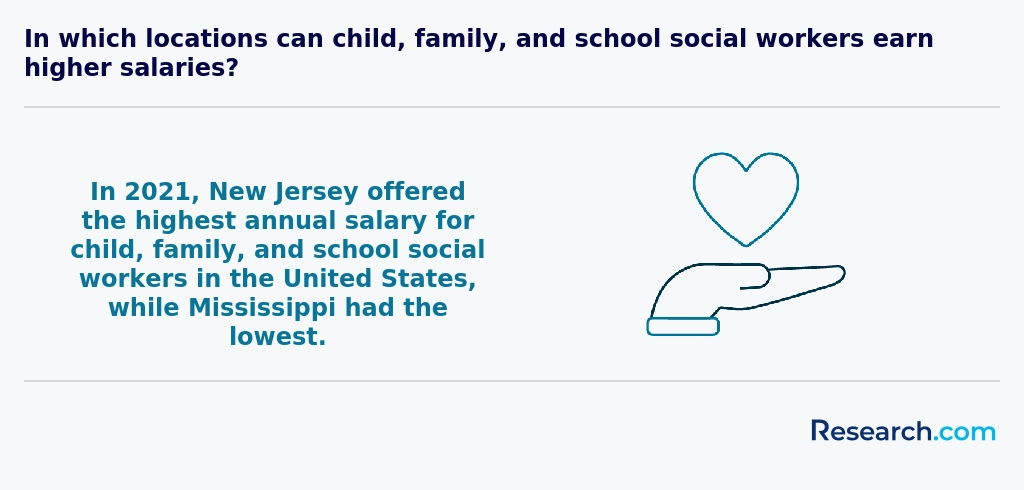
Maryland students pursuing an online human services degree often tap into federal aid like Pell Grants, which offer up to $7,395 annually without repayment requirements. For example, graduates from the University of Maryland Global Campus describe how Pell Grants combined with low-interest Stafford Loans eased their financial burden, allowing them to focus on coursework instead of worry about debt.
State-specific programs such as the Howard P. Rawlings Educational Excellence Award and the Guaranteed Access Grant are vital for many Maryland residents. These awards support students at institutions like Towson University and Coppin State University, where access to in-state funding helped a graduate complete their human services program online while balancing family and work.
Institutional scholarships at these colleges often reward merit and need, especially for students dedicated to social and health service careers. Employers in Maryland's nonprofit sector sometimes offer tuition reimbursement, which graduates found invaluable for continuous professional growth without financial strain.
Professional organizations, including the National Organization for Human Services, also provide scholarships tailored to human services students, helping them combine aid sources and ease tuition costs while advancing their careers.
To enroll in an online human services degree program in Maryland, most students first ensure they have a high school diploma or GED. Graduates from popular institutions like Towson University or Montgomery College often share that submitting official transcripts demonstrating a GPA around 2.5 to 3.0 was a straightforward step that confirmed their readiness for college-level coursework.
Many programs might request standardized test scores such as the SAT or ACT, but numerous Maryland schools now follow test-optional policies, easing entry for students balancing work or family commitments. Specific programs ask for a personal essay outlining your passion for human services, along with letters of recommendation from mentors or employers who understand your dedication and skills.
- Background checks are common, especially if your program includes practical internships working with vulnerable communities, reflecting a real responsibility that graduates value as part of their professional growth.
- Reliable internet and basic computer skills are essential to fully engage with online classes and live sessions.
Overall, these prerequisites are designed to support students' success while preparing them for meaningful careers in Maryland's human services sector.
Online human services degree programs in Maryland typically include courses designed to build practical skills and a deep understanding of social work. Graduates from well-known Maryland institutions often highlight how "Introduction to Human Services" gave them insight into the profession's core values, preparing them to support clients with empathy and professionalism.
Courses like "Psychology and Counseling Techniques" teach essential communication skills that graduates found immediately useful when interacting with diverse populations. Maryland's focus on local policy is reflected in "Social Welfare Policy," where students explore state-specific legislation affecting social services, making the learning directly applicable to work within the region.
Many students appreciate classes in "Case Management and Advocacy," as they build confidence in assessing client needs and connecting them to the right resources-a skill often practiced through internships at community organizations in Maryland. "Cultural Competency" and "Ethics in Human Services" courses help ensure respectful, ethical practice, vital in the state's diverse communities.
Hands-on learning through practicum opportunities at Maryland colleges allows students to translate theory into practice, boosting their readiness for real-world challenges and making their education feel immediately relevant and rewarding.
Maryland's online human services degree specializations offer practical pathways tailored to diverse career goals. Graduates from prominent institutions like Towson University and University of Maryland University College often share how the Social Work specialization equipped them with skills to support vulnerable populations through public agencies, boosting both confidence and career opportunities. The Addiction Counseling track is popular among those passionate about mental health, preparing students for certifications that enable them to make a real difference in recovery settings.
Other students pursuing the Gerontology specialization appreciate its relevance in Maryland's aging communities, preparing them to address elder care challenges effectively. Those in Community Health feel empowered designing wellness programs alongside local public health departments, reflecting a strong community impact. The Child and Family Services specialization trains students to navigate complex family dynamics, which many find rewarding.
Exploring Maryland online human services program options, graduates emphasize how these focused studies align well with the state's job market. To learn more about potential career outcomes, explore jobs for masters degree in human services that these specializations unlock.
Choosing the best online human services degree Maryland requires checking for regional accreditation, which ensures your credits transfer smoothly and your degree is recognized by employers. Graduates from popular universities in Maryland often praise programs that balance rigorous coursework with flexible schedules, which is crucial for working students managing jobs or family commitments. These programs frequently include essential topics like ethics, crisis intervention, and case management paired with local internships, giving real-world experience close to home.
Cost also influences decisions; many Maryland residents seek affordable human services programs Maryland that offer in-state tuition discounts or financial aid. One graduate shared how finding a program with a supportive career counseling team helped them secure a job quickly after graduation. To find the right fit, compare graduation rates and career support services, as these indicate stronger outcomes.
For those interested in affordable options, consider exploring resources such as an affordable human services online program to guide your decision with up-to-date data.
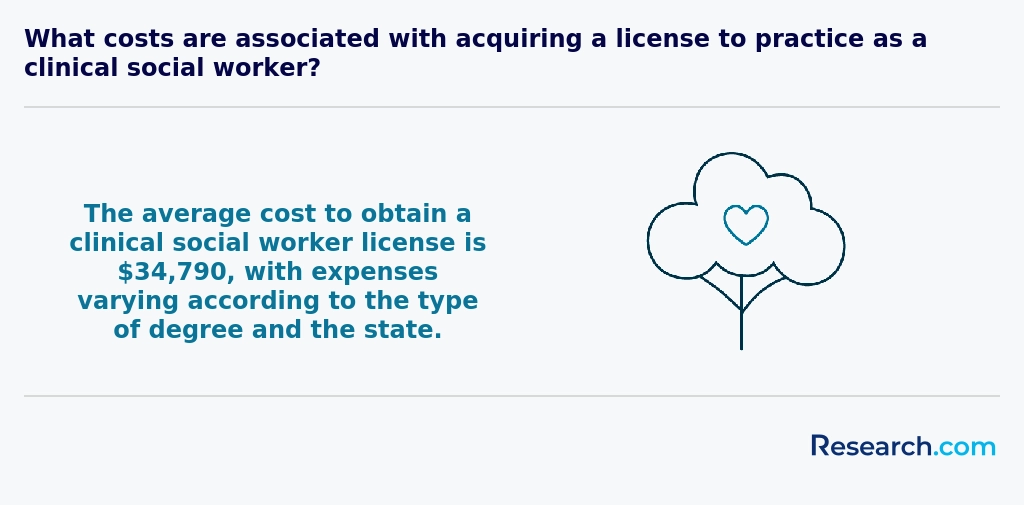
Graduates with an online human services degree in Maryland have access to various career paths tailored to meet community needs. Many find roles as case managers or social service specialists, coordinating services for vulnerable populations. For example, graduates from popular institutions like the University of Maryland and Towson University share how their education prepared them for these roles, connecting clients with housing, healthcare, and employment resources. Such positions offer a rewarding way to impact lives directly while earning median wages around $50,000.
Other career opportunities include mental health technician and community outreach worker roles, especially in Maryland's diverse urban and rural areas. Human services degree holders also pursue jobs in nonprofit program coordination, advocacy, and grant writing-fields where strong communication and organizational skills are essential. Graduates often build on their bachelor's degree with certifications or seek a master's degree in human services online to expand their expertise. Finding career opportunities with human services degree Maryland graduates emphasize comes down to leveraging local networks and understanding community-specific needs.
Employment prospects for graduates with online human services degrees in Maryland are encouraging, especially as demand grows in healthcare, mental health, and community support sectors. Many graduates from institutions like the University of Maryland Global Campus find rewarding roles as case managers or program coordinators with nonprofit organizations and public agencies. These positions often involve direct interaction with vulnerable populations, offering a tangible sense of making a difference.
Maryland human services degree employment is projected to increase by about 13% through 2032, driven by rising needs for mental health and elderly care. Entry-level salaries average around $41,000 annually, which is slightly above the national median. Graduates report feeling optimistic about career growth by earning certifications or gaining specialized experience within local agencies.
Networking through groups such as the Maryland Association for Community Services is a key strategy for landing jobs and internships. For those exploring pathways, resources highlighting job options in social services can clarify career directions and training requirements.
2027 Easiest Online Human Services Degree Programs Ranking in Maryland
Investing in your education is a significant decision that can shape your future, and the Research.com team understands the importance of making informed choices. To assist prospective students, we have carefully developed the "2027 Easiest Online Human Services Degree Programs Ranking in Maryland." Our dedication to quality, credibility, and accuracy is evident in the thorough research and analysis behind this ranking.
We utilized the following reputable data sources to ensure a comprehensive evaluation of online human services programs:
By exploring this ranking, readers will gain valuable insights into the easiest online human services degree programs available in Maryland, helping them make confident and informed decisions about their educational paths. For more details on our methodology, please visit our Research.com methodology page.


Frequently Asked Questions About human services
Students pursuing online human services degrees in Maryland can enhance their learning by actively engaging with course materials and participating in virtual discussions. Utilizing Maryland's workforce resources, such as the Maryland Department of Human Services, can provide practical insights and networking opportunities.
Additionally, students should seek internships or volunteer roles within local agencies, which are essential for gaining real-world experience and fulfilling practicum requirements. According to the U.S. Bureau of Labor Statistics, Maryland employs over 12,000 social and human service assistants, demonstrating robust job availability for graduates.
Regular communication with faculty and peers helps deepen understanding. Maryland's commitment to accessible education, including through initiatives like the Maryland Higher Education Commission, supports students in leveraging financial aid and academic counseling effectively.
The human services field is rapidly evolving, with several emerging niches gaining attention in Maryland and nationwide. One growing area is digital and telehealth services, which expanded significantly during the COVID-19 pandemic and continue to offer new ways to support vulnerable populations remotely. According to the Maryland Department of Human Services, demand for professionals skilled in technology-based intervention is increasing.
Another important niche is trauma-informed care, focusing on assisting individuals affected by adverse experiences, particularly in social work and youth services. Additionally, gerontology services addressing the aging population's needs are expanding due to Maryland's growing senior demographic. Careers in substance abuse counseling and community outreach remain vital parts of the field's future landscape.
After completing an online human services degree in Maryland, preparing for the job market involves several important steps. Start by gaining practical experience through internships or volunteer opportunities, which many Maryland employers value. The Maryland Department of Labor reports that human services roles are expected to grow by 13% through 2030, indicating good job prospects.
Networking is also vital. Join professional organizations like the Maryland Association of Community Services to connect with peers and potential employers. Additionally, obtaining relevant certifications, such as the Certified Human Services Practitioner (CHSP), can improve employability. Tailor your resume to highlight skills in communication, counseling, and case management which are in demand locally.
Employers in Maryland highly value human services degree graduates who demonstrate strong communication skills. These professionals must effectively engage with diverse populations, including vulnerable groups. According to the Maryland Department of Labor, interpersonal skills rank among the top competencies sought in the local human services sector. Critical thinking and problem-solving abilities are essential as graduates often manage complex social issues and coordinate resources.
Additionally, knowledge of community resources and cultural competence is vital due to Maryland's diverse population. Familiarity with digital record-keeping systems and ethical standards in social work further enhances employability.
Finding internships in Maryland for human services students involves strategic networking and research. Start by connecting with local organizations such as the Maryland Department of Human Services and community nonprofits, which frequently offer internship opportunities.
Many Maryland colleges with human services programs maintain partnerships with agencies offering practical training. Utilize your school's career services and internship offices for guidance and exclusive listings.
Also, explore platforms like Handshake and the Maryland Workforce Exchange, tailored for student internships and employment within the state.
According to the Maryland Higher Education Commission, over 40% of students secure internships through institutional resources, highlighting the importance of leveraging academic connections.
Engaging early and applying broadly increases your chances of gaining valuable hands-on experience aligned with human services careers in Maryland.
An online human services degree in Maryland supports career mobility by providing flexible access to accredited programs tailored to workforce demands. Human services roles in Maryland grew by 12% from 2019 to 2029, according to the U.S. Bureau of Labor Statistics, signaling increasing opportunities for degree holders.
Employers often prefer candidates with formal education in human services, who demonstrate knowledge in social work, counseling, and community outreach. An online degree allows Maryland residents to balance work and study while earning credentials recognized statewide.
This degree also facilitates advancement into supervisory or specialized roles, such as case manager or program coordinator, where Maryland requires specific education levels for licensure or certification.
Educational institutions report that graduates experience up to 20% salary growth post-degree, reflecting enhanced qualifications and regional demand.
Studying for a human services degree in Maryland equips students with the interdisciplinary skills essential for diverse roles in social work, counseling, and community outreach. Maryland's programs emphasize collaboration among health, education, and social service sectors to address complex client needs. According to the Maryland Higher Education Commission, many online curricula include courses in psychology, social policy, and public health, fostering broad expertise.
Students learn to work effectively with professionals from various backgrounds, preparing them for team-based environments common in human services agencies. This interdisciplinary focus improves problem-solving and communication skills, crucial for advancing in Maryland's growing human services workforce.
Choosing between a thesis and a non-thesis online human services degree program in Maryland depends largely on your career goals and academic interests. A thesis option typically involves conducting original research and writing an extensive paper, which suits students aiming for doctoral studies or research roles. The non-thesis track usually focuses on coursework and practical skills, appealing to those seeking immediate employment in social services or community programs.
Maryland's job market for human services professionals is growing, with the Maryland Department of Labor projecting 6% growth through 2030. Programs accredited by the Council for Standards in Human Service Education (CSHSE) ensure quality training. Consider your time commitment and whether you prefer applied learning or academic research when deciding between these options.
Students based in Maryland seeking to study human services abroad through online programs have limited direct options since most Maryland institutions focus on domestic online offerings. However, they can explore internationally accredited online degrees from universities with global partnerships or study abroad programs that include virtual international experiences.
Maryland currently does not have state-specific regulations restricting online education, allowing students to access out-of-state or international programs, provided those programs meet Maryland Higher Education Commission standards for credit transfer and recognition.
According to the National Organization for Human Services, these global online programs can offer broader cultural perspectives, essential for human services professionals working in diverse communities across Maryland, where over 30% of the population is from minority groups (U.S. Census Bureau, 2022).
While Maryland-based students cannot physically complete full degrees abroad without travel, many programs incorporate internships or placements internationally paired with online coursework, preparing students for an increasingly interconnected job market in health and social services.
In Maryland, part-time jobs that complement a human services degree often involve roles in social assistance, counseling aides, and community outreach. These positions provide practical experience while allowing online students to maintain flexible schedules. For example, Maryland's Department of Human Services frequently offers part-time opportunities in client support and case management assistance.
According to the Maryland Department of Labor, social service assistants earn an average hourly wage of $16.50, making this a viable option for students. Additionally, nonprofits and health agencies in Baltimore and surrounding counties often seek part-time workers to assist with program coordination and client interaction.
Engagement in these roles enhances critical interpersonal skills and applies theoretical knowledge from coursework, preparing students for full-time careers in human services.
Online human services students in Maryland have multiple networking opportunities despite the virtual format. Many universities hosting these programs partner with local agencies, nonprofits, and government offices to offer virtual internships and field placements, which help students build professional contacts within the state.
Student organizations affiliated with human services fields often hold online events, workshops, and speaker sessions, fostering connections among peers and professionals. For instance, the Maryland Association of Human Service Professionals regularly offers webinars, which students can join to expand their network.
Additionally, statewide conferences like the Maryland Human Services Summit provide online registration options, enabling students to engage with policymakers and practitioners virtually. According to the Maryland Department of Human Services, internships and networking significantly improve job placement chances in Maryland's growing social services sector.
Alumni networks play a crucial role in supporting online human services degree students in Maryland. They provide access to a wide community of professionals who have completed similar programs, which can open doors to job opportunities in social work, counseling, and community outreach.
These networks often offer mentorship programs, helping students navigate the Maryland social services landscape with guidance from experienced graduates. This connection is especially valuable given Maryland's diverse population and the evolving needs highlighted by the Maryland Department of Human Services.
Moreover, alumni groups frequently organize workshops and networking events, both virtual and in-person, which enhance professional development. According to the Council for Advancement and Support of Education (CASE), strong alumni engagement correlates with higher post-graduation employment rates, particularly in service-oriented careers.
Customizing an online human services degree in Maryland often begins with choosing electives and concentrations that align with your career goals. Many Maryland colleges offer specializations in areas such as addiction counseling, gerontology, or social work. This flexibility allows students to develop skills relevant to local community needs.
Internships or practicum placements are crucial and can be selected based on your interests. Maryland's Department of Human Services reports growing demand in behavioral health and child welfare, making related internships valuable. Additionally, some programs offer certificates alongside degrees to enhance expertise.
Advising services help tailor your course load, ensuring all state licensing requirements are met for future certification and employment opportunities.
Online human services students in Maryland often face challenges related to balancing coursework with work and family responsibilities. Many students are working adults who must carefully manage their time to meet deadlines while maintaining employment. Limited access to hands-on field experiences can also hinder skill development, as human services programs typically require practical training.
Another common issue is the digital divide-some students may lack reliable internet or updated technology, affecting their ability to participate fully in online classes. According to the Maryland Higher Education Commission, about 12% of adult learners report connectivity problems impacting their studies.
Lastly, navigating the complex credentialing and licensing requirements in Maryland can be confusing for online students, requiring extra effort to ensure their education meets state standards.
Graduates with an online human services degree in Maryland can pursue several professional certifications that enhance career prospects. One common certification is the Certified Human Services Professional (CHSP), offered by the National Organization for Human Services. This credential validates core skills in client support and case management.
Another valuable certification in Maryland is the Certified Addictions Counselor (CAC), important given the state's focus on behavioral health services. The Maryland Addiction Counselor Certification Board (MACCB) provides this credential, which is often required for certain counseling roles. Additionally, those interested in social work may pursue the Licensed Certified Social Worker-Associate (LCSW-A) credential through the Maryland Board of Social Work Examiners.
These certifications are widely recognized and can open doors in nonprofit, government, and healthcare sectors across Maryland. The Maryland Workforce Innovation and Opportunity Act reports steady demand for certified human services professionals in the region.
Applying to an online human services program in Maryland requires a clear and focused approach. Start by carefully reviewing the program requirements, as many Maryland institutions emphasize experience in social work or community service. Highlight your relevant volunteer or professional background, demonstrating your commitment to helping vulnerable populations.
Maryland's Department of Human Services reports a growing demand for trained professionals, so clearly articulating your career goals aligned with regional needs strengthens your application. Include a concise personal statement explaining why you choose an online format and how you plan to balance studies with your current responsibilities.
Request strong letters of recommendation from supervisors or mentors who can attest to your interpersonal skills and dedication. Also, ensure your application is error-free and submitted before deadlines.
The field of human services is increasingly recognized worldwide for its vital role in supporting communities and improving social welfare. In the United States, including Maryland, the career emphasizes cultural competence and global awareness due to diverse populations. According to the Bureau of Labor Statistics, human services jobs are expected to grow 17% nationwide between 2022 and 2032, reflecting rising demand for trained professionals.
Globally, the profession shares core values like advocacy, empowerment, and ethical practice, but approaches vary based on local social policies and resources. Maryland's online human services degrees prepare students to address both local and international challenges by teaching evidence-based methods suited to multicultural settings.
Students pursuing an online human services degree in Maryland can gain practical experience through internships, fieldwork, and volunteer opportunities. Many Maryland colleges require or recommend practicum placements with local social service agencies, nonprofit organizations, or healthcare facilities. These placements offer hands-on experience in areas such as case management, counseling, and community outreach.
The Maryland Department of Human Services and Maryland nonprofits often collaborate with educational institutions to provide relevant internship sites. According to the Maryland Higher Education Commission, over 60% of human services programs in the state incorporate service learning or field experience components.
Additionally, students can leverage virtual internships aligned with their coursework, which have grown more accessible due to recent technology advances.
Choosing the right concentration within an online human services degree program in Maryland begins with evaluating your career goals. Maryland's human services field includes specialties like addiction counseling, mental health support, and social work. According to the Maryland Department of Labor, sectors like behavioral health are growing, so selecting a concentration in mental health or substance abuse counseling may offer more job opportunities.
Consider the program's curriculum and alignment with Maryland certification requirements. For example, if you want to become a Licensed Certified Social Worker (LCSW) or Certified Addiction Counselor (CAC), ensure the concentration prepares you accordingly.
Also, review local industry needs and employer demand through Maryland job market reports to help guide your choice in concentration.
- 2027 Easiest Online Human Services Degree Programs Ranking in Virginia
- 2027 Easiest Online Human Services Degree Programs Ranking in Pennsylvania
- 2027 Easiest Online Human Services Degree Programs Ranking in New Jersey
- 2027 Easiest Online Human Services Degree Programs Ranking in New York
- 2027 Easiest Online Human Services Degree Programs Ranking in Ohio
- 2027 Easiest Online Human Services Degree Programs Ranking in North Carolina
- 2027 Easiest Online Human Services Degree Programs Ranking in Kentucky
- 2027 Easiest Online Human Services Degree Programs Ranking in Connecticut
- 2027 Easiest Online Human Services Degree Programs Ranking in Massachusetts
- 2027 Easiest Online Human Services Degree Programs Ranking in Indiana
- Social Work Networking Nights - National Association of Social Workers https://www.naswma.org/page/218
- Utilize Your Alumni Networks https://www.keg.com/news/ways-to-use-your-alumni-networks-for-the-better
- HS-BCP Credential https://www.nationalhumanservices.org/hs-bcp-credential/
- Guide to bachelor's in human services | edX https://www.edx.org/bachelors/human-services
- Professional Networking in Social Work: 2025 Complete Guide https://www.socialworkdegrees.org/professional-networking-in-social-work
- Online Bachelor’s Degree in Human Services https://www.monroeu.edu/academics/undergraduate-programs/school-criminal-justice/online-bachelors-degree-human-services
- 6 Trends in Human Services That Will Change the Face of the Field | ANCOR https://www.ancor.org/connections/6-trends-human-services-will-change-face-field/
- Careers with a Degree in Human Services https://www.mhaonline.com/faq/careers-with-degree-in-human-services
- What Are My Career Options After a Course in Human Services? https://columbia.ca/career-options-after-a-course-in-human-services/
- How To Navigate Human Services Challenges in 2026 https://nctinc.com/blog/how-to-navigate-human-services-challenges-in-2026/