2027 Easiest Online Human Services Degree Programs Ranking in Kentucky

Co-Founder and Chief Data Scientist
Choosing the right human services degree program can feel overwhelming, especially with so many options online. To help Kentucky students, this article presents the 2027 Easiest Online Human Services Degree Programs Ranking in Kentucky, developed by the Research.com team of data scientists.
This ranking offers clear, data-driven insights so you can confidently find a program that fits your goals and lifestyle. Earning a human services degree opens doors to meaningful careers that make a difference in people's lives, and this guide aims to make that path easier to navigate.
Explore the ranking to discover programs designed with your success in mind.
Key benefits of getting online human services degree in Kentucky
- Human services graduates in Kentucky can expect salaries similar to the national median, with typical roles like social workers earning around $50,000 to $60,000 annually, supporting a stable and rewarding career.
- Graduates often pursue careers in counseling, social work, or community outreach, as seen with alumni from the University of Kentucky, who find fulfilling opportunities helping others across diverse settings.
- Completing a human services degree online offers flexibility and convenience, allowing students like those at Kentucky State University to balance work and study while advancing their education without relocating.
- 2027 Easiest Online Human Services Degree Programs Ranking in Kentucky
- What can I expect from online human services degree in Kentucky?
- Where can I work with online human services degree in Kentucky?
What can I expect from online human services degree in Kentucky?
Students pursuing an online human services degree in Kentucky typically find the cost manageable compared to many other states, with in-state tuition averaging between $8,000 and $12,000 annually. Graduates from universities such as Western Kentucky University or the University of Kentucky often share how this affordability made balancing work, family, and education less stressful, allowing them to focus more on their studies and gaining practical skills.
Many report that flexible payment plans and scholarships aimed at adult learners or those entering public service further ease financial burdens. As the human services field evolves, these programs increasingly incorporate virtual internships and interactive scenarios, enabling students to connect theory with real-life community impact.
One graduate from Eastern Kentucky University recalled using online simulations that mirrored local social service challenges, deepening their empathy and readiness for post-graduation roles. This hands-on approach, coupled with reasonable costs, highlights why Kentucky remains an appealing choice for students looking to advance quickly in this growing sector.
Where can I work with online human services degree in Kentucky?
Graduates with an online human services degree from institutions like the University of Louisville or Eastern Kentucky University often find rewarding careers working within Kentucky's government agencies. Imagine supporting families through child welfare programs or helping older adults access vital aging services-these roles bring a deep sense of purpose and connection to community.
Many alumni share how nonprofit organizations in cities such as Lexington provide opportunities to manage programs addressing homelessness or substance abuse. These roles empower graduates to advocate for vulnerable populations and see firsthand the difference their efforts make every day.
Healthcare settings in Kentucky also offer promising paths. Graduates frequently contribute as patient advocates or community outreach coordinators at local mental health clinics, experiences that many describe as both challenging and profoundly fulfilling. The demand for skilled professionals here continues to grow as the state prioritizes behavioral health.
Additionally, working in educational institutions or workforce programs often inspires graduates, who play a vital part in guiding students and community members toward brighter futures. These real-life career opportunities reflect the evolving needs across Kentucky and the exciting possibilities for those earning their degrees online.
Graduates of online human services programs in Kentucky often find entry-level roles such as caseworkers earning around $30,000 to $35,000 annually, which aligns with what many peers from well-known institutions like the University of Kentucky and Eastern Kentucky University report. These starting salaries reflect the value of hands-on learning combined with flexible online coursework that prepares students for real-world challenges.
More seasoned professionals, including licensed social workers or specialized counselors, tend to achieve salaries ranging from $45,000 to $55,000 per year. Graduates who steadily build additional certifications or step into coordinator roles at nonprofits in major cities like Lexington or Louisville often share optimistic stories about enhancing their income and impact.
The evolving demand for human services experts in Kentucky suggests potential salary growth in the coming years. Students who focus on gaining experience through internships and leveraging local career resources frequently express confidence in their expanding earning possibilities. This positive outlook makes human services a promising path for those passionate about community support and social well-being.
- Online human services degrees in Kentucky typically cost between $8,000 and $15,000 per year, depending on the institution and whether it is public or private.
- Programs usually take two to four years to complete, with total tuition ranging from $16,000 to $48,000.
- Starting salaries for graduates range from $32,000 to $38,000 annually, with mid-career salaries between $42,000 and $50,000.
- Employment growth in human services jobs in Kentucky is expected to increase by about 10% over the next decade.
- Many jobs require additional state certifications or supervised experience beyond the online degree.
Completing an online human services degree in Kentucky typically spans from about two to four years for most students, depending on the level pursued and personal circumstances. Graduates from schools like the University of Kentucky and Eastern Kentucky University often share how flexible pacing made it possible to balance work and family while steadily progressing through their coursework.
Many find that associate degrees take around two years, while bachelor's programs usually require close to four years, matching the state's standard credit requirements. However, some students who previously earned credits or certificates report finishing bachelor's degree completion programs in just one to two years, enjoying the satisfaction of accelerating their career path.
A few ambitious students embrace accelerated tracks or continuous year-round courses, occasionally wrapping up their degree in as little as three years. Each pathway tends to be thoughtfully designed to foster enthusiasm and maintain momentum, helping students feel confident and motivated as they move closer to entering Kentucky's growing human services workforce.
Online and on-campus human services degree programs in Kentucky differ mainly in their delivery and interaction styles, shaping unique student experiences. Online learners at schools like the University of Kentucky often appreciate the ability to balance studies with family or work commitments, enjoying the flexibility of asynchronous coursework that fits busy schedules. Graduates frequently share how the convenience of avoiding daily commutes across rural Kentucky eased their stress and boosted motivation.
Conversely, on-campus students at institutions such as Eastern Kentucky University value direct, face-to-face conversations that spark spontaneous insights and deeper connections with instructors and peers. These vibrant classroom moments often lead to lasting professional networks, a lively part of their educational journey.
Both paths in Kentucky require hands-on internships, sometimes facilitated by local partnerships, ensuring practical skills regardless of format. Future trends may blend these strengths, offering hybrid models that combine online flexibility with the energy of campus engagement. Graduates express excitement about these evolving options making human services education more accessible and personally rewarding across the state.
The average cost of an online human services degree in Kentucky typically centers around $47,520 in total tuition, with in-state students often paying approximately $21,252. These figures reflect the investments required at popular institutions such as Eastern Kentucky University and the University of Kentucky. Graduates frequently share how manageable tuition helped them pursue their goals without overwhelming debt, which fosters a strong sense of accomplishment and confidence.
Students studying human services online in Kentucky often appreciate the flexibility of paying per credit hour, which usually ranges from $300 to $500 for public universities. This tuition structure enables learners balancing work and family to progress at their own pace and control their financial commitment. Kentucky online human services degree tuition and fees tend to remain more affordable compared to many other states, promoting accessibility for a diverse student body.
Beyond tuition, graduates note the positive impact of financial aid options such as scholarships, federal grants, and employer tuition assistance that cut down their overall expenses. Universities in Kentucky are also increasingly focused on reducing additional fees related to technology and course materials, easing financial pressure on remote learners.
For prospective students exploring further education, opportunities abound to enhance their credentials. Some explore accelerated programs or credit for prior learning that shorten the time to completion and decrease total costs. Those interested may want to investigate reputed programs and consider options like the masters of human services online to expand their expertise.

Online human services students in Kentucky often find financial aid options that make their educational journey more manageable and hopeful. Graduates from institutions like the University of Kentucky and Eastern Kentucky University recall applying for federal Pell Grants, which can cover a significant portion of their costs-up to $7,395 annually. These grants, combined with Direct Subsidized Loans, offer practical support that lets students focus on learning rather than debt.
State-specific aid, such as the Kentucky Tuition Grant program through KHEAA, frequently provides up to $2,500 yearly, easing tuition burdens. Many students share how their schools' dedicated scholarship programs, which reward academic effort and relevant experience, opened doors to further funding.
Employer tuition assistance programs also play a vital role, with many human services professionals benefiting from partial or full tuition reimbursement. Cardiff College and Bellarmine graduates describe how such support transformed their capacity to continue education without financial strain.
Looking ahead, the growing collaboration between universities and local agencies hints at expanding aid packages tailored specifically for online human services students, enhancing accessibility and optimism for Kentucky residents.
To enroll in an online human services degree program in Kentucky, students typically need a high school diploma or GED, which serves as the foundational step to confidently start college-level work. Graduates of popular Kentucky institutions often describe how meeting this requirement sparked their excitement for advancing in the human services field.
Many programs ask for official transcripts showing a minimum GPA around 2.0, though some schools, like those in Lexington or Louisville, may have slightly higher standards. Applicants might also submit SAT or ACT scores, yet an increasing number of programs in Kentucky now embrace test-optional policies, easing access for adult learners balancing work and study.
Professional experience in social services can sometimes replace traditional metrics, a flexibility appreciated by working adults who bring practical expertise from counseling or community work. Several graduates mention how this recognition of experience made their enrollment smoother and more motivating.
Additionally, prerequisite courses such as English composition, psychology, and sociology lay the groundwork for future success. Students often recall how completing these enriched their understanding and built confidence before diving deeper into human services studies.
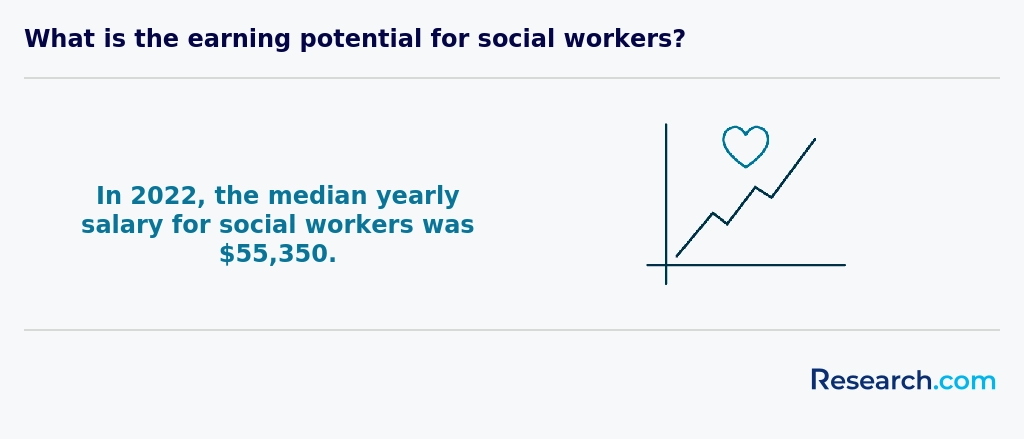
Online human services degrees in Kentucky commonly include courses that blend foundational knowledge with practical skills, tailored to the state's unique social landscape. Graduates from institutions like Eastern Kentucky University often mention how courses such as Human Growth and Development vividly illustrated the emotional stages clients face, helping them empathize deeply in real community settings.
Courses like Case Management prepare students to coordinate local resources effectively, a skill highlighted by alumni who recall managing complex situations involving Kentucky's rural families. At Morehead State University, students report that training in Crisis Intervention felt empowering, especially when learning strategies to support individuals facing domestic violence, a pressing issue in many Kentucky communities.
Additionally, courses emphasizing Cultural Competency resonate strongly with students, who appreciate understanding the diverse urban and Appalachian populations they serve. Many learners find the online format allows them to engage in local practicums, applying theory directly to familiar contexts, enhancing both confidence and connection with Kentucky's communities.
Online human services degree specializations Kentucky students pursue often include areas like Addiction and Substance Abuse Counseling, Child and Family Services, and Mental Health Services. Graduates from popular institutions in the state frequently share how specializing in Addiction Counseling prepares them to make a real impact given Kentucky's struggle with opioid crises. Others find fulfillment working with youth and families through the Child and Family Services track, emphasizing protective care and support systems. These programs often provide practical learning experiences that feel tangible, such as coordinating local community outreach or mental health workshops, which enhances student engagement and career readiness.
Looking ahead, the scope of Kentucky human services degree concentration options may expand to include emerging fields like digital mental health support or aging population advocacy as the state's demographics shift. Students often express enthusiasm about such evolving focuses, envisioning ways to innovate service delivery. Some graduates reflect on how studying tailored specializations helped them align their personal passions with community needs.
For those curious about program structures, some find it useful to compare options through resources like the social service degree program platform, helping clarify future paths in this diverse field.
Choosing the best online human services degree Kentucky students find rewarding often starts with accreditation and a curriculum that integrates evolving social challenges. Graduates from popular colleges in Kentucky appreciate programs offering hands-on practicum opportunities, which prepare them for real-world counseling or community support roles. Envision balancing family life with asynchronous courses at schools known for flexibility, where you can tailor your pace without sacrificing quality.
Affordability plays a big role, especially with Kentucky's competitive tuition rates often below the national average. Many human services students share how scholarships or financial aid specifically geared toward their field eased their journey. Considering student support services like career counseling is also crucial; these services can open doors to internships and jobs within the state's thriving human services sector.
Looking ahead, programs incorporating emerging technologies and data-driven approaches could redefine how we support vulnerable populations. Kentucky graduates often reflect positively on how their schools' connections helped them transition into growing roles projected by experts discussing human services salary trends nationwide.
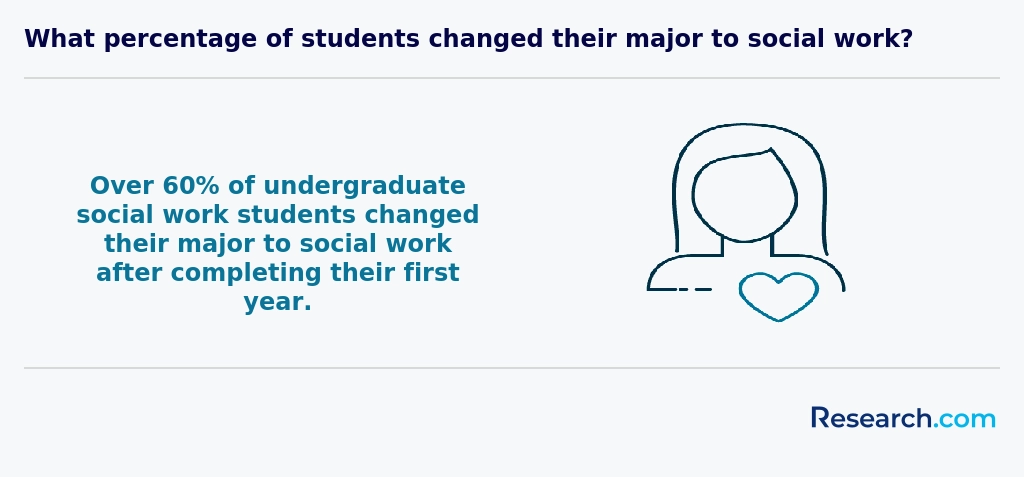
Graduates of online human services degree careers Kentucky frequently find themselves stepping into dynamic roles such as case managers, community service managers, and behavioral disorder counselors. Many who studied at well-known institutions like the University of Kentucky or Eastern Kentucky University reflect on how their programs prepared them to handle complex real-world challenges-like supporting families affected by opioid addiction or coordinating mental health outreach programs. These experiences often inspire confidence and a strong sense of purpose.
Kentucky human services job opportunities continue to expand, especially in nonprofit sectors and government agencies, driven by the state's focus on mental health and social welfare. Some graduates describe their work as deeply rewarding, knowing they directly impact vulnerable populations. Emerging trends suggest roles may increasingly integrate technology to improve client services and data management, offering new, innovative career pathways for future professionals.
Those pursuing a master's degree in human services jobs also report diverse opportunities in leadership and policy development, signaling growth beyond traditional positions and towards broader systemic impact.
The job market for graduates with an online human services degree in Kentucky shows promising growth, especially for those who aim to work in community outreach, eldercare, or mental health support. Many human services students from universities in Kentucky find encouraging opportunities thanks to the state's increased focus on social services and addiction programs. These graduates often describe feeling fulfilled by their roles in addressing real challenges faced by vulnerable populations, such as helping elders navigate healthcare systems or supporting families through crisis intervention.
Kentucky human services degree employment outlook remains strong due to demographic shifts like the aging population and steady funding from state initiatives. Employers prefer candidates with accredited credentials, making an online degree from Kentucky institutions a practical choice for working adults balancing school and life. Many students opt for the shortest human services bachelors degree online to enter the workforce faster while maintaining flexibility.
Those pursuing online human services jobs Kentucky can expect to contribute meaningfully in settings ranging from local government agencies to nonprofit organizations, often experiencing personal and professional growth as they make a tangible difference in their communities.
2027 Easiest Online Human Services Degree Programs Ranking in Kentucky
Investing in your education is a significant decision that can shape your future, and the Research.com team understands the importance of making informed choices. To assist prospective students in Kentucky, we have meticulously crafted the "2027 Easiest Online Human Services Degree Programs Ranking in Kentucky." Our commitment to quality, credibility, and accuracy is reflected in the extensive research and analysis conducted to compile this ranking.
We utilized the following reputable data sources to ensure a comprehensive evaluation of human services programs:
By exploring this ranking, readers will gain valuable insights into the easiest online human services degree programs available in Kentucky, helping them make confident and informed decisions about their educational paths. For more information on how the ranking was created, please visit our Research.com methodology page.


Frequently Asked Questions About human services
Students pursuing an online human services degree in Kentucky can enhance their learning by actively engaging with faculty and peers through virtual office hours and discussion forums. Building connections helps deepen understanding and fosters valuable networking opportunities within the state's human services field.
Kentucky's human services sector employs over 21,000 workers, making practical experience vital. Students should seek internships or volunteer roles at local agencies to apply classroom knowledge and gain real-world skills.
Additionally, using state resources like the Kentucky Board of Certification for social workers and counselors can guide professional development and licensing pathways.
Time management and utilizing campus libraries' digital archives also support effective study habits for online learners.
The human services field is evolving, with several emerging niches gaining importance in Kentucky. One key area is behavioral health support, including substance abuse counseling, due to Kentucky's ongoing opioid crisis. Another growing niche involves geriatric care management, reflecting the state's increasing aging population. Additionally, there is a rising demand for crisis intervention specialists who assist in emergency mental health situations.
Technology integration in human services is also expanding, with telehealth and remote counseling becoming vital. According to the Kentucky Cabinet for Health and Family Services, these specialties are creating new career opportunities for graduates with online human services degrees in the state.
Preparing for the job market after completing an online human services degree in Kentucky involves combining education with practical experience and networking. Kentucky's human services sector is expected to grow by about 13% from 2022 to 2032, according to the U.S. Bureau of Labor Statistics, signaling increasing job opportunities. Students should pursue internships or volunteer roles during their studies to gain hands-on experience and build professional connections. Obtaining relevant certifications, such as the Certified Human Services Professional (CHSP), can enhance employability. Additionally, engaging with local organizations like the Kentucky Association of Rehabilitation Facilities (KARF) helps graduates stay informed about job openings and industry trends.
Employers in Kentucky highly value human services degree graduates who possess strong communication skills. Clear and empathetic communication is essential for effectively helping diverse populations. Additionally, critical thinking and problem-solving abilities are crucial for navigating complex social issues.
Knowledge of community resources and local social service systems is another important skill, as Kentucky's human services sector often requires coordination with state and nonprofit agencies.
Graduates with cultural competence and sensitivity to Kentucky's varied demographics tend to stand out. According to the Kentucky Cabinet for Health and Family Services, practical experience through internships or supervised fieldwork is also preferred by many employers.
Finding internships in Kentucky related to a human services degree involves strategic research and networking. Start by exploring partnerships between online programs and local organizations such as social service agencies, non-profits, and government departments. Many universities with human services programs maintain internship databases and offer career services to help connect students with opportunities.
The Kentucky Cabinet for Health and Family Services is a major employer in this field and often offers internship positions. Additionally, websites like Handshake and the Kentucky Career Center can list internship openings specifically for students in social work and human services. Contacting local community centers or advocacy groups directly can uncover less-advertised internships.
According to the National Center for Education Statistics, internships significantly improve employment chances after graduation. Engaging early with faculty advisors and attending Kentucky's professional human services events can also facilitate valuable connections. These steps help ensure relevant experience while studying online in Kentucky's growing human services sector.
Obtaining an online human services degree in Kentucky can significantly impact career mobility and advancement in this growing field. Kentucky's workforce needs more qualified professionals to address social challenges, and employers often prefer candidates with formal education. According to the Kentucky Center for Statistics, human services jobs are expected to grow by 7% through 2030, faster than many other sectors.
An online degree offers flexibility, enabling students to maintain current employment while gaining credentials that lead to promotions or specialized roles. Graduates can move into positions such as case managers, social service coordinators, or program directors, which typically require at least a bachelor's degree.
Regional employers value accredited degrees that meet national standards, such as those recognized by the Council for Standards in Human Service Education (CSHSE). By completing an online program, Kentucky residents can improve their qualifications without relocating, enhancing their career prospects statewide.
Studying for a human services degree in Kentucky equips students with knowledge and skills relevant to multiple disciplines such as social work, psychology, and healthcare. Programs emphasize counseling, case management, and community outreach, preparing graduates to collaborate effectively across professional fields.
Kentucky's online human services degrees often incorporate coursework aligned with the Council for Standards in Human Service Education (CSHSE), ensuring graduates meet national competency benchmarks for interdisciplinary practice.
Students learn how to address issues like substance abuse, mental health, and poverty through integrated approaches. This is crucial in Kentucky, where the opioid crisis and rural healthcare challenges demand cooperation among social service agencies.
According to the Kentucky Cabinet for Health and Family Services, interdisciplinary teamwork is vital to improving health outcomes, making these programs particularly valuable for those seeking versatile roles in the state's human services sector.
Choosing between a thesis and a non-thesis human services degree program in Kentucky depends on your career goals and learning preferences. A thesis program, common in research-focused degrees, requires completing an original research project. This path suits students aiming for advanced study or research roles.
The non-thesis option emphasizes coursework and practical skills, often preferred by those seeking immediate employment in human services fields. According to the Kentucky Council on Postsecondary Education, many online human services programs offer flexible non-thesis tracks to accommodate working adults.
Consider your time availability, interest in research, and career plans when deciding, as both options meet accreditation standards relevant for Kentucky human services careers.
Students based in Kentucky seeking to study human services abroad have limited direct options due to the nature of online programs. Most U.S. institutions offering online human services degrees do not provide international campus locations or study-abroad versions specifically tailored for Kentucky residents.
However, many accredited U.S. universities allow Kentucky students to participate in international internships or exchange programs as part of their degree requirements. This provides practical global experience while completing coursework online.
According to the Council for Programs in Human Services, these global opportunities enhance cultural competency-an essential skill in human services professions. Kentucky students should consult their chosen university's study-abroad or international experience options connected to online degrees.
Currently, Kentucky institutions like the University of Kentucky emphasize remote learning but may support collaborations abroad through partner programs, though these are not always structured for fully online degrees in human services.
Part-time job opportunities in Kentucky can greatly complement online human services degree education by providing practical experience and networking. Positions such as case aide, peer support specialist, or community outreach worker are commonly available and align well with human services coursework.
According to Kentucky's Department for Community Based Services, these roles offer hands-on exposure to social service programs and client interaction, which are crucial for career development. Additionally, jobs in nonprofit organizations and local health departments provide valuable insights into policy implementation and client advocacy.
Working part-time in these roles helps students apply classroom knowledge while building professional resumes. It also enhances understanding of Kentucky's specific social issues, such as poverty and substance abuse, further preparing students for future full-time positions in the human services sector.
Online human services students in Kentucky have multiple networking opportunities that enhance their educational experience. Many universities offering online programs connect students with local human services agencies for internships and volunteer work, fostering real-world connections. Professional organizations such as the Kentucky Human Services Association provide online forums, virtual events, and in-person conferences that help students build valuable professional relationships.
Students can also access networking through LinkedIn groups dedicated to Kentucky human services professionals. Kentucky ranks within the top states for growth in social and community service jobs, according to the U.S. Bureau of Labor Statistics. These local opportunities provide critical support for career development while studying online.
Alumni networks offer valuable benefits to online human services degree students in Kentucky by providing professional connections that can enhance job prospects. Graduates often access mentorship opportunities through these networks, which help in navigating the local social services sector. In a state where human services roles are growing, with projections estimating a 12% increase in related occupations by 2030 according to the Kentucky Department of Workforce Investment, such connections are crucial.
These networks also facilitate information sharing about internships and job openings in Kentucky's health and social assistance fields. Students benefit from advice on licensure and certification requirements specific to the state. Moreover, alumni events and online communities create ongoing support systems that promote career growth and knowledge exchange.
Students pursuing an online human services degree in Kentucky can tailor their education by choosing elective courses aligned with their career goals. Many programs offer concentrations such as substance abuse counseling, mental health services, or social work foundations. Selecting relevant internships or practicum experiences within Kentucky's community agencies enhances practical skills and local networking opportunities.
Additionally, students may benefit from programs accredited by the Council for Standards in Human Service Education (CSHSE), ensuring quality and relevance to Kentucky's human service workforce demands. Customizing coursework prepares graduates for in-demand roles addressing issues like substance abuse and aging populations, reflecting data from the Kentucky Cabinet for Health and Family Services.
Online human services students in Kentucky often face challenges related to balancing coursework with personal and professional responsibilities. Many students are working adults who juggle jobs and family obligations, which can affect their ability to engage consistently with online classes.
Limited access to reliable high-speed internet in rural parts of Kentucky also poses difficulties. According to the Kentucky Broadband Deployment Board, around 15% of households in rural areas lack sufficient internet, which impacts students' ability to attend live sessions or download course materials.
Another challenge involves gaining practical experience. Human services degrees require fieldwork or internships, and finding placements locally, especially near rural students, can be complicated. Navigating state-specific licensure requirements adds complexity after graduation.
Time management and self-motivation remain critical for success in these online programs, as the absence of in-person interaction can lead to feelings of isolation and reduced peer support.
With an online human services degree in Kentucky, graduates can pursue several well-recognized professional certifications that enhance career opportunities. One common credential is the Certified Human Services Professional (CHSP), offered by organizations like the National Organization for Human Services. This certification demonstrates knowledge and commitment to ethical practices in the field.
Additionally, the Certified Addiction Counselor (CAC) credential is valuable for those focusing on substance abuse support. Kentucky's Cabinet for Health and Family Services recognizes CAC certification for various counseling roles.
Another option includes Kentucky's Licensed Chemical Dependency Counselor (LCDC) certification, which requires specific coursework and supervised experience, often attainable through online degree programs.
These certifications can help graduates meet state standards and improve employment prospects in human services roles across Kentucky.
Applying to an online human services degree program in Kentucky requires a focused and well-prepared application. Start by researching accredited schools recognized by the Council for Social Work Education or the Council for Standards in Human Service Education to ensure program quality.
Highlight your motivation and relevant experience clearly. Kentucky employers often value practical skills, so emphasize any volunteer or work history supporting vulnerable populations.
Include a strong personal statement that explains your career goals in human services and how the online program fits these plans. Tailor this to Kentucky's specific social challenges, such as addressing rural health or substance abuse, using recent statistics from the Kentucky Cabinet for Health and Family Services.
Ensure your transcripts and test scores meet the program's minimum requirements. Finally, consider securing recommendation letters from professionals familiar with your dedication and impact in community service.
Human services careers focus on improving people's well-being through support, advocacy, and community resources. Globally, the field emphasizes cultural competence and addressing diverse social challenges. In the U.S., including Kentucky, human services professionals often collaborate with healthcare, education, and social work sectors to meet community needs.
Kentucky's workforce demand for human services specialists is projected to grow by 12% through 2030, according to the U.S. Bureau of Labor Statistics. This growth reflects a broader recognition of the importance of mental health, substance abuse treatment, and family support services nationwide.
Educational programs, particularly online degrees, prepare students to work in various settings while respecting global cultural perspectives. Understanding international practices enriches professionals' approaches to social equity and client-centered care.
Students pursuing an online human services degree in Kentucky can gain practical experience through internships and practicum placements arranged by their colleges. Many Kentucky programs partner with local agencies, such as community health centers and social service organizations, allowing students to engage in real-world practice while completing coursework. The Kentucky Cabinet for Health and Family Services offers opportunities to work with vulnerable populations, enhancing hands-on learning.
Additionally, students can seek volunteer roles which contribute to skill-building and networking within the state's human services sector. According to the Kentucky Department for Workforce Investment, experiential learning increases employment prospects by 30% in social service fields.
Choosing the right concentration within an online human services degree program in Kentucky requires careful consideration of your career goals and local industry needs. Human services in Kentucky often focus on areas such as addiction counseling, mental health support, and social work, reflecting the state's ongoing efforts to address public health challenges.
Review Kentucky-specific labor market data from sources like the Kentucky Career Center to understand growth areas. For example, the demand for substance abuse counselors is projected to grow faster than average through 2030.
Consider programs that offer concentrations matching these trends to improve employability. Additionally, verify if the concentration aligns with certification requirements in Kentucky to ensure your degree opens professional doors.
- 2027 Easiest Online Human Services Degree Programs Ranking in Ohio
- 2027 Easiest Online Human Services Degree Programs Ranking in Virginia
- 2027 Easiest Online Human Services Degree Programs Ranking in Illinois
- 2027 Easiest Online Human Services Degree Programs Ranking in Missouri
- 2027 Easiest Online Human Services Degree Programs Ranking in Georgia
- 2027 Easiest Online Human Services Degree Programs Ranking in Alabama
- 2027 Easiest Online Human Services Degree Programs Ranking in Arkansas
- 2027 Easiest Online Human Services Degree Programs Ranking in Pennsylvania
- 2027 Easiest Online Human Services Degree Programs Ranking in Michigan
- 2027 Easiest Online Human Services Degree Programs Ranking in Iowa
- Is a Human Services Degree Right for You? https://www.ucumberlands.edu/blog/is-a-human-services-degree-right-for-you
- Is a thesis always mandatory in a master's degree program? - EFMU: The Euler-Franeker Memorial University and Institute https://euler.euclid.int/is-a-thesis-always-mandatory-in-masters-degree-program/
- Human Services Careers | PublicHealthOnline.org https://www.publichealthonline.org/human-services/
- Utilize Your Alumni Networks https://www.keg.com/news/ways-to-use-your-alumni-networks-for-the-better
- Careers with a Degree in Human Services https://www.mhaonline.com/faq/careers-with-degree-in-human-services
- 6 Trends in Human Services That Will Change the Face of the Field | ANCOR https://www.ancor.org/connections/6-trends-human-services-will-change-face-field/
- How To Solve the Key Challenges Faced by Community Social Workers https://www.casebook.net/blog/how-to-solve-the-key-challenges-faced-by-community-social-workers/
- Vacancies for "global perspective" https://unjobs.org/skills/global-perspective
- What do you learn in a bachelor's in human services? | edX https://www.edx.org/resources/what-do-you-learn-in-a-bachelors-in-human-services
- Professional Networking in Social Work: 2025 Complete Guide https://www.socialworkdegrees.org/professional-networking-in-social-work