2027 Easiest Online Human Services Degree Programs Ranking in Georgia

Co-Founder and Chief Data Scientist
If you're considering a career in human services and live in Georgia, this article is for you. We present the 2027 Easiest Online Human Services Degree Programs Ranking in Georgia, developed by the Research.com team of data scientists to guide your decision-making.
Choosing the right degree program can feel overwhelming, but this ranking highlights accessible options that fit your goals.
Exploring these programs can open doors to meaningful work helping others, while balancing your life and studies comfortably.
Discover which programs offer the best fit and start your rewarding journey today.
Key benefits of getting online human services degree in Georgia
- The average hourly wage for human services jobs related to degree graduates in the US is approximately $20, offering a solid foundation for financial stability.
- Graduates from schools like Kennesaw State University in Georgia can explore careers in counseling, social work, or community outreach, opening diverse and rewarding opportunities.
- Completing a human services degree online from institutions such as Georgia Southern University provides flexibility, letting you study at your own pace while balancing work and family life.
- 2027 Easiest Online Human Services Degree Programs Ranking in Georgia
- What can I expect from online human services degree in Georgia?
- Where can I work with online human services degree in Georgia?
What can I expect from online human services degree in Georgia?
The average cost of an online human services degree in Georgia typically ranges between $10,000 and $25,000 for undergraduate programs, depending on the institution and credit load. Many graduates from well-known colleges in Georgia report that earning this degree online provided excellent value, balancing affordability with quality education tailored to working adults. For example, students from established universities appreciate the flexibility of pacing their studies around job schedules or family commitments, which adds practical benefits beyond cost savings.
Financial aid and scholarships specifically for human services students often help reduce out-of-pocket expenses, making programs more accessible across the state. Graduates highlight that the investment in accredited programs, such as those offered by popular Georgia colleges known for social sciences, translates into meaningful career opportunities. The practical coursework combined with local internships solidifies their readiness for roles in nonprofit or healthcare settings, reinforcing the worth of the tuition paid.
Such positive experiences underscore the balance between cost and career preparation, reassuring prospective students that their financial commitment supports a reputable and impactful education within Georgia's growing human services sector.
Where can I work with online human services degree in Georgia?
Graduates with online human services degrees from institutions like Kennesaw State University and Georgia State University find diverse and rewarding career paths throughout Georgia. Many secure positions in government agencies such as the Georgia Division of Family and Children Services, where they support vulnerable families through case management and welfare programs. These roles offer the chance to make a tangible difference in communities, fostering a deep sense of fulfillment.
Others pursue careers in nonprofit organizations addressing critical issues like homelessness, domestic violence, and youth development. Working for groups like the Georgia Coalition Against Domestic Violence allows graduates to engage directly with clients, providing essential support and advocacy that transforms lives. These experiences often inspire graduates with a strong commitment to social justice and community well-being.
In the healthcare sector, opportunities abound in hospitals and mental health clinics, where human services professionals act as patient advocates or social workers. At institutions popular among students in Georgia, such as Augusta University, graduates appreciate the expanding behavioral health field, which offers both challenge and growth. This multidimensional exposure equips graduates with skills to thrive across multiple environments statewide.
Graduates with an online human services degree in Georgia typically start their careers with salaries ranging from $30,000 to $45,000 annually in roles such as case managers and community outreach coordinators. Many find these entry-level positions at organizations connected to institutions like Georgia State University or Kennesaw State University, where alumni report positive experiences managing client support programs.
With additional certifications or experience, salaries can rise notably. For instance, human services managers, often employed in urban centers like Atlanta, earn between $60,000 and $75,000 per year, reflecting the higher demand and complexity of the roles. Graduates who have leveraged online programs appreciate the flexibility to gain hands-on experience through local nonprofits while studying, which enhances earning potential.
The type of employer also impacts income. Government positions usually offer stable pay and benefits, whereas nonprofit work may trade off salary for schedule flexibility. Private sector roles, though less common, tend to offer competitive wages. Overall, graduates value the meaningful impact of their careers combined with steady income growth prospects in Georgia's evolving social services landscape.
- In-state tuition for online human services degrees in Georgia ranges from $7,000 to $12,000 per year, with some programs offering flexible scheduling and no out-of-state fees.
- Many public universities in Georgia provide scholarships and grants specifically for distance learners to help reduce tuition costs.
- Jobs in community and social service roles in Georgia are expected to grow by 12% through 2030, outpacing the national average.
- Starting salaries for graduates typically range from $35,000 to $40,000 per year, increasing to $45,000 to $55,000 with experience.
- Online programs often include mandatory internships or practicum experiences with local agencies to build practical skills and aid job placement.
- Accreditation by the Council for Standards in Human Service Education (CSHSE) is important for ensuring program quality and certification readiness.
Completing an online human services degree in Georgia typically ranges from two to four years, depending on the level of study and enrollment status. At institutions like Kennesaw State University or Georgia State University, graduates often report that full-time associate degrees take about two years, providing a solid foundation for immediate employment or further education. These programs usually require around 60 credit hours, with opportunities to transfer previous college credits, which many students find encouraging as it accelerates their path to graduation.
Bachelor's degrees in human services, commonly offered fully online by universities such as Columbus State University, generally span four years of full-time study, equating to about 120 credit hours. Graduates appreciate the flexibility to balance work and family commitments while progressing steadily. Some take advantage of accelerated options or summer sessions, enabling completion in as little as three years-an optimistic prospect that motivates many to maintain focus and enthusiasm despite challenges.
Online and on-campus human services degree programs in Georgia differ primarily in delivery and student engagement. Graduates from institutions such as Georgia State University and Kennesaw State University often highlight the flexibility of online programs, which enable balancing work, family, and study through remote access to lectures and assignments. This format suits those who need adaptable schedules without sacrificing accredited education quality.
Conversely, on-campus programs offer direct interaction with faculty and peers, fostering a dynamic learning environment through face-to-face discussions and hands-on workshops. Students attending campuses like Clayton State University describe the energizing atmosphere of immediate feedback and networking opportunities, which can be pivotal for career development in social services.
Regardless of format, field internships remain a core component. Online students typically coordinate placements locally, gaining valuable supervised experience nearby, while on-campus peers often utilize campus-established partnerships. Both approaches fulfill Georgia's accreditation standards and prepare graduates effectively for community-focused roles.
Ultimately, choosing between formats depends on personal learning preferences and lifestyle, with Georgia's universities supporting meaningful pathways in human services education.
The average cost of an online human services degree in Georgia is approximately $11,538, reflecting a median total tuition that balances affordability and quality education. Students enrolling in programs at respected institutions such as Kennesaw State University or Georgia State University often find these costs manageable, especially when factoring in the availability of robust financial aid options. Graduates frequently share positive experiences about how the programs offered a supportive learning environment despite the financial commitment, making their educational journey both rewarding and accessible.
For students prioritizing affordable online human services programs Georgia offers community colleges with associate degrees costing significantly less, typically between $3,000 and $5,000 annually. These pathways are ideal for those aiming to build foundational knowledge before transferring to a four-year university, allowing them to manage expenses while progressing academically.
Many students emphasize that while tuition is a significant component, additional fees such as technology charges and course materials also factor into their budgets. However, state-funded programs like the HOPE Scholarship provide meaningful relief, enabling numerous Georgia residents to pursue their degrees with less financial stress.
Individuals curious about career outcomes often explore details related to what jobs can i get with a master's in human services, discovering that the value of their investment extends well beyond tuition costs. Overall, the investment in an online human services degree in Georgia offers a compelling balance of cost, quality, and future opportunity.
Students pursuing an online human services degree in Georgia often rely on a variety of financial aid options to manage costs that typically range between $5,000 and $15,000 annually. Federal aid is a key resource, especially through the Free Application for Federal Student Aid (FAFSA), which grants access to Pell Grants, federal loans, and work-study programs. For example, graduates from Kennesaw State University have shared how receiving the Pell Grant, offering up to $7,395 for the academic year 2023-2024, significantly reduced their financial burdens.
State programs like the HOPE Scholarship and HOPE Grant, funded by the Georgia Lottery, provide substantial support for eligible students attending institutions such as Georgia State University. These awards can cover up to full tuition for high-achieving students or assist those in certificate programs relevant to human services.
Many Georgia colleges also offer merit- and need-based scholarships directly supporting human services students. Graduates often cite these scholarships as crucial for covering expenses beyond tuition, such as books and technology needed for online courses.
Additionally, specialized scholarships from nonprofit organizations related to social work and counseling offer targeted funding opportunities, encouraging students to pursue this rewarding career path while easing financial worries.
Enrolling in an online human services degree program in Georgia typically requires a high school diploma or equivalent, such as a GED. For example, many graduates from institutions like Kennesaw State University and Georgia State University recall that meeting this foundational criterion was their first step toward admission. Bachelor's programs often ask applicants to have completed general education courses or to demonstrate readiness through test scores, although some schools have embraced test-optional policies recently, easing access for diverse students.
Associate degree programs generally emphasize a high school diploma and sometimes a minimum GPA. Several graduates have shared how submitting personal statements and letters of recommendation highlighted their passion for service, making the application process a motivating experience. Technical prerequisites are also key, including reliable internet access and basic computer skills, ensuring students can engage confidently with online platforms like those at Georgia Perimeter College.
Additionally, programs involving clinical placements may require background checks or health clearances, reflecting Georgia's regulatory standards. Such requirements reassure students about the professionalism and safety integral to their future roles in human services.
Online human services degree programs in Georgia typically include courses that build a comprehensive understanding of both theoretical frameworks and practical skills essential for social support roles. Graduates from well-regarded institutions like Georgia State University and Kennesaw State University often reflect on the value of courses such as Introduction to Human Services, which deepens awareness of professional ethics and responsibilities in real-world settings.
Students also engage with Human Behavior in the Social Environment, offering insights into how individuals and families interact within their communities-a crucial perspective gained through case studies and service learning. Courses in Case Management and Counseling Techniques equip learners with tools to assess client needs and deliver effective support, often shared as transformative experiences by alumni.
Additional key subjects include Social Welfare Policy and Substance Abuse and Addiction Studies, preparing students to navigate complex systems and address urgent societal challenges. Research Methods in Human Services further enhance graduates' ability to implement data-driven improvements, reflecting the practical and impactful education these Georgia-based online programs consistently provide.
Online human services degree specializations Georgia students often pursue include substance abuse counseling, gerontology, child and family services, mental health services, and community advocacy and policy. Graduates from prominent institutions such as Georgia State University and Kennesaw State University frequently remark on how their specialization directly prepared them for addressing local challenges, like addiction recovery programs or elder care initiatives.
For example, those specializing in substance abuse counseling find themselves equipped to work with clients dealing with widespread addiction issues common in Georgia's diverse communities. Others focusing on child and family services feel fulfilled supporting protective programs and family wellness efforts in urban and rural areas alike.
Choosing a specialization aligns well with career aspirations, providing both practical skills and emotional rewards, as numerous graduates attest to the meaningful impact of their work. Prospective students can explore tuition options and enhance their career prospects by considering the cheapest online degree in human services while selecting a path that fits their goals.
Georgia human services degree career options are broad and growing. This makes specialized online programs an excellent choice for individuals seeking relevant expertise and a flexible educational schedule.
When choosing the best online human services degree in Georgia, accreditation is paramount. Graduates from well-regarded institutions with regional accreditation, such as those approved by the Southern Association of Colleges and Schools Commission on Colleges, often find their degrees hold greater value with employers and licensing boards. Cost considerations are equally crucial; many affordable human services degrees online Georgia offer tuition structures that accommodate working professionals. For example, students from popular Georgia colleges appreciate programs that blend flat-rate tuition with scholarship opportunities, easing financial worries.
Curriculum relevance also drives satisfaction. Programs that integrate Georgia-specific regulations, ethics, and practicum experiences build confidence among graduates, preparing them effectively for local human services careers. Flexibility matters too-online options that offer asynchronous coursework and dedicated academic support empower students to balance studies with personal commitments. Graduates commonly report a sense of accomplishment and readiness after engaging with such supportive environments. Additionally, prospective students should explore whether the program aligns with certifications like the Certified Alcohol and Drug Counselor credential recognized in Georgia.
For those seeking comprehensive guidance on selecting their path, exploring detailed reviews of online masters programs in human services can clarify expectations and reveal opportunities tailored to the Georgia context.
Graduates with an online human services degree in Georgia often find diverse career paths aligned with their passion for serving communities. Popular roles include case managers who coordinate care plans, social and human service assistants providing critical support to clients, and community outreach workers who educate and engage local populations. Many graduates of respected programs at Georgia colleges enthusiastically describe their firsthand experiences helping individuals secure essential resources or recovery support.
The field's flexibility extends to specialized positions such as substance abuse counselors and residential counselors, roles particularly significant in Georgia's varied urban and rural settings. These positions allow professionals to make a meaningful impact in rehabilitation centers or group homes. Students pursuing online human services careers in Georgia appreciate how these programs prepare them for real-world challenges and leadership opportunities.
Graduates often explore advanced certifications or degrees, enhancing their qualifications for roles like program coordinators. For prospective students curious about what jobs can you get with a social services degree, Georgia's institutions combine practical training with community-focused insight, fostering rewarding career outcomes.
The online human services job outlook Georgia reflects steady and promising growth, driven by increasing demand for community support and social assistance in diverse populations. Graduates from institutions such as Kennesaw State University and Augusta University often find themselves well-prepared to enter roles in counseling, case management, and nonprofit sectors. These positions frequently involve helping vulnerable groups with mental health issues and substance abuse, areas where awareness and resources continue to expand.
Many graduates highlight the advantage of affordable, flexible online programs that allow them to gain relevant certifications while working locally. The Georgia human services degree employment opportunities include a projected growth rate exceeding the national average, making it an attractive path for those wishing to serve their communities effectively.
For prospective students curious about career paths following degree completion, resources on what jobs can you get with a human services degree offer valuable insights into the variety of roles available. This practical knowledge, combined with the state's favorable job market, encourages a positive outlook for degree holders starting their careers in Georgia.
2027 Easiest Online Human Services Degree Programs Ranking in Georgia
Investing in your education is a significant decision that can shape your future, and the Research.com team understands the importance of making informed choices. To support students exploring options in Georgia, we have carefully developed the "2027 Easiest Online Human Services Degree Programs Ranking in Georgia." Our dedication to quality, credibility, and accuracy is demonstrated through thorough research and analysis applied in creating this ranking.
We utilized the following reputable data sources to ensure a comprehensive evaluation of human services degree programs:
By reviewing this ranking, readers will gain valuable insights into the most accessible online human services degrees in Georgia, empowering them to make informed educational choices with confidence. For more information on how the ranking was created, please visit our Research.com methodology page.


Frequently Asked Questions About human services
Online human services degree students in Georgia can maximize their learning by actively engaging with their coursework and utilizing available campus resources. Many Georgia universities offer virtual tutoring, writing centers, and academic advising tailored to online students. Participation in online discussion forums enhances understanding by allowing students to exchange diverse perspectives.
Practical experience is crucial: students should seek internships or volunteer opportunities within Georgia's extensive network of social service agencies. According to the Georgia Department of Human Services, hands-on experience improves employment prospects in a growing field with a 5% projected job growth through 2031.
Setting a consistent study schedule and using reliable technology also supports academic success.
Emerging niches in the human services field reflect growing social and technological trends. In Georgia, there is increasing demand for professionals skilled in gerontology, driven by the state's aging population. According to the Georgia Department of Labor, jobs related to aging services are projected to grow by 18% through 2028.
Another fast-growing area is behavioral health coordination, focusing on mental health and substance abuse, aligned with rising awareness statewide. Telehealth services have also expanded rapidly, making technology-savvy human services workers highly valuable.
Finally, human services roles that support homelessness prevention and community outreach are gaining traction, particularly in urban centers like Atlanta.
After earning an online human services degree in Georgia, it is crucial to focus on developing practical skills and professional connections to succeed in the job market. Many Georgia employers value internships, so seek opportunities through local agencies or community organizations. According to the Georgia Department of Labor, the human services sector in the state is expected to grow by 11% through 2030, emphasizing the need for qualified candidates with experience.
Networking through professional associations like the Georgia Chapter of the National Organization for Human Services can help graduates stay informed about job openings. Additionally, obtaining relevant certifications, such as Certified Human Services Professional (CHSP), can enhance credibility. Tailoring resumes to highlight both technical and interpersonal skills is essential in this field. Staying updated on state regulations and social programs also prepares graduates to meet employer expectations effectively.
Employers in Georgia value human services degree graduates who demonstrate strong communication skills, both verbal and written, as effective interaction with clients and colleagues is essential. Problem-solving abilities are also crucial, enabling professionals to develop practical solutions for complex social issues. According to the Georgia Department of Labor, empathy and cultural competence rank highly, reflecting the state's diverse population and the need for sensitive, personalized care.
Data from the Bureau of Labor Statistics highlights that critical thinking and teamwork skills are fundamental in collaborative human services roles. Additionally, technological proficiency, including familiarity with case management software, is increasingly important in Georgia's evolving job market.
Finding internships related to a human services degree in Georgia involves several strategic steps. Start by contacting your online program's career services or internship coordinator, as many Georgia schools maintain partnerships with local agencies.
The Georgia Department of Human Services offers resources and listings of internships in social work, counseling, and community services. Websites like GeorgiaWorks and the Georgia Public Health Association may also list relevant opportunities.
Consider agencies such as the Georgia Vocational Rehabilitation Agency and United Way of Greater Atlanta, which commonly offer internships to students pursuing human services.
Networking through professional groups like the Georgia Chapter of the National Association of Social Workers can open doors to placements. Remember to prepare a clear resume and cover letter highlighting your relevant skills.
Obtaining an online human services degree in Georgia can significantly enhance career mobility and opportunities for advancement. The state's growing demand for qualified human services professionals-projected to increase by 12% through 2030 according to the Georgia Department of Labor-makes such degrees valuable credentials. Graduates often qualify for roles in counseling, social work, and case management, sectors that emphasize practical skills and accredited education.
Online degrees also offer flexible learning schedules, enabling working adults to upskill without leaving their jobs. This flexibility supports continuous professional development, which many Georgia employers prioritize for promotions. Furthermore, accredited online programs in the state meet licensing requirements, facilitating smoother transitions into specialized roles.
Overall, a human services degree completed online can be a decisive factor in boosting career trajectories within Georgia's social services landscape.
Studying for a human services degree in Georgia equips students with skills to work across multiple fields such as social work, counseling, and healthcare. Many online programs emphasize interdisciplinary learning, combining psychology, sociology, and public policy to prepare graduates for diverse roles.
Georgia's demand for human services professionals is expected to grow by 12% through 2030, according to the Georgia Department of Labor. This growth reflects the state's focus on integrated care approaches, requiring professionals to collaborate with various agencies and experts.
Courses in communication, ethics, and community resource management develop essential competencies for coordinating services and advocating effectively.
Such programs often include practicum experiences in local agencies, enhancing real-world interdisciplinary collaboration skills.
Choosing between a thesis and a non-thesis human services degree program in Georgia depends largely on your career goals and learning preferences. A thesis option involves conducting original research and writing a formal paper, which is ideal if you plan to pursue advanced graduate studies or roles that require strong research skills.
In contrast, a non-thesis track usually focuses on practical coursework and may include internships, making it suitable for students aiming to enter the workforce quickly or working professionals seeking applied knowledge.
According to the Georgia Board of Human Services, demand for practitioners with hands-on experience is growing, reflecting the value of practical training.
Consider your time commitment and whether you have access to faculty mentorship for a thesis project, as these can extend program duration.
Students based in Georgia seeking to study human services abroad can explore several online programs offered by U.S. accredited universities with international study options. Many institutions provide online degrees with occasional study-abroad components, such as short-term field experiences or internships in global settings. These programs allow flexibility while gaining cross-cultural skills important in human services.
Georgia residents often choose online degrees accredited by organizations like the Council for Standards in Human Service Education (CSHSE). Although direct overseas enrollment opportunities are limited, partnerships between U.S. universities and foreign institutions may provide in-person experiences as part of the curriculum.
According to the National Center for Education Statistics, about 35% of Georgia's public university students participate in study-abroad programs, suggesting growing interest in global learning even within online modalities.
Part-time job opportunities in Georgia that complement an online human services degree include roles in case management, social work assistance, and community outreach. These positions provide practical experience supporting vulnerable populations, an essential part of human services education.
According to the Georgia Department of Labor, social and human service assistant jobs in Georgia are projected to grow by 15% from 2021 to 2031, reflecting increasing demand. Students working part-time in shelters, nonprofit organizations, or government agencies build skills in client communication, crisis intervention, and resource coordination.
Additionally, Georgia's thriving healthcare sector offers part-time roles such as mental health technician or patient advocate, which align well with human services studies. Gaining hands-on experience alongside coursework helps students better understand community needs and social support systems.
Online human services students in Georgia benefit from a variety of networking opportunities designed to connect them with professionals and peers statewide. Many accredited programs partner with local agencies, nonprofits, and community organizations, offering virtual internships and volunteer positions. These connections often lead to mentorships and job referrals, enhancing career prospects.
The Georgia Association of Community Service Boards and the Georgia Family Connection Partnership regularly host virtual events and conferences, accessible to online students. According to Georgia's Department of Community Health, over 200 human services agencies operate statewide, providing a broad network for students to engage with professionals directly.
Additionally, several universities offer student groups and online forums specifically for human services majors, facilitating peer support and professional growth.
Alumni networks play a crucial role for online human services degree students in Georgia by connecting them with professionals already working in the field. These networks offer access to job opportunities, internships, and mentorship, which can be especially valuable in a competitive job market. According to the Georgia Department of Labor, human services jobs in the state are expected to grow 11% by 2030, emphasizing the importance of professional connections.
Through alumni platforms and events, students can gain insights into local agencies and organizations, helping them understand regional challenges and trends. Collaboration within these networks also supports continued learning and career advancement, enhancing long-term success in human services roles.
Students pursuing an online human services degree in Georgia can customize their programs by choosing electives and concentrations that align with their career goals. Many Georgia institutions offer specialties such as addiction counseling, gerontology, or social work foundations, allowing learners to tailor their education.
Additionally, students can select practicums or internships in local agencies to gain relevant experience. This hands-on component is vital for applying knowledge while networking within Georgia's human services community.
According to the Georgia Department of Education, focusing on in-demand areas like behavioral health can improve job prospects in the state, where human services roles are growing at an estimated 12% through 2030.
Online human services students in Georgia commonly face challenges related to balancing coursework with work and family obligations. Many students juggle full-time jobs while pursuing degrees, which can increase stress and reduce available study time. According to the Georgia Student Finance Commission, nearly 60% of online learners in the state are part-time students, highlighting this struggle.
Technical issues and limited access to reliable internet also affect some students, especially in rural areas. The Federal Communications Commission reports that about 15% of Georgia households lack high-speed internet, which can hinder access to online materials and live classes.
Another hurdle involves completing required fieldwork or internships, as these hands-on experiences can be difficult to coordinate remotely. Finally, limited interaction with peers and instructors may impact motivation and the development of professional networks crucial for careers in human services.
With an online human services degree in Georgia, you can pursue several professional certifications that enhance your career prospects. Common options include the Certified Human Services Practitioner (CHSP) offered by the National Organization for Human Services (NOHS). This credential validates foundational knowledge and skills in human services.
Additionally, the Georgia Commission on Family Violence endorses certifications like Certified Family Violence Specialist (CFVS) for professionals working in domestic violence support. For roles in social work, many graduates aim for the Licensed Social Worker (LSW) or Licensed Clinical Social Worker (LCSW) credentials, which require additional state-specific examinations and supervised experience.
These certifications improve job opportunities and are recognized by Georgia employers in social services, healthcare, and community organizations. According to the Georgia Department of Labor, employment in human services is projected to grow by 13% through 2030, highlighting strong demand for credentialed professionals.
To write a winning application for an online human services program in Georgia, start by carefully reviewing each school's specific admission requirements. Many programs require a personal statement that highlights your passion for helping others and outlines your career goals. Be sure to clearly connect your experiences to the skills needed in human services.
Include any volunteer or work experience related to social work, counseling, or community support, as Georgia's job market values practical experience alongside education (Georgia Department of Labor, 2023). Demonstrating knowledge about local human services challenges can strengthen your application.
Finally, provide all requested documents promptly, such as transcripts and letters of recommendation, to avoid delays.
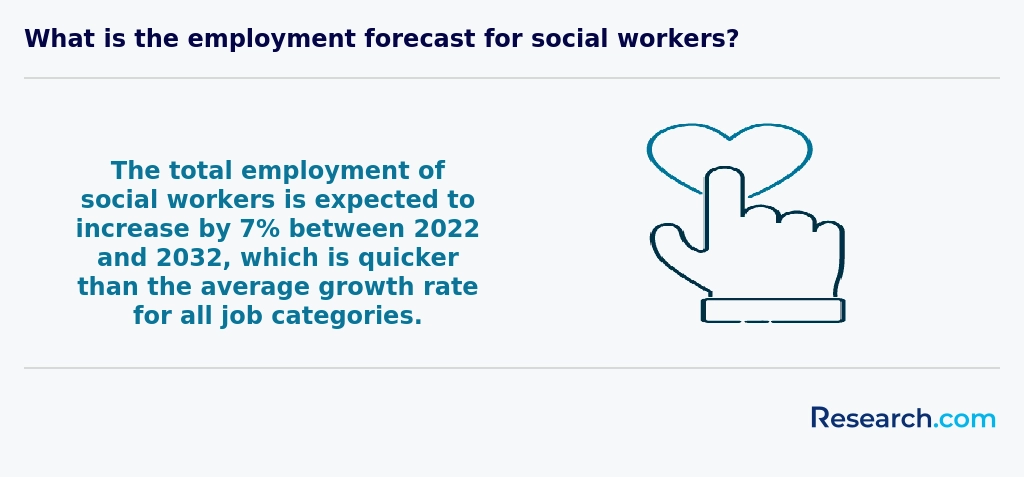
The human services profession is valued worldwide for its focus on improving individual and community well-being. Globally, professionals in this field work in areas such as social work, mental health, and substance abuse support. In the United States, including Georgia, the demand for human services workers is growing steadily, with the U.S. Bureau of Labor Statistics projecting a 13% increase in related jobs from 2022 to 2032.
In Georgia, online human services degrees align with international trends by emphasizing cultural competence and community engagement. According to the Georgia Department of Labor, the state employs over 20,000 social and human service assistants, highlighting a strong local job market.
Online programs prepare students to address complex social issues while considering global perspectives, such as migration and public health challenges. This approach ensures graduates can work effectively both locally and in diverse international contexts.
Students pursuing an online human services degree in Georgia can gain practical experience through internships and field placements required by most accredited programs. These opportunities allow students to work directly with social service agencies, healthcare facilities, or community organizations, applying classroom knowledge in real-world settings.
Many universities partner with local organizations such as the Georgia Department of Human Services and nonprofit groups to facilitate placements. According to the Georgia Higher Education Coordinating Board, around 70% of human services programs in the state include mandatory experiential learning components.
Additionally, virtual internships and remote volunteer roles are increasingly available, fitting well with online study formats while helping students build valuable professional skills.
Choosing the right concentration within an online human services degree program in Georgia begins with assessing your career goals and interests. Human services fields often include specializations like addiction counseling, social work, or community advocacy. Consider Georgia's workforce demand: according to the Georgia Department of Labor, roles in mental health and substance abuse counseling are projected to grow by 16% between 2020 and 2030, faster than many other sectors.
Research the curriculum and certification opportunities available in each concentration, especially those aligned with Georgia's licensing requirements. Practical experience through internships or practicum placements is vital for skill development and employability within the state.
Finally, evaluate support services and flexibility of the online program to match your learning style and schedule. This helps ensure you can balance study with other responsibilities while earning your degree in Georgia.
- 2027 Easiest Online Human Services Degree Programs Ranking in Florida
- 2027 Easiest Online Human Services Degree Programs Ranking in Alabama
- 2027 Easiest Online Human Services Degree Programs Ranking in Kentucky
- 2027 Easiest Online Human Services Degree Programs Ranking in Virginia
- 2027 Easiest Online Human Services Degree Programs Ranking in Arkansas
- 2027 Easiest Online Human Services Degree Programs Ranking in Missouri
- 2027 Easiest Online Human Services Degree Programs Ranking in Ohio
- 2027 Easiest Online Human Services Degree Programs Ranking in Illinois
- 2027 Easiest Online Human Services Degree Programs Ranking in Pennsylvania
- 2027 Easiest Online Human Services Degree Programs Ranking in Texas
- How To Solve the Key Challenges Faced by Community Social Workers https://www.casebook.net/blog/how-to-solve-the-key-challenges-faced-by-community-social-workers/
- 2025 Most Affordable Online Human Services Degrees https://www.onlineu.com/most-affordable-colleges/human-services-degrees
- 4 Human Services Careers https://www.albany.edu/education/communications/human-services-careers
- Human Services Careers | PublicHealthOnline.org https://www.publichealthonline.org/human-services/
- Best undergraduate courses in Human Services to study abroad - Edvoy https://edvoy.com/courses/undergraduate-human-services/
- Is a Human Services Degree Right for You? https://www.ucumberlands.edu/blog/is-a-human-services-degree-right-for-you
- Home https://www.husson.edu/online/blog/2025/10/benefits-of-alumni-networks
- 6 Trends in Human Services That Will Change the Face of the Field | ANCOR https://www.ancor.org/connections/6-trends-human-services-will-change-face-field/
- Health and Human Services Career Guide https://www.ultimatemedical.edu/blog/hhs-guide/
- What can you do with a bachelor's in human services? | edX https://www.edx.org/resources/what-can-you-do-with-a-bachelors-in-human-services