2027 Most Affordable Online Doctorate in Human Services Degree Programs Ranking in the USA

Co-Founder and Chief Data Scientist
Choosing the right online doctorate in human services can feel overwhelming. That's why the Research.com team of data scientists created the 2027 Most Affordable Online Doctorate in Human Services Degree Programs Ranking in the USA. This carefully researched guide helps you discover programs that balance quality and affordability.
By exploring this ranking, you'll find valuable insights to make an informed decision about your education. Earning a human services degree opens doors to meaningful careers that make a real difference in communities across America.
Taking this step can be an exciting journey toward your professional and personal growth.
Key benefits of getting online human services degree in America
- While specific salary data is unavailable, human services graduates in the US typically pursue rewarding careers in social work, counseling, and community support, often earning competitive wages that reflect their essential roles.
- Graduates from well-known universities, such as the University of Michigan, often find diverse career paths in mental health services, nonprofit management, and case coordination, offering satisfying opportunities to make a positive impact.
- Completing an online human services degree from institutions like Arizona State University provides flexible learning that fits busy lifestyles, helping students balance work and study while gaining the same respected credential as traditional degrees.
- 2027 Most Affordable Online Doctorate in Human Services Degree Programs Ranking in the USA
- What can I expect from online human services degree in America?
- Where can I work with online human services degree in America?
What can I expect from online human services degree in America?
The average cost of pursuing an online human services degree in America varies depending on the institution, but students often find it to be a valuable investment in their future. Public universities, especially for in-state residents, typically offer tuition rates ranging from $5,000 to $15,000 per year, making programs accessible and affordable. Meanwhile, private colleges, known for their specialized tracks and robust support networks, may charge upwards of $20,000 annually. Graduates from popular schools report that balancing cost with quality is key, and many cherish how their programs combined theory with real-world practice through local internships, enriching their learning experience.
One inspiring graduate from a well-known public university describes how completing an affordable online degree allowed them to pursue a fulfilling career helping families in their community. Another highlights the invaluable connections made through a private college's program, which justified the higher tuition by opening doors to meaningful advocacy roles. Both experiences emphasize that, in America, thoughtful investment in an online human services degree can lead to heartfelt work and rewarding career growth.
Where can I work with online human services degree in America?
With an online human services degree in America, graduates step confidently into roles that transform lives every day. Many find rewarding careers as case managers in social service agencies, where they support vulnerable groups like the elderly and homeless, coordinating vital resources and offering compassionate counseling. Graduates from well-known programs such as those at the University of Arizona or Penn State share how their hands-on learning prepared them to thrive in these powerful roles.
Others build fulfilling careers in mental health support, assisting therapists in clinics or treatment centers, where they help clients navigate recovery with empathy and dedication. This path is increasingly promising, reflecting the growing societal focus on mental well-being.
Human services professionals also make a real impact in juvenile justice and rehabilitation settings, working alongside social workers to help individuals rebuild their lives. Government agencies and nonprofits similarly welcome graduates to lead outreach initiatives, creating positive change in communities nationwide.
Every day, graduates celebrate meaningful work that uplifts others-proof that America's online human services degrees open doors to careers filled with purpose and hope.
Graduates with an online human services degree in America can expect to start their careers with entry-level roles such as social and human service assistants, earning a median annual wage of around $40,000. Many alumni from well-regarded institutions like Arizona State University and the University of Central Florida have found these salaries to provide a strong foundation as they grow professionally.
As you gain experience and pursue certifications, opportunities open up for positions like counselors or human services managers. Counselors specializing in substance abuse or mental health often earn between $44,000 and $58,000, while human services managers command higher median salaries of approximately $73,000 annually. Graduates tell stories of how they started in assistant roles and, through continued education and dedication, advanced to leadership positions where their work deeply impacts communities.
These salaries offer a rewarding balance, especially when studying at universities known for flexible online programs. Imagine working in vibrant cities like New York or Boston, where the demand for skilled human services professionals is high, bringing both purpose and financial stability. With each step forward, your degree opens doors to meaningful work that changes lives while providing a fulfilling career.
- Tuition for a bachelor's degree in human services averages around $7,500 per year at public schools and over $20,000 annually at private institutions.
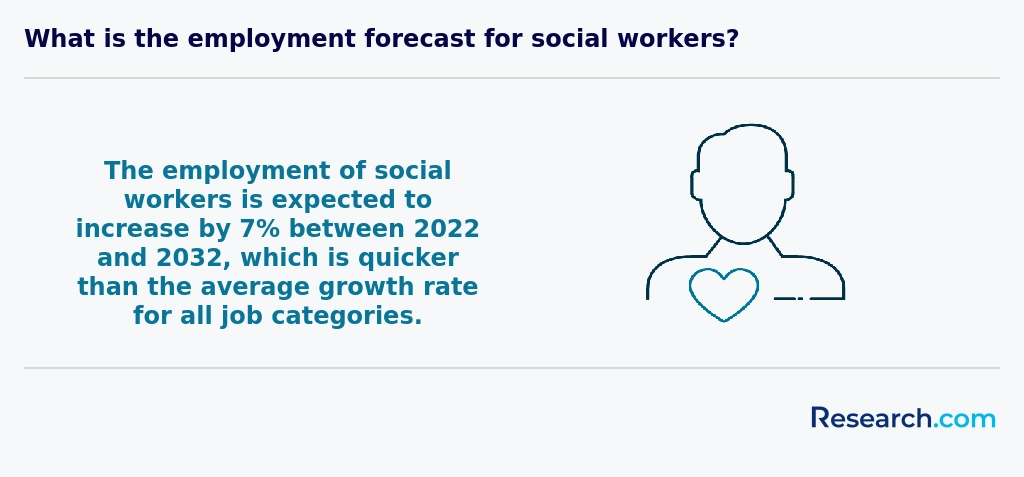
- The social and human service assistant roles are projected to grow 12% from 2022 to 2032, faster than the average for all occupations.
- Entry-level salaries typically range from $35,000 to $40,000 per year, with experienced professionals earning more than $60,000 annually.
- Accreditation by bodies like the CSHSE ensures programs meet standards required for licenses or certifications in many states.
- Many online programs are available entirely online, making them accessible for working adults and those with family commitments.
Completing an online human services degree in America can be an exciting journey tailored to fit your lifestyle and goals. Many graduates from respected institutions like Arizona State University or the University of Southern California have found that associate degrees often take about two years, opening doors quickly to meaningful careers. For those aiming higher, a bachelor's degree typically takes around four years if studying full-time, but the flexibility of online programs allows many to pace themselves comfortably, balancing work and family with studies.
Graduate students pursuing a Master of Science in Human Services commonly complete their programs in about two years, though part-time options extend this to three or four years, accommodating busy schedules. Students often share how accelerated tracks offered by these universities helped them reach their goals faster, turning ambition into achievement. Doctorate seekers embrace a rewarding challenge, with completion times varying from three to six years, as they dive deeply into research and practical experience.
This adaptable timing means you can tailor your education to your unique journey while feeling supported every step of the way.
Choosing between online and on-campus human services degrees in America offers exciting opportunities tailored to your lifestyle and goals. On-campus programs at well-known schools like the University of Texas or Florida State University create vibrant communities where students engage face-to-face in lively discussions and hands-on activities, building strong interpersonal skills essential for this compassionate field. Graduates often cherish the sense of connection and mentorship they experienced in campus libraries and counseling centers.
Meanwhile, online degrees from respected institutions such as Arizona State University provide unmatched flexibility. Imagine balancing your studies with work or family commitments through video lectures and interactive discussion boards, while still gaining local internship experiences organized by your university. Many graduates highlight the empowerment they felt managing their own schedules without sacrificing quality or accreditation.
Both paths share rigorous curriculums approved by the Council for Standards in Human Service Education, ensuring graduates are well-prepared for dynamic careers. Whether immersed in campus life or thriving through digital platforms, students across America confidently step into roles that make a real difference in their communities.
The average cost of an online human services degree in America presents a promising opportunity for many. For those pursuing this rewarding path, the median total cost hovers around $46,497, with in-state students benefiting from more affordable rates, averaging approximately $26,999. Out-of-state students can expect median expenses near $29,155. These figures reflect a meaningful investment in a future dedicated to community support and social well-being.
Many graduates from prominent universities across the country share their positive experiences balancing costs with quality education. Whether enrolled at well-known public institutions offering in-state tuition savings or prestigious private colleges with specialized programs, students often find financial aid and scholarships easing their journey. Such support combined with carefully chosen programs ensures that the average cost of online human services degree USA remains accessible for those passionate about making a difference.
Facing the challenge of finding affordable online doctorate human services programs 2027, prospective learners are encouraged by alumni successes who highlight how strategic financial planning and scholarship opportunities have made advanced degrees achievable. Beyond tuition, expenses may include essential materials and practicum fees, but the long-term benefits of this degree far outweigh initial costs.
Exploring career prospects, some graduates emphasize how understanding the human services salary aligned perfectly with their investment, motivating them to persist through challenges and thrive in meaningful careers serving communities nationwide.

Many students pursuing an online human services degree in America benefit from a variety of financial aid options that make their educational dreams achievable. Federal student aid, accessed through FAFSA, provides vital support like the Pell Grant, which can award up to $7,395 annually without requiring repayment-an absolute game-changer for low-income students attending schools such as Arizona State University or the University of North Carolina.
Additional federal grants like the FSEOG and subsidized Direct Loans offer crucial assistance for tuition, helping graduates focus on their studies instead of financial stress. State programs, such as California's Cal Grant or New York's Tuition Assistance Program, further empower in-state online learners by offering tailored scholarships and grants.
Beyond government support, numerous private scholarships from organizations focused on human services fuel students' passions and reward commitment to community impact. Institutional scholarships from universities known for their online programs, like Portland State University, open doors with merit-based aid and tuition discounts.
Graduates often share how this mosaic of support transformed their journey, allowing them to thrive in their studies while preparing for meaningful careers dedicated to helping others.
For those aiming higher, graduate programs typically ask for a relevant bachelor's degree, perhaps in psychology or sociology, from accredited colleges. Letters of recommendation and a personal statement let you share your passion and lived experiences, bringing your application to life. Graduates from universities like the University of Denver often highlight how their volunteer work in local agencies enriched their studies and strengthened their applications.
Many programs also celebrate hands-on experience. Whether you've volunteered at community centers or worked in social support roles, this real-world exposure empowers you to connect theory with practice, just as countless human services students across America have discovered. This blend of academic preparation and heartfelt experience ensures you're well-equipped to make a meaningful impact.
Online human services degree programs in America typically include courses designed to build a strong foundation for impactful careers. Graduates from popular universities often share how classes like Introduction to Human Services helped them understand the vital role they'd play in supporting individuals and communities. Courses such as Case Management trained them to assess client needs and connect people with essential resources, making every interaction meaningful and transformative.
Ethics is a powerful focus, with students mastering professional standards through Ethics in Human Services, empowering them to make confident decisions in challenging situations. Courses on Social Welfare Policy reveal how government actions shape community services, inspiring graduates to advocate for change.
Students also embrace courses like Human Behavior and the Social Environment and Crisis Intervention, preparing them to respond with empathy and skill in real-life emergencies. Alongside this, learning Interpersonal Communication and Diversity and Multicultural Awareness fosters cultural sensitivity vital in America's diverse communities.
Those studying at major colleges cherish hands-on experiences through internships, translating knowledge into practice while feeling ready and excited to make a positive difference every day.
Online human services degree specializations in America open doors to meaningful careers that truly make a difference. Graduates from well-known institutions like the University of Southern California and Arizona State University often choose paths such as Mental Health Counseling, where they support individuals facing emotional challenges with compassion and expertise. Others focus on Gerontology, addressing the evolving needs of an aging population with dedication and insight.
Programs frequently include Addiction Studies and Social Work, empowering students to guide recovery journeys or advocate for community well-being. Inspired by stories from graduates at popular colleges across the country, it's clear that specializations like Case Management and Child and Family Services help develop practical skills to coordinate care, improve lives, and protect vulnerable populations. For those seeking advanced expertise, human services doctorate concentrations in America provide rich opportunities to expand impact.
Every student's journey can lead to rewarding careers, backed by strong networks and resources. To explore the wide career possibilities, consider checking out options related to a master's degree in human services jobs.
Choosing the best online human services degree in America means focusing on accreditation, curriculum, and real-world opportunities that bring your passion to life. Graduates from well-known universities often share how programs accredited by bodies like CSHSE gave them confidence that their degree would open doors. The curriculum should include practical subjects such as case management and ethics, paired with internships or practicum experiences that build skills for meaningful impact in the community.
Look for programs that balance flexibility with strong academic support, especially if you juggle work or family commitments. Many students from popular colleges in America highlight how asynchronous courses and personalized advising fueled their motivation and helped them stay on track.
For those seeking affordable paths, consider tuition options carefully-some accredited programs offer in-state rates or scholarships tailored to human services learners. To explore options, you can check out shortest human services bachelors degree online for streamlined programs matching your goals.
Focus on programs reporting high job placement and designed to meet certification needs, ensuring your education translates into a fulfilling career. The best online human services degree programs USA empower you to transform your passion into lasting change.

Graduates holding an online degree in human services in America step confidently into diverse career paths that make a tangible difference in communities. From becoming case managers who coordinate vital resources for families in need to mental health technician roles supporting wellness and healing, these careers offer meaningful engagement every day. Students from well-regarded universities known for their human services programs report a deep sense of fulfillment as they transition into roles like substance abuse counselors, where they empower individuals toward recovery and resilience.
Others find joy in community outreach specialist positions, designing impactful programs that address local social challenges directly. School and youth program coordinators inspire growth in young people, shaping futures with compassion and energy. For those exploring human services degree careers in USA, these paths highlight the power of dedicated support and leadership.
Choosing an online program makes this journey even more accessible. Many graduates praise the flexibility of studying an online degree in human services, which balances education with personal and professional life seamlessly. This accessibility broadens opportunities, welcoming passionate learners nationwide eager to serve humanity through impactful careers.
Such online human services job opportunities America offers create a community of changemakers ready to build brighter, more supportive futures.
The job market for graduates with an online human services degree in America is vibrant and full of opportunity. Many graduates from renowned institutions across the country find meaningful roles in social service agencies, healthcare systems, and nonprofit organizations. Their strong interpersonal skills and hands-on experience from internships help them stand out as they pursue careers as case managers, mental health aides, or rehabilitation counselors. This encouraging outlook is fueled by the growing demand for human services professionals, especially in metropolitan areas where social support services are expanding rapidly. For students exploring online human services job outlook USA, programs from prominent colleges offer flexible schedules, allowing them to balance education with real-world experiences that boost confidence and competence.
Many graduates share inspiring stories of how their degree from popular American universities opened doors to rewarding careers. Those who seek to deepen their expertise often view a masters degree in human services jobs as a gateway to leadership positions and greater impact within their communities. The future for human services graduates is bright, promising both personal fulfillment and professional growth.
2027 Most Affordable Online Doctorate in Human Services Degree Programs Ranking in the USA
Investing in your education is a significant decision that can shape your future, and the Research.com team understands the importance of making informed choices. To assist prospective students, we have meticulously crafted the "2027 Most Affordable Online Doctorate in Human Services Degree Programs Ranking in the USA." Our commitment to quality, credibility, and accuracy is reflected in the extensive research and analysis conducted to compile this ranking.
We utilized the following reputable data sources to ensure a comprehensive evaluation of programs:
By exploring this ranking, readers will gain valuable insights into affordable and accredited online doctorate programs in human services, empowering them to make well-informed decisions about their educational journey. For more details on our methodology, please visit our Research.com methodology page.


# 3 position
Walden University
Doctor of Human Services


Frequently Asked Questions About human services
Online human services degree students in America can maximize their learning by actively engaging with course materials and participating in virtual discussions. Consistent time management and setting a dedicated study schedule improve retention and comprehension, especially given that human services curricula often include case studies and real-life applications.
Utilizing resources such as university career centers and online libraries enhances the academic experience. According to the Bureau of Labor Statistics, human service workers' average salary growth depends on gaining practical skills, which can be achieved through internships often arranged by degree programs.
Joining professional organizations like the National Organization for Human Services (NOHS) offers networking opportunities and access to continuing education, essential for staying current in this evolving field.
The human services field in the United States is expanding into several emerging niches driven by evolving societal needs. One key area is gerontology, focusing on aging populations as the U.S. Census Bureau projects that by 2030, 1 in 5 Americans will be 65 or older. Online programs now emphasize skills to support seniors' physical, emotional, and social well-being.
Another growing niche is behavioral health, particularly after increased mental health awareness due to the COVID-19 pandemic. The Substance Abuse and Mental Health Services Administration highlights rising demand for qualified counselors in teletherapy, a field well suited for online human services degrees.
Additionally, victim advocacy and trauma-informed care are gaining traction, reflecting broader recognition of domestic violence and substance abuse issues. Specialized training in these areas prepares professionals for government and nonprofit roles. The U.S. Bureau of Labor Statistics estimates a steady job growth of 10% for social and community service managers through 2031, underscoring these niches' stability.
After completing an online human services degree in America, preparing effectively for the job market is essential. Start by gaining relevant work experience through internships or volunteer opportunities, which are often valued by employers in this field. According to the Bureau of Labor Statistics, the human services sector is expected to grow 17% from 2022 to 2032, indicating increased job availability.
Networking is crucial; joining professional organizations such as the National Organization for Human Services (NOHS) can provide resources and job leads. Additionally, obtaining certifications like the Certified Human Services Professional (CHSP) can enhance your resume. Keeping up-to-date with federal and state regulations is also important when working in human services roles.
Employers in America seek human services graduates who possess a combination of strong interpersonal and critical thinking skills. According to the U.S. Bureau of Labor Statistics, effective communication is essential, as human services professionals often work directly with clients to assess needs and develop support plans.
Problem-solving abilities and cultural competence are also highly valued because these professionals must address diverse social challenges sensitively and efficiently. Additionally, organizational skills help in managing cases and coordinating with other service providers.
Familiarity with data collection and evaluation techniques is increasingly important, as agencies prioritize evidence-based practices. Finally, adaptability and ethical decision-making remain central to maintaining trust in client relationships and successfully navigating complex social systems.
Finding internships relevant to a human services degree in America involves tapping into several key resources. Begin by contacting your online program's career services office, which often maintains partnerships with local agencies and nonprofits. According to the National Organization for Human Services (NOHS), internships are crucial for gaining hands-on experience and meeting licensure requirements in many states.
Also, explore platforms like Handshake and Idealist, which list numerous internships specifically in social work, counseling, and community services. Networking through professional associations such as the American Public Human Services Association can open doors to opportunities often not publicly advertised. Be proactive in reaching out to local clinics, social service agencies, and government departments, as these placements are commonly sought for human services students.
Obtaining an online human services degree in America significantly enhances career mobility and advancement opportunities. According to the U.S. Bureau of Labor Statistics (BLS), employment in human services-related fields is projected to grow 17% from 2022 to 2032, much faster than the average for all occupations. This growth creates increased demand for qualified professionals.
Online degrees provide flexibility, allowing working adults to gain credentials without interrupting their careers. Many employers recognize accredited online programs, which can open doors to leadership roles or specialized positions such as social service managers or counselors. The Council for Standards in Human Service Education (CSHSE) also notes that higher education in this field correlates with higher salaries and expanded job responsibilities.
Studying for a human services degree in America equips students with knowledge across multiple disciplines such as social work, psychology, public health, and counseling. This interdisciplinary focus prepares graduates to collaborate effectively with professionals from various sectors.
Online programs often include courses in ethics, case management, and community outreach, reinforcing diverse skill sets that apply in healthcare, social services, and criminal justice. The U.S. Bureau of Labor Statistics projects a 12% growth in social and human service assistants from 2022 to 2032, highlighting rising demand for professionals with broad expertise.
Such degrees also emphasize cultural competency and policy understanding, essential for working in integrated service environments.
When choosing between a thesis and a non-thesis online human services degree in America, consider your career goals first. Thesis programs focus on research and prepare students for academic or research-oriented roles. Non-thesis tracks usually emphasize practical skills, designed for those aiming for direct service or leadership positions in human services agencies.
Thesis programs often require extensive original research, which can take more time. According to the Council for Accreditation of Counseling and Related Educational Programs (CACREP), about 40% of human services degrees offer thesis options, reflecting the academic rigor involved. Non-thesis programs typically include additional coursework or internships instead.
Financial considerations matter as well. Thesis tracks may extend your time in school, impacting costs. Evaluate your readiness for research challenges and whether your intended job values research experience. Using resources like the Bureau of Labor Statistics, you can assess how advanced research skills might influence your career path in human services.
American students interested in studying human services abroad through online programs have several options. Many accredited U.S. institutions offer online degrees that include international perspectives or partnerships with foreign universities. This allows students to benefit from global curricula without leaving the country.
Some American schools also provide study-abroad components, summer exchanges, or virtual internships focused on international human services practices. According to the National Organization for Human Services, integrating cross-cultural education is increasingly emphasized to prepare students for diverse client needs.
Programs typically comply with U.S. accreditation standards, such as those from the Council for Standards in Human Service Education (CSHSE), ensuring degree recognition and quality.
Financial aid and federal student loans often remain available for these hybrid or study-abroad options, making international study more accessible.
Part-time job opportunities that complement a human services degree in America often involve direct community engagement and client support roles. Common positions include case aides, peer specialists, and community outreach workers. According to the U.S. Bureau of Labor Statistics (BLS), employment for social and human service assistants is projected to grow 13% from 2022 to 2032, faster than average for all occupations.
These roles build essential skills such as communication, client advocacy, and crisis intervention. Many employers offer flexible hours, making these jobs ideal for students pursuing online human services degrees. Volunteering or working part-time in nonprofit organizations also enhances practical understanding of social welfare systems.
Such experience not only strengthens a resume but also aligns with requirements for licensure or certification in various human services fields.
Online human services students in America have growing access to various networking opportunities crucial for career advancement. Many accredited programs offer virtual career fairs, alumni connections, and discussion forums designed to foster interaction among students and professionals. According to the Council for Standards in Human Service Education (CSHSE), these platforms help students gain valuable insights and job leads within human services fields.
Additionally, professional organizations like the National Organization for Human Services (NOHS) provide student memberships that include mentorship programs and regional conferences. Access to these resources helps students build relationships despite geographic distances.
Some universities partner with local agencies to facilitate internships and fieldwork, offering practical networking experience that complements online learning.
Alumni networks play a crucial role for online human services degree students in America. These networks provide access to a wide community of graduates who often work in various sectors such as social work, counseling, and community management. According to a 2023 report by the National Organization for Human Services, 68% of alumni noted that their networks helped them find job opportunities after graduation.
Strong alumni connections offer mentoring, professional development, and insights into industry trends. They also facilitate internships and collaborations, which are vital in a field driven by relationships and real-world experience.
For online students, these networks help overcome the isolation of distance learning by creating meaningful professional ties. This access can enhance career growth and solidify one's presence in the human services workforce across America.
Customizing an online human services degree program in America allows students to align their education with specific career goals. Many programs offer elective courses in areas like addiction counseling, social welfare policy, or mental health services. Choosing these electives enables students to develop expertise related to their desired field.
Additionally, some universities provide opportunities for internships or fieldwork partnerships in local communities, enhancing practical experience. According to the U.S. Bureau of Labor Statistics, roles in human services are expected to grow 12% from 2022 to 2032, emphasizing the value of tailored education in this expanding sector.
Students should review curriculum options carefully and consult academic advisors to ensure their chosen courses support their professional ambitions.
Online human services students in America often face challenges related to time management and balancing coursework with personal and professional responsibilities. Many students juggle jobs or family care while pursuing their degrees, which can lead to stress and delayed progress. According to a 2023 report by the National Association of Social Workers, nearly 62% of online students cite difficulty maintaining consistent study schedules as a primary obstacle.
Another challenge is access to practical fieldwork opportunities. Human services programs require hands-on experience, but arranging local internships or supervised practice remotely can be complicated. Additionally, students sometimes report feelings of isolation due to limited in-person interaction, impacting motivation and peer networking.
Lastly, technical issues and varying quality of online platforms may hinder smooth learning experiences, particularly for those in rural areas with limited internet access.
With an online human services degree, graduates can pursue several professional certifications that enhance their career opportunities. One widely recognized credential is the Certified Human Services Professional (CHSP), offered by the Center for Credentialing & Education. This certification validates knowledge in human services and requires a combination of education and experience.
Another option is the Certified Social Work Case Manager (C-SWCM), suitable for those focusing on case management roles. Additionally, certifications like the Certified Addictions Counselor (CAC) are available for professionals targeting substance abuse fields.
According to the U.S. Bureau of Labor Statistics, obtaining certifications can boost employment prospects in health and social service jobs by up to 10% through 2032.
To write a winning application for an online human services program in America, start by clearly demonstrating your passion for helping others. Admissions committees look for candidates who can show a genuine commitment to human services work. Highlight any relevant experience, such as volunteer work or employment in social services.
Next, tailor your personal statement to reflect how the program aligns with your career goals. Use specific examples to illustrate your skills and dedication. According to the Council for Standards in Human Service Education, practical experience significantly strengthens applications.
Include any academic achievements, especially in psychology, sociology, or related fields, and maintain a competitive GPA, usually above 3.0.
Lastly, secure strong letters of recommendation from professionals familiar with your abilities and work ethic. These steps improve your chances of admission into accredited online human services programs.
Globally, human services careers focus on improving social welfare and supporting vulnerable populations. In the United States, this field emphasizes practical skills combined with cultural competence to address diverse communities. According to the U.S. Bureau of Labor Statistics, employment in human services-related roles is projected to grow 17% from 2022 to 2032, reflecting increasing demand.
Internationally, human services professionals often collaborate on global health, mental health, and social justice issues. US programs incorporate these global perspectives, preparing graduates to work in diverse cultural settings or with immigrant and refugee populations.
The Council for Standards in Human Service Education (CSHSE) supports uniform professionalism, enhancing career opportunities worldwide. Understanding global challenges enriches an American student's education and practice.
Gaining practical experience during an online human services degree in America is essential for career readiness. Many accredited programs require internships or fieldwork, which students can complete locally. These placements often happen at social service agencies, non-profits, or healthcare organizations.
Students should coordinate with their school's career services or internship offices to find opportunities that fulfill curriculum requirements. According to the Council for Standards in Human Service Education (CSHSE), internships typically involve 100-400 hours of supervised practice.
Online learners also benefit from virtual simulations and case studies integrated into coursework, enhancing applied skills. Networking with professionals through webinars or local human services associations supports gaining real-world insights and mentorship.
Choosing the right concentration within an online human services degree program requires careful consideration of your career goals and interests. In the US, popular concentrations include addiction counseling, social work, mental health, and gerontology. According to the Bureau of Labor Statistics, employment in human services is projected to grow 12% from 2022 to 2032, especially in mental health and substance abuse fields.
Assess your strengths and the populations you wish to serve. Research program specializations and outcomes, such as licensure preparation or practicum opportunities. Accreditation and transferability of credits are also key factors to ensure your degree holds value nationally.
- What Are My Career Options After a Course in Human Services? https://columbia.ca/career-options-after-a-course-in-human-services/
- Choosing a bachelor's in human services | edX https://www.edx.org/resources/how-to-choose-a-bachelors-in-human-services
- OSU Alumni Colleges, Groups and Networks https://www.fororegonstate.org/get-involved/groups-and-networks
- HS-BCP Credential https://www.nationalhumanservices.org/hs-bcp-credential/
- Humanity in Action: Understanding Human Services Degrees https://www.ucumberlands.edu/blog/humanity-in-action-understanding-human-services-degrees
- Is a thesis always mandatory in a master's degree program? - EFMU: The Euler-Franeker Memorial University and Institute https://euler.euclid.int/is-a-thesis-always-mandatory-in-masters-degree-program/
- Utilize Your Alumni Networks https://www.keg.com/news/ways-to-use-your-alumni-networks-for-the-better
- Making friends at university: How to build a social network https://www.srh-university.de/en/insights/tips-and-tricks-for-your-studies/making-friends-at-university-how-to-build-a-social-network/
- 10 Effective Ways to Build Networking Skills in Community Services https://tsa.edu.au/ways-to-build-networking-skills-in-community-services/
- Study Social Work Abroad | Go Overseas https://www.gooverseas.com/study-abroad/social-work