2027 Fastest Online Master's in Human Services Degree Programs Ranking in Georgia

Co-Founder and Chief Data Scientist
Are you looking to advance your career with a human services degree but want to find the fastest online programs available in Georgia? This article presents the 2027 Fastest Online Master's in Human Services Degree Programs Ranking in Georgia, carefully developed by the Research.com team of data scientists.
Our goal is to help you make an informed decision by highlighting top programs that combine quality and efficiency. Pursuing a human services degree can open doors to meaningful and rewarding opportunities, allowing you to make a real difference in your community.
Explore your options and take confident steps toward a brighter future today.
Key benefits of getting online human services degree in Georgia
- Human services graduates in Georgia often start careers like social work or counseling, where the U.S. average hourly wage is about $24, offering a rewarding income to support a meaningful career.
- Graduates from institutions such as the University of Georgia have pursued paths in community outreach, healthcare support, and nonprofit management, showing diverse and impactful career opportunities.
- Online degrees from schools like Kennesaw State University provide flexibility for working students and parents, enabling them to balance education with life while gaining the same skills as traditional programs.
- 2027 Fastest Online Master's in Human Services Degree Programs Ranking in Georgia
- What can I expect from online human services degree in Georgia?
- Where can I work with online human services degree in Georgia?
What can I expect from online human services degree in Georgia?
The average cost of an online human services degree in Georgia typically reflects the affordability that many working adults seek. Graduates from universities like Kennesaw State and Georgia Southern often share how public institutions keep tuition reasonable, especially for in-state students. For many, annual tuition can range around $4,000 to $7,000 per year, which makes balancing education with family and work commitments feasible.
Financial aid programs, including the well-known Georgia HOPE Scholarship, have been a crucial lifeline for numerous students, reducing the burden significantly. One graduate recalls how applying for HOPE alongside scholarships from the National Association of Social Workers Georgia Chapter made a real difference in managing costs while focusing fully on courses covering crisis intervention and community resource coordination.
It's inspiring to see how practical and affordable online studies in Georgia enable students to advance their careers without overwhelming debt, all while gaining skills essential for impactful roles in social services and healthcare settings.
Where can I work with online human services degree in Georgia?
Graduates with an online human services degree from institutions like Georgia State University or Kennesaw State University find rewarding career paths that make a real difference in communities across Georgia. Many step into roles within state and local government agencies, like the Georgia Department of Human Services, where they support vulnerable populations such as children, seniors, and individuals with disabilities-work that is both impactful and deeply fulfilling.
Others thrive in healthcare settings, becoming case managers or behavioral health technicians who connect patients with the resources needed for better health outcomes. Imagine coordinating care in a bustling Atlanta hospital, where your empathy and skills change lives daily.
Nonprofits also offer vibrant opportunities, from launching programs to aiding those facing homelessness or domestic violence. Graduates often share the joy of empowering others, especially through aging services, as Georgia's senior population grows.
School systems in Georgia hire human services professionals to boost student success and mental health, proving that every degree holder can be a vital support in education. With these diverse paths, your degree opens doors to meaningful, fulfilling work in Georgia's growing human services field.
Graduates with an online human services degree in Georgia can expect entry-level salaries around $35,000 to $38,000, reflecting roles such as social and human service assistants. Many students from institutions like Kennesaw State University and Georgia Southern University start their careers in these positions and find the work deeply rewarding as they make impactful community contributions.
As graduates gain experience or pursue advanced degrees, such as a master's, their earning potential grows considerably. For instance, clinical social workers often earn median salaries near $55,000 annually in Georgia. Those with specialized licensure or managerial roles, especially in metropolitan areas like Atlanta, can see salaries rise above $60,000 to $70,000. This progression often aligns with personal growth stories shared by alumni who balance work, study, and family-highlighting the tangible benefits of continued education.
By leveraging Georgia's strong network of nonprofits and government agencies, online human services graduates unlock a path toward both meaningful work and financial stability, demonstrating that dedication and advanced training truly pay off.
- Tuition for online human services degrees in Georgia ranges from $5,000 to $15,000 per year, with public universities offering lower rates for in-state students.
- Jobs in human services in Georgia are expected to grow by about 12% over the next decade, faster than the average for all occupations.
- Entry-level salaries for human services graduates typically range from $35,000 to $40,000 annually, increasing to $50,000 to $60,000 with experience or certifications.
- Online programs offer flexibility for working professionals and often include internships that meet Georgia's licensing requirements.
- Accreditation is important to ensure programs meet industry standards and support credit transfers or further education opportunities.
Completing an online human services degree in Georgia is a journey shaped by your pace and commitments. Many graduates from universities like Kennesaw State and Georgia State have found that an associate degree typically takes about two years when studying full-time. If you're aiming for a bachelor's, expect around four years full-time, though some students balance work and family while stretching this to three to six years part-time.
One graduate shared how flexible scheduling allowed them to accelerate their bachelor's program by taking extra courses during summer semesters, cutting their time down significantly. Conversely, others took advantage of lighter course loads when life got busy, knowing they could extend their timeline without losing progress.
Master's degrees in human services often range between 18 months and three years. The secret lies in how you manage your credits-between 36 and 45 for graduate programs. Accredited programs through CSHSE at Georgia universities ensure quality education that respects these timelines.
Choosing between an online or on-campus human services degree in Georgia comes down to your lifestyle and learning preferences. Online programs at schools like Kennesaw State University and Augusta University offer incredible flexibility, allowing you to juggle work or family while progressing at your own pace. Many graduates appreciate how asynchronous classes let them study evenings or weekends, making education feel truly accessible, especially for those outside metro areas.
On the other hand, on-campus programs provide rich face-to-face interaction that can build strong professional networks and foster collaboration. Imagine attending classes, internships, and events in person, gaining hands-on experience valued by employers like the Georgia Department of Human Services. Students often find that these opportunities deepen their confidence and readiness for the field.
While tuition is fairly comparable-averaging $300 to $500 per credit hour for public universities-on-campus students might face extra housing or commuting costs. Both paths require valuable fieldwork, but online students arrange local internships, connecting theory with real community impact right where they live.
Understanding the average cost of online human services degrees in Georgia can empower you to plan your educational journey wisely. Typically, students pay around $10,728 for a complete program, making it a reasonably affordable choice compared to national averages. Many graduates from well-known public institutions like Georgia Southern University and Kennesaw State University share how these programs offer quality education without overwhelming financial burdens, which is a huge relief when balancing work and study.
Beyond tuition, remember to consider additional fees such as technology charges that usually range from $100 to $500 per semester. These costs are often transparent upfront, helping you budget effectively. Graduates often emphasize taking advantage of scholarships, employer tuition assistance, and financial aid to further reduce expenses. It's practical to explore these options early on to ease the financial load along your path.
When searching for affordable online human services master's programs Georgia offers, focus on public universities that typically have lower rates for in-state residents. The commitment shown by these schools to accessible education helps many students unlock new career opportunities confidently and with less debt. As you build your credentials, keep in mind the connection between your educational investment and future master in human services jobs, which can bring personal fulfillment and professional growth.

When pursuing an online human services degree in Georgia, many students find financial aid to be a crucial lifeline. Completing the FAFSA is the first step, unlocking federal options like Pell Grants that lift burdens without repayment and federal loans with low interest rates tailored for graduate studies. Graduates of programs at institutions such as Kennesaw State University often share how federal work-study opportunities not only eased costs but also provided valuable, career-related experience.
State-specific aid like the HOPE Scholarship and HOPE Grant offers additional support for Georgia residents. While HOPE Scholarships typically support undergraduates maintaining strong GPAs, the HOPE Grant can assist those enrolled in certificate programs-ideal for students aiming to build foundational skills quickly at schools like Georgia Southern University.
Many students also benefit from university scholarships and assistantships, awarded based on merit and financial need, helping to reduce expenses further. For example, graduates mention how Georgia State's financial aid office connected them with assistantship roles that combined learning with income. Furthermore, professional groups such as the National Organization for Human Services in Georgia provide targeted scholarships that recognize dedication and ambition.
Employers often support employees advancing their education through tuition reimbursement, allowing working professionals to balance study with career growth. These combined opportunities make earning a human services degree online in Georgia both achievable and rewarding.
To embark on your journey toward an online human services degree in Georgia, you'll first need to meet certain key prerequisites that reflect your readiness and passion for this meaningful field. For undergraduate programs at schools like Kennesaw State University or Georgia State University, a high school diploma or GED is essential-this foundation opens the door to beginning your studies with confidence and commitment.
Graduate paths, such as master's degrees offered by institutions like Mercer University, expect you to hold a bachelor's degree, often in social sciences or related areas. Many graduates have found that having a background in psychology, sociology, or even diverse fields adds richness to their learning experience and deepens their professional insight.
Expect to submit official transcripts verifying your academic achievements-most programs look for a GPA around 2.5 to 3.0 to demonstrate your ability to handle coursework rigorously. Letters of recommendation and personal statements often serve as opportunities to share your story and dedication.
Many successful students recall how sharing volunteer or work experiences in community centers or support organizations highlighted their genuine commitment and prepared them for real-world challenges ahead in Georgia's growing human services landscape.
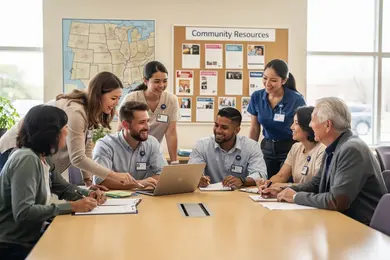
When you dive into an online human services degree in Georgia, you'll encounter courses designed to build both your knowledge and your confidence in real-world settings. Graduates from schools like Georgia State University often highlight courses such as Case Management and Client Advocacy, where they learned to connect clients with essential community resources-skills they used immediately during internships in Atlanta's diverse neighborhoods.
Another key course is Human Behavior and the Social Environment, which helps you understand the unique challenges faced by different populations across the state, from rural areas to bustling cities. Through this, students gain insight into psychological and cultural factors that shape their clients' lives, making their support more empathetic and effective.
Courses like Substance Abuse and Mental Health Studies resonate deeply, especially in Georgia, where the opioid crisis calls for skilled professionals. Additionally, Crisis Intervention Strategies train you to offer calm, effective assistance during emergencies, preparing you to make a real difference when it matters most.
Programs also focus on practical skills with classes like Program Development and Grant Writing, crucial for managing and funding impactful social services. Research Methods and Evaluation teach you to assess programs critically, ensuring your work leads to meaningful change. Many students find these courses instrumental in securing careers serving Georgia's communities with purpose and heart.
When pursuing an online human services degree in Georgia, you'll find a variety of specializations designed to match your passion and career ambitions. Graduates from universities like Kennesaw State or Georgia State often reflect on how focusing on Gerontology enabled them to make a real difference in the lives of the growing senior population, who face unique challenges. Others are drawn to Addiction and Substance Abuse Counseling, responding to the state's rising need for compassionate support professionals. The Mental Health Services track prepares students for impactful roles assisting those navigating mental health struggles, a critical demand across Georgia.
Many students appreciate studying Child and Family Services to help vulnerable youth, while those focused on Community Development and Advocacy enjoy empowering local populations and championing social justice. These specializations are not only about gaining knowledge but immersing yourself in practical internships that truly prepare you for the field.
Exploring online human services degree specializations Georgia offers can also lead you to discover accelerated online human services degree programs, allowing you to fast-track your career with relevant expertise and experience.
Choosing the best online human services degree Georgia offers means focusing on programs that combine credibility, affordability, and flexibility. Graduates from popular colleges in Atlanta and beyond often highlight the importance of accreditation-such as from the Council for Standards in Human Service Education-because it ensures your degree carries weight with employers and opens doors to certifications. Many have balanced work and family with asynchronous courses that fit their busy lives, making flexible schedules a top priority.
Affordability is a real concern, but excellent online options exist without breaking the bank, especially when considering in-state tuition rates and scholarship opportunities. Graduates from various Georgia universities attest that affordable human services programs Georgia provide don't sacrifice quality, helping learners grow confident and capable in community settings.
Look for curricula focused on practical skills like counseling and case management, combined with a deep understanding of Georgia's unique cultural and social landscape. Plus, programs offering career support and internship placements make the transition from student to professional smooth and inspiring. You can explore more about human services online programs with trusted resources like human services online programs to find the best fit for your journey.

Graduates with an online human services degree in Georgia find themselves stepping into roles like case managers or social services coordinators, where they directly impact lives by connecting clients to essential resources such as housing and healthcare. Many students from institutions like Kennesaw State University and Georgia Southern University share how these positions let them witness meaningful change daily, fueling their passion. Jobs for human services graduates in Georgia also include substance abuse and behavioral health counseling, vital as the state expands its focus on mental health support. Those who enjoy leadership often pursue program management or community outreach roles, crafting initiatives that uplift entire neighborhoods. Starting out, some embrace entry-level roles like human services assistants or residential counselors, gaining crucial hands-on experience in schools or shelters.
For those curious about advancing further, several graduates explore master's in human services jobs, unlocking higher responsibilities and influence. The variety of career opportunities with online human services degree in Georgia demonstrates the degree's versatility and promise, offering a fulfilling path for anyone eager to serve their community.
The job market for graduates with an online human services degree in Georgia is full of promise and growth. Many graduates from well-known institutions like Georgia State University and Kennesaw State University find rewarding roles as social workers, counselors, or program coordinators. These roles are critical in communities from Atlanta to smaller towns, allowing graduates to make a genuine impact on people's lives while building fulfilling careers. The employment opportunities with online human services degree Georgia show particularly strong growth, as state initiatives boost mental health services and nonprofits increase their outreach.
Students often share how affordable public universities help ease financial burdens, especially when combined with scholarships tailored for human services majors. Exploring programs designed for busy adults also means you can study while gaining practical experience. Considering an affordable online degree in human services can open doors to steady employment with meaningful work, aligning passion with a sustainable career path.
2027 Fastest Online Master's in Human Services Degree Programs Ranking in Georgia
Investing in your education is a significant decision that can shape your future, and the Research.com team understands the importance of making informed choices. To assist prospective students in Georgia, we have meticulously crafted the "2027 Fastest Online Master's in Human Services Degree Programs Ranking in Georgia." Our commitment to quality, credibility, and accuracy is reflected in the extensive research and analysis conducted to compile this ranking.
We utilized the following reputable data sources to ensure a comprehensive evaluation of human services programs:
By exploring this ranking, readers will gain valuable insights into the fastest online Master's in Human Services degree programs in Georgia, helping them make informed decisions about their educational paths. For more details on our methodology, please visit our Research.com methodology page.


Frequently Asked Questions About human services
Students pursuing online human services degrees in Georgia can enhance their learning by actively engaging with local community organizations for practical experience. Georgia's growing demand for human services professionals, driven by a 9% job growth projection from 2022 to 2032 (U.S. Bureau of Labor Statistics), offers ample internship and volunteer opportunities. Utilizing online platforms for discussion and networking with peers and faculty helps build essential professional connections.
Additionally, leveraging Georgia-specific resources, such as the Georgia Department of Human Services website, can provide valuable insights into state policies and programs. Staying organized and setting a regular study schedule also improves academic success in online formats.
The human services field in Georgia is evolving with several emerging niches attracting attention. One key growth area is gerontology, driven by the state's increasing senior population-Georgia's Office of Aging reports a 20% rise in residents aged 65 and older over the past decade. Professionals specializing in elder care coordination and support services are in demand.
Another niche is behavioral health, especially with expanded efforts addressing mental health and substance abuse. The Georgia Department of Behavioral Health highlights workforce shortages, creating opportunities for specialists in counseling and crisis intervention.
Additionally, human services roles in disaster response and community resilience are growing, due to the state's vulnerability to natural events like hurricanes. This niche intersects with public health and emergency management.
Graduates of online human services degree programs in Georgia should begin job market preparation by gaining relevant experience through internships or volunteer work with local agencies. The Georgia Department of Human Services highlights a growing demand for skilled professionals in social work and counseling. Developing a strong resume that showcases practical skills and certifications, such as CPR or crisis intervention, improves employability. Networking through professional organizations like the Georgia Human Services Association can connect graduates to job leads. Additionally, researching Georgia's licensure requirements, which differ by role, ensures timely application for necessary credentials before employment.
Employers in Georgia seek specific skills from graduates holding human services degrees, emphasizing both interpersonal and practical abilities. Strong communication skills are essential, as professionals often collaborate with diverse populations and agencies. According to the Georgia Department of Labor, employers also value critical thinking and problem-solving, necessary for addressing complex social issues.
Patience and empathy are important, enabling graduates to support vulnerable clients effectively. Additionally, knowledge of case management and familiarity with state welfare programs prove advantageous. Data from the U.S. Bureau of Labor Statistics highlights that technical skills in record-keeping and service coordination are increasingly requested in job postings across Georgia's human services sector.
Overall, combining emotional intelligence with organizational competencies best prepares graduates for successful careers in this field.
Finding internships in Georgia relevant to a human services degree involves targeted research and leveraging local resources. Students should begin by contacting university career centers and academic advisors who often have partnerships with community organizations and agencies. Georgia's Department of Behavioral Health and Developmental Disabilities offers internship opportunities tied to state-funded services, which can be valuable for hands-on experience.
Additionally, websites like Georgia's Employ Georgia and the National Human Services Workforce Online list local internship openings. Connecting with non-profits in metropolitan areas like Atlanta, where many social service agencies operate, can increase chances of placement. According to Georgia Tech's Center for Career Discovery, nearly 60% of students secure internships through networking and local outreach.
Obtaining an online human services degree in Georgia can significantly enhance career mobility by equipping students with practical skills relevant to the state's community support agencies. According to the Georgia Department of Labor, jobs in human services are projected to grow faster than average, offering increased opportunities for advancement.
Many roles in Georgia require at least a bachelor's degree in human services or a related field to qualify for management or specialist positions. Online degrees provide flexible access to accredited programs, allowing working professionals to gain credentials without interrupting their careers.
Additionally, Georgia's expanding social programs and nonprofit sectors often prioritize candidates with formal education, which can lead to higher salaries and leadership roles. State statistics show the median annual wage for human services workers in Georgia exceeds $40,000, and advanced degrees correlate with improved earning potential.
Studying for an online human services degree in Georgia equips students with knowledge from various disciplines such as psychology, sociology, and social work. This interdisciplinary foundation prepares graduates to address complex social issues effectively. Programs often include coursework on counseling, community resources, and ethical practices, aligning with standards from the Georgia Professional Standards Commission.
According to the University System of Georgia, many programs emphasize collaboration across healthcare, education, and criminal justice fields. This approach helps graduates work in diverse roles, from case management to public policy.
With Georgia's growing demand for skilled human services professionals-projected to grow by 12% through 2030 per the Georgia Department of Labor-these degrees offer strategic preparation for interdisciplinary teamwork.
Choosing between a thesis and a non-thesis human services degree program in Georgia depends on your career goals and learning preferences. A thesis option typically involves conducting original research, which suits students aiming for academic, research, or doctoral pathways. In contrast, non-thesis programs focus more on practical skills and fieldwork, ideal for those seeking to enter or advance in professional human services roles directly.
According to the Georgia Board of Regents, non-thesis degrees often require internships, enhancing job readiness. Meanwhile, thesis programs can take longer due to research demands. Consider the time commitment, your interest in research, and intended career outcomes when deciding.
Students based in Georgia who are interested in studying human services abroad have limited direct options due to the nature of online programs and accreditation requirements. Most accredited human services degrees offered online by U.S. institutions, including those based in Georgia, do not provide full degree completion through foreign universities. Instead, students can participate in international study abroad programs or exchange experiences as supplements to their U.S.-based curriculum.
Georgia residents should consider programs approved by the Council for Standards in Human Service Education (CSHSE) to ensure quality and recognition. Additionally, some universities offer partnerships with foreign institutions for research or practicum opportunities, allowing students to gain international exposure without transferring credits abroad. This hybrid approach remains the most accessible for Georgia students wishing to combine online study with global experience.
Part-time job opportunities in Georgia can greatly complement an online human services degree by providing practical experience. Many students find roles as case management assistants, supporting social workers with client records and outreach. According to the Georgia Department of Labor, positions in community support and mental health aide roles are growing by 10% annually through 2028.
Other common options include working in nonprofit organizations, where students engage in program coordination or volunteer management. These jobs enhance skills in communication and crisis intervention, key elements of human services.
Additionally, positions in residential care facilities offer direct client interaction, valuable for applying classroom knowledge.
Online human services students in Georgia have several networking opportunities to enhance their professional growth. Many universities offering these programs encourage participation in virtual career fairs and alumni networking events. Local chapters of national organizations, such as the National Organization for Human Services (NOHS), provide access to professional groups and mentoring. Georgia also hosts conferences, like those organized by the Georgia Division of Family and Children Services, where students can connect with practitioners in the field.
Additionally, Georgia's demand for human services professionals-projected to grow by 12% through 2030 according to the U.S. Bureau of Labor Statistics-makes joining state-based LinkedIn groups and online forums valuable. These platforms facilitate connections with local employers and peers despite the program's online nature.
Alumni networks play a crucial role for students pursuing online human services degrees in Georgia. These networks provide valuable connections to professionals already working in fields such as social work, counseling, and community outreach across the state.
Through alumni events, online groups, and mentorship programs, students gain access to job opportunities and career advice tailored to Georgia's specific human services landscape. According to the Georgia Department of Behavioral Health and Developmental Disabilities, over 100,000 professionals serve in related roles statewide, highlighting the importance of strong professional connections.
Moreover, alumni networks often share insights about local licensing requirements, continuing education options, and emerging trends in Georgia's human services sector, helping students stay informed and competitive.
Customizing your online human services degree program in Georgia starts with selecting concentrations or electives that align with your career goals. Many Georgia institutions offer options such as addiction counseling, gerontology, or case management that help tailor your skills to specific job markets.
Additionally, look for programs with flexible internship or practicum placements. Completing hands-on experience in local agencies adds valuable practical knowledge and networking opportunities within Georgia's human services system.
The Council for Standards in Human Service Education (CSHSE) accredits several programs in Georgia, ensuring quality and relevance in coursework.
Statistics from the Georgia Department of Labor highlight growth in community and social service roles, signaling promising career prospects for specialized graduates.
Online human services students in Georgia face several typical challenges. One common difficulty is balancing coursework with personal and professional responsibilities, as many students work full-time or care for family members. Time management becomes critical in such cases. Additionally, limited access to reliable internet in some rural areas of Georgia can hinder participation in live classes or timely submission of assignments.
Another challenge is the lack of in-person interaction, which can impact networking opportunities and practical skill development important in human services careers. Students often report missing direct supervision during field placements, a requirement set by the Georgia Association of Community Service Boards.
Financial constraints also affect many students, with Georgia's average graduate tuition for online programs varying widely, often between $10,000 and $25,000 annually. Despite these challenges, institutions are increasingly providing virtual support services to help students succeed.
With an online human services degree in Georgia, graduates can pursue several professional certifications to enhance their career prospects. One prominent option is the Certified Human Services Professional (CHSP) credential offered by the National Organization for Human Services. This certification validates foundational knowledge and skills applicable nationwide, including Georgia.
Additionally, graduates may seek certification as a Certified Social Work Case Manager (C-SWCM), which is beneficial for professionals involved in client care coordination. For those interested in substance abuse counseling, the Georgia Addiction Counselor Certification Board provides credentials for Licensed Associate Addiction Counselors (LAAC).
These certifications align with workforce needs noted by the Georgia Department of Labor, where human services positions are expected to grow by 12% over the next decade. Acquiring certification improves employability in social services, healthcare, and community organizations across Georgia.
Writing a winning application for an online human services program in Georgia requires careful preparation and clear communication. First, research schools thoroughly to understand their specific admission criteria, as many programs look for relevant experience or coursework.
Emphasize your commitment to helping communities, especially since Georgia's human services sector often addresses issues like poverty and mental health, according to the Georgia Department of Human Services. Highlight any volunteer work or employment in related fields.
Strong personal statements that connect your goals with program offerings improve your chances. Also, submit all required transcripts and letters of recommendation on time.
Finally, check if your chosen program values standardized tests and prepare accordingly, as requirements vary across institutions.
Human services careers offer diverse opportunities to support individuals and communities worldwide. Globally, the demand for skilled human services professionals is increasing as societies face complex social challenges.
In the United States, including Georgia, human services workers are crucial in fields like mental health, substance abuse, and family support. According to the Bureau of Labor Statistics, employment in social and human services assistant roles is projected to grow 13% from 2022 to 2032, faster than the average for all occupations.
Internationally, many countries emphasize culturally competent care, requiring professionals to understand social, economic, and cultural factors influencing wellbeing. Completing an online human services degree in Georgia provides a foundation aligned with these global perspectives, preparing graduates to address diverse client needs.
Students pursuing an online human services degree in Georgia can gain practical experience through local internships and field placements. Many programs partner with community organizations, healthcare facilities, and social service agencies across the state to provide hands-on learning opportunities.
According to the Georgia Department of Human Services, there are over 250 nonprofit and government agencies active in this sector, offering diverse work experiences. Completing these internships is often a graduation requirement, helping students build professional skills and networks.
Additionally, students may participate in virtual simulations and case studies included in their coursework to complement real-world experience. These methods align with Georgia's educational standards and licensing requirements for human services professionals.
Choosing the right concentration within an online human services degree in Georgia depends largely on your career goals and interests. Consider areas such as addiction counseling, social work, or healthcare administration, which align with high-demand job sectors in the state. According to the Georgia Department of Labor, employment in community and social service roles is projected to grow by 12% through 2030, faster than many other fields.
Examine local workforce needs and licensing requirements. For example, addiction counseling often requires specific credentials recognized by Georgia's Composite Board of Professional Counselors, Social Workers, and Marriage & Family Therapists.
Research programs that offer practical experience through internships or partnerships in Georgia communities. This can enhance employability and relevant skills.
- 2027 Fastest Online Master's in Human Services Degree Programs Ranking in Florida
- 2027 Fastest Online Master's in Human Services Degree Programs Ranking in Alabama
- 2027 Fastest Online Master's in Human Services Degree Programs Ranking in Kentucky
- 2027 Fastest Online Master's in Human Services Degree Programs Ranking in Arkansas
- 2027 Fastest Online Master's in Human Services Degree Programs Ranking in Missouri
- 2027 Fastest Online Master's in Human Services Degree Programs Ranking in Ohio
- 2027 Fastest Online Master's in Human Services Degree Programs Ranking in Illinois
- 2027 Fastest Online Master's in Human Services Degree Programs Ranking in Pennsylvania
- 2027 Fastest Online Master's in Human Services Degree Programs Ranking in Texas
- 2027 Fastest Online Master's in Human Services Degree Programs Ranking in Kansas
- 25 Best Online Human Services Degree Programs - Social Work Degree Center https://www.socialworkdegreecenter.com/best-online-human-services-bachelors/
- Choosing a bachelor's in human services | edX https://www.edx.org/resources/how-to-choose-a-bachelors-in-human-services
- BS Human Services | College of Professional Advancement https://professionaladvancement.mercer.edu/academic-programs/undergraduate/human-services/
- Study Social Work Abroad | Go Overseas https://www.gooverseas.com/study-abroad/social-work
- What Are My Career Options After a Course in Human Services? https://columbia.ca/career-options-after-a-course-in-human-services/
- Home https://www.nationalhumanservices.org/
- Careers with a Degree in Human Services https://www.mhaonline.com/faq/careers-with-degree-in-human-services
- Social Work Overview https://explorehealthcareers.org/careers/social-work/
- 6 Trends in Human Services That Will Change the Face of the Field | ANCOR https://www.ancor.org/connections/6-trends-human-services-will-change-face-field/
- Online Bachelor’s Degree in Human Services https://www.monroeu.edu/academics/undergraduate-programs/school-criminal-justice/online-bachelors-degree-human-services