2027 Best Online Bachelor's in Healthcare Management Degree Programs Ranking in the Midwest

Co-Founder and Chief Data Scientist
Considering a career in healthcare management? Choosing the right online bachelor's degree program in the Midwest can make all the difference for your future success. Our 2027 Best Online Bachelor's in Healthcare Management Degree Programs Ranking in the Midwest was designed by the Research.com team of data scientists to help you navigate the options with confidence.
Reading this article will give you clear insights into quality programs that fit your goals and lifestyle. Earning a healthcare management degree opens doors to rewarding roles where you can make a real impact in the industry.
Key benefits of getting online healthcare management degree in the Midwest
- Healthcare management graduates in the Midwest can expect competitive salaries, with many roles offering mean annual wages around $75,000 to $100,000, providing financial stability and career growth.
- Graduates from Midwestern universities often pursue diverse careers such as hospital administration, healthcare consulting, and health services management, allowing for dynamic and rewarding professional opportunities.
- Completing a healthcare management degree online offers flexible scheduling and accessibility, enabling students to balance work and study effectively while still gaining quality education from respected Midwestern institutions.
- 2027 Best Online Bachelor's in Healthcare Management Degree Programs Ranking in the Midwest
- What can I expect from online healthcare management degree in the Midwest?
- Where can I work with online healthcare management degree in the Midwest?
What can I expect from online healthcare management degree in the Midwest?
When envisioning the investment for an online healthcare management degree in the Midwest, graduates from the region often describe a balance between cost and value that feels like a smart step rather than a financial burden. On average, these programs hover around $20,000 to $40,000 total tuition, depending on the university and the length of study. For instance, a student at a popular Midwestern university might find their tuition fees comparable to the price of a reliable used car-significant but manageable-especially when weighed against the career opportunities that open up afterwards.
Many graduates share stories of juggling coursework with family life, empowered by flexible online schedules that make every dollar spent feel worthwhile. At a well-known college in Illinois, students have praised financial aid packages and scholarships specifically tailored for healthcare administration, which often cut costs dramatically. This tailored support creates a cushion that makes the dream of leading healthcare organizations across Ohio, Michigan, or beyond surprisingly achievable.
Where can I work with online healthcare management degree in the Midwest?
Graduates with an online healthcare management degree in the Midwest often find themselves at the heart of booming hospital systems like those affiliated with the University of Michigan or the University of Illinois. Imagine stepping into a bustling hospital administration office where your strategic decisions ripple through patient care, finance, and staff coordination-this is the reality for many alumni. One graduate vividly recalled navigating the complexities of the Mayo Clinic's operations, mastering healthcare laws while feeling the pulse of a world-class institution.
Others carve rewarding careers in outpatient clinics scattered across Illinois and Indiana, where they become the linchpins of efficiency and compliance in smaller, fast-growing care centers. Think of managing billing systems or streamlining patient services for a tight-knit community, knowing your work tangibly improves lives.
Public health agencies, especially in states like Ohio, also beckon graduates eager to influence community wellbeing-directing programs that prevent disease and foster healthier generations. Meanwhile, insurance companies and healthcare consultancies offer dynamic roles analyzing data, shaping policies, and reducing costs, fueling a sense of purpose and innovation throughout the Midwest.
Graduates from online healthcare management programs in the Midwest often step into roles with salaries that feel like a welcome reward for their hard work-generally ranging from $55,000 to $65,000 for entry-level positions. Imagine a recent graduate from a well-known Midwestern university navigating their first year as a healthcare coordinator in Columbus, gaining valuable experience while earning a solid starting wage.
With a few years under their belt, these professionals often see their income rise into the $90,000 to $110,000 territory, especially in bustling hubs like Chicago or Minneapolis where healthcare networks are thriving. Mid-career managers from institutions known for healthcare programs, like those near Ohio State University or the University of Michigan, report satisfaction not only in their paycheck but in their expanding influence on hospital operations and budgeting.
The Midwest's competitive healthcare market rewards those who pair their degrees with skills in analytics or finance, often leading to salaries nudging just above $100,000. This career path resonates emotionally for many-the promise of growth alongside the region's evolving healthcare sector, turning online study into tangible success.
- Online healthcare management degrees in the Midwest typically cost between $20,000 and $40,000 for a full bachelor's program.
- Entry-level salaries for graduates start around $50,000 to $60,000 annually, with experienced professionals earning $85,000 to over $100,000.
- Employment in healthcare management is expected to grow about 18% nationally through 2030, with strong demand in the Midwest due to aging populations and expanding healthcare sites.
- Programs often include flexible curriculums covering health policy, finance, and ethics, and many are accredited by the Commission on Accreditation of Healthcare Management Education (CAHME).
- Internships or capstone projects are commonly required, offering practical experience for leadership roles in hospitals, clinics, and public health agencies.
- Networking opportunities are available through virtual career fairs and regional partnerships, especially in cities like Minneapolis, Columbus, and Indianapolis.
Imagine juggling your day job with late-night study sessions, all while navigating an online healthcare management degree from places like the University of Missouri or Indiana State University. For many Midwestern students, completing this adventure takes about four years when going full-time-standard, steady, and truly manageable.
But life isn't always full throttle. Graduates who've embraced part-time schedules often take five or six years or more, blending work and family rhythms into a harmonious study dance. This route feels less like a sprint and more like a steady marathon, offering a sense of balance and fulfillment along the way.
Then there are the brave souls embarking on accelerated journeys, wrapping up their degrees in as little as two and a half to three years by diving deep year-round. These students feel an intense rush-not just of coursework but of accomplishment-as they turn passion into swift progress.
Many find joy in knowing that transferring prior credits can slice their timelines, like a fast-forward button on the path to success.
- Full-time bachelor's degree completion: approximately 4 years
- Part-time study: 5 to 6 years or more
- Accelerated programs: 2.5 to 3 years
- Credit transfer can shorten duration
Imagine juggling a full-time job while diving deep into healthcare management courses from your living room in Chicago-this is the everyday reality for many online students at institutions like the University of Minnesota. The digital rhythm pulses with late-night lectures and asynchronous assignments, giving freedom but demanding discipline. Meanwhile, their peers at Ohio State University savor the buzz of campus life, sharing ideas face-to-face, grabbing coffee between classes, and building networks in real-time corridors.
Cost-wise, online learners bask in savings from eliminated commuting and housing expenses-a welcome relief when Midwest tuition hovers around $10,000 to $12,000 a year. Yet, both paths converge on the crucial internship experience: on-campus students stroll into nearby hospitals for hands-on practice, while online counterparts coordinate through regional partners, weaving real-world skills despite virtual walls.
Graduates recount an empowering journey regardless of format, united by Midwest's rigorous accreditation standards from schools like Indiana University and Michigan State University-proof that learning here, online or on-campus, opens doors to thriving healthcare careers.
Peeling back the layers of the average cost of online healthcare management degree Midwest students face reveals a median total hovering near $48,240. This figure whispers tales of ambition from graduates at schools like the University of Missouri and Wright State University, where in-state tuition stretches closer to $43,000, keeping dreams within reach. Many find the balance between cost and quality invigorating, knowing that even private options, often nestled around $45,700 for out-of-state learners, breathe life into advanced career opportunities.
Imagine a graduate juggling coursework from a cozy home office while appreciating that the investment isn't just tuition-it's the gateway to transforming healthcare systems. Textbook fees and tech expenses add colors to this canvas, usually $1,000 to $2,500 yearly, but many students relish the flexibility and savings from online study. Midwest institutions combat common fears about expense through financial aid, scholarships, and innovative payment plans, crafting an experience that feels less like a burden and more like a stepping stone.
Within this landscape, prospective students discover why Midwest online healthcare management degree tuition fees strike a harmonious chord with regional expectations. These costs often compare favorably against national figures, offering a viable path for those craving growth without the weight of overwhelming debt. For those eager to accelerate their journey, exploring fast degree in healthcare administration programs opens doors to financial efficiency combined with academic rigor.
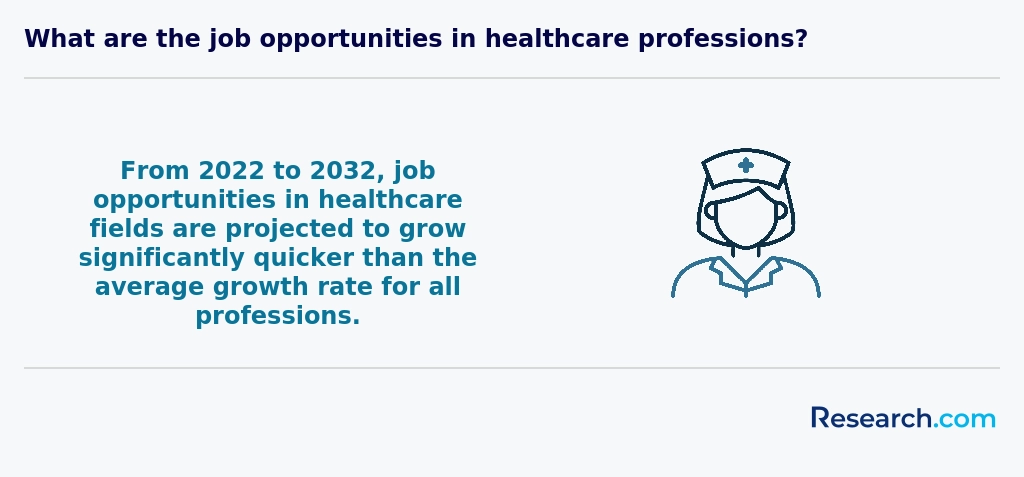
Imagine logging into your online healthcare management program at a bustling Midwestern university-say at a school in Ohio or Michigan-and discovering a treasure trove of financial aid waiting to lighten your load. Many graduates recall how FAFSA became their golden key, unlocking Pell Grants that felt like unexpected gifts, covering crucial tuition portions without the shadow of repayment. State scholarships, like those offered in Illinois, often arrive as timely boosts, easing the pinch of out-of-pocket costs for those balancing family and studies.
Merit-based scholarships add another layer of sparkle, rewarding your hard work and leadership skills with funds that feel like applause from the university itself. Veterans and active military members share stories of military benefits fueling their ambitions at Midwestern institutions, turning service into opportunity.
Picture a healthcare worker juggling shifts and classes, buoyed by employer tuition reimbursement programs-common in local hospitals-that transform career growth from a dream into a paycheck-supported reality.
Private organizations, such as the American College of Healthcare Executives, offer focused scholarships that feel like peer encouragement from the healthcare community itself, motivating you to press on while carefully weighing federal loans to avoid a debt maze.
Diving into an online healthcare management degree in the Midwest feels like stepping into a world woven from both ambition and clear-cut expectations. Picture this: a graduate from a well-known Midwestern university recalls how their journey began with a simple, yet firm prerequisite-a high school diploma or GED. It might sound basic, but it's the gateway, the key to unlock this vibrant academic path.
Many students remember juggling foundational courses in English, math, and science, sometimes from community colleges before enrolling. One recent grad from a prominent Midwest college shared how holding an associate degree helped them breeze through early coursework, turning stress into excitement.
GPA is more than just a number here-striving for that unofficial 2.5 to 3.0 goodwill barrier feels like a rite of passage, reassuring students that their effort aligns with Midwest schools' standards.
Though SATs and ACTs lost their grip post-pandemic, some universities still glance at scores, giving hopefuls the option to showcase their readiness. Volunteer hours in local healthcare clinics or internships often serve as emotional touchstones, a way to blend passion with practical experience.
Official transcripts matter too, especially if transferring credits or unlocking advanced standing feels like the shortcut to success.
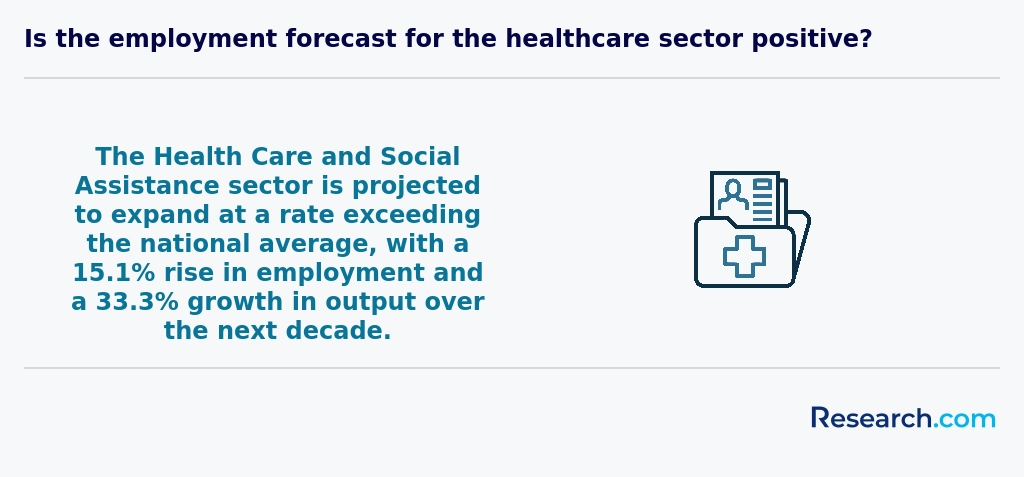
Imagine diving into your healthcare management degree at a top Midwest university, where courses blend the pulse of healthcare systems with the rhythm of business savvy. Graduates often reflect on learning about Healthcare Systems and Policy-grasping the complex dance between government regulations and patient care, a skill vital in a region shaped by diverse state laws.
Picture navigating Healthcare Law and Ethics like a guardian of patient rights, mastering courtroom battles and ethical puzzles that keep healthcare fair and humane.
Then there's the tech frontier-Health Information Systems-where students at leading Midwestern colleges become fluent in decoding electronic health records and harnessing data to improve lives.
Financial minds sharpen through Financial Management in Healthcare, tackling real-world budgeting challenges that Midwest hospitals face every day.
Leadership courses bring teams to life with lessons on motivation and organizational behavior, reflecting the dynamic corridors of Midwestern healthcare facilities.
Finally, Quality Improvement and Patient Safety trains future leaders to champion safer, better care-an emotional, rewarding journey for many graduates ready to make a tangible impact in their communities.
In the vibrant landscape of the Midwest, online healthcare management specializations become a tapestry woven from real-world challenges and career dreams. Graduates from renowned universities often describe diving into Healthcare Informatics, transforming heaps of patient data into life-saving insights that ripple through sprawling hospital systems. Others find their calling in Health Policy and Administration, shaping regulations that safeguard community wellness while navigating complex legal waters.
Imagine managing a bustling nursing home tucked away in a small Midwest town-Long-Term Care Management specialization equips students with the empathy and strategy needed for such a role, a path many graduates cherish deeply. Public Health Management brings population health into sharper focus, inspiring alumni to orchestrate community programs that prevent diseases in aging rural populations. Exploring Midwest healthcare management degree focus areas at popular colleges, students unlock flexibility and profound relevance.
This spectrum of options, balanced with the convenience of online study, often leads prospective learners to explore details like healthcare administration degree how long it takes to tailor their journey, fostering hope and readiness for a career that truly matters.
Picture yourself navigating the complex landscape of healthcare management online, eyes set on a Midwest degree that isn't just a line on your resume but a gateway to real-world impact. Graduates from renowned universities in Illinois or Ohio often spotlight the power of regional accreditation-like that from the Higher Learning Commission-to unlock opportunities well beyond their screens, including federal aid and credit transfers. They emphasize programs weaving together business savvy, ethics, and health policy, enriched with hands-on cases reflecting Midwest challenges like rural healthcare access. Seeking affordable healthcare management programs Midwest veterans praise often means balancing tuition costs between public and private institutions while weighing scholarships crafted for healthcare fields. The magic ingredient? Flexibility-imagine working professionals juggling careers, family, and study with asynchronous courses plus eagle-eyed academic advising. Explore stories from peers thriving through strong hospital partnerships that open doors to internships and jobs. For those curious, check out options for associates in healthcare administration online as a stepping stone toward this vibrant field.
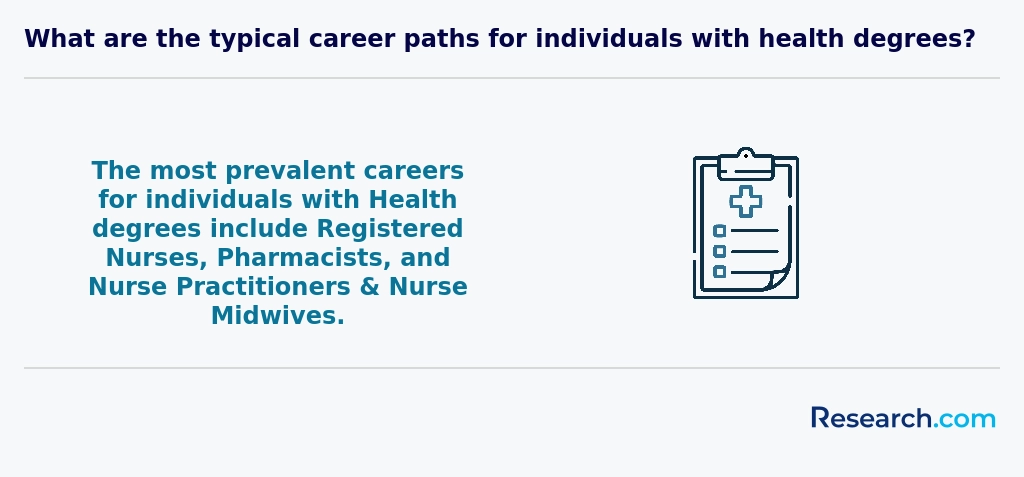
Graduates with an online healthcare management degree in the Midwest often find themselves stepping into bustling roles that pulse with the lifeblood of hospitals and clinics. Imagine overseeing the daily dance of operations in a major Illinois hospital or managing patient data privacy with precision at a health system in Ohio. These career paths range from healthcare administrators steering complex budgets and staffing, to dynamic practice managers orchestrating physician office workflows. Many Midwest graduates from popular universities savor the thrill of shaping public health policy as administrators, while others thrive as consultants fine-tuning the efficiency of healthcare enterprises.
For those curious about the journey ahead, stories from peers at leading colleges paint a vivid picture of possibility-balancing theory learned online with hands-on experiences in Michigan's diverse medical landscape. The excitement of joining robust networks and advancing certification opportunities adds a motivating dimension. If you wonder is an mha a good degree, the answer echoes through these career options.
The growing demand in the region for skilled professionals means job opportunities continue to expand, making online healthcare management careers Midwest a vibrant and rewarding choice.
The job market for online healthcare management jobs Midwest pulses with vitality, fueled by an aging population and the urgent demand for efficient care. Graduates from prominent Midwestern colleges, juggling coursework and family life, tell stories of landing roles in bustling hospital administration offices or steering public health initiatives in smaller communities. Their success stems from robust healthcare sectors in states like Illinois and Michigan, where urban hubs and rural care intertwine.
One graduate from a well-known state university highlights how the degree's accreditation-often endorsed by regional bodies-opens doors at outpatient facilities and long-term care centers alike. With median salaries between $85,000 and $105,000, the financial rewards feel like a tangible acknowledgment of their dedication. These career opportunities Midwest offer stability, growth, and a chance to impact lives meaningfully.
Many students embark on this journey through affordable public universities or explore advanced options like the doctor of healthcare administration, visualizing a future where technology and compassionate management transform healthcare.
2027 Best Online Bachelor's in Healthcare Management Degree Programs Ranking in the Midwest
Investing in your education is a significant decision that can profoundly influence your career path, and the Research.com team is dedicated to supporting you in making well-informed choices. To aid prospective students seeking healthcare management degrees in the Midwest, we have carefully developed the "2027 Best Online Bachelor's in Healthcare Management Degree Programs Ranking in the Midwest." Our commitment to quality, credibility, and accuracy is demonstrated through rigorous research and analysis.
We utilized the following reputable data sources to ensure a thorough evaluation of relevant programs:
By reviewing this ranking, readers will gain essential insights into top online healthcare management programs in the Midwest, empowering them to make educated decisions about their education and future. For a detailed explanation of our process, please visit our Research.com methodology page.


# 3 position
The College of St. Scholastica
Bachelor of Health Informatics and Information Management


# 5 position
University of Wisconsin-Green Bay
Bachelor of Health Information Management & Technology


# 8 position
MidAmerica Nazarene University
Bachelor of Management and Leadership in Healthcare Administration


# 11 position
The University of Kansas
Health Information Management/RHIT-to-RHIA (BS Degree Completion Program)

# 12 position
Walden University
Bachelor of Healthcare Management

# 13 position
University of Wisconsin-Parkside
Bachelor of Health Information Management and Technology


# 18 position
Southwestern College
Bachelor of Healthcare Administration

# 19 position
Herzing University Online
Bachelor of Health Information Management

# 20 position
Indiana Institute of Technology
Bachelor of Business Administration - Health Care Administration

Frequently Asked Questions About healthcare management
Students pursuing online healthcare management degrees in the Midwest can enhance their learning by engaging actively with virtual classroom discussions and collaborative projects. Research from the Midwest Healthcare Education Consortium shows students who participate regularly in online forums improve retention by up to 30%. Additionally, leveraging local healthcare networks for internships or mentorship provides practical experience essential for career growth.
Using resources from accredited institutions, such as libraries and career centers, also supports academic success. Staying updated with regional healthcare trends and policies, like those developed by the Midwestern Public Health Association, ensures students understand the specific challenges their future workplaces face.
Emerging niches within healthcare management reflect the sector's rapid evolution, especially in the Midwest, where healthcare infrastructure is diversifying. One key area is health informatics, which combines data analysis and technology to improve patient outcomes. The Bureau of Labor Statistics projects a 15% growth in health information jobs nationally through 2032, with Midwestern states like Illinois and Ohio showing significant demand.
Another growing field is population health management, focusing on community-wide healthcare strategies. This niche supports initiatives in rural and urban areas common in the Midwest, helping reduce costs and improve service delivery.
Additionally, telehealth coordination is expanding rapidly, driven by increased digital healthcare access and the COVID-19 pandemic's legacy. Midwest healthcare systems are investing in this area to reach underserved populations.
After completing an online healthcare management degree in the Midwest, preparing for the job market involves several strategic steps. First, gaining relevant experience through internships or part-time roles is crucial, as healthcare employers value practical skills alongside academic credentials. According to the Bureau of Labor Statistics, healthcare management jobs in the Midwest are projected to grow by 20% from 2021 to 2031, highlighting strong demand.
Networking with local healthcare organizations, attending industry conferences, and joining professional associations like the American College of Healthcare Executives can open doors to job opportunities. Lastly, earning certifications such as Certified Healthcare Manager can enhance your resume and demonstrate expertise to employers.
Employers in the Midwest highly value healthcare management graduates who demonstrate strong leadership and communication skills. According to the Healthcare Business Management Association, effective team coordination is essential in diverse clinical settings.
Analytical abilities are also critical, as managers must interpret healthcare data to improve patient outcomes and reduce costs. The U.S. Bureau of Labor Statistics highlights this trend, noting a growing demand for data-savvy healthcare professionals.
Furthermore, knowledge of healthcare laws and policies is vital due to the region's complex regulatory environment. A 2023 survey by the Midwestern Healthcare Executives Forum found that 78% of employers prioritize understanding of compliance standards.
Technical proficiency with electronic health records (EHR) systems and financial management tools is increasingly required in today's healthcare organizations.
Finding internships in the Midwest for healthcare management students involves targeted research and networking. Many hospitals, clinics, and healthcare systems across states like Illinois, Ohio, and Michigan offer structured internship programs. According to the Illinois Health and Hospital Association, over 70% of member hospitals provide internship opportunities annually.
Start by visiting university career centers, which often connect students with local healthcare employers. Utilize online platforms specific to healthcare jobs such as the American College of Healthcare Executives portal. Reaching out to regional healthcare associations and attending local healthcare conferences can also open doors.
Additionally, check state health department websites and local nonprofits for internship listings tailored to management roles. Applying early and tailoring your resume to emphasize relevant skills greatly improves chances in a competitive Midwest market.
Obtaining an online healthcare management degree significantly enhances career mobility and advancement opportunities within the Midwest's growing healthcare sector. According to the U.S. Bureau of Labor Statistics, healthcare management occupations in the Midwest are projected to grow by approximately 15% through 2030, faster than average for all occupations. This growth creates a strong demand for qualified professionals with specialized knowledge in healthcare systems, policy, and administration.
An online degree offers flexibility, allowing working professionals to upskill without interrupting their careers. Employers in Midwest states like Illinois, Ohio, and Michigan increasingly prefer candidates with formal education credentials, especially in post-pandemic healthcare environments focused on efficient management and regulatory compliance.
Furthermore, an accredited online program provides access to industry networks and certifications that can lead to higher-paying leadership roles, thus promoting steady career advancement.
Studying for a healthcare management degree in the Midwest equips students with a broad skill set essential for interdisciplinary roles. Programs emphasize collaboration across fields such as public health, finance, and information technology to address complex healthcare challenges.
Midwestern universities often incorporate practical coursework involving teamwork with nursing, policy, and data analytics departments. According to the Association for University Programs in Health Administration (AUPHA), this approach reflects regional healthcare systems that rely heavily on integrated care models.
Additionally, the Midwest's diverse healthcare environment-from urban hospitals to rural clinics-exposes students to varied operational frameworks, enhancing adaptability in cross-disciplinary positions.
When choosing between a thesis and a non-thesis healthcare management degree program in the Midwest, consider your career goals and time commitment. Thesis programs focus on research, which suits students planning to pursue advanced degrees or roles in policy and academic settings. Non-thesis programs emphasize practical skills and may be completed faster, appealing to professionals aiming for immediate workforce entry.
Midwestern schools like the University of Illinois and Ohio State offer both options, reflecting a trend where 60% of healthcare management students prefer non-thesis paths for flexible online learning, according to the National Center for Education Statistics.
Additionally, thesis programs often require close faculty mentorship and more significant writing, which can be challenging for working adults. In contrast, non-thesis tracks are structured around applied projects or internships, aligning with regional healthcare industry demands.
Students in the Midwest interested in studying healthcare management abroad typically seek opportunities through partnerships between American universities and international institutions. Many online healthcare management programs offered by Midwest institutions include study abroad options or international internships to enhance global healthcare perspectives.
While direct overseas enrollment is less common, some students opt to transfer credits to foreign universities or participate in exchange programs. According to the Institute of International Education, roughly 2% of U.S. healthcare management undergraduates study abroad, often in countries with advanced healthcare systems.
Midwestern universities such as the University of Michigan and Ohio State often encourage global engagement but focus primarily on strong online curricula. Students should verify accreditation and transferability when considering international options to ensure their degree remains valid within the U.S. healthcare sector.
Students pursuing online healthcare management degrees in the Midwest can benefit greatly from part-time jobs that provide practical experience. Positions such as medical office assistants, administrative support in hospitals, or patient scheduling coordinators offer relevant exposure to healthcare operations. According to the U.S. Bureau of Labor Statistics, healthcare support jobs in the Midwest are expected to grow by approximately 10% from 2022 to 2032, reflecting demand in settings like hospitals and outpatient care centers.
Part-time roles in health insurance companies or community health organizations also complement academic learning by highlighting healthcare policies and management processes. These jobs help students develop organizational, communication, and problem-solving skills essential for successful healthcare managers. Connecting part-time work with coursework can improve employability post-graduation.
Online healthcare management students in the Midwest benefit from various networking opportunities that enhance career prospects. Many regional universities organize virtual career fairs and webinars connecting students with local healthcare employers and alumni.
Professional organizations such as the American College of Healthcare Executives (ACHE) have active Midwest chapters offering online events, mentorship programs, and job boards.
Additionally, LinkedIn groups focused on Midwestern healthcare management enable students to engage with industry professionals across states like Illinois, Ohio, and Minnesota, where healthcare administration jobs are among the top growth occupations according to the Bureau of Labor Statistics.
Alumni networks provide vital support for online healthcare management degree students in the Midwest. These networks create connections between current students and graduates working across regional hospitals, clinics, and healthcare organizations. Through alumni events and online platforms, students gain access to mentorship and professional guidance.
Research from the Midwest Healthcare Executives Forum highlights that 65% of healthcare managers in the region secured positions through networking, illustrating alumni impact. These connections can lead to internships, job opportunities, and industry insights, which are crucial for navigating the competitive healthcare sector.
Furthermore, alumni often share knowledge about local healthcare policies and market trends, helping students stay informed and relevant in the Midwest's evolving healthcare landscape.
Customizing an online healthcare management degree in the Midwest typically involves selecting electives and concentrations that align with your career goals. Many Midwest universities offer specializations in areas like health informatics, policy, or healthcare finance. This flexibility allows students to tailor their studies toward management roles in hospitals, clinics, or insurance companies.
Additionally, some programs offer capstone projects or internships with local healthcare organizations, providing practical experience relevant to Midwestern healthcare markets. According to the National Center for Education Statistics, about 60% of healthcare management degrees in this region include such experiential learning options.
Reviewing course catalogs and speaking with academic advisors helps ensure your program meets your professional needs.
Online healthcare management students in the Midwest often face challenges related to balancing work, family, and coursework, as many are working professionals. According to the National Center for Education Statistics, about 60% of online students nationally juggle employment while studying, which is reflective of Midwest learners as well.
Limited in-person networking opportunities can hinder relationship-building with peers and faculty, affecting mentorship and career connections.
Additionally, some students encounter regional disparities in internet access, especially in rural Midwest areas, which can impact participation in live sessions or timely submission of assignments.
Lastly, navigating clinical or practicum requirements remotely can be difficult given fewer local healthcare facilities partnered with specific programs.
Graduates with an online healthcare management degree in the Midwest can pursue several key professional certifications to boost their careers. One widely recognized credential is the Certified Healthcare Administrative Professional (cHAP), which validates skills in healthcare operations and administration.
The American College of Healthcare Executives (ACHE) offers the Fellow of the American College of Healthcare Executives (FACHE) certification, a prestigious credential emphasizing leadership and management, popular among Midwestern healthcare managers.
The Healthcare Financial Management Association (HFMA) provides certifications like Certified Healthcare Financial Professional (CHFP), ideal for those focusing on finance aspects.
These certifications often require a combination of education, experience, and passing exams.
Crafting a winning application for an online healthcare management program in the Midwest requires focused preparation. Begin by clearly demonstrating your understanding of healthcare trends in the region, such as the growing demand for healthcare administrators driven by a 10% employment growth projected by the Bureau of Labor Statistics (BLS) through 2032.
Highlight relevant academic achievements and professional experiences, emphasizing skills like data analysis and healthcare policy knowledge. Strong letters of recommendation from healthcare or academic professionals enhance credibility.
Many Midwestern programs value personal statements that convey commitment to improving regional healthcare systems. Tailor your essay to reflect local healthcare challenges, such as rural healthcare access, often cited by sources like the Midwestern Public Health Association.
Finally, ensure all application materials are error-free and submitted before deadlines to maximize your chances.
The global demand for healthcare management professionals is rising, driven by aging populations and increasing healthcare complexities. In the United States, especially in the Midwest, healthcare management careers offer strong growth prospects. The U.S. Bureau of Labor Statistics projects a 32% growth in medical and health services manager roles from 2020 to 2030, much faster than average. This trend reflects worldwide recognition of healthcare managers' critical role in improving service quality and operational efficiency.
Midwestern states like Illinois, Ohio, and Michigan have numerous hospitals and health systems requiring skilled managers. This regional focus aligns with global healthcare trends emphasizing cost control and patient outcomes. Healthcare management degrees with international healthcare policy and systems coursework provide valuable perspectives for those seeking versatile careers in this evolving field.
Gaining practical experience while pursuing an online healthcare management degree in the Midwest is essential for career success. Many accredited programs integrate virtual simulations and case studies that reflect real-world healthcare scenarios, helping students develop decision-making skills.
Additionally, students can engage in local internships or practicum placements at hospitals, clinics, or healthcare organizations near their residence, even while studying remotely. The Midwest hosts over 50,000 healthcare facilities, providing ample opportunities for hands-on learning, according to the American Hospital Association 2023 report.
Networking through professional associations like the American College of Healthcare Executives can also connect students with mentorships and job shadowing options, enhancing practical knowledge.
Choosing the right concentration within an online healthcare management degree in the Midwest depends on your career goals and the region's healthcare needs. Common specializations include health informatics, policy management, and hospital administration. According to the U.S. Bureau of Labor Statistics, healthcare management jobs in the Midwest are projected to grow by 18% from 2021 to 2031, reflecting robust demand in hospital and clinical settings.
Consider concentrations aligned with fast-growing sectors such as outpatient care and long-term care facilities, which are prominent in states like Illinois and Ohio. Research labor market data through sources like the Illinois Department of Employment Security to gauge local employer demands.
Evaluate programs that offer internships or partnerships with Midwest healthcare systems, improving practical experience and job placement.
- Health Care Manager Cover Letter Examples - Templates & Writing Tips https://www.resume-now.com/cover-letter/examples/business-operations/healthcare-management-manager
- Is an Online Bachelor’s Degree in Healthcare Management Right for You? | Miller-Motte College https://www.miller-motte.edu/blog/healthcare/is-an-online-bachelors-degree-in-healthcare-management-right-for-you/
- Study Healthcare Management Abroad: The Course Every Indian Student Overlooks https://www.karangupta.com/blog/study-healthcare-management-abroad
- HEALTH MANAGEMENT (THESIS / NON-THESIS) - Lisansüstü Eğitim Enstitüsü https://lee.nisantasi.edu.tr/en/health-management-thesis-non-thesis/
- Networking https://www.whcm.org/networking/
- 14 Healthcare Administrator Cover Letter Examples: Plus Recruiter Insights (Updated for 2025) https://resumeworded.com/cover-letter-samples/healthcare-administrator
- Can I Work From Home with a Healthcare Management Degree? - Healthcare Management Degree Guide https://www.healthcare-management-degree.net/faq/can-i-work-from-home-with-a-healthcare-management-degree/
- The Biggest Challenges Healthcare Managers Face Today - Oxford Training Centre https://oxfordcentre.uk/resources/healthcare-management/the-biggest-challenges-healthcare-managers-face-today/
- Health Management Careers https://www.ache.org/Career-Resources/Start-Your-Career/Health-Management-Careers
- What can you do with a healthcare management degree? | edX https://www.edx.org/resources/what-can-you-do-with-a-healthcare-management-degree