2027 Geography Degree Metro Opportunity Report: Cities With the Best Mix of Pay, Openings, and Growth

Co-Founder and Chief Data Scientist
Choosing where to use a Geography degree can matter as much as choosing the job itself. BLS May 2024 wage data shows urban and regional planners had a national median pay of $83,720, but metro-level opportunity varies sharply by employer mix, cost of living, and local demand for GIS, planning, environmental, and geospatial skills.
This report is for students, recent graduates, and career changers comparing cities. It shows how major metros stack up across compensation, hiring volume, and longer-term growth signals so readers can shortlist locations more strategically.
Key Things You Should Know
- Best overall opportunity mix: Washington-Arlington-Alexandria, Seattle-Tacoma-Bellevue, Denver-Aurora-Lakewood, San Francisco-Oakland-Berkeley, and Raleigh-Cary stand out because they combine geography-relevant employers, strong GIS/planning demand, and above-average professional wage potential.
- Best pay signals: high-cost innovation and government metros such as San Jose, San Francisco, Washington, Seattle, Boston, and New York tend to offer the strongest salary ceilings for GIS analysts, cartographers, planners, geospatial data specialists, and environmental analysts.
- Best balance for relocation: Denver, Raleigh, Minneapolis-St. Paul, Austin, Phoenix, and Salt Lake City may offer a stronger salary-to-cost-of-living trade-off than coastal metros, even when their top-end salaries are lower.
- Key Things You Should Know
- Which Cities Offer the Best Overall Job Opportunities for Geography Degree Graduates?
- What Are the Highest-Paying Metropolitan Areas for Geography Degree Holders?
- Which Cities Have the Most Job Openings and Hiring Volume for Geography Degree Professionals?
- Which Metropolitan Areas Have the Best Long-Term Job Growth Projections for Geography Degree Careers?
- Which Industries and Top Employers Are Driving Regional Demand for Geography Degree Graduates?
- What Are the Best Cities for Entry-Level Geography Degree Jobs and Recent Graduates?
- How Have Remote Work and Hybrid Roles Changed the Best Metros for Geography Degree Holders?
- Which Cities Offer the Strongest Professional Networking and Ecosystems for Geography Degree Careers?
- How Should Geography Degree Professionals Evaluate Relocation and Quality of Life When Choosing a City?
- Top Trending Geography Rankings
Which Cities Offer the Best Overall Job Opportunities for Geography Degree Graduates?
The best overall metros for Geography degree graduates are usually large, diversified labor markets with government agencies, planning departments, engineering firms, environmental consultancies, utilities, transportation agencies, and geospatial technology employers. This report treats "Geography degree careers" broadly, covering GIS analyst, cartographer, urban planner, transportation planner, environmental analyst, location intelligence analyst, remote sensing specialist, and geospatial data roles.
The ranking below uses a practical decision framework: pay strength, hiring volume, projected growth signals, employer diversity, and cost-of-living risk. No public federal dataset publishes a single official "Geography degree metro score," so readers should treat this as a decision-support ranking built from BLS May 2024 occupational wage and employment patterns, BLS occupational outlook data, state and regional growth releases, and employer concentration signals.
The table summarizes where Geography degree holders are most likely to find a strong blend of pay, job availability, and long-term career mobility. A lower-ranked metro can still be the better choice if it matches your specialty, such as water resources, defense mapping, transportation planning, or climate resilience.
| Overall rank | Metro area | Best-fit geography careers | Why it stands out | Main trade-off |
| 1 | Washington-Arlington-Alexandria, DC-VA-MD-WV | GIS, cartography, federal contracting, intelligence, planning, emergency management | Exceptional concentration of federal agencies, contractors, policy employers, and geospatial work | High competition and high housing costs |
| 2 | Seattle-Tacoma-Bellevue, WA | Geospatial data, environmental planning, transportation, tech-enabled mapping | Strong technology sector plus regional infrastructure, climate, and logistics work | High cost of living and competitive technical hiring |
| 3 | Denver-Aurora-Lakewood, CO | Remote sensing, GIS, environmental consulting, utilities, federal science roles | Major geospatial, aerospace, energy, and public-sector presence with broad outdoor and environmental industries | Housing costs have risen, reducing some salary advantage |
| 4 | San Francisco-Oakland-Berkeley, CA | Location intelligence, urban planning, climate analytics, geospatial software | High salary ceilings and strong demand for data-driven spatial analysis | Very high cost of living and intense competition |
| 5 | Raleigh-Cary, NC | GIS, environmental analysis, urban planning, research support, utilities | Strong university, government, research, and technology ecosystem with better cost balance than many coastal hubs | Smaller market than DC, New York, or Los Angeles |
| 6 | Boston-Cambridge-Newton, MA-NH | Environmental consulting, climate resilience, transportation planning, research GIS | Deep university and research ecosystem, strong infrastructure and climate adaptation demand | High housing costs and credential-heavy hiring |
| 7 | New York-Newark-Jersey City, NY-NJ-PA | Urban planning, transportation, real estate analytics, sustainability, GIS | Large hiring volume across public agencies, consultancies, real estate, and infrastructure | Cost of living and entry-level competition are major constraints |
| 8 | Austin-Round Rock-Georgetown, TX | GIS, water planning, transportation, urban growth analysis, location analytics | Fast-growing regional economy with major demand tied to development, infrastructure, and land use | Rapid housing cost growth can reduce take-home value |
| 9 | Minneapolis-St. Paul-Bloomington, MN-WI | GIS, county planning, utilities, logistics, environmental analysis | Stable government, corporate, and planning ecosystem with a relatively balanced cost profile | Fewer very high-paying geospatial tech roles than coastal hubs |
| 10 | Salt Lake City, UT | GIS, natural resources, transportation, public lands, environmental planning | Strong regional growth, public lands context, and infrastructure demand | Smaller market and rising housing costs |
If you are comparing geography careers with broader business pathways, it may help to benchmark relocation flexibility against options such as the easiest MBA program, especially if your long-term goal is management rather than technical spatial analysis.
What Are the Highest-Paying Metropolitan Areas for Geography Degree Holders?
The highest-paying metros for Geography degree holders tend to be expensive technology, federal, infrastructure, and consulting hubs. Salary potential is strongest when geography skills are combined with GIS software, Python or SQL, remote sensing, transportation modeling, environmental compliance, or urban planning experience.
BLS May 2024 data is useful because it separates occupations rather than degrees. For example, geographers, cartographers, urban planners, and related mapping occupations can show different wage patterns in the same metro. That means a city may be excellent for GIS developers but only average for entry-level planning technicians.
The table below highlights metros with strong pay signals for geography-related careers. Use it to identify where salary ceilings may be strongest, then compare those salaries against rent, taxes, commuting costs, and competition.
| Metro area | Pay signal | Roles most likely to benefit | Why pay can be higher | What to verify before relocating |
| San Jose-Sunnyvale-Santa Clara, CA | Very high | Geospatial software, location analytics, spatial data engineering | Technology employers and advanced data roles push compensation upward | Whether geography roles require computer science-level skills |
| San Francisco-Oakland-Berkeley, CA | Very high | GIS analytics, climate technology, urban planning, consulting | High-value tech, climate, real estate, and infrastructure work | Whether the pay premium offsets housing costs |
| Washington-Arlington-Alexandria, DC-VA-MD-WV | Very high | Cartography, federal GIS, intelligence, emergency management, planning | Federal agencies, contractors, and policy employers create specialized demand | Clearance requirements, citizenship requirements, and contractor stability |
| Seattle-Tacoma-Bellevue, WA | High | Geospatial data, logistics mapping, environmental planning, transportation | Technology and infrastructure employers value spatial data skills | Hybrid-work expectations and commute patterns |
| Boston-Cambridge-Newton, MA-NH | High | Environmental GIS, research analysis, climate adaptation, planning | Universities, consultancies, and public agencies support specialized roles | Whether a graduate degree is preferred for target roles |
| New York-Newark-Jersey City, NY-NJ-PA | High | Transportation planning, real estate analytics, sustainability, GIS | Large infrastructure, finance, real estate, and public-sector markets | Entry-level competition and cost of living |
A common mistake is assuming the highest nominal salary is automatically the best opportunity. A $10,000 pay increase can disappear quickly in a metro where rent, parking, insurance, and taxes are substantially higher.
Which Cities Have the Most Job Openings and Hiring Volume for Geography Degree Professionals?
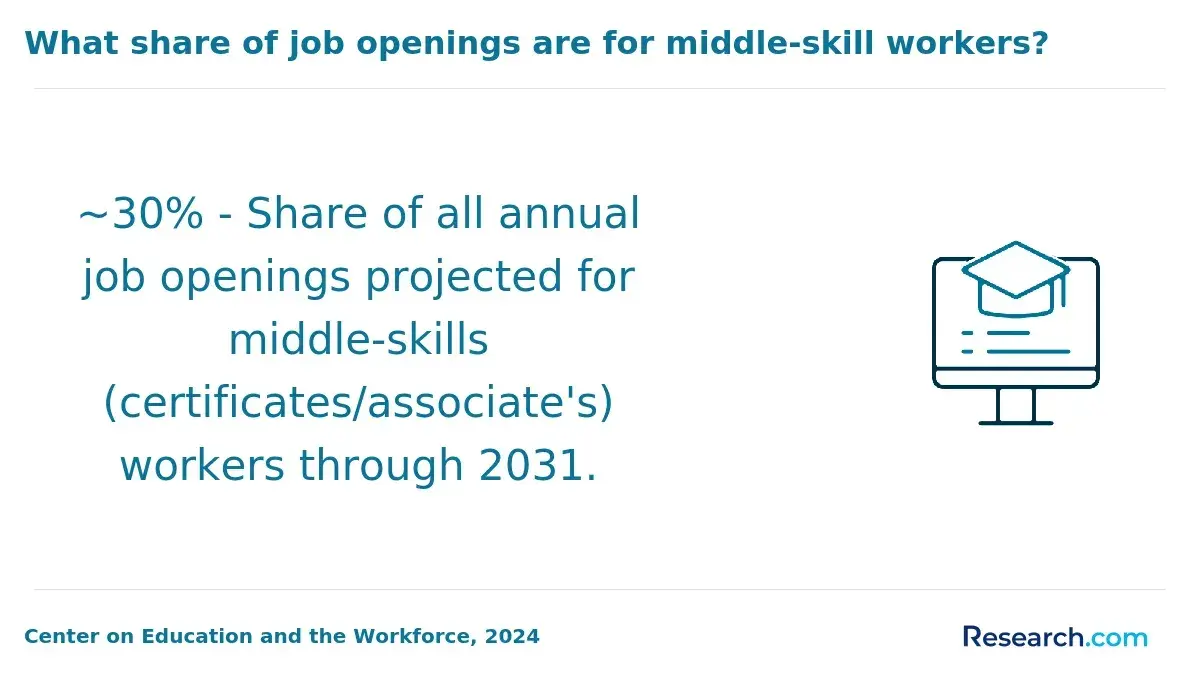
Direct answer: the metros with the most hiring volume are usually the largest government, consulting, infrastructure, and technology markets. For Geography degree graduates, job-opening volume matters because it improves your odds of finding a role that matches your specialty instead of forcing you into a loosely related position.
Hiring volume should be interpreted carefully. Job postings are not the same as final hires, and one employer may post the same role across multiple locations. Still, posting concentration is useful when combined with employer diversity and occupational employment estimates.
The following metros are especially important for students and graduates who want more openings, more employer types, and more chances to pivot between GIS, planning, environment, transportation, and analytics roles.
| Metro area | Hiring-volume signal | Typical geography-related openings | Why volume is strong | Best applicant strategy |
| Washington-Arlington-Alexandria, DC-VA-MD-WV | Very strong | GIS analyst, geospatial intelligence analyst, planner, emergency management analyst | Federal agencies, defense contractors, NGOs, and policy organizations | Build a federal-style resume and track clearance requirements |
| New York-Newark-Jersey City, NY-NJ-PA | Very strong | Transportation planner, GIS analyst, sustainability analyst, land-use analyst | Large public agencies, consultancies, real estate, and infrastructure employers | Show portfolio work tied to transit, zoning, housing, or climate risk |
| Los Angeles-Long Beach-Anaheim, CA | Strong | Urban planner, environmental planner, GIS technician, transportation analyst | Large local governments, ports, environmental review, and development activity | Learn California environmental and land-use workflows |
| Chicago-Naperville-Elgin, IL-IN-WI | Strong | GIS analyst, logistics analyst, planner, utility mapping specialist | Transportation, logistics, utilities, and regional planning employers | Emphasize network analysis, parcel data, and infrastructure mapping |
| Dallas-Fort Worth-Arlington, TX | Strong | GIS analyst, site selection analyst, transportation planner, environmental analyst | Population growth, corporate expansion, infrastructure, and real estate demand | Target private-sector analytics and regional planning roles |
| Atlanta-Sandy Springs-Alpharetta, GA | Strong | GIS analyst, transportation planner, environmental consultant, public health GIS analyst | Regional headquarters, logistics, public agencies, and growth planning | Build skills in transportation, utilities, and demographic analysis |
Geography graduates interested in land use, zoning, environmental review, or right-of-way work may also compare adjacent legal-support pathways such as ABA paralegal programs, because some planning and real estate teams value employees who understand regulatory documents and public records.
Where Can Geography Degree Majors Find the Best Salary-to-Cost-of-Living Ratio?
The best salary-to-cost-of-living ratio is often found outside the highest-paying coastal metros. Denver, Raleigh, Minneapolis-St. Paul, Salt Lake City, Phoenix, and parts of Texas can be attractive because they combine geography-relevant jobs with a more manageable cost profile than San Francisco, San Jose, New York, or Boston.
Cost-adjusted pay matters because geography careers can span public, nonprofit, consulting, and private-sector roles. A public planning job may offer excellent stability but less room to absorb high rent, while a private geospatial analytics role may pay more but demand stronger technical skills.
The table below compares the practical salary-value profile of several metros. It does not replace a personal budget, but it helps identify which cities deserve closer financial analysis.
| Metro area | Salary potential | Cost pressure | Cost-adjusted opportunity | Best for |
| Raleigh-Cary, NC | Moderate to high | Moderate | Strong | GIS, research, environmental analysis, planning |
| Denver-Aurora-Lakewood, CO | High | Moderate to high | Strong if salary is market-aligned | Remote sensing, natural resources, utilities, consulting |
| Minneapolis-St. Paul-Bloomington, MN-WI | Moderate to high | Moderate | Strong | Government GIS, utilities, logistics, regional planning |
| Phoenix-Mesa-Chandler, AZ | Moderate | Moderate | Good for growth-oriented applicants | Water, land development, transportation, municipal GIS |
| Salt Lake City, UT | Moderate | Rising | Good if housing is controlled | Public lands, natural resources, transportation |
| San Francisco-Oakland-Berkeley, CA | Very high | Very high | Role-dependent | High-skill geospatial technology and climate analytics |
Before accepting an offer, compare cities using the same assumptions rather than relying on headline salary numbers. The following steps can prevent a misleading comparison.
- Estimate monthly housing, utilities, commuting, taxes, insurance, and student loan payments for each metro.
- Convert the salary offer into an after-cost monthly budget instead of comparing annual salary alone.
- Check whether the role is public sector, consulting, contractor, nonprofit, or technology-based because benefits and job stability differ.
- Review whether the metro has multiple employers in your specialty so you are not dependent on a single organization.
- Consider career growth: a slightly more expensive city may be worth it if it gives you faster access to advanced GIS, planning, or data roles.
Which Metropolitan Areas Have the Best Long-Term Job Growth Projections for Geography Degree Careers?
The strongest long-term growth metros for Geography degree careers are those experiencing population growth, infrastructure expansion, climate adaptation work, transportation investment, energy transition, water-resource pressure, and demand for location-based data. Growth is not evenly distributed across geography occupations, so students should match the metro to the role they actually want.
BLS projections published with the latest occupational outlook show continued national demand for several geography-adjacent fields, including planning, mapping, environmental science, and data-focused technical roles. For readers, the key takeaway is that growth tends to be strongest where spatial analysis helps solve housing, mobility, climate, land-use, and infrastructure problems.
The table below identifies metros where long-term demand signals are especially relevant for Geography degree holders. These are growth signals rather than guaranteed future openings.
| Metro area | Growth signal | Demand drivers | Geography careers likely to benefit | Risk to watch |
| Austin-Round Rock-Georgetown, TX | Very strong | Population growth, transportation pressure, land development, water planning | Urban planning, GIS, site selection, transportation analysis | Housing costs and competition from tech workers |
| Phoenix-Mesa-Chandler, AZ | Very strong | Water resources, heat resilience, growth management, infrastructure | Environmental planning, municipal GIS, water-resource analysis | Climate and water constraints may reshape projects |
| Raleigh-Cary, NC | Strong | Research growth, development, utilities, university-linked employers | GIS, environmental analysis, regional planning | Smaller number of senior roles than larger metros |
| Denver-Aurora-Lakewood, CO | Strong | Natural resources, aerospace, federal science, energy, regional growth | Remote sensing, GIS, environmental consulting | Rising living costs |
| Salt Lake City, UT | Strong | Public lands, transportation, growth planning, natural resources | GIS, environmental planning, transportation analysis | Smaller job market and rising housing pressure |
| Orlando-Kissimmee-Sanford, FL | Emerging | Population growth, resilience planning, tourism infrastructure, utilities | GIS technician, environmental planner, emergency management analyst | Pay may lag higher-cost coastal tech hubs |
The biggest red flag is treating projected growth as a promise. Growth forecasts are directional tools, not guarantees; they can change when public budgets, interest rates, infrastructure funding, or local development conditions shift.
Which Industries and Top Employers Are Driving Regional Demand for Geography Degree Graduates?
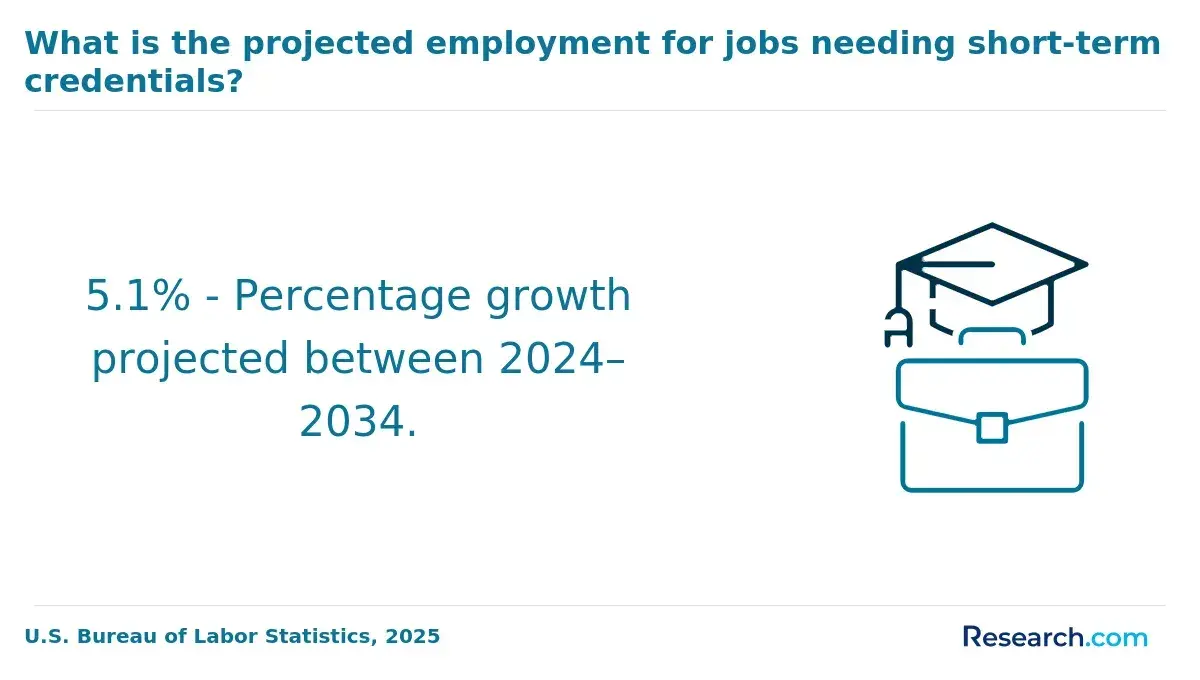
Regional demand for Geography degree graduates is driven by government, defense, engineering, environmental consulting, utilities, transportation, real estate, logistics, insurance, and technology employers. The strongest metros usually have more than one of these sectors, which reduces career risk.
Current hiring trends favor geography graduates who can turn spatial information into decisions. Employers increasingly expect experience with GIS platforms, dashboards, spatial databases, remote sensing, Python or R, field data collection, and clear map-based communication.
The table below shows which industries commonly create geography-related demand and which metros are most closely associated with those opportunities.
| Industry | Common employers or employer types | Strong metros | Roles for Geography degree holders |
| Federal government and contractors | Defense contractors, civilian agencies, emergency management, intelligence contractors | Washington, DC; Denver; St. Louis; Colorado Springs | GIS analyst, geospatial intelligence analyst, cartographer, emergency management analyst |
| Urban planning and transportation | City planning departments, MPOs, transit agencies, engineering firms | New York; Los Angeles; Chicago; Seattle; Boston | Urban planner, transportation planner, land-use analyst |
| Environmental consulting | Engineering firms, environmental compliance firms, climate resilience consultancies | Denver; Boston; Raleigh; San Francisco; Portland | Environmental analyst, GIS specialist, field mapping analyst |
| Technology and location intelligence | Software firms, retail analytics, logistics platforms, mapping companies | San Francisco; San Jose; Seattle; Austin; New York | Location intelligence analyst, geospatial data analyst, spatial product analyst |
| Utilities and energy | Electric utilities, water agencies, pipeline operators, renewable energy developers | Houston; Phoenix; Denver; Minneapolis; Dallas-Fort Worth | Utility GIS analyst, asset mapping specialist, land analyst |
| Real estate and insurance | Site selection teams, property analytics firms, insurers, risk modelers | New York; Dallas-Fort Worth; Atlanta; Chicago; Phoenix | Market analyst, hazard-risk analyst, demographic analyst |
Midcareer professionals who want to move from technical GIS into operations, strategy, or leadership may compare geography-related graduate options with online executive MBA programs, especially if they want to manage geospatial teams or infrastructure programs.
What Are the Best Cities for Entry-Level Geography Degree Jobs and Recent Graduates?
Direct answer: the best entry-level metros are not always the highest-paying metros. Recent Geography degree graduates usually benefit most from cities with many assistant planner, GIS technician, environmental technician, research assistant, utility mapping, and junior analyst roles.
Entry-level hiring often rewards evidence of applied skills more than the degree title alone. A strong portfolio can include web maps, spatial analysis projects, remote sensing work, demographic analysis, field data collection, and a short explanation of how the map or model supported a decision.
The table below highlights metros that can work well for recent graduates because they offer a practical mix of openings, training pathways, universities, public agencies, and private employers.
| Metro area | Entry-level strength | Good first roles | Why it works for new graduates | Skill to emphasize |
| Raleigh-Cary, NC | Strong | GIS technician, research assistant, environmental analyst | University, research, public-sector, and technology ecosystem | ArcGIS Pro, dashboards, data cleaning |
| Denver-Aurora-Lakewood, CO | Strong | GIS analyst, remote sensing technician, environmental consultant assistant | Geospatial, natural resources, and federal science employers | Remote sensing and Python basics |
| Minneapolis-St. Paul-Bloomington, MN-WI | Strong | County GIS technician, utility mapper, planning assistant | Stable public agencies, utilities, and corporate employers | Parcel data, utilities, database accuracy |
| Atlanta-Sandy Springs-Alpharetta, GA | Good | Transportation analyst, GIS technician, environmental analyst | Regional growth, logistics, public health, and infrastructure work | Network analysis and demographic mapping |
| Phoenix-Mesa-Chandler, AZ | Good | Municipal GIS technician, planning assistant, water analyst | Growth management, water, utilities, and development activity | Land-use, hydrology, and local government data |
| Chicago-Naperville-Elgin, IL-IN-WI | Good | GIS technician, logistics analyst, planning assistant | Large economy with transportation, utilities, and public agencies | SQL, Excel, and transportation datasets |
If you are still comparing fields and want a more licensure-driven healthcare path instead of a spatial analysis career, researching options such as a master's in speech pathology online can help you understand how geography differs from programs with more standardized clinical requirements.
Recent graduates should avoid one common mistake: applying only to roles with "geographer" in the title. Many relevant jobs use titles such as GIS analyst, planning technician, transportation analyst, environmental data analyst, research associate, land analyst, or geospatial technician.
How Have Remote Work and Hybrid Roles Changed the Best Metros for Geography Degree Holders?
Remote and hybrid work have expanded options for Geography degree holders, but they have not eliminated the advantage of strong metros. Many GIS, spatial data, and location intelligence roles can be hybrid, while planning, environmental review, field mapping, public meetings, and utility work may still require local presence.
AI and automation are also changing the market. Automated mapping, image classification, and generative tools can speed up routine tasks, but employers still need people who can validate data, interpret spatial patterns, understand local context, and communicate decisions responsibly.
Remote work changes how readers should compare metros in three practical ways:
- Separate remote-friendly roles from place-bound roles: geospatial data analysis may be flexible, but local planning, permitting, environmental fieldwork, and utility mapping often require regional knowledge.
- Check pay policies before moving: some employers adjust salaries by employee location, so leaving a high-cost metro may reduce compensation.
- Use strong metros as career launchpads: starting in Washington, Denver, Seattle, or Raleigh can build employer networks that later support remote or hybrid options.
The best remote strategy is to build portable skills. Geography graduates with GIS software fluency, spatial databases, coding basics, cartographic design, and domain knowledge in climate, transportation, utilities, or real estate are better positioned for hybrid roles than applicants with classroom mapping experience alone.
Which Cities Offer the Strongest Professional Networking and Ecosystems for Geography Degree Careers?
Direct answer: the strongest professional ecosystems are found in metros with universities, GIS user groups, planning associations, public agencies, federal offices, consulting firms, and recurring geospatial events. Networking matters because many geography careers are project-based and employer-specific.
A strong local ecosystem can make a city more valuable than its salary rank suggests. It can help you find internships, contract roles, mentors, portfolio feedback, conference contacts, and lateral moves into adjacent specialties.
The table below compares metros by networking value rather than salary alone. This is especially useful for students and early-career professionals who need access to people, not just job boards.
| Metro area | Ecosystem strength | Networking assets | Best use of the ecosystem |
| Washington-Arlington-Alexandria, DC-VA-MD-WV | Very strong | Federal agencies, contractors, professional associations, policy organizations | Federal GIS, emergency management, intelligence, and policy careers |
| Denver-Aurora-Lakewood, CO | Very strong | Geospatial firms, federal science offices, environmental employers, outdoor industries | Remote sensing, natural resources, environmental consulting |
| Seattle-Tacoma-Bellevue, WA | Strong | Technology employers, transportation agencies, environmental groups, universities | Geospatial data, logistics, climate, and transportation roles |
| Raleigh-Cary, NC | Strong | Research Triangle universities, state agencies, technology employers | GIS, research support, environmental analysis, public-sector planning |
| Boston-Cambridge-Newton, MA-NH | Strong | Universities, consultancies, climate and infrastructure organizations | Research GIS, resilience planning, environmental consulting |
| Minneapolis-St. Paul-Bloomington, MN-WI | Good | Local government GIS groups, utilities, corporate headquarters, planning networks | Stable GIS, planning, logistics, and utility careers |
To evaluate a metro's ecosystem, look for active GIS meetups, planning association chapters, university labs, public-sector internship programs, local government data portals, and employers that repeatedly hire for geography-related roles.
How Should Geography Degree Professionals Evaluate Relocation and Quality of Life When Choosing a City?
Geography degree professionals should evaluate relocation by comparing net income, job-market depth, role fit, employer diversity, commute patterns, housing stability, climate risk, and long-term career mobility. A city with high pay but few relevant employers can be riskier than a moderately paying metro with many pathways.
Relocation decisions are especially important for geography careers because local context matters. A planner needs to understand zoning and public engagement; an environmental analyst may need regional field conditions; a GIS analyst may work with county parcel data, utility networks, transportation systems, or hazard maps.
Use this checklist before choosing a city or accepting an offer:
- Confirm that the metro has at least three to five employer types that hire your target role, not just one well-known organization.
- Compare salary against rent, transportation, taxes, insurance, and student loan payments using a monthly budget.
- Review job descriptions to see whether they require GIS software, programming, planning law, environmental review, fieldwork, or security clearance.
- Check whether entry-level roles exist if you are a recent graduate, or whether the market mainly hires experienced specialists.
- Assess whether the metro supports your preferred lifestyle, including commute length, transit, outdoor access, climate comfort, and family needs.
- Look for warning signs such as many temporary contract roles, low salary transparency, narrow employer concentration, or postings that combine advanced GIS, coding, and planning duties at entry-level pay.
For midcareer professionals weighing relocation against an online credential, comparing geography-focused pathways with online executive MBA programs can clarify whether the better investment is a new city, a management credential, or a technical geospatial specialization.
The best city is not always the top-ranked city. It is the metro where your skills, target occupation, cost structure, and long-term goals align with enough employers to give you options if your first job changes.
Other Things You Should Know About Geography
Washington-Arlington-Alexandria is the strongest overall choice for many Geography degree holders because it combines federal agencies, contractors, planning organizations, emergency management, and geospatial intelligence work. Seattle, Denver, San Francisco, and Raleigh are also strong depending on whether your focus is technology, environmental work, planning, or GIS.
High-paying opportunities are most common in San Jose, San Francisco, Washington, Seattle, Boston, and New York. These metros often have stronger salary ceilings, but the advantage depends on the exact role and whether higher pay offsets housing and commuting costs.
Large metros such as Washington, New York, Los Angeles, Chicago, Dallas-Fort Worth, Atlanta, and Seattle generally offer more openings because they have more public agencies, consultancies, utilities, transportation employers, and technology firms. Posting counts should be treated as estimates, not guaranteed openings.
Compare each metro across five factors: salary for your target occupation, number of relevant employers, entry-level availability, long-term growth signals, and cost of living. Avoid choosing a city based only on salary or a generic ranking; the best metro is the one with multiple employers that match your skills and career direction.
Top Trending Geography Rankings
References
- Planning to Relocate for a Job? These Metros Give Workers the Most Buying Power | Bankrate https://www.bankrate.com/personal-finance/salary-by-city-data-study/
- Geography of Jobs • TIP Strategies https://tipstrategies.com/visualizations/geography-of-jobs/
- Job growth is slowing, but disparities persist across cities https://www.oxfordeconomics.com/resource/job-growth-is-slowing-but-disparities-persist-across-cities/
- Data shows breadth of career destinations for geography graduates | RGS https://www.rgs.org/about-us/our-work/latest-news/data-shows-breadth-of-career-destinations-for-geography-graduates
- Jobs & Careers - AAG https://www.aag.org/jobs-careers/
- Jobs you can pursue with a geography degree https://www.openstudycollege.com/blog/jobs-you-can-pursue-geography-degree
- Top Job Opportunities for Geography Graduates in 2025 | Dukes Plus https://dukesplus.com/guides/best-universities-geography-uk/job-opportunities-geography/
- How Job Openings Across Different Regions Can Be Economic Indicators https://www.jobspikr.com/insights/job-openings-across-different-regions/
- Rankings by City of Average Monthly Net Salary (After Tax) (Salaries And Financing) https://www.numbeo.com/cost-of-living/city_price_rankings
- Where jobs are concentrating and why it matters to cities and regions | Brookings https://www.brookings.edu/articles/where-jobs-are-concentrating-why-it-matters-to-cities-and-regions/