2027 Most Popular Fine Arts Degree Programs Ranking in Oklahoma

Co-Founder and Chief Data Scientist
Choosing the right fine arts degree program is an exciting step toward your creative future. This article introduces the 2027 Most Popular Fine Arts Degree Programs Ranking in Oklahoma, developed by the Research.com team of data scientists to guide you in making an informed decision.
Discover programs that align with your passion and career goals, giving you confidence in your choice. A fine arts degree can open doors to fulfilling opportunities and personal growth. Reading this ranking will help you explore top options and take the next step with clarity and enthusiasm.
Key benefits of getting fine arts degree in Oklahoma
- Fine arts degree graduates in Oklahoma can earn competitive salaries, such as illustrators making around $71,420 and animators earning approximately $109,630 annually, offering financial stability and growth.
- Graduates from Oklahoma-based schools often pursue diverse career paths like graphic artists or art therapists, combining creativity with rewarding professions that impact communities positively.
- Obtaining a fine arts degree online from Oklahoma universities provides flexibility and convenience, allowing students to balance studies with life while gaining skills that meet industry demands effectively.
- 2027 Most Popular Fine Arts Degree Programs Ranking in Oklahoma
- What can I expect from fine arts degree in Oklahoma?
- Where can I work with fine arts degree in Oklahoma?
What can I expect from fine arts degree in Oklahoma?
The average cost of pursuing a fine arts degree in Oklahoma typically ranges from $8,000 to $15,000 per year for in-state students at public universities such as the University of Oklahoma (OU) and Oklahoma State University (OSU). These institutions offer competitive tuition rates complemented by access to modern facilities and expert faculty guidance, making the investment worthwhile. Graduates often recall the value of hands-on studio time and access to specialized equipment that enhanced their creative development, experiences that justify the tuition expenses.
Many students also benefit from scholarships and financial aid specifically aimed at creative disciplines, which can substantially reduce overall costs. Unlike private institutions, Oklahoma's public universities provide a balance of affordability and quality education, fostering both artistic growth and financial feasibility.
Beyond tuition, graduates mention manageable living costs in Oklahoma contributing to an overall positive and sustainable college experience. This combination of accessible tuition and vibrant campus resources makes fine arts degrees financially approachable for many aspiring artists within the state.
Where can I work with fine arts degree in Oklahoma?
Graduates from fine arts programs at Oklahoma institutions such as the University of Oklahoma and Oklahoma State University find diverse career opportunities rooted in their creative training. Many embark on teaching careers in public schools or community art programs, fulfilling a growing need for skilled art educators throughout Oklahoma's K-12 system. These roles offer rewarding experiences where graduates inspire the next generation of artists.
Others leverage their skills in visual arts and design sectors, securing positions as graphic designers, illustrators, or multimedia artists in vibrant cultural hubs like Oklahoma City and Tulsa. They often collaborate with advertising firms and media studios, contributing to cutting-edge projects that blend artistry with technology, which graduates describe as both challenging and fulfilling.
Fine arts alumni also thrive in museums and galleries, working as curators or exhibit designers, preserving Oklahoma's rich visual heritage. Additionally, many embrace entrepreneurship by starting studios or pursuing freelance opportunities, drawn by the state's supportive creative community.
Theater companies and entertainment venues actively hire fine arts graduates for set and costume design roles, making the arts landscape in Oklahoma dynamic and expansive for graduates eager to apply their talents.
Graduates with fine arts degrees in Oklahoma can expect varied earning potential depending on their career paths. For example, graphic artists in the state earn a mean annual wage of approximately $64,700, while illustrators reach around $71,420. These figures suggest that artistic skills combined with technical expertise can lead to competitive salaries.
Multimedia artists and animators, who often pursue advanced roles in creative media, earn significantly more, with a mean annual wage near $109,630. This aligns well with the experiences of Oklahoma-based fine arts graduates who studied at institutions like the University of Oklahoma or Oklahoma State University, where strong programs in digital media help students enter these lucrative fields.
Art therapists also enjoy solid earnings, averaging $75,660 annually, offering another rewarding career option for those combining creative talent with psychology. Many Oklahoma fine arts graduates relish these opportunities, finding fulfillment and financial stability in local communities.
- Tuition for fine arts programs in Oklahoma ranges from $8,000 to $12,000 per year at public universities and $15,000 to $25,000 at private schools.
- Additional costs include materials, studio fees, and supplies, which can total several hundred dollars each semester.
- Entry-level salaries for fine arts graduates average between $35,000 and $40,000 annually, with experienced professionals earning $50,000 to $60,000.
- Career opportunities are available in education, galleries, museums, commercial design firms, and freelance work, especially in Oklahoma City and Tulsa.
- Fine arts students typically pursue a BFA or BA with concentrations like visual arts, digital media, or art education.
- Many programs provide access to internships, exhibitions, and scholarships to support students financially and professionally.
Completing a fine arts degree in Oklahoma typically requires around four years of full-time study, aligning with national standards for Bachelor of Fine Arts (BFA) or Bachelor of Arts (BA) programs. Graduates from institutions like the University of Oklahoma and Oklahoma State University often reflect on a curriculum that blends intensive studio work with academic coursework, allowing them to develop both technical skills and creative expression within this timeframe.
Students pursuing fine arts degrees in Oklahoma navigate approximately 120 to 130 credit hours, which include foundational courses, specialized art instruction, and culminating projects such as senior exhibitions or portfolio reviews. Many find this structured yet flexible pathway supportive of their artistic growth while allowing opportunities for internships or study abroad experiences that enrich their education.
For those balancing work or personal commitments, part-time enrollment can extend degree completion beyond four years, though many appreciate the affordability and comprehensive support available at Oklahoma's public universities. Graduate programs like the MFA add two to three years for in-depth artistic specialization, meeting the diverse needs of aspiring professionals.
Fine Arts students in Oklahoma enjoy a vibrant campus life that extends well beyond classroom learning. Many institutions host numerous art clubs, student galleries, and community events designed to foster creativity and collaboration. These extracurricular opportunities provide students with practical experience through campus exhibitions, live performances, and collaborative projects. Participation in art societies and local workshops not only enhances artistic skills but also grows valuable networks that often lead to internships and career opportunities. Notably, students exploring most affordable fine arts programs in oklahoma report that these community engagements are instrumental in nurturing their creative passions and preparing them for the professional world. The supportive and dynamic environment on campus encourages experimentation, critical feedback, and lifelong connections, making the overall educational experience both enriching and memorable.
Online and on-campus fine arts degrees in Oklahoma differ primarily in their modes of engagement with artistic practice and community. Graduates from the University of Oklahoma recall the invaluable hands-on experience gained through access to on-campus studios, workshops, and face-to-face critiques that foster immediate feedback and creative collaboration. Such settings in institutions like Oklahoma State University cultivate a palpable connection to the art-making process, enriching portfolio development through tactile interaction with materials.
Conversely, students pursuing online fine arts degrees appreciate the flexibility to balance work and study while completing courses remotely. These programs often incorporate digital submissions and virtual critiques, with some offering occasional residencies or partnerships with local studios to replicate in-person experiences. However, graduates note that the lack of continuous physical studio access requires proactive efforts to engage in Oklahoma's vibrant local art scenes, such as the Tulsa Arts District or Oklahoma City's Paseo Arts District, to build networks and gain exhibition opportunities.
In both formats, accreditation ensures curriculum rigor, but experiential learning remains a distinctive advantage of on-campus study in Oklahoma fine arts programs.
Fine arts education in Oklahoma is experiencing a dynamic shift, with emerging trends that promise to reshape both academic curricula and the broader creative industries. As technology increasingly influences art-making and digital platforms become essential for exposure, institutions are integrating innovative tools such as virtual reality, interactive design, and digital portfolio management into their programs. Faculty are also emphasizing collaboration with industry professionals, ensuring students not only learn traditional techniques but also gain firsthand experience through internships and live projects. Furthermore, many schools are forging partnerships with local arts organizations to facilitate community-based projects and networking opportunities. Prospective students are encouraged to explore schools that balance creative expression with technical proficiency-for example, by checking out the most affordable fine arts programs in oklahoma that also offer cutting-edge resources and real-world engagement. These industry innovations are complemented by a growing emphasis on sustainability and global artistic trends, positioning graduates to contribute meaningfully to both local and international art scenes. Embracing these trends can provide a significant edge in an increasingly competitive job market, highlighting the importance of continuous learning and adaptability in fine arts education.
The average cost of a fine arts degree in Oklahoma for in-state students typically totals around $9,797, reflecting a more affordable investment compared to many other states. Graduates from institutions such as the University of Oklahoma and Oklahoma State University often share how manageable tuition fees, combined with state programs, made pursuing their passion for fine arts a realistic goal. In contrast, out-of-state students generally face significantly higher costs, with total expenses reaching approximately $38,557, highlighting the financial advantage of being an Oklahoma resident.
Oklahoma fine arts degree tuition fees at public universities tend to be substantially lower than private institutions, where costs can approach $30,000 annually. However, many students benefit from scholarships and financial aid packages that help ease this burden, making private fine arts education accessible to motivated individuals. The overall expense includes additional materials and studio fees essential for a quality fine arts education, which can add between $1,000 and $3,000 each year, as noted by graduates invested in hands-on learning.
Students enthusiastic about securing a fine arts degree often find that financial assistance programs like Oklahoma's Promise effectively reduce costs, allowing them to focus on their creativity without excessive financial stress. For those exploring options, the most affordable fine arts programs in Oklahoma offer valuable guidance on balancing quality education with cost considerations.
Embarking on a Fine Arts journey means more than just mastering techniques in the classroom-it’s about immersing yourself in a vibrant campus culture and accessing robust career support that can propel your artistic ambitions forward. Many Oklahoma institutions foster artistic communities with student-led exhibitions, creative clubs, workshops, and networking events that nurture both your creative and professional development. Beyond traditional coursework, these programs often offer dedicated career centers where students receive guidance through resume workshops, internship placements, and direct mentorship from seasoned alumni and industry experts. Such initiatives help bridge the gap between academic training and the competitive job market, empowering you to build a compelling portfolio and make lasting professional connections. For prospective students seeking budget-conscious options without compromising quality, exploring most affordable fine arts programs in oklahoma can be a strategic starting point. This well-rounded support not only enriches your student life but also lays a strong foundation for a successful and fulfilling career in the arts.
Students pursuing fine arts degrees in Oklahoma can access multiple financial aid sources to manage their education costs effectively. Federal aid programs play a significant role; for example, Pell Grants offer up to $7,395 annually based on financial need, which many fine arts students at the University of Oklahoma rely on to cover tuition expenses. Completing the FAFSA is essential to unlock these benefits, including low-interest federal student loans designed for arts undergraduates and graduates.
State-specific assistance, such as the Oklahoma Tuition Aid Grant (OTAG), provides between $500 and $2,000 annually to qualifying in-state students, helping fine arts majors at institutions like Oklahoma State University reduce their financial burden. Additionally, merit-based scholarships awarded by these universities recognize artistic talent and academic achievements, sometimes covering a substantial portion of tuition.
- Private scholarships from organizations like the Oklahoma Arts Council offer further support for tuition and project costs, often making a decisive difference for students committed to their craft.
- Federal work-study programs allow students to earn income through campus jobs, frequently related to their arts departments, blending practical experience with financial relief.
- Institutional grants based on talent or financial need supplement other aid options, enabling students to focus passionately on their studies without excessive financial strain.
Pursuing a Master of Fine Arts (MFA) can elevate your artistic practice and open doors to teaching, gallery representation, and leadership roles within cultural institutions. Unlike a general master’s degree, an MFA is a terminal credential in the arts, demonstrating professional mastery and often fulfilling requirements for collegiate instruction. In Oklahoma, programs like the University of Oklahoma’s on-campus MFA offer intensive studio work and thesis exhibitions, while online alternatives cater to working artists seeking flexibility. When evaluating graduate programs, consider accreditation, faculty expertise, and access to studio resources. For cost-conscious students, exploring low cost mfa online programs can provide comparable curricula at a fraction of the price. These online MFAs typically include virtual critiques, digital exhibitions, and remote mentorship, ensuring you build a compelling portfolio without sacrificing quality or community engagement. Application requirements usually involve submitting a curated portfolio of 15–20 pieces, letters of recommendation from art professionals, and a personal statement outlining your artistic vision. Strong candidates balance technical skill with conceptual clarity, positioning themselves for competitive residencies, teaching assistantships, and arts administration roles after graduation. Before committing, compare faculty-to-student ratios, thesis exhibition opportunities, and alumni career outcomes. Attend virtual open houses or connect with current MFA candidates to assess program culture and mentorship styles. By thoroughly researching both on-campus and online MFA paths, you can select a program that aligns with your creative goals and financial considerations.
To enroll in a fine arts degree program in Oklahoma, applicants must first have completed a high school diploma or an equivalent credential such as a GED. Many public universities in the state require a minimum GPA between 2.5 and 3.0, ensuring students have a solid academic foundation before beginning their artistic journey.
A key prerequisite is the submission of a carefully curated artist's portfolio. Graduates from major Oklahoma institutions often reflect on how assembling diverse works-ranging from sketches and paintings to digital art-helped them showcase their creativity and growth effectively to admissions committees. Including an artist's statement is frequently encouraged, providing insight into the inspiration and concepts behind their creations.
Prospective students may also face interviews or auditions to demonstrate commitment and versatility, as reported by those attending top colleges such as the University of Oklahoma or Oklahoma State University.
Additional prerequisites often include letters of recommendation from art teachers or professionals and completion of foundational courses like drawing or art history to build essential technical skills before fully engaging in the degree program.

A well-crafted portfolio is often the single most important element in your application to fine arts programs in Oklahoma. Follow these best practices to showcase your skills and creative vision:
- Curate a Balanced Selection: Include 8–12 pieces that demonstrate mastery in your chosen mediums-drawing, painting, sculpture, digital art-and highlight your versatility.
- Emphasize Process Work: Share sketches, studies, or in-progress shots to reveal your creative workflow and problem-solving abilities.
- Tailor to Your Specialization: If you’re targeting a graphic design track, feature branding mockups or digital illustrations; for painting, prioritize pieces that showcase your grasp of color, composition, and technique.
- Maintain Professional Presentation: Use consistent, neutral backgrounds and high-resolution images. Label each work with title, medium, dimensions, and year completed.
- Incorporate Written Context: Add brief captions or an artist statement to explain your concept, materials used, and any thematic intentions, helping reviewers connect with your vision.
- Leverage Online Platforms: Host your portfolio on a clean, easy-to-navigate website or PDF. Ensure files load quickly and are mobile-friendly to accommodate admissions reviewers on various devices. For artists considering further refinement of their work at the graduate level, exploring affordable advanced programs can be invaluable. Discover our Inexpensive Online Master’s in Fine Arts Degree Programs Ranking in Georgia to see how targeted coursework can elevate your portfolio and expand your career prospects. Regularly update your portfolio with new projects, seek critiques from mentors or peers, and tailor your submission to each institution’s guidelines to maximize your chances of admission.
Fine arts degree programs in Oklahoma typically feature a curriculum that balances practical studio work with comprehensive theoretical study. Students at institutions like the University of Oklahoma and Oklahoma State University often begin with core courses including drawing, painting, sculpture, and design, which help them refine their technical skills while encouraging creative expression.
Graduates frequently highlight the value of courses in figure drawing and anatomy, essential for mastering the human form, as well as printmaking techniques and photography that expand their artistic versatility. Digital imaging courses are increasingly vital, reflecting the integration of technology in modern art practices.
Art history classes offer Oklahoma students a deep dive into major movements and cultural contexts, enabling a richer appreciation of art's societal impact, which many graduates find inspiring and motivating in their artistic growth.
Students also engage in art theory and criticism, portfolio development, and interdisciplinary workshops, often relishing the hands-on experiences and mentoring available at Oklahoma's vibrant art schools, fostering confidence and readiness for diverse creative careers.
Fine arts degree specializations in Oklahoma reflect a diverse range of disciplines that cater to individual artistic passions and professional ambitions. Students at institutions such as the University of Oklahoma and Oklahoma State University commonly pursue areas like Painting and Drawing, Sculpture, Graphic Design, Theater Arts, Photography, Ceramics, and Art Education. Graduates often describe their experiences as immersive and rewarding, developing unique creative identities while benefiting from studios equipped for hands-on learning and supportive faculty guidance.
The Oklahoma fine arts programs specialization options encourage students to blend practical skills with theoretical practices, enriching their understanding of both traditional and contemporary art forms. Many students report that this balanced curriculum prepares them effectively for careers in education, gallery management, theater production, or digital design. Additionally, those seeking advanced study possibilities may find affordable options through low cost mfa online programs, facilitating continued growth without excessive financial burden.
Choosing the best fine arts degree programs in Oklahoma requires evaluating how well a program's specializations match your personal artistic goals. Graduates from the University of Oklahoma often highlight the benefit of diverse course offerings, which allow them to explore painting, sculpture, and digital arts in depth while developing a unique creative style. Equally important is faculty expertise; professors engaged with the local and broader art communities provide mentorship and professional connections that are invaluable for emerging artists. Affordable fine arts colleges Oklahoma frequently offer competitive tuition rates-ranging from approximately $8,000 to $11,000 annually for in-state students-while also considering the cost of materials and studio fees.
The availability of state-of-the-art facilities, such as those at the University of Central Oklahoma, enhances technical skill development and creative experimentation, making the educational experience more immersive. Many graduates emphasize how strong alumni networks and career support services at these institutions open doors to internships, gallery exhibitions, and jobs in regional arts organizations. For students seeking convenient online options, the Inexpensive Online Master's in Fine Arts Degree Programs Ranking in Georgia can offer additional pathways.
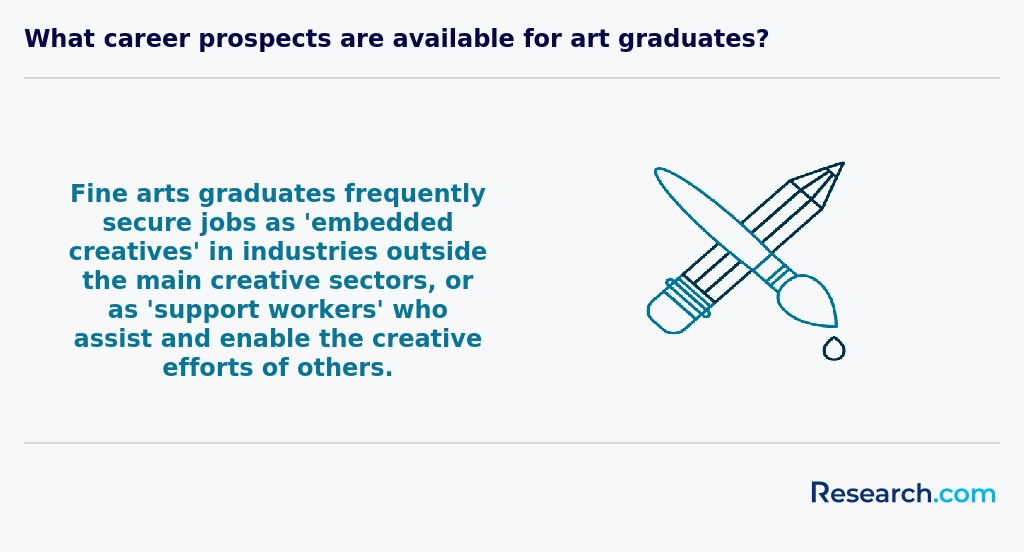
Graduates with a fine arts degree in Oklahoma find various career paths that span creative and applied disciplines. Many alumni from respected institutions such as the University of Oklahoma and Oklahoma State University engage professionally as artists or illustrators, contributing original artworks to galleries and commissioned projects. These roles highlight the vibrant local art community, offering rewarding opportunities that blend passion with livelihood, reflective of fine arts career opportunities in Oklahoma.
Others pursue careers in graphic design and multimedia arts, capitalizing on Oklahoma's growing advertising and digital marketing industries. Graduates with versatile technical skills often thrive as freelancers or within media companies, exemplifying Oklahoma fine arts degree job prospects that combine creativity with industry demand. Teaching remains a prominent pathway, from K-12 settings enriched by arts integration to community programs and higher education institutions where formal training is highly valued.
Additionally, some graduates apply their expertise in art therapy, museum curation, and arts administration roles that enhance cultural institutions across the state. For those seeking diverse career options, exploring 6-month certificate programs for careers that pay well can provide a valuable complement to a fine arts degree, broadening professional possibilities.
The job market for a fine arts degree in Oklahoma offers a variety of opportunities, though it remains competitive and often requires entrepreneurial initiative. Graduates from institutions known for fine arts programs in the state typically find roles as artists, graphic designers, and educators, especially in cities like Oklahoma City and Tulsa where cultural institutions are concentrated. These graduates benefit from the steady investment in the arts by the Oklahoma Arts Council, which helps sustain creative positions and support roles in arts administration. Understanding the Oklahoma fine arts career opportunities means recognizing that many professionals build freelance careers or small businesses to supplement traditional employment.
Those pursuing a fine arts degree job outlook Oklahoma should note that early-career incomes tend to range between $35,000 and $40,000, depending on skill level and networking. Graduates often describe the personal satisfaction of engaging with the local arts community, while managing financial realities unique to the region. Students at popular colleges enjoy relatively affordable tuition, increasing their ability to focus on artistic development while preparing for diverse career pathways, including options for easy college classes to take online that complement their creative studies.
2027 Most Popular Fine Arts Degree Programs Ranking in Oklahoma
Investing in your education is a significant decision that can shape your future, and the Research.com team understands the importance of making informed choices. To assist prospective students interested in fine arts in Oklahoma, we have meticulously crafted the "2027 Most Popular Fine Arts Degree Programs Ranking in Oklahoma." Our commitment to quality, credibility, and accuracy is reflected in the extensive research and rigorous analysis conducted to compile this ranking.
We utilized the following reputable data sources to ensure a comprehensive evaluation of fine arts programs:
By exploring this ranking, readers will gain valuable insights into the most popular and credible fine arts degree programs in Oklahoma, empowering them to make well-informed decisions about their educational and career paths. For more details on how this ranking was created, please visit our Research.com methodology page.


# 18 position
Rogers State University
Bachelor of Fine Arts


# 20 position
Cameron University
Bachelor of Fine Arts

Frequently Asked Questions About fine arts
Fine arts degree students in Oklahoma can maximize their learning experience by engaging in both academic and practical opportunities. Participating in hands-on studio classes alongside lectures strengthens technical skills and creative development. Oklahoma schools often emphasize community art projects, which allow students to build portfolios while gaining real-world experience.
Students should also seek internships and collaborations with local galleries and art organizations. According to the National Center for Education Statistics, Oklahoma awards over 200 fine arts degrees annually, highlighting a growing network for professional growth.
Joining campus art clubs and attending exhibitions helps broaden perspectives and networking possibilities within the Oklahoma arts scene.
Emerging niches within the fine arts field in Oklahoma reflect broader national trends emphasizing interdisciplinary skills and technology integration. One fast-growing area is digital arts, where students combine traditional art practices with digital tools like 3D modeling and animation. This niche is gaining traction in Oklahoma universities as local media and gaming industries expand.
Another emerging field is art therapy, which applies creative processes to support mental health. Oklahoma's demand for licensed art therapists is expected to grow by 15% through 2030, according to recent labor statistics.
Sustainable and environmental art practices also attract attention, responding to increased ecological awareness.
After completing a fine arts degree in Oklahoma, preparing for the job market involves a combination of skill-building and networking. Graduates should develop a strong portfolio showcasing their best work, as this is critical for job applications in creative fields. Participating in exhibitions and local art events across Oklahoma can increase visibility and connect artists with potential employers or clients.
Internships or assistant roles at galleries, design firms, or theaters offer practical experience and help build industry contacts. According to the National Endowment for the Arts, Oklahoma supports numerous arts organizations, creating diverse opportunities for graduates. Additionally, pursuing online presence through professional websites or social media can improve reach and job prospects.
Employers in Oklahoma highly value fine arts degree graduates who demonstrate strong technical skills combined with creativity. Proficiency in traditional mediums like painting and sculpture remains important, but digital art skills have grown significantly in demand. According to the Oklahoma Arts Council, 68% of arts-related employers prefer candidates familiar with graphic design software or digital imaging tools.
Additionally, communication skills are essential, as graduates often collaborate with clients and interdisciplinary teams. Problem-solving abilities and adaptability are also emphasized to meet evolving project needs. Employers seek candidates who can present ideas clearly and manage projects effectively, ensuring readiness for Oklahoma's growing creative industries.
Finding internships in Oklahoma relevant to a fine arts degree involves leveraging local resources and networks. Many universities like the University of Oklahoma and Oklahoma State University maintain partnerships with art galleries, theaters, and cultural institutions. Students should consult their school's career services and fine arts departments, which often post internship opportunities.
Additionally, organizations such as the Oklahoma Arts Council provide listings and support for arts internships across the state. Internships can also be found through local museums, theaters, and nonprofit arts groups in cities like Tulsa and Oklahoma City, where the creative industry is growing.
Online platforms such as Handshake and internships.com often include fine arts positions specific to Oklahoma. Applying early and building connections with faculty and professionals in the field increases success. According to the U.S. Bureau of Labor Statistics, internships improve job prospects for arts graduates by nearly 30%, making them a valuable part of career preparation.
A fine arts degree in Oklahoma can significantly impact career mobility and advancement, particularly in creative industries such as design, theater, and visual arts. According to the Oklahoma State Department of Education, sectors related to arts and entertainment have grown by 8% over the past five years, demonstrating increased opportunities.
Graduates with fine arts qualifications often advance into roles like art directors, multimedia artists, or educators, benefiting from Oklahoma's emphasis on cultural development. Networking through local galleries and art organizations also supports career growth.
Additionally, data from the Bureau of Labor Statistics highlights that fine arts professionals in Oklahoma earn a median wage close to the national average, which can improve with experience and relevant portfolios.
Studying for a fine arts degree in Oklahoma offers students a diverse foundation that supports interdisciplinary career paths. Many Oklahoma universities incorporate skills like digital media, design, and communication into their fine arts curricula, allowing students to blend traditional artistic techniques with modern technology.
According to the National Center for Education Statistics, Oklahoma institutions awarded over 150 fine arts degrees in 2022, many emphasizing collaborative projects with other fields such as marketing, education, and multimedia production. This approach helps graduates adapt to varied work environments beyond conventional art roles.
Students also benefit from partnerships between fine arts departments and local industries, encouraging real-world experience in areas like animation, advertising, and public relations. These opportunities prepare graduates for careers requiring both creative and technical expertise.
When choosing between a thesis and a non-thesis fine arts degree program in Oklahoma, students should first consider their career goals. Thesis programs typically require a substantial research project or creative work, ideal for those aiming for academic or research-oriented careers. Non-thesis options focus more on coursework and practical skills, appealing to students interested in entering the workforce directly.
Oklahoma universities like the University of Oklahoma offer both paths, with thesis programs demanding about six months to a year to complete a thesis project. According to the National Center for Education Statistics, 40% of fine arts graduates in Oklahoma opt for thesis programs when planning for advanced study.
Financial and time commitments also differ. Thesis programs may extend your study period, potentially affecting tuition costs and living expenses.
Discussing options with academic advisors and reviewing program curricula helps align your choice with professional opportunities in Oklahoma's arts sector.
Students in Oklahoma interested in studying fine arts abroad have several pathways available through partnerships and study abroad programs linked to local universities. Institutions like the University of Oklahoma and Oklahoma State University offer exchange programs with European art schools, allowing students to gain international perspective while earning credits toward their degrees.
Many programs include destinations such as Italy, France, and Spain, known for their rich artistic heritage. These opportunities often integrate internships, workshops, and visits to museums, enhancing practical experience. According to the Institute of International Education, participation in study abroad by fine arts students from U.S. institutions has grown steadily over recent years, reflecting increasing demand.
Financial aid and scholarships specifically for study abroad are frequently available to Oklahoma students, helping to offset costs. Students are encouraged to consult their academic advisors early to identify suitable programs aligning with their degree requirements and career goals.
Students pursuing fine arts degrees in Oklahoma can benefit from part-time jobs that closely align with their field of study. Opportunities such as working as teaching assistants in art departments at local colleges provide hands-on experience and valuable networking. Oklahoma's arts scene, including galleries and museums like the Oklahoma City Museum of Art, often hires part-time art handlers or gallery assistants, roles that build practical skills in exhibition and curation.
Additionally, roles in community art centers or participation in artist residency programs may offer stipends or part-time work. These opportunities support artistic growth while helping students build professional portfolios. According to the Oklahoma Arts Council, employment in arts-related positions grew by 4.2% between 2020 and 2023, reflecting an expanding market for such roles.
Fine arts students in Oklahoma benefit from numerous networking opportunities that connect them with professionals and peers. Universities such as the University of Oklahoma and Oklahoma State University host annual exhibitions and collaborative projects, allowing students to showcase work and meet established artists.
Additionally, the Oklahoma Visual Arts Coalition offers events and workshops designed to foster professional relationships within the local art community. The state's vibrant art festivals, including the Tulsa Artists' Coalition events, provide further chances for students to engage with gallery owners and art buyers.
Many Oklahoma fine arts programs also encourage internships at museums and cultural centers, enhancing real-world connections before graduation.
Alumni networks offer valuable support for fine arts degree students in Oklahoma by providing professional connections and mentorship opportunities. Graduates often share job leads and exhibition chances, which is crucial in the competitive fine arts field. According to the Oklahoma State University Alumni Association, active networks have helped increase employment rates for art graduates by up to 15% within the first year after graduation.
The networks also facilitate workshops and portfolio reviews, helping students develop practical skills. Participation in alumni events allows students to build relationships with experienced artists and industry professionals across Oklahoma's vibrant arts communities, including Tulsa and Oklahoma City.
Such connections can lead to collaborations and exposure to galleries and art organizations, which are vital for career growth.
Customizing a fine arts degree program in Oklahoma allows students to align their education with specific career goals. Many Oklahoma institutions offer flexible curricula where students can select concentrations such as painting, sculpture, digital media, or art education. By choosing electives and studio courses that match their interests, students build specialized skills relevant to their desired professions.
Internships and community collaborations, often available through the University of Oklahoma or Oklahoma State University, provide practical experience and networking opportunities. According to the 2023 Oklahoma State Regents for Higher Education report, nearly 60% of fine arts students participate in such hands-on learning, enhancing their career readiness.
Additionally, students can integrate interdisciplinary studies-like business or technology-to broaden career options beyond traditional art roles, making their degrees more adaptable in today's job market.
Fine arts students in Oklahoma often face financial challenges due to the high cost of materials and specialized equipment required for their studies. According to the National Endowment for the Arts, students in the arts frequently spend more out-of-pocket than those in other fields. Additionally, limited state funding for arts programs can affect the availability of scholarships and quality facilities in Oklahoma colleges.
Another common challenge is balancing practical skill development with theoretical learning. Many students struggle to find programs that adequately prepare them for both creative expression and the competitive job market.
Furthermore, networking opportunities are often limited outside larger urban centers, making it harder for students to connect with potential employers or art communities.
With a fine arts degree, graduates in Oklahoma can pursue several professional certifications to enhance their careers. One common path is obtaining teacher certification through the Oklahoma State Department of Education to teach art in K-12 schools. This requires completing a teacher preparation program and passing state exams.
Another option is certification in graphic design or digital media through recognized industry bodies, which can boost job prospects in commercial arts. For those interested in arts administration, certifications such as Certified Arts Administrator (CAA) offer credibility.
Though specific Oklahoma statistics on certification uptake are limited, the Oklahoma Arts Council provides support and resources for professional development.
Applying for a fine arts program in Oklahoma requires thorough preparation. Most programs expect a strong portfolio showcasing your best work, as this is often the main factor in admission decisions. Oklahoma institutions like the University of Oklahoma recommend including a diverse range of media to demonstrate versatility.
Clear, concise personal statements explaining your artistic motivations and goals strengthen your application. Highlight any relevant experience such as exhibitions, workshops, or internships.
Standardized tests generally do not impact fine arts admissions in Oklahoma, but maintaining a solid academic record supports your application.
Finally, check specific requirements for each school early to meet submission deadlines accurately. According to the Oklahoma State Regents for Higher Education, fine arts programs have grown by 8% since 2020, increasing competition.
The global perspective on a fine arts career is increasingly shaped by cross-cultural influences and digital innovation. In the United States, including Oklahoma, fine arts graduates often pursue diverse paths such as visual arts, design, and digital media, reflecting broader international trends.
Employment opportunities in fine arts vary widely; according to the U.S. Bureau of Labor Statistics, artists and related workers had a median annual wage of about $50,550 in 2023. Oklahoma's active arts communities in cities like Tulsa and Oklahoma City provide regional platforms that link to global art markets and exhibitions.
International collaboration and online galleries have expanded exposure for American artists, making global connectivity vital. This trend encourages Oklahoma students to develop both artistic skills and digital competencies to succeed worldwide.
Students pursuing fine arts degrees in Oklahoma can gain valuable practical experience through several established opportunities. Many universities, such as the University of Oklahoma and Oklahoma State University, offer internships and cooperative education programs that connect students with local galleries, theaters, and museums. These internships allow students to apply classroom theory in real-world settings.
Participating in campus-led exhibitions and performances is also common, giving students a chance to showcase their work. According to the National Endowment for the Arts, Oklahoma's community arts activities provide a strong environment for hands-on learning. Additionally, students can engage with Oklahoma's active arts communities, like those in Tulsa and Oklahoma City, via workshops and collaborative projects.
Choosing the right concentration within a fine arts degree program in Oklahoma starts with evaluating your personal interests and talents. Popular concentrations include painting, sculpture, graphic design, and digital media. According to the National Center for Education Statistics, Oklahoma offers diverse programs that emphasize both traditional and modern art forms.
It's important to consider the faculty expertise and resources available at Oklahoma institutions, like the University of Oklahoma or Oklahoma State University, which provide specialized studio spaces and technology. Additionally, researching internship and exhibition opportunities can help align your studies with career goals.
Reviewing potential career paths and local art market demands in Oklahoma, where the creative economy contributes significantly to the state's workforce, can also guide your choice. Consulting academic advisors and attending campus open houses provide further clarity.
- 2027 Most Popular Fine Arts Degree Programs Ranking in Kansas
- 2027 Most Popular Fine Arts Degree Programs Ranking in Arkansas
- 2027 Most Popular Fine Arts Degree Programs Ranking in Missouri
- 2027 Most Popular Fine Arts Degree Programs Ranking in Mississippi
- 2027 Most Popular Fine Arts Degree Programs Ranking in South Dakota
- 2027 Most Popular Fine Arts Degree Programs Ranking in Kentucky
- 2027 Most Popular Fine Arts Degree Programs Ranking in Florida
- 2027 Most Popular Fine Arts Degree Programs Ranking in North Dakota
- 2027 Most Popular Fine Arts Degree Programs Ranking in Indiana
- 2027 Most Popular Fine Arts Degree Programs Ranking in Wisconsin
- MFA Statement of Purpose: The Artist Statement + Academic Goals Hybrid https://gradpilot.com/news/mfa-statement-of-purpose-artist-statement-guide
- Study Fine Arts Abroad – Top Universities & Careers https://thearchinternational.com/fine-arts/
- Networking for Artists https://artquest.org.uk/how-to-articles/networking-for-artists/
- School of Visual Art + Design https://www.oc.edu/academics/college-of-liberal-arts/art-design
- BA Hons Fine Art Enrolment Form https://www.oca.ac.uk/courses/ba-fine-art/
- Fine Arts https://www.trinityschoolokc.org/experience/fine-arts.cfm
- Internships https://www.mfa.org/working-at-the-mfa/internships
- Oklahoma Visual Arts Coalition https://ovac-ok.org/artistjobboard
- Alumni network - ESMA https://www.esma-artistique.com/en/outreach/alumni-network/
- Standards & Guidelines » CAA Guidelines https://www.collegeart.org/standards-and-guidelines/guidelines/mfa