
2027 Most Popular Fine Arts Degree Programs Ranking in Ann Arbor

Co-Founder and Chief Data Scientist
Choosing the right fine arts degree program is an exciting step for creative students in Ann Arbor. Our article features the 2027 Most Popular Fine Arts Degree Programs Ranking in Ann Arbor, developed by the Research.com team of data scientists to help you make an informed decision.
Exploring this ranking will guide you through top programs, highlighting options that match your passion and career goals. Pursuing a fine arts degree opens doors to personal growth and artistic fulfillment, making your educational journey truly rewarding.
Key benefits of getting fine arts degree in Ann Arbor
- Fine arts graduates in Ann Arbor can earn competitive salaries, such as illustrators making around $71,420 and animators earning an average of $109,630 annually, highlighting strong financial potential in creative careers.
- A graduate from the University of Michigan, Ann Arbor, might pursue diverse paths including graphic artist, animator, or art therapist, reflecting the wide range of fulfilling opportunities available locally.
- Completing a fine arts degree online offers flexibility and personalized pacing, ideal for students balancing work or family while still benefiting from a quality education based in Ann Arbor institutions.
- 2027 Most Popular Fine Arts Degree Programs Ranking in Ann Arbor
- What can I expect from fine arts degree in Ann Arbor?
- Where can I work with fine arts degree in Ann Arbor?
What can I expect from fine arts degree in Ann Arbor?
The average cost of pursuing a fine arts degree in Ann Arbor, particularly at the University of Michigan, is around $17,000 per year for in-state students and approximately $56,000 annually for those from out of state. Graduates often recall balancing these costs with competitive scholarships and financial aid targeted specifically for fine arts talent, which can make a significant difference in managing expenses. Many students find that investing in this education brings valuable returns through cutting-edge resources like advanced studios and galleries that spark creative growth.
Imagine a student navigating the bustling halls of the School of Art & Design, experimenting with both digital media and traditional painting techniques, supported by state-of-the-art equipment made possible by these tuition fees. The financial commitment often feels worthwhile as students cherish the strong community connections and exhibition opportunities that Ann Arbor fosters, opening doors to internships and collaborations beyond the classroom.
Where can I work with fine arts degree in Ann Arbor?
Graduates with fine arts degrees from the University of Michigan or local colleges in Ann Arbor find themselves stepping into a thriving arts ecosystem where opportunities flourish. Many quickly engage with the city's galleries and museums, such as the University of Michigan Museum of Art, taking on roles like exhibit designers or education coordinators. These positions offer more than just jobs-they provide a way to contribute directly to Ann Arbor's vibrant cultural fabric.
Others discover fulfilling careers in education, joining Ann Arbor Public Schools as art teachers where they shape young creative minds. The path from a fine arts degree to K-12 certification is clear, making this trajectory accessible and rewarding.
Nonprofit organizations, including youth arts centers and community alliances, present energetic environments for programming and outreach roles where graduates combine passion with purpose. Many alumni also embrace freelance and entrepreneurial ventures, thriving in Ann Arbor's lively art fairs and performance venues, creating innovative works that resonate locally and beyond.
With evolving trends embracing digital arts and community engagement, fine arts graduates envision careers that blend tradition with innovation, growing alongside Ann Arbor's dynamic creative scene.
Graduates with a fine arts degree in Ann Arbor can anticipate varying earnings as they navigate local opportunities and emerging creative industries. For example, many graphic artists report mean annual wages around $64,700, reflecting vibrant demand for digital and visual design in the region. Illustrators often earn slightly more, averaging $71,420, especially those connected to multimedia projects in Ann Arbor's tech and arts intersection.
Animator roles offer particularly promising pay, with mean yearly earnings near $109,630-showing the potential for lucrative careers in animation and digital content creation, fields that are rapidly growing and evolving. Meanwhile, art therapists, an expanding specialty blending creativity with wellness, see mean salaries around $75,660, signaling strong prospects for graduates inclined toward applied arts.
Students from Ann Arbor's fine arts programs, such as those at the University of Michigan, frequently describe how internships and community projects helped them build portfolios that enhanced earning potential. The blend of traditional art skills with digital expertise increasingly opens doors to diverse, well-paying roles that align with their passions and local market trends.
- The University of Michigan in Ann Arbor offers fine arts degrees including Studio Art, Art History, and Dance with a strong reputation in the arts.
- In-state undergraduate tuition at the University of Michigan is about $17,000 per year, while out-of-state tuition is around $56,000 annually for the 2023-2024 academic year.
- Additional costs such as materials, supplies, and living expenses are important due to the need for specialized equipment and studio space.
- Starting salaries for fine arts graduates in Ann Arbor range from $40,000 to $50,000 per year, with potential growth to over $60,000 based on experience and specialization.
- Job opportunities include graphic design, museum curation, education, and multimedia production, supported by a vibrant local arts community and university networks.
- Competition for fine arts jobs is strong, making portfolio development and internships essential for improving employment chances.
Completing a fine arts degree in Ann Arbor generally fits within a traditional four-year timeline for a Bachelor of Fine Arts (BFA), especially at institutions like the University of Michigan. Many graduates recall balancing foundational courses with intensive studio work, which creates a rewarding rhythm of creative growth over those years. They often describe moments of excitement preparing for portfolio reviews that mark the culmination of their undergraduate journey.
The path to a Master of Fine Arts (MFA) in Ann Arbor typically extends by two to three years. Graduates from local programs share how this period deepens both technical skills and conceptual thinking through exhibitions and research projects, making every extra semester feel purposeful and enriching. Emerging trends suggest that increased access to digital studios and flexible course offerings might shorten these durations in the future, while still preserving the quality of artistic development.
Part-time study options and personalized pacing reflect Ann Arbor's supportive academic environment, allowing students to tailor their experience and find joy in their creative process. Many students appreciate how this flexibility encourages both artistic exploration and timely graduation.
Ann Arbor’s Fine Arts programs offer more than just rigorous coursework-they provide a vibrant campus life and an immersive cultural experience that is essential for developing creative skills and lifelong connections. Students have the opportunity to participate in campus galleries, collaborative workshops, and community art projects that extend learning beyond the classroom. Engaging in extracurricular events, such as student-led exhibitions and creative meet-ups, not only hones artistic abilities but also builds networking opportunities that are crucial in today’s competitive art industry. For instance, many aspiring artists find that interacting with popular fine arts schools in Ann Arbor enriches their understanding of both traditional and modern art practices, blending academic insights with real-world creative environments. Whether attending open studio sessions, participating in artistic symposiums, or simply exploring local cultural landmarks, students gain a holistic educational experience that nurtures creativity, fosters collaboration, and prepares them for diverse career opportunities in the arts.
Graduates from on-campus fine arts programs in Ann Arbor, such as those at the University of Michigan, often recall the energizing atmosphere of working side-by-side with peers in vibrant studios and galleries. This tactile environment, filled with real-time critiques and hands-on access to professional equipment, deeply enriches their creative process and fosters strong local art connections.
In contrast, online students appreciate the flexibility that allows them to balance family or work obligations while pursuing their degree. They often describe innovative ways to transform their home spaces into creative studios and use digital tools for portfolio development and virtual critiques. Though they may miss out on physical collaboration, some find that connecting with instructors and guest artists across the country broadens their perspective beyond Ann Arbor's borders.
Looking forward, hybrid models blending immersive campus experiences with robust online resources could redefine the fine arts education in Ann Arbor, offering students personalized learning paths that retain community engagement while adapting to evolving lifestyles and technology.
Crafting a standout portfolio is a critical step in securing admission to a top Fine Arts program in Ann Arbor, MI. Your portfolio not only showcases technical skill but also reveals your creative vision and adaptability. Follow these best practices to leave a lasting impression: 1. Curate Diverse Work • Include 8–12 pieces demonstrating proficiency in various mediums-drawing, painting, sculpture, digital art-and highlight any interdisciplinary projects. • Sequence works to guide the viewer through your strongest pieces first, concluding with a recent project that reflects your current interests. 2. Provide Context with Captions • Add brief descriptions (50–75 words) for each piece: title, medium, dimensions, and concept summary. • Explain challenges you overcame or techniques you experimented with to illustrate problem-solving and artistic growth. 3. Optimize for Digital Review • Scan or photograph artwork in high resolution (300 dpi) under consistent lighting. • Organize files logically-numbered and labeled-and assemble a PDF or online gallery that loads quickly on desktop and mobile devices. 4. Seek Peer and Mentor Feedback • Share drafts with instructors, alumni, or local artists; incorporate constructive critiques to refine your selection and presentation. • Attend portfolio review events or virtual workshops hosted by institutions like the University of Michigan’s Art & Design department. 5. Research Program Requirements • Tailor your portfolio to align with each school’s focus-studio art, graphic design, or interdisciplinary arts. • For students considering cost-effective alternatives, compare application guidelines and tuition by exploring the Inexpensive Fine Arts Degree Programs Ranking in Pennsylvania. By thoughtfully curating, contextualizing, and presenting your work, you’ll demonstrate both technical expertise and the unique creative perspective that admissions committees value most.
The average cost of fine arts degree in Ann Arbor currently centers around a median total cost of approximately $77,432 for out-of-state students and about $17,736 for in-state students. These figures highlight a significant financial commitment, especially when considering the breadth of additional expenses specific to fine arts programs, such as specialized art supplies, studio fees, and living costs in Ann Arbor's culturally vibrant yet somewhat costly environment. Many graduates from the University of Michigan, a leading institution in the city, reflect on their time there with a sense of fulfillment, crediting the exceptional resources and community for enriching their artistic development despite the financial challenges.
Ann Arbor fine arts degree tuition and fees position the University of Michigan above the national averages for public universities, but the value perceived by students often stems from immersive experiences and access to cutting-edge facilities. Graduates recall long hours in studios and workshops, collaborating with peers and faculty, which fosters a strong creative network that supports future artistic endeavors. Prospective students might also explore how financial aid and scholarships can ease this burden, making a fine arts education more attainable.
Looking ahead, emerging trends suggest potential shifts in the cost structure of fine arts education, driven by digital innovation and hybrid learning models. This evolution could redefine what the average cost of fine arts degree in Ann Arbor means, with more tailored programs possibly reducing expenses without sacrificing quality. For those interested in career paths post-graduation, resources like how to become a teacher in Arkansas offer useful guidance, especially since teaching remains a popular route for fine arts graduates seeking to blend their passion with a sustainable livelihood.

Students pursuing fine arts degrees in Ann Arbor often tap into a mix of financial aid options that bring both relief and opportunity. Graduates from the University of Michigan, for instance, recount how federal aid like the Pell Grant-offering up to $7,395 annually-opened doors, easing tuition pressures so they could focus on honing their craft. Many emphasize the value of the Michigan Tuition Grant, which helped manage in-state costs by covering up to $2,500 yearly, making materials and studio fees less daunting.
Institutional scholarships, awarded through portfolio reviews and academic merit, frequently made a difference by funding essential supplies or special projects. Some graduates share vivid memories of juggling work-study positions tied to their art studies, blending income with hands-on experience on campus. Looking ahead, there's growing hope among students that these aid forms will evolve, perhaps integrating new grants targeting emerging media arts or collaborative community projects in Ann Arbor's vibrant art scene, further supporting creativity without financial strain.
Immersing oneself in a Fine Arts program goes beyond the classroom-it’s about experiencing a vibrant campus culture that fuels creativity and personal growth. Students in Ann Arbor enjoy a dynamic environment where art studios, collaborative workshops, and campus events create a unique opportunity to merge learning with real-life experience. Beyond rigorous coursework, many programs host regular art exhibitions, guest lectures from renowned artists, and interactive projects that foster community engagement. This enriching campus life not only bolsters artistic skills but also expands professional networks and nurtures lifelong friendships. For those curious about how top campuses support their creative students, check out our popular fine arts schools section for further insights into campus life at leading institutions. With state-of-the-art facilities, supportive faculty, and a lively artistic community, the student experience in Fine Arts is as transformative as it is inspiring.
Prospective students aiming to enroll in fine arts degrees in Ann Arbor often find that beyond having a high school diploma or GED, showcasing genuine artistic passion is key. Graduates from the University of Michigan frequently recount how submitting diverse portfolios of paintings, sculptures, and digital creations opened doors, as admissions committees prioritize creativity over just academic scores.
Standardized tests like the SAT or ACT may not always be mandatory, but many hopefuls share how preparing for these assessments added confidence during their application process. Recommendation letters from art teachers or local professionals also play a pivotal role, reflecting personal growth and dedication through meaningful mentorships found within the community.
Essays detailing artistic motivations give students a chance to reveal their stories and aspirations, often unlocking opportunities at competitive programs. Some applicants eagerly embrace audition components or highlight proficiency in cutting-edge art software, hinting at a future where digital skills become just as important as traditional techniques.

When evaluating Fine Arts degree programs in Ann Arbor, MI, accreditation is a critical indicator of academic rigor and institutional credibility. Regional accreditation by the Higher Learning Commission (HLC) ensures that universities like the University of Michigan and Eastern Michigan University meet comprehensive standards for governance, financial stability, and student support. Additionally, program-specific accreditation from the National Association of Schools of Art and Design (NASAD) validates curriculum quality, faculty expertise, and facility resources tailored to fine arts disciplines. Faculty credentials are equally important: prospective students should review instructors’ professional portfolios, exhibition histories, and research publications to gauge the depth of mentorship they’ll receive. A low student-to-faculty ratio, often below 15:1, fosters personalized feedback and studio time, directly impacting skill development. For those considering flexible delivery options, accredited online programs must adhere to the same standards, offering virtual studios, critique sessions, and digital portfolios under qualified guidance. To compare costs across online design fields, explore our ranking of the most affordable online ui ux degree programs and see how they maintain quality while reducing tuition burdens.
Fine arts degree programs in Ann Arbor, especially at renowned institutions like the University of Michigan, typically include a dynamic mix of courses that blend traditional techniques with cutting-edge media. Graduates often recall how classes in drawing, painting, and sculpture built their foundational skills, while photography and digital media courses introduced them to tools shaping the future of art creation.
Students frequently describe the excitement of theoretical classes that cover art history from ancient to contemporary times, helping them see their work as part of a larger cultural story. Studio courses encourage experimentation-imagine working with mixed media or immersive installations, pushing creative boundaries in real-time.
Many graduates highlight how professional practice classes-covering portfolio development and exhibition planning-ease the transition into the art world. Local gallery internships provide hands-on experience and networking, creating opportunities that feel both thrilling and essential. The curriculum in Ann Arbor is evolving, embracing interdisciplinary and digital approaches that prepare students for tomorrow's artistic challenges.

Fine arts degree specializations Ann Arbor students pursue are evolving with technology and creative innovation. At the University of Michigan, graduates often highlight how studio art's hands-on approach-spanning painting, sculpture, and printmaking-fuels personal growth and artistic risk-taking in well-equipped campus studios, fostering a close-knit community eager to experiment beyond traditional boundaries.
Ann Arbor fine arts concentration options also include graphic design and digital media, where students master digital illustration, animation, and user interface design, preparing for careers that blend art and technology. Many find this specialization empowering as it opens doors to commercial art sectors while pushing creative limits.
Photography, enriched by local exhibitions and analog-digital techniques, continues to captivate many, inspiring students to explore conceptual storytelling through lenses of diverse perspectives. At institutions known for fine arts, graduates appreciate how art history and criticism deepen critical thinking, connecting cultural context to contemporary practice.
Those aiming for interdisciplinary futures often combine these paths, taking advantage of flexible curricula and scholarships. Prospective students curious about expanding their skill set might also explore related areas revealed in music degree career options, creating vibrant, multifaceted artistic profiles.
Choosing the best fine arts degree in Ann Arbor means looking beyond traditional metrics to emerging trends that reflect future creative landscapes. Graduates from the University of Michigan, for example, often praise how their exposure to digital media alongside classic techniques prepared them for evolving art markets. Contemporary fine arts programs emphasize interdisciplinary approaches, blending technology with hands-on studio work, allowing students to shape unique artistic voices that resonate with today's dynamic cultural environment.
Many find value in affordable fine arts colleges Ann Arbor offers that balance cost with access to quality resources. Imagine a student navigating well-equipped studios and engaging with local galleries, building a portfolio that opens doors to internships and community projects. Faculty involvement and alumni networks here foster inspiring mentorships, giving aspiring artists confidence to explore diverse paths within the arts world as they transition post-graduation.
Future-focused students increasingly prioritize programs offering career services and strong connections to the local art scene, vital for sustaining a creative livelihood. Whether exploring sculpture or digital design, aligning your degree choice with such support maximizes opportunities. For those contemplating alternative careers, understanding steps to becoming a teacher in Wisconsin can provide a versatile foundation rooted in art education.
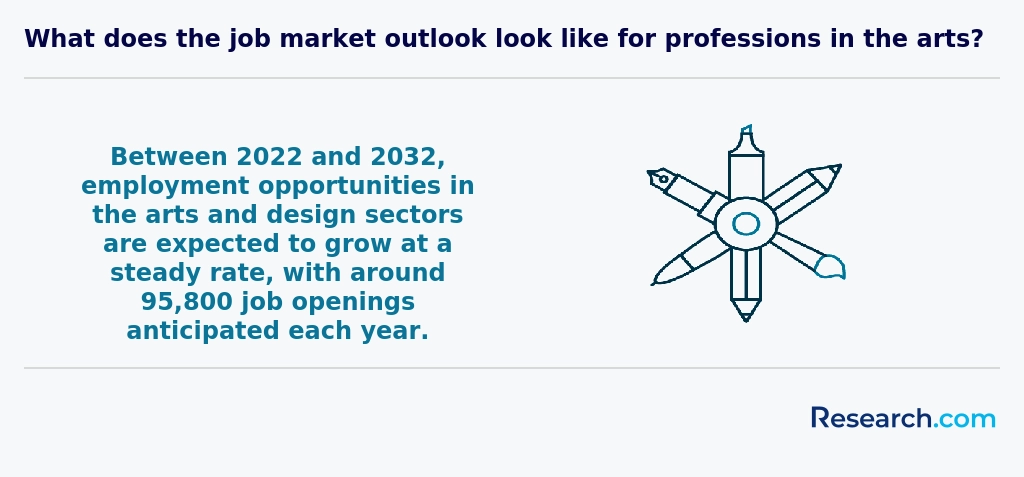
Graduates with a fine arts degree in Ann Arbor often find dynamic career paths that blend creativity with emerging industries. Many embark on roles as professional artists, inspired by the city's rich gallery scene and spaces like the Ann Arbor Art Center. These environments encourage graduates to experiment and display innovative work, fostering a sense of community and growth. Others explore graphic design careers, attracted by opportunities within local tech startups and businesses eager for fresh digital branding.
Educators with fine arts backgrounds are increasingly vital in schools and community programs focused on arts integration, reflecting national trends in education. Some graduates thrive in museum curation and arts administration, shaping cultural experiences at institutions such as the University of Michigan Museum of Art. Fine arts career opportunities in Ann Arbor also extend to conservation and specialized roles that push creative boundaries.
Students at popular fine arts schools enjoy strong professional networks and often share stories of how their degrees opened doors to diverse projects. For prospective students curious about these options, exploring the popular fine arts schools can offer valuable insights into the job prospects and creative pathways in Ann Arbor.
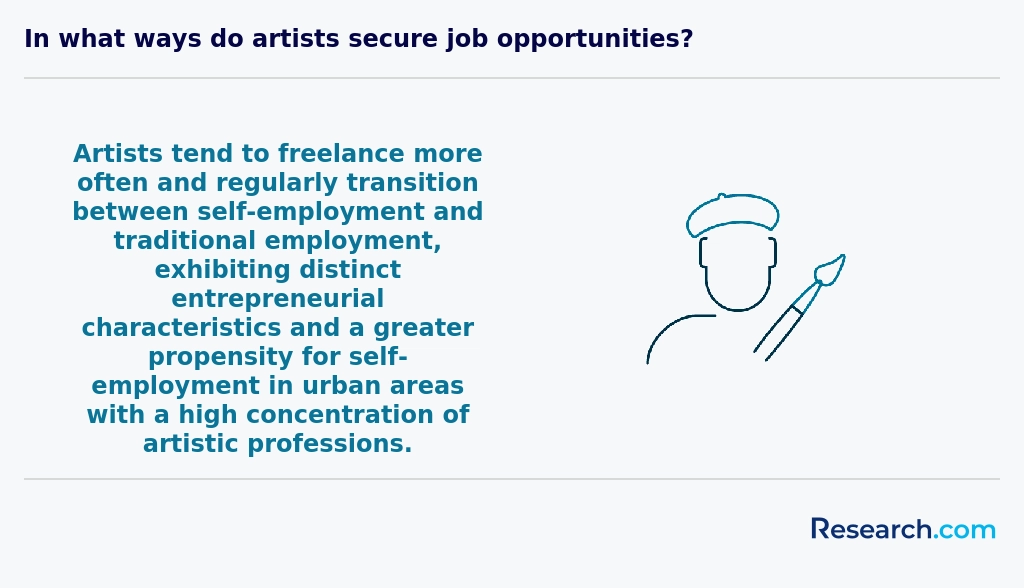
The job market for fine arts degree job opportunities Ann Arbor offers a unique blend of creative potential and practical considerations. Graduates from University of Michigan and local colleges often find encouraging pathways, such as teaching at community colleges or working with museums, where their artistic passions align with meaningful work. Many appreciate the chance to engage in local design firms or startups that value fresh creative input, making their portfolios stand out while earning a living.
Fine arts graduates often share stories of balancing their studio practice with roles in digital media or animation companies, tapping into Ann Arbor's vibrant arts community. With tuition costs ranging significantly, these graduates sometimes pursue additional skills or explore the most affordable online ui ux degree programs to increase employability in tech-adjacent fields.
Ann Arbor's proximity to Detroit further expands prospects, particularly in industrial and commercial art sectors. Graduates envision growing their careers by marrying traditional fine arts expertise with emerging digital trends, believing this blend will fuel future success amid a shifting creative economy.
2027 Most Popular Fine Arts Degree Programs Ranking in Ann Arbor
Investing in your education is a significant decision that can shape your future, and the Research.com team is fully aware of the responsibility involved in making informed choices. To support prospective students in Ann Arbor, we have carefully developed the "2027 Most Popular Fine Arts Degree Programs Ranking." Our dedication to quality, credibility, and accuracy is evident in the thorough research and analysis behind this ranking. We utilized the following reputable data sources to ensure a comprehensive evaluation of fine arts programs:
By reviewing this ranking, readers will gain valuable insights into the most popular fine arts degree programs in Ann Arbor, empowering them to make confident and well-informed educational decisions. For a deeper understanding of the ranking process, please visit our Research.com methodology page.

Frequently Asked Questions About fine arts
Fine arts degree students in Ann Arbor can maximize their learning experience by engaging with the city's vibrant arts community and utilizing local resources. The University of Michigan, located in Ann Arbor, offers extensive studio facilities and a wide range of courses that cover traditional and contemporary arts practices. Students benefit from small class sizes, averaging around 15, which fosters close interaction with faculty experts.
Participating in local galleries, such as the Ann Arbor Art Center and the University's museums, provides practical exposure and networking opportunities. Additionally, students should seek internships and collaborative projects within Ann Arbor's active creative sector, which supports over 3,000 artists and arts organizations according to the Ann Arbor Arts Alliance. These experiences enhance portfolios and prepare students for diverse careers in fine arts.
Emerging niches in the fine arts field reflect the evolving intersections between technology, culture, and creative expression. In Ann Arbor, programs increasingly emphasize digital media arts, including animation, virtual reality (VR), and augmented reality (AR). These areas cater to growing demands in entertainment and advertising industries. Additionally, environmental art is gaining traction, with artists focusing on sustainability and ecological themes.
Research from the University of Michigan's Stamps School of Art & Design highlights significant student interest in interdisciplinary projects combining fine arts with computer science. This shift aligns with national trends where art graduates proficient in digital tools report higher employment rates. Creative coding and interactive installation art stand out as promising career paths.
Graduates with a fine arts degree in Ann Arbor should focus on building a strong portfolio that showcases their artistic skills and versatility. Local galleries and art organizations often offer internships and networking opportunities which are crucial for employment. According to the National Endowment for the Arts, fine arts professionals with regional connections have a higher chance of securing jobs. It is also important to develop digital skills, as many employers seek artists proficient in design software. Ann Arbor's vibrant arts scene, including events like the Ann Arbor Art Fair, provides valuable exposure for emerging artists seeking to enter the job market.
Employers in Ann Arbor seeking fine arts degree graduates value a diverse set of skills that combine creativity with practical application. Strong proficiency in visual communication and mastery of digital tools like Adobe Creative Suite are often highlighted. According to recent workforce surveys by the Ann Arbor Area Economic Development Corporation, 68% of employers emphasize the importance of adaptability and collaborative teamwork.
Additionally, graduates with solid critical thinking and problem-solving abilities tend to stand out. Understanding cultural context and having a professional portfolio tailored to local industries also increase job prospects. Since Ann Arbor hosts a vibrant arts scene, employers often seek candidates with community engagement experience and versatile artistic techniques.
Finding internships relevant to a fine arts degree in Ann Arbor involves leveraging both academic and community resources. The University of Michigan, known for its strong arts programs, often provides on-campus job boards and career counseling tailored to fine arts students. Local galleries, museums such as the University of Michigan Museum of Art, and arts organizations regularly offer opportunities for practical experience.
Networking plays a key role. Attending local art shows, workshops, and exhibitions can connect students with professionals offering internships. According to the Ann Arbor Art Center, partnerships with regional businesses create internship openings for around 150 students yearly.
Additionally, online platforms like Handshake, used by many US universities, list fine arts internships specifically available in the Ann Arbor area. Students are advised to apply early and tailor applications to highlight their artistic skills and academic knowledge.
A fine arts degree in Ann Arbor can significantly enhance career mobility and advancement in creative fields. Graduates benefit from the city's vibrant arts community and well-connected professional networks, including galleries, theaters, and design firms. According to the Ann Arbor Art Center, 68% of local fine arts graduates find employment in art-related positions within two years of graduation, reflecting strong industry demand.
The University of Michigan and other local institutions provide access to internships and exhibitions that improve practical skills and professional visibility. Employers in Ann Arbor often value the critical thinking, creativity, and technical abilities gained through fine arts programs, which can lead to leadership roles in arts administration, education, and media.
Studying for a fine arts degree in Ann Arbor offers students unique opportunities to engage in interdisciplinary learning. Institutions like the University of Michigan encourage collaboration between fine arts and other departments, such as technology, business, and social sciences. This fosters skills beyond traditional art-making, preparing students for diverse careers in creative industries.
Ann Arbor's vibrant cultural scene, including galleries and performance spaces, provides practical experiences that blend art with digital media, entrepreneurship, and community engagement. According to the University of Michigan's 2023 curriculum data, over 40% of fine arts students enroll in at least one course outside their major, reflecting a broad academic foundation.
Choosing between a thesis and a non-thesis fine arts degree program in Ann Arbor depends largely on your career goals and interests. A thesis program typically appeals to students who want to conduct original research or prepare for further academic work, such as a PhD. It involves creating a substantial project or written document, which can enhance critical thinking and research skills.
In contrast, non-thesis programs focus more on practical skills and professional development, often requiring additional coursework or a portfolio. According to the University of Michigan's fine arts department data, about 40% of students opt for thesis tracks for its academic rigor, while 60% prefer non-thesis for immediate job market readiness.
Your decision should reflect your future plans, whether pursuing academia or entering the creative industry. Local Ann Arbor institutions like UM offer both tracks, so consider your strengths and preferred learning style carefully.
Students based in Ann Arbor interested in studying fine arts abroad have several avenues offered through partnerships and exchange programs. The University of Michigan, a leading institution in Ann Arbor, supports a range of study abroad opportunities tailored to fine arts majors. These programs frequently include destinations in Europe and Asia, where students can immerse themselves in rich artistic traditions while earning academic credit.
According to the University of Michigan's Study Abroad Office, over 80% of participants in study abroad programs report enhanced artistic skills and cultural understanding applicable to their fine arts education. Programs often span from a semester to a full academic year, providing flexibility depending on students' academic plans.
Additionally, local Ann Arbor arts organizations sometimes collaborate with international institutions to offer workshops and residencies abroad, complementing formal degree pathways. Students can explore these options by consulting university advisors and official study abroad resources to align their international experience with degree requirements.
Ann Arbor offers several part-time job opportunities that complement a fine arts degree education. Many students find positions in local art galleries and museums, such as the University of Michigan Museum of Art, where they can gain valuable experience in curation and art handling. Teaching assistantships in university art departments provide hands-on learning and help develop instructional skills. Additionally, freelance opportunities like graphic design, photography, and art commissions are popular, supported by the city's vibrant creative community. According to the Ann Arbor Area Convention & Visitors Bureau, creative industries contribute significantly to the local economy, offering continued growth for arts-related part-time work.
Ann Arbor offers fine arts students numerous networking opportunities through its vibrant academic and local art communities. The University of Michigan, a major institution in the city, hosts regular art exhibitions, workshops, and guest lectures, providing students access to established artists and industry professionals. According to the university's 2023 report, over 70% of fine arts students participated in interdisciplinary events fostering collaborations.
Beyond campus, students can engage with organizations like the Ann Arbor Art Center, which organizes artist meetups and public shows. Local galleries and festivals, such as the Ann Arbor Art Fairs, attract thousands annually, creating valuable exposure and connection possibilities. These platforms help students build professional networks essential for career development in fine arts.
Alumni networks play a significant role in supporting fine arts degree students in Ann Arbor by providing valuable connections in the creative industry. Graduates often share job opportunities, internships, and exhibition chances that are not widely advertised, helping current students gain access to the competitive arts market.
These networks also facilitate mentorship, allowing students to learn from experienced artists who have navigated similar career paths. For example, the University of Michigan's extensive alumni community offers workshops, portfolio reviews, and networking events tailored for fine arts students, strengthening their professional development.
Studies show that 65% of fine arts graduates in the U.S. find initial employment through contacts made during their education, underscoring the importance of these networks.
Customizing a fine arts degree in Ann Arbor allows students to align their education with specific career goals. Many institutions offer flexible curricula where students can choose concentrations such as painting, sculpture, digital media, or art history. Coursework often includes practical studio classes combined with theory and critique sessions, enabling hands-on experience tailored to professional aspirations.
Students may also pursue internships with local galleries, museums, or design firms, which are plentiful in Ann Arbor and provide valuable real-world connections. Additionally, some programs facilitate interdisciplinary study, allowing fine arts students to incorporate courses from business or technology departments, enhancing career versatility.
According to the National Center for Education Statistics, about 60% of fine arts students in Michigan opt for programs with customizable tracks, reflecting growing demand for personalized learning paths. Prospective students should consult academic advisors and explore available electives to effectively shape their degree around future artistic or commercial pursuits.
Fine arts students in Ann Arbor often face financial challenges due to the high cost of tuition and materials. The University of Michigan, for example, reports that art supplies and studio fees can add several hundred dollars each semester to overall expenses. Limited local internships in specialized art fields also create competition for practical experience opportunities. Additionally, balancing creative work with academic demands is a common struggle, as fine arts programs require extensive studio time alongside theory courses.
Critically, students must navigate career uncertainty; according to the National Endowment for the Arts, fine arts graduates nationwide experience varied employment rates, which can cause stress about post-graduation prospects. Mental health concerns linked to the pressures of producing original work are increasingly acknowledged, with campus resources in Ann Arbor focusing on supporting student well-being.
With a fine arts degree in Ann Arbor, graduates can pursue several professional certifications that enhance career prospects. For example, earning certification as a Certified Art Therapist (ATR) is an option for those interested in therapeutic applications of art. This requires additional training and supervised experience beyond a bachelor's degree.
Artists may also seek certification from organizations like the National Association of Photoshop Professionals (NAPP) to demonstrate advanced digital skills. Teaching credentials are valuable too; Michigan offers a K-12 Art Teacher Certificate for those wanting to teach art in public schools.
According to the University of Michigan's Taubman College of Architecture and Urban Planning, combining a fine arts degree with practical certifications can increase employment opportunities by up to 25% in the region.
Writing a winning application for a fine arts program in Ann Arbor starts with understanding the competitive nature of local institutions like the University of Michigan. Applicants should prepare a strong portfolio showcasing diverse artistic skills and creativity, as portfolio quality heavily influences admission decisions. According to the university's admissions guidelines, including works that highlight technical proficiency and personal expression is essential.
Additionally, a well-crafted personal statement explaining your artistic vision and goals enhances your application. Highlighting relevant experiences, such as exhibitions or community projects, can set you apart. Recommendations from professionals familiar with your work add credibility.
Finally, meet all deadlines and tailor your application to each program's specific requirements to maximize your chances.
Globally, a career in fine arts is viewed as both challenging and rewarding, reflecting diverse cultural values on creativity and economic opportunity. In the United States, including Ann Arbor, fine arts degrees are often valued for their role in fostering critical thinking, innovation, and cultural awareness.
Data from the National Endowment for the Arts highlights that approximately 2.5 million Americans work in arts and culture fields, with a substantial portion holding fine arts degrees. Ann Arbor's thriving arts community and university programs provide fertile ground for developing these careers.
International perspectives vary: some countries emphasize traditional crafts, while others, like the U.S., promote contemporary practices and digital media integration. This global diversity influences U.S. fine arts education, encouraging students in Ann Arbor to adopt a broad, adaptable approach.
Students pursuing a fine arts degree in Ann Arbor can gain practical experience through internships offered by local galleries and museums, including the University of Michigan Museum of Art. These opportunities provide hands-on exposure to curation, exhibition planning, and art handling.
Additionally, many Ann Arbor institutions encourage participation in community art projects and workshops, which help students build portfolios and professional networks. The city's vibrant arts scene supports student exhibitions and collaborative events, often advertised through university art departments.
According to recent University of Michigan career resources, nearly 70% of fine arts students engage in internships or assistant roles before graduation, significantly boosting employment prospects.
Choosing the right concentration within a fine arts degree program in Ann Arbor involves understanding your personal interests and career goals. Fine arts programs often offer concentrations such as painting, sculpture, digital media, and printmaking. Exploring course catalogs from local institutions like the University of Michigan can help identify which specialties align with your strengths.
Consider the faculty expertise and available resources in Ann Arbor's programs. For example, facilities with state-of-the-art digital labs support emerging media arts. Enrollment data from the National Center for Education Statistics indicates that visual arts majors make up about 15% of fine arts students in Michigan, highlighting popular fields to consider.
Also, reflect on potential job markets locally and nationally to ensure your concentration supports your post-graduate plans. Attending open houses or speaking with academic advisors in Ann Arbor can provide additional tailored insights.
- 2027 Most Popular Fine Arts Degree Programs Ranking in Detroit
- 2027 Most Popular Fine Arts Degree Programs Ranking in Cleveland
- 2027 Most Popular Fine Arts Degree Programs Ranking in Columbus
- 2027 Most Popular Fine Arts Degree Programs Ranking in Chicago
- 2027 Most Popular Fine Arts Degree Programs Ranking in Indianapolis
- 2027 Most Popular Fine Arts Degree Programs Ranking in Milwaukee
- 2027 Most Popular Fine Arts Degree Programs Ranking in Cincinnati
- 2027 Most Popular Fine Arts Degree Programs Ranking in Pittsburgh
- 2027 Most Popular Fine Arts Degree Programs Ranking in Buffalo
- 2027 Most Popular Fine Arts Degree Programs Ranking in Rochester
- Scholarships | Apply for Financial Aid - Art Reach of Mid Michigan https://www.artreachcenter.org/scholarships
- Networking - Weaving Your Web as an Art Graduate - Visual Artists Association https://visual-artists.org/resources/networking-weaving-your-web-as-an-art-graduate/
- Networking for Artists https://artquest.org.uk/how-to-articles/networking-for-artists/
- Fine Arts Major https://catalog-2024-2025.aup.edu/undergraduate-requirements/major-requirements/fine-arts-major
- Exploring Art Schools In Michigan: Programs, Benefits, & Careers https://www.interlochen.org/stories/exploring-art-schools-michigan-programs-benefits-careers
- Study Fine Arts Abroad – Top Universities & Careers https://thearchinternational.com/fine-arts/
- Challenges in Undergraduate Art Education - Arts Education Partnership https://www.aep-arts.org/challenges-in-undergraduate-art-education/
- Jobs | Academy of Fine Art https://academy-of-fine-art.com/en/jobs-en/
- Fine Arts Course Duration: Complete Guide to Eligibility, Fees, & Career Scope - AAFT https://aaft.com/blog/fine-art/fine-arts-course-duration-complete-guide-to-eligibility-fees-career-scope/
- What Alumni Say https://www.cityandguildsartschool.ac.uk/ma-fine-art/student-and-alumni-case-studies/


