
2027 Fastest Online Fine Arts Degree Programs Ranking in Texas

Co-Founder and Chief Data Scientist
Choosing the right fine arts degree program can be overwhelming, especially when balancing speed and quality. This article presents the 2027 Fastest Online Fine Arts Degree Programs Ranking in Texas, carefully crafted by the Research.com team of data scientists to guide you toward the best options available.
Exploring these programs will help you find a path that fits your goals and lifestyle, making your creative ambitions more achievable. Earning a fine arts degree opens doors to fulfilling careers where your passion truly matters.
Discover your next step with confidence and excitement.
Key benefits of getting online fine arts degree in Texas
- Salary benefits: Graduates with fine arts degrees in Texas can earn competitive salaries, such as animators making around $109,630 annually and illustrators earning about $71,420. These figures show how a fine arts degree can lead to rewarding financial opportunities.
- Career paths: Fine arts graduates from Texas colleges often pursue diverse careers like graphic artists, earning an average of $64,700 per year, or art therapists, with a mean salary of $75,660. This variety allows you to choose a career that fits your passion and skills.
- Online degree advantages: Earning your fine arts degree online from Texas universities offers flexibility and convenience, letting you balance work or personal commitments while learning. This approach often leads to a positive, personalized education experience that fits your lifestyle.
- 2027 Fastest Online Fine Arts Degree Programs Ranking in Texas
- What can I expect from online fine arts degree in Texas?
- Where can I work with online fine arts degree in Texas?
What can I expect from online fine arts degree in Texas?
The average cost of pursuing an online fine arts degree in Texas typically ranges between $10,000 and $25,000 for a bachelor's program, depending on the institution and residency status. Graduates from prominent Texas universities recall balancing tight budgets while appreciating financial aid opportunities like state grants and scholarships tailored specifically for Texas residents. One graduate shared how the Texas Tuition Promise Fund eased anxiety by allowing their family to prepay tuition, making the art education journey feel more accessible and less daunting.
Online fine arts students often find that these programs offer not just affordability but flexibility-vital for those managing work or family obligations. A former student from a hybrid program at a major Texas university fondly remembers late-night painting assignments and virtual critiques that enriched their creative process without breaking the bank. Such experiences reveal that investing in an online fine arts degree in Texas can yield rewarding personal growth without overwhelming financial strain.
Where can I work with online fine arts degree in Texas?
With an online fine arts degree from Texas institutions like the University of Texas at Austin or Texas State University, graduates uncover career paths that extend far beyond traditional studio work. Many find themselves thriving as visual artists or graphic designers in dynamic hubs such as Houston and Dallas, where advertising agencies actively seek fresh talent steeped in contemporary design skills. Imagine crafting digital campaigns that get noticed nationwide, all originating from skills honed through online coursework.
Others transition into education, shaping future artists in Texas public schools or community colleges, leveraging their degree as a springboard to certification. Consider the rewarding fulfillment felt when inspiring young minds to create and explore their artistic voices without committing to full-time campus attendance.
Graduates often step into roles at cultural landmarks like the Museum of Fine Arts Houston, curating exhibits that engage diverse audiences. Or they dive into Austin's booming digital arts scene, blending animation and multimedia design in ways that feel cutting-edge and deeply personal. This flexibility and vibrancy of Texas's creative workforce often sparks a deep sense of purpose and belonging.
Graduates from Texas institutions offering online fine arts degrees often face surprising earning potential that challenges common assumptions about art careers. For instance, a graduate working as an illustrator can expect a mean annual wage of around $71,420, a figure that lifts their creative passion into a sustainable livelihood. Those who pursue graphic arts-common paths from schools like the University of Texas at Austin-may find themselves earning about $64,700 on average, blending artistic talent with digital skills.
Consider a recent graduate from a popular Texas college who transitioned into animation, earning a remarkable $109,630 per year. This not only reflects growing industry demand but also proves that online study does not limit access to high-paying creative careers. Meanwhile, art therapists, increasingly valued in community health settings, earn around $75,660 annually, showing wide applicability of a fine arts degree beyond traditional roles.
These figures reveal important truths: online fine arts degrees in Texas do not confine graduates to low-paying jobs but rather open doors to diverse and rewarding careers. Median wages well above $60,000 for many roles speak to a practical and fulfilling future for diligent graduates willing to leverage their skills across multiple industries.
- Tuition for online fine arts degrees in Texas ranges from $8,000 to $12,000 per year at public universities and can reach up to $25,000 at private institutions.
- Entry-level salaries for fine arts graduates in Texas typically range from $35,000 to $45,000 annually, with experienced professionals earning between $50,000 and $65,000.
- Texas has a strong creative economy with key cities like Austin, Dallas, Houston, and San Antonio offering numerous arts-related job opportunities.
- Accreditation by bodies such as NASAD is crucial for program quality and federal financial aid eligibility.
- Online programs provide valuable opportunities to build digital portfolios and access internships through Texas' professional art networks.
Completing an online fine arts degree in Texas usually takes about four years when studying full-time, much like the typical timeline at popular institutions such as the University of Texas at Austin or Texas State University. However, this timeline is more fluid than it first appears. Graduates often reflect on how part-time enrollment-common among working students-extends their journey to five or six years, but also offers valuable flexibility to balance creative growth with life's demands.
One graduate recalled how transferring credits from community college accelerated their degree completion, turning what seemed like a lengthy commitment into a more manageable, inspiring experience. Meanwhile, students at Texas Tech University's online MFA program frequently embrace the two to three-year full-time schedule but highlight how practical components like virtual studio critiques add depth rather than delay.
In Texas, it's not just about clocking hours but engaging in a process that respects personal priorities. Online fine arts degrees challenge the idea of a rigid timeline, encouraging each student to sculpt their own path enriched by flexibility and real-world demands.
Choosing between online and on-campus fine arts degrees in Texas isn't just about convenience - it's a distinct experience that shapes your creative journey. On-campus students at places like the University of Texas at Austin thrive on immediate, tactile engagement: hands-on studio time, real-time critiques, and the buzz of collaborative energy in physical galleries. This direct interaction can spark inspiration and accelerate skill development in ways that digital platforms sometimes can't replicate.
Meanwhile, online students balancing work or family life, perhaps enrolled through Texas State University's virtual offerings, enjoy unmatched flexibility. They craft their art at their own pace, often translating feedback through video critiques and digital portfolios. The challenge is learning to self-motivate and navigate networking independently, without the organic opportunities of a physical campus.
Graduates from both paths often highlight a shared pride in their degree, but their stories diverge in how they built their artistic community-whether amidst the vibrant local Texas arts scene or through innovative virtual connections. These differences invite deeper reflection on what environment truly unlocks your creative potential.
Ensuring that an online Fine Arts program is properly accredited is vital for transferability of credits, eligibility for federal financial aid, and employer recognition. In Texas, reputable institutions typically hold regional accreditation from the Southern Association of Colleges and Schools Commission on Colleges (SACSCOC) as well as programmatic accreditation through the National Association of Schools of Art and Design (NASAD). Before enrolling, verify that your chosen program meets these benchmarks: • Regional Accreditation (SACSCOC): Confirms overall institutional quality, faculty qualifications, and student support services. • NASAD Accreditation: Guarantees that curriculum, facilities, and faculty expertise align with national standards for fine arts education. • State Authorization: Texas Higher Education Coordinating Board approval ensures compliance with state regulations for distance learning. How to Verify Accreditation 1. Visit the institution’s official website and locate its accreditation status-ideally on a dedicated “About” or “Accreditation” page. 2. Cross-check with SACSCOC’s online directory (https://sacscoc.org) and NASAD’s member list (https://nasad.arts-accredit.org). 3. Contact the registrar or admissions office to request documentation, such as accreditation certificates or renewal dates. Accreditation affects more than just academic credibility: it impacts your ability to secure internships, join professional art associations, and pursue graduate studies. For students comparing out-of-state options, explore our Affordable Fine Arts Degree Programs Ranking in New Orleans, LA to see how accredited fine arts programs can vary in cost and quality across regions.
The average cost of an online fine arts degree in Texas typically centers around $11,628 for in-state students, though the median total cost often reaches up to $26,208 when considering all factors. Graduates from popular Texas institutions like the University of Texas at Austin or Texas State University often recall balancing the tuition expenses with the joy of immersing themselves in creative coursework. The financial commitment may feel steep at first glance, but many find the investment worthwhile when they consider the flexibility and quality of online fine arts degrees offered by these schools.
Understanding the Texas online fine arts degree tuition and fees is crucial. Public universities usually offer lower tuition for online students from within the state, making specialized fine arts education more accessible. Yet, graduates report that additional costs for software tools, digital art supplies, and specialized technology can add unexpected lines to the budget. This nuanced reality challenges the traditional view that online education is always more affordable and prompts students to carefully assess total expenses before enrolling.
Financial aid options, state-funded programs, and university scholarships often soften these costs, giving aspiring fine artists a clearer path to achieving their goals. Many online learners appreciate how reducing commuting and housing fees reshapes their financial outlook, making dreams of fine arts mastery attainable. Some graduates speak fondly of combining their passion for art with studying strategies from other fields, encouraging curiosity beyond their major.
For students interested in broader educational paths, exploring online teaching degree rankings can also provide creative avenues for integrating art and education careers, illustrating the multifaceted value of choosing a fine arts program in Texas.

Many online fine arts students in Texas unlock financial aid that transforms the intimidating price tag into an achievable goal. Pell Grants are a favorite among graduates from institutions like The University of Texas at Austin, offering non-repayable funds based purely on financial need. Imagine a passionate artist balancing part-time work and family, relieved by this federal support that lightens their tuition burden without adding debt.
State programs such as the TEXAS Grant energize low-income students enrolled at public colleges like Texas State University, fueling dreams through targeted assistance. Graduates often recall how these grants made the difference between pausing their education or pushing forward with confidence.
Institutional scholarships also shine, with universities awarding merit-based aid rooted in artistic talent and academic achievement. Many recipients find these opportunities after conversations with financial aid offices, where personalized guidance reveals unseen resources. Even work-study options, though less common for online learners, occasionally offer remote arts-related roles that blend earning with creative growth.
These combined aids reshape the financial reality, turning uncertain futures into vibrant paths for Texas online fine arts students.
Choosing an online Fine Arts program with the proper accreditation ensures your degree is recognized by employers, graduate schools and professional organizations. In Texas, most reputable institutions hold regional accreditation from the Southern Association of Colleges and Schools Commission on Colleges (SACSCOC), while specialized programs often pursue programmatic accreditation through the National Association of Schools of Art and Design (NASAD). Key considerations include: • Regional vs. programmatic accreditation – Regional accreditation (SACSCOC) guarantees institutional quality, while NASAD affiliation confirms that curricula meet industry standards for studio art, art history and digital media. • Transferability and financial aid – Only accredited programs allow seamless credit transfer and access to federal aid such as Pell Grants and student loans. Verify accreditation status on the U.S. Department of Education’s database. • Faculty credentials and oversight – Accredited programs require instructors to hold terminal degrees (MFA or PhD) and maintain ongoing curriculum reviews by external evaluators. • Professional recognition – Graduates of NASAD-accredited programs are often preferred for membership in professional bodies like the Texas Visual Arts Association and qualify for licensure as art therapists or educators. When comparing online offerings, you might also explore complementary paths in liberal arts-see easiest liberal studies programs to get into-to broaden your interdisciplinary skills and bolster your academic portfolio.
To step into the world of online fine arts degrees in Texas, the journey begins with more than just a high school diploma or GED; it demands a commitment to showcasing your creative voice. Graduates from institutions like the University of Texas at Austin often reflect on how their portfolios-vivid collections of drawings, paintings, and sculptures-became powerful narratives that spoke louder than transcripts. This portfolio isn't merely a display of skill but a vivid expression of passion and potential that admissions committees seek.
Academic performance remains crucial, with many programs expecting at least a 2.5 GPA, a threshold that balances creativity with discipline. Some Texas colleges may still ask for SAT or ACT scores, but many have embraced flexibility, recognizing that artistry can transcend standardized tests.
For those pursuing a Master of Fine Arts online, a bachelor's degree and strong artistic recommendations truly set the stage for success, reflecting how advanced study requires deeper dedication and professional mentorship, often praised by MFA alumni.
Navigating the journey toward an online Fine Arts degree in Texas doesn’t end with choosing the right program. In fact, a critical factor for long-term success is having access to robust student support, career development guidance, and networking opportunities that complement your academic endeavors. Prospective students can benefit from tailored advice on building a professional portfolio, securing internships, and connecting with industry mentors to bridge the gap between classroom learning and real-world application. Many leading Texas institutions offer dedicated career centers and alumni networks that help translate artistic talent into professional success. For those focused on both quality and cost, exploring affordable fine arts programs in texas can provide valuable insights alongside practical training and job placement services. By taking advantage of these resources early on, you not only enhance your educational experience but also position yourself to thrive in a competitive and dynamic creative industry.
Online fine arts degree programs in Texas typically immerse students in both hands-on creation and critical thinking. Graduates from institutions like Texas State University and the University of Texas at Arlington often reflect on how foundational courses in drawing, painting, and design principles expanded their ability to express ideas visually, far beyond what they imagined possible.
These programs don't simply teach technique; they challenge students to see color theory and composition as languages that shape emotion and story. Many students find digital media and graphic design classes particularly transformative, as they bridge traditional artistry with modern technology, opening doors to new creative careers.
Art history courses frequently spark deep reflection by linking students to centuries of cultural evolution-from classical antiquity to contemporary movements-giving their work richer meaning. Incorporating sculpture, photography, and portfolio development ensures a versatile skill set, ready to engage Texas's vibrant art scene with confidence and professional rigor.

Exploring online fine arts specializations Texas programs reveals an unexpected depth beyond stereotypical artistry. Graduates from popular institutions like the University of Texas at Austin or Texas State University share how their focus on Graphic Design unlocked dynamic careers in branding and advertising, blending creativity with strategic communication. Meanwhile, Studio Arts students find themselves mastering traditional techniques like painting and sculpture, fueling both personal expression and gallery-ready portfolios.
Digital Arts and Animation attract those drawn to crafting vibrant digital worlds, where skills learned online are immediately applicable in gaming or entertainment sectors. Photography specialization offers not just technical mastery but invites students to capture compelling stories, a passion echoed by recent alumni who balance commercial projects with fine art exhibitions. For those inspired by community impact, Art Education remains a powerful path, preparing students, sometimes balancing roles or studying remotely, to inspire future generations-comparable to pathways seen in programs recognized for combining flexibility with rigor, akin to nevada teaching qualifications.
This variety in Texas online fine arts degree options prompts deep reflection on how creative skills align with personal ambitions, career adaptability, and vibrant cultural contexts uniquely accessible through the state's diverse offerings.
Choosing the best online fine arts degree Texas offers goes beyond just checking accreditation or tuition rates. Graduates from leading Texas universities often emphasize how important it was that their program blended rigorous theoretical study with meaningful studio work-even remotely. Imagine enrolling in a program where asynchronous classes, combined with active online critiques, let you juggle personal commitments without compromising your artistic growth. This kind of flexibility is priceless. While cost matters, many students find that affordable online fine arts programs Texas-based schools offer, coupled with scholarships for art majors, make quality education accessible without sinking into debt.
Faculty who are practicing artists themselves bring invaluable real-world insights, giving students confidence their training is current and relevant. Consider student outcomes too: programs tied to Texas's creative hubs like Dallas or Houston often open doors to internships or job offers. If you're exploring more than just fine arts, pairing your studies with an online teaching degreemaster's can further diversify your career path and creative impact.

Exploring online fine arts degree careers Texas reveals a spectrum of roles far beyond the typical artist's studio. Graduates from universities like The University of Texas at Austin or Texas State University find themselves thriving as graphic designers, where they channel creativity into visual storytelling that shapes brands and culture. These roles bring a tangible sense of accomplishment, transforming abstract skills into impactful communication that resonates across communities.
Others leverage their degrees to become art educators, motivated by real classroom experiences and a passion for nurturing creativity in young minds. Texas' certification requirements encourage many students to enroll in programs that combine artistic development with teacher preparation, enriching their career options. These educators often recount moments of connection that confirm their choice to blend art and teaching-an emotional reward that transcends job titles.
For those fascinated by digital creation, the expanding fields of animation and multimedia represent thrilling opportunities. Graduates from popular Texas colleges actively contribute to gaming and advertising industries, riding the wave of a projected 7% employment growth, affirming fine arts job opportunities in Texas are both diverse and dynamic. Some find fulfillment curating museum exhibitions or managing galleries, shaping cultural narratives in ways that challenge and inspire audiences.
Balancing passion with practical matters, many students consider costs carefully while pursuing flexible online options. Those balancing work and study appreciate how a fine arts degree can open doors without the barriers of relocation. For career changers or those drawn to education, additional options exist in related fields-one might even explore early childhood education degree pathways as complementary avenues, merging artistic understanding with foundational teaching skills.
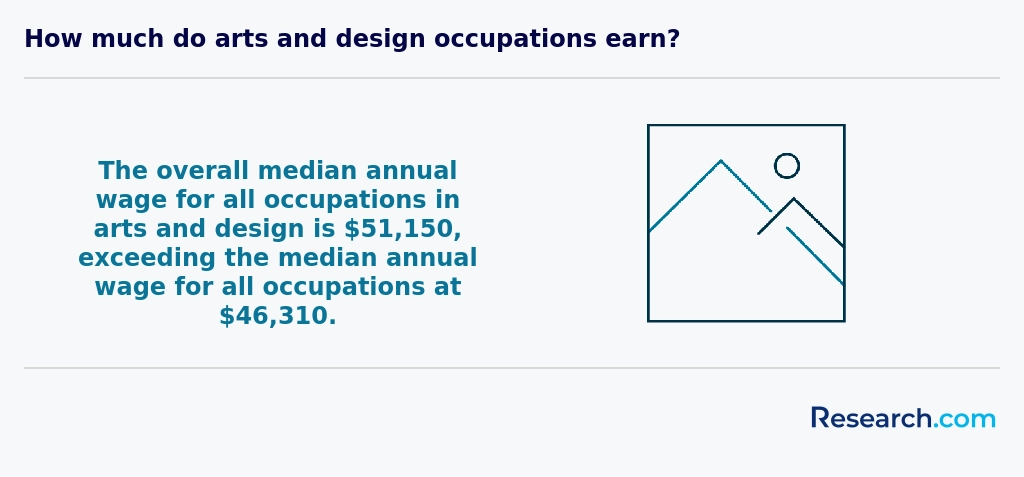
The job market for graduates with an online fine arts degree in Texas is a nuanced landscape, blending creative passion with practical challenges. Graduates from popular Texas institutions often find themselves navigating a competitive yet vibrant environment, where their work in graphic design or multimedia arts is sought after by tech startups and advertising agencies in Austin and Dallas. However, the path is not always smooth; many graduates must supplement their income or develop additional skills to thrive.
Those pursuing fine arts career opportunities Texas online frequently highlight the importance of versatility-combining traditional art skills with digital media and marketing savvy enhances employability. For example, graduates leveraging connections at regional galleries and cultural festivals tend to report a more optimistic outlook. Yet, entry-level salaries typically range between $35,000 and $50,000, reflecting the need for realistic financial planning despite the rewarding nature of the work.
Understanding that education costs vary widely, especially between public and private universities, is crucial. Many students turn to online options for affordability and flexibility. Those interested in branching into education might explore Washington teaching credentials as a model for combining art expertise with teaching careers.
Ultimately, the online fine arts degree job prospects Texas offers are tied to a combination of creative perseverance, networking, and adaptability in an evolving cultural economy.
2027 Fastest Online Fine Arts Degree Programs Ranking in Texas
Investing in your education is a significant decision that can shape your future, and the Research.com team understands the importance of making informed choices. To assist prospective students interested in fine arts, we have meticulously crafted the "2027 Fastest Online Fine Arts Degree Programs Ranking in Texas." Our commitment to quality, credibility, and accuracy is reflected in the extensive research and analysis conducted to compile this ranking. We utilized the following reputable data sources to ensure a comprehensive evaluation of fine arts programs:
By exploring this ranking, readers will gain valuable insights into the fastest online fine arts degree programs in Texas, enabling them to make well-informed decisions about their education and career goals. For more details on our methodology, please visit our
Research.com methodology page
.


# 4 position
Texas A&M University - Victoria
Bachelor of Digital Gaming & Simulation

Frequently Asked Questions About fine arts
Online fine arts degree students in Texas can maximize their learning by actively engaging with virtual studio sessions and critique groups. Texas institutions often use interactive platforms that foster collaboration despite geographic distance. According to the Texas Higher Education Coordinating Board, students benefit from combining asynchronous coursework with live video workshops to develop practical skills alongside theory. Utilizing resources from local Texas art museums and virtual galleries also enhances exposure to diverse artistic styles.
Networking with Texas-based artists and participating in community art events when possible can provide valuable real-world insights. Additionally, students should seek internships offered by Texas cultural organizations to gain hands-on experience relevant to their studies.
The fine arts field is evolving with several emerging niches gaining attention, especially for students pursuing online degrees in Texas.
One growing area is digital media arts, where artists combine traditional skills with technology to create graphic design, animation, and virtual reality experiences. Texas colleges report increasing enrollment in these tech-driven fine arts programs, reflecting industry demand.
Another niche is interactive art, including game design and immersive installations. According to the Texas Workforce Commission, jobs in multimedia art and animation are projected to grow 14% through 2030, faster than average.
Additionally, arts management and curation are expanding as cultural institutions seek professionals skilled in both art and digital outreach.
These areas offer promising prospects for students looking beyond conventional fine arts careers.
After completing an online fine arts degree in Texas, preparing for the job market requires a strategic approach. Building a strong portfolio showcasing diverse artistic skills is essential, as Texas employers often prioritize demonstrable talent. Networking through local art organizations like the Texas Art Education Association can open opportunities. According to the Texas Workforce Commission, fine arts jobs in the state are projected to grow by 4% over the next decade, highlighting steady demand.
Internships and freelance projects provide practical experience and valuable connections. Additionally, honing digital skills, such as proficiency in graphic design software, aligns with industry trends. Many Texas arts employers value adaptability and creativity, making continual professional development crucial.
Employers in Texas highly value strong creative skills in fine arts graduates, especially abilities in visual communication and digital media. According to the Texas Workforce Commission, proficiency in software such as Adobe Creative Suite is often sought in art professionals. Additionally, critical thinking and problem-solving skills are essential, enabling graduates to develop unique projects and adapt to diverse artistic demands.
Effective collaboration and communication skills are also important, as many roles require working with clients or in teams. Portfolio quality remains the key factor, showcasing technical skill and originality. These competencies collectively boost employability in Texas's growing creative economy.
Finding internships in Texas related to a fine arts degree involves targeted research and networking. Many Texas universities with fine arts programs, such as the University of Texas at Austin, offer internship placement assistance or career services tailored to arts students. These offices maintain partnerships with local galleries, museums, and theaters. According to the Texas Commission on the Arts, internships provide practical experience that is vital for fine arts students entering competitive creative fields.
Students should also explore Texas-based arts organizations like the Contemporary Austin or Dallas Museum of Art, which frequently offer internship opportunities. Online platforms such as Handshake and the Texas Workforce Commission's job portal identify relevant open positions across the state.
Networking through local arts events or student affiliations with professional societies, such as the Texas Art Education Association, significantly increases internship prospects. Engaging with faculty and alumni can also uncover hidden or unpaid internships that align closely with academic goals.
An online fine arts degree in Texas can significantly enhance career mobility and advancement by offering flexible education tailored for working professionals. According to the Texas Higher Education Coordinating Board, online degrees increase access to diverse job opportunities across the state's growing creative industries. Graduates can pursue roles in visual arts, design, and digital media with more confidence thanks to accreditation standards that assure quality education. The Texas Workforce Commission reports a rising demand for skilled fine arts professionals, projecting a 6% employment growth in related fields through 2030. Online programs also facilitate networking via virtual galleries and internships, empowering career growth even outside traditional campuses.
Studying for a fine arts degree in Texas offers a strong foundation for interdisciplinary roles by combining creative skills with practical knowledge. Many Texas institutions emphasize collaboration between fine arts and other fields like technology, business, and education, helping students adapt to varied career paths. According to the Texas Higher Education Coordinating Board, over 30% of fine arts graduates take jobs in related fields outside traditional art roles.
Online programs often include coursework in digital media, marketing, and project management, enhancing versatility. This approach prepares graduates to work effectively in areas such as multimedia design, arts administration, and education technology.
Choosing between a thesis and a non-thesis fine arts degree program in Texas depends largely on your career goals and learning preferences. Thesis programs typically require original research or a major creative project, suitable for those aiming for academic careers or advanced study. Non-thesis tracks focus more on coursework and practical skills, appealing to students wanting to enter the professional art world quickly.
Texas universities often design thesis options to support graduate students interested in teaching or research roles. According to the Texas Higher Education Coordinating Board, about 60% of fine arts graduates pursue practice-oriented careers, making non-thesis programs popular.
Financial and time commitments also vary. Thesis routes can take longer due to the research or project demands. Consider your schedule flexibility and long-term objectives when deciding.
Students based in Texas interested in studying fine arts abroad through online programs have limited direct options, as most international fine arts degrees require on-site attendance. However, Texas universities often partner with global institutions, offering study-abroad opportunities combined with online coursework. For example, some Texas schools provide virtual exchange programs and summer residencies abroad. According to the Texas Higher Education Coordinating Board, about 15% of Texas fine arts undergraduates engage in international experiences, often supplemented by online classes to maintain progress.
These hybrid models allow students to benefit from global perspectives while completing degrees recognized in the US. Still, students should carefully verify accreditation and credit transfer policies to ensure their degree's value. Overall, Texas students can access abroad experiences, but must combine online study with limited travel components.
Part-time job opportunities in Texas that complement fine arts degree education are diverse and practical. Many students find work as gallery assistants or art handlers in prominent Texas cities like Austin and Houston, which have active art scenes. These roles provide hands-on experience with artwork and exhibition processes, vital for career growth. According to the Texas Workforce Commission, the arts and design sector in Texas is projected to grow by 5% through 2028, indicating increasing opportunities.
Other options include freelance graphic design, teaching art workshops, or assistive positions in architectural firms where creativity is valued. Working in local museums or cultural centers can also expand professional networks. Such jobs help students apply academic knowledge while developing essential industry skills.
Online fine arts students in Texas benefit from a variety of networking opportunities designed to connect them with peers, faculty, and industry professionals. Many universities offer virtual events, workshops, and portfolio reviews where students can engage directly with artists and alumni. According to the Texas Association of Colleges and Universities, about 65% of online fine arts programs in the state incorporate dedicated online forums or collaboration platforms for student interaction.
Additionally, students often have access to statewide art organizations such as the Texas Fine Arts Association, which hosts exhibitions and networking mixers. These platforms facilitate valuable industry connections despite the remote format.
Local gallery partnerships and internships also play a key role, as universities frequently collaborate with Texas art institutions to offer hands-on experience and professional networking.
Alumni networks provide significant benefits to online fine arts degree students in Texas by fostering connections within the local arts community. These networks create opportunities for mentorship, which can be vital for students navigating career paths in visual arts, design, and performance. According to the Texas Higher Education Coordinating Board, strong alumni engagement increases job placement rates by up to 15% in creative industries. Networking events and workshops often accessible through these groups help students gain insights into Texas art markets and galleries. Additionally, alumni can share internships and exhibit opportunities, enhancing practical experience and visibility for emerging artists.
Customizing an online fine arts degree in Texas allows students to align their studies with specific career goals. Many Texas universities offer elective courses, concentrations, or minors in areas like graphic design, digital media, or animation, enabling focused skill development. Additionally, students can select project-based courses or internships that provide practical experience relevant to the Texas creative industry, which generated over $28 billion annually according to the Texas Cultural Trust. Advisors often assist in tailoring programs to meet professional ambitions, while some schools also provide flexible scheduling to accommodate working students. Exploring program specifics early is key to effective customization.
Online fine arts students in Texas often face unique challenges compared to traditional in-person learners. One major difficulty is limited access to hands-on studio spaces and in-person critique sessions, which are vital for developing practical skills.
Many programs require specialized materials and equipment not easily available at home. Managing these while staying on budget can be tough, as art supplies and digital tools often carry high costs.
Another common issue is building a professional network. Texas students studying remotely may miss opportunities to connect with peers and local art communities, which are essential for career growth.
Additionally, students must have reliable internet and technology to participate fully in online courses, something not guaranteed in all regions of Texas. According to the Texas Higher Education Coordinating Board, nearly 15% of students face connectivity challenges impacting their studies.
An online fine arts degree from Texas opens pathways to several professional certifications that can enhance your career prospects. While Texas does not require licensure to work as a professional artist, certifications in art education, such as the Texas Teacher Certification for Art, are highly valued for those pursuing teaching careers in public schools.
Graduates can also pursue credentials from national organizations like the National Art Education Association (NAEA), which offers certifications in art education and professional development. Additionally, certifications in digital arts, such as Adobe Certified Expert (ACE), are popular among those focusing on graphic design or multimedia art careers.
According to the Texas Workforce Commission, careers in the arts are projected to grow steadily, increasing demand for certified professionals who demonstrate both creative and technical skills.
Crafting a winning application for an online fine arts program in Texas begins with understanding the competitive nature of these programs. Many Texas institutions, such as the University of Texas at Arlington and Texas State University, emphasize artistic portfolios alongside academic records. Applicants should prepare a high-quality digital portfolio showcasing a diverse range of work, reflecting both technical skill and creative vision.
Strong letters of recommendation from art instructors or professionals further enhance your application. Additionally, a well-written personal statement explaining your passion for fine arts and career goals is crucial. According to Texas Higher Education Coordinating Board data, fine arts programs receive increasing numbers of applications, so clarity and professionalism are essential. Finally, meet all deadlines and follow technical requirements carefully to avoid disqualification.
The global perspective on a fine arts career shows growing opportunities beyond traditional roles. Fine artists often collaborate across countries through digital platforms, expanding their reach and influence.
In the US, including Texas, the Bureau of Labor Statistics projects a steady 4% growth in fine artists' employment from 2022 to 2032. This reflects an increased appreciation for creative industries worldwide.
Texas supports over 100 art institutions and galleries, contributing to a vibrant cultural scene that attracts international artists and collectors, providing networking opportunities for graduates.
Online fine arts degrees equip students with skills relevant globally, emphasizing digital tools and cross-cultural communication essential in today's art markets.
Students enrolled in online fine arts degree programs in Texas can gain practical experience through several key methods. Many universities incorporate virtual studios and digital art projects, allowing hands-on practice despite remote learning. Additionally, Texas offers numerous internships with local art galleries, museums, and creative agencies that accept remote or hybrid participation.
Community engagement is another opportunity. Students can collaborate on public art projects or participate in online exhibitions promoted by Texas arts organizations like the Texas Commission on the Arts. These experiences help build portfolios and professional networks while meeting degree requirements.
According to the National Endowment for the Arts, Texas ranks high in arts employment, enhancing internship availability for fine arts students.
Choosing the right concentration within an online fine arts degree program in Texas requires careful consideration of your interests and career goals. Texas schools often offer concentrations such as painting, sculpture, digital media, and art education. According to the Texas Higher Education Coordinating Board, the demand for digital arts skills is growing, reflecting the state's expanding creative tech industries.
Research the specific curriculum and faculty expertise of each concentration to ensure it aligns with your ambitions. Also, consider how each focus area connects to job markets in Texas, including galleries, museums, and educational institutions.
Financial aid and internship opportunities through universities can also impact your choice. Be sure to verify accreditation and available support services when comparing programs.
- 2027 Fastest Online Fine Arts Degree Programs Ranking in Missouri
- 2027 Fastest Online Fine Arts Degree Programs Ranking in Georgia
- 2027 Fastest Online Fine Arts Degree Programs Ranking in Florida
- 2027 Fastest Online Fine Arts Degree Programs Ranking in Kentucky
- 2027 Fastest Online Fine Arts Degree Programs Ranking in California
- Networking for Artists https://artquest.org.uk/how-to-articles/networking-for-artists/
- BA (Hons) Fine Art (Part Time) | Northbrook College https://www.northbrook.ac.uk/courses/ba-hons-fine-art-part-time/
- Application writing tips for individual artists https://www.affta.ab.ca/funding/help-and-resources/resources-individual-artists/application-writing-tips-individual-artists
- Why I chose to study Fine Art https://www.falmouth.ac.uk/student-voice/why-i-chose-to-study-fine-art
- School of Art and Design https://mycatalog.txstate.edu/undergraduate/fine-arts-communication/art-design/
- MFA Statement of Purpose: The Artist Statement + Academic Goals Hybrid https://gradpilot.com/news/mfa-statement-of-purpose-artist-statement-guide
- INTERDISCIPLINARY EMPHASIS https://www.muw.edu/art/bfa/interdisciplinary/
- The Fine Art of School Engagement https://www.educationnext.org/fine-art-of-school-engagement-how-expanding-arts-education-affects-learning-behavior-social-emotional-growth/
- Essential Strategies for Artists to Master the Art of Networking https://www.artworkarchive.com/blog/essential-strategies-for-artists-to-master-the-art-of-networking
- Challenges in the Arts in the 21st Century https://www.arts.gov/stories/magazine/2016/2/challenges-arts-21st-century


