
2027 Best Fine Arts Degree Programs Ranking in Albany

Co-Founder and Chief Data Scientist
Exploring fine arts degree programs in Albany can be exciting and overwhelming. Our 2027 Best Fine Arts Degree Programs Ranking in Albany, created by the Research.com team of data scientists, aims to simplify your search. This ranking highlights programs that stand out for quality, creativity, and career readiness.
By reading this article, you'll gain valuable insights to help choose a program that matches your passion and goals. Pursuing a fine arts degree can open doors to personal growth, professional opportunities, and creative fulfillment. Let us guide you toward making a confident decision for your future.
Key benefits of getting fine arts degree in Albany
- Fine arts graduates in Albany can earn rewarding salaries, such as illustrators making around $71,420 annually and animators earning an impressive $109,630, offering financial stability and growth.
- Career paths for fine arts graduates include graphic artists, animators, and art therapists, with opportunities to work creatively in diverse industries all starting from degrees offered by Albany's colleges.
- Obtaining a fine arts degree online in Albany offers flexibility and accessibility, allowing students to balance studies with personal life while gaining skills that are equally valued by employers.
- 2027 Best Fine Arts Degree Programs Ranking in Albany
- What can I expect from fine arts degree in Albany?
- Where can I work with fine arts degree in Albany?
What can I expect from fine arts degree in Albany?
The average cost of pursuing a fine arts degree in Albany typically ranges between $8,000 and $15,000 per year for in-state students at institutions like the University at Albany. Graduates often reflect on their investment as worthwhile, describing how access to extensive studio spaces and hands-on projects made every dollar feel rewarding. Many remember late nights perfecting sculptures or digital art pieces, encouraged by passionate faculty and real-world exhibition opportunities through the Albany Center Gallery.
Out-of-state students may expect higher tuition, but the vibrant community and rich resources in Albany provide priceless value. Alumni share stories of participating in local art festivals and internships that expanded their networks and boosted their confidence. These experiences not only enhanced their portfolios but also made the cost of education feel like a meaningful step toward fulfilling creative careers. For students dedicated to their craft, the blend of affordable tuition and immersive learning in Albany is both inspiring and empowering.
Where can I work with fine arts degree in Albany?
With a fine arts degree from an Albany college, graduates step confidently into diverse career paths that celebrate creativity and community. Many find fulfillment working as artists or illustrators, showcasing their talents in venues like the Albany Center Gallery or the Artist's Hand Gallery, where their work connects directly with local art lovers and potential clients. This hands-on interaction often leads to exciting commissions and collaborations, fueling both growth and passion.
Other graduates embrace roles in education, teaching visual arts in schools around Albany. A teaching certification opens doors in public and private institutions, while colleges eagerly welcome adjunct instructors passionate about sharing their expertise. These opportunities create meaningful connections and inspire the next generation of creators.
Design and digital media fields flourish in Albany's growing creative economy. Graduates thrive in graphic design, advertising, and multimedia companies, bringing innovative ideas to life with tech-savvy marketing firms. Programs at Times Union College and Sage College prepare students to excel in these vibrant industries, empowering them to turn artistic vision into rewarding careers.
Graduates with a fine arts degree in Albany can look forward to a promising financial future, especially when building their careers through the vibrant arts community around institutions like the University at Albany and the College of Saint Rose. For example, graphic artists in the area enjoy a mean annual wage of about $64,700, a strong indicator of demand for creative and digital skills locally and beyond.
Illustrators with fine arts backgrounds often find rewarding roles that pay around $71,420 yearly, blending artistic passion with viable income. Alumni pursuing animation have even greater earning potential, with mean salaries near $109,630, reflecting the exciting opportunities in media and entertainment industries.
Meanwhile, art therapists combining creativity and care make an average of $75,660 per year, showcasing diverse career avenues available after graduation. These figures reveal that Albany's fine arts graduates can build both fulfilling and lucrative careers, energized by their education and local cultural support, turning creative talents into substantial professional success.
- Public colleges in Albany charge about $10,000 to $15,000 per year for in-state fine arts students, while private schools can cost over $30,000 annually.
- Students should budget for supplies and materials, which are often needed for fine arts courses and can add extra costs.
- Fine arts graduates in Albany earn between $35,000 and $45,000 yearly within two years of graduation.
- With experience, salaries can rise to $50,000 to $60,000 annually, depending on the specific career path.
- Albany has a variety of art galleries and cultural institutions offering jobs and freelance opportunities in the arts.
- Internships and volunteer work are important for building portfolios and professional connections in Albany's competitive job market.
Completing a fine arts degree in Albany typically takes about four years for full-time students, a journey filled with creativity and growth. Graduates from institutions like SUNY Albany often reflect on their experience as a vibrant blend of engaging studio classes, inspiring elective courses, and supportive community connections. Imagine spending your days immersed in painting, sculpture, or graphic design, developing your unique artistic voice while making lasting friendships.
Many Albany students appreciate the flexibility available, with options such as summer sessions and specialized studio courses that can help accelerate their progress. Part-time learners also find encouragement in balancing their passions with other life commitments, sometimes extending their path to five years or more-each step bringing them closer to their artistic dreams.
For those eager to deepen their expertise, Albany offers opportunities to advance into a Master of Fine Arts program, typically completed in two to three years after the bachelor's degree, opening doors to professional and teaching careers. This timeline reflects a well-rounded and inspiring educational journey that nurtures both skill and ambition.
Crafting a compelling application for a Fine Arts degree program in Albany, NY involves more than showcasing your best work-it requires strategic planning and attention to detail. Follow these proven tips to strengthen your candidacy and stand out in a competitive field: 1. Curate Your Portfolio Strategically - Select 8–12 pieces that demonstrate technical skill, conceptual depth, and stylistic range. - Include a mix of mediums (drawing, painting, sculpture, digital media) to highlight versatility. - Arrange works in a logical sequence, beginning and ending with your strongest pieces. 2. Refine Your Artist Statement - Keep it concise (250–300 words), focusing on your creative vision and influences. - Explain the context behind key works and how the program’s resources will support your goals. - Proofread carefully to ensure clarity and professionalism. 3. Gather Impactful Recommendations - Request letters of recommendation from mentors who can speak to your artistic growth and work ethic. - Provide recommenders with your portfolio, artist statement, and resume to guide their comments. - Aim for at least two academic references and one professional or community endorsement. 4. Prepare for Interviews and Campus Visits - Practice discussing each portfolio piece: process, challenges, and outcomes. - Visit studios or galleries on campus to ask faculty about facilities and collaboration opportunities. - Dress professionally and bring printed copies of your portfolio and résumé. 5. Highlight Financial Savvy - Demonstrate awareness of program costs and funding options. - If affordability is a priority, explore our Affordable Fine Arts Degree Programs Ranking in Worcester, MA for additional low-tuition alternatives. 6. Leverage Supplemental Materials - Create a digital portfolio or website to showcase higher-resolution images and videos. - Include captions with project titles, dimensions, medium, and year of completion. - Link social media profiles or online exhibitions if professionally curated. By following these steps-from curating a cohesive portfolio to articulating your artistic vision-you’ll position yourself for success in Albany’s top Fine Arts programs and beyond.
Choosing between online and on-campus fine arts degrees in Albany unlocks unique experiences tailored to your lifestyle and creative journey. At Albany's top institutions, on-campus students thrive in dynamic studios, engaging directly with instructors and peers. Imagine collaborating in a live critique session, surrounded by the buzz of the art community and accessing galleries firsthand-this immediate interaction fuels growth and sparks inspiration in ways virtual learning can't fully capture.
Conversely, online programs offer remarkable flexibility, perfect for those balancing work or family. Graduates often share how digital platforms empower them to pace their creativity while still receiving expert feedback through virtual critiques. Despite some challenges with hands-on media, innovative video demonstrations and remote access tools provide rich opportunities to develop skills without geographic limits.
The vibrant art scene in Albany means whichever path you choose, your education will be enriched by a community passionate about art. Both formats open doors to unique connections and professional growth, ensuring your artistic talents flourish in a way that suits you best.
Accreditation is a critical marker of quality for Fine Arts degree programs in Albany, NY, ensuring that institutions meet rigorous academic and professional standards. Prospective students should verify that their chosen program is accredited by the National Association of Schools of Art and Design (NASAD) or recognized by the Middle States Commission on Higher Education (MSCHE). Accreditation not only guarantees a comprehensive curriculum and qualified faculty but also facilitates credit transfer, access to federal financial aid, and eligibility for graduate school placement. In Albany, top institutions such as the College of Saint Rose and the University at Albany hold regional accreditation, reflecting their commitment to continuous improvement and academic excellence. These endorsements signal to employers and peers that graduates possess the skills and knowledge required for success in competitive art careers. When comparing programs, look for publicly available accreditation reports and outcome data-such as graduation rates and job placement statistics-to make an informed decision. For students considering flexible delivery formats, it’s important to choose online offerings that maintain the same accreditation standards as on-campus programs. Many reputable online art degrees are held to identical criteria, ensuring you receive a credential that employers respect. If you’re exploring related creative fields, you may also find excellent value in programs like the low cost online bachelors in creative writing degree, which combines affordability with accredited quality controls.
On average, the cost of a fine arts degree in Albany varies significantly depending on residency and institution type. For in-state students attending public schools like SUNY Albany, the median total expense is approximately $10,866, making it an accessible opportunity to develop artistic skills without an overwhelming financial burden. Graduates from these programs often share how the combination of affordable tuition and vibrant local art scenes has fueled their creative journeys and professional growth.
For those coming from out-of-state or choosing private colleges, the cost can rise considerably, with median totals around $50,263. Despite this higher investment, students frequently describe the value of personalized mentoring, advanced studio facilities, and exposure to diverse artistic networks that enrich their education and career potential. Albany Community College also offers pathways that help reduce costs through transfer options and specialized scholarships, helping many students navigate the cost of fine arts degree programs Albany.
Beyond tuition, aspiring artists should anticipate expenses for materials, studio fees, and living costs, all pivotal in shaping hands-on learning experiences. Many find that scholarships, grants, and work-study programs provide essential support, keeping the passion for creation affordable. Considering your financial journey, it may be helpful to explore various funding options, especially if you're aiming to meet oklahoma teachingdegree requirements that align with your career goals alongside your fine arts training.

Students often seek not only outstanding academic programs but also a vibrant campus life that nurtures creativity, collaboration, and personal growth. In Albany, NY, Fine Arts programs offer more than just rigorous coursework; they also provide an immersive environment rich with extracurricular activities, gallery exhibitions, artist residencies, and community partnerships. Engaging in campus clubs, attending live art shows, and participating in interdisciplinary projects are integral to enhancing technical skills and fostering a supportive network that lasts well beyond graduation. Students can also benefit from career fairs and mentorship programs that connect them with established artists and industry experts. Additionally, prospective students can explore resources such as affordable fine arts schools in new york to find programs that offer a balanced approach to both academic excellence and an enriching campus experience. This comprehensive engagement not only prepares them for professional success but also builds a strong foundation for lifelong artistic and personal development.
Students pursuing a fine arts degree in Albany can access rewarding financial aid options that bring their creative dreams within reach. Graduates from the University at Albany often share how federal Pell Grants, offering up to $7,395 annually, helped ease the burden of tuition, allowing them to focus more on their art than finances. For New York residents, the Tuition Assistance Program (TAP) provides up to $6,165 each year, and the Excelsior Scholarship can make attending public colleges virtually tuition-free, creating real opportunities for talented artists.
Many fine arts students in Albany also tap into scholarships from local art organizations and galleries that recognize unique creativity with merit and need-based awards. Imagine earning a scholarship from a community art foundation while showcasing your work in local exhibits-this kind of support fuels passion and growth. On-campus work-study and assistantship roles, such as studio aide or gallery assistant, offer hands-on experience and steady income, making the fine arts path not only inspiring but manageable.
Albany’s fine arts programs are not just about classroom instruction-they offer a vibrant campus life that plays a critical role in shaping a well-rounded artistic experience. Students frequently highlight the wide range of creative clubs, student-run galleries, and collaborative projects that foster a community of innovation and peer support. Beyond access to traditional studios and specialized equipment, many institutions provide dedicated mentoring programs, career counseling, and networking events with local artists and industry professionals. This robust support system helps students transition from academic learning to professional practice, ensuring they build strong portfolios and industry connections. For those evaluating their overall college experience, exploring options at affordable fine arts schools in new york can offer additional insights into comprehensive student support and campus culture. Whether you’re interested in hands-on workshops, extracurricular exhibitions, or accessible professional guidance, Albany’s fine arts scene is designed to nurture your creative passion both in and out of the classroom.
To embark on a fine arts degree journey in Albany, aspiring artists first need a high school diploma or GED, a foundational step celebrated by graduates from well-known institutions like the University at Albany. Imagine the excitement of submitting your own artistic portfolio-a vibrant collection of your best drawings, paintings, or digital creations that truly capture your unique voice. This portfolio is a powerful expression of your creativity, often the key that opens doors at Albany's top art programs.
Many students recall how meaningful letters of recommendation from art mentors enriched their applications, shining a light on their dedication and artistic growth. Some programs encourage sharing a personal artist's statement, a heartfelt narrative about your passion, influences, and creative aspirations, helping admission committees see the vibrant person behind the art.
While SAT or ACT scores aren't always required, being prepared can feel empowering. Many Albany colleges also offer foundation courses in drawing or art history to support your success. These prerequisites help ensure you're ready to thrive and fully embrace your artistic potential in the city's inspiring art community.
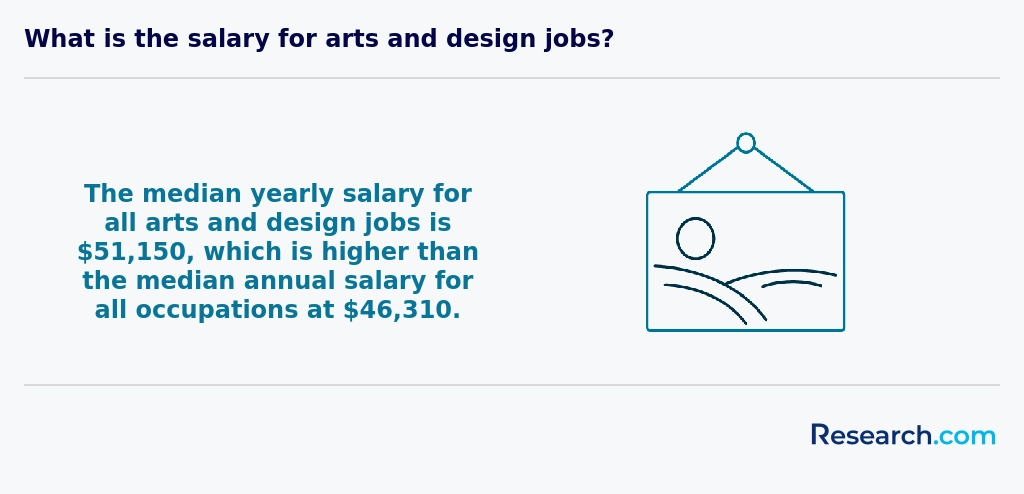
Fine arts degree programs in Albany offer an inspiring mix of courses that spark creativity and sharpen critical thinking. At popular local colleges, students dive into foundational studio classes like drawing, painting, sculpture, and digital media-hands-on experiences that build confidence and artistry. Graduates often reflect on how experimenting with diverse materials and techniques energized their creative journeys.
Alongside studio work, art history courses bring the past to life, tracing movements from ancient traditions to contemporary innovations. This deep understanding helps students appreciate the art world's rich tapestry and frame their own work within it, a perspective valued by Albany's vibrant galleries and cultural hubs.
Students also engage in thought-provoking classes on aesthetics and visual culture, where analyzing art sharpens their voices and prepares them for roles as curators or critics. Electives such as photography, ceramics, and graphic design invite personal expression and specialization, making the learning experience uniquely fulfilling in Albany's artistic community.
Professional development courses round out the curriculum by teaching portfolio building and marketing-skills that empower emerging artists to thrive beyond the classroom.
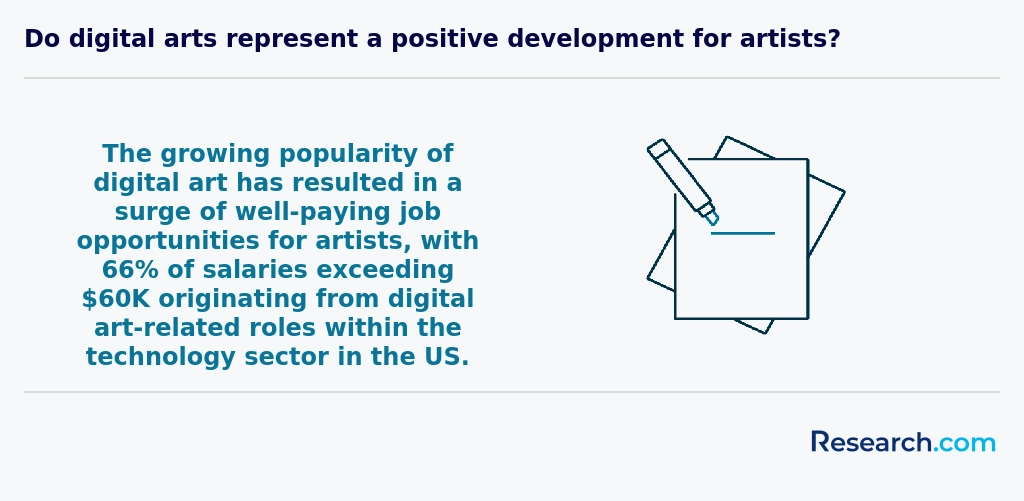
Albany's fine arts degree specializations open doors to vibrant creative journeys, with students exploring diverse fields like painting, sculpture, and drawing-core areas where graduates discover their unique styles and build strong technical foundations. Visual learners at the University at Albany delight in blending traditional media with contemporary flair, crafting works that speak to their personal stories.
Those drawn to innovation often choose Albany fine arts concentration options such as digital arts and graphic design, where creativity meets technology. Graduates from the College of Saint Rose share how these programs empower them to bring animation, video, and interactive projects to life, preparing them for exciting careers in multimedia.
Performing arts also shine in Albany, with specializations in theater, dance, and music composition. This vibrant community encourages students to express emotions and stories through movement and sound, strengthening their confidence and artistic voice. Many find themselves inspired to explore teaching career paths, passing on their passion to others.
To choose the best fine arts degree in Albany, start by focusing on programs that inspire your creativity and match your artistic passions. Graduates from popular colleges in Albany often share how aligning their studies with fields like painting or digital media transformed their artistic journey and boosted their confidence. Exploring affordable fine arts colleges in Albany can also ease financial stress, allowing you to immerse fully in your craft without worry.
Faculty expertise is a beacon for growth-many successful alumni highlight the value of mentorship from active artists and professors who challenge and support their development. Picture yourself in well-equipped studios or vibrant galleries found in Albany's art programs, where hands-on experience turns ideas into stunning works. Career support here often leads to exciting opportunities, making it easier to launch your creative career.
Remember, choosing the right fine arts degree is not just about education but about nurturing your future. For a broader perspective on career options, consider investigating related fields like early childhood education job prospects to find inspiring pathways aligned with your goals.
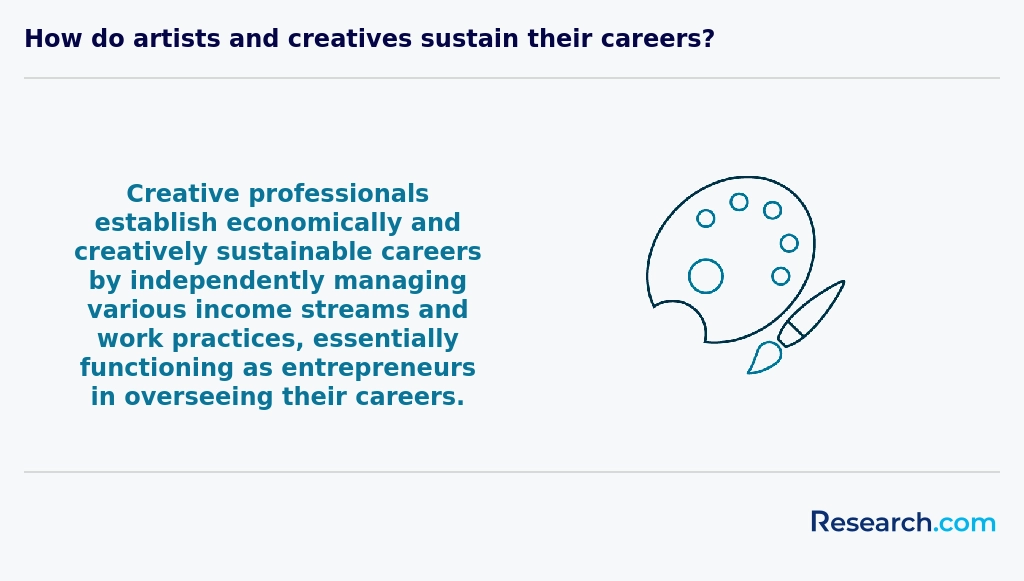
Graduates from fine arts programs at institutions in Albany find themselves inspired by a spectrum of career paths that celebrate creativity and cultural expression. Many step confidently into roles as professional artists-painters, sculptors, or illustrators-thriving within Albany's vibrant art community known for its supportive galleries and events like the Albany Art Market.
Others embrace arts education, becoming inspiring teachers at local schools or community centers, while supplementing their skills with state certification. Such paths enable graduates to foster creativity in future generations, often enriched by hands-on experiences at nearby colleges. This blend of passion and purpose makes fine arts career opportunities in Albany truly rewarding.
Many graduates venture into arts administration or management, securing positions at influential cultural institutions like the New York State Museum or local theaters. These roles allow them to merge artistic insight with organizational skills, shaping the local cultural scene.
There are also exciting prospects in graphic design and digital media, where Albany's proximity to tech hubs boosts opportunities in creative agencies. Some graduates find entrepreneurial freedom, combining multiple skills or exploring freelance work.
For those drawn to education but mindful of finances, exploring budget-friendly elementary education programs offers practical alternatives that still celebrate artistic growth.
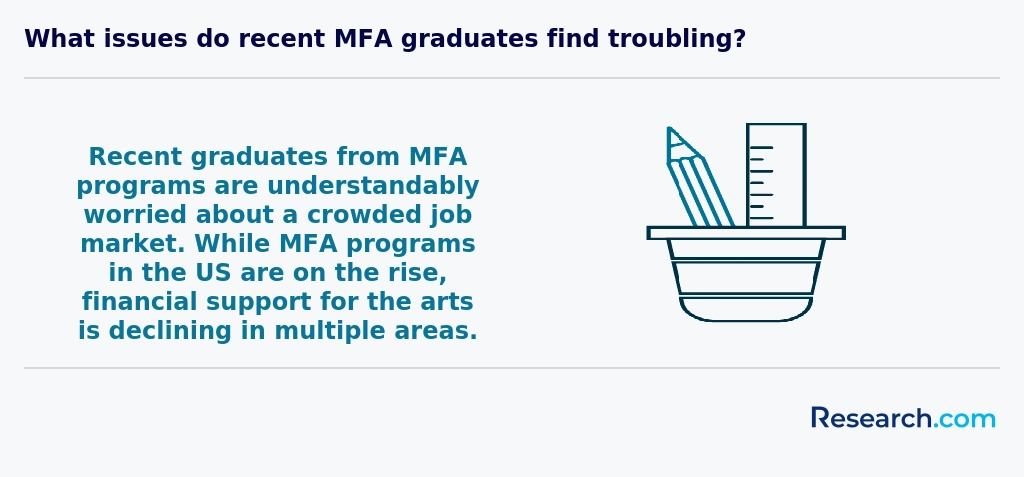
For graduates of fine arts programs at Albany's well-regarded colleges, the job market reflects a rewarding blend of creativity and opportunity. These graduates often thrive in Albany's dynamic cultural spaces, such as galleries, museums, and public art projects, building fulfilling careers that connect them deeply with the local community. The Albany fine arts career outlook 2027 shows steady demand in diverse areas including graphic design, visual arts, and teaching roles, which keep the creative spirit alive across the city.
Many fine arts degree holders in Albany find joy in blending freelance projects with steady employment, taking advantage of the city's proximity to New York City to network and secure contracts. Students from Albany universities share stories of starting in local community centers and quickly evolving into respected creatives, fostering both personal growth and professional success.
Those interested in education also benefit from strong pathways, such as programs that align with oklahoma teaching career pathways, highlighting that fine arts skills can open doors in schools and beyond. This encouraging environment makes fine arts degree job opportunities in Albany a tangible and exciting goal for emerging artists and designers.
2027 Best Fine Arts Degree Programs Ranking in Albany
Investing in your education is a significant decision that can shape your future, and the Research.com team understands the importance of making informed choices. To assist prospective students interested in fine arts, we have carefully developed the "2027 Best Fine Arts Degree Programs Ranking in Albany." Our commitment to quality, credibility, and accuracy is demonstrated through detailed research and rigorous analysis conducted to create a dependable ranking.
We utilized the following reputable data sources to ensure a comprehensive evaluation of fine arts programs:
By exploring this ranking, readers will gain valuable insights into the finest fine arts degree programs in Albany, empowering them to make well-informed decisions about their educational journeys. For more information about our methodology, please visit our Research.com methodology page.

Frequently Asked Questions About fine arts
Fine arts degree students in Albany can maximize their learning by engaging actively with local art communities and institutions. Albany's rich cultural scene includes access to facilities like the Albany Center Gallery and The Arts Center of the Capital Region, providing opportunities for exhibitions and networking. Participating in workshops, internships, and collaborative projects helps students gain practical experience beyond classroom instruction.
Connecting with faculty who have professional art careers offers mentorship valuable for career development. According to the National Endowment for the Arts, hands-on experience combined with formal education increases job placement rates significantly for fine arts graduates. Albany students should also consider attending events at SUNY Albany and other local colleges that frequently host artist talks and critiques to enhance their critical skills.
Emerging niches within the fine arts field in Albany reflect broader national trends while maintaining unique local influences. Areas such as digital arts and interactive media have gained importance, driven by technological advancements and demand in entertainment, education, and marketing sectors. Albany's growing tech industry supports opportunities in animation, virtual reality (VR), and augmented reality (AR), blending creativity with innovation.
Eco-conscious art and socially engaged practices also attract attention. Artists increasingly explore environmental themes and community-focused projects, resonating with regional and global sustainability efforts. According to the New York State Council on the Arts, grants for such initiatives have seen a steady rise in Albany since 2020.
Additionally, art therapy and expressive arts have expanded as niche areas, leveraging fine arts skills in health and wellness. This interdisciplinary field sees growing integration in local healthcare settings and educational programs.
Graduates with a fine arts degree in Albany should begin preparing for the job market by building a strong professional portfolio that showcases their best work. This is essential when applying for roles in galleries, design firms, or freelance opportunities. Networking is equally important; Albany hosts various art events and organizations like the Albany Center Gallery, where students can connect with local artists and employers.
Internships and part-time jobs during studies provide practical experience and enhance employability. According to the National Endowment for the Arts, artists in New York State have a median hourly income around $27, highlighting the need for strong business skills alongside creative talent.
Developing digital skills, such as proficiency in design software, also increases job prospects in today's market. Graduates should leverage university career services and local arts councils to access workshops, job fairs, and mentorship programs aimed at transitioning fine arts students into employment.
Employers in Albany highly value fine arts graduates who demonstrate strong creative abilities alongside technical proficiency. Key skills include mastery of various media such as digital design, painting, and sculpture, which are essential for versatility in local galleries and studios.
In addition to artistic talent, employers seek graduates with excellent communication skills, enabling them to present ideas clearly and collaborate effectively. Project management abilities are also important, as fine arts professionals often juggle multiple assignments and exhibitions simultaneously.
According to recent reports from the National Endowment for the Arts, adaptability and digital literacy rank among the top skills in demand. Albany's growing cultural sector particularly favors candidates familiar with art software and social media promotion.
Finding internships in Albany related to a fine arts degree involves leveraging local resources and networks. Start by exploring the University at Albany's career services, which frequently list internships with museums, galleries, and creative agencies. Albany's vibrant arts scene includes venues like the Albany Institute of History & Art and local studios, often offering internship opportunities.
Additionally, websites such as Handshake, LinkedIn, and the New York State Department of Labor provide listings for fine arts internships specific to the Albany region. Networking through local art events and organizations like the Albany Center Gallery can also be valuable.
According to the National Association of Colleges and Employers, internships increase job prospects by up to 60%, emphasizing their importance for fine arts students.
In Albany, a fine arts degree can positively impact career mobility and advancement by opening doors within the region's growing creative sector. Employers in museums, galleries, and educational institutions value candidates with formal art education, as it demonstrates both technical skills and critical thinking.
The New York State Department of Labor projects a steady 4% employment growth for art-related occupations through 2028 in the Albany area. This is partly driven by increased cultural investments and tourism.
Graduates often find opportunities in art administration, curation, and graphic design, which offer upward mobility. Additionally, networking through Albany's art events supports career advancement.
Studying for a fine arts degree in Albany equips students with skills that extend beyond traditional art disciplines, fostering interdisciplinary collaboration. Many programs emphasize integrating technology, design, and business principles, preparing graduates for diverse roles in creative industries. For example, the University at Albany offers courses blending digital media with studio art, encouraging students to innovate across fields.
The region's vibrant art scene, including partnerships with local museums and galleries, gives students practical experience in community projects and multimedia exhibitions. According to the National Endowment for the Arts, such connections enhance employability by developing teamwork and communication skills essential for interdisciplinary careers.
When choosing between a thesis and a non-thesis fine arts degree program in Albany, consider your career goals and learning preferences. A thesis program typically requires original research or a creative project, which is ideal for students aiming to pursue graduate school or teaching careers. Non-thesis options often focus more on practical skills and coursework, catering to those seeking professional careers in art studios, galleries, or design industries.
In Albany, fine arts programs often reflect these national trends. According to the National Center for Education Statistics, about 60% of art graduates pursue non-thesis paths focused on practice. Students should also evaluate faculty expertise, available resources, and program flexibility before deciding.
Students based in Albany interested in studying fine arts abroad have several pathways through US higher education partnerships and exchange programs. Institutions like the University at Albany often collaborate with international universities, enabling students to spend a semester or year abroad while earning credits toward their degree. Such programs provide exposure to diverse artistic traditions and global art scenes.
While Albany itself has limited dedicated programs for overseas study in fine arts, students can leverage statewide initiatives like SUNY's Study Abroad system, offering over 100 global locations. Participation rates for fine arts students remain modest but growing, reflecting increased interest in international experience.
Financial aid and scholarships specific to study abroad opportunities can help mitigate costs, although students must plan ahead due to application deadlines. Resources from Albany's academic advisors and study abroad offices are crucial for navigating options that align with a fine arts curriculum and career goals.
Part-time job opportunities in Albany can significantly enhance the education of fine arts students by providing practical experience and networking. Roles such as art gallery assistants, museum docents, and local art event coordinators are common. Albany has a vibrant arts scene, including the Albany Institute of History & Art, which often seeks part-time help.
Additionally, freelance graphic design and art tutoring are popular among students, allowing flexible schedules that accommodate coursework. According to the New York State Department of Labor, creative sectors in Albany grew by about 3% annually, suggesting increasing job availability.
These roles help students build portfolios and understand the business side of art.
Fine arts students in Albany benefit from diverse networking opportunities that connect them with local artists, educators, and arts organizations. Institutions like the University at Albany and the Albany College of Pharmacy and Health Sciences often host art exhibitions, workshops, and guest lectures, fostering professional relationships.
The city's vibrant arts community includes galleries, theaters, and annual events such as the Albany Tulip Festival and annual art walks. These provide students with a platform to showcase work and meet industry professionals.
Networking groups like the Albany Center Gallery and the Capital District Artists' Guild offer memberships and networking events specifically for emerging artists.
Alumni networks play a crucial role for fine arts degree students in Albany by providing professional connections and mentorship opportunities. Graduates from local institutions like the University at Albany often stay connected, helping students gain insight into the competitive art world.
These networks offer access to workshops, gallery exhibitions, and internships primarily concentrated in the Capital Region's vibrant arts community. According to the New York State Council on the Arts, nearly 40% of fine arts students in Albany find employment or freelance projects through alumni referrals.
Strong alumni ties also help students navigate funding sources and grants unique to New York's art sector.
Customizing a fine arts degree program in Albany to align with your career goals involves selecting courses and experiences that match your interests. Many Albany colleges offer concentrations such as painting, sculpture, graphic design, or digital media, allowing you to focus on a specific medium. You can also choose electives in art history, business, or museum studies to broaden your skills.
Internships and partnerships with local galleries and cultural institutions, like the Albany Institute of History & Art, provide practical experience and connections. According to the National Association of Schools of Art and Design, hands-on projects and portfolio development are crucial in shaping your artistic career.
Additionally, some programs allow independent study or capstone projects tailored to professional goals, helping you build a distinctive portfolio. Albany's smaller class sizes typically offer personalized faculty guidance, crucial for customization and career planning.
Fine arts students in Albany face several challenges that shape their educational experience. A primary concern is managing the high cost of tuition and supplies, with average yearly expenses for materials often reaching several hundred dollars, according to the National Endowment for the Arts. Many students also struggle with limited access to professional exhibition spaces, which can hinder practical exposure.
Additionally, balancing studio time with academic coursework remains demanding, as fine arts programs require extensive hands-on practice. According to the Bureau of Labor Statistics, creative careers often offer unpredictable income, adding financial pressure. Lastly, navigating competitive local and national art markets presents ongoing career uncertainty for graduates.
Graduates with a fine arts degree in Albany can pursue several professional certifications to enhance their career prospects. One common certification is the Art Teacher Certification, which allows graduates to teach art in public schools across New York State. This requires completing a teacher preparation program and passing state exams.
Additionally, certification as a Graphic Designer through organizations like the American Institute of Graphic Arts can bolster credentials for visual arts careers. Though not mandatory, it demonstrates professional competence.
For those interested in arts administration, earning certification from the Association of Arts Administration Educators can improve opportunities in museum or gallery management roles.
Writing a winning application for a fine arts program in Albany begins with a strong portfolio showcasing your best and most diverse work. Admissions committees look for creativity, technical skill, and personal expression. Include pieces that reflect your interests and mastery across different mediums.
Be sure to tailor your personal statement to explain why you choose Albany's fine arts programs. Mentioning local culture or resources, like the Albany Center Gallery, shows genuine interest and research. According to the National Association of Schools of Art and Design, clear articulation of your goals improves admission chances significantly.
Finally, meet all deadlines and provide strong letters of recommendation from art teachers or professionals familiar with your talents. This comprehensive approach is key to a successful application in Albany.
The global perspective on fine arts careers increasingly values versatility and cross-cultural skills. In the US, including Albany, fine arts graduates often blend traditional techniques with digital media, responding to global art trends. According to the National Endowment for the Arts, employment in arts-related occupations is expected to grow 4% through 2031, slightly slower than average but steady.
Internationally, fine arts are recognized not only for cultural expression but also for economic impact. Albany's proximity to major art hubs like New York City gives students access to diverse influences and career opportunities. The Bureau of Labor Statistics notes fine artists' median annual wage was $49,120 in 2022, indicating moderate earning potential in the US market.
Albany's institutions emphasize global artistic dialogue, preparing students for work in galleries, museums, and digital platforms worldwide.
Students pursuing fine arts degrees in Albany can gain practical experience through internships, cooperative education programs, and participation in local arts organizations. Many Albany colleges collaborate with regional galleries, theaters, and community art centers, offering hands-on opportunities.
Internships in institutions like the Albany Institute of History & Art provide real-world exposure, enhancing skills and professional networks. Additionally, students can showcase their work in student exhibitions or local art fairs, critical for portfolio development.
According to the National Association of Schools of Art and Design (NASAD), experiential learning is vital, and Albany's vibrant arts community supports this approach actively through workshops and artist residencies.
Choosing the right concentration within a fine arts degree program in Albany involves careful consideration of your personal interests and career goals. Albany offers diverse options, including painting, sculpture, digital media, and photography, reflecting the city's rich cultural scene. A 2023 report by the National Association of Schools of Art and Design highlights that concentrations emphasizing digital arts show growing enrollment nationally, which may influence job prospects.
Evaluate faculty expertise and available facilities in Albany colleges, as hands-on training is crucial in fine arts education. Visiting local galleries and studios can provide insights into the city's artistic community and potential networking opportunities. Additionally, consider internship programs connected to Albany's cultural institutions to gain practical experience.
- 2027 Best Fine Arts Degree Programs Ranking in New Haven
- 2027 Best Fine Arts Degree Programs Ranking in Worcester
- 2027 Best Fine Arts Degree Programs Ranking in Providence
- 2027 Best Fine Arts Degree Programs Ranking in New York
- 2027 Best Fine Arts Degree Programs Ranking in Cambridge
- 2027 Best Fine Arts Degree Programs Ranking in Brooklyn
- 2027 Best Fine Arts Degree Programs Ranking in Boston
- 2027 Best Fine Arts Degree Programs Ranking in Ithaca
- 2027 Best Fine Arts Degree Programs Ranking in Rochester
- 2027 Best Fine Arts Degree Programs Ranking in Philadelphia
- Complete guide to studying Fine Arts - TAI Arts https://taiarts.com/en/blog/guide-to-studying-fine-arts/
- Financial Aid | University at Albany https://www.albany.edu/undergraduate-bulletin/financial-aid.php
- Internships https://www.mfa.org/working-at-the-mfa/internships
- Benefits of Fine Arts Education: Creativity & Confidence Boost https://palcs.org/advantage-fine-arts-education-creativity-confidence/
- Networking for Artists https://artquest.org.uk/how-to-articles/networking-for-artists/
- What Alumni Say https://www.cityandguildsartschool.ac.uk/ma-fine-art/student-and-alumni-case-studies/
- Careers in the Arts: Who Stays and Who Leaves? https://snaaparts.org/findings/reports/careers-in-the-arts-who-stays-and-who-leaves
- Study Fine Arts Abroad – Top Universities & Careers https://thearchinternational.com/fine-arts/
- Essential Strategies for Artists to Master the Art of Networking https://www.artworkarchive.com/blog/essential-strategies-for-artists-to-master-the-art-of-networking
- About Faculty of Design - Academy of Fine Arts https://en.asp.waw.pl/strona-glowna/faculties/faculty-of-design/about-faculty-of-design/


