
2027 Most Popular Finance Degree Programs Ranking in Virginia

Co-Founder and Chief Data Scientist
Choosing the right finance degree program can shape your future career and open doors to exciting opportunities. Our article presents the 2027 Most Popular Finance Degree Programs Ranking in Virginia, developed by the Research.com team of data scientists. This ranking is designed to help you make a well-informed decision by highlighting programs that stand out in quality and reputation.
Whether you're just starting your educational journey or considering a transfer, this guide offers valuable insights. Pursuing a finance degree can lead to rewarding jobs and personal growth, making your investment in education worthwhile.
Key benefits of getting finance degree in Virginia
- Finance degree graduates in Virginia can earn competitive salaries; for example, Financial Advisors make a mean annual wage of $150,670, while Financial Analysts earn around $112,950 per year, offering strong financial rewards.
- A finance degree opens doors to diverse careers, such as roles in investment banking, credit analysis, and insurance underwriting, giving graduates from Virginia universities exciting and dynamic job options.
- Online finance degrees provide flexibility for busy students, allowing them to balance work and study while still earning valuable skills and credentials from respected Virginia institutions.
- Key benefits of getting finance degree in Virginia
- What can I expect from finance degree in Virginia?
- Where can I work with finance degree in Virginia?
- How much can I make with finance degree in Virginia?
- 2027 Most Popular Finance Degree Programs Ranking in Virginia
- Key Findings
- How long does it take to complete finance degree in Virginia?
- Professional Certifications to Advance Your Finance Career
- What's the difference between online and on-campus finance degree?
- Emerging Trends and In-Demand Skills in Finance
- What is the average cost of finance degree in Virginia?
- What financial aid is available to finance degree students in Virginia?
- What are the prerequisites for enrolling in finance degree program in Virginia?
- What courses are typically in finance degree programs in Virginia?
- What types of specializations are available in finance degree programs in Virginia?
- How do you choose the best finance degree in Virginia?
- What career paths are available for finance degree students in Virginia?
- What is the job market for finance degree in Virginia?
- Related Finance Rankings for Nearby States
- Top Trending Finance Rankings
- See What Experts Have To Say About Studying Finance
What can I expect from finance degree in Virginia?
Students pursuing finance degrees in Virginia often find tuition costs to be quite manageable, especially when attending public universities like the University of Virginia or Virginia Commonwealth University. Graduates commonly reflect on the approximately $13,000 annual tuition for in-state students, a figure that strikes a balance between quality education and affordability. This cost allows many to focus on deepening their understanding without overwhelming financial stress.
One graduate recalled how this moderate tuition enabled them to capitalize on internship opportunities with local banks, a key step toward launching their career. The education received paired effectively with hands-on experience, reinforcing lessons from courses on investment analysis and risk management.
Financial aid and scholarships further ease the burden, often targeted specifically for finance students, making the pursuit financially sensible. This practical combination of cost and opportunity is part of what makes Virginia's finance programs attractive and rewarding for students aiming to thrive in a dynamic financial landscape.
Where can I work with finance degree in Virginia?
Graduates from finance programs at Virginia's top schools, such as the University of Virginia and Virginia Commonwealth University, frequently find themselves drawn into diverse career paths within the state's vibrant economic landscape. Many begin their professional journeys in Northern Virginia's bustling financial hubs or in Richmond, where opportunities abound in banking, corporate finance, and insurance.
Working at institutions like Capital One or Navy Federal Credit Union is a common aspiration, offering roles in portfolio management or risk assessment that allow recent graduates to apply their analytical skills in meaningful ways. Others leverage their education by joining government agencies near Washington D.C., including the U.S. Department of Treasury, where they contribute to budget analysis and economic research, gaining a sense of purpose through public service.
Startups and established firms focused on financial technology also welcome finance graduates, valuing their expertise in financial modeling, data analytics, and regulatory compliance. These roles enable graduates to engage with innovation while shaping the future of finance in Virginia, fueling both professional growth and personal satisfaction.
How much can I make with finance degree in Virginia?
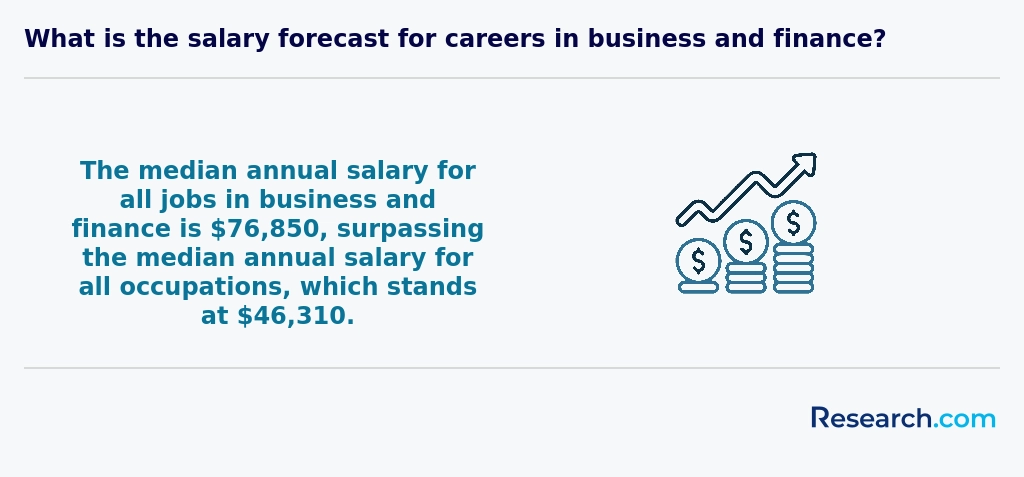
Graduates from finance programs at Virginia's well-regarded universities, like the University of Virginia or Virginia Tech, often start their careers earning between $55,000 and $65,000 annually, particularly in entry-level roles such as credit analysts or insurance underwriters. This baseline salary reflects both regional demand and the institution's strong industry connections, making it a realistic expectation for new graduates.
As these professionals gain experience, their earnings tend to rise significantly. Mid-career financial analysts and investment banking analysts in Virginia report average salaries around $112,950, reflecting their increased skills and value in the market. Graduates who pursue certifications like the CFA or CPA often secure roles with financial advisors or financial managers, whose average salaries can exceed $150,000 or $120,000 per year, respectively.
Many graduates share stories of leveraging internships and networking opportunities in Northern Virginia's bustling finance sector, where proximity to D.C. boosts both salary potential and career growth. Their journeys illustrate that with experience and strategic career moves, a finance degree in Virginia opens doors to rewarding and well-compensated positions.
2027 Most Popular Finance Degree Programs Ranking in Virginia
How do we rank schools?
Investing in your education is a significant decision that can shape your future, and the Research.com team understands the importance of making informed choices. To assist prospective students in Virginia, we have meticulously crafted the "2027 Most Popular Finance Degree Programs Ranking in Virginia." Our commitment to quality, credibility, and accuracy is reflected in the extensive research and analysis conducted to compile this ranking.
We utilized the following reputable data sources to ensure a comprehensive evaluation of finance degree programs:
By exploring this ranking, readers will gain valuable insights into the most popular finance degree programs available in Virginia, empowering them to make informed and confident decisions about their educational journeys. For more details on our methodology, please visit our Research.com methodology page.


Key Findings
- Average annual tuition in Virginia is about $13,000 for in-state public universities and can exceed $35,000 at private institutions.
- Starting salaries for finance graduates average around $58,000 per year, with mid-career professionals earning about $95,000 annually.
- Virginia's job market for finance includes opportunities in government, technology, financial services, and defense sectors.
- Key employment locations include Richmond, Virginia Beach, and the Northern Virginia area near Washington D.C.
- Many Virginia finance programs are accredited and offer resources to help students connect with local employers for internships and jobs.
How long does it take to complete finance degree in Virginia?
Completing a finance degree in Virginia generally takes about four years of full-time study, mirroring the national norm. Many graduates from respected institutions like the University of Virginia or Virginia Commonwealth University recall balancing core business courses with in-depth finance topics over eight semesters. This structured timeline helps students absorb key concepts like investments and corporate finance without feeling overwhelmed.
Some students find accelerated programs appealing, shaving a year off their studies by taking heavier course loads or summer classes. While this path demands discipline and energy, those who choose it often feel a rewarding sense of accomplishment and readiness to enter the workforce sooner.
Graduate programs, such as an MBA with a finance focus, extend the journey by one or two years, often pursued part-time by working professionals eager to enhance their expertise. This flexibility allows students at schools like George Mason University to tailor their education around career and life commitments.
Ultimately, Virginia's diverse options offer a balanced experience where students can progress at a pace that suits their ambitions and lives.
Professional Certifications to Advance Your Finance Career
Pursuing industry-recognized certifications can significantly elevate your credentials and earning potential as a finance graduate in Virginia. The Chartered Financial Analyst (CFA) charter is widely regarded as the gold standard for investment professionals, with a rigorous three-level exam series covering ethics, quantitative analysis, equity and fixed income, and portfolio management. Candidates typically spend 300 hours per level studying, and passing all three levels can open doors to roles such as portfolio manager or research analyst, where mean salaries often exceed $120,000 annually. For those passionate about personal financial planning, the Certified Financial Planner (CFP) designation offers specialized training in retirement, tax, and estate planning. To qualify, candidates must complete a CFP-board-approved educational program, pass a comprehensive exam, and demonstrate at least three years of relevant work experience. CFP professionals in Virginia report average starting salaries around $70,000, with opportunities to grow into advisory or executive roles. Risk-focused roles benefit from the Financial Risk Manager (FRM) certification, administered by the Global Association of Risk Professionals (GARP). The FRM exam is divided into two parts-Foundations of Risk Management and Advanced Risk Management-each requiring 150–200 hours of preparation. Holding an FRM can lead to positions such as risk analyst or chief risk officer, where specialized skills in market, credit, and operational risk command salaries upward of $110,000. Aspiring accountants often pursue the Certified Public Accountant (CPA) license, which in Virginia requires 150 credit hours, passing the Uniform CPA Exam, and meeting state-specific ethics requirements. CPAs find roles in auditing, tax, and consultancy, with median salaries around $95,000. Many finance students choose to complete preparatory coursework online or through evening classes; students seeking cost-effective options can explore our Most Affordable Finance Degree Programs Ranking in Georgia to compare tuition rates and program quality. By strategically selecting one or more of these certifications, you’ll not only deepen your expertise in key finance disciplines but also demonstrate commitment to continuous professional development-an essential factor employers look for when hiring and promoting top finance talent.
What's the difference between online and on-campus finance degree?
Finance students in Virginia often reflect on how the delivery method of their degree shaped their experience. Online programs at schools like Old Dominion University offer the flexibility to balance full-time jobs and family, with asynchronous classes that let learners dive into investment analysis or corporate finance whenever it fits their schedule. This freedom feels empowering, especially for those commuting long distances or already working in Richmond's financial sector.
Conversely, graduates from on-campus programs at universities such as the University of Virginia cherish the face-to-face interaction with professors and peers. These moments foster spontaneous discussions and access to on-site career fairs, which often lead to internships in Northern Virginia's financial hubs. The energy and networking opportunities on campus create a vibrant learning atmosphere that many say deepens their understanding of financial markets.
While online learners appreciate the cost savings and convenience, on-campus students value hands-on experiences and immediate access to university resources. Both paths demand dedication, but each offers unique advantages tied closely to Virginia's regional economy and lifestyle.
Emerging Trends and In-Demand Skills in Finance
As the finance landscape evolves, graduates must be equipped not only with traditional theoretical knowledge but also with cutting-edge skills that employers in Virginia and beyond are actively seeking. Integrating these trends into your choice of a finance degree can position you at the forefront of a competitive market. Key emerging trends and skills include:
- Data Analytics and AI: Programs that incorporate Python, R or SQL training enable students to perform sophisticated quantitative analysis and predictive modeling, a capability increasingly prized in roles ranging from risk management to corporate strategy.
- Environmental, Social and Governance (ESG) Investing: With sustainable finance gaining momentum, coursework in ESG criteria and impact measurement prepares graduates to design portfolios that balance profit and purpose.
- FinTech and Blockchain: Exposure to blockchain principles, digital payments, and robo-advisory platforms equips students to innovate in financial technology, from decentralized finance applications to automated wealth management tools.
- Regulatory Compliance and Cybersecurity: As regulations tighten and cyber threats rise, understanding frameworks like Dodd-Frank, GDPR and SOX-alongside basic cybersecurity protocols-ensures graduates can safeguard organizational assets and reputation.
- Soft Skills and Communication: Beyond technical prowess, employers value strong storytelling, negotiation and cross-functional collaboration. Programs emphasizing case competitions, group projects and presentations help refine these essential skills. By choosing a finance program that embeds these trends into its curriculum, students not only master core finance concepts but also develop a versatile skill set tailored to the evolving demands of the industry. For students considering specialized pathways such as financial advising, it’s important to explore the financial advisor career outlook to align academic preparation with real-world job prospects.
What is the average cost of finance degree in Virginia?
Understanding the average cost of finance degree in Virginia is crucial for planning your education journey wisely. For many students attending popular public universities, the median in-state total cost is approximately $16,388, which offers a realistic snapshot of what to expect when budgeting for tuition and fees. Graduates from well-known Virginia colleges recall that the financial investment felt manageable given the quality of education and support services they received, making the experience rewarding despite the costs.
Out-of-state students face higher expenses, with median total costs reaching nearly $49,461. This figure reflects tuition and fees that align with the experiences of those pursuing finance degrees at private institutions within the state, where costs can escalate further but often come with enhanced resources or networking opportunities. Many students emphasize that balancing these expenses with scholarships and financial aid can make a significant difference.
Finance degree tuition and fees Virginia often don't tell the whole story; additional living expenses such as housing and supplies can influence total costs profoundly. Recent graduates highlight the importance of accounting for these costs early, especially if you plan to live on or near campus. One student shared that despite the upfront cost, the investment paid off when securing internships, a fundamental part of the program that complements traditional coursework and prepares graduates for a competitive job market.
Exploring financial support options is always wise. Virginia's educational landscape offers several avenues for assistance, and students often feel encouraged by the opportunities available. For those eager to learn more about career prospects, reviewing the financial advisor career outlook can provide additional motivation and clarity during your decision-making process.

What financial aid is available to finance degree students in Virginia?
Many finance students in Virginia quickly realize that federal aid is the essential first step in making their education affordable. Completing the FAFSA unlocks opportunities like the Pell Grant, which offers up to $7,395 annually without repayment, a relief many graduates from the University of Virginia have appreciated during their studies. Federal Direct Loans also play a crucial role, providing manageable interest rates compared to private options, and Grad PLUS loans help graduate students bridge any financial gaps.
State-specific offerings add another valuable layer. For example, the Virginia Tuition Assistance Grant (TAG) has been instrumental for students at private colleges by significantly easing their tuition burden. Institutional scholarships from universities such as Virginia Commonwealth University, often based on merit and need, create meaningful differences for finance majors balancing academics and expenses.
Beyond traditional aid, many students find encouragement through employer-sponsored scholarships and work-study programs. These experiences not only ease costs but also cultivate practical skills, turning classroom knowledge into career readiness. The Virginia Society of Certified Public Accountants has supported scholarships that many alumni fondly recall as pivotal moments in their academic journey.
What are the prerequisites for enrolling in finance degree program in Virginia?
To enroll in a finance degree program in Virginia, you'll first need a solid academic foundation, usually a high school diploma or equivalent like a GED. Many students who've thrived at universities such as the University of Virginia or Virginia Commonwealth University recall how a strong background in math-especially algebra, geometry, and statistics-helped them feel confident tackling complex financial models and data analysis early on.
Standardized tests like the SAT or ACT remain a common expectation, with many public institutions looking for scores around 1100 on the SAT or a 22 to 25 ACT composite to consider an application competitive. Graduates often mention how submitting test scores, even when optional, strengthened their admissions prospects.
Beyond academics, letters of recommendation and personal statements play a vital role, revealing your genuine passion for finance and your motivation to excel. Many students share that these components allowed admissions committees at schools like James Madison University to see their potential beyond grades alone.
What courses are typically in finance degree programs in Virginia?
Students pursuing finance degrees in Virginia often find themselves immersed in courses that blend practical skills with solid theory. Graduates from prominent institutions, like the University of Virginia or Virginia Tech, often recall how foundational classes such as Corporate Finance and Investments provided clear frameworks for understanding everyday financial decisions-whether budgeting for a small business or evaluating stock options.
At these universities, courses like Financial Markets and Institutions bring abstract concepts to life by examining real-world banking systems and stock exchanges. This practical approach makes the material resonate deeply, helping students see how financial regulations affect the economy they live in.
Additionally, supporting subjects such as Managerial Accounting and Business Law enrich the learning experience, equipping students to navigate complex corporate environments confidently. Many graduates appreciate how learning financial modeling and econometrics sharpened their analytical skills, enabling them to interpret data with confidence in both academic projects and internships.
Tailored electives like international finance or risk management also allow students to align their education with personal career dreams, reflecting the flexibility and depth offered by Virginia's programs.
What types of specializations are available in finance degree programs in Virginia?
Finance degree specializations in Virginia offer students a diverse range of options to focus their studies according to their career goals. Graduates from universities in Richmond and Northern Virginia often reflect on how specializations like Corporate Finance prepared them for managing company budgets and capital structures, while those focusing on Investment Banking and Financial Markets gained hands-on experience in trading and portfolio management through local internships. These practical opportunities enhance understanding and foster confidence in real-world financial environments.
Another popular concentration is Financial Planning and Wealth Management, ideal for students aiming to counsel clients on retirement plans and asset allocation. Many find Virginia's Risk Management and Insurance track particularly relevant, given the state's expanding financial services sector, providing a practical edge that connects academic theory with the local job market. For those with strong numerical aptitude, Quantitative Finance offers rigorous training in analytics and computational methods.
Students researching their options often consult rankings like the Most Affordable Finance Degree Programs Ranking in Georgia to compare cost and quality. Choosing the right finance degree specialization in Virginia involves balancing personal interest with industry demand, a decision well supported by the state's vibrant financial landscape.
How do you choose the best finance degree in Virginia?
Choosing the best finance degree programs in Virginia means looking beyond just the name of the school to the real experience behind the curriculum. Graduates from institutions like the University of Virginia often reflect on how AACSB accreditation and strong faculty expertise helped them gain confidence in complex subjects like investment analysis and risk management. Many students appreciate programs that offer hands-on experiences, such as internships in bustling financial hubs like Richmond and Northern Virginia, which bring classroom theories to life.
Affordability plays a crucial role too. Affordable finance colleges in Virginia provide opportunities without overwhelming debt, especially for in-state students balancing tuition with living expenses in cities like Fairfax. Reflecting on one's own career goals also means considering flexible course options; for example, some have found that enrolling in the fastest online bachelor's degree for working adults helps maintain a stable income while completing their studies.
What career paths are available for finance degree students in Virginia?
Graduates with a finance degree in Virginia discover a spectrum of career paths shaped by the state's dynamic economy. Many find rewarding roles as financial analysts, evaluating investments with confidence nurtured by their education at well-regarded institutions like the University of Richmond or Virginia Commonwealth University. These graduates feel a strong connection to the practical aspects of their work, seeing their analyses influence real company decisions. Exploring the broader finance degree career opportunities in Virginia reveals that many also excel as financial advisors, accountants, risk managers, or credit analysts, each pathway offering distinct challenges and satisfaction.
Students from colleges known for strong finance programs frequently share how opportunities in Northern Virginia's financial hubs provide valuable exposure to sectors like commercial and investment banking. Some graduates mention the advantage of earning certifications such as CFA or CPA, which makes their skill sets even more compelling in the competitive job market. For those balancing studies and life, considering online college classes open enrollment has been a practical stepping stone to advancing their careers.
The top finance jobs for Virginia graduates reflect a landscape of steady growth and vibrant professional engagement, mirroring the state's encouraging 6% projected job increase for finance roles through the next decade.
What is the job market for finance degree in Virginia?
Graduates holding a finance degree in Virginia often find a robust job market welcoming them, shaped by the state's diverse economy and its strategic location near financial hubs like Washington, D.C. Many graduates from universities such as Virginia Commonwealth University report that their education opened doors to varied roles-ranging from budget analysts in government agencies to financial analysts in growing tech companies-reflecting the encouraging Virginia finance career outlook 2027.
For those navigating finance degree job opportunities in Virginia, hands-on experiences through internships offered by local institutions create valuable connections with employers in banking, investment firms, and insurance sectors. These real-world engagements often translate into jobs with competitive salaries, with financial analysts earning well above the national average, fostering a positive outlook for newcomers.
Prospective students should weigh the cost of education against potential career rewards; for instance, public universities provide accessible tuition rates compared to private colleges. Choosing the right path is also about finding programs that prioritize practical training and networking. Exploring high paying bachelor degrees can help clarify these decisions and enhance career prospects.
Frequently Asked Questions About finance
Finance degree students in Virginia can maximize their learning experience by combining classroom education with practical exposure. Engaging in internships with local firms, such as those in Richmond's growing financial sector, offers valuable real-world insights. According to the Virginia Employment Commission, the finance industry employs over 50,000 professionals statewide, highlighting strong job prospects for graduates.
Participating in student finance organizations and attending industry networking events can also enhance understanding and career connections. Additionally, students should leverage resources at Virginia's public universities, many of which provide access to advanced financial software and databases. Combining theory with hands-on practice can significantly improve skills and employability.
Emerging niches within the finance field reflect the evolving economic landscape in Virginia and the U.S. One rapidly growing area is financial technology, or fintech, which blends finance with innovative technology solutions. Virginia's proximity to tech hubs like Washington D.C. supports job growth in digital payments and blockchain applications. According to the U.S. Bureau of Labor Statistics, roles in fintech-related finance are expected to grow by over 8% nationally through 2030.
Environmental, social, and governance (ESG) investing is another expanding specialty. Investors increasingly demand sustainable and socially responsible options, pushing finance professionals to develop expertise in these criteria. The CFA Institute highlights ESG as a priority skill in today's market.
Finally, data analytics and risk management continue to rise in importance. Finance degrees focusing on big data analysis equip graduates to assess complex financial risks, essential in Virginia's dynamic industries.
To prepare for the job market after completing a finance degree in Virginia, students should focus on developing practical skills alongside their academic knowledge. Gaining internships with local financial institutions or government agencies is crucial, as these experiences provide real-world insights and networking opportunities.
Virginia hosts a significant number of finance-related employers, including firms in Richmond and Northern Virginia, where the Bureau of Labor Statistics reported over 60,000 financial analyst jobs in 2023. Engaging in professional certifications such as the CFA or CFP can also enhance employability.
Additionally, leveraging university career services and attending finance industry events in Virginia may help graduates connect with potential employers. Building a strong LinkedIn profile and staying informed about state economic trends supports successful job placement.
Employers in Virginia seeking finance degree graduates prioritize strong analytical and quantitative skills. According to the Virginia Economic Development Partnership, proficiency in data analysis and financial modeling is essential for careers in this competitive market. Graduates must also demonstrate effective communication abilities to explain complex financial information clearly to clients and stakeholders.
The ability to use financial software such as Excel, QuickBooks, and Bloomberg Terminal is highly valued. Additionally, understanding regulatory environments and compliance issues is critical due to Virginia's diverse economic sectors, including banking and government contracting.
Critical thinking and problem-solving skills enable graduates to adapt to rapidly changing markets, contributing to their success in this region's finance industry.
Finding internships in Virginia related to a finance degree involves a combination of research, networking, and utilizing university resources. Virginia's diverse economy includes strong finance sectors in cities like Richmond and Fairfax, home to banks, investment firms, and government agencies. Students should explore internship listings on university career centers and websites such as Handshake, which connect employers with students actively seeking internships.
Building connections through finance-related student organizations and attending career fairs can increase internship opportunities. According to the Virginia Employment Commission, finance and insurance jobs grew by 3.5% in 2023, indicating a healthy market for internships in the field.
A finance degree in Virginia significantly enhances career mobility and advancement opportunities. According to the U.S. Bureau of Labor Statistics, financial analysts in Virginia earned a median annual wage of $89,290 in 2022, surpassing the national average. This degree equips graduates with critical skills in investment analysis, financial planning, and risk management, which are highly valued across industries.
The state's growing sectors, including banking, insurance, and government agencies, actively seek finance professionals for leadership roles. Furthermore, many employers in Virginia prioritize candidates with relevant degrees for promotions, especially in competitive markets like Richmond and Northern Virginia.
Networking through local finance associations and internships also contributes to upward mobility.
Studying for a finance degree in Virginia equips students with skills applicable across multiple industries. Virginia's universities emphasize integrating finance with economics, data analytics, and business management. This interdisciplinary approach prepares graduates for roles in corporate finance, government agencies, and technology firms.
The state's strong presence in sectors like cybersecurity, defense, and federal contracting creates unique opportunities for finance students to apply analytical and quantitative skills in diverse environments. For example, the U.S. Bureau of Labor Statistics notes growth in financial analyst jobs in Virginia at a rate consistent with national trends.
Curricula often include hands-on projects, internships, and collaborations with other departments, enriching students' problem-solving abilities.
Choosing between a thesis and a non-thesis finance degree program in Virginia depends largely on your career goals and learning preferences. A thesis program typically suits students interested in research or pursuing a PhD. It involves conducting original research and writing a substantial paper under faculty supervision, which can enhance critical thinking and analytical skills.
Non-thesis options usually emphasize coursework and practical skills, ideal for those targeting immediate professional roles in finance sectors like banking or investment management. According to the National Center for Education Statistics, Virginia awards over 1,000 finance-related degrees annually, many from programs offering both paths.
Consider your preferred balance between research and coursework, and check specific Virginia universities' offerings and requirements to make an informed choice.
Students based in Virginia looking to study finance abroad have several pathways facilitated by their home institutions. Many Virginia universities, including the University of Virginia and Virginia Tech, offer exchange programs or faculty-led study abroad options in key financial hubs such as London and Singapore. These programs often last one semester, allowing students to earn credits toward their finance degrees while gaining international exposure.
Participation in programs accredited by the AACSB (Association to Advance Collegiate Schools of Business) ensures that coursework abroad meets rigorous academic standards. According to the Institute of International Education, roughly 10% of business students at Virginia institutions engage in some form of study abroad, with finance students benefitting from global financial market insights and networking opportunities.
Virginia students can also explore programs sponsored by organizations like the Benjamin A. Gilman International Scholarship, which provides funding specifically for U.S. undergraduates to study abroad. These options enhance understanding of international finance regulations and practices, crucial for careers in multinational firms or financial services.
Virginia offers diverse part-time job opportunities that complement finance degree education, providing practical experience alongside academic studies. Students often find roles as financial interns, assisting with budgeting, forecasting, and data analysis in businesses. According to the Virginia Employment Commission, finance-related internships and assistant positions have grown by 7% over recent years.
Another common role is banking assistant positions in local branches, where students engage with customer account management and learn loan processing basics. Firms in financial hubs like Richmond and Fairfax actively seek finance students for part-time roles in bookkeeping and auditing support.
These jobs help develop skills crucial for certifications such as CFA or CPA, enhancing employability post-graduation. Combining coursework with relevant part-time work can significantly improve understanding of Virginia's dynamic financial sector.
Finance students in Virginia benefit from numerous networking opportunities that enhance their academic and professional growth. Many universities, such as the University of Virginia and Virginia Commonwealth University, offer access to finance clubs and honor societies that organize events with local professionals. These activities help students build relationships and gain industry insights.
Additionally, Virginia's proximity to Washington, D.C., provides access to finance conferences, internships, and job fairs hosted by major financial firms and government agencies like the Federal Reserve Bank of Richmond. According to the Virginia Economic Development Partnership, finance and insurance sectors contributed over $33 billion to the state's economy in recent years, making networking crucial for career entry.
Alumni networks offer valuable resources for finance degree students in Virginia by connecting them with experienced professionals in the field. These networks often provide mentorship opportunities, helping students gain insights into finance careers and industry trends.
Virginia's strong presence in finance, particularly in Northern Virginia and Richmond, enhances the benefits of such connections, as alumni may work in key sectors like banking, investment, and government finance. According to the Virginia Economic Development Partnership, finance and insurance represent one of the state's largest employment sectors, making these networks vital for job placement.
Students can access job leads, internships, and professional events through alumni platforms, which often improve employment outcomes. Universities in Virginia typically maintain active alumni associations, facilitating these valuable interactions to support career growth.
Students pursuing a finance degree in Virginia can customize their education through elective courses, concentrations, and internship opportunities. Many universities in the state offer specialized tracks such as corporate finance, investment management, or financial planning. This allows students to tailor their studies to specific career paths.
Virginia's diverse economy, which includes strong finance sectors in Richmond and Northern Virginia, provides ample internship options that help integrate practical experience with academic learning. The Bureau of Labor Statistics reports that Virginia's finance-related jobs are expected to grow about 6% from 2022 to 2032, emphasizing demand for specialized skills.
Additionally, students can enhance their profile by pursuing certifications such as CFA or CFP alongside their degrees.
Finance students in Virginia commonly face several challenges during their studies. One major difficulty is keeping up with the rapidly changing financial regulations and market trends that directly impact coursework. Staying current requires continuous learning beyond textbooks.
Another challenge is managing the analytical and quantitative skills required for success. Many students report struggling with advanced mathematics, statistics, and data analysis, essential for financial modeling and forecasting.
Virginia's competitive job market also pressures students to gain relevant internships and networking opportunities. According to the Virginia Economic Development Partnership, areas like Northern Virginia have a dense concentration of finance roles, increasing competition among graduates.
Finally, balancing tuition costs, which average about $12,000 annually for in-state students in public universities, with living expenses in urban centers like Richmond or Arlington remains a significant concern.
A finance degree from a Virginia institution opens the door to multiple professional certifications that enhance career prospects in the state and nationwide. A popular choice is the Chartered Financial Analyst (CFA) designation, recognized globally and valuable for investment management roles.
Another well-regarded certification is the Certified Financial Planner (CFP), ideal for careers in personal financial advising. Virginia's growing financial services sector, particularly around Richmond and Northern Virginia, benefits from professionals holding these credentials.
Additionally, finance graduates can pursue the Financial Risk Manager (FRM) certification, increasingly relevant given the evolving regulatory environment. The Certified Public Accountant (CPA) license is also viable for graduates focusing on corporate finance and accounting roles.
These certifications typically require passing exams and meeting work experience criteria, with resources often available through Virginia-based professional chapters. According to the U.S. Bureau of Labor Statistics, finance jobs in Virginia are projected to grow by 6% through 2031, highlighting the value of these credentials.
Writing a winning application for a finance program in Virginia requires clear focus and preparation. Start by highlighting your academic background, especially in math and economics, as strong quantitative skills are essential in finance. Virginia schools, such as the University of Virginia and Virginia Tech, value applicants with a solid GPA, typically above 3.3, and relevant coursework.
Work experience or internships in banking, investing, or financial analysis can set you apart. According to the Virginia Economic Development Partnership, the finance sector employs over 150,000 workers statewide, so practical experience indicates readiness for the field.
Craft a compelling personal statement explaining your career goals in finance and why Virginia's programs align with your aspirations. Demonstrating knowledge about the local financial industry or firms like Capital One, headquartered in McLean, can impress admissions committees.
Finally, strong recommendation letters from professors or employers familiar with your analytical abilities can be crucial. Meeting all admission requirements and submitting materials before deadlines also ensures your application is considered thoroughly.
Finance careers are increasingly influenced by global economic trends and international markets. For students in Virginia, understanding global finance is essential, as many companies engage in cross-border trade and investments. The U.S. Bureau of Labor Statistics projects a 16% growth in financial analyst jobs nationally from 2022 to 2032, reflecting demand for professionals who can navigate global markets.
Virginia's strategic location near Washington, D.C., also provides unique insights into international finance policies and regulations. Institutions such as the Federal Reserve Bank of Richmond often contribute data and research that shape global financial strategies. Finance graduates with global perspectives are well-positioned for careers in multinational corporations, financial institutions, and government agencies.
Gaining practical experience while studying for a finance degree in Virginia is key to building marketable skills. Many universities, including the University of Virginia and Virginia Commonwealth University, offer internship partnerships with local financial institutions and corporations. These internships provide valuable, hands-on experience in areas such as investment analysis, risk management, and financial planning.
Students can also participate in finance clubs and student-run investment funds, which simulate real-world trading and portfolio management. According to a 2023 report by the Virginia Economic Development Partnership, the state hosts over 1,500 finance and insurance companies, offering ample opportunity for student placements.
Additionally, Virginia schools often provide cooperative education (co-op) programs that alternate classroom learning with full-time work experience. These programs help students apply theoretical knowledge in practical settings while building professional networks before graduation.
Choosing the right concentration within a finance degree program in Virginia involves assessing your career goals and the state's growing industries. Popular options include corporate finance, investment analysis, and financial planning. According to the Virginia Economic Development Partnership, sectors like banking, government finance, and technology-driven startups heavily influence local job markets.
Review the curriculum offered by Virginia institutions and ensure it aligns with in-demand skills such as data analytics and risk management. Speaking with academic advisors and professionals working in Virginia's finance sector can provide practical insights. Additionally, consider internships that local banks or firms may offer to gain relevant experience while studying.
Related Finance Rankings for Nearby States
- 2027 Most Popular Finance Degree Programs Ranking in Maryland
- 2027 Most Popular Finance Degree Programs Ranking in Kentucky
- 2027 Most Popular Finance Degree Programs Ranking in Delaware
- 2027 Most Popular Finance Degree Programs Ranking in Georgia
- 2027 Most Popular Finance Degree Programs Ranking in Indiana
- 2027 Most Popular Finance Degree Programs Ranking in Florida
- 2027 Most Popular Finance Degree Programs Ranking in Alabama
- 2027 Most Popular Finance Degree Programs Ranking in Connecticut
- 2027 Most Popular Finance Degree Programs Ranking in Massachusetts
- 2027 Most Popular Finance Degree Programs Ranking in Missouri
Top Trending Finance Rankings
See What Experts Have To Say About Studying Finance
Read our interview with Finance experts

H. Kent Baker
Finance Expert
Professor at Department of Finance and Real Estate
American University

Andrew Karolyi
Finance Expert
Dean of the Cornell SC Johnson College of Business
Cornell University

Jason James Sandvik
Finance Expert
Assistant Professor of Finance
University of Arizona

References
- Why Alumni Networks Matter in Business School: 7 Reasons https://europe.ceibs.edu/article/why-alumni-networks-matter-business-school
- Getting a Finance degree: All you need to know https://www.study.eu/article/getting-a-finance-degree-all-you-need-to-know
- FINANCE AND BANKING (THESIS / NON-THESIS) - Lisansüstü Eğitim Enstitüsü https://lee.nisantasi.edu.tr/en/finance-and-banking-thesis-non-thesis-2/
- Top Ways to Leverage a Finance Degree – AP Professionals Rochester https://rochesterap.com/top-ways-to-leverage-a-finance-degree/
- Your Guide to Getting a Job in Finance https://www.mountunion.edu/academics/undergraduate-degrees/finance/your-guide-to-getting-a-job-in-finance
- How to Get a Finance Internship with No Experience – 365 Financial Analyst https://365financialanalyst.com/career-advice/how-to-get-a-finance-internship-with-no-experience/
- Major and Options | Finance Club at VT https://www.financeclubvt.com/major-and-options
- Exploring Alternative Finance Careers: Niche Opportunities in Cambridge's Dynamic Sector https://www.cavillrobinson.co.uk/blog/2023/07/exploring-alternative-finance-careers-niche-opportunities-in-cambridges-dynamic-sector
- Best programs to become a financial in Virginia https://clema.ai/virginia/occupations/financial-and-investment-analysts
- Must-Have Skills for Accounting & Finance Graduates Entering Singapore’s Competitive Job Market https://www.lsbf.edu.sg/blog/accountancy-and-finance/must-have-skills-for-accounting-finance-graduates-entering-singapores-competitive-job-market


