2027 Most Affordable Finance Degree Programs Ranking in New Hampshire

Co-Founder and Chief Data Scientist
Choosing the right finance degree program can feel overwhelming, especially with so many options in New Hampshire. This article introduces the 2027 Most Affordable Finance Degree Programs Ranking in New Hampshire, carefully created by the Research.com team of data scientists.
By exploring this ranking, you'll gain clear insights into affordable programs that offer strong value. Earning a finance degree opens doors to a rewarding career and financial confidence. Whether you're starting fresh or returning to school, this guide helps you make a smart, informed decision that fits your goals and budget.
Key benefits of getting finance degree in New Hampshire
- Salary for finance degree graduates: Graduates can earn competitive salaries, such as a Financial Advisor with a mean annual wage of $150,670 or a Credit Analyst earning around $94,750 annually, offering strong financial stability in New Hampshire.
- Career paths: A finance graduate from the University of New Hampshire can pursue diverse roles like Financial Analyst, Investment Banking Analyst, or Insurance Underwriter, each providing opportunities for growth and rewarding work.
- Online degree benefits: Earning a finance degree online from institutions like Southern New Hampshire University allows flexibility for working students and reduces costs while maintaining quality education and excellent career prospects.
- 2027 Most Affordable Finance Degree Programs Ranking in New Hampshire
- What can I expect from finance degree in New Hampshire?
- Where can I work with finance degree in New Hampshire?
What can I expect from finance degree in New Hampshire?
When diving into finance degrees in New Hampshire, one exciting discovery is the affordability of education. Graduates from institutions like the University of New Hampshire often share how manageable tuition costs made their academic journey feel less stressful and more focused on learning. On average, public universities in the state offer in-state tuition rates between $10,000 and $15,000 annually. This range provides a gateway for many students aiming to master financial strategies without overwhelming debt.
Imagine walking through the halls of the Peter T. Paul College of Business and Economics, where practical lessons on portfolio management and market trends come alive. Many students find internships with local banks or tech firms, funded in part by university partnerships, making each dollar spent on tuition an investment with real-world returns.
The combination of solid academic training and reasonable costs invites adventurous learners to confidently explore finance, knowing they're supported financially and academically in New Hampshire's vibrant economic landscape.
Where can I work with finance degree in New Hampshire?
With a finance degree earned at institutions like the University of New Hampshire or Southern New Hampshire University, graduates embark on exciting career journeys across the state. Imagine stepping into a bustling office at Citizens Bank in Manchester, applying your skills as a financial analyst, making strategic decisions that shape loans and investments.
Others find their thrill navigating the insurance world, joining companies such as Liberty Mutual in Portsmouth. Here, you might analyze risk or craft policies ensuring families and businesses are protected, feeling the satisfaction that comes from real impact.
Some graduates dive into vibrant investment firms in Nashua, advising clients or managing portfolios-each day filled with fresh challenges and chances to grow. And not to forget corporate finance departments in industries from healthcare to tech, where budgeting and forecasting become thrilling puzzles that fuel business success.
Even adventurous spirits have found rewarding roles in state government, managing public funds and contributing to New Hampshire's communities. Studying finance here means being part of a dynamic, supportive network ready to open doors to multiple paths.
Graduates holding a finance degree from New Hampshire universities like the University of New Hampshire often find themselves stepping into a world of promising salary possibilities. For instance, financial analysts, a popular career choice, can expect to earn about $112,950 annually according to the latest data, which reflects both local demand and regional economic strengths.
Early career graduates starting as credit analysts or insurance underwriters might see salaries around $94,750 and $85,610 respectively, offering an encouraging entry point into financially rewarding roles. Imagine a recent graduate navigating their first year as a financial advisor-this path can elevate earnings to an impressive $150,670 per year, showcasing the value of advanced skill-building and certifications obtained during studies or shortly after.
These figures highlight the vibrant career landscape for finance students in New Hampshire's cities like Manchester or Durham, where finance graduates feel the exciting pulse of both local businesses and national firms. Here, the blend of competitive salaries and manageable living costs encourages a confident leap into the financial sector, inspiring graduates to explore diverse industries and roles with enthusiasm.
- Annual tuition for finance programs in New Hampshire averages $14,000 for in-state students at public universities and about $36,000 at private colleges.
- Early career salaries for finance graduates typically start around $55,000 annually, with experienced professionals earning an average of $85,000 or more.
- The finance and insurance sector in New Hampshire employs over 20,000 workers, showing steady demand for finance skills.
- Finance degrees often include internships and co-op programs to provide practical experience and local networking opportunities.
- In-state tuition rates and financial aid options help make finance degrees more affordable for students in New Hampshire.
Completing a finance degree in New Hampshire usually takes around four years for full-time students, especially at well-known schools like the University of New Hampshire or Southern New Hampshire University. Imagine a student diving into 120 to 130 credit hours, balancing classes, projects, and campus life, all within this energetic four-year journey.
Some graduates share stories of stretching their studies beyond four years, juggling evening classes or online courses to fit work and family life. These flexible paths at New Hampshire institutions create a welcoming, adaptable adventure rather than a rigid timeline.
For those aiming higher, a Master's or MBA focusing on finance often adds one to two years-offering an intensive, yet rewarding challenge. A few brave learners even accelerate their journey, finishing advanced degrees in just a single year.
In New Hampshire, internships woven into coursework might add time, but students treasure the real-world experience gained-turning classroom lessons into exciting career-ready skills.
Internships and networking form the cornerstone of a successful finance career, offering students hands-on experience and valuable industry connections before graduation. In New Hampshire, many finance programs partner with local banks, investment firms, and nonprofit organizations to provide internships that align closely with academic coursework. Students often spend a semester working alongside seasoned professionals, conducting financial analyses, assisting with portfolio management, or supporting risk assessment teams. These real-world experiences not only reinforce classroom learning but also help build résumés that stand out to future employers. Networking events, such as on-campus career fairs and finance club mixers, create additional pathways for students to engage with industry leaders. Finance departments frequently host guest speakers from major New England firms, offering insights into current market trends and recruitment processes. Active participation in organizations like the New Hampshire Society of Financial Analysts or Beta Alpha Psi can further expand professional networks, connecting students with mentors who guide their early career decisions. For those exploring flexible learning options beyond state lines, comparative data can be found in our Affordable Online Finance Degree Programs Ranking in the Midwest, which highlights virtual internship opportunities and virtual networking events that complement traditional experiences. By leveraging both in-person and online platforms, finance students in New Hampshire can cultivate the practical skills and professional relationships essential for thriving in today’s competitive job market.
Choosing between an online and an on-campus finance degree in New Hampshire unlocks two distinct adventures in learning. Imagine a graduate juggling work and family who thrives on the freedom of an online finance program, attending lectures anytime, anywhere, and connecting through virtual forums. This flexibility resonates with many across the state, offering a chance to master finance concepts without uprooting their lives.
On the other hand, picture a student walking the vibrant halls of the University of New Hampshire in Durham, soaking up knowledge face-to-face. These on-campus learners dive into hands-on internships and lively discussions in finance labs, building real-world skills and relationships that spark excitement and confidence.
Costs also weave into the story: on-campus tuition for in-state students typically ranges from $15,000 to $30,000 annually, while online options may trim expenses by cutting out campus fees, yet keep similar tuition prices per credit. Whether it's the buzzing campus energy or the cozy corner of a home office, New Hampshire students tailor their journey to what motivates and fits them best.
When deciding on a finance degree program in New Hampshire, it’s important to understand how it differs from an economics degree, as each path cultivates distinct skills and career opportunities. Finance programs emphasize practical financial management, investment strategies, and risk assessment, preparing graduates for roles like financial analyst, portfolio manager, or corporate treasurer. Economics degrees, by contrast, focus on theoretical models, data analysis, and policy impacts, equipping students for careers in economic research, consulting, or public policy. Curriculum structure also varies: finance majors delve into courses such as corporate finance, investment analysis, and financial markets, honing quantitative skills and decision-making under uncertainty. Economics students study macroeconomics, microeconomic theory, and econometrics, developing strong analytical and statistical expertise. Understanding these curricular nuances can help you align your personal strengths-whether you enjoy hands-on financial modeling or empirical research-with the right program. Career trajectories further highlight the contrast. Finance graduates often enter private sector roles that involve managing assets, advising clients, and optimizing corporate capital structures. Economics graduates may pursue positions in government agencies, think tanks, or international organizations, where they analyze trends, forecast economic outcomes, and shape policy. Both paths offer lucrative opportunities, but the day-to-day responsibilities and workplace cultures can differ significantly. For a deeper exploration of these academic and professional distinctions, review our detailed guide on the key differences between finance and economics degree programs. This resource will help you make an informed choice based on your career goals, learning preferences, and long-term aspirations.
The average finance degree cost in New Hampshire often surprises new students eager to dive into the world of numbers and markets. On average, pursuing a finance degree here costs around $40,124, reflecting a blend of tuition, fees, and living expenses. In-state students at popular institutions like the University of New Hampshire enjoy a more approachable price tag, with costs close to $17,200, making the dream of a finance career feel within reach. Graduates often recall the excitement mixed with financial planning as they balanced tuition with books, housing, and daily expenses.
Private colleges can stretch this number higher, but many students find creative paths to manage expenses, like scholarships or part-time jobs. Granite State College's flexible, online finance programs caught the attention of those craving balance and couldn't resist its tuition model based on credit hours, which often trimmed overall costs. This variety in pricing and programs adds vibrant options for students, turning what could be a daunting financial investment into an adventure filled with strategic choices.
For those curious about the key differences between finance and economics degree programs, understanding the cost landscape is essential to making an informed decision. With a vivid sense of opportunity, many New Hampshire students feel empowered to embark on this educational journey, knowing their investment sparks pathways into the thriving local finance sector.
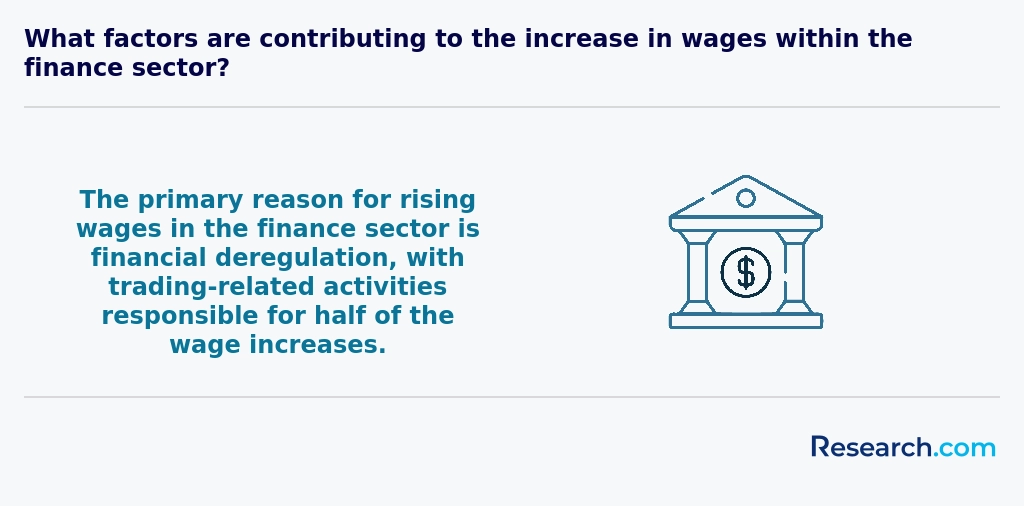
Diving into the world of finance degrees in New Hampshire opens a gateway to diverse financial aid adventures. At the University of New Hampshire, for instance, many graduates recall securing the Federal Pell Grant, which offers up to $7,395 without the pressure of repayment. This grant often forms the cornerstone of their funding journey, making the $17,000 in-state tuition feel far less daunting.
Then there's the charm of the New Hampshire Tuition Break Program. Imagine attending a neighboring state's public university at a buddy price, easing the financial squeeze while still chasing your finance dreams close to home. It's a lifeline for ambitious students eager to explore beyond their state borders.
Institutional scholarships at colleges like Southern New Hampshire University sparkle with promise, rewarding leadership or academic excellence. Graduates fondly remember how these merit- or need-based awards slashed their bills, fueling their passion without the burden of excessive loans.
Complementing these are federal loans and work-study jobs, offering valuable skills and income. Private scholarships and employer tuition assistance add even more possibilities, painting an encouraging picture for finance students ready to embark on their educational quest.
Dreaming of diving into the world of finance in New Hampshire? Your journey begins with some straightforward but essential steps. Imagine a recent graduate from the University of New Hampshire recalling how meeting the basic requirement of a high school diploma or GED opened the door to exciting opportunities in finance. Beyond this, having a strong grip on math-algebra, calculus, and statistics-felt like unlocking a treasure chest as these skills powered their success in analyzing markets and investments.
Many programs ask for standardized test scores like the SAT or ACT, though at places like UNH, submitting these is becoming optional-letting your passion and experiences shine instead. Official transcripts are your academic passport, showing you're ready to tackle finance's challenges. Undergrads often aim for a GPA between 2.5 and 3.0 to stand out, while graduate hopefuls, say at Dartmouth's business school, prepare by securing a bachelor's degree and strong GRE or GMAT scores.
Students also share how letters of recommendation and personal essays became powerful ways to convey their drive and fit for this dynamic field, making the admissions process feel like an exciting chapter in their finance adventure.
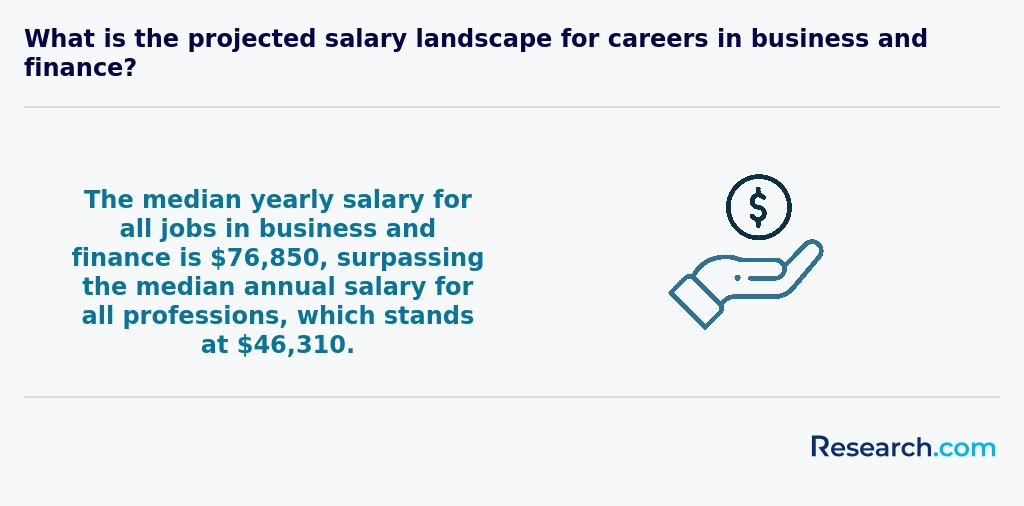
Diving into a finance degree in New Hampshire means embarking on a dynamic journey through courses that blend theory with real-world application. At well-known institutions like the University of New Hampshire, students eagerly tackle core subjects such as financial accounting and economics, unlocking how money flows within markets locally and globally.
Imagine mastering investment decisions in corporate finance classes, where graduates recall lively discussions about crafting strategies for businesses to grow and thrive. Portfolio management courses add excitement by teaching how to balance risk and reward, a skill that resonates strongly with New Hampshire's expanding financial scene.
- Business statistics and quantitative methods sharpen analytical skills, helping students interpret economic trends confidently
- Financial markets and institutions reveal the inner workings of banks and insurance firms, all crucial players in the state's economy
- International finance prepares adventurous learners for cross-border deals and currency challenges
- Risk management courses focus on protecting assets through innovative strategies like derivatives
- Ethics in finance underscores the importance of responsible, transparent decision-making
Finance students from local colleges often highlight how these courses empower them to navigate complex problems with curiosity and confidence, gearing up for rewarding careers in New Hampshire's vibrant financial landscape.
Diving into finance degree specializations in New Hampshire reveals a rich palette of options that spark enthusiasm among students eager to shape their financial futures. At the University of New Hampshire, for example, graduates often share how the Financial Planning and Wealth Management track gave them confidence handling real-world scenarios like retirement and estate planning, feeling empowered as they prepared for certification as financial planners.
Other students exploring the best finance concentration options New Hampshire offers find Corporate Finance particularly exciting, applying concepts like risk management and capital budgeting through practical projects aligned with local industry trends. Meanwhile, those drawn to numbers and markets thrive in Investment Analysis and Portfolio Management, honing skills for certifications such as the CFA. For the adventurous, the FinTech specialization taps into cutting-edge technology-blockchain, digital payments, and data analytics-offering a modern twist that resonates with New Hampshire's evolving economy.
Curious learners can also see Risk Management and Insurance specialization students getting hands-on experience, assessing risks much like professionals in the region's banks and regulatory agencies. The diverse offerings invite students to tailor their path and join the energetic community of finance majors thriving across New Hampshire's campuses.
For those exploring options beyond local campuses, resources like the Affordable Online Finance Degree Programs Ranking in the Midwest can also provide valuable insights into accessible study paths.
Choosing the best affordable finance degree programs New Hampshire offers starts with diving into curriculums that connect theory with real-world finance. Graduates from universities like the University of New Hampshire often share how hands-on experiences-such as financial modeling projects and internships with local banks in Durham-gave them confidence stepping into their careers. Accreditation plays a huge role; knowing your program is recognized by bodies like NECHE or AACSB can reassure you that the education quality is top-notch and respected across the country.
Cost-wise, many students find public institutions in New Hampshire more budget-friendly, balancing tuition with living expenses in cities like Manchester. Graduates often highlight how scholarships and financial aid made attending these schools possible without sacrificing quality. Exploring the top finance schools in New Hampshire for cost means weighing these factors carefully, including opportunities to gain practical skills and career network access.
Networking matters as much as coursework. Programs connected to local financial sectors can open internship doors, shaping your professional journey. Curious learners should also explore 1 year graduate programs that fit a fast-paced lifestyle while maintaining strong ties to New Hampshire's finance community.
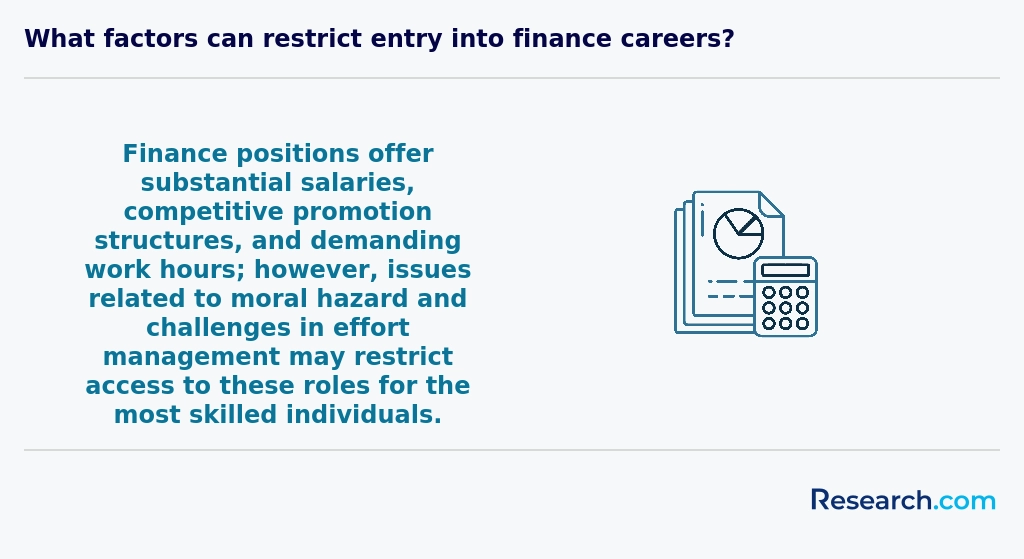
Unlocking finance degree jobs in New Hampshire reveals a thrilling range of career paths shaped by the state's vibrant economic sectors. Graduates from institutions like the University of New Hampshire often find themselves diving into roles as financial analysts, where they translate complex data into smart investment strategies right in Manchester's growing financial hubs. Others embark on journeys as accountants and auditors, meticulously examining records to keep New Hampshire's businesses running smoothly while earning competitive salaries.
Exploring career opportunities for finance graduates New Hampshire also means considering financial planners who guide residents toward secure futures, reflecting a genuine connection to the community's growing focus on personal wealth management. Many graduates embrace the dynamic world of banking and loan officers, offering critical support to the region's established banks through risk assessment and credit analysis. Plus, the proximity to Boston's financial powerhouse invites adventurous financiers to expand their horizons beyond state lines.
For those weighing the cost of education, it's worth noting that selecting a program such as at the University of New Hampshire, with its relatively affordable in-state tuition, can ease financial stress. This allows students to focus on their future careers rather than debt. Curious learners seeking the easiest degree to get in finance can find tailored opportunities here, blending quality education with accessible pathways to success.
The finance degree job outlook New Hampshire offers an intriguing blend of stable opportunities and growing industries. Graduates from well-known schools like the University of New Hampshire and Southern New Hampshire University often find themselves drawn into dynamic roles within the state's bustling cities such as Manchester or Concord. Picture a recent graduate landing a financial analyst position at a local investment firm, excited by the prospect of contributing to community growth while building a rewarding career. This sense of real-world impact adds a vibrant layer to the academic experience.
New Hampshire finance salary and employment reflect a favorable balance between earnings and lifestyle. Graduates typically find competitive salaries, with many starting around $55,000 to $65,000 and climbing toward the state median of about $85,000. Coupled with internships and hands-on experiences, finance students enjoy the confidence of stepping into roles that value their skills and energy. If you're curious about which majors can lead to lucrative roles, finance stands tall among the top money making majors.
2027 Most Affordable Finance Degree Programs Ranking in New Hampshire
Investing in your education is a significant decision that can shape your future, and the Research.com team understands the importance of making informed choices. To assist prospective students, we have meticulously crafted the "2027 Most Affordable Finance Degree Programs Ranking in New Hampshire." Our commitment to quality, credibility, and accuracy is reflected in the extensive research and analysis conducted to compile this ranking.
We utilized the following reputable data sources to ensure a comprehensive evaluation of finance degree programs:
By exploring this ranking, readers will gain valuable insights into the most affordable finance degree programs available in New Hampshire, helping them make informed decisions about their educational investment. For more details on our methodology, please visit our Research.com methodology page.


Frequently Asked Questions About finance
Finance degree students in New Hampshire can maximize their learning experience by actively engaging with local industry opportunities. New Hampshire's economy strongly supports finance, banking, and insurance sectors, with Portsmouth and Manchester hosting several financial institutions. Students should pursue internships and cooperative education programs offered through colleges such as the University of New Hampshire (UNH), which has connections to regional employers.
Joining finance-related student organizations and attending events hosted by the New Hampshire Bankers Association or Financial Planning Association can provide networking and practical insights. Utilizing resources like UNH's Paul College Career Center helps students prepare for the CFA or CFP certifications, enhancing job prospects within the state's competitive market.
The finance field is evolving rapidly, with new niches emerging that reflect technological advances and changing market demands. In New Hampshire, growing sectors include financial technology (fintech), sustainable investing, and data analytics. Fintech combines finance and digital innovation, creating roles in blockchain, mobile payments, and cybersecurity.
Sustainable investing appeals to students interested in environmental, social, and governance (ESG) criteria, increasingly important for firms nationwide. According to the U.S. Bureau of Labor Statistics, demand for financial analysts specializing in ESG is expected to rise by 6% over the next decade.
Data analytics in finance is another expanding area, with firms in New Hampshire seeking professionals skilled in interpreting large datasets to improve decision-making and risk management.
After completing a finance degree in New Hampshire, preparation for the job market is essential. Graduates should engage in internships with local financial firms, as practical experience increases employability. According to the New Hampshire Department of Business and Economic Affairs, the state's financial services sector contributes over $4 billion annually, highlighting strong regional demand.
Networking is another key step. Attending industry events and joining professional associations, such as the New Hampshire Chapter of the CFA Institute, can provide valuable connections. Additionally, obtaining finance-related certifications like the CFA or CFP can give candidates an advantage in competitive fields.
Graduates must also develop technical skills, especially in financial modeling and data analysis software like Excel, Python, and Bloomberg Terminal. New Hampshire's employment projections indicate stable growth for financial analysts through 2030, so continuous learning will be important to adapt to evolving market needs.
Employers in New Hampshire seek finance graduates with strong analytical and quantitative skills. Proficiency in data analysis, financial modeling, and familiarity with tools like Excel and Bloomberg Terminal are highly valued. According to the New Hampshire Department of Employment Security, attention to detail and problem-solving abilities rank among the top skills requested by regional finance firms.
Communication skills, both written and verbal, are critical for finance professionals who must explain complex financial information clearly to clients and colleagues. Additionally, ethical judgment and knowledge of regulatory environments, such as SEC rules, are essential given the increasing regulatory scrutiny nationwide.
Furthermore, adaptability and proficiency with technology, including financial software and emerging fintech, enhance a graduate's employability in New Hampshire's competitive finance sector.
Finding internships in New Hampshire for finance students involves strategic research and leveraging local resources. Many universities in the state, such as the University of New Hampshire and Southern New Hampshire University, have career centers that facilitate internship placements with regional banks, investment firms, and insurance companies.
Students should also explore opportunities through the New Hampshire Bankers Association, which connects interns with over 60 banks statewide. According to recent New Hampshire Department of Employment Security data, finance and insurance sectors have sustained steady growth, increasing internship availability.
Networking events and finance-specific job fairs held in Manchester and Concord provide valuable contacts. Additionally, websites like Handshake and the New Hampshire Jobs website list local internships tailored to finance majors.
A finance degree in New Hampshire can significantly enhance career mobility and advancement, particularly within the state's growing financial sector. According to the U.S. Bureau of Labor Statistics, finance-related roles in New Hampshire are projected to grow by 6% from 2022 to 2032, slightly faster than the national average. This growth supports opportunities for graduates to move into higher-paying positions such as financial analysts, advisors, or managers.
Employers in New Hampshire value the analytical and quantitative skills developed through finance programs, often seeking candidates for roles in banking, insurance, and investment firms based in cities like Manchester and Nashua. Having a degree also increases chances for promotions and lateral moves within companies, aiding long-term career development.
Studying for a finance degree in New Hampshire equips students with versatile skills that apply across multiple fields. Programs emphasize quantitative analysis, economics, and risk management, fostering analytical thinking useful in business, technology, and public sectors.
Many universities in the state integrate coursework from accounting, marketing, and information systems to broaden perspectives. This multidisciplinary approach prepares graduates for roles requiring collaboration between finance and other departments. For example, understanding data analytics enhances decision-making abilities in finance-related positions.
According to the New Hampshire Department of Labor, finance professionals in the state often engage with technology-driven industries, making interdisciplinary knowledge valuable. Overall, these programs create adaptable graduates ready for complex roles.
Choosing between a thesis and a non-thesis finance degree program in New Hampshire depends largely on your career goals and learning preferences. A thesis option typically suits students interested in research, academia, or specialized finance roles, requiring original research and a comprehensive paper. Non-thesis programs often focus on practical skills, internships, and coursework, making them ideal for students aiming to enter the workforce quickly.
According to the New Hampshire Department of Education, finance graduates in the state earn an average starting salary of around $58,000, with research skills valued in advanced roles. Programs at institutions like the University of New Hampshire offer both formats, allowing flexibility based on professional aspirations.
Students in New Hampshire seeking to study finance abroad have several practical options facilitated by their home institutions. Many New Hampshire colleges, including the University of New Hampshire, offer exchange programs or partnerships with international universities, allowing students to earn credits while immersed in global markets. These programs are typically available for one semester to a full academic year.
Another option is to enroll in accredited online finance degree programs from foreign universities. This enables adherence to U.S. accreditation standards while gaining a global perspective. According to the Institute of International Education, around 20% of finance students in the U.S. participate in some form of study abroad or international learning experience, reflecting a growing interest among New Hampshire students.
Furthermore, scholarships and financial aid specific to study abroad initiatives often target finance majors. Resources such as the Benjamin A. Gilman International Scholarship may help New Hampshire students offset overseas study costs, making international finance education more accessible.
Students pursuing finance degrees in New Hampshire can find several part-time job opportunities aligned with their studies. Roles such as financial clerks, bank tellers, and accounting assistants are common and provide practical experience in managing finances, budgets, and transactions.
New Hampshire's financial sector, particularly concentrated in Manchester and Nashua, offers internships and part-time roles in banks, credit unions, and insurance firms. According to the U.S. Bureau of Labor Statistics, financial occupations in New Hampshire are projected to grow by 5% through 2030, indicating a steady demand.
Working part-time in these roles supports understanding of financial regulations, data analysis, and customer service, directly complementing academic knowledge.
Finance students in New Hampshire benefit from several networking opportunities through local universities and professional organizations. Schools like the University of New Hampshire offer finance clubs and events, hosting guest speakers from the state's financial industry. These gatherings enable students to connect with experienced professionals and alumni.
The New Hampshire Bankers Association and the New Hampshire Business Finance Authority provide additional platforms for networking through conferences and workshops. According to the Bureau of Labor Statistics, New Hampshire's finance and insurance sector employs over 15,000 people, highlighting strong industry presence and connections for students.
Participation in internships within the state's growing financial firms is common, fostering practical relationships early in careers.
Alumni networks in New Hampshire offer valuable resources for finance degree students. These networks provide connections to industry professionals, which can lead to internships and job opportunities in the state's growing financial sector. According to the New Hampshire Department of Business and Economic Affairs, finance and insurance jobs grew by 4.3% from 2019 to 2023, highlighting industry expansion.
Students benefit from mentorship programs through alumni, gaining insight into local market trends. Networking events often facilitated by alumni associations help students build relationships that may accelerate career advancement. These connections are crucial in a competitive job market like New Hampshire's.
In New Hampshire, students can tailor their finance degree programs by selecting electives aligned with specific career goals such as investment banking, financial planning, or corporate finance. Many institutions offer concentrations or minors in areas like risk management, real estate, or accounting, allowing deeper focus. Internships within New Hampshire's growing financial sector provide practical experience and networking opportunities, vital for career advancement. Additionally, schools often partner with local firms in Manchester and Nashua, key financial hubs. According to the New Hampshire Department of Business and Economic Affairs, these cities host over 200 finance-related companies, enhancing professional prospects for graduates.
Finance students in New Hampshire often face challenges related to limited local networking opportunities. Unlike larger financial hubs, the state's smaller market means fewer internships and entry-level roles specifically in finance. According to the New Hampshire Employment Security report, the finance sector employment growth is steady but modest, impacting practical job experience availability during studies.
Academic rigor is another challenge. Finance programs require strong math and analytical skills, and some students struggle with complex subjects like quantitative analysis or financial modeling. Balancing coursework with part-time work is common, especially since in-state tuition averages around $15,000 annually, which can strain finances.
Finally, access to specialized finance technology and software may be limited in some institutions, which can affect hands-on learning.
With a finance degree in New Hampshire, graduates can pursue various professional certifications to boost their career prospects. Popular certifications include the Certified Financial Planner (CFP), which is crucial for those interested in personal financial planning. Another key credential is the Chartered Financial Analyst (CFA), highly respected for investment management roles.
The Certified Public Accountant (CPA) credential is also valuable, especially if your focus includes accounting or auditing within finance. Additionally, the Financial Risk Manager (FRM) certification can be pursued for expertise in risk management.
These certifications require passing standardized exams and meeting experience criteria, aligned with standards set by professional bodies such as the CFP Board, CFA Institute, and GARP. Earning these credentials can significantly increase job opportunities in New Hampshire's finance sector, as reported by the New Hampshire Department of Employment Security.
Applying for a finance program in New Hampshire requires careful preparation to stand out. Start by researching programs at institutions like the University of New Hampshire, which offers strong connections to local financial industries. Admissions committees typically look for a solid academic record in mathematics and economics, so highlight relevant coursework and any related accomplishments.
Personal statements should clearly explain your interest in finance and how the program aligns with your career goals. Including knowledge of New Hampshire's financial sector, such as its growing banking and insurance industries, demonstrates regional awareness and commitment.
Strong letters of recommendation from teachers or employers familiar with your quantitative skills also enhance your application. Finally, meet all deadlines and ensure your application materials are error-free and professionally presented to increase your chances significantly.
Finance careers are highly valued worldwide, reflecting the critical role of financial management in global economies. In the United States, including New Hampshire, finance professionals often engage in activities like investment analysis, risk management, and corporate finance.
Globally, a finance degree provides access to diverse markets and industries, fostering skills that are transferable across borders. U.S. graduates are particularly competitive due to the emphasis on quantitative methods and regulatory understanding in their education.
According to the U.S. Bureau of Labor Statistics, financial analyst jobs are projected to grow 10% from 2022 to 2032, a trend echoed in New Hampshire, where financial services represent a significant employment sector. This stability appeals to students seeking long-term career prospects with international relevance.
Gaining practical experience while studying for a finance degree in New Hampshire is essential for career readiness. Many state universities connect students with local businesses and financial institutions through internships. For instance, the New Hampshire Bankers Association often collaborates with colleges to offer internship opportunities, providing real-world exposure in banking and finance.
Additionally, some programs encourage participation in finance clubs and student-run investment funds, allowing hands-on portfolio management practice. Career centers at institutions like the University of New Hampshire frequently host networking events and workshops, helping students build industry contacts.
Engaging in federal work-study jobs or part-time roles in finance-related departments can also develop relevant skills during study.
Choosing the right concentration within a finance degree program in New Hampshire involves evaluating your career goals and the local job market. Common options include corporate finance, investment management, and financial planning. Each path requires different skills and offers varied opportunities.
Consider New Hampshire's economy, which has a growing financial services sector concentrated in cities like Manchester and Nashua. According to the New Hampshire Employment Security, jobs in finance and insurance grew by 3.5% from 2021 to 2023, highlighting demand for expertise in this field.
Additionally, research programs' curriculum and internship opportunities that align with your interests. Practical experience in local firms can enhance employability after graduation.
- 2027 Most Affordable Finance Degree Programs Ranking in Massachusetts
- 2027 Most Affordable Finance Degree Programs Ranking in Maine
- 2027 Most Affordable Finance Degree Programs Ranking in New York
- 2027 Most Affordable Finance Degree Programs Ranking in Connecticut
- 2027 Most Affordable Finance Degree Programs Ranking in New Jersey
- 2027 Most Affordable Finance Degree Programs Ranking in Delaware
- 2027 Most Affordable Finance Degree Programs Ranking in Maryland
- 2027 Most Affordable Finance Degree Programs Ranking in Kentucky
- 2027 Most Affordable Finance Degree Programs Ranking in Michigan
- 2027 Most Affordable Finance Degree Programs Ranking in Florida
See What Experts Have To Say About Studying Finance
Read our interview with Finance experts

Jason James Sandvik
Finance Expert
Assistant Professor of Finance
University of Arizona

Ekaterina Potemkina
Finance Expert
Assistant Professor of Finance
Indiana University

H. Kent Baker
Finance Expert
Professor at Department of Finance and Real Estate
American University

- 10 Challenges of Financial Management & How to Overcome Them https://itservices.saglobal.com/blogs/10-challenges-finance-teams-face/
- Top Ways to Leverage a Finance Degree – AP Professionals Rochester https://rochesterap.com/top-ways-to-leverage-a-finance-degree/
- Granite Edvance https://graniteedvance.org/
- How to Get a Finance Internship with No Experience – 365 Financial Analyst https://365financialanalyst.com/career-advice/how-to-get-a-finance-internship-with-no-experience/
- Navigating financial challenges in higher education - Office for Students https://www.officeforstudents.org.uk/publications/navigating-financial-challenges-in-higher-education/
- International Finance (English) Master Programme (Thesis and Non-Thesis) - GRADUATE SCHOOL OF TRADE AND FINANCE https://ticaret.edu.tr/ticaret-ve-finans-enstitusu/en/ma-in-international-finance/
- Best programs to become a financial in New Hampshire https://clema.ai/new-hampshire/occupations/financial-and-investment-analysts
- Upgrade to Global Finance Major: What It Is & Why It Matters https://pages.riley-eyewear.com/riley-eyewear/global-finance-major-what-it-is-and-why-it-matters-1767646948
- Level up your finance future - propel your career with our MBA in Financial Management! https://www.daad.pl/pl/university-ad/coburg-hs-fm-260414/
- What studies are needed to work in finance? https://www.monaco.edu/en/everything-you-need-to-know-about-the-role-of-an-hse-manager-duties-studies-and-salary-2-2-3-2/