
2027 Most Affordable Finance Degree Programs Ranking in New York

Co-Founder and Chief Data Scientist
Choosing the right finance degree program in New York can feel overwhelming, especially when cost is a big concern. This article introduces the 2027 Most Affordable Finance Degree Programs Ranking in New York, carefully developed by the Research.com team of data scientists.
By exploring this ranking, you'll gain clear insights to help you find programs that offer great value without compromising quality. Pursuing a finance degree opens doors to exciting career opportunities and financial independence.
Reading on will empower you to make an informed, confident decision about your education and future.
Key benefits of getting finance degree in New York
- Salary for finance degree graduates: Graduates in New York can expect strong earning potential, with mean annual wages like $150,670 for Financial Advisors and $112,950 for Financial Analysts, reflecting rewarding financial careers.
- Career paths: A finance graduate from a popular New York university can explore diverse roles such as Credit Analyst, Investment Banking Analyst, and Insurance Underwriter, each offering unique opportunities to grow and specialize.
- Benefits of online finance degrees: Earning a finance degree online from a well-known New York institution offers great flexibility, allowing students to balance work and study while gaining skills that employers value in a competitive job market.
- Key benefits of getting finance degree in New York
- What can I expect from finance degree in New York?
- Where can I work with finance degree in New York?
- How much can I make with finance degree in New York?
- 2027 Most Affordable Finance Degree Programs Ranking in New York
- Key Findings
- How long does it take to complete finance degree in New York?
- Return on Investment: Calculating Your Finance Degree Payback Period
- What's the difference between online and on-campus finance degree?
- What is the average cost of finance degree in New York?
- What financial aid is available to finance degree students in New York?
- Application Process and Key Deadlines
- What are the prerequisites for enrolling in finance degree program in New York?
- What courses are typically in finance degree programs in New York?
- What types of specializations are available in finance degree programs in New York?
- How do you choose the best finance degree in New York?
- What career paths are available for finance degree students in New York?
- What is the job market for finance degree in New York?
- Top Trending Finance Rankings
- See What Experts Have To Say About Studying Finance
What can I expect from finance degree in New York?
Attending finance programs in New York means navigating a range of tuition costs shaped by the city's diverse university landscape. On average, public institutions offer a more budget-friendly path-think of schools like Baruch College, where tuition is considerably lower than private counterparts, making it a beacon for students eager to dive into finance without overwhelming debt.
Graduates from Columbia University or New York University often share how the higher tuition feels like an investment steeped in opportunity-access to powerful networks and internships right in the heart of the financial district. While their costs soar closer to $60,000 per year, they highlight the value of learning amid iconic institutions, where practical exposure blends with academic rigor.
Financial aid and scholarships frequently come into play, softening the financial load and sparking hope for many. Students cherish the chance to explore internships on Wall Street or financial hubs nearby, turning those steep costs into gateways for career growth and an energized start in finance.
Where can I work with finance degree in New York?
Graduates from finance programs at institutions like NYU Stern or Baruch College dive into a vibrant world of career possibilities throughout New York City's bustling financial ecosystem. Imagine stepping into the fast-paced environment of Wall Street, where many find roles in investment banks or private equity firms, honing skills in trading, risk analysis, or mergers and acquisitions.
A finance degree also unlocks paths beyond traditional banking. Graduates often join tech startups or large corporations across Manhattan and Brooklyn, managing corporate budgets, financial planning, and reporting. The city's fintech scene, thriving near campuses, offers thrilling chances to work with blockchain or digital banking innovations-perfect for those eager to blend finance with tech breakthroughs.
Some grads take the public route, contributing to governmental offices like the New York State Comptroller's Office, focusing on auditing and public budgeting. Others thrive in consulting firms or accounting agencies, enjoying varied projects that sharpen advisory or tax expertise-all while earning competitive salaries that reflect the city's dynamic market and cost of living.
How much can I make with finance degree in New York?
Graduates with a finance degree from New York's top schools, like NYU or Columbia, often find themselves stepping into high-paying roles right after graduation. Imagine landing your first job as a financial analyst with a mean annual salary of about $112,950, which is notably above the national average. For recent grads, starting salaries typically range from $65,000 to $75,000, but with the city's financial pulse, these figures quickly climb.
Those aiming for investment banking can expect even more thrilling prospects. An investment banking analyst in New York earns around $112,950 annually on average, with bonus structures often boosting total pay beyond $120,000 within a few years-an adventure well worth the effort.
Consider financial advisors too, whose mean wages hit an impressive $150,670 in this market. Throughout their careers, many alumni from New York colleges share stories of rapid growth fueled by local demand and elite networking opportunities.
Whether analyzing credits, advising clients, or diving into Wall Street's fast pace, a finance degree in New York offers both exciting challenges and rewarding financial futures for adventurous graduates eager to explore the city's vibrant finance sector.
2027 Most Affordable Finance Degree Programs Ranking in New York
How do we rank schools?
Investing in your education is a significant decision that can shape your future, and the Research.com team understands the importance of making informed choices. To assist prospective students in New York, we have meticulously crafted the "2027 Most Affordable Finance Degree Programs Ranking in New York." Our commitment to quality, credibility, and accuracy is reflected in the extensive research and analysis conducted to compile this ranking.
We utilized the following reputable data sources to ensure a comprehensive evaluation of finance degree programs:
By exploring this ranking, readers will gain valuable insights into the most affordable finance degree programs available in New York, helping them make well-informed decisions about their educational investments. For more details on our methodology, please visit our Research.com methodology page.


# 3 position
Touro University
Bachelor of Science in Finance

# 4 position
Berkeley College-New York
Bachelor of Science in Finance


Key Findings
- Annual tuition for a finance bachelor's degree in New York is about $10,000 at public universities for in-state students and $40,000 to $60,000 at private schools.
- Entry-level finance graduates in New York typically earn between $65,000 and $75,000 per year.
- Mid-career finance professionals in New York report salaries ranging from $90,000 to $120,000.
- Experienced finance workers with over 10 years in the field can earn more than $150,000 annually.
- Employment for financial analysts in New York is expected to grow faster than the national average over the next decade.
How long does it take to complete finance degree in New York?
Diving into a finance degree in New York usually means committing to about four years if you're enrolling full-time as an undergraduate. Imagine yourself walking the vibrant campuses of Baruch College or New York University, where most students follow this path, completing roughly 120 to 130 credit hours packed with both core finance classes and broad academic explorations. Some adventurous students speed things up, squeezing their degree into three intense years by adding summer classes or extra courses during regular semesters-a thrilling challenge that tests your dedication and passion for finance.
Graduate students embracing the world of finance in New York, like those at NYU Stern or Columbia's business schools, often find themselves immersed in one or two years of full-time study. Part-time or online options add flexibility, stretching time to earn a degree to three or more years, perfect for balancing work and life while chasing those big financial dreams with excitement and purpose.
Return on Investment: Calculating Your Finance Degree Payback Period
When evaluating the 2024 Most Affordable Finance Degree Programs in New York, NY, it’s vital to consider not only tuition costs but also the time it takes to recoup your investment. Return on investment (ROI) is typically measured by dividing your total education expenses-tuition, fees, and living costs-by your expected annual starting salary. For example, if you spend $100,000 on a bachelor’s program and your first-year salary is $95,000, your payback period is just over one year. On average, finance graduates in New York command starting salaries around $92,000–$96,000, while annual living expenses can range from $18,000 to $25,000. Assuming a conservative debt load of $80,000 and a combined cost of $110,000 after living expenses, most students break even within 1.2–1.5 years. By contrast, programs with lower tuition but fewer networking opportunities may extend your payback period, so it’s critical to weigh both cost and career support. Maximizing ROI doesn’t stop at graduation. Leveraging internships, mentorships, and alumni networks can accelerate your salary growth, while targeted financial aid or scholarships can reduce upfront costs. Factor in private grants or state aid like TAP and Excelsior to lower your debt burden and shorten your break-even timeline. For graduates eyeing specialized careers-such as roles in economic research-understanding your ROI lays the groundwork for further credentials. If you’re considering advanced positions like an economist, explore our guide on economist how to become to align long-term earning potential with educational investment.
What's the difference between online and on-campus finance degree?
Imagine walking the lively halls of NYU's Stern School of Business, exchanging ideas face-to-face with professors and classmates, or attending bustling networking events in Manhattan's financial district. This is the quintessential on-campus experience-immersed in a vibrant community where internships and direct industry connections come to life. Graduates often cherish these moments, recalling how the city's energy fueled their passion for finance.
Now, picture attending Baruch College remotely, juggling coursework on your own schedule while balancing a part-time job or family commitments. The online finance degree offers this liberating flexibility, allowing students to learn investment analysis or corporate finance from anywhere in New York State or beyond. Many online learners appreciate diving deep into complex subjects without the commute, fitting studies around their unique rhythms.
Costs and time also differ. While on-campus students might face $10,000+ tuition plus housing and transit, online programs at public schools sometimes ease the financial load. Plus, online courses often let you accelerate or slow your progress, tailoring the journey to your life.
What is the average cost of finance degree in New York?
Exploring the average cost of finance degree programs in New York reveals a fascinating balance between investment and opportunity. Graduates from popular finance schools in New York City often recall that the median total cost hovers around $67,800, a figure that brings to life the vibrant mix of tuition, fees, and living expenses. For in-state students, this cost can be somewhat lower, averaging near $51,800, making the dream of studying finance in iconic institutions more accessible while still offering rich academic experiences.
Imagine the energetic weeks at a private university where tuition competes with city living costs-graduates speak fondly of late-night study sessions fueled by the city's energy and the invaluable networking opportunities that finance programs here uniquely provide. The total tuition and fees for finance degrees NY include this dynamic environment, blending financial commitment with the excitement of living in one of the world's financial capitals.
Living expenses, often a surprise to many, weave into this story closely. Room, board, and daily essentials add layers to the experience, but also to the wallet. Many students praise how scholarships and financial aid lessen the burden, helping them focus on skills and knowledge rather than just cost. For those dreaming about a career path after graduation, resources linked to economist how to become offer guidance that makes the journey feel achievable and inspiring.
What financial aid is available to finance degree students in New York?
Imagine starting your finance journey at a bustling New York college, like Baruch College or NYU, with the weight of tuition looming overhead. Luckily, many grads remember how federal aid, such as Pell Grants offering up to $7,395, gave them a crucial financial boost without adding debt. Then there are low-interest federal student loans with flexible repayment plans-perfect for those who want manageable monthly payments once they land their first finance job.
State programs make a big difference too. For residents at schools like St. John's University, the Tuition Assistance Program (TAP) can cover up to $6,470 annually, while the Excelsior Scholarship eliminates tuition costs entirely for families earning up to $125,000. Many finance students reflect on how these helped ease their worries, allowing them to focus on mastering markets and portfolios.
Beyond government aid, institutional scholarships at New York's finance-focused universities, often partnered with financial firms, reward academic excellence and need. This real-world support weaves a safety net that turns dreams of becoming a financial analyst or banker into achievable adventures.
Application Process and Key Deadlines
To secure your spot in a finance degree program in New York, NY, it’s essential to understand the typical application steps and timelines. Most institutions open applications for fall admission between September and November of the prior year, with deadlines ranging from January 15 to March 1. Spring term applications often close by October 1. Here’s a streamlined guide: 1. Research and Compare Programs – Review program offerings and formats (on-campus vs. online). If you’re considering a fully online track, compare deadlines and admission requirements with our Affordable Online Master’s in Finance Degree Programs Ranking in Michigan. 2. Gather Required Materials – Transcripts: Official high school or prior college transcripts. – Test Scores: SAT/ACT for bachelor’s; GMAT/GRE for master’s (if required). – Recommendations: Two to three academic or professional references. – Personal Statement: A 500–750 word essay outlining career goals and why New York’s finance ecosystem matters to you. 3. Submit FAFSA and Financial Aid Forms – Complete the FAFSA by March 1 to maximize eligibility for federal grants and loans. New York residents should also apply for TAP by May 1. 4. Interview and Portfolio (if applicable) – Some programs, especially master’s tracks, may require a short video interview or a finance case-study portfolio. Schedule these by February. 5. Admission Decision and Deposit – Decisions are typically released between March and April. To secure your place, submit any required enrollment deposit (usually $300–$500) by May 1 for fall entry. By mapping out these steps early, you’ll avoid last-minute rushes and ensure you meet each program’s unique deadlines-setting the stage for a seamless transition into your finance education in New York.
What are the prerequisites for enrolling in finance degree program in New York?
Diving into a finance degree in New York means gearing up with a blend of academic chops and real-world readiness. Graduates from institutions like Baruch College and NYU often recall the challenge and thrill of meeting the typical entry bar: a high school diploma paired with solid math skills, especially in statistics or calculus. Imagine tackling those SAT math sections-scores between 600 and 700 open doors to competitive programs here, boosting confidence as you prepare to crunch numbers alongside some of the brightest minds on campus.
Letters of recommendation and personal statements aren't just formalities; they become your story, showcasing internships or finance-related experiences that turn application forms into reflections of your journey. For graduate hopefuls eyeing schools across New York, having an undergraduate degree with economics or finance coursework, plus a GMAT above 600, sets a bold stage, combining academic success with practical insight.
And participants appreciate how financial planning is woven into the experience, with tuition varying-from around $10,000 annually for in-state public universities to much higher at private ones-making the adventure as much about managing resources as mastering finance itself.

What courses are typically in finance degree programs in New York?
Diving into a finance degree in New York feels like unlocking a vault of knowledge tailored for the bustling world of Wall Street and beyond. Students at prominent New York universities often begin their journey mastering Financial Accounting, where they learn to decode real company reports-imagine analyzing the earnings of a major bank right in your classroom. Courses in Corporate Finance bring excitement as you explore how iconic firms decide on investments and growth strategies, directly tying lessons to the city's dynamic business landscape.
Investment Analysis stands out as many grads recall the thrill of building portfolios that mimic top asset managers, while Financial Markets and Institutions provide a front-row seat to understanding the engines that keep New York's economy racing.
Universities also immerse students in economics and quantitative methods, helping you make sense of the rapid market fluctuations seen on the trading floors nearby. Electives like Risk Management and International Finance open doors to global finance adventures, fueling dreams about careers that extend from Manhattan's heart to markets worldwide.
What types of specializations are available in finance degree programs in New York?
Diving into finance degree specializations in New York opens a world of dynamic opportunities tailored to ambitious students. Graduates from prominent New York institutions often recall how Corporate Finance courses challenged them to master capital budgeting and strategic planning, skills sharpened amidst the city's bustling business environment. Another thrilling specialization is Investment Management, where students thrive managing assets and interpreting portfolio theory-experiencing firsthand the city's remarkable finance scene through local internships at top investment firms.
Risk Management and Financial Analytics excite students who enjoy deciphering complex data and navigating regulatory frameworks, crucial in a city famous for its rigorous compliance standards. Those drawn to personal wealth strategies often explore Financial Planning, applying knowledge to real-life scenarios like retirement and tax planning. Alternatively, the pulse of New York's real estate market brings Real Estate Finance to life with property valuation and investment analysis.
Students interested in the breadth of specializations should consider exploring options through programs ranked in the Affordable Online Master's in Finance Degree Programs Ranking in Michigan to find comparable pathways that suit their financial and professional goals.
How do you choose the best finance degree in New York?
Choosing the best affordable finance degree programs New York offers means diving into the heart of a vibrant financial ecosystem. Picture yourself walking through a bustling Manhattan campus known for its strong ties to Wall Street, where graduates recall how specialized courses on real estate finance and corporate risk management gave them a tangible edge during internships. These programs don't just teach theory-they immerse you in the pulse of global finance.
How to choose a finance degree in New York? Look beyond just tuition costs-consider flexible options like part-time or online classes that fit busy lives, similar to what many students at renowned colleges have experienced. Graduates often highlight how connections with major financial firms helped launch their careers amidst the city's competitive landscape.
For those eager to explore quick career boosts, don't overlook the best 6 month online courses that pay well, which can complement your degree or serve as an alternative.

What career paths are available for finance degree students in New York?
Graduates with a finance degree in New York often find themselves navigating an exciting array of career paths. From bustling trading floors near Wall Street to innovative fintech startups across the city, the opportunities feel endless. Many who studied at well-known institutions like NYU or Columbia share stories of landing roles as financial analysts or investment bankers, carving out futures on the frontlines of global finance. These jobs, marked by dynamic challenges and rewarding growth, form just part of the puzzle.
Others dive into roles such as portfolio managers or risk managers, sharpening skills that turn complex data into strategic decisions. With New York's expanding fintech scene, graduates find thrilling ways to innovate-from blockchain to payment solutions-making fintech a hotspot for those eager to reshape finance. Networking through internships at these universities often opens doors, reflecting the vibrant finance career opportunities in New York.
Besides traditional finance, many explore paths in corporate treasury or insurance, tapping into the city's diverse economy. For those seeking to boost credentials, pursuing professional designations complements their degree. To explore additional learning options, students often check out courses that pay well, fueling their ambitions with practical skills and knowledge.
What is the job market for finance degree in New York?
The job market for finance degree holders in New York buzzes with dynamic energy, fueled by the city's role as a premier global financial hub. Graduates from institutions like New York University's Stern School of Business or Baruch College often share stories of securing internships at top investment banks, where they dive into real-world projects that sharpen their skills. The diversity of opportunities-from financial analyst roles to fintech startups-means the New York finance graduate employment outlook is bright and full of promise.
Entry-level salaries typically range between $55,000 and $75,000, and with experience, financial professionals often see median earnings rise above $90,000 annually. Finance degree job opportunities in New York also extend into regulatory compliance, a sector growing thanks to proximity to bodies such as the New York State Department of Financial Services. Many students find that pairing their degree with certifications like the CFA opens even more doors.
Cost-conscious students can explore low cost doctoral programs or affordable public universities such as CUNY, balancing expenses with the city's promising job market to embark on rewarding careers filled with challenge and excitement.
Frequently Asked Questions About finance
Finance degree students in New York can maximize their learning experience by combining academic study with practical exposure. New York is the financial capital of the United States, hosting major firms like Goldman Sachs and JPMorgan Chase, which means numerous internship opportunities are available through local universities.
Engaging in internships not only provides hands-on experience but also helps build professional networks. According to the National Association of Colleges and Employers, 62% of finance graduates in New York secure employment through internship connections.
Additionally, students should take advantage of finance-related clubs and workshops offered by institutions. Participating in stock market simulations and case competitions enhances analytical and decision-making skills.
Access to New York's robust financial news ecosystem, including resources such as The Wall Street Journal and Bloomberg terminals on campus, further enriches learning.
The finance field in New York is evolving rapidly, with several emerging niches attracting growing attention. One notable area is fintech, which merges finance and technology to innovate services like mobile payments, blockchain, and robo-advisors. New York City ranks as a major fintech hub, hosting over 350 companies as of 2023, according to Fintech Magazine.
Another promising niche is sustainable finance, focusing on investments that promote environmental and social governance (ESG) criteria. Interest in ESG funds increased by 50% in New York-based firms between 2020 and 2023 (NY State Department of Financial Services).
Additionally, quantitative finance, which applies mathematical models to market trading, plays a crucial role in Wall Street firms. This specialization demands expertise in data science and programming, reflecting the growing influence of artificial intelligence in finance.
Preparing for the job market after earning a finance degree in New York requires strategic planning and practical experience. New York City hosts the largest concentration of financial services jobs in the U.S., with the sector accounting for nearly 8% of the city's private sector employment according to the NYC Comptroller's office.
Students should focus on internships with banks, investment firms, or financial consultancies during their studies. These opportunities provide essential real-world experience and networking connections that often lead to full-time positions.
Additionally, obtaining certifications like the CFA (Chartered Financial Analyst) can enhance credibility and job prospects in New York's competitive finance industry, where approximately 190,000 finance-related jobs are projected through 2029 per the Bureau of Labor Statistics.
Networking events and finance-focused career fairs in New York also offer valuable chances to connect directly with employers and recruiters.
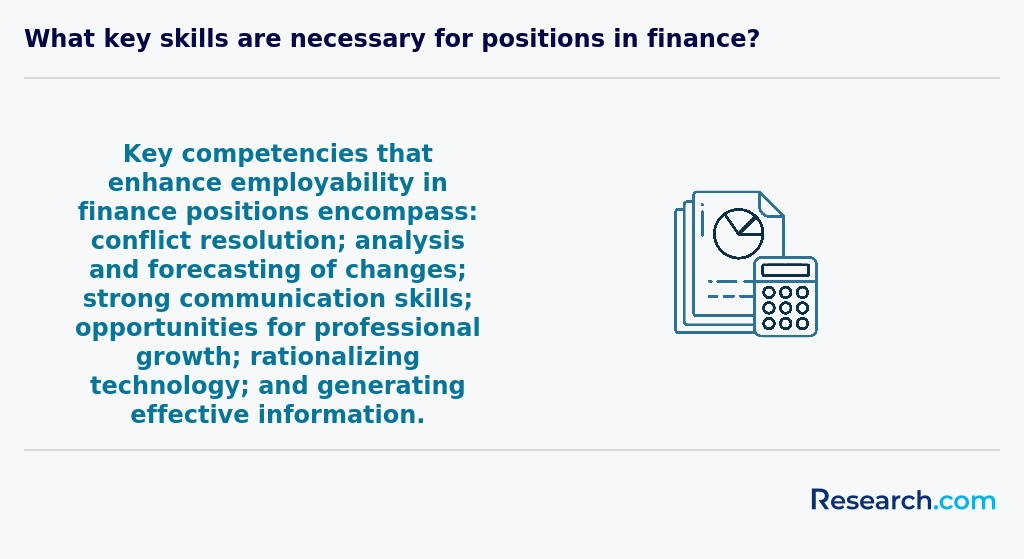
Employers in New York seek finance degree graduates who demonstrate strong analytical and quantitative skills. The ability to interpret complex financial data and generate actionable insights is critical in this competitive market. According to the New York State Department of Labor, proficiency with financial modeling and Excel remains essential for entry-level positions.
Communication skills also rank highly, as graduates must convey financial information clearly to diverse stakeholders. Critical thinking and problem-solving abilities help candidates navigate fast-paced environments like Wall Street or corporate finance.
Finally, familiarity with regulatory compliance and risk management is increasingly important due to New York's role as a global financial center.
Finding internships in New York related to a finance degree requires a strategic approach. Start by utilizing your college's career services, as many schools partner with leading financial firms in NYC. According to the New York State Department of Labor, internships in finance are concentrated in areas like Wall Street, Midtown Manhattan, and the Financial District.
Additionally, explore online job portals specifically targeting finance roles, such as Handshake or LinkedIn. Networking is crucial; attending finance-related events and career fairs can lead to meaningful connections.
Keep in mind that New York hosts over 200,000 finance professionals, making it one of the largest finance job markets in the US, offering plentiful internship opportunities.
A finance degree plays a significant role in career mobility and advancement in New York, a leading financial hub. Graduates often find enhanced opportunities within industries such as banking, investment management, and corporate finance. According to the U.S. Bureau of Labor Statistics, the New York metropolitan area employs more finance professionals than any other U.S. region, offering diverse job openings and career paths.
Possessing a finance degree can lead to faster promotions and higher salaries. For example, New York-based financial analysts earned a median annual wage of $93,300 in 2023, surpassing the national median. Employers value graduates who demonstrate strong analytical skills and understanding of financial regulations specific to New York's markets.
Additionally, many New York firms seek candidates with degrees for roles requiring certification preparation, such as the CFA or CPA, thus improving long-term career growth prospects.
Studying for a finance degree in New York offers strong preparation for interdisciplinary roles by integrating diverse skills across business, economics, technology, and law. New York's financial sector is the largest in the US, housing over 300,000 finance-related jobs, according to the New York State Department of Labor. This environment encourages programs to blend quantitative analysis, regulatory knowledge, and communication skills.
Many universities incorporate data analytics and fintech courses, reflecting the rise of technology in finance. Students often gain experience with real-world projects connected to the city's financial institutions, fostering adaptability.
This broad approach equips graduates to work effectively across multiple fields, meeting the evolving demands of the finance industry.
When choosing between a thesis and a non-thesis finance degree program in New York, consider your career goals and learning preferences. Thesis programs emphasize research, ideal for those wanting to pursue a PhD or roles in financial analysis and academia. Non-thesis options focus on practical skills through coursework, appealing to professionals targeting finance careers in banking, investment, or corporate finance.
In New York, a financial hub, practical skills gained in non-thesis programs can offer quicker entry into competitive fields. According to the National Center for Education Statistics, about 40% of finance master's graduates in New York choose non-thesis tracks for faster workforce readiness.
Cost and duration also matter; thesis options may take longer due to research requirements and potentially higher tuition. Consider programs at SUNY and CUNY, which offer both paths with varying time commitments.
Students in New York interested in studying finance abroad have several practical options. Many New York institutions, such as New York University and Columbia University, offer exchange programs with overseas partner universities. These programs often allow students to study finance courses abroad for one or two semesters while earning credits toward their degrees.
Additionally, New York students can pursue dual-degree programs combining a finance degree with international study components. Financial aid and scholarships specifically for study abroad students are available through organizations like the Benjamin A. Gilman International Scholarship.
The New York State Education Department encourages international academic experiences, recognizing the value of global finance knowledge in today's markets (NYS Education Department, 2023).
New York offers numerous part-time job opportunities that can enhance a finance degree education by providing practical experience. Roles such as financial analyst interns, accounting assistants, and bank tellers allow students to apply classroom knowledge in real-world settings. According to the New York State Department of Labor, finance-related part-time positions have grown by 5% annually, reflecting strong industry demand.
Students can also benefit from roles in financial advisory firms and insurance companies, particularly in Manhattan's financial district. These jobs improve skills in data analysis, client communication, and risk assessment, which are vital for finance careers.
Additionally, part-time positions in bookkeeping and payroll assistance in small businesses are common and valuable. These opportunities not only complement academic learning but also expand professional networks within New York's financial sector.
Finance students in New York benefit from extensive networking opportunities due to the city's status as a global financial hub. Many universities, such as New York University and Columbia University, host finance clubs and professional organizations that connect students with industry leaders.
Additionally, New York offers numerous finance-related conferences, seminars, and job fairs throughout the year. Organizations like the CFA Society New York provide events and mentorship programs specifically aimed at students pursuing finance careers.
Internships at Wall Street firms, boutique financial companies, and startups are widely accessible, making practical connections easier. According to the New York State Department of Labor, the finance sector employs over 350,000 people in the state, supporting strong alumni networks that students can tap into.
Alumni networks play a crucial role in supporting finance degree students in New York by providing valuable professional connections. Graduates from New York institutions often remain active in strong finance hubs like Wall Street and Midtown Manhattan, creating opportunities for mentorship and internships. According to the National Association of Colleges and Employers, 70% of jobs in finance are secured through networking.
These networks offer access to exclusive events, job listings, and industry insights, helping students navigate the competitive finance sector. They also help build reputations within New York's financial ecosystem, which is one of the largest in the U.S., hosting over 200,000 finance professionals as per the New York State Department of Labor.
Customizing a finance degree program in New York begins with selecting electives that align with your career goals, such as investment banking, corporate finance, or financial technology. Many New York universities offer specialized tracks or concentrations within their finance majors, allowing students to deepen expertise in areas like risk management or asset management.
Internships and cooperative education opportunities are abundant in New York's financial districts, providing practical experience crucial for career advancement. Utilizing career services to connect with local firms can tailor your learning to current market demands.
Additionally, pursuing professional certifications alongside your degree, such as the CFA or CFP, complements academic study and enhances your resume in New York's competitive finance industry.
Finance students in New York face a variety of challenges while pursuing their degrees. One major difficulty is the high cost of living, as New York City's average rent exceeds $2,800 per month according to Zillow (2024), placing financial strain on many students. Additionally, competition for internships and jobs is fierce due to the city's status as a global financial hub, with thousands vying for limited positions at Wall Street firms and other institutions.
Academically, students must master complex subjects like financial modeling and regulatory compliance, which can be demanding without strong quantitative skills. Balancing work, internships, and studies also tests time management abilities.
With a finance degree from New York institutions, graduates have access to numerous professional certifications that can enhance their careers. Among the most recognized is the Chartered Financial Analyst (CFA) credential, highly valued in investment management. Passing the CFA exams requires strong knowledge of financial analysis and ethics.
Another popular certification is the Certified Financial Planner (CFP), ideal for those interested in personal financial advising. The CFP certificate emphasizes practical skills in retirement, estate, and tax planning.
Additionally, the Financial Risk Manager (FRM) certification is essential for risk analysts, especially valuable in New York's large financial sector. According to the CFA Institute, New York ranks highest in the U.S. for CFA charterholders, showing the demand for these skills locally. These certifications typically demand passing exams and relevant work experience.
Writing a successful application for a finance program in New York requires clear demonstration of your passion, skills, and goals. Start by researching specific universities and their program offerings to tailor your application. Highlight your quantitative skills, such as proficiency in statistics or accounting, which are essential for finance studies.
Strong academic records are important; New York State universities often look for a minimum GPA between 3.0 and 3.5 in relevant subjects. Including internships or work experience in finance-related fields can significantly boost your chances.
Craft a concise personal statement that explains why finance matters to you and how studying in New York fits your career plans. According to the New York State Education Department, applications with clear career objectives tend to fare better in competitive finance programs.
The finance sector in New York serves as a major global hub, influencing international markets and investment flows. According to the New York State Department of Labor, the region hosts over 200,000 finance-related jobs, showcasing strong career opportunities for graduates. Globally, a finance degree offers pathways in banking, corporate finance, and asset management, with skills gained in New York highly valued worldwide.
New York's financial institutions engage in international trade and capital markets, requiring professionals to understand global economic trends. This prepares graduates for careers that span borders and diverse regulatory environments.
Additionally, US finance education standards often align with global certifications like CFA, enhancing employability abroad. The city's diversity exposes students to multicultural perspectives, crucial for global finance roles.
Gaining practical experience while studying for a finance degree in New York is crucial for career readiness. Many programs encourage internships at financial firms, banks, or investment companies based in the city, which hosts the world's largest financial hub-Wall Street. According to the National Association of Colleges and Employers, 65% of finance students who interned received job offers. Students can also participate in university-sponsored projects, student investment clubs, or case competitions to apply theory to real-world challenges.
Additionally, New York's numerous networking events and career fairs provide opportunities to connect with professionals. Licensing exams, such as the FINRA Securities Industry Essentials (SIE), are often integrated into coursework, further enhancing practical knowledge.
Choosing the right concentration within a finance degree in New York depends on your career goals and industry interest. Popular specializations include corporate finance, investment banking, financial analysis, and risk management. Each has different skill sets and job prospects.
New York City is the financial capital of the US, hosting major firms like JPMorgan and Goldman Sachs. This creates strong demand for expertise in investment banking and asset management, according to the New York State Department of Labor. Examining local job trends can help tailor your concentration for regional opportunities.
Additionally, consider programs offering internships or partnerships with New York financial institutions. Practical experience is highly valued and improves employability. Research individual schools' curricula and alumni outcomes to find a concentration that aligns with market needs and your strengths.
Related Finance Rankings for Nearby Cities
- 2027 Most Affordable Finance Degree Programs Ranking in Jersey City
- 2027 Most Affordable Finance Degree Programs Ranking in Philadelphia
- 2027 Most Affordable Finance Degree Programs Ranking in Scranton
- 2027 Most Affordable Finance Degree Programs Ranking in Providence
- 2027 Most Affordable Finance Degree Programs Ranking in Baltimore
- 2027 Most Affordable Finance Degree Programs Ranking in Chestnut Hill
- 2027 Most Affordable Finance Degree Programs Ranking in Boston
- 2027 Most Affordable Finance Degree Programs Ranking in Washington
- 2027 Most Affordable Finance Degree Programs Ranking in Manchester
- 2027 Most Affordable Finance Degree Programs Ranking in Rochester
Top Trending Finance Rankings
See What Experts Have To Say About Studying Finance
Read our interview with Finance experts

Jason James Sandvik
Finance Expert
Assistant Professor of Finance
University of Arizona

H. Kent Baker
Finance Expert
Professor at Department of Finance and Real Estate
American University

Andrew Karolyi
Finance Expert
Dean of the Cornell SC Johnson College of Business
Cornell University

References
- What studies are needed to work in finance? https://www.monaco.edu/en/everything-you-need-to-know-about-the-role-of-an-hse-manager-duties-studies-and-salary-2-2-3-2/
- FINANCE AND BANKING (THESIS / NON-THESIS) - Lisansüstü Eğitim Enstitüsü https://lee.nisantasi.edu.tr/en/finance-and-banking-thesis-non-thesis-2/
- 2024 Best Business Schools | How Alumni Rate Their Undergraduate Business Degrees https://poetsandquantsforundergrads.com/news/best-business-schools-alumni-rate-undergraduate-business-degrees/5/
- facebook https://www.ienyc.edu/applying-to-ienyc/tuition-and-financial-aid/
- Student Financial Aid Access in New York State https://newyork.edtrust.org/financial-aid-access-topic-2/
- Upgrade to Global Finance Major: What It Is & Why It Matters https://pages.riley-eyewear.com/riley-eyewear/global-finance-major-what-it-is-and-why-it-matters-1767646948
- Finance Internships: Find 245 Finance Intern Jobs https://internshala.com/internships/finance-internship/
- Finance, B.B.A. - Brooklyn College https://www.brooklyn.edu/academics/programs/finance-bba/
- Must-Have Skills for Accounting & Finance Graduates Entering Singapore’s Competitive Job Market https://www.lsbf.edu.sg/blog/accountancy-and-finance/must-have-skills-for-accounting-finance-graduates-entering-singapores-competitive-job-market
- Top 10 Accounting and Finance Skills Employers Want | Tamarack Recruiting | Tamarack Recruiting https://tamarackrecruiting.com/top-10-accounting-and-finance-skills-employers-want-tamarack-recruiting/


