2027 Best Online Bachelor's in Finance Degree Programs Ranking in Texas

Co-Founder and Chief Data Scientist
Choosing the right online finance degree can feel overwhelming, especially with so many options available. This article introduces the 2027 Best Online Bachelor's in Finance Degree Programs Ranking in Texas, created by the Research.com team of data scientists to guide you through the choices.
With this ranking, you'll discover programs that stand out for quality and value, helping you make an informed decision. Earning a finance degree opens doors to exciting career opportunities and personal growth. Dive in to find the program that fits your goals and start building a rewarding future.
Key benefits of getting online finance degree in Texas
- Salary for finance degree graduates: Graduates can earn competitive salaries, such as a Financial Advisor making around $150,670 annually or a Credit Analyst earning about $94,750 per year, reflecting strong financial rewards.
- Career paths: A finance graduate from a well-known Texas university often finds diverse opportunities, including roles like Financial Analyst, Investment Banking Analyst, or Insurance Underwriter, each offering dynamic and rewarding work environments.
- Benefits of online degrees: Online finance programs provide flexibility and convenience, allowing graduates to balance work and study, and often fast-track their career progress without commuting, as seen with students from popular Texas universities.
- 2027 Best Online Bachelor's in Finance Degree Programs Ranking in Texas
- What can I expect from online finance degree in Texas?
- Where can I work with online finance degree in Texas?
What can I expect from online finance degree in Texas?
Paying for an online finance degree in Texas often feels like finding a sweet spot between ambition and affordability. Graduates from universities like the University of Texas at Austin or Texas A&M often highlight how the state's in-state tuition rates, ranging between $8,000 and $12,000 annually, create a financial cushion that lets them focus on mastering corporate finance or investment strategies without stressing about bank-breaking fees.
Imagine juggling job shifts or family time while diving into courses on risk management or financial modeling-knowing your tuition won't skyrocket adds a layer of calm to that balancing act. Some graduates recall how choosing a Texas state school online meant unlocking practical learning and valuable certifications, all while saving thousands compared to private institutions.
In Texas, the affordability of these programs is a quiet game-changer, turning dreams of becoming a savvy financial analyst into achievable realities without losing sleep over student debt.
Where can I work with online finance degree in Texas?
Diving into an online finance degree from Texas universities like UT Austin or Texas A&M feels like holding a golden ticket to a vibrant job market. Imagine landing in Houston, where energy titans such as ExxonMobil crave finance experts who can decode complex project finances or navigate regulatory mazes. Graduates often share how their classes prepared them to become indispensable in these fast-paced environments.
Picture walking into a sleek downtown Dallas office, joining banks like Comerica or Texas Capital Bank, where you analyze markets and craft strategies that move billions. Graduates describe this as exhilarating, a place where theory meets real-world hustle.
Or visualize yourself in the bustling corridors of Texas Medical Center, the giant healthcare ecosystem seeking sharp financial minds to optimize budgets and ensure compliance amidst growing demands. For many, it's a rewarding challenge blending finance with human impact.
Even government roles, such as at the Texas Comptroller's Office, beckon-offering stability and a front-row seat to how public finances drive statewide progress. This diverse economy means your finance degree adapts to the pulse of Texas's future.
Graduates from online finance programs in Texas often find themselves stepping into roles where the numbers quickly translate into impressive paychecks. Imagine wrapping up your degree from a respected Texas institution and landing a spot as a financial analyst, where the average annual wage sits at about $112,950 according to BLS data-pretty enticing for that late-night study grind!
Or picture joining the ranks as a financial advisor, a role common among Texas grads, boasting a mean salary of $150,670. Many in Houston or Dallas who've honed their skills at local universities tell stories of client meetings that turn into rewarding commissions, fueling paychecks that climb well beyond six figures.
Some graduates dive into credit analysis, securing a steady mean wage around $94,750, a solid choice for those valuing stability. Others, passionate about risk and numbers, head into insurance underwriting, earning roughly $85,610 annually, proving that finance careers in Texas come with a wide spectrum of salary possibilities.
In places like Austin, with its vibrant financial hubs and corporate headquarters, these numbers often feel like just the beginning-the real thrill is watching your salary grow as you gain experience and expand your network in Texas' bustling finance landscape.
- Online finance bachelor's degrees in Texas cost between $20,000 and $40,000 for in-state students.
- Texas employs over 350,000 people in the finance and insurance sector, especially in Dallas-Fort Worth, Houston, and Austin.
- Entry-level finance salaries start around $55,000 to $65,000 per year, with mid-career averages over $90,000 annually.
- Programs often include courses in financial analysis, risk management, investment strategies, and financial technology.
- Accreditation from ACBSP or AACSB is important for ensuring program quality and statewide employer recognition.
Picture this: a finance student at the University of Texas at Dallas racing through an online degree like a marathon runner hitting their stride-four years, steady pace, crossing the finish line with a 120-credit triumph. That's the standard clock for full-time learners in Texas, aligning perfectly with nationwide norms.
Meanwhile, a student juggling life and work at Texas A&M might stretch their journey to five or six years, savoring each academic chapter on a flexible schedule designed to fit real-world chaos. This kind of pacing turns studying into an adaptable companion rather than a relentless sprint.
Some daring graduates from Texas Tech dive into accelerated paths, compressing their studies into just two to three years by juggling year-round courses. It's an intense dance of focus and grit, rewarding with faster entry into the finance arena.
Transfer credits from Texas community colleges are like secret shortcuts-common and practical-giving students at Northern Arizona University's Texas campus a head start and trimming unnecessary loops on their academic map.
Imagine logging into your finance class from a cozy nook in Austin, no traffic, no rushing. That's the reality for many online finance students at Texas Tech or the University of Houston, where flexibility reigns. They juggle work, family, and studies, diving into investment strategies and corporate finance without stepping foot on campus.
Contrast this with the buzz on on-campus grounds at UT Dallas or Texas A&M, where students exchange ideas over coffee breaks and brainstorm during face-to-face sessions. The energy is tangible-professors accessible beyond lectures, spontaneous hallway chats turning into networking gold.
Tuition hovers around $9,000-$15,000 yearly either way, but online learners often save on housing and commuting, turning dollars saved into weekend adventures or extra study tools. Graduates frequently reflect on the self-discipline sharpened by online formats, a skill echoing through Texas's competitive finance arenas.
Both paths navigate the complex currents of finance education, but whether behind a screen or in a classroom chair, Texas students emerge prepared, their experiences shaped vividly by their chosen journey.
Assessing the return on investment (ROI) of an online finance degree in Texas helps you make a data-driven decision. With an average in-state tuition of $24,015 and out-of-state costs nearing $73,035, balancing educational expenses against earning potential is critical. Financial Advisors in Texas earn an average of $137,740 annually, while Credit Analysts start around $92,180 and Insurance Underwriters at $82,990. Based on these figures, most students recoup their in-state investment within 6–12 months post-graduation. To refine your ROI analysis, calculate your payback period by dividing total tuition and fees by expected annual salary increase. For example, if you invest $30,000 and secure a $90,000 position instead of a $50,000 baseline, your payback period is under one year. Factoring in scholarships, grants, and work-study can further reduce this timeline. When comparing cost-benefit across regions, you may discover even more competitive options. For instance, the Most Affordable Finance Degree Programs Ranking in Indiana highlights schools with lower tuition and strong career outcomes, offering a benchmark for Texas programs. Evaluating multiple state rankings ensures you choose an online finance degree that maximizes your financial return while aligning with your long-term career goals.
The average cost of an online finance degree in Texas shapes the financial aspirations of many students, especially those weighing the Texas online bachelor's in finance tuition fees. In famous Texas schools known for strong finance programs-say, a public university in Austin or Dallas-a typical in-state student might expect to invest around $24,000 for the entire degree, thanks to favorable tuition rates. Graduates often recall this as a manageable commitment, balancing affordability with quality education that opened doors to rewarding careers.
Out-of-state or private university students find the ledger looking different, with numbers closer to $73,000 for the whole journey. One learner from a Houston private university reflected that despite the weightier price tag, the comprehensive curriculum and networking opportunities made it a worthwhile investment. Living costs shrink when studying online, sparing many excitement about saving on housing and commuting, which adds a savvy layer to the true value of an online finance degree in Texas.
Imagine tackling your coursework sipping coffee at home, knowing that financial aid or scholarships could further ease the path. Those who dream of pairing their finance expertise with leadership skills might find inspiration in exploring fields intertwined with finance, like leadership with a project management degree. The practical tuition costs discussed here ground ambitions in real terms-making the idea of earning that finance degree in Texas more accessible than ever.

Investing in an online finance degree in Texas yields measurable returns when comparing tuition costs against post-graduation earnings and career advancement. On average, in-state students pay around $24,015 for their bachelor’s degree and out-of-state students invest approximately $73,035. With entry-level salaries for Financial Advisors at $137,740, Credit Analysts at $92,180, and Insurance Underwriters at $82,990, graduates can expect to recoup their educational expenses within 2–4 years, depending on their role and location. Beyond base salaries, many finance careers require professional credentials-such as obtaining an investment banker license-which further boost earning potential. Factoring in the cost of exam prep and continuing education, the break-even point may extend slightly, yet the long-term salary trajectory remains strong. For instance, a graduate entering investment banking can surpass six figures within three years, translating to a return on investment (ROI) exceeding 150% over a decade. When calculating ROI, consider additional benefits such as employer-sponsored tuition reimbursement, accelerated programs that shave off semesters, and scholarship awards that lower total debt. A case study of a University of Texas at Dallas graduate revealed that by leveraging a merit scholarship and completing an accelerated 3-year track, their net investment dropped to $18,000, while their starting salary at a Houston financial firm reached $95,000-a 527% ROI in the first five years. By weighing program costs, credentialing expenses, and salary projections, prospective students can make data-driven decisions that align with their financial and career goals.
Imagine a finance student at the University of Texas navigating the maze of financial aid - the excitement of discovering the Pell Grant, which can cover up to $7,395 of tuition without the heavy weight of repayment, feels like finding a hidden treasure chest. Completing the FAFSA isn't just paperwork; it's a golden key unlocking opportunities not only for federal grants but also for low-interest Direct Subsidized and Unsubsidized Loans that make financing less daunting.
At Texas A&M, graduates often rave about state programs like the Texas Educational Opportunity Grant (TEOG) and the TEXAS Grant that quietly lift low-income and full-time students, helping them stay afloat while chasing online finance degrees. The dance between merit and need-based scholarships sparks hope-imagine receiving an award from your university, a nod to your hard work, easing the path ahead.
Companies in Texas become unexpected allies with tuition reimbursement plans, transforming work hours into stepping stones toward upgrading skills. Even professional circles, such as the Texas Society of Certified Public Accountants, add sparkle with their scholarships for finance champions.
To step into the vibrant world of online finance degrees in Texas, you first need a high school diploma or something equal like a GED-think of it as your ticket to the state's bustling financial education scene. Graduates from the University of Texas at Austin and Texas A&M often share how their solid math foundation, especially in algebra and statistics, felt like unlocking secret codes essential for cracking finance puzzles later on.
Many programs ask for more than just high school completion. Imagine proving your prowess with economics or business classes taken during high school-these courses act like warm-up stretches before the financial marathon at institutions like Texas Tech.
Test scores such as SAT or ACT might come into play, though some schools now lean on holistic views, valuing your story, recommendations, and GPA as much as those numbers. Graduates often recall their mix of scores and essays becoming their unique signature for admission.
Extras like official transcripts and English proficiency tests for non-native speakers ensure everyone is on equal footing. Transferring students typically bring with them a respectable GPA-around 2.5-and enough credit hours so they're not starting from scratch but sprinting forward confidently.
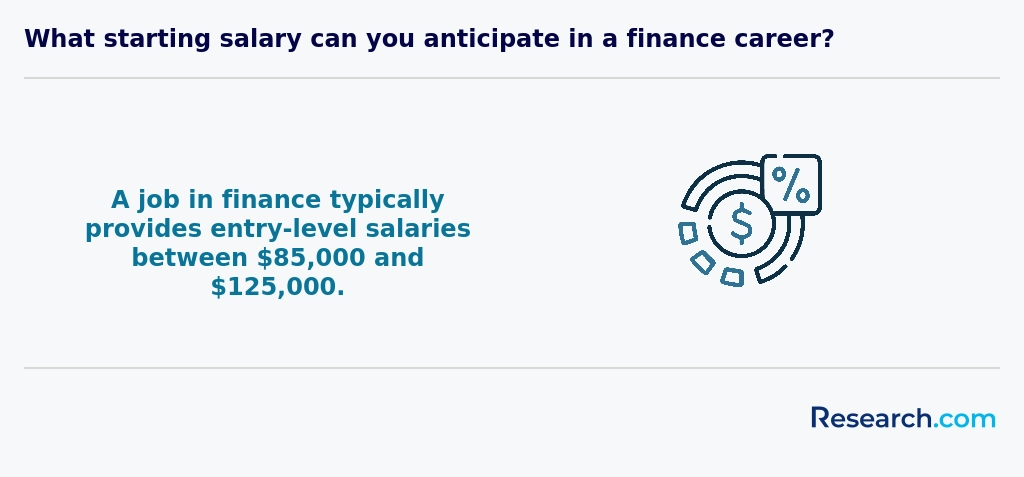
Diving into an online finance degree in Texas feels like unlocking a treasure chest of knowledge that perfectly balances theory with the pulse of real-world finance. Graduates from renowned Texas universities often mention how courses like Financial Accounting become their financial compass, helping them decode complex statements like a seasoned bank analyst.
Imagine mastering Corporate Finance through vivid budgeting simulations, where students at major Texas colleges learn to steer investment decisions with the savvy of Wall Street pros. Investment Analysis, another staple, transforms portfolios into living puzzles, as graduates recall the thrill of valuing securities under market-like conditions.
- Financial Markets and Institutions unravel the mysteries behind Texas's own banking giants and stock hubs.
- Risk Management teaches you to navigate financial storms, turning uncertainty into strategic advantage.
Layered with essential economics courses and hands-on training in financial software, these programs don't just prepare you; they energize you for Texas's dynamic industries, from booming energy sectors to cutting-edge tech firms.
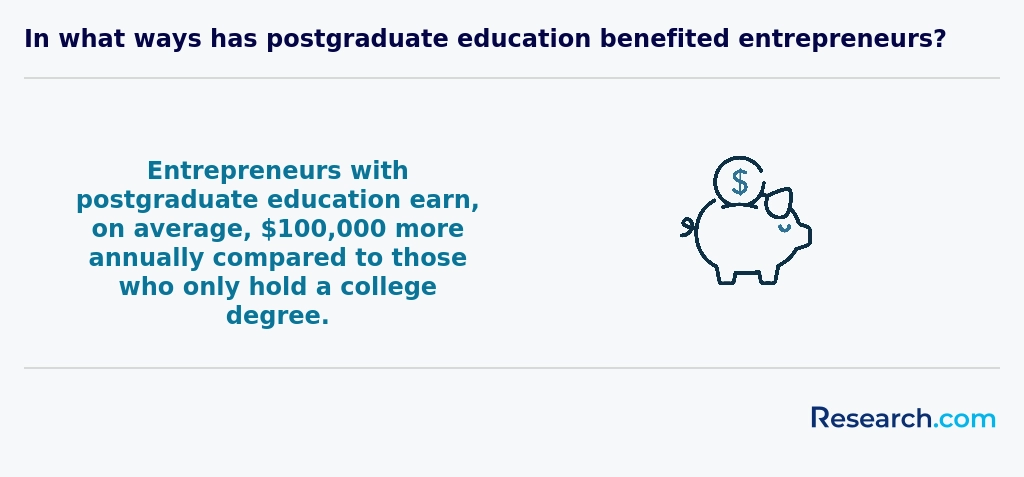
Online finance degree specializations Texas students choose often mirror the state's vibrant industries, turning abstract numbers into tangible career paths. Imagine diving into Corporate Finance at a university in Houston, where graduates eagerly share stories of shaping crucial investment decisions for leading energy firms. Or picture Financial Planning and Wealth Management in Dallas, where online learners craft budgets that secure futures for families growing alongside Texas's booming population. Those leaning toward Investment Analysis find themselves decoding market trends, the heartbeat of Austin's bustling brokerage scene. Risk Management and Insurance beckon students drawn to the state's rugged sectors, like agriculture and energy, teaching them how to fortify businesses against unpredictable forces. Real Estate Finance is a natural fit in Texas' ever-expanding housing markets, shaping experts that fuel urban growth. These finance bachelor's degree concentrations Texas programs offer are far from mere theory-they're lively, practical pursuits that empower students to thrive. For those eager for accelerated options, consider exploring this online MBA fast completion path that complements your finance journey.
Imagine navigating the vibrant finance hubs of Dallas or Austin while earning your online finance degree-graduates from popular Texas colleges describe the thrill of connecting local industry expertise with flexible digital classrooms. Choosing the best online finance degree programs Texas means looking beyond price tags and glossy brochures. Accreditation, like that from SACSCOC, guarantees your diploma opens doors in Houston's energy finance sector or corporate firms downtown.
Affordability is real here, with the average in-state annual fees around $9,200, but savvy students often find affordable online finance bachelor's Texas options offering scholarships and tech fee waivers that melt costs away. Picture finishing courses on financial analysis or investment management in your own space, yet still tapping into internship pipelines that link to real Texas finance markets.
Faculty stories resonate greatly-graduates recall instructors seasoned by hands-on Texas experience or CFA credentials guiding them through market realities unique to Texas's economy. When weighing curricula and career outcomes, don't forget to explore how your program supports career growth and check the schools' graduation rates for a true pulse on success. For those curious about the finance vs accounting degree job prospects, this insight can be a game changer.
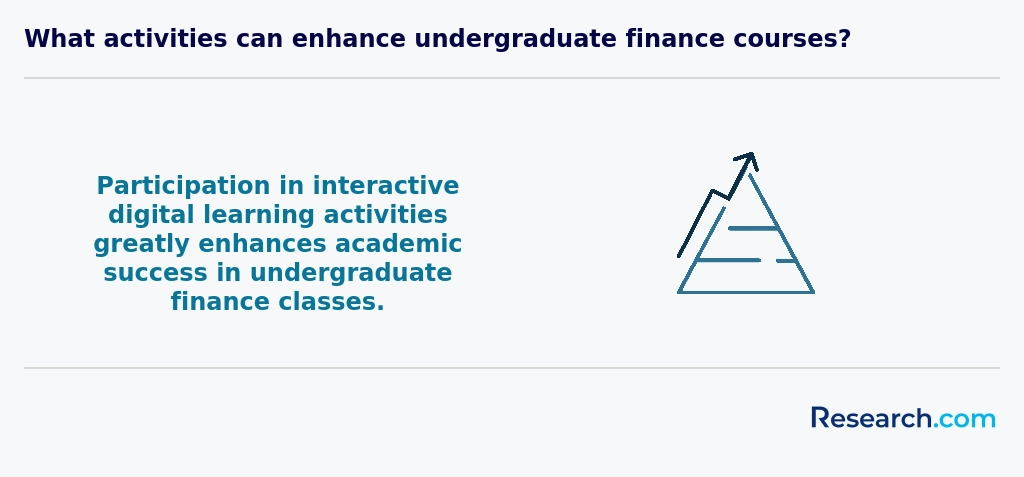
Graduates wielding an online finance degree from Texas are stepping into vibrant roles pulsating through cities like Austin and Houston, where the pulse of banking, investment, and corporate finance beats strong. Imagine a graduate from the University of Texas system, navigating the sprawling financial landscape as a financial analyst-crunching numbers that decide whether a local startup gets its wings or the energy sector scales new heights. Another alumna from Texas A&M might find her calling as a financial planner, crafting intricate retirement plans for families in rapidly growing Dallas suburbs. Those intrigued by daring financial maneuvers can pursue investment banking, potentially earning their investment banker license and orchestrating multimillion-dollar mergers. The array of online finance degree career options Texas offers is expansive, spanning risk management, corporate finance, and beyond, making it easy for graduates to align their ambitions with the state's booming economy.
For students drawn to finance degree job opportunities Texas presents, these pathways are not just jobs-they are dynamic invitations to power the engine of a state rich in energy, real estate, and tech growth. Alumni often share how their flexible, cost-effective online programs shaped both their knowledge and confidence, turning abstract theories from Texas classrooms into real-world impact.
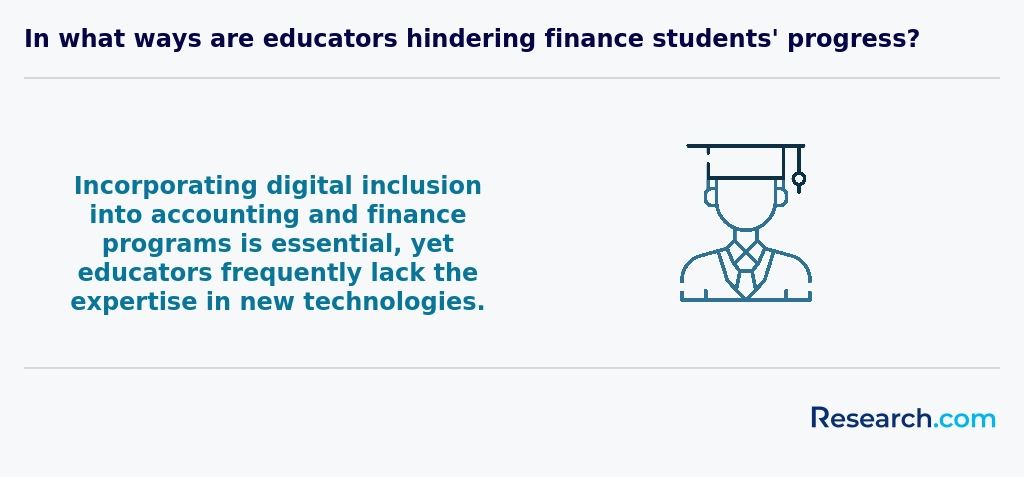
Graduates wielding an online finance degree in Texas step into a vibrant job market buzzing with opportunity. Imagine a freshly minted analyst from a Houston university diving into the financial rhythms of the city, securing roles as financial analysts or risk management specialists amid Dallas's sprawling business hubs. The Texas finance degree employment outlook shines with a 5% job growth in key metros, driven by a surge in demand for data-savvy minds who can decode numbers into smart strategies.
At universities like those in Austin or San Antonio, students balance coursework with real-world application, often juggling jobs while mastering financial software and regulatory nuances. This blend offers them an edge in a state where financial paychecks beat the national average, with salaries near $94,000 for financial analysts. Such salaries justify investment in education-especially when tuition ranges from $7,000 to $12,000 annually at public schools.
Online learning's flexibility is a beacon for many Texas students who want to stay local yet competitive. Those exploring pathways to finance success should consider certifications like CFA or CPA, amplifying their marketability. Curious about affordable options? Check out the Most Affordable Finance Degree Programs Ranking in Indiana, which offers insight applicable to savvy Texas students looking beyond borders.
Financial career seekers should feel invigorated: the online finance degree job prospects Texas holds promise for adaptability, continuous growth, and a foothold in a rich, diverse economic landscape.
2027 Best Online Bachelor's in Finance Degree Programs Ranking in Texas
Investing in your education is a significant decision that can shape your future, and the Research.com team understands the importance of making informed choices. To assist prospective students in Texas, we have meticulously crafted the "2027 Best Online Bachelor's in Finance Degree Programs Ranking in Texas." Our commitment to quality, credibility, and accuracy is reflected in the extensive research and analysis conducted to compile this ranking.
We utilized the following reputable data sources to ensure a comprehensive evaluation of finance degree programs:
By exploring this ranking, readers will gain valuable insights into the best online finance programs in Texas, enabling them to make well-informed decisions about their academic and professional futures. For more details on our methodology, please visit our Research.com methodology page.


Frequently Asked Questions About finance
Online finance degree students in Texas can enhance their learning by actively engaging with course materials and participating in virtual discussions. Utilizing resources from the Texas Higher Education Coordinating Board ensures access to accredited programs that align with industry standards. Networking with finance professionals in Texas, where the finance sector contributes significantly to the state GDP, offers practical insights and potential mentorship. Students should also leverage local financial news and data, such as reports from the Texas Economic Development Corporation, to apply theoretical concepts to real-world scenarios. Time management and disciplined study schedules are crucial given the flexibility of online formats.
Emerging niches within the finance field in Texas reflect both technological advancements and evolving market demands. One key area is financial technology, or fintech, which integrates finance with innovative technology like blockchain and digital payments. Texas hosts a growing number of fintech startups, particularly in cities like Austin and Dallas, supported by local incubators and state initiatives.
Another expanding niche is sustainable finance, focusing on investments that promote environmental and social governance (ESG). Texas-based firms are increasingly adopting ESG criteria due to rising investor demand.
Risk management and data analytics also play crucial roles, as companies leverage big data to improve decision-making. According to the Texas Workforce Commission, finance-related data analyst positions are projected to grow faster than average through 2030.
This diversification in finance careers encourages students pursuing online finance degrees in Texas to consider these specialized fields.
After completing an online finance degree in Texas, preparing for the job market involves several key steps. First, gaining relevant experience through internships or part-time roles can significantly improve employability. Texas hosts numerous financial firms, especially in Dallas and Houston, providing ample opportunities for practical learning. According to the Texas Workforce Commission, the finance sector is expected to grow by 11% through 2030, highlighting strong job prospects.
Networking is crucial; joining local finance associations or online groups can connect graduates with industry professionals. Additionally, obtaining certifications such as the CFA or CPA can enhance credentials and marketability in Texas' competitive job market.
Employers in Texas highly value analytical skills in finance graduates, as these allow professionals to examine data and make informed decisions. According to the Texas Workforce Commission, candidates proficient in financial modeling and data analysis have better job prospects. Communication skills are also essential, enabling graduates to explain complex financial concepts clearly to clients and colleagues.
Technical proficiency, especially in software like Excel and financial databases, is frequently requested by Texas employers. Additionally, knowledge of regulatory compliance and risk management is critical, given Texas's robust energy and banking sectors. Adaptability and ethical judgment rank among top soft skills desired in the local finance job market.
Finding internships in Texas for finance degree students involves leveraging both university resources and statewide opportunities. Many Texas universities with online finance programs offer career services that connect students to internships with local banks, investment firms, and corporations. According to the Texas Workforce Commission, finance and insurance job opportunities are expected to grow by 9.1% through 2030, highlighting increasing demand for interns and entry-level professionals.
Students should also explore statewide internship programs such as those offered by the Texas Internship Challenge, which partners with companies across finance sectors. Networking through professional groups like the Dallas Finance Association can further improve internship prospects. Utilizing online platforms like Handshake and LinkedIn with filters set to Texas locations helps identify relevant openings.
An online finance degree in Texas can significantly enhance career mobility and advancement opportunities. Texas hosts a growing finance sector, with cities like Dallas and Houston ranking among the top for finance jobs nationwide, according to the Texas Workforce Commission. Earning a degree online offers flexibility, allowing professionals to upskill without interrupting their careers. Many employers in Texas recognize online degrees from accredited institutions, giving graduates a competitive edge for roles in banking, investment, and corporate finance.
Graduates often qualify for higher-paying positions, with average finance salaries in Texas exceeding $80,000 annually, per the U.S. Bureau of Labor Statistics. Additionally, an online degree supports career shifts within the expansive Texas economy, where finance expertise is increasingly in demand across industries.
Studying for an online finance degree in Texas equips students with diverse skills applicable across multiple fields. Texas universities often integrate coursework in economics, data analysis, and business law, helping students understand how financial principles intersect with other disciplines.
Students gain proficiency in quantitative methods and critical thinking, which are valuable in roles ranging from corporate finance to healthcare management. The Texas workforce's emphasis on industries like energy and technology motivates programs to focus on interdisciplinary knowledge. According to the Texas Workforce Commission (2023), finance-related jobs are projected to grow 10% by 2030, reflecting a demand for versatile professionals.
Furthermore, many Texas programs encourage collaboration with business, accounting, and information systems departments, fostering adaptable expertise.
When choosing between a thesis and a non-thesis finance degree program in Texas, students should consider their career goals and learning preferences. Thesis programs emphasize research skills and are ideal for those aiming for advanced study or roles in financial analysis and corporate research. Non-thesis options focus on practical knowledge, preparing students for immediate entry into business, banking, or financial services.
Texas is home to large financial hubs like Dallas and Houston, where applied skills are highly valued. According to the Texas Higher Education Coordinating Board, many online finance graduates find jobs within six months, favoring hands-on experience over research.
Costs and time commitments may also differ, with thesis programs typically requiring more credits and time due to research projects.
Students in Texas interested in studying finance abroad through online programs have several flexible options. Many Texas universities partner with international institutions, allowing students to complete parts of their finance degrees overseas while maintaining enrollment in Texas-based online programs. This hybrid approach helps learners gain global perspectives without disrupting their studies.
Additionally, some accredited online finance degrees offer specialized coursework focused on international finance markets, which is valuable for those aiming to work in global finance. Texas is home to a rapidly growing financial sector, with over 1.3 million finance-related jobs statewide, according to the U.S. Bureau of Labor Statistics (2023).
Students should also explore study abroad scholarships and exchange programs offered through Texas universities, enabling short-term overseas experiences that complement online studies. These options provide practical exposure to global financial practices while remaining enrolled in a Texas institution.
Part-time job opportunities in Texas can significantly enhance the educational experience of students pursuing an online finance degree. Roles such as bank teller, financial clerk, or bookkeeping assistant provide practical exposure to financial operations. These positions develop essential skills like data analysis, customer service, and basic accounting, which are crucial for finance careers.
According to the Texas Workforce Commission, the financial sector in Texas is projected to grow by 9% between 2020 and 2030, creating ample job openings for students. Internships at local banks or credit unions also offer hands-on experience and networking advantages.
Working part-time in tax preparation during peak seasons is common, helping students better understand tax regulations and compliance.
Online finance students in Texas have several valuable networking opportunities despite studying remotely. Many universities offer virtual events, webinars, and finance-related clubs that connect students with faculty, alumni, and industry professionals. For example, institutions like the University of Texas and Texas A&M provide active online platforms for student interaction and mentorship programs.
Texas is home to nearly 250,000 finance professionals, particularly in major cities like Dallas and Houston, offering a robust virtual networking pool. Organizations such as the Dallas CFA Society and Houston Finance Association frequently host online conferences and meetups accessible to students statewide.
Additionally, many Texas business schools encourage internships with local financial firms, which allow online students to build in-person connections in the state's growing financial sector.
Alumni networks offer significant advantages for students pursuing online finance degrees in Texas by providing valuable professional connections. Texas boasts a robust financial sector, including major hubs like Dallas and Houston, where alumni often hold influential positions.
These networks facilitate mentorship, internships, and job opportunities, which are critical for students transitioning into competitive finance roles. According to the Texas Workforce Commission, the finance industry is expected to grow by 7% through 2030, increasing demand for skilled professionals.
Moreover, alumni events and online platforms help students access advice on certifications, industry trends, and career strategies. This peer support can improve employment outcomes and enhance long-term career growth within Texas's dynamic economy.
Customizing an online finance degree program in Texas allows students to align their studies with professional ambitions. Many Texas universities offer specializations such as financial analysis, investment management, or corporate finance. These options enable targeted skill development relevant to industries prominent in Texas, including energy and banking.
Students can select electives and practical projects that focus on regional market trends, enhancing employability within the state's economy. Additionally, some programs provide internship opportunities with Texas-based companies, providing real-world experience.
Flexible course schedules and transfer credits also support working professionals aiming to balance education with current jobs.
According to the Texas Higher Education Coordinating Board, degrees with specialized tracks have shown higher graduate employment rates within the state's finance sector.
Online finance students in Texas often face challenges related to balancing coursework with professional and personal responsibilities. Texas has a large population of working adults pursuing degrees, making time management a common hurdle. Additionally, access to high-speed internet can be uneven, especially in rural areas of Texas, which impacts the quality of online learning experiences.
Another concern is staying motivated without traditional campus interactions. Networking opportunities and peer collaboration may be limited in virtual settings. According to the Texas Higher Education Coordinating Board, retention rates for online programs tend to be lower compared to on-campus options.
Moreover, some students report difficulty finding finance internships within Texas's competitive markets while studying remotely, which can affect practical learning and career prospects.
With an online finance degree from a Texas institution, graduates can pursue several professional certifications to enhance their career prospects. Popular certifications include the Certified Financial Planner (CFP) and Chartered Financial Analyst (CFA), both highly respected in finance and investment industries. Texas ranks among the top states for finance jobs, making these credentials valuable for local employment.
Additionally, becoming a Certified Public Accountant (CPA) is possible with the right coursework, which is especially relevant since Texas requires 150 semester hours to sit for the CPA exam. Other options like the Financial Risk Manager (FRM) or Certified Management Accountant (CMA) are also viable choices.
The Texas Workforce Commission reports steady growth in financial analyst roles, underscoring the importance of certifications in competitive job markets. Pursuing these licenses after completing an online degree can significantly boost a graduate's professional profile and earning potential.
Writing a winning application for an online finance program in Texas involves showcasing your academic readiness and professional goals clearly. Start by highlighting relevant coursework in mathematics, economics, or business, as Texas universities often seek applicants with a strong quantitative foundation.
Demonstrate your commitment to finance by including internships, work experience, or certifications such as CFA Level 1. Texas' finance job market, especially in Houston and Dallas, values practical skills combined with academic knowledge (Texas Workforce Commission).
Strong letters of recommendation from professors or employers who understand your aptitude in finance enhance your application.
Lastly, craft a focused personal statement explaining why you want to study finance online in Texas, aligning your goals with the program's strengths and opportunities in the local economy.
The global perspective on careers in finance highlights the field's growing importance and diverse opportunities. Finance professionals are vital in facilitating international trade, investment, and economic growth. According to the U.S. Bureau of Labor Statistics, the finance sector is expected to grow 7% nationally from 2022 to 2032, with Texas showing a strong demand due to its large economy and business hubs like Houston and Dallas.
Globally, finance careers emphasize skills in risk management, financial analysis, and regulatory compliance. Texas universities offering online finance degrees address these competencies to prepare students for competitive global markets. Additionally, proficiency in digital finance technologies and cross-border financial regulations is becoming increasingly critical.
Students in Texas benefit from programs aligned with industry certifications such as CFA and CPA, enhancing their prospects internationally.
Gaining practical experience while studying for an online finance degree in Texas is vital to bridge theory and real-world application. Many Texas universities encourage students to participate in virtual internships with local banks, investment firms, or corporate finance departments. The Texas Workforce Commission reports a growing number of finance-related internships, helping students develop skills while earning academic credit.
Additionally, students can join finance clubs or online simulation programs. These platforms offer hands-on activities like portfolio management and financial analysis, enhancing understanding of market dynamics. Networking through Texas-based finance associations also opens doors to mentoring and job shadowing.
Finally, some online programs incorporate case studies focused on the Texas economy, giving contextual experience that is directly relevant to the state's finance sector.
Choosing the right concentration within an online finance degree program in Texas depends largely on your career goals and the economic landscape of the state. Texas has a strong presence in energy, banking, real estate, and technology sectors, which influences demand for specialized finance skills.
Concentrations such as corporate finance, financial planning, or investment analysis can align with industries prominent in Texas cities like Houston and Dallas. According to the Texas Workforce Commission, financial analyst jobs in Texas are projected to grow by 8% from 2020 to 2030, signaling strong opportunities.
Evaluate program offerings and their alignment with Texas's key industries. Consider also if the program includes practical experiences, like internships or projects, to enhance your employability within the state's competitive finance market.
See What Experts Have To Say About Studying Finance
Read our interview with Finance experts

H. Kent Baker
Finance Expert
Professor at Department of Finance and Real Estate
American University

Andrew Karolyi
Finance Expert
Dean of the Cornell SC Johnson College of Business
Cornell University

Ekaterina Potemkina
Finance Expert
Assistant Professor of Finance
Indiana University

- Top 10 Accounting and Finance Skills Employers Want | Tamarack Recruiting | Tamarack Recruiting https://tamarackrecruiting.com/top-10-accounting-and-finance-skills-employers-want-tamarack-recruiting/
- Getting a Finance degree: All you need to know https://www.study.eu/article/getting-a-finance-degree-all-you-need-to-know
- Finance (BBA) | St. Edwards University in Austin, TX https://www.stedwards.edu/academics/majors-programs/finance
- FINANCE AND BANKING (THESIS / NON-THESIS) - Lisansüstü Eğitim Enstitüsü https://lee.nisantasi.edu.tr/en/finance-and-banking-thesis-non-thesis-2/
- Finance Internships: Find 247 Finance Intern Jobs https://internshala.com/internships/finance-internship/
- International Finance Careers: A Comprehensive Guide https://survey.moorlandassociation.org/moorlandassociation-news/international-finance-careers-a-comprehensive-guide-1767647521
- Athabasca University https://www.athabascau.ca/programs/summary/bachelor-of-commerce-in-finance.html
- Your Guide to Getting a Job in Finance https://www.mountunion.edu/academics/undergraduate-degrees/finance/your-guide-to-getting-a-job-in-finance
- Best Finance Degrees Online | Accounting.com https://www.accounting.com/degrees/finance/bachelors/best-online-programs/
- Top Accounting Skills to Land Finance and Accounting Jobs https://www.kbwfinancial.com/top-skills-for-accounting-and-finance/