
2027 Best Finance Degree Programs Ranking in Mississippi

Co-Founder and Chief Data Scientist
Choosing the right finance degree program in Mississippi can shape your future career and open doors to exciting opportunities. This article presents the 2027 Best Finance Degree Programs Ranking in Mississippi, developed by the Research.com team of data scientists to guide you toward the top programs available.
Reading this ranking helps you make an informed decision based on data and expert analysis, ensuring you find a program that fits your goals. A finance degree can empower your ambitions and lead to success in a dynamic field.
Key benefits of getting finance degree in Mississippi
- Finance degree graduates in Mississippi can expect strong earning potential, with roles like Financial Advisor averaging an annual wage of $150,670 and Financial Analyst or Investment Banking Analyst both earning around $112,950.
- Career paths include working in banks, investment firms, or insurance companies, as illustrated by many graduates from the University of Mississippi who find rewarding opportunities in these sectors.
- Online finance degrees from schools like Mississippi State University offer flexible schedules and affordability, helping busy students balance work and study while gaining valuable skills.
- 2027 Best Finance Degree Programs Ranking in Mississippi
- What can I expect from finance degree in Mississippi?
- Where can I work with finance degree in Mississippi?
What can I expect from finance degree in Mississippi?
The average cost of a finance degree in Mississippi varies, but students at public universities like Mississippi State University or the University of Mississippi can expect to pay around $9,000 to $10,500 per year in tuition for in-state residents. Graduates often mention that this affordability made pursuing their finance education more manageable without excessive debt.
When budgeting, also consider fees, books, and living expenses, which can add a few thousand dollars annually. Many students find that the combination of reasonable tuition and strong internship opportunities through these universities provides excellent value, helping them gain work experience while managing costs. For example, graduates who completed internships at local banks or financial firms often felt more confident entering the workforce, making their upfront investment worthwhile.
Private colleges tend to be more expensive, but state universities still provide solid finance programs with practical curricula and networking options. Taking advantage of scholarships, on-campus jobs, and employer partnerships at schools in Mississippi can further ease financial burdens during your studies.
Where can I work with finance degree in Mississippi?
With a finance degree from a school like the University of Mississippi or Mississippi State University, you can confidently pursue careers in banking, insurance, investment, corporate finance, or government sectors right here in Mississippi. Many graduates find entry-level roles as financial analysts, loan officers, or credit analysts at regional banks headquartered in cities such as Jackson and Gulfport, where practical financial knowledge is valued daily.
Graduates often share how internships at local insurance companies opened doors to positions like underwriters or claims analysts, blending strong quantitative skills with risk management in real-world settings. For those interested in wealth management, working at investment firms or asset management companies gives hands-on experience in portfolio management, supported by a steadily growing financial services sector statewide.
Alternatively, graduates employed in corporate finance departments help with budgeting and strategic decisions at manufacturing or healthcare companies, applying classroom lessons to actual business operations. Government offices also recruit locally educated finance professionals to manage budgets and auditing, offering stable careers that directly impact Mississippi's communities.
Graduates with a finance degree in Mississippi can expect starting salaries in the range of $45,000 to $60,000, reflecting the state's economic conditions and cost of living. Those entering roles such as financial analysts often earn about $76,000 annually in Mississippi, though the national mean salary for this job is higher at $112,950. This gap highlights that locals benefit from a more affordable lifestyle while gaining valuable experience.
For example, graduates from universities like the University of Mississippi or Mississippi State University who begin as financial analysts can anticipate steady wage growth as they develop skills and credentials. Those pursuing careers as financial advisors may see salaries around $87,000, compared to the national average of $150,670, but with room to increase earnings by building client relationships and gaining certifications like the CFP or CFA.
Other finance roles available include credit analysts with a national mean wage of $94,750 and investment banking analysts at $112,950. Graduates who target these positions from Mississippi colleges find opportunities especially in larger cities such as Jackson, where financial institutions offer competitive pay.
With time and experience, financial managers in Mississippi achieve higher earnings, averaging about $103,000, supported by the demand for skilled financial professionals in the state's business sector. By focusing on local industry trends and continuing education, Mississippi finance graduates position themselves for rewarding careers with solid income growth.
- Mississippi offers finance programs at several public and private institutions, including the University of Mississippi and Mississippi State University.
- In-state tuition for finance degrees averages around $9,600 per year at public universities, which is lower than the national average.
- Finance graduates in Mississippi earn an average annual salary of about $55,000 initially, with potential to increase beyond $85,000 with experience and certifications.
- Job opportunities are available in banking, insurance, financial planning, corporate finance, and industries like manufacturing and healthcare.
- The state's relatively low cost of living increases the effective value of finance graduates' salaries in Mississippi.
Completing a finance degree in Mississippi typically takes about four years of full-time study, common for institutions like the University of Mississippi and Mississippi State University. Graduates often recall pacing their first two years with general education and introductory finance courses before diving deep into subjects like investments and corporate finance during their junior and senior years.
For those balancing work or family, part-time enrollment can extend the timeline to five or six years, a path many students at Jackson State University find manageable. Using summer sessions or intensive courses can speed things up, allowing motivated students to finish in three years. Online and hybrid options at various Mississippi colleges provide flexibility but require good planning to stay on track without stretching the timeline unduly.
Graduates agree that understanding these timelines upfront helps manage expectations and reduce stress, especially when factoring in costs close to $8,100 per year for in-state tuition at public universities. Mapping out a clear course path early is key to finishing efficiently and confidently.
Choosing between online and on-campus finance degrees in Mississippi depends largely on your lifestyle and career goals. Graduates from the University of Mississippi who studied on campus often mention the benefit of direct access to professors and the chance to build local networks through campus clubs and internships in nearby Jackson. This face-to-face environment helps many develop confidence and connections that ease entry into Mississippi's finance job market.
In contrast, graduates from online programs at Mississippi State University highlight flexibility as a major plus. They could balance work and family while completing coursework via video lectures and virtual discussions. However, these students stress the need for strong self-discipline and time management to keep up with assignments without in-person reminders or study groups.
Cost also varies. On-campus students typically pay around $8,200 per year, benefiting from on-site resources. Online students might save on some campus fees but should budget for technology costs and ensure they check financial aid options available specifically for online learners in Mississippi.
Obtaining industry-recognized certifications can significantly boost your credibility and career prospects in Mississippi’s competitive finance sector. The Chartered Financial Analyst (CFA) designation is highly valued by employers for its rigorous focus on investment analysis, portfolio management, and ethical standards. Candidates must pass three exam levels, often over a two- to four-year period, and accrue at least 4,000 hours of professional experience. Similarly, the Certified Financial Planner (CFP) certification emphasizes personal financial planning, retirement, tax strategies, and estate planning-skills that align closely with roles in wealth management and advisory services. The CFP Board requires completion of a CFP-board registered education program, a comprehensive exam, and relevant work experience. For those drawn to risk assessment and insurance, the Financial Risk Manager (FRM) credential, offered by the Global Association of Risk Professionals (GARP), covers market, credit, operational, and liquidity risk. Success in FRM Level I and Level II exams demonstrates expertise in quantitative analysis and risk modeling, positioning graduates for roles in corporate risk management or financial institutions. Meanwhile, aspiring accountants may pursue the Certified Public Accountant (CPA) license, which demands passing the Uniform CPA Exam and meeting state-specific education and experience requirements-often including 150 semester hours of college coursework. Beyond these core designations, specialized credentials such as the Certified Management Accountant (CMA) and Chartered Alternative Investment Analyst (CAIA) can open doors in corporate finance and alternative investments, respectively. When selecting a program, consider how its curriculum aligns with the educational prerequisites of your target certification. Prospective students seeking both affordability and strong certification preparation may also explore our Low Cost Finance Degree Programs Ranking in Houston, TX, which highlights institutions offering cost-effective pathways to these professional milestones.
The average cost of a finance degree in Mississippi varies notably depending on residency and institution type. For in-state students attending popular universities like the University of Mississippi or Mississippi State University, the median total cost hovers around $9,998. Graduates from these schools often share that managing tuition alongside living expenses feels achievable with the help of state-specific scholarships. Out-of-state students, however, face steeper bills, with median total costs rising to approximately $42,024. This difference highlights the financial advantage of establishing residency before enrolling.
Another practical approach some finance students take is starting at a community college, where costs are significantly lower-around $3,500 per year for in-state students-and then transferring credits to a four-year institution. This step helps reduce the total expenses for finance degree Mississippi students must budget for, while still building a solid foundation in their field.
Textbooks and materials add roughly $1,000 to $1,500 annually, and living expenses in Mississippi remain generally moderate, easing the overall financial strain. Many graduates emphasize the importance of planning early and applying for scholarships such as the Mississippi Eminent Scholars Grant to offset tuition costs at public universities.
For those considering alternative financing strategies or comparing options, exploring the Low Cost Finance Degree Programs Ranking in Houston, TX can offer insights into affordable pathways outside Mississippi, supplementing your financial planning effectively.
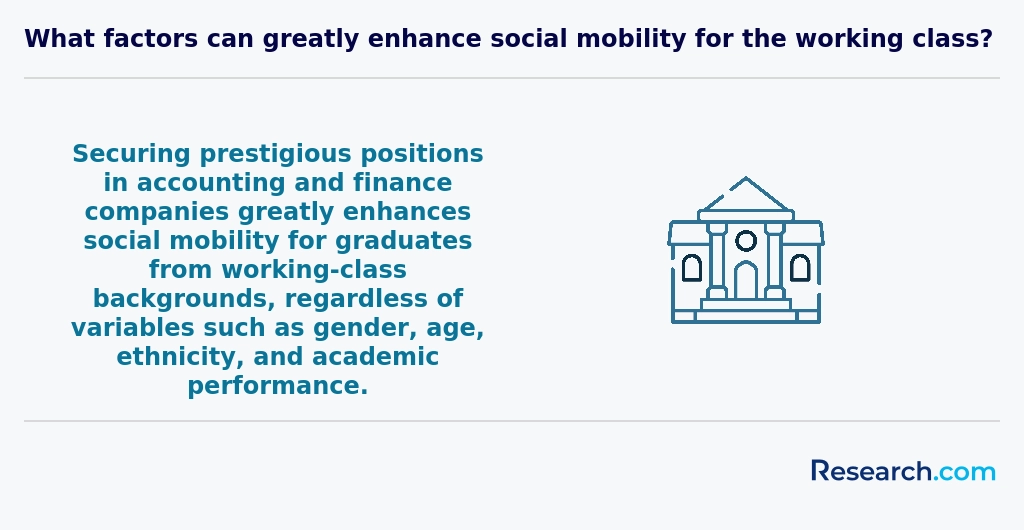
Internships and experiential learning are essential components of a top-tier finance degree in Mississippi, bridging classroom theory with real-world application. Many programs partner with local banks, investment firms, and fintech startups to offer paid internships, co-op placements, and immersive practicum projects. For example, students at Mississippi State University have completed summer internships at regional financial institutions, gaining hands-on experience in portfolio analysis and risk assessment. Similarly, the University of Mississippi’s Finance Club often organizes consulting projects, where students collaborate with non-profit organizations to optimize budgeting and investment strategies. Beyond traditional internships, experiential learning opportunities include case competitions, financial modeling workshops, and study-abroad programs focused on global markets. Participation in events like the CFA Institute Research Challenge not only sharpens analytical skills but also builds networks with industry professionals. Graduates frequently cite these experiences as pivotal in securing offers for some of the [highest paying finance degree jobs](https://research.com/careers/highest-paying-finance-degree-jobs-and-careers) nationwide, attributing their success to early exposure and polished resumes. Many Mississippi institutions also offer on-campus simulation labs, where students trade virtual portfolios under real-time market conditions. This hands-on practice reinforces quantitative analysis and decision-making under pressure. Additionally, mentorship programs connect students with alumni mentors who provide one-on-one guidance, mock interviews, and introductions to hiring managers. By engaging in these experiential learning pathways, finance students graduate not only with theoretical knowledge but with a robust professional portfolio, setting the foundation for immediate career advancement.
Finance students in Mississippi often start by applying for federal financial aid through the FAFSA. This opens doors to Pell Grants, which don't require repayment, and federal student loans with manageable interest. Graduates from the University of Mississippi recall how Pell Grants eased their tuition burden during their studies, allowing more focus on classes instead of finances.
State aid is another practical step. For example, the Mississippi Tuition Assistance Grant (MTAG) offers up to $2,500 annually to eligible residents studying at institutions like Mississippi State University. This grant significantly lowered expenses for many finance students, giving them peace of mind while pursuing tough coursework.
Many universities add targeted scholarships based on merit or leadership in finance programs. These awards often amount to thousands of dollars each year, recognized by students as a crucial boost. Additionally, working students can tap into employer tuition reimbursements, common in Mississippi's growing financial sector, turning jobs into direct investments in their education.
Finally, don't overlook nationwide private scholarships. Using tools such as Fastweb helps finance students discover additional funding, shaving off out-of-pocket costs and easing financial stress.
To enroll in a finance degree program in Mississippi, start by earning a high school diploma or GED, focusing on strong math and analytical skills. Graduates from universities like the University of Mississippi often share how solid foundations in algebra, geometry, and even calculus gave them the confidence to tackle complex finance topics. Many colleges expect SAT or ACT scores, especially the math portions, so preparing well for these tests can boost your application significantly.
Practical coursework such as economics or basic business classes helps build a clearer understanding of finance concepts before you begin your degree. Some programs also value basic computer skills-think spreadsheets and financial software-tools you'll use daily as a student. Successful applicants usually maintain a GPA around 2.5 to 3.0. Graduate programs in Mississippi, such as those at Mississippi State University, look for strong quantitative backgrounds and may ask for personal statements, recommendation letters, and relevant work experience.
Following these steps has helped many students feel ready and motivated as they entered finance programs, knowing they met Mississippi's specific requirements.
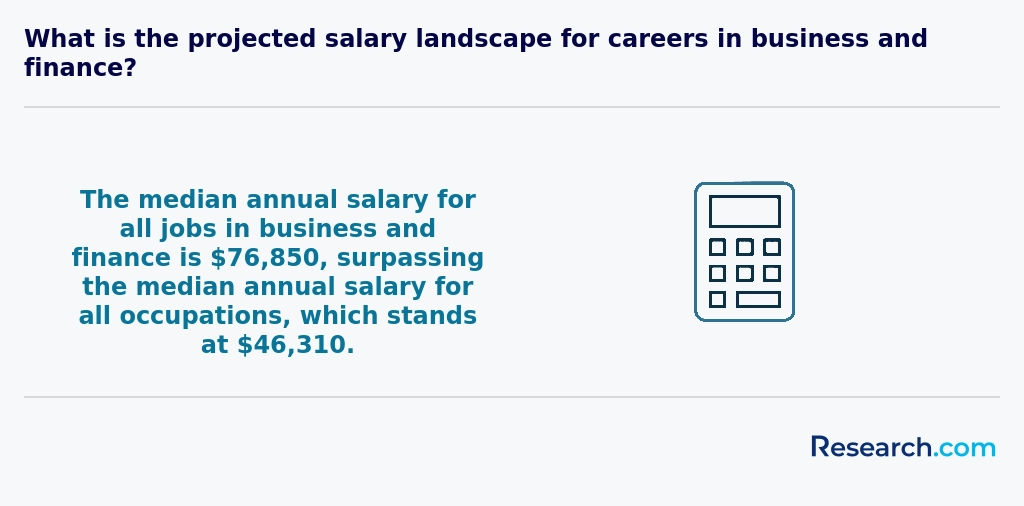
In Mississippi, a finance degree covers core courses designed to build practical skills for the financial world. Expect to start with principles like the time value of money and risk analysis in Principles of Finance. Graduates from institutions like Mississippi State University often reflect on how this foundation helped them understand everyday decisions, such as comparing loan options or investment choices.
Classes like Financial Accounting and Managerial Accounting teach how business finances are recorded and used for planning. Students at the University of Mississippi find these especially useful when working on group projects simulating company budgeting.
Investments and Corporate Finance courses go deeper, focusing on portfolio management and capital budgeting - essential if you picture yourself analyzing stocks or managing company funds. Mississippi finance graduates often say these courses feel hands-on, preparing them to make real financial decisions confidently.
Adding to this, courses in Economics and Quantitative Methods provide the tools to evaluate market trends and data effectively. Electives like Risk Management and International Finance let you customize your skill set, tailoring your studies to your career goals right here in Mississippi.
Finance degree specializations in Mississippi typically include corporate finance, investment management, and financial planning. Corporate finance focuses on managing a company's finances, preparing graduates for roles such as financial analysts in industries like manufacturing and energy, common sectors for many students from popular institutions like the University of Mississippi. Investment management covers securities analysis and portfolio management, ideal for those aiming to join asset management firms based in Jackson or Gulf Coast areas. Financial planning responds to Mississippi's aging population, with graduates often stepping into roles helping individuals manage retirement and estate finances.
Other popular Mississippi finance program concentration options include risk management and insurance, real estate finance, focusing on property investment in urban regions, and banking and financial institutions, which prepares students for careers in regional banks. Graduates from state colleges often appreciate how these options tie directly to local economic conditions. For those eager to accelerate career-ready skills, consider exploring 12 month certificate programs that pay well to complement your degree.
Start by verifying the accreditation of the finance degree programs in Mississippi. For example, graduates from University of Mississippi and Mississippi State University often highlight their degree's value due to AACSB accreditation, which signals rigorous academic standards. Such credentials open doors in competitive local job markets.
Next, focus on affordability. Many students appreciate that public universities in Mississippi offer notably lower tuition-about $8,300 annually for in-state students-making affordable finance degrees in Mississippi a realistic goal. Balancing cost with quality helps prevent crushing debt after graduation.
Consider the curriculum's relevance to your career goals. Graduates have found programs emphasizing internships and partnerships with local banks invaluable, providing hands-on experiences that translate directly into job-ready skills. Look for schools offering specializations aligned with Mississippi's financial sector demands.
Finally, check graduation rates and local employer connections, which often mean stronger job placement support. Smaller class sizes at some Mississippi colleges can foster mentoring relationships, while larger universities provide diverse course options. If you seek flexible study options, explore programs linked to the easiest master's degree pathways to suit your pace and lifestyle.

Graduates with a finance degree in Mississippi often find clear pathways into several stable and rewarding careers. Many start as financial analysts, evaluating investments and economic trends, particularly popular among alumni from universities in Jackson and Starkville. These roles offer hands-on decision-making experience within the state's growing banking and manufacturing sectors, which align well with finance degree careers in Mississippi.
Others pursue careers in accounting and auditing, especially in metropolitan areas like Jackson, where demand from small and medium-sized businesses remains strong. Graduates from institutions known for practical finance training report satisfaction working as auditors, ensuring compliance and improving organizational finances, which reflects the job opportunities with finance degree Mississippi offers in this field.
Banking roles such as loan officers or credit analysts present another practical direction. Insurance companies hire graduates for underwriting and risk management, benefiting from Mississippi's agricultural economy. Many find earning professional certifications enhances their prospects, while internships during studies at local colleges help connect theory with real-world challenges.
Government positions in budget analysis and fiscal planning are also viable. Finance students here often consider affordable tuition at state universities as a smart investment, making the transition from study to career smoother. For those exploring further advancement, reviewing the most lucrative masters degrees can provide strategic guidance.
The finance degree job opportunities Mississippi offers are steady, especially in cities like Jackson and Gulfport, where corporate offices and banks create demand for skilled graduates. Recent finance alumni from popular state universities often find roles in banking, insurance, and government agencies, appreciating the local job market's alignment with Mississippi's economic sectors such as manufacturing and agriculture. Internships during study make a real difference; graduates who completed internships report smoother transitions into roles like financial analysts or compliance officers, both growing fields here.
Employment outlook for finance graduates in Mississippi shows moderate growth, with salaries around $65,000 median, slightly below national averages but balanced by the lower cost of living. Graduates often highlight that obtaining certifications like CFA and connecting with local finance networks enhance career prospects. Additionally, choosing affordable state programs or schools that accept pell grants helps manage education costs, making the financial investment in a finance degree more practical for many Mississippi students.
2027 Best Finance Degree Programs Ranking in Mississippi
Investing in your education is a significant decision that can profoundly influence your career and future, and the Research.com team is dedicated to helping you make well-informed choices. To support prospective students in Mississippi, we have carefully developed the "2027 Best Finance Degree Programs Ranking in Mississippi." Our commitment to quality, credibility, and accuracy is evident in the thorough research and analysis underlying this ranking.
We utilized the following reputable data sources to ensure a comprehensive evaluation of finance programs:
By consulting this ranking, readers will gain valuable insights into the top finance degree programs in Mississippi, empowering them to make confident and strategic educational decisions. For more details on how this ranking was created, please visit our Research.com methodology page.


Frequently Asked Questions About finance
Finance degree students in Mississippi can maximize their learning by actively engaging with both academic and practical experiences. Enrolling in internships with local financial institutions, such as Trustmark National Bank or BancorpSouth, offers valuable real-world exposure. Mississippi's growing financial sector provides opportunities for hands-on learning outside the classroom.
Students should leverage resources at institutions like the University of Mississippi and Mississippi State University, which offer finance-related workshops and guest lectures featuring industry professionals. Joining campus finance clubs and participating in competitions can also enhance practical skills.
Utilizing online databases and the Bureau of Labor Statistics for Mississippi-specific financial trends helps deepen local market understanding, a critical advantage for career preparation.
The finance field is evolving rapidly, with several emerging niches gaining prominence in Mississippi and across the United States. One notable area is financial technology (fintech), which blends finance and IT to improve digital payments, blockchain, and online lending. According to the Mississippi Development Authority, fintech startups are growing steadily in the state, fostering job opportunities.
Another key niche is sustainable finance, focusing on investments that support environmental, social, and governance (ESG) goals. This sector is expanding as companies and investors prioritize responsible growth.
Additionally, data analytics and risk management specialists are in demand to analyze market trends and protect assets. These emerging areas offer diverse career paths for finance graduates in Mississippi.
Preparing for the job market after earning a finance degree in Mississippi involves strategic planning and skill development. Graduates should focus on obtaining relevant internships during their studies to gain practical experience, as internships greatly improve employment prospects in finance sectors such as banking, investment, and insurance.
Networking is crucial; attending local industry events and joining professional groups like the Mississippi Economic Council can connect students with potential employers. Additionally, many employers value certifications such as the CFA or CFP alongside a degree.
According to the Mississippi Department of Employment Security, finance roles in the region have seen steady growth, with an average salary around $60,000, indicating promising opportunities for prepared graduates.
Employers in Mississippi highly value finance degree graduates who demonstrate strong analytical skills. The ability to interpret financial data and create accurate forecasts is essential in this competitive market. According to the Mississippi Department of Employment Security, 65% of local finance-related job openings require proficiency in data analysis tools like Excel and financial modeling software.
Communication skills are also crucial. Graduates must clearly present complex financial information to clients or teams, making strong written and verbal communication a top priority. Additionally, employers emphasize ethical judgment and knowledge of regulatory compliance, especially given the increasing importance of financial regulations in the US.
Problem-solving abilities and attention to detail help graduates succeed in Mississippi's finance sector, which spans banking, investment, and insurance industries.
Finding internships in Mississippi relevant to a finance degree involves leveraging local resources and industry connections. Students should begin by exploring campus career centers, which often maintain partnerships with Mississippi-based financial institutions such as Trustmark Bank and BancorpSouth. According to the Mississippi Department of Employment Security, the state's finance and insurance sector employed over 40,000 people in 2023, indicating available opportunities.
Networking events hosted by organizations like the Mississippi CFA Society can also help students connect with professionals.
Additionally, online platforms such as Handshake and LinkedIn frequently list internships offered by regional companies. Applying early and tailoring resumes to finance roles improves chances of success.
Mississippi's growing financial services industry makes early internship experience valuable for future careers in areas like banking, investment, and risk management.
In Mississippi, earning a finance degree can significantly enhance career mobility and advancement opportunities. According to the Bureau of Labor Statistics, finance-related occupations in Mississippi are projected to grow moderately, offering graduates various pathways in banking, insurance, and financial management.
Graduates with a finance degree often qualify for higher-level positions such as financial analysts, budget analysts, and loan officers, roles that typically require specialized knowledge. Educational institutions in Mississippi, including the University of Mississippi and Mississippi State University, offer programs with strong industry connections, improving job placement rates.
Additionally, professionals with a finance degree tend to earn higher median salaries; for example, financial analysts in Mississippi earn a median annual wage around $63,000, which surpasses many entry-level positions. This degree also provides a foundation for certifications like CFA or CFP, further boosting career advancement prospects within the state's evolving financial sector.
Studying for a finance degree in Mississippi prepares students for interdisciplinary roles by combining core financial knowledge with practical skills from related fields. Many programs integrate courses in economics, accounting, data analytics, and business law, equipping graduates to work effectively across multiple disciplines.
The University of Mississippi and Mississippi State University, among others, emphasize collaboration between finance and technology, reflecting Mississippi's growing involvement in financial services and data-driven industries.
According to the Mississippi Department of Economic Development, demand is increasing for professionals who can navigate finance alongside regulatory and technological challenges, highlighting the value of interdisciplinary training. This approach readies students for diverse roles in banking, insurance, and corporate finance.
When choosing between a thesis and a non-thesis finance degree program in Mississippi, students should consider their career goals and learning preferences. Thesis programs focus on research and require the completion of a substantial academic project, ideal for those aiming for doctoral studies or research roles. Non-thesis options emphasize coursework and practical skills, suitable for students targeting immediate employment in finance sectors such as banking or financial analysis.
Mississippi's finance job market is growing steadily, with a 5% increase in financial analyst roles expected by 2028, according to the U.S. Bureau of Labor Statistics. Selecting a thesis program may also depend on available faculty expertise and institutional research facilities, which vary across Mississippi universities.
Financial considerations are important, as thesis programs may take longer to complete, potentially affecting tuition costs and income opportunity. Prospective students should consult academic advisors and review program curricula to ensure alignment with their professional ambitions in Mississippi's finance industry.
Students in Mississippi interested in studying finance abroad have several options through their home institutions' partnerships with international universities. Many Mississippi universities offering finance degrees participate in exchange programs, allowing students to study for a semester or year in countries with strong finance sectors, such as the UK, Canada, and Australia. According to the Institute of International Education, approximately 1,800 Mississippi students studied abroad in 2022, with business and finance being popular fields.
Additionally, some Mississippi schools provide dual-degree programs with global universities, enabling students to gain international credentials. These experiences enhance global finance knowledge and employability in multinational firms.
Students pursuing finance degrees in Mississippi can benefit from several part-time job opportunities that align with their studies. Common roles include bank teller positions or finance clerk jobs at local banks and credit unions, which provide hands-on experience with financial transactions and customer service. According to the U.S. Bureau of Labor Statistics, entry-level finance positions in Mississippi offer an average hourly wage around $15, making them accessible for students.
Internships or assistant roles with accounting firms and investment companies in Mississippi also offer valuable exposure to real-world financial analysis and bookkeeping. Additionally, university-based finance or economics labs may hire students for research assistance roles, enhancing data management and quantitative skills relevant to the field.
Finance students in Mississippi benefit from various networking opportunities that connect them with professionals and alumni. Many universities, such as the University of Mississippi and Mississippi State University, host finance and business clubs that organize events, guest lectures, and career fairs. These platforms help students build relationships with local finance employers and industry experts.
Additionally, Mississippi's regional chapters of organizations like the CFA Institute and the Mississippi Bankers Association offer networking events and workshops tailored for finance students and young professionals. According to the Mississippi Department of Employment Security, the financial services sector employs over 15,000 workers statewide, creating valuable local internship and job prospects.
Alumni networks provide essential support for finance degree students in Mississippi by connecting them to experienced professionals within the state's financial industry. These networks often facilitate mentorship, internships, and job placement opportunities, which are critical in a competitive job market. For example, many Mississippi universities report that students accessing alumni resources have higher employment rates within six months of graduation, according to data from the Mississippi Institutions of Higher Learning.
Networking through alumni groups also helps students gain insights into local market trends, including regional banking and investment opportunities. This grounded knowledge improves students' readiness for roles in finance sectors such as banking, insurance, and wealth management, especially in hubs like Jackson and Gulfport.
Mississippi offers several ways to customize a finance degree to align with your career goals. Many universities provide flexible elective options, allowing students to specialize in areas such as investment management, risk analysis, or corporate finance. You can also pursue certificates in related fields like financial planning or data analytics, enhancing your expertise.
Internships with Mississippi's growing banking and financial services sector provide practical experience, strengthening your resume. Consider programs that offer partnerships with local firms in Jackson or Gulfport, both financial hubs in the state. According to the Mississippi Development Authority, finance-related jobs in the state are projected to grow by 6% over the next decade, highlighting relevant career opportunities.
Additionally, online and evening classes are available in many programs, offering flexibility for working professionals. Tailoring your course selection around industry certifications, such as the Chartered Financial Analyst (CFA), can also improve job prospects. Always consult with academic advisors to ensure your chosen pathway aligns with your specific career objectives in finance.
Finance students in Mississippi often face several challenges impacting their academic and professional development. One major difficulty is limited access to internships and networking opportunities within the state's relatively smaller financial sector compared to larger markets like New York or Chicago. According to the Mississippi Development Authority, the finance industry in Mississippi is growing but remains less concentrated, which can reduce hands-on experiences for students.
Another challenge is the rising cost of education combined with limited financial aid options specific to finance majors, making it harder for some students to afford advanced coursework or certifications.
Additionally, keeping up with rapidly evolving technology and financial regulations demands continuous learning, which many universities are still working to fully integrate into their curricula.
A finance degree from Mississippi prepares graduates for several respected professional certifications in the financial sector. Common certifications include the Certified Financial Planner (CFP), which focuses on personal financial planning and requires coursework, an exam, and experience. Another widely recognized credential is the Chartered Financial Analyst (CFA), which emphasizes investment management and is valued by employers in banking and asset management.
The Certified Public Accountant (CPA) certification is also an option for finance graduates interested in accounting-related careers; Mississippi's State Board of Public Accountancy regulates this licensure. Additionally, the Financial Risk Manager (FRM) designation suits those aiming to specialize in risk assessment.
According to the U.S. Bureau of Labor Statistics, professionals with these certifications often see higher earning potential and job security. Candidates typically need to combine their degree with on-the-job experience and pass rigorous exams to obtain these licenses.
Applying to a finance program in Mississippi requires a clear and focused approach. Start by highlighting your academic achievements, especially in mathematics and economics. Many Mississippi universities look for a GPA of 3.0 or higher, with strong performance in quantitative courses.
Next, tailor your personal statement to reflect your interest in finance and your career goals. Mention how local economic factors, like Mississippi's growing financial sector according to the Mississippi Department of Employment Security, inspire your ambitions.
Include relevant experiences such as internships or volunteer work that demonstrate your commitment to finance. Also, obtain strong recommendation letters from teachers or employers familiar with your skills.
Lastly, prepare thoroughly for any required standardized tests like the SAT or ACT, as these scores are important for competitive programs in the state.
The finance career field holds strong global relevance, driven by increasingly interconnected markets and multinational corporations. For students in Mississippi, pursuing a finance degree offers pathways not only within the state's regional economy but also in international finance hubs. According to the U.S. Bureau of Labor Statistics, financial analyst roles are expected to grow 6% from 2022 to 2032 nationwide. Mississippi's growing financial services industry supports local opportunities while graduates can apply their skills globally.
Finance professionals often engage with international regulations, currency markets, and global investment strategies. This broader perspective enhances career versatility and demand. Understanding global finance trends prepares Mississippi students to compete in a worldwide job market and contribute to economic development both locally and abroad.
Gaining practical experience while studying for a finance degree in Mississippi can significantly enhance your career prospects. Many universities in the state, such as the University of Mississippi and Mississippi State University, offer internship programs with local financial firms, banks, and government agencies. These internships provide hands-on learning and networking opportunities essential for future employment.
Additionally, students can participate in finance clubs and case competitions that simulate real-world financial problem-solving. According to the Mississippi Department of Employment Security, internships in finance-related fields have grown by 8% in recent years, reflecting increasing employer demand for practical skills.
Finally, certified student-run investment funds and cooperative education programs are available at some schools, allowing students to manage portfolios and gain budgeting experience in a controlled environment.
Choosing the right concentration within a finance degree program in Mississippi depends on your career goals and interests. Common concentrations include corporate finance, investments, financial planning, and risk management. Research shows Mississippi's finance sector is growing steadily, with opportunities in banking, insurance, and regional businesses (U.S. Bureau of Labor Statistics, 2023).
Consider programs that align with Mississippi's economic landscape, such as banking and finance roles in cities like Jackson and Gulfport. Additionally, evaluate curricula that offer internships or partnerships with local companies for practical experience.
Review faculty expertise and certification preparation options, such as CFP or CFA, to enhance job prospects. Understanding these factors will help you select a concentration that suits Mississippi's job market and your career aspirations.
- 2027 Best Finance Degree Programs Ranking in Louisiana
- 2027 Best Finance Degree Programs Ranking in Alabama
- 2027 Best Finance Degree Programs Ranking in Florida
- 2027 Best Finance Degree Programs Ranking in Missouri
- 2027 Best Finance Degree Programs Ranking in Indiana
- 2027 Best Finance Degree Programs Ranking in Oklahoma
- 2027 Best Finance Degree Programs Ranking in North Carolina
- 2027 Best Finance Degree Programs Ranking in Ohio
- 2027 Best Finance Degree Programs Ranking in Nebraska
- 2027 Best Finance Degree Programs Ranking in Pennsylvania
See What Experts Have To Say About Studying Finance
Read our interview with Finance experts

Andrew Karolyi
Finance Expert
Dean of the Cornell SC Johnson College of Business
Cornell University

Jason James Sandvik
Finance Expert
Assistant Professor of Finance
University of Arizona

Ekaterina Potemkina
Finance Expert
Assistant Professor of Finance
Indiana University

- Why Alumni Networks Matter in Business School: 7 Reasons https://europe.ceibs.edu/article/why-alumni-networks-matter-business-school
- 2024 Best Business Schools | How Alumni Rate Their Undergraduate Business Degrees https://poetsandquantsforundergrads.com/news/best-business-schools-alumni-rate-undergraduate-business-degrees/5/
- FINANCE AND BANKING (THESIS / NON-THESIS) - Lisansüstü Eğitim Enstitüsü https://lee.nisantasi.edu.tr/en/finance-and-banking-thesis-non-thesis-2/
- Finance Degree from Mississippi College School of Business https://business.mc.edu/undergraduate/finance
- Finance Work Experience Reviews | Higherin https://higherin.com/search-reviews/work-experience/finance
- Finance Internships: Find 248 Finance Intern Jobs https://internshala.com/internships/finance-internship/
- Navigating financial challenges in higher education - Office for Students https://www.officeforstudents.org.uk/publications/navigating-financial-challenges-in-higher-education/
- Financial Aid https://www.mc.edu/offices/financial-aid
- International Finance Careers: A Comprehensive Guide https://survey.moorlandassociation.org/moorlandassociation-news/international-finance-careers-a-comprehensive-guide-1767647521
- Types of Finance Degrees | Accounting.com https://www.accounting.com/degrees/finance/


