
2027 Most Valuable Online Master's in Engineering Degree Programs Ranking in New York

Co-Founder and Chief Data Scientist
Choosing the right online master's in engineering program can shape your future and career success. For students in New York, this article presents the 2027 Most Valuable Online Master's in Engineering Degree Programs Ranking in New York, developed by the Research.com team of data scientists.
This ranking helps you identify which programs offer the best value, so you can make an informed decision. Earning an engineering degree opens doors to exciting opportunities, growth, and innovation. Dive in to find the program that matches your goals and dreams.
Key benefits of getting online engineering degree in New York
- Engineering graduates in New York can expect strong salaries, with Project Engineers earning around $137,750 and Research Engineers about $120,630 annually.
- Potential career paths include roles in product development, control systems, and biomedical engineering, offering diverse opportunities for growth and innovation.
- Online engineering degrees from well-known New York universities provide flexibility, allowing students to balance work and study while gaining valuable skills that employers highly value.
- 2027 Most Valuable Online Master's in Engineering Degree Programs Ranking in New York
- What can I expect from online engineering degree in New York?
- Where can I work with online engineering degree in New York?
What can I expect from online engineering degree in New York?
The average cost of an online engineering degree in New York varies, but students typically invest between $30,000 and $60,000 to complete their program. For example, graduates from popular institutions like the New York Institute of Technology and Polytechnic schools often report paying tuition within this range, depending on credit hours and specific engineering disciplines.
Many students appreciate the flexibility pricing offers, especially those balancing full-time jobs and family commitments. Programs often break down costs per credit, ranging roughly from $700 to $1,200 per credit, which lets you plan your finances semester by semester.
Keep in mind that while tuition may seem significant, many engineering students successfully apply for scholarships, employer tuition assistance, or federal aid that substantially lowers out-of-pocket expenses.
Graduates frequently note that this investment pays off as they enter New York's competitive job market, where engineers command strong salaries and benefit from networking opportunities connected to established universities.
Where can I work with online engineering degree in New York?
Graduates with an online engineering degree from New York institutions like Rensselaer Polytechnic Institute or the Rochester Institute of Technology often find robust employment options across the state's diverse industries. Many start their careers in the metropolitan New York City area, where firms focus on infrastructure, technology, finance, and manufacturing. For example, civil engineers frequently secure positions with public agencies such as the New York City Department of Design and Construction, directly contributing to projects like bridge repairs or subway system upgrades.
Electrical and software engineering graduates commonly join tech startups or established companies in the renewable energy and telecommunications sectors, benefiting from New York's push for green technologies. Others pursue roles in consulting firms or research labs, where their online degrees from recognized programs open doors, especially if they obtain their Professional Engineer (PE) licensure-a crucial step emphasized by many alumni for career advancement.
Graduates report a rewarding experience entering fields where their skills impact real-world challenges and enjoy salaries often above the national average, with a typical annual wage nearing $98,000 across the state. This practical approach ensures graduates of New York's online engineering programs are well-positioned for meaningful and financially stable careers.
Graduates with online engineering degrees in New York can expect competitive salaries that reflect the state's robust demand for technical expertise. For instance, those working as project engineers typically earn around $137,750 annually, a figure highlighted by many graduates from institutions like the New York Institute of Technology. Research engineers see mean annual wages near $120,630, which aligns well with roles held by alumni of Columbia University's online programs.
Product development engineers, often employed in New York's growing manufacturing and tech sectors, earn approximately $110,430 yearly. Similarly, control systems engineers, a specialization favored in New York's infrastructure projects, command salaries averaging $118,350. Graduates from schools such as Rochester Institute of Technology report satisfaction with these earning ranges, emphasizing how their flexible online studies enabled them to start well-paid careers locally.
Biomedical engineering, a field expanding in New York's healthcare industry, offers graduates an average salary of about $106,700. Many find this rewarding, especially those balancing family and work through online learning. These salary figures illustrate the practical advantage of pursuing an engineering degree online in New York: solid earnings paired with strong local employment opportunities.
- Many New York institutions offer ABET-accredited online engineering programs, mostly at the graduate level in fields like electrical, civil, mechanical, and software engineering.
- Tuition for online engineering master's programs ranges from $20,000 to $35,000 at public schools and can exceed $40,000 at private universities.
- New York employs over 80,000 engineers with a job growth rate of about 4% projected through 2030.
- The average starting salary for engineers in New York is around $72,000, rising to $110,000 or more with 5 to 10 years of experience.
- Licensing requirements for online graduates include completing an ABET-accredited program, gaining work experience, and passing the Professional Engineer (PE) exams.
Completing an online engineering degree in New York commonly takes between one and three years, depending on whether you study full-time or part-time. For example, graduates from SUNY's online engineering programs often finish in about two years when enrolled full-time, balancing coursework alongside their jobs effectively. Many appreciate the flexibility to extend their studies up to three or even four years part-time, which helps fit education around demanding work schedules or family responsibilities.
A key factor is credit load: a full-time master's typically requires 30 to 36 credit hours, so taking fewer courses each semester spreads the timeline but reduces stress. Students at New York City universities enjoy modular or accelerated options that allow them to complete coursework faster when circumstances permit, making it ideal for professionals eager to advance quickly.
Graduates frequently highlight how prior credits and choosing programs with no extra prerequisite classes helped shorten their paths. Tailoring your pace to your life commitments is crucial, so consult advisors early to map out a realistic timeline that keeps you motivated and on track.
When comparing online and on-campus engineering degrees in New York, the clearest difference lies in how you attend classes. Graduates from schools like Rensselaer Polytechnic Institute often describe the on-campus experience as immersive, with hands-on lab sessions and face-to-face group projects that build teamwork and practical skills. Meanwhile, online students at institutions offering ABET-accredited programs appreciate the flexibility to study after work or family time, using virtual simulations and scheduled live lectures to stay on track.
Cost and daily routine also vary. Public university students in New York might pay around $10,000 annually in-state, benefiting from campus resources and networking events, while online learners save on commuting and campus fees but need strong self-discipline. Alumni from Colleges such as the City University of New York highlight that online study often fits better with a busy lifestyle, especially when balancing a job.
Both paths lead to respected engineering qualifications, but deciding hinges on whether you value in-person collaboration and access to labs or prioritize schedule flexibility and remote learning convenience.
An ABET-accredited online master’s degree ensures you meet New York State requirements to pursue professional engineer (PE) licensure, a must for careers involving public safety and legal responsibility.
- Graduate from an ABET-accredited engineering program recognized by New York State.
- Pass the NCEES Fundamentals of Engineering (FE) exam to become an Engineer Intern (EI).
- Complete at least four years of qualifying work experience under a licensed PE.
- Pass the NCEES Principles and Practice of Engineering (PE) exam in your specialty.
Choosing a program with built-in exam prep and mentorship can streamline your path to licensure. For affordable, accredited options, see our engineering degree online guide.
The average cost of an online engineering degree in New York typically ranges around $55,500, though this can vary depending on whether you attend a public or private institution. Graduates from popular New York universities often report tuition fees reflecting this median, with in-state students generally paying less compared to out-of-state peers. For example, students pursuing online engineering programs at schools within the State University of New York (SUNY) system experience more affordable tuition, making it easier to manage expenses without sacrificing educational quality.
It's important to consider that total tuition fees for engineering master's programs NY also involve additional costs like technology fees and course materials, which can add several hundred to a few thousand dollars. Many engineering students find these manageable with careful budgeting and by taking advantage of financial aid options provided by their schools or employers. The flexibility of online study also helps cut costs typically associated with commuting and housing, which students frequently highlight as a positive aspect of their experience.
If you're comparing programs to find the best financial fit, consider looking into affordable engineering schools in new york. Many offer quality programs that balance cost and outcome, helping you plan pragmatically around both your educational goals and budget. By evaluating these options carefully, prospective students can confidently navigate the average cost of online engineering degree programs in New York while progressing toward their career ambitions.

As the engineering field rapidly evolves, staying ahead of market trends is essential for students and professionals alike. Today’s digital transformation and emphasis on sustainability are reshaping the industry's landscape, with advanced technologies and green innovations leading the way. Emerging fields such as renewable energy engineering, smart infrastructure development, and sustainable manufacturing are creating new, high-demand roles for online engineering graduates. Moreover, the COVID-19 pandemic has accelerated the acceptance of remote work and digital collaboration, making online degree programs not only viable but increasingly respected by top employers. Industry reports suggest that the demand for skilled engineers-especially those who can navigate both traditional principles and modern technological advancements-will continue to grow. In this context, comprehensive programs that deliver strong theoretical knowledge alongside practical, hands-on experience are proving to be highly valuable. Students seeking a blend of quality education and cost efficiency might consider exploring affordable engineering schools in new york, as these institutions often provide competitive programs that balance rigorous academics with financial accessibility. In summary, by keeping an eye on these industry trends and future opportunities, prospective students can make more informed decisions about their educational investments. The future of engineering in New York promises not only robust career growth but also the chance to be part of innovations that shape sustainable and technology-driven communities.
For students pursuing online engineering degrees at institutions like Columbia University or the Rochester Institute of Technology, federal financial aid through FAFSA is the first step. Graduates commonly report how completing FAFSA unlocked access to Direct Unsubsidized Loans, offering up to $20,500 annually, helping cover tuition without immediate repayment pressures.
New York's Tuition Assistance Program (TAP) also plays a crucial role. Many students share how TAP significantly reduced their out-of-pocket tuition costs, especially when paired with federal aid. Eligibility depends on residency and enrollment in approved programs, which some popular colleges in New York offer online.
Scholarships from groups such as the New York State Society of Professional Engineers or the Society of Women Engineers have been game-changers for diverse students. These awards focus on merit and sometimes on expanding STEM opportunities, making them valuable financial boosts shared by many recent graduates.
Employer tuition reimbursement stands out as another practical option. Professionals in NYC's aerospace or civil engineering sectors often leverage company benefits to fund their studies, easing their financial burden while advancing careers.
University-specific assistantships and fellowships further help students manage costs. At schools well-known for engineering, these positions provide not only tuition waivers but also stipends that many online learners rely on to balance work and study.
Calculating ROI ensures your online master’s pays off. Compare total program costs, expected earnings growth, and time to recoup tuition.
- Typical investment: $30,000–$60,000 total tuition for New York programs.
- Average starting salary boost: Online grads report a 20–30% increase over bachelor’s earnings, often $90,000–$120,000 in year one.
- Payback period: With a $20,000 annual salary increase, most graduates recoup costs in 2–4 years.
- Impact of aid: Scholarships, employer tuition assistance, and federal loans can shorten payback by reducing out-of-pocket expenses.
- Long-term gains: Mid-career engineers with a master’s often earn $130,000+ annually, widening your financial advantage.
When comparing costs, consider how an engineering degree online combines lower living expenses with strong earning potential.
To enroll in an online engineering degree program in New York, start by securing a high school diploma or equivalent like a GED, as nearly every program requires this baseline. Many successful graduates from institutions like the New York Institute of Technology emphasize how a solid foundation in calculus, physics, and chemistry-often demonstrated through AP or college courses-makes the transition into engineering coursework smoother and less stressful.
For graduate degrees, such as a master's, applicants must hold a bachelor's from an accredited institution, ideally in engineering, computer science, or a related STEM field. For example, graduates from Columbia University's online programs note that submitting GRE scores, though sometimes waived, can strengthen applications. Official transcripts, letters of recommendation, and a compelling statement of purpose are critical components that showcase your readiness and motivation.
Internships or relevant work experience prove invaluable in applications, boosting confidence and practical skills appreciated by programs at schools like Rensselaer Polytechnic Institute. Meeting Accreditation Board for Engineering and Technology (ABET) standards is a must to ensure your degree's value and future career opportunities within New York's competitive engineering job market.

Planning your application well in advance can make the difference between acceptance and delay. First, review each program’s deadlines and required materials on university websites. Most schools open applications in September for spring and fall intakes, with final deadlines typically between January and May. To start, gather official transcripts, proof of a bachelor’s degree in engineering or a related field, and any required standardized test scores (GRE or equivalent). Next, craft a compelling statement of purpose that highlights your technical background, career goals, and reasons for choosing an online format. Keep paragraphs focused, use clear examples of past projects, and mention how you plan to leverage virtual labs and networking opportunities. Many programs also request two to three letters of recommendation from professors or employers who can attest to your analytical skills and teamwork. Don’t overlook supplemental materials: prepare an up-to-date resume emphasizing internships, research, or industry experience. If you need to strengthen your programming foundation before applying, explore our list of the best coding bootcamps to boost your skills in languages like Python, MATLAB, or C++. Some admissions committees view bootcamp certifications favorably when evaluating technical readiness. Submit your application online through the university portal, ensuring each document meets file type and size requirements. Pay attention to application fees-typically $50–$100-and explore waivers if eligible. After submission, monitor your applicant dashboard for interview invitations or additional requests. Respond promptly to all communications, as clear and timely replies demonstrate professionalism. Finally, confirm financial aid eligibility by completing the FAFSA and any institution-specific aid forms. Many programs require separate scholarship applications due around the same time as admission decisions. By following this structured process-researching deadlines, preparing strong essays and recommendations, showcasing technical skills, and securing funding-you’ll position yourself for success in gaining admission to a valuable online engineering master’s program in New York.
Online engineering degree programs in New York include courses that build a solid foundation and prepare you for real-world engineering challenges. Graduates from well-known New York institutions often start with core classes like calculus, differential equations, and physics-especially mechanics and electromagnetism-because these subjects are essential for understanding how things move and work.
After mastering fundamentals, expect to dive into specialized engineering topics such as Engineering Statics and Dynamics, Thermodynamics, and Materials Science. For example, students from SUNY or NYU highlight how learning Computer-Aided Design (CAD) and Circuit Analysis gave them hands-on skills for projects, similar to what aerospace or manufacturing firms in the state require.
Many programs emphasize integrating software tools like MATLAB or Python, allowing you to simulate engineering problems before tackling them in labs or virtual groups. This approach helped graduates feel confident applying their knowledge immediately in New York's competitive job market.
If you're considering an online engineering degree in New York, several practical specializations will align with the state's dynamic industries. Common choices include civil engineering, which is essential for graduates involved in New York's urban development and infrastructure projects, and electrical engineering, suited for those targeting the city's robust technology and energy sectors. Many working professionals appreciate the flexibility of programs at institutions like Columbia University or New York Institute of Technology that allow them to study mechanical or computer engineering while balancing career demands.
Environmental engineering is another popular path, reflecting New York's growing focus on sustainability, a trend many graduates find motivating and relevant. Systems engineering offers the chance to develop critical skills in managing complex projects, a valuable asset for careers in both public agencies and private firms. Students in these programs, often selected from the best engineering master's programs New York online, share positive feedback about adapting their schedules and applying knowledge immediately on the job, enhancing their confidence.
For hands-on learners unsure about which specialization fits best, exploring a list of the best coding bootcamps can supplement their skills practically, complementing their chosen engineering field.
Start by verifying the program's accreditation-regional accreditation from bodies like the Middle States Commission on Higher Education is essential, but make sure the engineering degree has ABET accreditation for industry relevance. Graduates from well-known New York colleges often highlight how ABET's rigorous standards boosted their confidence and job prospects. Cost is another practical concern; in New York, online engineering degrees may range from $20,000 to $40,000, so weigh tuition carefully against financial aid or employer tuition reimbursement options. Many students find that programs offering asynchronous classes and part-time enrollment fit their busy schedules better, allowing them to balance work and studies successfully.
Look closely at curriculum focus and specialization-whether electrical, mechanical, or civil engineering, aligning courses with your career goals is key. Graduates often credit flexible, specialized coursework at top New York schools for making their learning feel relevant and engaging. Also, consider the institution's location-even for online programs-for networking and regional employer connections.
Use resources like the U.S. Department of Education's College Scorecard to compare graduation rates and outcomes, and explore rankings such as the Low Cost Online Engineering Degree Programs Ranking in Florida for cost insights. These steps are practical moves toward finding the best online engineering degree programs New York offers.
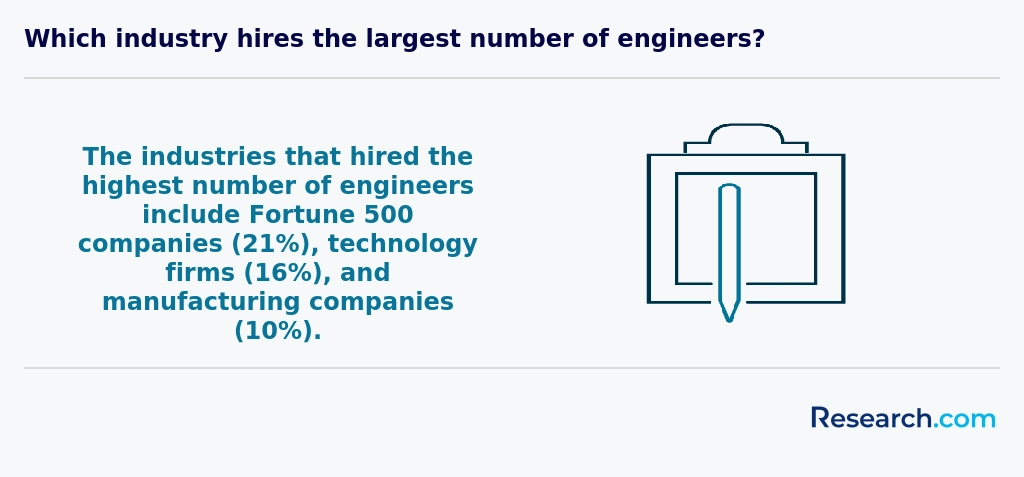
Graduates with an online engineering degree in New York find diverse career opportunities by focusing on the state's major economic sectors. Civil engineering roles are widely available, especially for those interested in infrastructure projects like bridges or transit systems in New York City and upstate. Mechanical and electrical engineering graduates often secure positions in manufacturing and energy companies located near metropolitan hubs, where innovation in sustainable technologies is a key focus. Many online engineering degree jobs in New York also involve software engineering, as the state's vibrant tech scene demands skilled developers for finance, healthcare, and media industries.
Graduates from well-known New York institutions appreciate that these career paths often lead to strong salaries and growth potential. Some apply their skills to project management and systems analysis, blending engineering and leadership, which employers highly value. To accelerate your qualification timeline and enter the workforce sooner, consider programs recognized for their flexibility and speed, such as those highlighted in the fastest bachelors degree offerings.
The job market for online engineering degree holders in New York is promising, especially for graduates from well-known institutions like the City University of New York (CUNY) and Rensselaer Polytechnic Institute's online programs. These graduates often find opportunities in sectors like aerospace, infrastructure, and telecommunications, where employers seek engineers with solid practical skills paired with theoretical knowledge. Focusing on gaining relevant experience through internships or project-based online courses enhances employability significantly in these urban hubs.
New York offers competitive New York engineering degree salary outlooks, with median wages ranging from $80,000 to $120,000 depending on specialization. Graduates working in cities like Albany or Rochester benefit from this range, which is higher than the national median. Many online graduates also take advantage of professional certifications and the Professional Engineer (PE) exam to access civil and mechanical engineering roles.
Students should also consider the total cost of education. Online programs at New York institutions are often less expensive than on-campus options. Those looking for an easy degree pathway with strong job prospects will find online engineering degrees offer a practical solution that fits busy schedules while positioning them well in New York's diverse engineering job market.
2027 Most Valuable Online Master's in Engineering Degree Programs Ranking in New York
Investing in your education is a significant decision that can shape your future, and the Research.com team understands the importance of making informed choices. To assist prospective students seeking advanced engineering degrees in New York, we have meticulously developed the "2027 Most Valuable Online Master's in Engineering Degree Programs Ranking in New York." Our dedication to quality, credibility, and accuracy is reflected in the thorough research and analysis conducted to compile this ranking.
We utilized the following reputable data sources to ensure a comprehensive evaluation of online engineering master's programs:
By exploring this ranking, readers will gain valuable insights into the most valuable online master's programs in engineering available in New York, empowering them to make well-informed decisions about their educational investment. For more information on how this ranking was created, please visit our Research.com methodology page.


Frequently Asked Questions About engineering
Online engineering degree students in New York can enhance their learning by actively engaging with virtual labs and simulation tools that replicate real-world engineering challenges. According to the New York State Education Department, hands-on experience significantly improves comprehension in STEM fields. Joining student organizations or online forums related to engineering in New York can also help build professional networks. Additionally, utilizing local resources such as New York Public Library's digital collections or attending virtual lectures offered by New York-based institutions can deepen subject understanding. Time management and regular communication with faculty are crucial for success in flexible online programs.
Emerging niches in engineering reflect the evolving demands of technology and society. In New York, fields like renewable energy engineering are gaining momentum, driven by state initiatives aiming for 70% renewable electricity by 2030 (New York State Energy Research and Development Authority, 2023). Another growing area is cybersecurity engineering, essential in protecting critical infrastructure and financial systems, with New York being a major financial hub.
Biomedical engineering also shows strong potential, supported by New York's expanding healthcare and biotech sectors. Data science and artificial intelligence integration within engineering disciplines are reshaping traditional roles, creating new career opportunities. These niches emphasize innovation, sustainability, and security, making them attractive for students seeking relevant and future-proof online engineering degrees.
After completing an online engineering degree in New York, preparing for the job market involves several strategic steps. First, leverage internships and cooperative education programs, which often offer remote options and provide valuable real-world experience. According to the New York State Department of Labor, engineers in the state have a median annual wage of approximately $92,000, making practical experience essential for competitive entry.
Networking is also critical. Join local chapters of professional organizations, such as the New York Society of Professional Engineers (NYSSPE), to connect with industry experts.
Additionally, obtaining state-required professional certifications can increase job prospects. Remaining updated with emerging technologies through continuous learning is equally important, given the rapid advancements in fields like civil and mechanical engineering in New York.
Employers in New York highly value engineering graduates who demonstrate strong technical skills, particularly in areas like computer-aided design (CAD), data analysis, and programming languages such as Python and MATLAB. According to a 2023 report by the New York State Department of Labor, proficiency in emerging technologies like artificial intelligence and machine learning is increasingly sought after in engineering roles across the state.
Beyond technical expertise, New York employers emphasize problem-solving abilities and teamwork, reflecting the collaborative nature of engineering projects. Communication skills-both written and verbal-are also critical, enabling graduates to effectively present complex ideas. These qualities often distinguish candidates in a competitive job market.
Finding internships in New York relevant to an engineering degree involves strategic networking and utilizing several key resources. Start by exploring internship listings at major New York engineering firms and technology companies, as the city hosts over 2,100 engineering-related establishments according to the New York State Department of Labor.
Many universities offering online engineering programs in New York share dedicated internship portals or career services that help place students in local companies. Additionally, use statewide platforms like the New York State Job Bank and professional organizations such as the New York State Society of Professional Engineers, which often list internship opportunities.
Consider attending virtual career fairs and joining engineering-related LinkedIn groups focused on New York. Research from the National Association of Colleges and Employers indicates that internships in New York lead to employment offers at a higher rate due to the city's strong engineering sector.
Obtaining an online engineering degree in New York can significantly impact career mobility and advancement within the state. Employers increasingly recognize accredited online degrees, valuing their flexibility and rigorous curriculum. In New York, the engineering sector is robust, with over 100,000 professionals employed as of 2023, according to the U.S. Bureau of Labor Statistics.
An online degree allows working professionals to gain specialized knowledge without interrupting their careers, making it easier to pursue promotions or switch focus areas. Additionally, many New York employers, including those in technology hubs like NYC and Albany, support continuing education.
Graduates with online master's degrees often report salary increases and enhanced leadership opportunities. According to the New York State Department of Labor, engineers with advanced degrees typically earn 20% more than those with only a bachelor's degree. This degree format also helps professionals build local networks through virtual collaborations and state-specific projects.
Studying for an engineering degree in New York offers a strong foundation for interdisciplinary roles. Programs often integrate coursework in business, computer science, and environmental studies, reflecting the state's diverse industries. According to the New York State Education Department, many universities emphasize collaboration across fields like biotechnology and urban infrastructure engineering.
Students gain practical skills through project-based learning and internships in sectors such as finance, healthcare, and technology, which are prominent in New York's economy. The region's focus on innovation encourages engineers to work seamlessly with professionals from other disciplines, fostering versatile problem-solving abilities demanded by modern workplaces.
When choosing between a thesis and a non-thesis online engineering degree in New York, consider your career goals. A thesis option emphasizes research and can be ideal for students aiming for doctoral studies or R&D roles. It involves developing a substantial research project under faculty supervision, which typically takes additional time and effort.
Non-thesis programs focus more on coursework and practical skills, appealing to professionals seeking to advance in industry or management. According to the New York State Education Department, the majority of engineering master's students in the state prefer non-thesis tracks due to flexibility and faster completion.
Your decision should also weigh faculty expertise, program accreditation, and connections to New York's engineering job market, notably within cities like New York City and Albany.
Students in New York seeking online engineering degrees abroad have several pathways available through U.S. institutions offering international partnerships or dual-degree programs. Many accredited universities provide online master's programs in engineering with global curricula accessible remotely, catering to international standards and practices.
New York students can explore programs certified by ABET, a U.S.-based engineering accreditation board recognized worldwide, ensuring quality education even in cross-border formats. According to the New York State Education Department, New York ranks high in engineering graduate enrollment, reflecting strong demand for flexible, global education options.
Additionally, some programs offer the opportunity to complete coursework abroad in collaboration with partner universities while maintaining online studies. This hybrid model benefits students aiming for international exposure without relocating permanently.
Overall, students should verify accreditation and transferability of credits when selecting programs to ensure full recognition domestically and internationally.
Part-time job opportunities in New York can effectively complement online engineering degree education by offering practical experience alongside academic learning. Positions such as engineering intern, CAD technician, or lab assistant help students apply theoretical concepts to real-world problems. According to the New York State Department of Labor, engineering roles in the state are expected to grow 8% through 2030, highlighting ample opportunities.
Students might also explore roles in tech startups, where skills in programming and design are valuable. Many New York companies actively seek part-time workers with engineering backgrounds to support ongoing projects.
Gaining experience in these roles benefits future employment and can provide networking connections within New York's engineering sector.
Online engineering students in New York have access to numerous networking opportunities despite studying remotely. Many universities offer virtual career fairs and online alumni networks connecting students with professionals across the state. For example, institutions like Columbia University and NYU provide dedicated online platforms where students can engage with engineers, faculty, and recruiters.
The New York State Society of Professional Engineers (NYSSPE) hosts webinars and chapter meetings that are often open to online learners, facilitating local peer interaction and professional growth. According to NYSSPE data, over 70% of members engage in online events, reflecting a strong virtual networking culture.
Additionally, students can join online industry groups on LinkedIn or specialized forums to connect with New York engineering communities. These resources enhance collaboration, mentorship, job leads, and internships throughout the state's vibrant engineering sector.
Alumni networks provide significant advantages for online engineering degree students in New York by fostering professional connections and career growth opportunities. Graduates from New York's engineering programs often join active networks that include thousands of professionals working in the state's robust technology and manufacturing sectors. According to the New York State Department of Labor, the engineering field in New York is expected to grow by 7% through 2030, highlighting the value of a strong network.
These networks facilitate mentorship, internships, and job placements, which are crucial for online students who may lack campus interaction. Access to exclusive job boards and industry events helps alumni connect with local employers and advanced projects.
Moreover, many New York universities with online engineering degrees organize alumni mixers and webinars, allowing ongoing learning and collaboration despite geographic distance. Such engagement can increase job offers by upwards of 25%, according to national alumni association studies.
Customizing an online engineering degree program in New York involves selecting specializations, electives, and practical experiences that align with your career goals. Many accredited New York universities offer concentrations such as civil, electrical, or software engineering, allowing students to focus on in-demand fields.
You can often tailor your coursework by choosing projects, research topics, or internships tied to local industries, like New York's growing tech or infrastructure sectors. This practical exposure is essential given the state's projected 8% growth in engineering jobs by 2030, according to New York State Department of Labor data.
Advisors at these institutions help create personalized study plans that balance technical skills and leadership abilities to meet professional certification or licensure requirements effectively.
Online engineering students in New York commonly face challenges with access to hands-on lab experiences essential for mastering practical skills. Despite digital simulations, physical labs remain critical in fields like mechanical and civil engineering. According to the New York State Education Department, only a minority of online programs provide in-person lab options or partnerships with local facilities.
Another challenge is balancing coursework with work and personal responsibilities. Engineering curricula are often rigorous and time-consuming, making it difficult to manage deadlines without the structure of traditional classes.
Connectivity and technical issues also affect many students, especially in areas with limited high-speed internet, which is crucial for accessing software and virtual meetings.
Finally, networking and mentorship opportunities can be limited compared to on-campus experiences, affecting career development and job placement. Students must proactively seek internships and professional connections in New York's competitive engineering job market.
With an online engineering degree in New York, graduates can pursue several valuable professional certifications that enhance their credentials and career prospects. One key certification is the Professional Engineer (PE) license, which is highly regarded nationwide and required for many engineering roles that involve public safety or consulting. To obtain a PE license in New York, candidates must pass the Fundamentals of Engineering (FE) exam, gain relevant work experience, and succeed in the PE exam, both administered by the National Council of Examiners for Engineering and Surveying (NCEES).
Other certifications include the Project Management Professional (PMP) credential and certifications from organizations like the American Society of Mechanical Engineers (ASME) or the Institute of Electrical and Electronics Engineers (IEEE), pertinent to specific engineering disciplines. These certifications are recognized in New York's competitive engineering job market, as reported by the New York State Department of Labor.
Applying for an online engineering program in New York requires a clear and focused approach. Begin by thoroughly researching accredited institutions recognized by the New York State Education Department. Highlight your academic achievements, especially in STEM subjects, as New York ranks among the top states for engineering graduates according to the National Science Board. Include detailed information about your professional experience, emphasizing any engineering projects or relevant work demonstrating problem-solving skills. Strong letters of recommendation from engineering faculty or employers can significantly strengthen your application. Additionally, tailor your personal statement to explain why an online program suits your career goals within New York's competitive engineering market.
The global perspective on an engineering career highlights its vital role in innovation and economic growth. In the United States, engineers remain in high demand, with the U.S. Bureau of Labor Statistics projecting a 10% growth in engineering jobs from 2022 to 2032-faster than the average for all occupations.
New York, as a hub for technology and infrastructure, offers numerous opportunities for engineers, especially those with advanced degrees obtained through flexible online programs. According to the National Science Board, U.S. engineering professionals often collaborate on international projects, emphasizing the importance of global skills.
Engineering careers today require knowledge beyond technical skills, including cross-cultural communication and sustainability awareness. Online degrees serve to prepare students for this interconnected environment by providing access to global resources and diverse perspectives.
Gaining practical experience while pursuing an online engineering degree in New York is crucial for career readiness. Many programs encourage internships with local companies, even for remote learners. The New York State Department of Labor reports a strong demand for engineers, particularly in fields like civil, mechanical, and electrical engineering, making internships widely available. Students can also engage in virtual labs and simulation projects offered by their universities, helping bridge theory and practice.
Additionally, professional organizations such as the New York State Society of Professional Engineers provide networking opportunities and mentorship. Participation in industry webinars and online workshops can further enhance practical skills.
Choosing the right concentration within an online engineering degree in New York begins with understanding your career goals and interests. New York's engineering job market is diverse, with opportunities in fields like civil, mechanical, electrical, and software engineering. According to the U.S. Bureau of Labor Statistics, software engineering roles in New York City are expected to grow by 22% through 2030, highlighting strong demand in that sector.
Research local industry trends, employer needs, and salary data to align your concentration with market opportunities. Consider programs accredited by ABET, ensuring quality education recognized by employers nationwide.
Lastly, evaluate course flexibility and faculty expertise to support your professional development effectively.
- 2027 Most Valuable Online Master's in Engineering Degree Programs Ranking in New Jersey
- 2027 Most Valuable Online Master's in Engineering Degree Programs Ranking in Pennsylvania
- 2027 Most Valuable Online Master's in Engineering Degree Programs Ranking in Massachusetts
- 2027 Most Valuable Online Master's in Engineering Degree Programs Ranking in Ohio
- 2027 Most Valuable Online Master's in Engineering Degree Programs Ranking in Kentucky
- 2027 Most Valuable Online Master's in Engineering Degree Programs Ranking in Michigan
- 2027 Most Valuable Online Master's in Engineering Degree Programs Ranking in Georgia
- 2027 Most Valuable Online Master's in Engineering Degree Programs Ranking in Illinois
- 2027 Most Valuable Online Master's in Engineering Degree Programs Ranking in Florida
- 2027 Most Valuable Online Master's in Engineering Degree Programs Ranking in Alabama
See What Experts Have To Say About Studying Engineering
Read our interview with Engineering experts

Joseph Reichenberger
Engineering Expert
Professor of Civil Engineering & Environmental Science
Loyola Marymount University

Bohdan W. Oppenheim
Engineering Expert
Professor Emeritus of Healthcare Systems Engineering
Loyola Marymount University

Jasna Jankovic
Engineering Expert
Associate Professor
University of Connecticut

- FAQ - Online Engineering Programs https://www.onlineengineeringprograms.com/faq
- Online Degree vs. Traditional | University of Arkansas Grantham https://www.uagrantham.edu/blog/pros-cons-online-degree-vs-traditional-university/
- Interdisciplinary Engineering Education: Difficult, but not Impossible https://engineeringedu.press/2020/02/16/interdisciplinary-engineering-education-difficult-but-not-impossible/
- Arya College | Best B.Tech College in Jaipur, Rajasthan, India https://www.aryacollege.org/resources/common-challenges-faced-by-engineering-students/
- Challenges, difficulties and barriers for engineering higher education https://www.jotse.org/index.php/jotse/article/view/1696/645
- 4 Strategies for engineering students to gain quality, hands-on experience https://starfishmedical.com/resource/gain-quality-hands-on-experience/
- Top 5 Demanding Engineering Fields in 2025: Future-Proof Your Career - MEC https://mailamengg.ac.in/top-5-demanding-engineering-fields-2025/
- Networking for engineers: your questions answered https://targetjobs.co.uk/careers-advice/engineering/networking-engineers-your-questions-answered
- Student blog: Networking tips for engineering students https://asu-london.ac.uk/news/student-blog-networking-tips-for-engineering-students/
- Engineering Education | Role of Interdisciplinary Studies in Modern Engineering https://www.thestudentpocketguide.com/2024/07/student-life/education-career/engineering-education-interdisciplinary-studies-modern-engineering/


