2027 Most Valuable Engineering Degree Programs Ranking in Maine

Co-Founder and Chief Data Scientist
Choosing the right engineering degree program can shape your future success and career satisfaction. To support students in Maine, this article introduces the 2027 Most Valuable Engineering Degree Programs Ranking in Maine, carefully developed by the Research.com team of data scientists.
By exploring this ranking, you'll gain clear insights into which programs offer strong value and promising opportunities. Whether you're passionate about innovation or practical problem-solving, an engineering degree can open doors to exciting and rewarding paths. Dive in to discover options that align with your goals and aspirations.
Key benefits of getting engineering degree in Maine
- Engineering graduates in Maine can expect strong earning potential, with mean annual wages such as $117,680 for Electrical Engineers and $105,220 for Mechanical Engineers, reflecting rewarding career opportunities.
- Graduates from the University of Maine's engineering programs often pursue diverse paths, including civil projects, industrial systems, and electrical design, offering exciting roles across various industries.
- Completing an engineering degree online from an accredited Maine institution allows flexible learning schedules and balancing work-life commitments, making education more accessible without sacrificing quality.
- 2027 Most Valuable Engineering Degree Programs Ranking in Maine
- What can I expect from engineering degree in Maine?
- Where can I work with engineering degree in Maine?
What can I expect from engineering degree in Maine?
The average cost of pursuing an engineering degree in Maine varies but remains accessible compared to national levels, making it an encouraging choice for aspiring engineers. At the University of Maine in Orono, for example, in-state tuition is moderately priced, allowing students to focus more on learning and hands-on experience rather than financial strain. Graduates often speak of balancing quality education with affordability, appreciating how smaller class sizes create a supportive learning environment where professors know their names and career goals.
Many students find that internships and cooperative education opportunities offered by Maine institutions enhance their practical skills without the need for expensive external programs. The investment in engineering education here yields excellent value, not only because of reasonable tuition but because of the state's strong ties to industries like renewable energy and marine technology, opening doors to meaningful, well-paid careers.
This balance of cost and opportunity encourages students to dive deeply into subjects like mechanical, civil, or electrical engineering, all while feeling confident about their financial commitment and future prospects.
Where can I work with engineering degree in Maine?
Graduates with an engineering degree from Maine's universities often find themselves stepping confidently into diverse and rewarding careers. Many have shared how their hands-on experiences at institutions like the University of Maine open doors within manufacturing, where companies such as Cianbro Corporation offer dynamic roles in design and project management. Imagine applying classroom knowledge to real-world shipbuilding or industrial machinery projects right in your home state.
Others have discovered inspiring opportunities in Maine's growing aerospace and defense sectors, contributing to advanced systems that protect communities and support national security. The excitement of working alongside industry leaders on cutting-edge technologies motivates these graduates every day.
Renewable energy also sparks passion among Maine engineering students. With access to internships focused on wind, solar, and tidal power, many feel proud to advance sustainable solutions through local initiatives like MOWII. The state's maritime industry further invites engineers to innovate in naval architecture and coastal engineering, turning passion for the ocean into meaningful work.
These pathways, supported by competitive wages and vibrant local industries, empower graduates to build fulfilling careers rooted in Maine's unique opportunities.
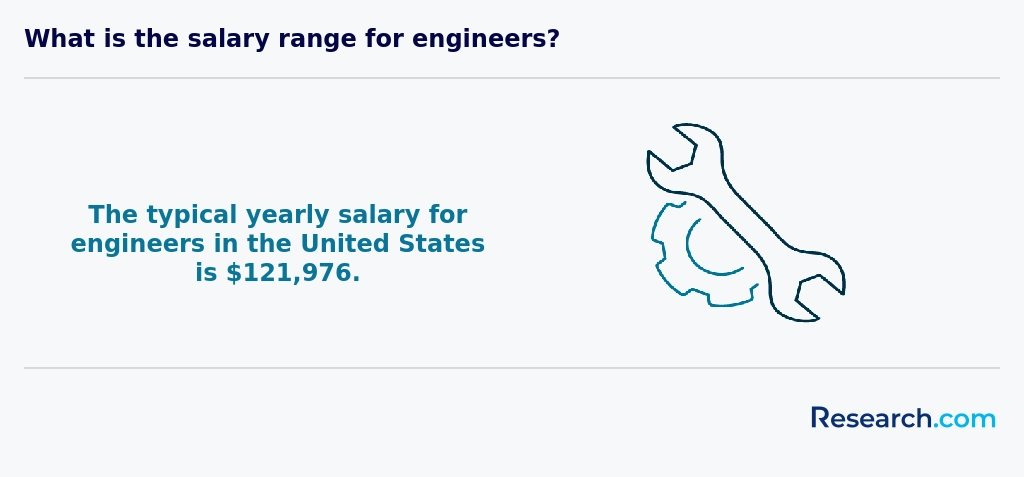
Graduates with an engineering degree from institutions like the University of Maine often step into rewarding careers with strong earning potential. Mechanical engineers in Maine can anticipate mean annual wages around $105,220, reflecting robust opportunities in manufacturing and renewable energy sectors. Electrical engineering graduates see even higher figures, with mean annual wages reaching approximately $117,680, driven by growing demand for expertise in innovative technologies across the state.
Civil engineers, another popular path for Maine graduates, enjoy mean salaries close to $101,160, supporting critical infrastructure projects that keep the state moving forward. Many graduates share how starting with solid salaries near $60,000 quickly grows as they gain experience, followed by exciting professional development and licensure opportunities that can boost income by 10-15% or more.
Living and working in Maine's close-knit communities, students from local colleges often express pride in contributing to industries that align with their values, such as environmental services or sustainable design. These vibrant career paths make an engineering degree in Maine a truly empowering investment in your future.
- Engineering degrees in Maine are offered mostly by public universities and some private ABET-accredited schools, including mechanical, civil, electrical, and biomedical specialties.
- Annual tuition for in-state students at public universities ranges from $11,500 to $13,500, with additional living costs around $12,000 per year.
- Entry-level engineers in Maine earn an average starting salary of about $58,000, while experienced engineers typically make between $85,000 and $95,000.
- Job opportunities are concentrated in urban areas like Portland and Bangor, with industries including manufacturing, maritime, renewable energy, and environmental consulting.
- Many programs emphasize practical experience through co-op placements and research projects to prepare students for the workforce.
Completing an engineering degree in Maine typically takes around four years of full-time dedication, a milestone many graduates proudly celebrate at institutions like the University of Maine. These programs, spanning mechanical to environmental engineering, offer a well-structured path with about 120 to 130 credit hours designed to build strong technical skills.
Many students find the journey enriching, especially when taking advantage of cooperative education or internship opportunities that the University of Maine offers. These experiences may extend the timeline by a semester or a year but add invaluable practical knowledge and confidence that prepares graduates for thriving careers.
For those entering with prior credits-perhaps from AP courses or dual enrollment-the path can be even shorter, accelerating their progress and bringing them closer to their goals faster. This flexibility highlights the supportive and motivating environment that Maine engineering programs provide, helping students turn their aspirations into reality efficiently and enthusiastically.
Engineering students in Maine benefit from a wealth of internships, co-operative education (co-op) programs, and cutting-edge research projects that bridge classroom learning with real-world experience. Institutions like the University of Maine at Orono and Maine Maritime Academy partner with regional employers-ranging from renewable energy startups to shipbuilding firms-to offer structured internships that often lead to full-time positions upon graduation. • Co-op Programs: Many bachelor’s programs integrate paid co-ops, allowing students to alternate semesters of academic study with professional work placements at companies such as Pratt & Whitney and IDEXX Laboratories. • Research Labs: Under faculty mentorship, undergraduates can contribute to NSF-funded projects in areas like sustainable materials and ocean engineering, gaining hands-on skills in advanced instrumentation and data analysis. • Industry Partnerships: Through collaborations with manufacturing plants and tech firms, students-especially those pursuing industrial engineering specializations-engage in process‐optimization projects that bolster resumes and refine problem-solving abilities (explore industrial engineering careers to see how these internships translate into long-term professional growth). By leveraging these opportunities, graduates emerge not only with robust technical knowledge but also with the practical insights and professional networks essential for a successful engineering career.
Choosing between an online and on-campus engineering degree in Maine opens exciting paths tailored to your lifestyle. Graduates from the University of Maine campus often talk about the energy of hands-on labs and face-to-face collaboration, where solving real-world problems alongside peers sparks creativity and confidence. The tangible experience in workshops or group projects offers priceless moments that shape practical skills in fields like mechanical or civil engineering.
On the other hand, students studying online through respected Maine programs enjoy incredible flexibility. Imagine balancing your engineering studies while working or managing family commitments, all from your own space. Online learners from institutions like the University of Southern Maine benefit from asynchronous courses that adapt to their schedules, paired with innovative virtual simulations that bring engineering concepts alive.
Both routes maintain ABET accreditation, guaranteeing quality and opening doors to rewarding careers. Whether your strength is thriving in a vibrant campus community or mastering self-driven learning remotely, Maine's engineering programs empower you to excel on your terms.
The average engineering degree cost in Maine is encouragingly accessible, especially for those pursuing their studies at renowned institutions like the University of Maine. In-state students benefit from a median total cost around $13,326, which combines tuition, fees, and living expenses, making it a smart investment for a promising future. Graduates often reflect on how staying in-state allowed them to focus on mastering their engineering skills without the heavy financial worry, opening doors to rewarding career opportunities.
Out-of-state students, while facing higher expenses, with a median total cost near $51,166, find that the value of an engineering degree from Maine's well-regarded programs is truly transformative. Many share stories of leveraging scholarships and financial aid to turn what initially looked like a daunting number into manageable steps toward success. These experiences prove that with the right planning, anyone can tap into Maine's vibrant engineering education landscape.
It's also worth noting that choosing an affordable engineering school in Maine can significantly ease the financial journey. Students often describe how budget-conscious decisions helped them balance expenses like housing and materials while gaining hands-on experience through labs and projects that bring engineering concepts to life. This approach empowers learners to thrive both academically and financially.
Understanding Maine engineering degree total expenses upfront enables students to dream big while staying grounded in practical possibilities. The investment pays off in fulfilling careers designed to impact communities and industries, making every dollar spent a step toward a bright engineering future.

Students pursuing engineering degrees in Maine have access to a variety of financial aid options that make their dreams achievable. Graduates from the University of Maine often share how federal Pell Grants, offering up to $7,395 annually, relieved their tuition burdens, allowing them to focus on hands-on projects and innovation. Many also benefit from Direct Subsidized and Unsubsidized Loans, which come with manageable interest rates and flexible repayment plans that ease financial stress throughout their studies.
Within the state, the Maine State Grant Program stands out as a vital resource for residents, ensuring that talented students at institutions like Southern Maine Community College receive the support they need. Merit-based scholarships from the Maine Engineering Society and university-specific awards reward hard work and dedication, inspiring students to thrive.
- Work-study programs provide real-world engineering experience while helping students earn income to cover daily expenses.
- Specialized scholarships promote diversity by empowering women and minorities to excel in STEM fields.
Completing the FAFSA early unlocks these opportunities, and exploring local internships with Maine's engineering firms can turn education into meaningful career pathways. Many Maine engineering students feel empowered knowing they're supported every step of the way.
Embarking on an engineering degree in Maine is a transformative experience that goes beyond textbooks and lectures. Students can anticipate a dynamic blend of rigorous academics, hands-on laboratory work, and real-world projects that not only build technical skills but also foster critical thinking and problem-solving abilities. Maine’s engineering programs emphasize experiential learning, providing opportunities to work alongside seasoned professionals, participate in internships, and contribute to industry-sponsored research projects. Expect to engage in collaborative projects that simulate real engineering challenges, receive personalized mentorship from faculty, and access state-of-the-art facilities that nurture both innovation and creativity. Additionally, many institutions integrate career support services, networking events, and leadership development workshops designed to prepare you for success after graduation. If affordability is one of your priorities, consider exploring an affordable engineering school in maine where cost-effective tuition meets quality education. Overall, your journey will be marked by continual growth, the development of a supportive academic community, and opportunities that bridge the gap between education and industry, ensuring you are well-equipped to excel in the competitive field of engineering.
To embark on an engineering degree in Maine, students typically build on a solid foundation in math and science developed during high school. Graduates from renowned institutions like the University of Maine often recall how their mastery of algebra, geometry, and calculus paved the way for them to tackle challenging engineering concepts confidently.
Strong skills in physics and chemistry are equally vital, and many students share how these subjects sparked their curiosity and practical problem-solving abilities. Some programs may also appreciate experience in biology or other sciences, highlighting the interdisciplinary nature of engineering careers in Maine.
Beyond coursework, a high school GPA around 3.0 with excellent STEM grades is usually expected, helping students shine during application reviews. Applicants often find that showcasing participation in AP courses or STEM extracurriculars brings a real boost, affirming their passion and readiness to thrive at colleges across Maine.
Standardized test scores like SAT Math can open doors too, as several Maine universities value these as indicators of analytical strength. Preparing applications for Maine's engineering schools involves presenting strong academic records alongside recommendation letters and personal statements, reinforcing a student's unique motivation and potential.
Engineering programs in Maine blend rigorous academics with hands-on learning to ensure you build a solid theoretical foundation while gaining real-world skills. In your first year, you’ll tackle core courses in calculus, physics and chemistry before moving on to discipline-specific modules-statics and dynamics for mechanical engineers, circuit analysis for electrical engineers, or process design for chemical engineers. Small class sizes foster close interactions with faculty, allowing personalized mentorship and collaborative problem-solving in state-of-the-art laboratories. Early exposure to projects-such as designing wind-turbine prototypes or programming autonomous drones-sparks innovation and deepens technical understanding. Beyond coursework, Maine’s colleges offer robust co-op and internship opportunities with local firms and research centers. Partnerships with renewable‐energy companies, maritime technology innovators and biomedical labs allow students to earn credit while applying classroom knowledge in professional settings-often leading to job offers upon graduation. Student organizations like the American Society of Mechanical Engineers (ASME) and Society of Women Engineers (SWE) host workshops, networking events and design competitions that hone teamwork and leadership skills. Academic support services-including tutoring centers, writing labs and dedicated career counselors-ensure you stay on track in challenging courses and secure internships. Affordability is a key consideration. While in-state tuition in Maine remains competitive, you may also explore cost-effective alternatives beyond state lines. For students evaluating program expenses alongside quality, our Inexpensive Engineering Degree Programs Ranking in Oklahoma highlights top-value options that balance cost with curriculum excellence. Generous scholarship offerings, work-study arrangements and paid research assistantships further reduce financial burdens, allowing you to focus on mastering cutting-edge engineering concepts. By immersing yourself in a comprehensive curriculum, leveraging hands-on experiences and tapping into strong support networks, you can expect an engineering degree from Maine to equip you with the analytical skills, technical expertise and professional connections needed to launch a successful career in today’s competitive engineering landscape.
Engineering students in Maine dive into a dynamic mix of courses that blend theory with practical skills, creating a powerful foundation for innovation. At institutions like the University of Maine, graduates recall beginning with core subjects such as Calculus, Differential Equations, and Physics, which prepare them to tackle real-world challenges with confidence. These classes are complemented by studies in General Chemistry and Introduction to Engineering Principles, ensuring a well-rounded technical base.
As students specialize, the coursework becomes even more exciting. Civil engineering students engage with structural analysis and environmental engineering, imagining themselves designing Maine's sustainable infrastructure. Mechanical engineering courses in thermodynamics and fluid mechanics inspire vibrant problem-solving in everything from advanced machinery to renewable energy projects thriving in the state.
Electrical engineering students bring ideas to life through circuit theory and digital systems, often reflecting on hands-on labs that mimic real industry scenarios. These practical experiences at Maine's colleges transform knowledge into tangible skills, instilling a sense of pride and readiness in every graduate pursuing their engineering journey.
Engineering degree specializations in Maine open doors to exciting, real-world challenges that inspire students daily. At the University of Maine, graduates often describe the hands-on experiences in Civil Engineering, where they design vital infrastructure like bridges and water systems that protect and connect communities. Others thrive in Electrical Engineering, energized by renewable energy projects that power Maine's future with wind and hydroelectric innovations. Mechanical Engineering students feel the pride of contributing to local shipbuilding and advanced manufacturing, seeing their designs come to life. Environmental Engineering enthusiasts embrace Maine's deep commitment to sustainability, tackling pollution control and resource management head-on.
Emerging fields like Computer Engineering and Software Engineering also attract driven students eager to shape tomorrow's technology. These programs in Maine balance traditional strengths with new opportunities, fueled by cooperative education and internships with local industries.
For those looking beyond these options, exploring industrial engineering careers adds another dimension of growth and fulfillment to an engineering education. Choosing the best engineering programs Maine offers means stepping into a vibrant community ready to support your ambitions.
Choosing the best engineering degree programs in Maine means focusing on quality programs that offer hands-on experience and strong industry connections. Graduates from the University of Maine often share how cooperative education and internships helped them develop real-world skills, making their transition into careers seamless and rewarding. This practical approach, combined with smaller class sizes and expert faculty, creates a supportive learning environment where students feel confident and motivated.
Affordability is also key when exploring engineering colleges. Maine offers options with competitive tuition, and finding affordable engineering colleges Maine can make your education investment manageable. Many students benefit from programs accredited by ABET, ensuring recognized excellence and solid job prospects in fields like renewable energy and marine technology.
If you're seeking ways to balance cost while pursuing your dreams, consider exploring resources like the Inexpensive Engineering Degree Programs Ranking in Oklahoma for inspiration on affordable options that still provide excellent outcomes.

Graduates with engineering degrees in Maine find themselves stepping into vibrant career paths across the state's dynamic industries. Whether working in advanced manufacturing hubs crafting aerospace components or leading environmental projects that protect Maine's beautiful natural resources, opportunities abound for every passion. Many recent graduates from well-known Maine colleges have shared how their hands-on experience in electrical, mechanical, or civil engineering fields transformed their potential into tangible impact, from optimizing manufacturing processes to designing sustainable infrastructure.
Jobs with Maine engineering degrees are especially promising in rapidly growing sectors like technology development and public infrastructure. Imagine supporting startups in Portland's tech scene or contributing to major transportation projects that improve daily life across communities. These real-world roles reflect the strong foundation Maine universities provide, combining classroom theory with internships that open doors to fulfilling careers.
For those considering the right educational path, some have found that pairing a deep dive into engineering with flexible options, including programs like the best associate's degree in 6 months, can accelerate entry into rewarding jobs with Maine engineering degrees.
The engineering job opportunities in Maine present an encouraging landscape for graduates eager to launch their careers. Students from well-regarded institutions such as the University of Maine often find themselves stepping into roles across civil, mechanical, electrical, and environmental engineering, driven by strong local demand for infrastructure development and clean energy innovation. Graduates describe rewarding experiences working with local manufacturing companies and marine technology firms, where their skills directly impact sustainable projects along Maine's coastline.
Maine engineering degree employment outlook benefits from steady job availability and competitive salaries, with many entry-level engineers starting around $60,000 and experienced specialists earning over $100,000 annually. This financial outlook, combined with affordable tuition rates at universities in Maine, creates a promising return on investment for students. Many find that staying in-state offers unique opportunities to build professional networks and contribute to thriving industries. For those considering alternative pathways, exploring easy associates degrees can also be a helpful step in entering this rewarding field.
2027 Most Valuable Engineering Degree Programs Ranking in Maine
Investing in your education is a significant decision that can shape your future, and the Research.com team recognizes the importance of making informed choices. To support prospective students in Maine, we have carefully developed the "2027 Most Valuable Engineering Degree Programs Ranking in Maine." Our dedication to quality, credibility, and accuracy is demonstrated through the rigorous research and analysis behind this ranking.
We utilized the following reputable data sources to ensure a comprehensive evaluation of engineering degree programs:
By exploring this ranking, readers will gain valuable insights into the most valuable engineering programs offered in Maine, empowering them to make well-informed decisions about their educational investments. For further details on our methodology, please visit our Research.com methodology page.


Frequently Asked Questions About engineering
Engineering degree students in Maine can maximize their learning experience by engaging actively with practical, hands-on opportunities. Schools like the University of Maine offer cooperative education programs that integrate real-world work with classroom study, enhancing skills and employability. Participating in internships with Maine's growing engineering firms or industries, especially in areas like renewable energy and manufacturing, provides vital experience.
Students should also take advantage of research projects and collaborations facilitated by institutions such as the Maine Technology Institute, which supports innovation locally. Joining engineering societies and networking events helps connect with professionals and peers, enriching both knowledge and career prospects.
Emerging niches within the engineering field in Maine reflect broader national trends toward technology and sustainability. Areas such as renewable energy engineering are growing rapidly, driven by Maine's focus on wind and solar power projects. According to the U.S. Bureau of Labor Statistics, renewable energy technician jobs are expected to increase by over 10% by 2030, which influences related engineering roles.
Biomedical engineering is another expanding field, supported by Maine's strong healthcare industry. Engineers focusing on medical devices and biotechnology benefit from local research partnerships and the University of Maine's programs.
Environmental engineering also sees increased demand due to regulatory emphasis on clean water and waste management in the state. These niches offer promising career options aligned with Maine's economic priorities.
Preparing for the job market after earning an engineering degree in Maine involves several key steps. First, gaining practical experience through internships or cooperative education programs is essential. Maine's engineering job market often values hands-on skills alongside academic achievement. According to the Maine Department of Labor, internships increase employment opportunities by 20% for recent graduates.
Networking is also critical; joining local chapters of professional organizations like the Maine Society of Professional Engineers can connect graduates with industry professionals. Additionally, obtaining relevant certifications, such as the Fundamentals of Engineering (FE) exam, enhances credentials and employability. Keeping up with Maine's key industries, including shipbuilding and renewable energy, can guide specialization choices.
Employers in Maine highly value engineering graduates who combine strong technical abilities with effective problem-solving skills. According to the Maine Department of Labor, proficiency in computer-aided design (CAD) and familiarity with software like MATLAB are often required in local engineering roles. Communication skills also play a critical role, as engineers must collaborate with diverse teams and explain complex ideas clearly.
Analytical thinking and adaptability are essential, especially given Maine's focus on industries such as renewable energy and manufacturing. Additionally, employers look for graduates who demonstrate hands-on experience gained through internships or cooperative education programs affiliated with Maine universities.
Understanding regulatory standards and safety protocols is another key competency, ensuring projects meet legal and environmental requirements.
Finding internships in Maine relevant to engineering degrees involves several strategic steps. Start by exploring opportunities at local companies in sectors like aerospace, manufacturing, and renewable energy, which are significant employers in the state. The Maine Technology Institute and Maine Department of Labor often list engineering internships suited for students. Universities such as the University of Maine frequently provide internship placement services and career fairs specifically for engineering students.
Networking is crucial. Joining student chapters of professional organizations like the American Society of Civil Engineers (ASCE) or the Society of Women Engineers (SWE) can open doors to internships. Additionally, online platforms such as Handshake and the Maine State Career Center are valuable tools to find updated listings of engineering internships in Maine.
Obtaining an engineering degree in Maine significantly enhances career mobility and advancement opportunities. The state's expanding sectors, including manufacturing, technology, and energy, value engineers highly, creating steady demand for skilled professionals. According to the U.S. Bureau of Labor Statistics, Maine's employment of engineers is expected to grow by approximately 5% through 2031, reflecting regional growth trends.
Graduates with engineering degrees often benefit from higher starting salaries and better promotion prospects compared to those without such credentials. Employers in Maine typically prioritize candidates with accredited degrees from established institutions, which provide a strong foundation in both theory and practical skills.
Additionally, an engineering degree in Maine can facilitate entry into specialized fields like civil, mechanical, and environmental engineering, where licensure and continued education often lead to career advancement. Professional networks and internships offered by Maine's universities also support graduates in securing roles with increased responsibility.
Studying for an engineering degree in Maine equips students with critical skills to excel in interdisciplinary roles. Maine's engineering programs often emphasize collaboration across fields such as environmental science, computer technology, and management. This approach mirrors growing industry demands where engineers must work with diverse teams.
Universities in Maine, like the University of Maine, integrate project-based learning that involves real-world challenges requiring inputs from multiple disciplines. According to the National Center for Education Statistics (NCES), Maine engineering graduates frequently engage in cross-functional projects during their studies.
These programs also foster strong communication and problem-solving skills, essential for interdisciplinary work environments.
Choosing between a thesis and a non-thesis engineering degree program in Maine depends largely on your career goals and academic interests. Thesis programs typically require original research, appealing to students aiming for technical depth or doctoral studies.
Non-thesis options often focus on coursework and practical skills, suitable for professionals targeting immediate employment. According to the Maine Department of Labor, many engineering roles in the state value hands-on experience, which non-thesis programs emphasize.
Universities like the University of Maine offer both paths in fields such as civil and mechanical engineering. Reviewing program specifics, faculty expertise, and industry connections can guide your choice.
Students based in Maine who wish to study engineering abroad have several pathways available through exchange programs and partnerships facilitated by their home institutions. For example, the University of Maine participates in international agreements allowing engineering students to spend a semester or year studying in Europe or Asia while earning credits toward their degree. These programs often include countries with strong engineering traditions like Germany and South Korea.
Another option includes working with organizations such as the National Society of Professional Engineers, which supports internships and study abroad experiences focused on engineering disciplines. According to the Institute of International Education, participation in STEM-related study abroad programs by US students has risen steadily, reflecting growing demand.
Additionally, scholarships and grants specific to Maine residents may be available to reduce costs associated with international study. Before committing, students should consult academic advisors and review their institution's engineering accreditation to ensure credits will transfer smoothly.
Part-time job opportunities in Maine that complement engineering degree education often involve practical experience in technical fields. Many engineering students find internships or part-time roles with local manufacturing companies, especially near Portland and Auburn, where industries like marine technology and civil engineering projects are prominent. According to the Maine Department of Labor, technical roles in engineering support grew by 8% between 2019 and 2023, reflecting a steady demand.
Students can also work in research assistant positions at universities such as the University of Maine, which has strong ties to sustainable engineering and environmental technologies. These roles often provide hands-on skills in data analysis and project management.
Additionally, part-time jobs in CAD drafting, quality control, and technical sales within Maine's growing renewable energy sector offer valuable experience. These positions align well with engineering curricula and enhance employability after graduation.
Engineering students in Maine benefit from diverse networking opportunities that connect them with industry leaders and peers. Universities such as the University of Maine offer student chapters of professional organizations like the American Society of Mechanical Engineers (ASME) and the Society of Women Engineers (SWE).
Students often engage in local events, internships, and research collaborations, facilitated by Maine's growing tech and manufacturing sectors. According to the Maine Department of Labor, these industries create over 7,000 engineering-related jobs, offering students valuable contacts and work experience.
Additionally, statewide engineering conferences and career fairs, frequently hosted by educational institutions, support networking with employers and alumni.
Alumni networks offer significant benefits to engineering degree students in Maine by providing access to professional connections and career opportunities. Graduates from Maine's engineering programs often stay engaged through these networks, which help current students find internships and job placements in local industries such as shipbuilding, manufacturing, and technology. According to the Maine Department of Labor, engineering fields in the state have seen steady growth, making strong alumni connections valuable for entering competitive roles.
Furthermore, alumni can offer mentorship, sharing real-world experience and guidance on navigating Maine's engineering job market. These networks also facilitate collaborations and knowledge sharing, enhancing students' practical skills and professional growth.
Students pursuing an engineering degree in Maine have several ways to customize their programs to align with career goals. Many institutions offer elective courses in specialized fields such as mechanical, electrical, civil, or environmental engineering. Choosing relevant electives allows students to deepen expertise in areas with strong local industry demand, such as renewable energy and manufacturing.
Additionally, internships and cooperative education opportunities facilitate practical experience tailored to students' interests. For example, the Maine Department of Labor highlights partnerships with engineering firms offering hands-on roles, which can enhance job readiness.
Some schools also provide flexible curricula that enable cross-disciplinary studies, like combining engineering with business or computer science, supporting diverse career paths.
Engineering students in Maine often face challenges related to limited local internship and co-op opportunities. Because Maine has a smaller industrial base compared to other states, students may need to seek positions out-of-state, which can complicate gaining practical experience. According to the U.S. Bureau of Labor Statistics, Maine's engineering job market is more modest, influencing availability of on-campus research and networking connections.
Another challenge is balancing rigorous coursework with hands-on learning. Engineering programs demand strong STEM skills, especially in math and physics, which some students find difficult. Faculty at institutions like the University of Maine emphasize that time management and supplemental tutoring are crucial for success.
Finally, the upfront cost of engineering degrees can be a barrier. While Maine offers some state scholarships, tuition rates still rank above the national average for public four-year institutions, as reported by the National Center for Education Statistics.
With an engineering degree in Maine, graduates can pursue several recognized professional certifications that enhance career prospects and earning potential. The most common is the Professional Engineer (PE) license, which requires passing the Fundamentals of Engineering (FE) exam, gaining work experience, and passing the PE exam. According to the National Society of Professional Engineers, holding a PE license allows engineers to offer services directly to the public and take responsibility for projects.
Other valuable certifications include the Certified Manufacturing Engineer (CMfgE) and the Project Management Professional (PMP) credential, which are respected across Maine's growing technology and industrial sectors. These certifications help engineers build expertise in specific areas beyond their degree.
Applying for an engineering program in Maine requires a clear focus on academic achievement and personal motivation. Prospective students should highlight strong performance in math and science courses, as Maine engineering schools often prioritize these subjects. For example, the University of Maine emphasizes STEM rigor in its admissions criteria.
Standardized test scores like the SAT or ACT remain important for many Maine institutions, though some have adopted test-optional policies since 2020, so check each program's requirements carefully. Including relevant extracurricular activities such as robotics clubs or internships can demonstrate practical interest and experience.
Strong letters of recommendation from teachers or employers familiar with your engineering skills add credibility. Additionally, a well-crafted personal statement that clearly explains your goals and why you chose engineering in Maine can set your application apart. According to the National Center for Education Statistics, Maine awarded 150+ engineering bachelor's degrees in recent years, reflecting growing opportunities in the state's tech and manufacturing sectors.
Engineering careers are highly valued worldwide due to the global demand for innovation and infrastructure development. In the United States, including Maine, engineering graduates often have strong employment prospects, with the U.S. Bureau of Labor Statistics projecting a 6% growth in engineering jobs from 2022 to 2032. Maine itself is home to growing industries in manufacturing and technology, which increasingly require skilled engineers.
Internationally, engineering degrees from accredited U.S. institutions are respected and can open doors to work opportunities abroad. According to the National Science Foundation, American engineers participate extensively in global research collaborations, especially in fields like environmental and civil engineering, which are crucial for addressing worldwide challenges.
Maine's engineering programs emphasize practical skills and innovation, helping graduates compete in a global job market where technical expertise and adaptability are key. This aligns with trends noted by professional bodies such as the National Society of Professional Engineers, underscoring the importance of lifelong learning and global engagement for engineers today.
Students pursuing engineering degrees in Maine can gain practical experience through internships, cooperative education (co-op) programs, and research opportunities. Many Maine colleges, such as the University of Maine, collaborate with local industries in sectors like shipbuilding, renewable energy, and manufacturing. These partnerships offer valuable hands-on learning.
Internships provide real-world application of classroom knowledge and enhance employability. According to the National Association of Colleges and Employers, 68% of engineering students nationwide complete at least one internship, boosting their job prospects.
Co-op programs alternate semesters of academic study with full-time work, providing deeper industry experience. In Maine, engineering students can also participate in faculty-led research projects, often funded by federal agencies, which develop technical skills and innovation.
Choosing the right concentration within an engineering degree program in Maine involves understanding both your interests and the job market. Maine offers engineering programs focusing on civil, mechanical, electrical, and environmental engineering, among others. According to the U.S. Bureau of Labor Statistics, electrical and civil engineering fields show steady growth in the Northeast region, including Maine.
Students should consider local industry demands, as Maine has strong sectors in manufacturing, renewable energy, and marine engineering. Researching program curricula at schools like the University of Maine can clarify which concentrations offer specialized courses aligned with these industries.
Additionally, internships and cooperative education opportunities in Maine can provide practical experience and may guide concentration choices by exposing students to real-world challenges.
- 2027 Most Valuable Engineering Degree Programs Ranking in Connecticut
- 2027 Most Valuable Engineering Degree Programs Ranking in Kentucky
- 2027 Most Valuable Engineering Degree Programs Ranking in Indiana
- 2027 Most Valuable Engineering Degree Programs Ranking in Georgia
- 2027 Most Valuable Engineering Degree Programs Ranking in Illinois
- 2027 Most Valuable Engineering Degree Programs Ranking in Florida
- 2027 Most Valuable Engineering Degree Programs Ranking in Alabama
- 2027 Most Valuable Engineering Degree Programs Ranking in Missouri
- 2027 Most Valuable Engineering Degree Programs Ranking in Arkansas
- 2027 Most Valuable Engineering Degree Programs Ranking in Minnesota
See What Experts Have To Say About Studying Engineering
Read our interview with Engineering experts

Bohdan W. Oppenheim
Engineering Expert
Professor Emeritus of Healthcare Systems Engineering
Loyola Marymount University


Joseph Reichenberger
Engineering Expert
Professor of Civil Engineering & Environmental Science
Loyola Marymount University

- Engineering Certifications Explained https://www.manpower.com/en/insights/blogs/engineering-certifications
- Engineering Maine’s Future https://www.pressherald.com/2026/02/20/engineering-maines-future/
- Student blog: Networking tips for engineering students https://asu-london.ac.uk/news/student-blog-networking-tips-for-engineering-students/
- Top 5 Demanding Engineering Fields in 2025: Future-Proof Your Career - MEC https://mailamengg.ac.in/top-5-demanding-engineering-fields-2025/
- Work Experience https://thisisengineering.org.uk/become-an-engineer/work-experience/
- Interdisciplinary Engineering Education: Difficult, but not Impossible https://engineeringedu.press/2020/02/16/interdisciplinary-engineering-education-difficult-but-not-impossible/
- The Rise of the Niche Engineer https://www.sterling-engineering.com/niche-engineer/
- New Ranking: The Best Alumni Networks https://poetsandquantsforundergrads.com/rankings/the-best-alumni-networks/
- Thinking of studying abroad as an engineering major https://talk.collegeconfidential.com/t/thinking-of-studying-abroad-as-an-engineering-major/1788476
- Scholarships for New Mainers - FAME Maine https://www.famemaine.com/affording-education/make-a-plan/planning-tips-for/new-mainers/paying-for-college/scholarships-for-new-mainers/