
2027 Most Valuable Engineering Degree Programs Ranking in Blacksburg

Co-Founder and Chief Data Scientist
Choosing the right engineering degree program in Blacksburg can feel overwhelming. To make this easier, the article presents the 2027 Most Valuable Engineering Degree Programs Ranking in Blacksburg, created by the Research.com team of data scientists. This ranking is designed to help you discover which programs offer the best value based on solid data.
Reading this article will guide you toward programs that align with your goals and provide promising career opportunities. Earning an engineering degree is a rewarding step forward, and finding the right fit can set you up for lasting success.
Key benefits of getting engineering degree in Blacksburg
- Salary for engineering graduates: Mechanical engineers earn a mean annual wage of $105,220, while electrical engineers make $117,680 on average, reflecting strong financial rewards for degree holders in Blacksburg.
- Career paths: Graduates from Virginia Tech, a popular university in Blacksburg, often pursue exciting careers in design, development, and project management across multiple engineering fields.
- Online degree benefits: Earning an engineering degree online offers flexibility and the ability to balance work and study, making it easier for students to advance without pausing their careers.
- 2027 Most Valuable Engineering Degree Programs Ranking in Blacksburg
- What can I expect from engineering degree in Blacksburg?
- Where can I work with engineering degree in Blacksburg?
What can I expect from engineering degree in Blacksburg?
The average cost of pursuing an engineering degree in Blacksburg, particularly at Virginia Tech, is quite manageable if you qualify as an in-state student. Many engineering graduates recall the balance they struck between affordability and quality, paying about $15,500 annually in tuition. This cost reflects not just tuition but access to world-class facilities, expert faculty, and immersive hands-on labs that turn theory into real-world skills. For out-of-state students, the fees are higher-around $35,000 a year-but even then, the investment is weighed against the university's strong placement record and the invaluable industry connections students gain.
Many students find that scholarships tailored for engineering disciplines greatly ease financial pressures, allowing them to focus more on mastering subjects from mechanics to smart infrastructure. Graduates often highlight how the combination of competitive tuition and rich academic resources made their education feel like a smart investment in their future careers.
Where can I work with engineering degree in Blacksburg?
Graduates from Virginia Tech's engineering programs in Blacksburg find themselves stepping into a vibrant job market full of promising opportunities. Many start their careers in aerospace, manufacturing, or automotive companies where they apply hands-on skills learned during internships or projects on campus. Imagine working alongside innovators in the Virginia Tech Corporate Research Center, a local hub buzzing with startups and established firms focused on cutting-edge engineering challenges.
Others discover rewarding paths in public sector roles, contributing to infrastructure projects or transportation systems right in the New River Valley. The practical experience gained through co-ops or research at Virginia Tech prepares students to tackle real-world problems in these roles confidently.
Many graduates also stay connected to academia, joining research teams or teaching, leveraging Virginia Tech's reputation as a top engineering institution. This blend of practical and theoretical work often builds careers that are both fulfilling and impactful in the Blacksburg community.
Graduates with engineering degrees from Virginia Tech in Blacksburg can look forward to promising salary prospects that match their hard work and expertise. For example, mechanical engineers typically earn about $105,220 annually, while electrical engineers often see even higher pay around $117,680. Civil engineers generally make close to $101,160, which reflects strong demand in local infrastructure projects.
Many alumni share how starting salaries near $65,000 to $75,000 provided a solid foundation, allowing them to live comfortably in Blacksburg's moderate cost-of-living environment. As they gain experience, especially in fields like software or electrical engineering, salaries frequently grow to the $90,000-$120,000 range. This steady climb often comes hand in hand with opportunities to work at cutting-edge research centers or tech companies near Virginia Tech.
Consider the advantage of Blacksburg's close-knit industry ties and expanding tech sector. Graduates often find themselves quickly advancing, fueled by local job growth and the practical skills acquired during their degree programs. If you're motivated, this region offers not just competitive pay but a supportive community eager to help engineers thrive.
- In-state tuition for a bachelor's engineering degree at Virginia Tech is about $14,000 per year, while out-of-state students pay around $33,000 annually.
- Additional costs like housing and textbooks are not included in tuition and can increase total expenses over four years.
- Starting salaries for engineering graduates in Blacksburg range from $65,000 to $75,000 per year.
- Mid-career engineers can earn more than $100,000 annually, reflecting strong demand in various industries.
- Over 90% of engineering graduates find relevant jobs or continue education within six months of graduation.
- The local job market includes sectors like aerospace, civil engineering, software development, and mechanical engineering with multiple internship opportunities.
Completing an engineering degree in Blacksburg typically takes about four years for full-time students, especially those attending respected institutions like Virginia Tech. Graduates often recall how the first two years build a strong foundation in math, science, and general education, which smoothly lead into specialized engineering courses and hands-on projects during the last two years.
Many students feel empowered by the structured curriculum and support systems that keep them on track. For example, some graduates share how academic advising helped them balance challenging coursework with exciting internships, making the experience both manageable and rewarding.
Of course, factors like choosing a part-time schedule or participating in co-op programs might extend the timeline by a semester or two. Yet, these experiences often enrich students' professional skills and confidence. Overall, with dedication and the right resources, finishing your engineering degree in Blacksburg within four years is not only feasible but a gateway to countless opportunities ahead.
Choosing between online and on-campus engineering degrees in Blacksburg hinges on how you want to experience your education. On-campus programs at Virginia Tech immerse you in hands-on learning-from state-of-the-art labs to group projects in real time-that prepare you for the teamwork and practical problem-solving engineers face daily. Graduates often speak of the energy in campus workshops and the immediate support from professors, which make challenging concepts click faster.
Online programs, while matching the rigorous Virginia Tech curriculum, offer unmatched flexibility. Many students juggling jobs or family find comfort studying at their own pace without sacrificing content quality. Some have shared how virtual simulations and occasional campus visits replaced physical labs, which, though less immersive, still build valuable skills. Keep in mind, extra tech fees or travel for labs might come into play.
Both paths cost roughly $14,000 a year for in-state students, but the experience differs: on-campus is social and hands-on, online is flexible and independent. Reflect on your daily life and learning style to decide which route fuels your engineering dreams best.
Engineering students in Blacksburg, VA, have access to a wide array of internship and co-op opportunities that bridge classroom theory with real-world practice. Virginia Tech’s Career and Professional Development Center hosts biannual engineering career fairs, attracting top regional employers such as Schneider Electric, Micron Technology, and Dominion Energy. Through semester-long co-op placements, students rotate between academic study and full-time paid work, gaining hands-on experience in fields ranging from manufacturing optimization to renewable energy systems. Local partnerships extend beyond internships: research collaborations with the Virginia Tech Corporate Research Center connect students to startups and established firms working on autonomous vehicles, advanced materials, and biomedical devices. Participants often credit these partnerships with fast-tracking their career trajectories-84% of co-op participants at Virginia Tech receive job offers from their host employers upon graduation. To secure these positions, students are encouraged to begin networking in their first year, attend résumé workshops, and leverage on-campus recruiting events. For students seeking a more balanced workload or alternative pathways into engineering, exploring the easiest engineering degrees can provide insight into programs with lighter prerequisites and flexible pacing, while still offering meaningful internship experiences. By combining strategic academic planning with proactive engagement in co-ops and industry partnerships, prospective engineers in Blacksburg can maximize their skills, expand professional networks, and transition smoothly into high-demand roles after graduation.
The average cost of an engineering degree in Blacksburg, primarily offered at Virginia Tech, is shaped by tuition, fees, and living expenses combined. For in-state students, the median total cost typically reflects approximately $15,948 per year in tuition and fees, which aligns with similar flagship public universities. Out-of-state students face a higher tuition, but the overall median cost for engineering degrees in Blacksburg is around $53,020, blending tuition and necessary additional expenses.
Many graduates recall balancing the cost with valuable resources available on campus, which enhances their educational experience without adding financial strain. Room and board, books, and supplies play a significant role in the total expense, with students budgeting around $11,000 to $13,000 annually for housing and meals, plus specialized materials unique to engineering courses. Understanding these can help you plan wisely and pursue your passion with confidence.
When factoring in all costs-tuition, fees, living expenses-the total tuition and fees for engineering programs Blacksburg students enroll in can reach around $53,000. This investment is often viewed as worthwhile by graduates who appreciate the strong foundation Virginia Tech provides, opening doors to fulfilling careers in engineering fields.
To explore a detailed list of engineering majors offered here and prepare for the financial commitment, check the options here.
Engineering students in Blacksburg, VA benefit from a wide array of internships and co-op opportunities that bridge classroom theory with real-world practice. Many programs, particularly at Virginia Tech, partner with leading firms in aerospace, automotive and renewable energy sectors to offer semester-long co-op placements, paying competitive wages while earning academic credit. These structured experiences not only strengthen technical competencies-such as CAD modeling, systems analysis and prototyping-but also develop soft skills like communication, project management and teamwork. Local engineering employers, including tech startups in the New River Valley and national companies like Micron Technology, actively recruit Blacksburg students for summer internships, capstone collaborations and research assistantships. Students often rotate through multiple departments-mechanical design, data analytics or quality assurance-to build a versatile portfolio before graduation. Career Services workshops guide participants on resume optimization, interview strategies and networking at on-campus career fairs. For those weighing program cost alongside experiential learning, it can be helpful to compare other affordable options-such as the Low Cost Engineering Degree Programs Ranking in Detroit, MI-to ensure you find the ideal balance of quality, hands-on training and value.
If you're pursuing an engineering degree in Blacksburg, you've got a strong support system to ease financial burdens. Federal Pell Grants are a lifeline for many students, awarding up to $7,395 based purely on your financial need-imagine the relief when part of your tuition is covered without repayment. Many Blacksburg graduates share how these grants, combined with subsidized federal loans, made advanced labs and technical courses more attainable.
Virginia Tech, a hub for engineering excellence in Blacksburg, offers merit-based scholarships that reward your hard work and leadership. Some students have earned awards ranging from $1,000 to full tuition coverage, changing their academic journey profoundly. The Virginia Tuition Assistance Grant and Commonwealth Award also lighten financial loads, reflecting the state's commitment to your success.
Graduate students frequently secure research or teaching assistantships, gaining not only valuable experience but also tuition waivers and stipends. External scholarships from engineering societies have helped others like you stand out while funding their dreams. These combined resources create a realistic path toward your engineering goals in Blacksburg.
If you're aiming to enroll in an engineering program in Blacksburg, building a strong foundation in math and science is essential. Graduates from top schools like Virginia Tech often recall how mastering Algebra, Geometry, and even Calculus in high school made complex university concepts far more approachable. Taking advanced placement or honors courses helps showcase your readiness and dedication-qualities admissions committees truly value.
Alongside solid coursework in biology, chemistry, and physics (labs included), successful applicants also prepare compelling personal statements and gather letters of recommendation that highlight their passion for engineering. Many students find that involvement in hands-on STEM activities, such as robotics clubs or science fairs, not only strengthens their applications but also ignites genuine excitement for their future studies.
Though standardized tests are sometimes optional, submitting strong SAT scores can give you an edge. Remember, Blacksburg engineering programs look for consistent academic achievement, but also for individuals who demonstrate real enthusiasm and practical experience-the kind that turns challenging coursework into a rewarding journey.
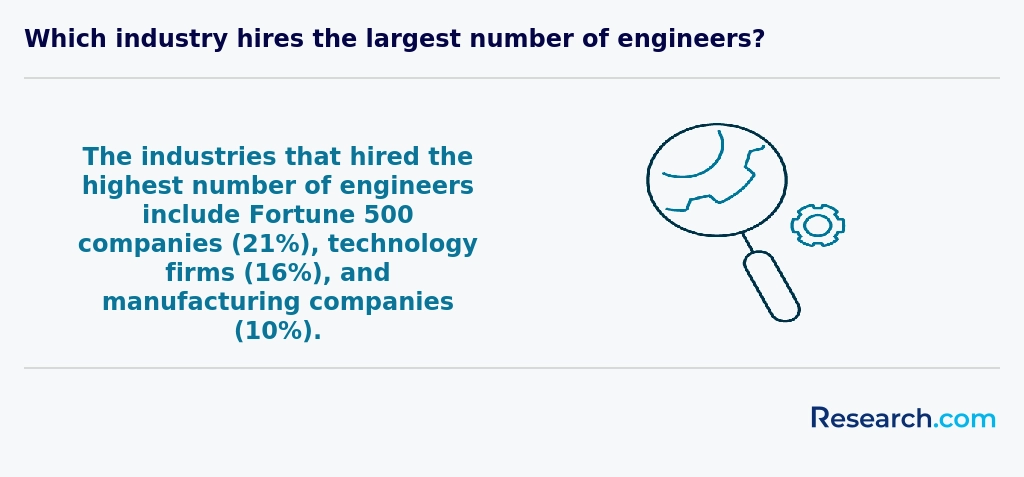
Beyond the academics, engineering students in Blacksburg, VA, thrive in a vibrant campus community that offers a range of extracurricular activities and networking opportunities. Many students emphasize that joining engineering clubs, participating in hackathons, and engaging in community outreach programs has not only enriched their learning experience but also helped them build connections that extend well into their professional lives. Campus organizations and industry-sponsored events provide platforms for collaboration, problem-solving, and the development of soft skills that prove invaluable in today’s competitive job market. Moreover, students frequently take advantage of career fairs and mentoring programs that bridge the gap between classroom learning and real-world applications. For additional insights into selecting top-tier institutions that foster both academic excellence and a dynamic campus life, consider reading about valuable engineering schools in virginia. This holistic approach to education ensures that graduates are not only technically proficient but also well-rounded individuals prepared for leadership roles in their future careers.
Engineering students in Blacksburg, especially at renowned institutions like Virginia Tech, embark on a challenging yet rewarding journey. Early courses focus on building a strong foundation with calculus, physics, and chemistry-subjects that ignite curiosity and sharpen analytical skills. Imagine working through complex physics problems and then applying those principles to design a prototype in a hands-on lab; it's this blend of theory and practice that makes your learning truly come alive.
As you progress, specialized classes in mechanical, electrical, civil, or chemical engineering allow you to dive deeply into areas that match your passion. For instance, mechanical engineering students often describe the excitement of mastering thermodynamics or fluid mechanics, while electrical engineering peers relish exploring circuits and signal processing through real-world projects.
Beyond technical skills, graduates value courses in professional ethics and communication, which prepare them to present ideas clearly and make responsible decisions. The project-based approach popular in Blacksburg's engineering programs creates collaboration opportunities that build confidence and lifelong problem-solving instincts.
Engineering degree specializations in Blacksburg offer diverse paths to shape your career. At Virginia Tech, graduates often reflect on how Civil Engineering prepared them to design resilient bridges and sustainable urban spaces, giving tangible impact to community development. Mechanical Engineering students relish hands-on projects that simulate real-world challenges in automotive or aerospace industries, fueling their passion for innovation.
Blacksburg engineering program concentration options also embrace Electrical and Computer Engineering, where students develop cutting-edge communication systems or embedded technologies used in everyday devices. Biomedical Engineering graduates find fulfillment creating life-saving medical tech, while Aerospace Engineering prepares students for thrilling roles in aircraft and spacecraft design.
Many students also pursue advanced fields like sustainable energy or materials science, building skills in dynamic sectors. If you're intrigued by data and insights, consider exploring data analytics master's programs online linked to engineering, which complement these specializations and widen your career scope.
Choosing the best engineering degree in Blacksburg means aligning your passion with the strengths of local programs, especially at Virginia Tech, known for its vibrant engineering community. Graduates often speak of the thrill in hands-on labs and projects that ignite creativity and confidence, helping them see how theoretical concepts transform into real-world solutions. Consider which engineering discipline excites you most-whether mechanical, electrical, civil, or computer engineering-each opens distinct career doors and practical skills. Reflect on your future: if you crave innovation in sustainable technologies or data analytics, Blacksburg's programs provide tailored tracks to explore these cutting-edge fields.
Cost can feel daunting, but many find budgeting manageable by tapping into scholarships and financial aid at affordable engineering colleges in Blacksburg. Graduates recall how campus resources and employer connections made a tangible difference, often securing fulfilling jobs quickly. To further sharpen your skills and adapt to fast-changing tech landscapes, check out the top online coding bootcamps that complement traditional degrees and keep you competitive.
Graduates with an engineering degree in Blacksburg find themselves stepping into a diverse array of career paths, each full of exciting potential. At well-regarded institutions like Virginia Tech, many students embark on roles in civil engineering, working on vital infrastructure projects that directly impact communities, from bridges to environmental systems. These graduates witness firsthand how their work supports Virginia's ongoing transportation developments. Others pursue mechanical engineering careers, contributing to manufacturing, aerospace, and robotics industries, where innovation and hands-on skills drive continuous progress.
Electrical and computer engineering graduates benefit from Blacksburg's tech-savvy environment, landing positions in electronics and telecommunications companies close to campus. Biomedical engineering opens doors to the healthcare technology field, allowing graduates to design medical devices that improve lives nationwide. For students balancing studies or looking for streamlined options, exploring online fast-track CS programs can enhance their prospects.
If you're seeking engineering career opportunities in Blacksburg, know that your education here aligns with top engineering jobs in Blacksburg VA, supported by a robust network and a promising local economy ready to welcome your talents.

The engineering job market in Blacksburg is vibrant and full of promise, especially for graduates of Virginia Tech's renowned engineering programs. Many graduates find themselves employed in industries ranging from aerospace and manufacturing to cutting-edge technology and energy firms, often leveraging strong ties forged through internships and research projects during their studies. This local ecosystem supports graduates entering roles that require interdisciplinary expertise, such as automation and sustainable engineering, which are increasingly valued.
Blacksburg engineering degree employment opportunities are bolstered by the region's emerging status as a technology hub. Graduates often share stories of landing jobs soon after graduation, thanks to collaborations between the university and local companies. Starting salaries typically range from $60,000 to $70,000, competitive given Blacksburg's affordable living costs. Students also benefit from access to diverse sectors including civil engineering and environmental sustainability. For those curious about expanding their skill sets, exploring roles in data science can enhance their career prospects in this dynamic market.
2027 Most Valuable Engineering Degree Programs Ranking in Blacksburg
Investing in your education is a significant decision that requires careful consideration, and the Research.com team is deeply aware of the responsibility involved in providing accurate guidance. To support prospective students in Blacksburg, we have developed the "2027 Most Valuable Engineering Degree Programs Ranking." Our dedication to quality, credibility, and accuracy is demonstrated through rigorous data analysis and comprehensive research.
We utilized the following reputable data sources to ensure a thorough evaluation of engineering programs:
By examining this ranking, readers will receive valuable insights into the most valuable engineering degree programs in Blacksburg, empowering them to make well-informed educational decisions. For more information on how this ranking was created, please visit our Research.com methodology page.

# 3 position
Virginia Polytechnic Institute and State University
Doctor of Philosophy in Engineering
Frequently Asked Questions About engineering
Engineering students in Blacksburg can maximize their learning by actively engaging with hands-on projects and research opportunities offered by local institutions. Virginia Tech, located in Blacksburg, consistently ranks among the top public engineering schools in the US, providing access to cutting-edge labs and interdisciplinary research centers. Participating in internships and cooperative education programs connects students with regional industries, enhancing practical skills and job prospects post-graduation. Students benefit from joining engineering clubs and student organizations, promoting collaboration and professional networking. Utilizing campus resources like tutoring and academic advising also supports academic success. Staying updated on industry trends through seminars can further deepen their knowledge.
The engineering field in Blacksburg is rapidly evolving, with several emerging niches gaining prominence. Areas such as sustainable energy engineering and advanced manufacturing are attracting attention due to growing demands for environmental responsibility and innovation. Additionally, cybersecurity engineering is becoming crucial as cyber threats increase nationwide. According to the Virginia Tech College of Engineering, research and development in smart grid technologies and autonomous systems are expanding locally, offering new career pathways.
Biomedical engineering also shows significant growth, with Blacksburg institutions collaborating on cutting-edge healthcare technologies. These emerging specializations reflect broader national trends and present valuable opportunities for students seeking relevant, future-focused engineering degrees.
Preparing for the job market after completing an engineering degree in Blacksburg involves combining technical skills with real-world experience. Many students benefit from internships offered by local tech companies and research facilities connected to Virginia Tech, a leading engineering institution in the area. According to the National Association of Colleges and Employers (NACE), employers seek candidates with both hands-on experience and strong soft skills such as communication and teamwork.
Participating in cooperative education programs and joining engineering organizations, like the American Society of Mechanical Engineers (ASME) chapters, can enhance networking opportunities. Additionally, Blacksburg's proximity to research parks provides access to emerging tech sectors, offering valuable job prospects for graduates.
Employers in Blacksburg value engineering graduates who possess strong technical and interpersonal skills. Proficiency in software such as MATLAB, AutoCAD, and Python is highly sought after, reflecting regional industry standards. According to the Bureau of Labor Statistics and local job market analyses, problem-solving abilities rank among the top attributes employers seek in new engineers.
Communication skills, both written and verbal, are essential as engineers often collaborate across teams and with clients. Leadership and project management experience can also enhance an applicant's appeal, given the emphasis on multidisciplinary projects in Blacksburg's growing tech and manufacturing sectors.
Data from regional employment reports show that adaptability and a continuous learning mindset are critical in an evolving engineering landscape, especially with increasing automation and smart systems adoption in local industries.
Finding internships in Blacksburg for engineering students involves leveraging local resources and university connections. Virginia Tech, located in Blacksburg, has a strong engineering program and maintains partnerships with companies like General Dynamics and Micron Technology, which offer internships. The university's Career and Professional Development office hosts job fairs and networking events specifically for engineering disciplines.
Additionally, platforms such as Handshake and LinkedIn list internship opportunities tailored to Blacksburg and nearby regions. Students are encouraged to apply early and seek faculty guidance, as many professors have industry contacts. According to the National Association of Colleges and Employers, about 65% of engineering students secure internships through campus resources, a trend visible at Blacksburg institutions.
In Blacksburg, obtaining an engineering degree significantly enhances career mobility and advancement due to the area's strong ties to technology and manufacturing sectors. According to the U.S. Bureau of Labor Statistics, engineers in Virginia have an average salary 15% higher than the national average, reflecting robust local demand. Blacksburg's proximity to research centers and companies like Virginia Tech's corporate partners provides graduates with networking and internship opportunities, crucial for career growth.
Engineering degrees equip students with problem-solving and technical skills that employers in Blacksburg and surrounding regions highly value. This demand translates to increased job openings and faster promotion paths.
Additionally, local industry growth supports diverse roles, from civil to software engineering, enabling graduates to switch specialties and advance across fields.
Studying for an engineering degree in Blacksburg equips students with skills essential for interdisciplinary roles common in today's job market. Programs emphasize collaboration across fields like computer science, business, and environmental studies. This approach reflects regional industry demands, including aerospace and advanced manufacturing sectors.
The curriculum often integrates hands-on projects, encouraging teamwork with peers from diverse academic backgrounds. For example, Virginia Tech's engineering college supports initiatives that combine engineering principles with data analytics and policy-making, fostering broad problem-solving abilities.
According to the Virginia Economic Development Partnership, over 60% of engineering graduates in the area work in roles requiring cross-disciplinary knowledge. Students also benefit from local internship opportunities with companies promoting innovative, multi-sector solutions.
Choosing between a thesis and a non-thesis engineering degree program in Blacksburg depends on your career goals and interests. A thesis option involves conducting original research, which is valuable if you plan to pursue a PhD or a research-focused career. Typically, students spend an additional semester or two working on their thesis.
The non-thesis option emphasizes coursework and practical skills, usually allowing faster completion. It suits professionals aiming to enter the industry directly or advance without engaging in academic research. According to data from Virginia Tech's College of Engineering, about 40% of graduate students in Blacksburg opt for thesis programs, while 60% choose non-thesis.
Consider internship opportunities and faculty expertise in Blacksburg when deciding. Faculty in Blacksburg-affiliated universities often support thesis students with funded projects, which can lead to publications and networking.
Students in Blacksburg have several opportunities to study engineering abroad through established programs affiliated with Virginia Tech, a leading institution in the area. Virginia Tech's College of Engineering offers various study abroad options, including semester-long exchanges and summer programs in countries known for engineering innovation, such as Germany and Singapore.
These programs often provide hands-on experience and exposure to global engineering practices. According to Virginia Tech's recent data, about 15% of engineering students participate in some form of international study during their degree. Students also have access to faculty-led trips and internships that enhance cross-cultural and technical skills essential in today's global engineering workforce.
Additionally, students may leverage partnerships promoted by the National Society of Black Engineers, which occasionally support study abroad scholarships and networking help for aspiring engineers interested in expanding their international experience.
Students pursuing engineering degrees in Blacksburg can benefit from several part-time job opportunities that complement their studies. Local tech companies and startups often seek interns or part-time assistants for roles in software development, data analysis, and systems engineering. These positions help students apply classroom knowledge to real-world projects.
Additionally, Blacksburg's proximity to Virginia Tech, a leading research university, offers on-campus research assistant roles in engineering labs. According to Virginia Tech's career services, such positions pay around $12-$18 per hour and provide valuable hands-on experience.
Other opportunities include tutoring engineering subjects or working in local manufacturing firms. These jobs develop both technical skills and professional networks essential for future careers.
Engineering students in Blacksburg benefit from robust networking opportunities tied mainly to Virginia Tech, a leading research university. The College of Engineering offers numerous student organizations and professional groups, such as the Society of Automotive Engineers and the Institute of Electrical and Electronics Engineers. These groups host regular events connecting students with local industry leaders and alumni.
Additionally, Blacksburg's proximity to the Virginia Tech Corporate Research Center provides internships and cooperative education programs, fostering strong industry partnerships. Career fairs held on campus attract over 200 employers annually, enhancing job placement opportunities for engineering majors.
Alumni networks play a crucial role for engineering students in Blacksburg, offering valuable connections within the local and national engineering communities. Graduates often leverage these networks to find internships, job opportunities, and mentorship. According to the National Academy of Engineering, strong alumni ties can increase job placement rates by up to 20% for engineering graduates.
Many alumni from Blacksburg-based institutions actively contribute to student development through workshops, guest lectures, and career fairs. These events help students gain insights into industry trends and build professional skills early on.
Additionally, alumni networks often collaborate with regional engineering firms, enhancing students' practical experiences and employment prospects in Blacksburg's growing technology sector.
Students pursuing engineering degrees in Blacksburg can customize their programs through elective courses, minors, and interdisciplinary study options. Many institutions offer a range of specializations such as mechanical, civil, electrical, and computer engineering, allowing students to focus on their specific interests.
Additionally, Blacksburg's engineering programs often include opportunities for undergraduate research projects and internships, which help tailor practical skills toward desired career paths. According to the National Center for Education Statistics, hands-on experience significantly enhances job prospects. Students are encouraged to consult academic advisors to select courses aligned with emerging industry trends such as renewable energy or cybersecurity.
Moreover, Blacksburg's proximity to tech firms and research centers provides access to workshops and networking events that further support customized career preparation.
Engineering students in Blacksburg commonly face a rigorous academic workload, which demands strong time-management skills. The curriculum at Virginia Tech, the main institution offering engineering degrees there, is known for its challenging courses in subjects like calculus, physics, and specialized engineering fields. According to the National Survey of Student Engagement, approximately 60% of engineering students nationwide report stress from course difficulty, a factor likely echoed in Blacksburg.
Another challenge is hands-on experience. Many students express the need for more accessible internships and co-op opportunities locally to apply theoretical knowledge practically. Blacksburg's smaller job market means students often compete for limited positions in technology firms and research projects.
Additionally, maintaining work-life balance amid rigorous studies and extracurricular commitments remains difficult for many engineering students. Mental health concerns are increasingly reported, with counseling services noting a rise in students seeking support for stress and anxiety related to academic pressure.
With an engineering degree in Blacksburg, graduates can pursue various professional certifications to enhance their careers. One of the most recognized certifications is the Professional Engineer (PE) license, which requires passing the Fundamentals of Engineering (FE) exam, gaining relevant work experience, and then passing the PE exam. The PE license allows engineers to offer services to the public and can increase job opportunities and salary potential.
Other valuable certifications include the Project Management Professional (PMP), which is useful for engineers involved in managing projects. Certifications like Certified Manufacturing Engineer (CMfgE) or Six Sigma Green Belt also complement engineering degrees, especially in manufacturing and quality control sectors prevalent in Virginia's tech and industrial hubs.
According to the National Society of Professional Engineers, earning certifications can increase income by up to 20%, reinforcing their value for engineers in Blacksburg and beyond.
To write a winning application for an engineering program in Blacksburg, start by highlighting your academic achievements, especially in mathematics and science courses. Programs like those at Virginia Tech, one of the leading engineering schools in Blacksburg, highly value a strong GPA and high standardized test scores.
Demonstrate your passion for engineering through extracurricular activities such as robotics clubs, internships, or relevant volunteer work. Including clear, specific goals related to engineering can make your application stand out.
Letters of recommendation from teachers or professionals familiar with your skills provide important support. Many Blacksburg programs also consider essays that reflect problem-solving abilities and teamwork experience. According to Virginia Tech's admission guidelines, showing a commitment to innovation and community impact significantly improves your chances.
Engineering careers offer strong global opportunities, especially for students studying in the U.S. In Blacksburg, Virginia Tech's engineering programs prepare graduates to compete internationally by emphasizing innovation and practical skills. According to the U.S. Bureau of Labor Statistics, the demand for engineers is expected to grow by 8% from 2020 to 2030, reflecting worldwide needs in technology and infrastructure.
Many engineering roles require collaboration across borders, making cultural competence important. Blacksburg's programs often integrate global perspectives, enhancing students' readiness for international work. Graduates can expect competitive salaries; according to the National Association of Colleges and Employers, the average starting salary for engineering graduates is about $72,000 annually, highlighting strong returns on investment in U.S. education.
Gaining practical experience while studying for an engineering degree in Blacksburg involves several strategies available within the US higher education system. Many students participate in cooperative education (co-op) programs offered by universities in the area, allowing paid work terms integrated with their academic schedule. For example, Virginia Tech, located in Blacksburg, has well-established co-op and internship programs that connect engineering students with local and national employers.
Additionally, Blacksburg's proximity to technology firms and research centers provides internships and part-time job opportunities. Students often join campus clubs such as engineering societies to work on real-world projects.
According to the National Association of Colleges and Employers (NACE), nearly 60% of engineering students who complete internships secure job offers before graduation, highlighting the value of hands-on experience.
When choosing a concentration within an engineering degree program in Blacksburg, start by assessing your personal interests and career goals. Blacksburg hosts Virginia Tech, a leading research university with over 14 specialized engineering fields, including mechanical, civil, electrical, and biomedical engineering. Each concentration offers unique opportunities, such as internships or research projects, often tied to local industries and government labs.
Consider labor market trends: According to the U.S. Bureau of Labor Statistics, fields like electrical and computer engineering have projected job growth rates of 7-10% through 2030 in Virginia. Additionally, evaluate available faculty expertise and facilities, as Virginia Tech regularly ranks within the top 15 engineering schools nationwide by U.S. News & World Report.
Networking with current students and alumni can provide practical insights, potentially guiding you toward concentrations with strong regional demand and research funding. Understanding local partnerships in Blacksburg can help optimize your educational experience and future job prospects.
- 2027 Most Valuable Engineering Degree Programs Ranking in Washington
- 2027 Most Valuable Engineering Degree Programs Ranking in Pittsburgh
- 2027 Most Valuable Engineering Degree Programs Ranking in Norfolk
- 2027 Most Valuable Engineering Degree Programs Ranking in Baltimore
- 2027 Most Valuable Engineering Degree Programs Ranking in Dayton
- 2027 Most Valuable Engineering Degree Programs Ranking in Cleveland
- 2027 Most Valuable Engineering Degree Programs Ranking in Atlanta
- 2027 Most Valuable Engineering Degree Programs Ranking in Philadelphia
- 2027 Most Valuable Engineering Degree Programs Ranking in Nashville
- 2027 Most Valuable Engineering Degree Programs Ranking in Detroit
See What Experts Have To Say About Studying Engineering
Read our interview with Engineering experts

Joseph Reichenberger
Engineering Expert
Professor of Civil Engineering & Environmental Science
Loyola Marymount University

Jasna Jankovic
Engineering Expert
Associate Professor
University of Connecticut


- 40 Different Types of Engineering Degrees https://typesofengineeringdegrees.org/
- Challenges, difficulties and barriers for engineering higher education https://www.jotse.org/index.php/jotse/article/view/1696/645
- 139402 Bachelor Chemical Engineering - Virginia Polytechnic Institute and State University (Virginia Tech) https://www.findcourse.com/en/highereducation/course/139402/
- New Ranking: The Best Alumni Networks https://poetsandquantsforundergrads.com/rankings/the-best-alumni-networks/
- WHAT EMPLOYERS ARE LOOKING FOR – Career Connections Center | Milwaukee School of Engineering https://www.msoecareerconnections.com/channels/what-employers-are-looking-for/
- targetjobs https://targetjobs.co.uk/careers-advice/engineering/what-can-i-do-engineering-degree
- Breaking Into Engineering: First Job Tips | Intuitive https://careers.intuitive.com/en/employee-stories/career-growth-advice/breaking-into-engineering-tips-for-landing-your-first-job/
- Guide to Types of Engineering Programs and Careers https://www.ycp.edu/news/types-of-engineering-degree-programs
- All STEM Placements/Internships | Gradcracker - Careers for STEM Students https://www.gradcracker.com/search/all-disciplines/engineering-work-placements-internships
- Arya College | Best B.Tech College in Jaipur, Rajasthan, India https://www.aryacollege.org/resources/common-challenges-faced-by-engineering-students/





