2027 Most Affordable Online Engineering Degree Programs Ranking in Washington, DC

Co-Founder and Chief Data Scientist
Exploring affordable options for an online engineering degree can feel overwhelming, especially in Washington, DC. To help you navigate this journey, this article presents the 2027 Most Affordable Online Engineering Degree Programs Ranking in Washington, DC created by the Research.com team of data scientists.
By reading this ranking, you'll gain valuable insights into quality programs that balance cost and educational value. Earning an engineering degree opens doors to exciting career opportunities and personal growth. This guide is designed to empower you with the knowledge needed to make confident, informed decisions about your future.
Key benefits of getting online engineering degree in Washington
- Mechanical engineers in Washington earn a mean annual wage of $105,220, while electrical engineers make about $117,680, showing strong salary potential with an engineering degree.
- Graduates from universities like the University of Washington often explore diverse careers in fields such as civil, industrial, or electrical engineering, offering many paths to success.
- Online engineering degrees provide flexible learning schedules and reduce commuting stress, helping students balance work and study more easily compared to traditional programs.
- 2027 Most Affordable Online Engineering Degree Programs Ranking in Washington, DC
- What can I expect from online engineering degree in Washington?
- Where can I work with online engineering degree in Washington?
What can I expect from online engineering degree in Washington?
The average cost of an online engineering degree in Washington is often more affordable than many expect, typically ranging between the equivalent of traditional tuition fees but with significant savings on housing and transportation. Graduates from well-known institutions like the University of Washington highlight how the flexibility of online programs helped them balance work and study while keeping expenses manageable.
Many students note that financial aid and scholarships, especially those aimed at engineering disciplines, make pursuing these degrees even more accessible. For example, learners shared that receiving state-sponsored scholarships or university grants eased their financial burden substantially. The investment felt worthwhile as they gained access to rigorous, ABET-accredited curricula recognized by employers throughout Washington's vibrant tech and aerospace industries.
These programs blend cutting-edge virtual labs and real-world assignments, letting students develop hands-on skills without overwhelming costs. Being able to study from home or nearby while connecting with peers and professors online creates a supportive and inspiring journey toward becoming a licensed engineer in Washington's competitive job market.
Where can I work with online engineering degree in Washington?
Graduates with an online engineering degree from respected institutions like the University of Washington or Washington State University discover an exciting range of vibrant career paths across the state. Many find themselves thriving in Washington's booming aerospace industry, joining innovative teams at companies such as Boeing, where they contribute to cutting-edge design and testing projects. These roles not only challenge their skills but also inspire a deep sense of purpose and pride.
Others pursue dynamic opportunities in Seattle's tech giants like Microsoft and Amazon, where engineers bring ideas to life through hardware development and technical project management. These companies value the flexibility and adaptability that online graduates demonstrate, opening doors to hybrid and remote positions that fit diverse lifestyles.
Renewable energy projects around the state offer fulfilling careers for engineers passionate about sustainability, working on wind, solar, and hydropower initiatives that make a real difference in communities. Meanwhile, graduates engaged in biomedical engineering find rewarding roles at leading research centers, enhancing healthcare technologies that improve lives every day.
The journey from online learning to impactful work is real and within reach, making Washington a place where your engineering degree can take flight and flourish.
Graduates from online engineering programs in Washington are stepping into careers with rewarding salaries that reflect both their hard work and the vibrant local economy. For instance, mechanical engineers in the state earn a mean annual wage of $105,220, while electrical engineers enjoy even higher earnings, averaging $117,680 annually. Civil engineers, another popular choice among graduates from schools like the University of Washington or Washington State University, see mean salaries around $101,160.
Many recent graduates recall starting out with salaries between $65,000 and $75,000, quickly moving up as they gain experience and certifications such as the Professional Engineer (PE) license. Imagine a graduate from an online civil engineering program helping to design key infrastructure projects around Seattle-this role not only offers meaningful work but attractive compensation.
Beyond numbers, these salary figures represent growing opportunities in aerospace, technology, and manufacturing hubs across the state. For motivated students balancing studies and life, Washington's engineering landscape promises a fulfilling career path with steadily increasing earning potential.
- The average public in-state tuition for an engineering bachelor's degree in Washington is about $12,500 per year, with out-of-state and private schools charging more.
- Washington State University and University of Washington offer accredited online or hybrid engineering programs recognized by ABET.
- Washington's job market for engineers is strong, supported by major companies like Boeing and Microsoft across aerospace, electrical, and software fields.
- The average starting salary for engineers in the state is around $70,000, rising to $110,000 or more by mid-career.
- Online students may need local access to labs or practicum, which some programs help arrange for hands-on experience.
- The state provides licensing boards and engineering societies to support ongoing education and professional development for engineers.
Completing an online engineering degree in Washington is an achievable goal that typically takes about four years for full-time students. Many graduates from respected institutions like the University of Washington and Washington State University have found that sticking to 12 to 15 credits per semester allows them to finish their bachelor's degrees in this timeframe, balancing studies with jobs and family life.
For those who need more flexibility, part-time enrollment extends the journey to five or six years, offering a manageable pace without sacrificing quality. Imagine taking courses during summer sessions or spreading your workload thoughtfully-such options turn challenges into opportunities for steady, confident progress.
Graduate students pursuing online master's degrees often complete their programs in one to three years, embracing the rewarding path to advanced skills. Many have shared how this timeline helped them gain expertise while continuing their careers, motivating them every step of the way.
With supportive programs tailored to Washington residents, your online engineering degree is within reach, fitting your lifestyle and aspirations perfectly.
One of the most critical considerations for prospective engineering students is the return on investment (ROI) of an online degree-namely, how quickly tuition costs can be recouped through increased earnings. In Washington, DC, the average total cost of an online engineering bachelor’s program is approximately $68,625. By comparing this figure to median starting salaries, graduates can estimate their payback period:
- Mechanical Engineering: – Average annual salary: $100,820 – Payback period: $68,625 ÷ $100,820 ≈ 0.68 years (about 8 months)
- Electrical Engineering: – Average annual salary: $114,050 – Payback period: $68,625 ÷ $114,050 ≈ 0.60 years (about 7 months)
- Civil Engineering: – Average annual salary: $97,380 – Payback period: $68,625 ÷ $97,380 ≈ 0.71 years (about 9 months)
- Industrial Engineering: – Average annual salary: $98,560 – Payback period: $68,625 ÷ $98,560 ≈ 0.70 years (about 8 months) Beyond simple payback, factors such as career advancement, employer tuition reimbursement, and graduate school opportunities can further enhance ROI. Many DC-area employers offer signing bonuses or relocation packages that effectively reduce net tuition costs, while internships and co-op placements-often facilitated by career services-accelerate skill development and job offers. For students exploring how affordability and ROI compare across different regions, our Low Cost Engineering Degree Programs Ranking in Norfolk, VA provides actionable insights into neighboring markets where program costs and salary expectations may vary.
Choosing between online and on-campus engineering degrees in Washington opens exciting possibilities tailored to your lifestyle and goals. Graduates from the University of Washington often share how their on-campus experience brought vibrant collaboration, hands-on lab work, and instant mentorship, fueling their confidence in tackling real-world challenges.
Meanwhile, those pursuing online degrees through institutions like Washington State University appreciate the incredible flexibility. Balancing family, work, and studies becomes achievable as coursework is accessible anytime, anywhere. Many have found this mode empowering, allowing them to grow professionally while advancing their education without disrupting daily commitments.
Both paths offer accredited, rigorous programs designed to prepare you for success in engineering fields. On-campus students benefit from immersive environments and easy access to campus resources. Online learners enjoy reduced commuting costs and the ability to connect with peers through innovative virtual platforms. Whether through in-person labs or short residencies required by some schools, practical experience remains integral and inspiring.
Ultimately, your journey in Washington's engineering education can be as unique and dynamic as you are, blending flexibility with opportunity to unlock your full potential.
The average cost of an online engineering degree in Washington typically centers around a median total of $53,212. Public universities like Washington State University offer competitive tuition rates that balance quality education with affordability. Many graduates share how their investment in online studies provided flexible pathways to achieve their career goals without straining their finances, making the dream of becoming an engineer attainable from home.
Students pursuing affordable online engineering programs Washington DC find that the costs often reflect a comprehensive experience that includes access to cutting-edge resources, expert faculty, and specialized fields such as aerospace or environmental engineering. These programs offer a vibrant community and relevant expertise, inspiring students to thrive even in demanding disciplines. Graduates often highlight how their online degree opened doors to rewarding jobs and exciting projects in their industries.
Understanding the financial commitment is vital, but many learners successfully navigate it through scholarships, employer tuition assistance, and state grants available in Washington. To put this into perspective, envision yourself studying at a renowned university, balancing family and work commitments, and feeling confident in overcoming financial challenges while advancing your engineering skills. This is the reality for many who choose online programs here.
Exploring the spectrum of options, especially with programs aligned to the top-earning bachelor's degree majors, can help you pinpoint the best fit for your budget and aspirations. Research suggests those who choose these pathways enjoy strong career outcomes, making the investment worthwhile and empowering.

Prospective students often weigh program costs against potential earnings. On average, completing an online engineering degree in Washington, DC costs $68,625, while median starting salaries range from $97,380 for civil engineers to $114,050 for electrical engineers. Assuming a starting salary of $100,820 (mechanical engineering), graduates can expect to recoup tuition within 5–7 years, factoring in federal loan interest rates. Strategic use of financial aid-such as the DC Futures Program or merit-based scholarships-can shorten this payback period significantly. Beyond salary, ROI includes intangible benefits like career advancement and long-term job security. Engineers in DC enjoy annual wage growth rates of 3–5%, driven by demand in government contracting and private tech firms. By aligning your specialization with high-growth sectors and plotting a clear technology career path, you can maximize earnings over a 20-year horizon, often doubling your initial investment. To further boost ROI: • Leverage internships and co-ops to reduce reliance on loans. • Choose ABET-accredited programs that signal quality to employers. • Prioritize specializations with projected growth above 7%, such as software or industrial engineering. With careful planning, an affordable online engineering degree in Washington, DC can deliver substantial financial and professional returns.
Students pursuing online engineering degrees in Washington find powerful financial aid opportunities making their dreams achievable. Graduates from the University of Washington and Washington State University often share how Pell Grants and federal student loans with low interest rates have eased their tuition burdens, allowing them to focus on mastering engineering challenges. Applying through FAFSA unlocks access to these valuable resources, setting a strong foundation for their studies.
State-specific aid like the Washington College Grant offers essential support, especially for residents balancing work and family life. Many recipients praise how this grant helped cover tuition costs after federal aid, making their goals feel within reach. Merit scholarships and work-study options available at institutions such as the Seattle University shine a spotlight on academic dedication and professional promise, inspiring students to strive further.
Veterans harness benefits like the GI Bill, unlocking tailored support that recognizes their service while enabling them to transform their futures in engineering fields. Employer tuition reimbursements, particularly common in Washington's vibrant tech scene, provide another uplifting path-helping working engineers expand their expertise without sacrificing financial stability.
To embark on your journey toward an online engineering degree in Washington, many successful students began with a high school diploma or equivalent, coupled with a strong passion for math and science. Imagine tackling algebra and physics, building the foundational knowledge that universities like the University of Washington or Washington State University expect. Graduates often recall how their solid GPA-typically around a 3.0 or higher-opened doors to remarkable opportunities in these programs.
For those eyeing graduate studies, holding a bachelor's degree in engineering or a related STEM field is a common milestone. Many recall balancing work experience with their application, submitting inspiring statements of purpose and recommendation letters that reflected their dedication. Even without GRE scores, selective programs appreciate applicants who demonstrate commitment and resilience.
This path, taken by many thriving engineering students in Washington, shows that meeting these prerequisites unlocks a world of innovation and achievement through online education, fueling bright futures in this dynamic field.
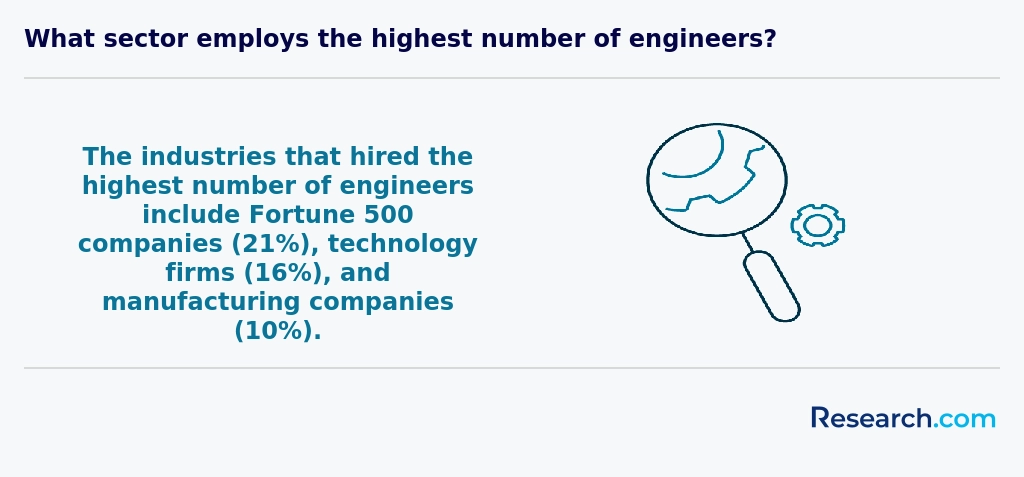
Students pursuing an online engineering degree in Washington dive into a rich curriculum that starts with essential courses like Calculus, Physics for Engineers, and Introduction to Engineering Design. Graduates from leading programs at institutions such as the University of Washington often share how mastering these foundational subjects boosted their confidence in solving complex problems and laid the groundwork for their engineering careers.
As they advance, learners explore specialized fields including Mechanical Engineering with courses like Thermodynamics, or Electrical Engineering through Digital Systems and Circuit Design. Many find that virtual labs and simulation projects offered by colleges like Washington State University bring practical, hands-on experience directly into their homes, making learning both engaging and relevant.
Beyond technical knowledge, courses in system design, engineering ethics, and project management prepare students to meet real-world challenges and lead sustainable innovations. Graduates often express pride in their capstone projects, which reflect Washington's dynamic tech and green energy industries, creating opportunities to contribute meaningfully to the state's future.
Washington's online engineering degree programs offer a vibrant range of specializations that spark enthusiasm and empower students to pursue their passions. Graduates from institutions like Washington State University and the University of Washington often highlight how Civil Engineering connects them with essential infrastructure projects, from bridges to sustainable urban planning, making a real difference in their communities. For those drawn to innovation in the region's tech-driven economy, Electrical Engineering and Software Engineering provide pathways to excelling in cutting-edge fields such as automation and software development.
Mechanical Engineering students find inspiration through ties with Boeing and aerospace sectors, experiencing firsthand the thrill of designing advanced mechanical systems. Environmental Engineering majors embrace Washington's commitment to sustainability, tackling challenges that protect natural resources. The best online engineering majors Washington DC students discover the freedom to customize their focus, combining interdisciplinary studies inspired by local industry needs. Exploring engineering degree requirements helps them navigate this exciting journey with clarity and confidence.
Choosing the best online engineering degree in Washington means focusing on accredited programs that open doors to exciting careers. Graduates from Seattle-area universities often share how ABET accreditation gave them confidence that their skills met rigorous standards, boosting their job prospects in Washington's thriving tech market. When exploring the best online engineering degrees Washington DC offers, look for programs that match your passion-be it electrical, civil, or software engineering-to stay motivated throughout your studies and aligned with local industry demands.
Many affordable online engineering programs Washington provide flexibility, letting students balance work, family, and education while gaining valuable knowledge. Imagine joining hybrid courses that combine online theory with practical on-campus labs, like those popular at Washington's public universities, enhancing hands-on skills and networking opportunities. Graduates often highlight how strong faculty support and connections to local firms helped them transition smoothly to rewarding roles.
Understanding the data scientist role explained can also inspire you to explore evolving specializations within engineering, keeping your career future-ready and exciting.
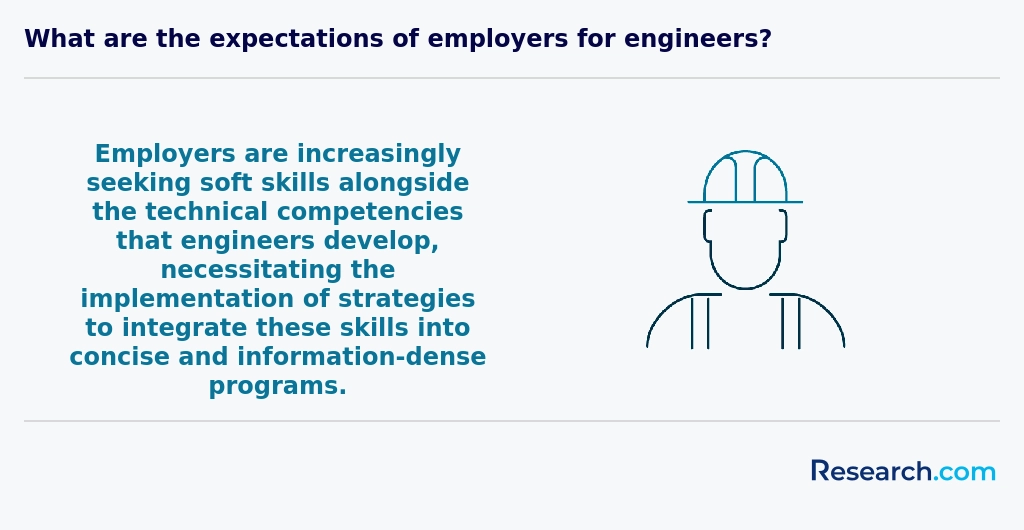
Graduates with an online engineering degree in Washington unlock exciting career opportunities across multiple thriving industries. Many find rewarding roles as civil engineers working on vital infrastructure projects or as mechanical engineers innovating new machinery designs at cutting-edge companies. Electrical engineers contribute their expertise in power systems and telecommunications, while software and systems engineers thrive within Washington's booming tech scene, including giants like Microsoft and Amazon.
Those pursuing online engineering degree jobs Washington DC recognize the advantage of flexible learning combined with access to major regional employers. Graduates from popular institutions like the University of Washington or Washington State University often share how hands-on projects and internships fuel confidence to step into roles that shape the future.
Some engineers transition into leadership roles such as project management or systems architecture, building on technical foundations to guide complex innovations. Curious students exploring further options may check out pathways like a cyber security degree prospects for complementary skills that broaden career horizons.

The job market for online engineering degree graduates in Washington is vibrant and full of promise. Driven by a thriving technology sector, companies like Boeing, Microsoft, and Amazon actively seek skilled engineers familiar with aerospace, software, civil, and electrical engineering. Many graduates from popular universities in the state find themselves stepping confidently into roles that shape the future-from designing innovative aircraft to developing cutting-edge software systems.
Online students have shared how flexible programs allowed them to balance work and study while preparing for careers in high-demand fields. These students benefit from Washington's growing economy, where the 10% expected growth in engineering jobs encourages motivation and persistence. The combination of competitive salaries and expanding opportunities, especially in cities across the region, makes pursuing online engineering degrees in Washington an inspiring pathway to a rewarding career.
With tuition often more affordable than campus options, many find that the investment in an online degree pays off quickly. For those exploring options, focusing on accredited programs at renowned institutions solidifies credibility with employers, boosting confidence for job seekers. For more details on cost-effective education opportunities, students may consider the cheapest online engineering schools in district of columbia as a helpful benchmark in the region.
Discovering a career through online engineering jobs in Washington DC connects students to a dynamic market where innovation and growth thrive.
2027 Most Affordable Online Engineering Degree Programs Ranking in Washington, DC
Investing in your education is a significant decision that can shape your future, and the Research.com team understands the importance of making informed choices. To assist prospective students in Washington, DC, we have meticulously crafted the "2027 Most Affordable Online Engineering Degree Programs Ranking." Our commitment to quality, credibility, and accuracy is reflected in the extensive research and analysis conducted to compile this ranking.
We utilized the following reputable data sources to ensure a comprehensive evaluation of engineering degree programs:
By exploring this ranking, readers will gain valuable insights into affordable and quality online engineering degree options in Washington, DC, empowering them to make well-informed educational decisions. For more details on our methodology, please visit our Research.com methodology page.

Frequently Asked Questions About engineering
Online engineering degree students in Washington can enhance their learning by actively participating in virtual labs and simulation tools that replicate real-world engineering scenarios. The state's emphasis on technology-driven industries makes familiarity with software like AutoCAD and MATLAB particularly valuable. Leveraging forums and study groups within the online platform encourages collaboration, which is critical in engineering education.
Students should also take advantage of internships and cooperative education programs offered by Washington's robust tech and aerospace sectors, such as Boeing and Microsoft. According to the Washington State Employment Security Department, these industries often seek interns, providing practical experience aligned with academic coursework.
Setting a structured study schedule helps manage the demanding curriculum, while regularly consulting with academic advisors ensures alignment with graduation requirements. Lastly, utilizing resources from professional organizations like the Washington State Society of Professional Engineers can provide networking and learning opportunities beyond the classroom.
Emerging niches within the engineering field reflect the increasing demand for specialized skills aligned with technological advancements. In Washington, areas such as renewable energy engineering are growing rapidly due to state policies targeting clean energy and sustainability. According to the Washington State Department of Commerce, jobs in solar and wind engineering are expected to grow by over 15% through 2030. Another significant niche is cybersecurity engineering, with local government and private sectors investing heavily to protect infrastructure. Biotechnology engineering also shows promise, supported by Washington's strong life sciences industry. These niches offer online degree students promising career paths with regional opportunities in Washington.
After completing an online engineering degree in Washington, graduates should focus on building a strong professional network. Washington's engineering job market is competitive, with top sectors including aerospace, software, and civil engineering, according to the Washington State Employment Security Department. Joining local chapters of professional organizations like the American Society of Civil Engineers can provide valuable connections.
Obtaining relevant certifications, such as the Fundamentals of Engineering (FE) exam, registered by the National Society of Professional Engineers, enhances credibility. Internships or cooperative education experiences gained during study are critical, as employers value practical skills.
Additionally, staying informed on local labor trends through resources like the Washington State Department of Labor & Industries can guide job seekers toward in-demand specialties.
Employers in Washington seeking engineering graduates value a combination of technical expertise and soft skills. Key technical skills include proficiency in software such as MATLAB, AutoCAD, and programming languages like Python and C++. According to the Washington State Employment Security Department, 68% of engineering employers emphasize experience with data analysis and systems design.
Soft skills are equally important. Communication, teamwork, and problem-solving abilities top employer lists in local surveys by the Washington STEM organization. Engineering roles often require collaborating across disciplines, making these skills crucial.
Additionally, adaptability to emerging technologies, such as automation and renewable energy systems, is increasingly valued in Washington's evolving engineering labor market.
Finding internships in Washington relevant to an engineering degree involves utilizing several strategic resources. Start by exploring career services offered through your online engineering program, as many universities have partnerships with local companies. Networking platforms like LinkedIn are essential for connecting with Washington-based engineering professionals and companies.
The Washington State Department of Commerce reports that technology and manufacturing sectors are among the fastest-growing fields, offering numerous engineering opportunities. Additionally, government agencies in the area, such as NASA's Ames Research Center and the Department of Energy, provide internships geared toward engineering students.
Check sites like Handshake and internships.com, which often list Washington internships specifically. Attending local engineering meetups or virtual job fairs hosted by organizations such as the Society of Women Engineers can also increase chances of securing relevant internships.
In Washington, an online engineering degree can significantly enhance career mobility and advancement opportunities. The state's diverse engineering sectors, including aerospace, software, and civil engineering, often prioritize candidates with accredited degrees. According to the Washington State Employment Security Department, engineers hold some of the highest median salaries in the region, with positions increasing due to continued tech growth.
Completing an online degree allows professionals to upskill while working, making it easier to transition within or between industries. Many employers in Washington recognize online degrees from accredited institutions, especially those with ABET accreditation, as valid credentials.
Furthermore, networking through virtual platforms and state engineering organizations often accompanies online programs, helping graduates access leadership roles more rapidly.
Studying for an engineering degree in Washington offers strong preparation for interdisciplinary roles by combining technical skills with collaborative problem-solving. Many online programs integrate courses in project management, communication, and systems thinking, which are crucial for working across diverse fields. Washington's growing technology and aerospace industries emphasize multidisciplinary teamwork, reflecting in curricula tailored to real-world demands.
According to the Washington State Employment Security Department, engineering jobs requiring cross-functional expertise are growing by over 5% annually, highlighting market demand. Universities like the University of Washington often include industry partnerships, enabling students to engage with projects spanning multiple disciplines.
This approach equips graduates to handle complex engineering challenges alongside professionals in business, environmental science, and information technology, making them versatile contributors to innovative solutions.
Choosing between a thesis and a non-thesis engineering degree in Washington depends on your career goals and learning preferences. A thesis program typically involves conducting original research and writing a detailed report, which is ideal if you plan to pursue a PhD or work in R&D. According to the Washington State Board for Community and Technical Colleges, research skills developed in thesis programs are highly valued in academic and innovation sectors.
Non-thesis options focus more on coursework and practical application, suitable for professionals aiming to advance in industry roles. Many online programs in Washington offer flexible non-thesis tracks, accommodating working students. Consider whether you prefer hands-on experience or research-driven learning when making your decision.
Students based in Washington seeking to study engineering abroad have several options, especially through online and hybrid programs. While fully online engineering degrees are commonly offered by U.S. institutions, those interested in international perspectives might enroll in exchange or dual-degree programs partnered with foreign universities.
Washington residents can leverage collaborations with universities in Canada or the UK, which often provide coursework compatible with U.S. accreditation standards. According to the Washington Student Achievement Council, nearly 15% of engineering students consider study abroad opportunities as part of their degree path.
Additionally, some global engineering programs provide remote internships or research projects, enabling practical experience without relocating. For those focused on affordability, many international partnerships waive extra fees for U.S.-based students, helping control costs while gaining global insight.
Washington offers several part-time job opportunities that complement online engineering degree studies, allowing students to gain practical experience while continuing their education. Positions such as engineering technician, CAD drafter, and research assistant are common and align with coursework. According to the U.S. Bureau of Labor Statistics, engineering technician roles in Washington had a median hourly wage of about $28 in 2023, reflecting strong demand in sectors like aerospace and technology.
Internships or co-op roles with companies such as Boeing or Microsoft can provide invaluable industry exposure. Many students also find opportunities in local government agencies assisting with infrastructure projects. These roles support academic learning without requiring full-time commitments.
Online engineering students in Washington benefit from several networking opportunities designed to connect them with peers, faculty, and industry professionals. Many universities offer virtual career fairs and engineering-focused webinars, allowing students to engage with local employers from the Puget Sound region, a hub for tech and engineering firms.
Additionally, Washington-based chapters of national engineering organizations like IEEE and ASME provide access to online events and member directories. These groups often host virtual meetups and technical workshops, which help students build their professional networks remotely.
According to the Washington Department of Commerce, the state's engineering sector employs over 100,000 professionals, highlighting vast potential connections for students. Participating in alumni networks and utilizing LinkedIn groups focused on Washington engineering professionals further supports career growth for online learners.
Alumni networks provide significant benefits to online engineering degree students in Washington by offering professional connections essential for career growth. These networks help graduates access mentorship, internships, and job opportunities, especially valuable in competitive engineering fields. According to the Washington State Department of Commerce, Washington hosts over 85,000 engineering-related jobs, and connections through alumni can improve access to this market.
Networking through alumni often leads to insider knowledge about local employers like Boeing and Microsoft, which actively recruit engineers. Colleges with strong alumni engagement support students with webinars, job boards, and local meetups, enhancing practical career advancement.
Such networks also encourage lifelong learning and collaboration, critical in Washington's evolving tech landscape. For online students, these connections help compensate for limited in-person interaction and expand professional circles beyond geography.
Customizing an online engineering degree in Washington allows students to align their education with specific career goals. Many accredited schools offer specializations such as electrical, civil, mechanical, or software engineering, enabling focus on high-demand fields. Students often choose elective courses or technical minors that match industry needs, enhancing job readiness.
Washington's strong tech and aerospace sectors, including companies like Boeing and Microsoft, influence program offerings. According to the Washington State Employment Security Department, engineers in these fields earn an average annual wage of over $90,000, encouraging students to tailor skills accordingly.
Additionally, internships and cooperative education opportunities, often facilitated remotely, provide practical experience within local industries, further personalizing the online learning journey.
Online engineering students in Washington often encounter several challenges unique to their field and region. Access to reliable, high-speed internet can be a barrier, especially for those in rural areas where connectivity is limited. According to the Washington State Office of Broadband, nearly 7% of residents struggle with consistent internet access, impacting their ability to participate in synchronous classes and access large engineering software.
Another common challenge involves hands-on lab experience, which is crucial in engineering education. Many programs rely on virtual labs, but students may find it difficult to gain practical skills without physical access to equipment.
Time management also poses a challenge, as many online students balance work, family, and study commitments. The National Center for Education Statistics reports that about 60% of online engineering students nationwide work full-time jobs, a figure similar for Washington.
With an online engineering degree in Washington, graduates can pursue several valuable professional certifications to enhance their careers. The most recognized is the Professional Engineer (PE) license, which requires passing the Fundamentals of Engineering (FE) exam, gaining work experience, and passing the PE exam. This credential is highly respected across the U.S. and demonstrates expertise and commitment in engineering fields.
Other certifications include the Project Management Professional (PMP) for engineers seeking leadership roles, and discipline-specific certifications such as the Certified Manufacturing Engineer (CMfgE) or Certified Electrical Engineer.
According to the National Society of Professional Engineers, Washington has a growing demand for licensed engineers, especially in civil and electrical sectors, making these certifications particularly beneficial.
To write a winning application for an online engineering program in Washington, start by carefully reviewing each school's specific requirements. Highlight your academic background, emphasizing math and science coursework, as these are critical for engineering.
Strong letters of recommendation can significantly boost your application. Choose referees who can attest to your technical skills and work ethic. Include a clear, focused personal statement that explains your motivation for studying engineering online and your career goals.
Washington is home to respected engineering schools, so demonstrating awareness of regional industry trends, such as aerospace and cybersecurity, can add value. According to the Washington State Workforce Training and Education Coordinating Board, jobs in engineering are projected to grow by 7% through 2030, indicating strong demand.
Finally, ensure your application is error-free and submitted before deadlines to maximize your chances of acceptance.
Engineering careers hold significant value worldwide, driven by rapid technological advancements and infrastructure needs. In the United States, Washington boasts a growing engineering workforce, with projections from the Bureau of Labor Statistics estimating a 7% growth in engineering jobs in the region through 2031. Globally, engineers are recognized as problem-solvers who contribute to innovation in sectors such as renewable energy, aerospace, and software development. For Washington-based students, earning an online engineering degree can provide access to this dynamic field while offering flexibility.
The global demand for engineers is increasing due to challenges like climate change and urbanization. In Washington, institutions offering online degrees focus on relevant skills aligned with market needs, including data analytics and sustainable design. According to the National Science Foundation, the U.S. continues to lead in engineering research and education, making degrees from accredited online programs valuable for both local and international opportunities.
Gaining practical experience while studying for an online engineering degree in Washington is essential for career readiness. Many accredited programs encourage internships or cooperative education (co-op) opportunities with local employers. Washington's growing tech and aerospace sectors, including companies like Boeing and aerospace startups in the Seattle area, provide valuable hands-on experience.
Students can also participate in virtual labs, project-based assignments, and engineering competitions organized by Washington universities. According to the Washington State Employment Security Department, demand for engineers in the state is expected to grow by 7% through 2030, highlighting the importance of practical skills.
Networking through local professional organizations such as the Washington State Society of Professional Engineers can open doors to mentorship and job shadowing experiences.
Choosing the right concentration within an online engineering degree program in Washington involves assessing local industry demands and personal interests. Washington's economy is strong in aerospace, software, and clean energy sectors, making concentrations like mechanical, computer, or environmental engineering highly relevant. According to the Washington State Employment Security Department, engineering fields such as civil and electrical engineering are projected to grow faster than average through 2028.
Prospective students should research program curricula to ensure alignment with their career goals and check if concentrations offer relevant internships or industry partnerships. Accreditation by ABET is also vital for quality assurance and professional licensure eligibility.
- 2027 Most Affordable Online Engineering Degree Programs Ranking in Norfolk, VA
- 2027 Most Affordable Online Engineering Degree Programs Ranking in New York, NY
- 2027 Most Affordable Online Engineering Degree Programs Ranking in Greenville, NC
- 2027 Most Affordable Online Engineering Degree Programs Ranking in Binghamton, NY
- 2027 Most Affordable Engineering Degree Programs Ranking in College Park
- 2027 Most Affordable Engineering Degree Programs Ranking in Fairfax
- 2027 Most Affordable Engineering Degree Programs Ranking in Baltimore
- 2027 Most Affordable Engineering Degree Programs Ranking in Newark
- 2027 Most Affordable Engineering Degree Programs Ranking in Richmond
- 2027 Most Affordable Engineering Degree Programs Ranking in Charlottesville
See What Experts Have To Say About Studying Engineering
Read our interview with Engineering experts

Bohdan W. Oppenheim
Engineering Expert
Professor Emeritus of Healthcare Systems Engineering
Loyola Marymount University


Jasna Jankovic
Engineering Expert
Associate Professor
University of Connecticut

- Engineering Challenges For Students https://discovere.org/stem-activities/engineering-challenges-for-students/
- Common Challenges Faced by Engineering Students https://www.aryacollege.org/resources/common-challenges-faced-by-engineering-students/
- FAQ https://www.onlineengineeringprograms.com/faq
- Student blog: Networking tips for engineering students https://asu-london.ac.uk/news/student-blog-networking-tips-for-engineering-students/
- Engineering Dual Degree Program https://www.washcoll.edu/dual-degree/engineering/index.php
- New Ranking: The Best Alumni Networks https://poetsandquantsforundergrads.com/rankings/the-best-alumni-networks/
- What jobs can you do with an engineering degree? https://targetjobs.co.uk/careers-advice/engineering/what-can-i-do-engineering-degree
- 2026 Most Affordable Bachelor's in Engineering Online https://www.onlineu.com/most-affordable-colleges/engineering-degrees
- Strategies for Engineering Students to Gain Hands-On ... https://starfishmedical.com/resource/gain-quality-hands-on-experience/
- Challenges, difficulties and barriers for engineering higher ... https://www.jotse.org/index.php/jotse/article/view/1696/645