2027 Best Online Educational Technology Degree Programs Ranking in Missouri

Co-Founder and Chief Data Scientist
Choosing the right online educational technology degree program can shape your future in exciting ways. For students in Missouri, this article provides a helpful resource to guide that decision.
The 2027 Best Online Educational Technology Degree Programs Ranking in Missouri was created by the Research.com team of data scientists to help you find programs that stand out for quality and value.
By exploring this ranking, you'll gain insights into top programs, making it easier to select a path aligned with your goals. Earning a degree in educational technology opens doors to innovative careers where you can make a meaningful impact in education.
Key benefits of getting online educational technology degree in Missouri
- The average salary for educational technology graduates in related US careers typically ranges from $50,000 to $70,000 annually, providing a solid foundation for financial growth.
- Graduates from Missouri universities often find opportunities in instructional design, training coordination, and e-learning development, enabling diverse and rewarding career paths.
- Completing an educational technology degree online offers flexibility and convenience, allowing students from Missouri to balance work and studies effectively while gaining valuable digital skills.
- Key benefits of getting online educational technology degree in Missouri
- What can I expect from online educational technology degree in Missouri?
- Where can I work with online educational technology degree in Missouri?
- How much can I make with online educational technology degree in Missouri?
- 2027 Best Online Educational Technology Degree Programs Ranking in Missouri
- Key Findings
- How long does it take to complete online educational technology degree in Missouri?
- What's the difference between online and on-campus educational technology degree?
- What is the average cost of online educational technology degree in Missouri?
- What financial aid is available to online educational technology degree students in Missouri?
- What are the prerequisites for enrolling in online educational technology degree program in Missouri?
- What courses are typically in online educational technology degree programs in Missouri?
- What types of specializations are available in online educational technology degree programs in Missouri?
- How do you choose the best online educational technology degree in Missouri?
- What career paths are available for online educational technology degree students in Missouri?
- What is the job market for online educational technology degree in Missouri?
- Related Educational Technology Rankings for Nearby States
- Top Trending Educational Technology Rankings
What can I expect from online educational technology degree in Missouri?
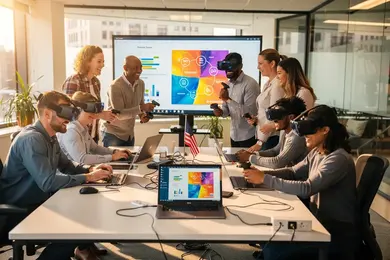
In Missouri, dreaming of an online educational technology degree often comes with a practical question: what will it cost? Graduates from institutions like the University of Missouri recall tuition costs generally hovering between $10,000 and $20,000 for the entire program. This investment feels tangible when you imagine balancing evening Zoom classes while sipping coffee at home, knowing that each dollar brings you closer to designing innovative digital classrooms or mastering cutting-edge tools like VR in education.
Many feel empowered by the transparent, affordable pricing compared to other states, appreciating how their money funds access to faculty who weave real-world tech challenges into lessons. For some, it's the affordable route that enables them to pursue certifications aligned with ISTE standards without financial burnout. As peers share stories of negotiating practicum placements in local schools, the cost becomes more than numbers-it's the gateway to transformation and opportunity right here in Missouri.
Where can I work with online educational technology degree in Missouri?
With an online educational technology degree from a Missouri university, imagine yourself transforming classrooms across the Show-Me State. Graduates from institutions like the University of Missouri often find themselves as tech-savvy guides, helping K-12 teachers weave digital magic into lesson plans, managing platforms that turn ordinary lectures into interactive adventures.
Picture joining a higher ed team at Washington University in St. Louis, crafting engaging online courses that break down barriers for students all over Missouri. These roles spark creative energy, combining pedagogy with cutting-edge tools to reimagine learning beyond campus walls.
Missouri's businesses and nonprofits crave educational technologists to build training programs that uplift employees, whether in bustling healthcare hubs or innovative tech startups. Graduates feel the thrill of enabling lifelong learning in unexpected places.
State education offices also beckon those who love data and strategy, inviting graduates to champion digital equity initiatives, guided by Missouri's mission to close achievement gaps through smart tech solutions funded by grants.
How much can I make with online educational technology degree in Missouri?
Graduates from online educational technology programs in Missouri often find their paychecks reflecting the vibrant blend of innovation and impact they bring to classrooms. Imagine stepping out of a virtual lecture from Missouri State University, armed with skills that local schools crave, and landing a role where salaries dance between $50,000 and $75,000. That's the reality for many working in K-12 or higher education, where experience and tech savvy push earnings upward.
A graduate who's transformed digital lesson plans at the University of Central Missouri may see a salary inch towards $70,000 in bustling hubs like St. Louis or Kansas City, where educational tech is not just a tool but a lifeline. Roles like instructional coordinators tune into $55,000 to $80,000, a spectrum that pulses with opportunity and growth.
Hands-on experience with ed-tech certifications makes these salary figures feel personal, not just numbers. It's an exciting, achievable path for Missouri learners ready to merge passion with paycheck in the evolving world of education.
2027 Best Online Educational Technology Degree Programs Ranking in Missouri
How do we rank schools?
Investing in your education is a significant decision that can shape your future, and the Research.com team understands the importance of making informed choices. To assist prospective students in Missouri, we have carefully developed the "2027 Best Online Educational Technology Degree Programs Ranking in Missouri." Our dedication to quality, credibility, and accuracy is demonstrated through rigorous research and thorough analysis to ensure this ranking truly reflects the best options available.
We utilized the following reputable data sources to ensure a comprehensive evaluation of educational technology programs:
By reviewing this ranking, readers will gain valuable insights into the top online educational technology degree programs in Missouri, empowering them to make well-informed decisions about their academic and professional futures. For additional details about how this ranking was created, please visit our Research.com methodology page.


Key Findings
- Several Missouri universities offer fully or partially online educational technology degrees, allowing enrollment from anywhere in the state.
- In-state tuition ranges from about $6,000 to $12,000 per year, with public universities generally being more affordable than private colleges.
- Graduates typically start with salaries between $45,000 and $55,000 annually, with experienced professionals earning $70,000 to $85,000 per year.
- The job market for educational technology specialists in Missouri is expected to grow due to increased use of digital learning tools and training needs.
- Online programs often provide access to state licensure or endorsements related to technology integration in education.
How long does it take to complete online educational technology degree in Missouri?
If you picture a typical path to an online educational technology degree in Missouri, imagine a graduate juggling a full-time job while streaming lectures from the University of Missouri or Missouri State University between shifts. For a bachelor's degree, this adventure usually spans about four years when enrolled full-time, but flexibility is the name of the game. Many students find joy in pacing their studies to fit family life or work, stretching the experience to savor the knowledge or accelerating through extra courses during summer.
Some master's degree seekers in Missouri glide through an 18 to 36-month journey, their progress dictated by personal tempo. Graduates share stories of evenings spent conquering capstone projects or skillfully managing practicum hours, discovering that part-time study means growth on their terms without rush.
Missouri's public universities embrace accelerated and competency-based options, which transform the usual timeline into a personalized race against mastery rather than clocks. Those with prior credits or experience can leapfrog ahead, making the path as unique as each student's ambition and life.
What's the difference between online and on-campus educational technology degree?
Imagine juggling a full-time job and family life while earning your educational technology degree. That's the reality for many online learners in Missouri, who savor the freedom to log into course material from their living room or a café. Graduates from the University of Missouri-Columbia rave about this flexibility-studying after bedtime stories or during lunch breaks, turning technology into a toolkit for their chaotic schedules.
On the flip side, those who choose the on-campus path at Missouri State University immerse themselves in buzzing labs and face-to-face brainstorms. They cherish the electric energy of spontaneous group projects and real-time feedback, learning side-by-side with peers and seasoned professors. The tactile experience of handling educational tech gear in person often leaves them with a lasting "aha" spark.
Cost-wise, whether online or on-campus, students in Missouri see tuition hovering around $300 to $400 per credit hour. Yet, online learners often appreciate savings on gas and dorm fees, softening the financial load. Both formats carry Missouri's stamp of accreditation, ensuring graduates step confidently into the education field, armed with well-honed, tech-savvy skills.
What is the average cost of online educational technology degree in Missouri?
Imagine stepping into the world of educational technology through Missouri's public universities, where the average cost for online programs reflects both accessibility and quality. Graduates from the University of Missouri system often recall balancing their studies with work, appreciative that in-state tuition remained around $12,507 for a full degree-far friendlier than out-of-state price tags, which climb easily toward $24,948. This affordability lets students focus on mastering what is technology in education without endless financial stress, an essential factor when plotting a career pivot or advancement.
Across Missouri, affordable online educational technology programs Missouri offer a tangible pathway to gaining relevant skills without sacrificing financial stability. Learners often describe the relief of spreading payments over time, using employer tuition reimbursement, or dipping into scholarships-all making the median total cost feel like a worthy investment rather than an overwhelming barrier. For example, graduates from Missouri State University have shared how strategic planning and part-time enrollment stretched out the $13,590 median tuition, merging real-life responsibilities and rigorous study.
Choosing between public and private institutions can feel like navigating a maze. Private or out-of-state options present a different scale of expenses, often more than double, which can deter many but also push their resolve to find creative funding solutions. Those who succeed celebrate not just the diploma but the confidence of a financial plan well managed, marking their educational journey in Missouri as both practical and inspiring.

What financial aid is available to online educational technology degree students in Missouri?
Picture yourself diving into an online educational technology degree at a Missouri university like the University of Missouri or Webster University, feeling the excitement of learning while the worry about tuition quietly fades. Many graduates recall how federal Pell Grants and low-interest student loans through FAFSA acted like safety nets, cushioning their financial leap into education. It's not just federal aid-imagine receiving a helpful boost from the Access Missouri Financial Assistance Program if you're an undergraduate showing real financial need. Some grads share stories of how the A+ Schools Program scholarship was a game-changer, rewarding their dedication to someday teaching in Missouri's schools.
For those pursuing advanced degrees, institutional scholarships or assistantships at these institutions often come with delightful perks like tuition cuts or monthly stipends tied to research roles-imagine the relief of earning while learning. Plus, the Missouri Educational Technology Association occasionally brightens the path with scholarships aimed at passionate tech advocates ready to transform classrooms statewide.
- Federal Pell Grants and student loans available via FAFSA
- Access Missouri grants for eligible undergraduate students
- Institutional scholarships and assistantships at Missouri universities
- State scholarship programs like the A+ Schools Program
- Scholarships from Missouri educational technology professional organizations
What are the prerequisites for enrolling in online educational technology degree program in Missouri?
Diving into an online educational technology degree in Missouri feels like unlocking a door to a dynamic future, but first, you'll need the right keys. Most Missouri universities, like those beloved by graduates at UMSL or Missouri State, expect you to arrive with a high school diploma or its equivalent, setting the academic stage for meaningful learning.
For many stepping into graduate programs, the journey begins with a bachelor's degree-no need to fret if it's not in education or tech, though a background in teaching or computer science can light your way like a trusted compass.
Graduates often reminisce about gathering transcripts that reveal their GPA shining between 2.5 and 3.0, letters of recommendation that echo their passion, and personal essays painting their unique vision for transforming classrooms with technology.
Some recall the buzz of submitting GRE scores or showcasing real-world experience in education or tech fields, proving their readiness for the digital frontier Missouri schools embrace. It's not just about papers; a knack for computers and educational software makes tackling coursework feel like second nature here.

What courses are typically in online educational technology degree programs in Missouri?
Imagine diving into a world where textbooks meet tablets at Missouri State University or University of Missouri-graduates swear by courses that ignite their passion for blending tech with teaching. An introduction to educational technology kicks off the journey, unraveling the history and magic of digital tools transforming classrooms. Picture yourself mastering the art of instructional design, crafting engaging online lessons using slick Learning Management Systems that feel more like creative playgrounds than rigid software.
Assessment and evaluation courses act like a detective's toolkit, helping students decode data about learner engagement and success. Many graduates recall how digital tools and media production classes turned their ideas into vibrant videos and eye-catching graphics, breathing life into learning content.
Crucially, Missouri's online programs emphasize ethical issues-think addressing the digital divide or championing accessibility-preparing future leaders to navigate complex challenges in K-12 settings. For many, these courses aren't just theory; they're launching pads for impactful roles within local schools and districts.
What types of specializations are available in online educational technology degree programs in Missouri?
Missouri's online educational technology degree programs dazzle with diverse specializations that shape future-ready educators and innovators. Graduates from popular colleges in this state often rave about the Instructional Design and Technology path, where they craft immersive digital lessons that captivate both classrooms and corporate trainings. Imagine blending theory with sleek multimedia tools, transforming typical slideshows into dynamic learning adventures.
Others dive into Educational Technology Leadership, embracing roles as visionary captains who steer school districts through waves of tech upgrades-project management and policy design become their trusted compass. This is where leadership meets passion, fueling school-wide transformations.
The Technology Integration for K-12 Education specialization brings an electrifying vibe, as graduates recount using interactive whiteboards and VR to spark wonder in young learners. Missouri's educators cherish these skills, which perfectly align with state standards.
Data-driven minds find their calling in Data Analytics and Learning Analytics, turning student numbers into stories that shape better teaching strategies. These avenues exemplify how Missouri educational technology degree options are tailored for those craving impact.
For those eager to jumpstart their journey, exploring the fastest online master's degree instructional design programs can be an inspiring first step.
How do you choose the best online educational technology degree in Missouri?
Picture yourself juggling work, family, and dreams of advancing your career through an online educational technology degree in Missouri. Graduates from well-known institutions like the University of Missouri rave about how accreditation by the Higher Learning Commission gave their qualifications weight, opening doors to leadership roles in educational tech. When hunting for the best fit, look beyond glossy marketing to courses that resonate with your passion-whether it's digital learning tools, instructional design, or driving tech adoption in K-12 classrooms. Missouri's affordable online edtech programs often balance tuition between $6,000 and $15,000 yearly, easing financial strain while delivering quality content.
Remember the stories of grads who flourished in programs with flexible schedules, letting them study after working hours without giving up family dinners. Others highlight the importance of faculty who aren't just instructors but mentors guiding through cutting-edge technology challenges. For a curated list of options, exploring a top ranked online education master's can spark ideas tailored to your ambitions in Missouri's vibrant educational landscape.
What career paths are available for online educational technology degree students in Missouri?
Graduates from Missouri's well-regarded universities often find themselves stepping into vibrant roles like Instructional Designers, molding interactive courses that light up classrooms from Kansas City to St. Louis. Imagine working alongside passionate educators, crafting lessons that ignite curiosity through digital innovations-this is the pulse of educational technology careers Missouri offers.
In online educational technology jobs Missouri, Educational Technology Specialists become the unsung heroes, blending technical wizardry with classroom dynamics to keep learning flowing smoothly. Graduates recall troubleshooting hardware glitches during virtual lessons or empowering teachers to seamlessly adopt new software tools, making tech challenges vanish before they disrupt a study session.
Some alumni embrace the strategic flavor of eLearning Coordinators, orchestrating complex online platforms for both rural districts and bustling campuses like those at the University of Missouri. Their days move with the rhythm of managing digital classrooms and elevating literacy in tech, placing them at the heart of Missouri's education transformation.
For those curious about the path forward, exploring easy online education degrees reveals how flexible and accessible these careers can be in the Show-Me State, making the journey feel both thrilling and achievable.
What is the job market for online educational technology degree in Missouri?
Graduates stepping into the vibrant world of online educational technology degree jobs Missouri are discovering a landscape rich with possibility. Imagine working in bustling urban schools or quiet rural districts equipped with ever-improving broadband-here, skilled professionals craft digital learning experiences that transform classrooms. Alumni from Missouri's top institutions share stories of launching initiatives that blend technology and pedagogy, sparking excitement among educators eager for innovation.
The Missouri educational technology career outlook blooms as public schools and universities embrace online curricula and management systems with open arms. Instructional coordinators earn competitive salaries, making the investment in an online degree feel rewarding both professionally and financially. The journey from online learner to digital education champion feels tangible when reflecting on stats like spending boosts in technology initiatives and the state's strong educational economy.
For those ready to deepen expertise quickly, a one year online masters in education offers a fast track to advanced roles. Whether guiding teachers in classrooms or designing cutting-edge e-learning platforms, online educational technology graduates in Missouri thrive where innovation meets education.
Frequently Asked Questions About educational technology
Online educational technology degree students in Missouri can maximize their learning by actively engaging in their coursework and leveraging available digital resources. Missouri institutions often provide access to specialized software and virtual labs that simulate classroom technology environments, enhancing practical skills.
Building a consistent study schedule helps manage workload effectively, especially since most programs encourage self-paced learning. Participating in online discussion forums and group projects supports collaboration and networking, which are critical professional skills in educational technology.
Additionally, students should seek internships or partnerships with Missouri school districts to gain real-world experience. According to the Missouri Department of Elementary and Secondary Education, demand for tech-savvy educators is increasing, making such experiences valuable for career prospects.
The educational technology field is rapidly evolving, with several emerging niches gaining prominence. In Missouri, one key area is adaptive learning technology, which uses data to customize educational experiences for students. According to the Missouri Department of Elementary and Secondary Education, schools are increasingly adopting these tools to improve student outcomes.
Another growing niche is virtual and augmented reality applications in education. Universities in Missouri are exploring VR/AR to create immersive learning environments, especially for online degrees. This enhances engagement and provides practical experience in remote settings.
Additionally, learning analytics is becoming vital. These systems analyze student data to identify patterns and improve teaching methods. Missouri's higher education institutions are investing in these technologies to support personalized education and retention strategies.
After completing an online educational technology degree in Missouri, it is essential to build a strong professional network. Joining local and national organizations, such as the Missouri Educational Technology Association (METC), can provide valuable connections and access to job opportunities.
Gaining practical experience through internships or volunteer work enhances your resume. Employers in Missouri often seek candidates familiar with educational software and digital tools commonly used in schools.
Additionally, obtaining relevant certifications, like the ISTE Certification for Educators, can improve job prospects by demonstrating proficiency in educational technology.
Research from the Missouri Department of Higher Education highlights growing demand for technology specialists in education, urging graduates to stay updated with industry trends.
Employers in Missouri highly value graduates of educational technology programs who demonstrate strong technical skills, including proficiency in learning management systems, multimedia design, and data analytics. According to the Missouri Department of Higher Education, graduates with abilities to create interactive digital content and assess educational technologies' effectiveness are in increasing demand.
Interpersonal skills such as collaboration and communication also rank highly, as educators and trainers must work closely with diverse teams. Familiarity with instructional design models and adaptive learning technologies improves a graduate's employability.
Missouri school districts and corporate training programs prioritize candidates who can integrate technology to enhance learning outcomes efficiently and creatively.
Finding internships in Missouri for an educational technology degree involves targeting schools, districts, and companies focused on digital learning tools. Many universities in Missouri, such as the University of Missouri and Missouri State University, offer connections to local K-12 districts eager to host interns. The Missouri Department of Elementary and Secondary Education provides resources to locate partnerships and internship opportunities across the state.
Online platforms like Handshake and Indeed list education technology internships, often highlighting roles in curriculum design, e-learning software, or instructional support. Networking with Missouri's educational technology organizations and attending virtual job fairs can also open doors.
According to recent data from the Missouri Economic Research and Information Center, technology-focused education jobs in Missouri are projected to grow by 6% through 2028, signaling increasing internship availability.
Obtaining an online educational technology degree in Missouri significantly enhances career mobility and advancement for professionals in the education sector. According to the Missouri Department of Higher Education & Workforce Development, demand for instructional coordinators-many of whom hold educational technology degrees-is projected to grow by 7% between 2020 and 2030.
These degrees equip graduates with skills in digital learning tools, instructional design, and technology integration, making them competitive for roles such as curriculum developer, education consultant, or technology specialist in schools and districts.
Missouri's commitment to expanding digital education in K-12 and higher education sectors creates new opportunities. Online degree holders often advance faster due to their expertise in emerging educational technologies verified by bodies like the International Society for Technology in Education (ISTE).
Studying for an educational technology degree in Missouri equips students with skills that cross traditional academic boundaries. Programs emphasize the integration of technology with teaching, learning theories, and curriculum design, fostering versatility in various professional settings. Missouri institutions often incorporate collaboration with fields like psychology, communication, and computer science to broaden perspectives.
According to the Missouri Department of Higher Education, many programs include practical experiences that prepare graduates for roles in schools, businesses, and government agencies. The interdisciplinary approach reflects workforce demands, where professionals must adapt technology to diverse environments.
This training helps students navigate evolving digital tools while addressing educational challenges, making them valuable contributors to multidisciplinary teams focused on innovation and effective instruction.
Choosing between a thesis and a non-thesis educational technology degree program in Missouri depends on your career goals and learning preferences. Thesis programs require original research, which suits students aiming for doctoral studies or research roles. Non-thesis options focus on practical skills and coursework, ideal for those targeting leadership or applied positions in schools or corporations.
According to the Missouri Department of Higher Education, online educational technology programs often offer both tracks to accommodate diverse student needs. Thesis students typically invest more time in research methodologies, while non-thesis students may complete internships or projects instead.
Consider job market demands and whether you prefer hands-on projects versus academic research before deciding.
Students based in Missouri interested in studying educational technology abroad have several viable options, especially through online and hybrid programs offered by international universities. While physically relocating can be challenging, many global institutions provide fully online educational technology degrees accessible from Missouri. These programs often follow U.S. accreditation standards or offer partnerships with American universities, ensuring compatibility with Missouri's educational requirements.
Missouri students may also benefit from exchange agreements or study-abroad opportunities facilitated by their home institutions. According to the Institute of International Education, participation in online international programs has grown significantly since 2020, making global learning more accessible.
Part-time job opportunities in Missouri that complement an online educational technology degree include roles such as instructional design assistant, educational technology support specialist, and e-learning content developer. These positions provide practical experience with digital tools and curriculum development, aligning well with degree coursework.
Missouri schools and community colleges increasingly adopt tech-driven learning, boosting demand for tech-savvy educators. According to the Missouri Department of Elementary and Secondary Education, districts have grown their use of technology resources by over 15% in recent years, creating more opportunities for student workers and interns.
Additionally, tutoring in STEM or computer literacy through programs like the Missouri Tutors Network can enhance skills relevant to educational technology careers.
Online educational technology students in Missouri have several networking opportunities to enhance their professional connections. Many universities offering online degrees encourage participation in virtual student organizations and discussion forums tailored to educational technology. These platforms help students connect with peers and faculty statewide. Missouri's large educator community provides access to professional groups such as the Missouri Educational Technology Professionals Association (METPA), which hosts workshops and online events.
Additionally, conferences like the Missouri Association for Career and Technical Education often have sessions related to educational technology, providing valuable networking spaces. Such involvement supports career growth and collaboration within the state's educational technology sector.
Alumni networks provide valuable support for online educational technology degree students in Missouri by fostering professional connections. Graduates can access a broad community of peers and mentors working in Missouri's education and technology sectors, which is key given the state's growing demand for skilled educational technologists.
These networks often offer job postings, internships, and career advice tailored to the local Missouri context. For instance, the Missouri Department of Elementary and Secondary Education highlights over 100 school districts adopting new educational technologies, increasing opportunities for employed alumni to guide students.
Moreover, alumni associations help students stay updated on industry trends and certification requirements, enhancing their competitive edge in Missouri's job market.
Customizing an online educational technology degree in Missouri often involves selecting electives, specializations, or certificates that align with personal career goals. Many Missouri institutions allow students to tailor coursework in areas like instructional design, digital media, or administration.
Students can focus on K-12 education, higher education, or corporate training applications. Some universities collaborate with local school districts and businesses, offering practical projects that build relevant skills.
According to the Missouri Department of Higher Education & Workforce Development, approximately 65% of online educational technology programs include flexible options to meet diverse professional needs.
Choosing internships or capstone projects strategically can also enhance employability within specific sectors in Missouri's education technology field.
Students pursuing online educational technology degrees in Missouri face several typical challenges. One major issue is balancing coursework with work and family commitments, as many are working professionals. Technical difficulties, such as unstable internet connections in rural areas, can disrupt learning, given Missouri's mix of urban and rural regions. Additionally, some students report limited access to faculty and peer interaction, which can affect engagement and motivation.
Missouri's Department of Higher Education notes that online students often struggle with self-discipline and time management, essential for success in remote programs. Finally, navigating licensing and certification requirements in Missouri's education sector can be complex for students aiming to apply their credentials professionally.
Graduates with an online educational technology degree in Missouri can pursue several professional certifications to enhance their career prospects. Popular certifications include the Certified Educational Technology Leader (CETL) offered by the Consortium for School Networking. CETL certification is nationally recognized and respected in Missouri's school districts.
Another option is the Google Certified Educator credential, which focuses on integrating Google tools in teaching and learning. This certification is valuable given Missouri's increasing emphasis on digital classroom technology.
Additionally, the Missouri Department of Elementary and Secondary Education (DESE) provides endorsements related to educational technology for licensed educators. These endorsements boost job opportunities within Missouri public schools, where over 60% of districts have adopted comprehensive technology plans (Missouri DESE, 2023).
Certifications in project management like PMP can also complement an educational technology degree when managing school technology initiatives.
Writing a winning application for an online educational technology program in Missouri involves clear demonstration of your commitment to advancing digital learning. Start by showcasing your relevant experience in education or technology, emphasizing any leadership or innovative projects.
Missouri schools increasingly value applicants familiar with tools like learning management systems and digital curriculum design. Highlighting proficiency in these areas improves your competitiveness. According to the Missouri Department of Higher Education & Workforce Development, demand for tech-savvy educators is growing by 7% annually.
Be sure to prepare a strong statement of purpose that explains your goals and how the degree aligns with Missouri's education technology initiatives.
Letters of recommendation from supervisors or professors familiar with your work in tech or education will add credibility.
Lastly, ensure all application materials are carefully proofread and submitted by deadlines to meet Missouri institutions' standards fully.
Educational technology careers are increasingly valued worldwide as digital learning expands. In the United States, including Missouri, there is strong growth driven by the shift to online education and the integration of new technologies in classrooms. According to the U.S. Bureau of Labor Statistics, employment for instructional coordinators-which includes educational technologists-is projected to grow 6% from 2021 to 2031.
Globally, countries emphasize the use of technology to improve education access and quality. Missouri reflects this trend through state initiatives supporting digital literacy and technology training in schools. Online degree programs in educational technology offered by Missouri universities prepare students to meet both local and broader global demands.
Missouri's Department of Elementary and Secondary Education highlights increased funding for educational technology, aligning with national efforts. This indicates strong job prospects for graduates who understand both pedagogical and technological elements. For students considering online programs, understanding the international growth in e-learning and instructional design can help guide career planning.
Gaining practical experience while pursuing an online educational technology degree in Missouri is essential for career readiness. Many programs encourage students to engage in internships or practicum placements with local schools and educational organizations. These opportunities allow hands-on experience with instructional technologies and curriculum design.
Missouri's Department of Elementary and Secondary Education supports partnerships with universities to provide field experience for online students. Additionally, some programs incorporate project-based learning, where students design and implement technology-enhanced lessons.
According to the Missouri Economic Research and Information Center, education technology jobs demand skills developed through real-world application, making internships a crucial component. Students should also seek virtual collaboration opportunities to build remote tech skills.
Choosing the right concentration within an online educational technology degree in Missouri involves assessing your career goals and interests. Common specializations include instructional design, educational software development, and technology integration in schools. Each focus prepares students for different roles, such as curriculum development or tech support in education.
Look at local job market demands. According to the Missouri Economic Research and Information Center, jobs in education and training technology are growing, with a 7% increase projected through 2030. This growth suggests demand for professionals skilled in both pedagogy and technology.
Evaluate program curriculum and faculty expertise to ensure alignment with your goals. Consider accredited programs recognized by bodies like CAEP to guarantee quality education in Missouri.
Related Educational Technology Rankings for Nearby States
- 2027 Best Online Educational Technology Degree Programs Ranking in Kansas
- 2027 Best Online Educational Technology Degree Programs Ranking in Kentucky
- 2027 Best Online Educational Technology Degree Programs Ranking in Georgia
- 2027 Best Online Educational Technology Degree Programs Ranking in Texas
- 2027 Best Online Educational Technology Degree Programs Ranking in Florida
- 2027 Best Online Educational Technology Degree Programs Ranking in South Carolina
- 2027 Best Online Educational Technology Degree Programs Ranking in Pennsylvania
Top Trending Educational Technology Rankings
References
- Online Colleges in Missouri | OEDb.org https://www.oedb.org/missouri/
- What Advantages Can an Institution Get from an Alumni Program? https://alumnimanagementsystem.com/blogs/advantages-can-institution-get-from-alumni-program/
- What Can You Do with a Master’s in Instructional Technology? | UMGC https://www.umgc.edu/blog/what-can-you-do-with-a-masters-in-instructional-technology
- Networking for Careers in Ed Tech https://www.highfivepartners.com/blog/networking-for-careers-in-ed-tech
- Goals Statement - Master of Education with Specialization in Instructional Technology https://essayforum.com/graduate/goals-statement-master-education-33733/
- Events https://edtechhub.org/events/
- Technology in the Classroom | Importance & Challenges | GoGuardian https://www.goguardian.com/blog/technology-in-the-classroom-importance-challenges
- Online Master’s Degrees in Educational Technology: Find Your School https://www.onlinemastersdegrees.org/best-programs/education/educational-technology/
- Educational Technology, MS https://www.ucmo.edu/academics/programs/masters-degrees/coe/educational-technology-and-library-science/educational-tech/educational-technology-ms/
- Technology in Education Network https://ihe.ac.uk/events/technology-education-network