2027 Educational Technology Degree Programs That Accept Transfer Credits

Co-Founder and Chief Data Scientist
Many prospective students face uncertainty when transferring credits into educational technology degree programs—key challenges include meeting GPA thresholds, adhering to course recency rules, navigating concentration—specific restrictions, and compiling necessary documentation. These factors critically affect how many prior credits apply.
With educational technology professionals earning a median annual salary of $75,000 nationally, understanding transfer policies can directly impact career advancement and return on investment.
This article examines these nuanced credit transfer variables, drawing on institutional and state frameworks, to equip students with clear guidance on maximizing credit acceptance and efficiently progressing toward degree completion in educational technology.
Key Things to Know About Educational Technology Degree Programs That Accept Transfer Credits
- Many programs enforce a minimum GPA threshold, often 2.5 to 3.0, for accepted transfer credits, ensuring prior work reflects academic readiness for advanced educational technology study.
- Course recency limits usually restrict transferability to classes completed within the last 5 to 7 years, older credits may be excluded to align with rapidly evolving educational technology standards.
- Transfer credits often face concentration-specific restrictions-courses from unrelated fields or lacking required competencies may not count toward core educational technology degree requirements.
Which Educational Technology Degree Programs That Accept Transfer Credits Are Available at the Undergraduate Level?
Undergraduate educational technology degree programs that accept transfer credits come in several forms, each tailored to diverse student needs and academic backgrounds.
Accredited institutions across the United States increasingly highlight transfer credit policies to support smoother degree completion, particularly within undergraduate educational technology transfer credit programs.
- Associate-to-Bachelor Pathways: Designed for students holding associate degrees from community colleges, these programs enable substantial credit transfer toward a bachelor's degree. Statewide articulation agreements and clear institutional policies ensure that general education and foundational technical courses apply directly to degree requirements.
- Bachelor's Degree Completion in Educational Technology with Transfer Credits: Targeted mainly at working adults and military veterans, bachelor's completion programs offer flexible scheduling and accept prior credits often subject to minimum GPA thresholds, typically between 2.0 and 2.5, and limits on how old transferred coursework can be.
- Traditional Four-Year Degrees: Though structured largely for full-time freshmen, many traditional programs maintain explicit credit transfer guidelines. These require detailed course documentation to assess equivalency, with concentration-specific restrictions that may influence how many credits count toward specialized educational technology majors.
Regional accreditation remains a significant factor—credits from regionally accredited institutions tend to be accepted more readily. Other critical factors include the submission deadlines for official transcripts and approval protocols that govern transfer credit evaluations.
Understanding these nuanced policies, alongside GPA requirements, course relevance, and documentation, is vital to realistically estimating transferable credits.
Choosing a transfer-friendly educational technology program early can save both time and money, charting a clearer path toward degree completion and career success. For those seeking fast online degrees that pay well, transfer credit acceptance represents a practical route to accelerate educational and professional advancement.
What Are the Most Common Transfer Credit Policies Among Accredited Educational Technology Programs?
Transfer credit policies across accredited educational technology programs follow a defined framework that balances prior academic work with the need to uphold program standards.
These policies are crucial for prospective students—including community college graduates seeking bachelor's completion pathways, working adults returning to interrupted degrees, military veterans translating service training, and career changers exploring accelerated routes—who want to know exactly how many credits might transfer toward their chosen degree.
- Maximum Transferable Credits: Most institutions cap transfer credits between 50% and 75% of total degree requirements. Two-year schools generally allow higher caps for associate degrees, while four-year universities tend to be more restrictive, especially to protect the quality of upper-division courses.
- Course Equivalency Reviews: Detailed assessments compare previous coursework to educational technology curricula. Transfer credits count only when course content closely aligns. Schools often require official syllabi or descriptions to confirm equivalency.
- Grade Thresholds: Minimum grades—usually a C or higher-are mandatory for transfer approval. Some programs impose stricter requirements on core educational technology or general education classes to ensure mastery.
- Institution Type Variations: Public institutions often follow statewide articulation agreements, easing transfers especially from community colleges. Private universities may apply more selective credit acceptance at their discretion.
- Recency and Relevance: Many programs limit accepted credits to coursework completed within the last 5 to 10 years to ensure the transferred knowledge remains current in a fast-changing field.
- Documentation and Advising: Official transcripts are required, and advising sessions help determine which credits apply. Some schools restrict the number of technical or concentration-specific credits accepted, making early verification important.
Students should compare these common transfer credit policies for accredited educational technology programs carefully before committing, as institutional differences significantly affect credit acceptance.
For those weighing career decisions, understanding such policies is as —especially when exploring the highest paying majors within educational technology.
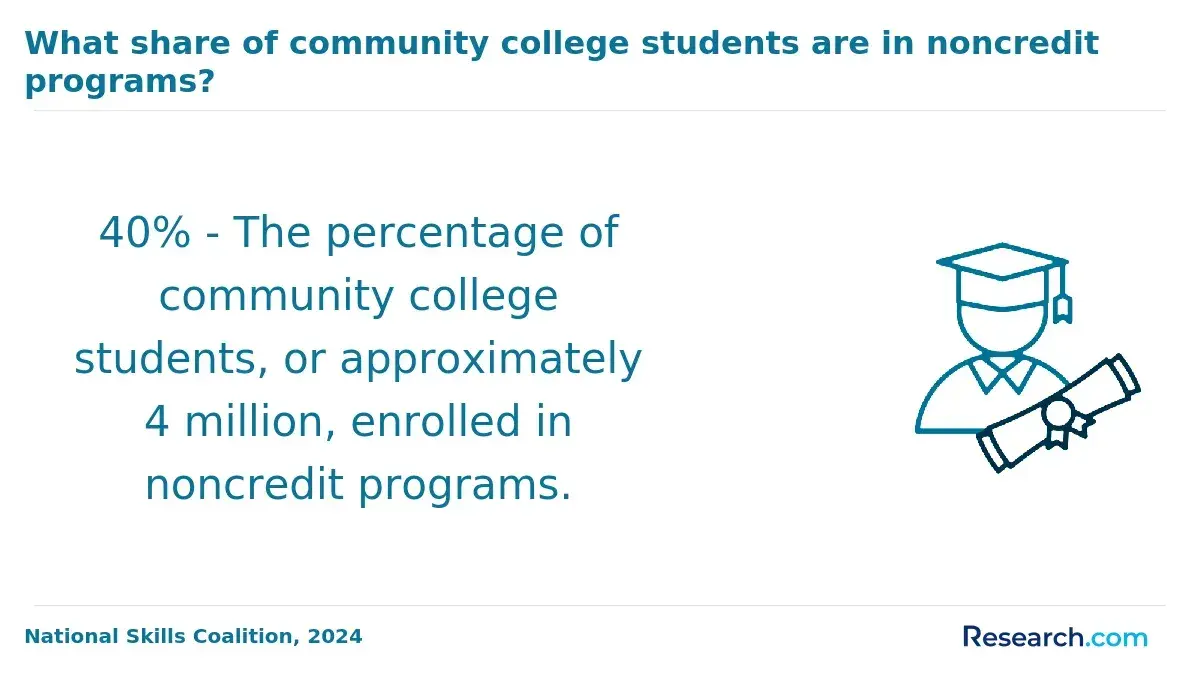
How Many Transfer Credits Can Students Typically Apply Toward a Educational Technology Degree?
Accredited educational technology programs commonly accept between 30 and 90 total transfer credits from regionally accredited institutions toward degree completion.
However, the portion of these credits that fulfill major-specific requirements is typically much smaller—often only half or less. This distinction highlights the difference between total transferability and what directly advances a student's specialization.
- Total Transfer Limits: Many programs allow a substantial number of credits-usually 60 to 90-to be transferred, enabling students to build significantly on prior academic work.
- Major-Specific Restrictions: Courses counting toward core educational technology requirements must closely align with fields such as instructional design, educational theory, or technology integration.
- Accreditation and Quality: Credits must originate from regionally accredited colleges with minimum GPA thresholds often ranging from 2.0 to 2.5 to be eligible.
- Course Age and Documentation: Programs may restrict transfer acceptance depending on when courses were completed and require syllabi or transcripts to verify content equivalency.
- Pre-Enrollment Evaluation: Students should request a formal transfer credit evaluation before enrolling to accurately gauge which and how many credits will apply to their educational technology degree.
A professional who completed his educational technology degree reflected on the transfer process as challenging but rewarding. He described feeling frustration during the wait for the formal credit evaluation, noting, "I wasn't sure which courses would count, and that uncertainty made planning stressful."
Still, once he received the results, he found that transferring credits from his community college and previous university sped up his graduation timeline dramatically.
He emphasized the importance of thorough documentation and communication with advisors, sharing, "Getting detailed syllabi ready beforehand saved me time and helped avoid surprises later." For him, leveraging transfer credits was a key factor in transitioning smoothly into his new career.
Which Educational Technology Programs Accept Credits From Community Colleges and Two-Year Institutions?
Many four-year institutions with educational technology programs develop formal and informal partnerships with community colleges and two-year schools to facilitate transfer credit acceptance.
These relationships help reduce duplication of coursework and clarify which credits apply toward degree requirements, benefiting students progressing from associate degrees to bachelor's pathways.
- Partnerships: Universities often create articulation agreements with community colleges specifying accepted courses and credits for educational technology programs, aiding students in academic planning and credit transfer clarity.
- Transfer Associate Degrees: Also known as Transfer Pathway degrees, these associate degrees are intentionally structured to satisfy foundational requirements for bachelor's programs in educational technology, smoothing credit acceptance for community college transfer students.
- State Transfer Programs: Several states endorse transfer guarantee policies-such as California's Associate Degree for Transfer (ADT), Florida's Statewide Articulation Agreements, and New York's Transfer Pathways-that streamline transfers in the educational technology field but vary in execution by institution.
- Credit Evaluation: Transfer credit approval also depends on factors like GPA minimums, course relevance, recency, and program-specific restrictions, meaning not all credits are automatically accepted even with agreements in place.
- Student Responsibility: Students should confirm if their community colleges participate in transfer articulation agreements and consult advisors to ensure coursework aligns with educational technology degree criteria, which increases successful credit transfer chances.
- Policy Complexity: Despite statewide and institutional frameworks, variations in accreditation, curriculum structure, and transcript documentation often complicate credit transfers-making early research and advising essential.
Those exploring transfer pathways may also consider pursuing PsyD programs online if they seek alternative routes related to educational fields. Understanding transfer credit acceptance in two-year educational technology degrees is crucial for any prospective student aiming for degree completion and career advancement.
What Is the Minimum GPA Requirement for Educational Technology Transfer Credit Acceptance?
Most educational technology programs require transfer students to have a minimum GPA between 2.0 and 3.0 for transfer credit acceptance. Some universities may set higher GPA requirements for competitive programs or larger credit transfers.
Admission GPA: Accredited educational technology programs commonly require a minimum cumulative GPA, typically around 2.5 on a 4.0 scale, to qualify for transfer admission. This threshold confirms students have maintained satisfactory academic standing before engaging in advanced studies.
Course-Specific GPA: In addition to overall admission criteria, many schools require individual transfer courses to meet a minimum grade-usually a C or above, to be applicable toward the educational technology major or core requirements.
Sliding-Scale Standards: Some programs reward higher academic achievement by allowing students with stronger GPAs to transfer more credits or receive broader course equivalency recognition, while those slightly below the cutoff may encounter stricter limits or stipulations.
Policy Reliance: Transfer credit evaluations hinge primarily on detailed institutional policies and articulation agreements rather than admissions materials alone. Prospective students should consult official transfer guides and advisors to understand specific credit acceptance frameworks.
Remediation Opportunities: Students whose transferred credits don't fully satisfy program standards often can retake equivalent courses at the receiving institution, ensuring degree progress continues without delay.
A professional who advanced their career after completing an educational technology degree shared that navigating transfer credit acceptance was initially daunting.
She recalled how verifying course equivalencies and GPA requirements demanded careful review and frequent communication with academic advisors.
Although some credits were not accepted outright, she appreciated the chance to retake necessary courses onsite-emphasizing that staying proactive and informed was key to a smooth transition and eventual success in her program.
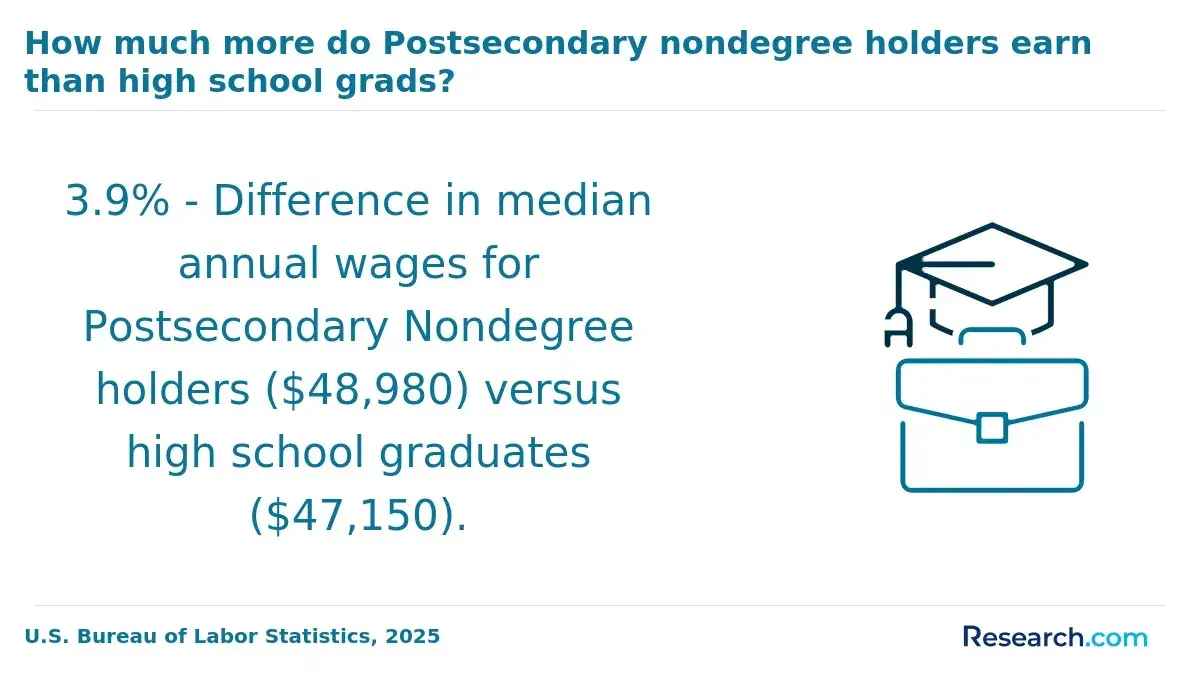
How Do Educational Technology Programs Evaluate Non-Traditional or Professional Transfer Credits?
Accredited educational technology degree programs use established frameworks to assess credits earned outside traditional academic courses-such as military service, professional training, and employer-sponsored education.
The American Council on Education (ACE) Credit Evaluation Service is a common reference, offering standardized credit recommendations that many institutions accept to streamline transfer decisions.
Additionally, College-Level Examination Program (CLEP) tests provide a pathway for earning credit by demonstrating subject-specific college-level knowledge applicable to educational technology curricula.
Some institutions also utilize portfolio reviews, requiring students to submit detailed documentation, like course syllabi, professional licenses, certifications, or performance evaluations, to validate their prior learning and experiences.
Frequently recognized types of non-traditional learning include:
- Military Training: Credits assessed using ACE guidelines and sometimes further institutional evaluation.
- Professional Certifications: Especially those linked to instructional design, learning technologies, or project management fields.
- Workforce Development Courses: Focused on adult learning or digital pedagogy skills.
- Employer-Sponsored Education: Verified through documented training or coursework with clear learning objectives.
Prospective students should collect comprehensive supporting materials before submitting credit evaluations to enhance acceptance likelihood. Checking whether the institution belongs to national consortia like the National College Credit Recommendation Service can also improve credit transfer options.
Recent studies show that about 38% of adult learners successfully transfer non-traditional credits into bachelor's degree programs in educational technology, reflecting increasing acceptance of diverse educational pathways.
Which Online Educational Technology Degree Programs Offer the Most Flexible Transfer Credit Policies?
Programs in online Educational Technology degree pathways with flexible transfer credit policies often cap residency requirements at 30 credit hours or fewer-significantly easing the transition for students transferring prior coursework.
This flexibility stems partly from the competitive online market, which primarily serves adult learners, working professionals, and military veterans seeking accelerated or tailored degree completion options.
- Residency Caps: Programs with regional accreditation commonly limit on-campus credit requirements to 30 hours or less, signaling a transfer-friendly approach.
- Wide Credit Acceptance: Many accept courses from community colleges, military training, and other accredited institutions, covering general education, core educational technology topics, and some major-specific classes.
- Policy Transparency: Clear transfer guidelines outline documentation expectations and exclude specific courses, helping students forecast how many credits apply.
- Transfer Restrictions: Certain majors or concentrations may restrict transfer credits in specialized areas-prospective students should verify these limitations.
- Adult Learner Focus: Online programs prioritize flexibility for nontraditional students, encouraging adaptable transfer policies that reflect varied educational backgrounds.
- Program Quality Considerations: While flexible transfer policies enhance convenience, students must confirm regional and, if applicable, programmatic accreditation to ensure the degree holds value with employers.
Because transfer credit acceptance varies based on GPA minimums, course recency rules, and institutional policies, students should carefully compare programs before enrolling.
Confirming accreditation status, understanding residency and major-specific transfer caps, and reviewing credit applicability criteria ensure smoother progress toward graduation without diluting degree quality.
What Role Does Regional Versus National Accreditation Play in Educational Technology Transfer Credit Decisions?
The distinction between regional and national accreditation is crucial for students aiming to transfer credits in educational technology degree programs.
The U.S. Department of Education and the Council for Higher Education Accreditation (CHEA) define regional accreditation as approval granted by one of six regional agencies across the United States, while national accreditation usually covers career, vocational, or faith-based institutions.
Reciprocity: Regionally accredited educational technology programs generally have more reciprocal credit transfer policies among themselves. This results from consistent academic standards that facilitate smoother credit recognition across similar institutions, making regionally accredited transfer credit policies for educational technology programs more reliable for students planning to continue their studies elsewhere.
Transfer Challenges: Students transferring from nationally accredited schools often encounter difficulties. Transfer credit acceptance is limited-credits may be rejected or require additional evaluation-potentially delaying degree completion. The variability in policies, including GPA requirements, course relevance, and the age of credits, increases this complexity.
Employment and Graduate Studies: Degrees from regionally accredited institutions typically hold higher value with employers and graduate programs. This recognition affects long-term career paths and academic prospects, underscoring why accreditation should weigh heavily during program selection.
Risk Awareness: Enrolling initially in a nationally accredited educational technology program with plans to transfer later to a regionally accredited institution carries significant risks. Students must obtain clear, written confirmation of transfer policies from receiving schools before enrollment to avoid unexpected loss of credits.
Policy Variability: Transfer decisions also hinge on factors like GPA thresholds, recency of coursework, and subject alignment. Each institution may apply different criteria, complicating transfer credit acceptance beyond accreditation status alone.
Prospective students, including military veterans, career changers, and those pursuing accelerated pathways, should carefully research articulation frameworks and institutional policies.
For those exploring educational technology degrees alongside career and business interests, programs such as an accelerated business degree can offer guidance on accelerated online learning options tightly integrated with transfer credit considerations.
How Do Articulation Agreements Facilitate Transfer Credit Acceptance in Educational Technology Programs?
An articulation agreement is a formal, negotiated contract between two educational institutions that guarantees the transferability of specific courses or entire degree sequences in educational technology programs.
These agreements significantly reduce uncertainty for students changing schools by ensuring that credits earned at a sending institution will be accepted by the receiving institution, helping students maintain progress toward their degree without redundancy or delay.
- Types of Agreements: Common structures include bilateral agreements between two schools, statewide articulation frameworks for educational technology transfer credits, and national transfer systems that promote credit mobility across broader regions.
- Research Steps: Students should verify if their current institution maintains active articulation agreements with educational technology programs they are considering by consulting school websites or by speaking directly with transfer advisors.
- Reading Agreements: It is essential to carefully examine these documents to understand which specific courses transfer and under what conditions-paying close attention to course equivalencies, credit limits, GPA thresholds, and any recency or concentration-specific restrictions.
- Validity Check: Since articulation agreements are periodically renegotiated, always confirm that you are consulting the most current version before making academic plans.
- Advising: Proactive communication with academic advisors at both sending and receiving schools is crucial. These professionals can clarify the details of articulation agreements and help students use them as degree-planning roadmaps from their first semester onward.
Military veterans, working adults, career changers, and community college graduates all benefit from understanding how transfer credit articulation agreements in educational technology programs affect their academic trajectory.
For those balancing military service and education, finding the right program with recognized credit transfer options is crucial, as detailed in resources highlighting online colleges for military.
This comprehensive approach ensures students navigate policies, accreditation standards, and practical factors like documentation requirements effectively.
What Prior Learning Assessment Options Are Available for Prospective Educational Technology Transfer Students?
Prior learning assessment (PLA) provides a structured way for educational technology students to earn academic credit for skills and knowledge gained outside traditional classrooms.
Unlike transfer credit, which acknowledges coursework completed at other institutions, PLA involves thorough evaluation, often requiring portfolios or documented evidence, to verify learning outcomes.
- CLEP Exams: Allow students to bypass general education or introductory courses by proving subject proficiency through standardized tests.
- DSST Exams: Offer credit for knowledge gained via work, self-study, or military experience, similar to CLEP's purpose.
- Institutional Challenge Exams: Some programs provide their own tests to assess mastery of specific educational technology subjects without enrollment.
- Portfolio Assessment: Students present artifacts like work samples, certifications, and reflective essays to demonstrate competencies for faculty review.
- ACE-Evaluated Training: Training evaluated by the American Council on Education-especially military and workplace courses-can often translate into transcript-recognized credit.
PLA credits differ from transfer credits by requiring direct faculty or institutional review and extensive documentation, with transcripts indicating credit earned through assessment versus course transfer.
Accreditation agencies stress clear, consistent PLA policies, and some employers recognize PLA credits as valid representations of workplace skills. Data from the Council for Adult and Experiential Learning show that PLA can cut degree time and costs by 25% or more for adult educational technology students.
Students should consult their program's registrar to understand PLA policies fully-asking about credit limits, course applicability, and required documentation-before expecting prior experiential learning to count toward their degree.
Which Educational Technology Graduate Programs Accept Undergraduate Transfer Credits or Prior Graduate Coursework?
Graduate programs in educational technology differ significantly in their acceptance of transfer credits, particularly regarding undergraduate or prior graduate coursework.
Many options-such as master's degree completion paths, bridge programs, and post-baccalaureate certificates, offer opportunities to apply relevant prior credits, helping to shorten degree timelines and honor previous learning.
- Academic Level Equivalency: Transfer credits typically must come from graduate-level courses or align closely with required content. Undergraduate credits are more often accepted in bridge or certificate programs than in research-intensive master's tracks.
- Course Recency: Institutions usually enforce a time limit-commonly five to seven years-beyond which credits may no longer be valid due to evolving educational technology practices.
- Accreditation: Prior coursework must originate from regionally or nationally accredited institutions to meet quality standards comparable to the host program.
- Curricular Relevance: Foundational courses often fulfill prerequisites, while advanced classes may count toward electives or core requirements depending on the program's structure.
Transfer credits are most commonly accepted in professional educational technology master's degrees, MBA hybrids blending leadership and tech, and accelerated tracks tailored for career changers or working adults. In contrast, thesis-based or research-focused programs usually mandate completing all coursework onsite to ensure academic rigor.
Prospective students should request a graduate credit evaluation early to clarify how prior learning applies. Factors like GPA thresholds, concentration-specific policies, and required documentation can significantly affect how many credits transfer, enabling informed decisions about degree planning.
What Graduates Say About Educational Technology Degree Programs That Accept Transfer Credits
- Devin: "What really stood out to me about the educational technology degree program was how strict the GPA threshold was for accepting transfer credits-I had to carefully review my transcript to ensure my previous courses met the minimum standard. It was encouraging how the program accepted credits from various institutions as long as they were recent, which meant my studies from just a few years ago still counted toward my degree. This flexibility made the transition smoother than expected and allowed me to focus more on my learning than on administrative hurdles."
- Zoey: "Reflecting on my experience, I realized that the course recency rule was a significant factor in how many of my transfer credits applied, pushing me to take some additional courses to meet the timelines. The program's documentation requirements were surprisingly thorough-submitting detailed syllabi and course descriptions demanded organization but helped clarify the equivalencies for the advising team. Overall, this rigor ensured that every credit counted meaningfully toward my educational technology degree."
- Lorene: "From a professional standpoint, the concentration-specific restrictions were a crucial consideration-some of my transfer credits didn't apply because they didn't align with my chosen focus within the educational technology degree. Navigating these nuances taught me to anticipate potential credit limitations and plan accordingly. Also, the GPA thresholds were non-negotiable-only courses with strong grades transferred in, which raised the bar but ultimately strengthened my academic foundation."
Other Things You Should Know About Educational Technology Degrees
Transferred credits typically remain eligible for application for up to five to seven years, depending on the institution's policy. Many programs require that credits be recent enough to reflect current technologies and methodologies relevant to educational technology. Older credits may need to be re-evaluated or supplemented with updated coursework to count toward degree requirements.
Students must provide official transcripts from previously attended institutions to verify completed coursework. Additionally, detailed course descriptions or syllabi-highlighting content, objectives, and contact hours-are often required to assess equivalency. Some programs may also request grade reports and proof of accreditation status of prior institutions.
Programs generally require a credential evaluation from an approved agency to determine the comparability of international coursework. Transfer credits from foreign institutions undergo scrutiny for academic equivalency, language of instruction, and accreditation. Students might face restrictions if course content does not align closely with educational technology standards or if documentation is insufficient.
References
- Best Online Universities With Generous Transfer Credit Policies https://www.collegetransitions.com/blog/best-online-universities-with-generous-transfer-credit-policies/
- 4 Ways Transfer Students Can Maximize College Credits for Prior Experience https://www.umassglobal.edu/blog-news/4-ways-transfer-students-can-maximize-college-credits-prior-experience
- What Is an Articulation Agreement? Transfer Guide 2026 https://www.edvisorly.com/student-guides/what-is-an-articulation-agreement
- How to Transfer Credits from One College to Another: A Comprehensive Guide - NEIT https://www.neit.edu/blog/how-to-transfer-credits-from-one-college-to-another
- 20 Community College Programs in IT and Digital Fields - Community College Enrollment Marketing - Aperture Content Marketing https://aperturecm.com/20-community-college-programs-in-it-and-digital-fields
- Understanding the Difference Between Regional and National Accreditation https://www.qahe.org/article/understanding-the-difference-between-regional-and-national-accreditation/
- Top Online Master’s Degree in Educational Technology Programs https://careerkarma.com/blog/masters-in-educational-technology-online/
- Transfer of Credit & Experiential Equivalent Credit Policies - InterNACHI® https://www.nachi.org/catalog-transfer-credit-policy.htm
- Online Community Colleges: Flexible 2-Year Schools https://www.degreesforgood.org/online-degrees/online-community-colleges/