2027 Highest-Paying Jobs You Can Get With an Educational Technology Degree

Co-Founder and Chief Data Scientist
Many face uncertainty determining if investing in an educational technology degree yields a salary advantage-especially compared to alternative credentials or certifications. Graduate-level credentials often command a wage premium exceeding 20% over bachelor's-level qualifications, yet professional licensure and certifications can amplify earnings by up to 15% in specialized roles. ROI varies widely by industry sectors and geographic location, complicating straightforward comparisons.
This article unpacks these complexities-examining how degree level, accreditation, license attainment, and employment settings influence highest-paying educational technology jobs-to empower readers with data-driven insights for making financially informed career decisions.
Key Things to Know About the Highest-Paying Jobs You Can Get With a Educational Technology Degree
- Graduate credentials in educational technology boost wages by approximately 15% compared to bachelor's-only holders-reflecting significant employer valuation of advanced expertise and leadership potential.
- Professional certification-such as CNLP or CPEL-in educational technology correlates with salary increases often ranging from 10% to 20%, underscoring skill validation's role in compensation.
- The return on investment for an educational technology degree exceeds alternative routes like bootcamps or certifications alone, with median mid-career salaries 25% higher on average.
What Exactly Does a Educational Technology Degree Qualify You to Do in Today's Job Market?
An educational technology degree primarily prepares graduates to design, develop, and implement technology-enhanced learning solutions across educational and corporate settings. According to the U.S. Bureau of Labor Statistics and professional organizations like the International Society for Technology in Education (ISTE), degree holders possess a distinct combination of technical, analytical, and interpersonal skills that differentiate them from candidates relying solely on on-the-job experience. These competencies are increasingly valued by employers, as highlighted by LinkedIn Insights data emphasizing formal training over alternative credentials.
Technical Expertise: Mastery of learning management systems, multimedia development, and data analytics enables graduates to create effective digital curricula and training programs tailored to learner needs.
Analytical Skills: Graduates assess the impact of educational technologies rigorously, interpreting user data to refine instruction and learner engagement.
Interpersonal Competence: Strong collaboration with educators, administrators, and stakeholders ensures smooth integration of technology within organizational goals.
It is important to clarify that an educational technology degree does not qualify graduates as licensed teachers or educational psychologists without further certification or licensure. Instead, it opens access to roles such as instructional coordinators, e-learning specialists, and corporate trainers-positions that vary widely in credential requirements and can be considered open-entry or credential-gated depending on the employer.
The highest-paying careers with an educational technology degree in the United States are generally linked to advanced degrees-master's and doctoral levels-which enable leadership, research, and strategic development roles. Prospective students should also consider the value of specialized certifications and licensure in boosting salary potential. For those exploring graduate-level options, BCBA master's programs online offer an example of specialized credentials that can complement an educational technology degree and expand career possibilities.
Which Educational Technology Jobs Command the Highest Salaries Right Now?
Salaries for careers in educational technology vary widely depending on degree level, specialization, and sector of employment. The latest BLS Occupational Employment and Wage Statistics (OEWS) and supplementary sources such as the National Compensation Survey provide a ranked overview of the top-paying roles in this field-offering insight into realistic earning potential across experience levels rather than just headline figures.
- Instructional Coordinators: Median wages are approximately $65,000 annually, with the 75th percentile reaching $85,000, and top decile salaries exceeding $110,000. These positions often require a master's degree or higher. Certification in instructional design or technology integration enhances salary prospects, particularly within large school districts or specialized corporate training environments.
- Postsecondary Instructional Technologists: Median pay sits near $70,000, with top earners making more than $100,000. Holding a graduate degree in educational technology or related areas-combined with expertise in emerging tools like AI-driven learning platforms-can substantially boost compensation. These roles frequently attract candidates from computer science or instructional design backgrounds, yet specialized educational technology credentials frequently provide a competitive salary advantage.
- Corporate Training and Development Specialists: Median salaries surpass $75,000, with the 75th percentile near $95,000 and top earners above $125,000. While applicants with business or human resources degrees compete here, those with educational technology degrees bring valuable expertise in learning management systems and digital pedagogy that often results in higher pay.
- Education Product Managers and Designers: Salaries typically range from $80,000 to $90,000 at the median, with exceptional performers earning over $130,000. These roles blend instructional design with product development, a combination highly sought after by edtech companies. Advanced degrees and prior classroom experience further increase compensation offers.
- Technology Integration Specialists: Salaries vary from $60,000 at the median to more than $95,000 for the top decile. Professionals who combine thorough knowledge of educational methods with current technology standards command the highest salaries, especially in districts with robust technology budgets or prestigious private schools.
Salary potential in educational technology depends heavily on degree level, specialization, employer sector, and geographic market. For example, graduate degrees-especially master's and Ph.D. credentials-correlate strongly with premium wages. Specialized subfields such as instructional design, e-learning development, and technology integration routinely deliver higher compensation than more generalist roles.
- Degree Level: Top-tier salaries appear predominantly among master's and doctoral degree holders.
- Specialization: Instructional design and e-learning expertise are linked to above-average pay.
- Employer Sector: Corporate training, edtech firms, and postsecondary institutions offer higher salaries than K-12, though exceptions depend on location and funding.
- Geographic Market: High cost-of-living regions and education technology hubs typically provide elevated salary scales relative to rural or less dense areas.
- Credential Advantage: Educational technology degree holders often compete against candidates from business or computer science. However, specialized certifications and advanced degrees provide noticeable salary advantages in this competitive landscape.
For those exploring the top paying educational technology careers by specialization, understanding these factors is essential to making an informed enrollment decision that aligns with income goals and long-term aspirations. Military veterans, mid-career professionals, and career changers can also evaluate how educational technology compares to alternative pathways, including by consulting resources detailing affordable online counseling programs to consider potential complementary or alternative credentials.
How Does Degree Level-Bachelor's vs. Master's vs. Doctoral-Affect Educational Technology Earning Potential?
The level of degree-bachelor's, master's, or doctoral-has a significant impact on earning potential within educational technology, as reflected in BLS wage reports and College Scorecard data. While those holding bachelor's degrees often fill roles such as instructional designers or educational technologists, earning median salaries typically between $60,000 and $75,000 annually, advanced degrees open the door to higher-paying and more specialized positions.
- Bachelor's Degree Earnings: These are generally sufficient for entry-level roles emphasizing hands-on skills and technical knowledge rather than research or administrative leadership. Salaries usually fall in the $55,000 to $75,000 range but vary by industry and region.
- Master's Degree Premium: Earning a master's degree usually yields a 15-30% salary increase, with median wages rising to approximately $70,000-$90,000. This level often qualifies individuals for senior instructional designer, e-learning manager, or technology integration specialist roles-positions where theoretical understanding and leadership capabilities are critical.
- Doctoral Degree Earnings: Reserved for research-intensive, policy-making, and executive-level jobs like director of educational technology or chief learning officer, doctoral holders often exceed $100,000 annually. These degrees demonstrate mastery of advanced theories, evaluation methods, and innovation-qualities often required by licensing boards or organizations prioritizing evidence-based decisions.
Higher-paying educational technology roles frequently demand graduate credentials due to the complexity of managing digital learning ecosystems, conducting usability or efficacy research, and steering institutional transformation. Prospective students should analyze the time-to-payoff-balancing tuition expenses and foregone wages against the expected salary increase-to make informed enrollment decisions.
For professionals already holding a related bachelor's, pursuing a master's often represents the most efficient route to leadership and better compensation. Meanwhile, career changers must consider whether immediate graduate study or beginning with a bachelor's degree aligns better with their financial situation and long-term goals. The industry clearly rewards advanced degrees with measurable income gains, especially in specialized, leadership, or research-focused career tracks.
A professional who recently graduated with an educational technology degree reflected on how degree level affected his earning potential: "I started with a bachelor's but quickly realized that the master's was essential if I wanted to move beyond entry roles. The master's program was intense-balancing work and coursework was tough-but the increase in responsibility and salary made it worthwhile. Doctorate options felt daunting in time and cost, but I know peers who pursued it for research careers. It's definitely more than just money-it's about positioning yourself for the kind of impact you want. The journey tested my resolve, but the clarity of opportunity afterward was worth every challenge."
Several industries and employer types stand out for offering the highest salaries to educational technology graduates, shaped by distinct economic and organizational forces. Each sector's compensation reflects a mix of market demand, revenue scale, and talent scarcity.
- Private Sector: Corporate and technology companies lead in pay, driven by growing investments in digital learning products and e-learning platforms. Roles like instructional designers, learning experience managers, and software developers within large tech firms often exceed $90,000 annually, especially in major metropolitan hubs with competitive labor markets.
- Government: Federal and state agencies provide stable, well-paid positions-particularly in workforce development, military training, and education reform offices. Salaries here typically range from $80,000 to over $100,000 for specialized or managerial roles, complemented by benefits and job security that balance slightly lower pay than the private sector.
- Nonprofit Organizations: Those focused on education and digital equity offer rewarding work but usually at more modest wages under $70,000 mid-career. However, leadership or innovation roles in well-funded nonprofits can command improved compensation, reflecting both mission priority and grant availability.
- Self-Employed and Consultants: Independent professionals with expertise in emerging technologies, regulatory compliance, or custom curriculum design can achieve significant income variability-with top consultants securing six-figure annual earnings by cultivating strong clientele and reputations.
Industry choice significantly influences compensation alongside job titles and education levels. For example, doctoral-level instructional coordinators in the private sector can earn above $110,000, compared to bachelor's level training specialists starting near $50,000. Those pursuing a master's degree often enhance their prospects-similar in principle to other graduate credentials like master of social work programs-which emphasize targeted skills and certifications.
Strategic career planning involves aligning skill-building, professional certifications, and networking with preferred sectors to tap into the highest paying employers for educational technology degree holders and maximize return on investment in the credential.
Metropolitan regions with a strong presence of educational institutions, technology companies, and government organizations typically offer the highest salaries in educational technology, but adjusting for cost of living reveals the true value of compensation. For example, the San Francisco Bay Area leads in nominal wages, especially for roles in corporate training and instructional design, yet its elevated living expenses diminish take-home pay. The Washington, D.C. metro area benefits from many federal agencies and nonprofits focusing on education, sustaining above-average wages that hold up well against moderate living costs-often requiring security clearances or proximity to government hubs.
- Boston-Cambridge, Massachusetts: This region's academic and research institutions provide competitive pay, though high living costs are offset by grant-funded jobs and advancement potential.
- Seattle, Washington: Emerging as a center for edtech startups and corporate learning, Seattle combines solid compensation with somewhat lower housing costs than Silicon Valley and offers flexible hybrid or remote work options.
- Texas Metro Areas (Austin, Dallas, Houston): With growing tech sectors and lower expenses, these cities provide appealing real incomes in educational technology roles focused on software and digital content development.
- Remote and Hybrid Employment: Many educational technology positions-such as e-learning design and curriculum development-can now be done remotely, reducing geographic pay disparities. In contrast, jobs demanding onsite presence due to licensure or institutional requirements remain location-dependent.
Balancing the benefits of relocating to a top-paying market against working remotely from a lower-cost area demands a nuanced analysis of salary, career growth, and personal circumstances. One professional who built her career after earning an educational technology degree recalled the challenge of deciding whether to move to a high-cost city or pursue remote roles. She shared that while relocation initially seemed daunting, the access to networking and mentorship in a dense market proved invaluable. Still, she appreciates how remote work has broadened opportunities for others who prefer staying in more affordable regions, illustrating the evolving landscape of educational technology employment and compensation.
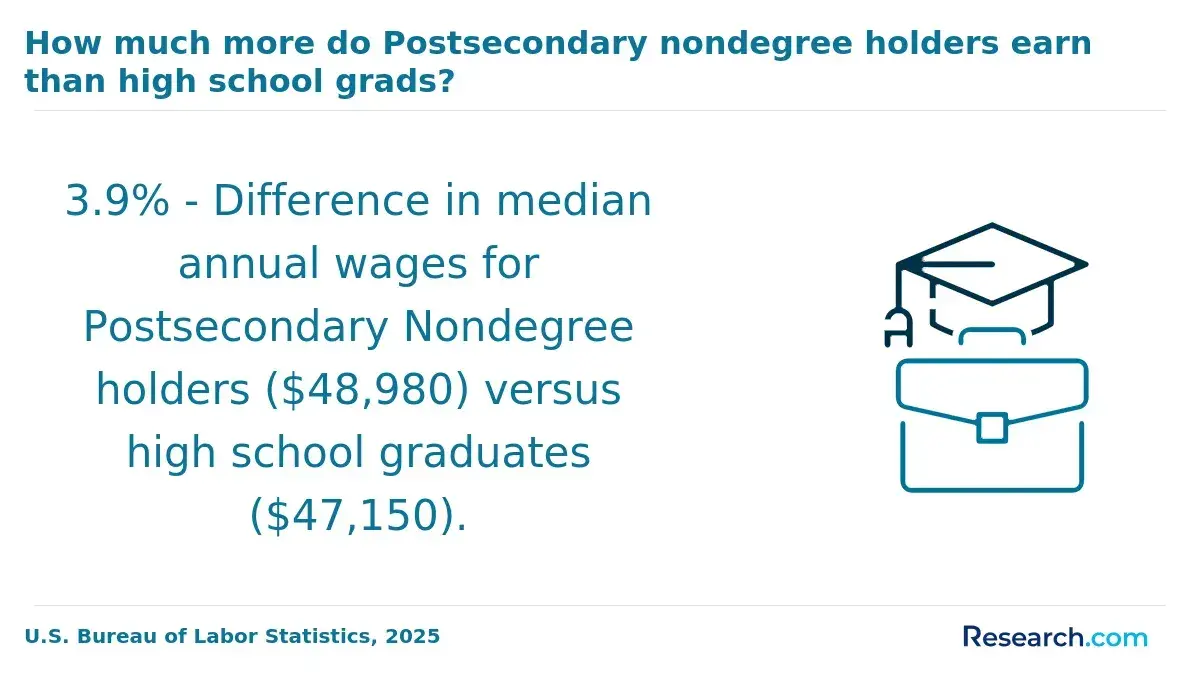
Professional certifications and licenses offer significant salary advantages for educational technology professionals by validating specialized skills and dedication. These credentials often translate into higher compensation and greater employer recognition across various sectors.
Key certifications include:
- Certified Educational Technology Leader (CETL): Administered by the Consortium for School Networking (CoSN), it requires a bachelor's degree, relevant experience, and successful completion of a comprehensive exam covering leadership and instructional technology. The exam fee is approximately $350, and certification renewal takes place every three years via continuing education. CETL holders report salary boosts up to 15% over non-certified peers.
- Google Certified Educator Level 2: Focused on proficient use of Google tools in education, this certification involves a $25 exam with no strict prerequisites and is valid for three years. Though less formal than CETL, it enhances job competitiveness and can increase earning potential.
- CompTIA CTT+ (Certified Technical Trainer): Designed for those delivering educational technology training, it requires passing two practical exams costing about $350 in total, with certification lasting three years. Industry data indicate salary increases of 10-12% for credential holders.
Eligibility: Usually involves relevant degrees or professional background, plus exam completion. Exam format: Often combines multiple-choice and scenario-driven questions. Renewal: Requires continuing education or re-testing every two to three years.
Costs range broadly-from under $50 for some vendor certificates to several hundred dollars for accredited credentials-representing a strategic investment considering documented salary premiums. Candidates should assess employer preferences-whether certifications are optional or mandatory-and confirm accreditation by credible bodies like ANSI or NCCA. Avoid low-credibility providers to safeguard both investment and reputation.
Professionals in educational technology see a steady salary increase throughout their careers as they gain expertise, take on leadership roles, and specialize strategically. Early career stages-typically within five years after graduation-often include roles such as instructional designer or technology integration specialist, with median salaries ranging from $50,000 to $65,000 annually, according to BLS data. These years focus on skill-building and earning certifications that pave the way for future advancement.
- Mid-Career Growth: Around the ten-year mark, many educational technology professionals move into management, project leadership, or specialized areas such as learning analytics or user experience design. Salaries in these roles usually range between $75,000 and $95,000. Obtaining advanced degrees like a master's or doctorate in educational technology or instructional design often signals readiness for higher responsibility and increased pay.
- Career Inflection Points: Key milestones that accelerate salary growth include promotions to supervisory roles, completion of recognized certifications such as Certified Professional in Learning and Performance, and moving toward high-demand specialties within the field. These changes often lead to earnings above those of peers remaining generalists.
- Late-Career Peak: Senior positions-such as director of educational technology, chief learning officer, or consultant in major organizations-commonly command salaries from $100,000 to $140,000 or more. Those with strong reputations and business development skills earn at the higher end of this spectrum.
- Leadership and Specialization: Combining leadership with niche expertise-like adaptive learning systems, corporate training, or edtech product management-generates significant wage premiums. Building a personal brand and professional network further enhances long-term earning potential.
- Strategic Decisions: High earners invest early in advanced credentials, seek leadership roles, and engage in projects with measurable institutional impact. These deliberate choices distinguish them within the workforce and align salary expectations with realistic career benchmarks.
Specializations that lead to the highest-paying educational technology leadership roles with highest salaries often focus on emerging technologies, leadership, and data analytics. Concentrations like instructional design and technology integration meet demand for professionals skilled in developing advanced learning platforms and user-centered experiences. Positions such as senior instructional designer or learning experience architect command premium salaries due to their technical complexity and limited talent supply.
Graduate-level concentrations in learning analytics and educational data science involve careers interpreting big data and supporting evidence-based decisions in education. These roles attract top wages driven by the rarity of skilled analysts and increased emphasis on measurable learning outcomes.
Educational technology leadership and administration is another lucrative area-equipping graduates for director or chief learning officer roles. These positions require strategic planning and oversight of digital transformation projects, which add regulatory challenges and high organizational impact justifying elevated compensation. Students targeting top-paying educational technology specializations in the US should evaluate labor market demand, projected job growth, and regional salary trends rather than choosing solely based on interest.
For those already enrolled in general educational technology programs, combining targeted internships with certifications in project management, learning management systems, or data analytics can unlock access to high-paying subfields without another degree. Pursuing continuing education and skill refinement in specialized tools or programming languages also enhances earning potential.
- ROI: Top online programs often report strong alumni earnings growth within five years post-graduation due to targeted specializations.
- Certification: Earning certifications in project management, learning management systems, or data analytics significantly boosts salary potential.
- Market Trends: Demand in corporate training and higher education sectors remains robust, driving premium wages for skilled specialists.
Prospective students can explore options offered by online colleges for hospitality management to understand cross-industry educational pathways that emphasize ROI and leadership roles.
The job market for educational technology professionals is projected to grow 7% to 9% through 2034, outpacing average occupational growth. This surge is fueled by expanding demand across K-12 schools, higher education, and corporate training, alongside legislative support for digital equity and increased funding for technology integration. These dynamics contribute to long-term earning stability in educational technology careers, especially for roles requiring strategic instructional design and platform management.
Automation risk varies within the field-high-skill positions focused on complex systems and human-centered engagement face low automation threats, while basic technical support and repetitive content maintenance roles are more vulnerable to outsourcing or automation. Budget constraints and credential inflation in some districts may limit salary growth for entry-level positions but do not diminish demand for advanced credentials.
- Growth Potential: Instructional coordinators and learning technology specialists enjoy robust demand linked to education and corporate technology adoption.
- Automation Risk: Strategic, high-skill roles resist automation; routine technical jobs are at higher risk.
- Employer Demand Stability: Public and higher education sectors remain steady though budget-sensitive; corporate training budgets are expanding, supporting salary increases.
- Risk Factors:
- Outsourcing mainly affects lower-level technical jobs.
- Credential inflation increases expectations for advanced degrees or certifications.
- Salary vs. Job Security: Some consultancy or specialist roles offer high pay but face cyclical demand; stable school-based positions often yield moderate but consistent pay growth.
To stay competitive in this evolving labor market and maximize return on investment, candidates should pursue advanced credentials, certifications tailored to educational technologies, and emerging skills in learning analytics and adaptive technologies. For those considering degree options, including an online math degree can complement educational technology expertise and strengthen overall job market prospects.
Leadership positions in educational technology-such as Director of Educational Technology, Chief Learning Officer, and Technology Program Manager-are typically found at senior or executive levels within schools, corporate training departments, and tech companies. These roles involve overseeing strategic planning, budgeting, and managing teams that develop and deploy technology-powered learning solutions.
- Salary Premium: Data from the Bureau of Labor Statistics highlights a significant wage gap between management and individual contributor roles. For instance, instructional coordinators earn about $66,000 annually on average, while education and information systems managers can exceed $120,000, reflecting greater responsibility for program success and organizational outcomes.
- Credentials and Experience: Holding advanced degrees-often a master's in educational technology, educational leadership, or an MBA-is essential for executive roles. Candidates typically bring extensive experience in project management, fiscal oversight, and leading diverse teams.
- Career Pathways: Progression commonly begins in entry-level roles like instructional designer or technology specialist and moves to mid-level management before reaching leadership. Accelerated growth often depends on acquiring relevant certifications, pursuing executive education, and demonstrating successful leadership on multifaceted educational technology initiatives.
- Strategic Career Moves: Early consideration of graduate studies-emphasizing MBAs or education leadership master's degrees-can enhance promotion prospects. Active networking within professional circles and gaining experience across sectors further improve eligibility for high-level management compensation packages.
The educational technology sector is giving rise to several specialized roles expected to deliver strong salary growth over the next decade, fueled by digital innovation, evolving regulatory landscapes, and shifting learner needs. Labor market forecasts and organizations such as the World Economic Forum highlight these emerging positions as prime targets for investment and career development.
- Learning Experience Designers: Experts who integrate cognitive science principles with user-centric digital design to craft tailored, engaging educational environments. Degree programs now emphasize skills in data analytics and interface design to meet market demand.
- AI-Driven Curriculum Developers: Professionals building adaptive learning pathways using artificial intelligence algorithms. Supplementary training in machine learning and natural language processing enhances prospects in this cutting-edge specialty.
- Educational Data Analysts: Specialists who interpret complex learner data to inform instruction and policy. Boot camps focusing on statistics and data visualization effectively complement formal educational technology coursework.
- VR and AR Specialists: Technologists designing immersive simulations for education and training, leveraging certifications in virtual and augmented reality development to establish early career advantages.
- Compliance and Accessibility Coordinators: Navigators of evolving inclusion standards and digital equity mandates, whose expertise in adaptive technologies is increasingly high in demand.
Educational technology curricula are increasingly interdisciplinary, blending pedagogy, tech skills, and analytics to prepare students for these growing fields. However, pursuing emerging roles involves risk-some predicted job categories may develop slower than expected, making ongoing skill development and strategic research essential. Identifying roles with solid early mover benefits and durable market demand requires careful evaluation.
Staying informed through labor market intelligence platforms such as Lightcast, Burning Glass, and LinkedIn Economic Graph is crucial for tracking dynamic occupational trends. Engaging with professional associations and consulting research publications help position professionals and students alike to capitalize on high-paying opportunities in this evolving industry.
What Graduates Say About the Highest-Paying Jobs You Can Get With a Educational Technology Degree
- Devin: "Completing my degree in educational technology truly opened my eyes to the wage premium that comes with graduate-level credentials-especially compared to entry-level roles that often lack formal qualifications. I was surprised to learn how much the salary impact of professional licensure and certification can amplify your earnings, particularly when working in specialized educational software firms. Overall, investing in this degree felt like a smart choice given the clear financial advantages compared to other pathways I had considered."
- Zion: "Reflecting on my journey with educational technology, one of the key insights I've gained is how much the industry type and geographic location influence job opportunities and pay scales. Working in a tech hub versus a rural district showed me firsthand the vast differences in compensation, which made me appreciate the strategic decisions behind job selection. Additionally, licensing and certification played a crucial role in boosting my credibility and salary, far beyond what I expected."
- Jack: "As someone who carefully weighed all my options, I found the return-on-investment of an educational technology degree extremely compelling when set against alternative career paths. The structured learning gave me a competitive edge that translated into higher-paying roles-especially those requiring specialized licensure. It's fascinating how different industries and locations create varied salary landscapes, and having that knowledge beforehand helped me navigate my career with confidence."
Other Things You Should Know About Educational Technology Degrees
Project Management Professional (PMP), Certified Educational Technology Leader (CETL), and Google Certified Educator can improve salary prospects. Employers often reward candidates with these credentials for leadership or implementation roles, especially when combined with LMS administration or data-analysis experience.
Internships and practicums provide critical hands-on experience that significantly enhance starting salaries for educational technology graduates. Employers value candidates who have demonstrated real-world skills through supervised practicums, as this reduces training costs and onboarding time. Graduates who complete placement-supported practicum experiences typically negotiate higher starting salaries and enjoy a smoother transition into full-time employment.
Employer type plays a distinct role in compensation levels for educational technology professionals. Private sector companies-especially those in corporate training or technology development-often offer the highest salaries and performance bonuses. Public institutions and nonprofits may provide more stable benefits and job security but generally offer lower base pay. Understanding these trade-offs is crucial when evaluating potential employers and salaries.
Educational technology graduates can increase their starting salary by preparing data-driven negotiation points-such as industry salary averages, internship accomplishments, and relevant certifications. Demonstrating knowledge of employer needs and expressing confidence in specialized skills like LMS management or multimedia development are effective tactics. Additionally, negotiating for professional development support and flexible work arrangements can add significant overall value.
- EdTech Market Size, Competitors, Trends & Forecast to 2029 https://www.researchandmarkets.com/report/education-software
- Best EdTech Companies to Work For: Complete Guide to Top Education Technology Jobs https://whileresume.com/article/best-edtech-companies-to-work-for
- What Role Does Education Access Play in Long-Term Economic Stability? https://slatez.org/education-access-economic-stability/
- Maximizing the Benefits of Professional Certifications https://www.techclass.com/resources/lifelong-learning/maximizing-the-benefits-of-professional-certifications
- How Do Certifications Influence Salary Increases? https://certiprof.com/blogs/news/how-do-certifications-influence-salary-increases
- Global Education Technology Market Overview https://edutech.global/education-technology-market/
- 6 Best Career Opportunities in Educational Leadership https://www.manchester.ac.ae/blog-post/6-best-career-opportunities-in-educational-leadership
- Explore 7 Groups of High-Demand Careers for Today's Students https://www.standrewsgreenvalley.com/future-careers-for-students/
- How Much Can I Earn with a Degree in Educational Technology? - Top Masters in Education https://www.topmastersineducation.com/how-much-can-i-earn-with-a-degree-in-educational-technology/
- Jobs by eLearning Industry | Most In-Demand Jobs In eLearning & EdTech For 2026 https://jobs.elearningindustry.com/blog/most-in-demand-jobs-in-elearning-edtech