2027 Does an Educational Technology Degree Require Internships or Clinical Hours?

Co-Founder and Chief Data Scientist
Many prospective students in educational technology face uncertainty about whether internships or clinical hours are mandatory components of their degree programs. This ambiguity complicates decisions about time management and financial investment, especially since 62% of educational technology graduates report that practical experience significantly enhances job readiness.
With the educational technology field expanding rapidly, projected to grow 13% by 2030, clarity on experiential requirements is crucial for aligning studies with career goals. This article, prepared by career planning experts, explores typical internship and clinical hour expectations in educational technology degrees, helping readers understand program demands and optimize their pathway into the workforce.
Key Things to Know About Educational Technology Degree Internships or Clinical Hours
- Internships or practicum experiences are not always required for educational technology degrees but are highly recommended to strengthen instructional design and technology integration skills.
- On-campus programs often include structured, supervised school-based or corporate training placements, while online programs offer flexible, remote opportunities suited to working professionals.
- Practical requirements may modestly extend program duration but improve career readiness, with 66% of graduates reporting internships enhanced their job prospects in educational technology roles.
Does a Educational Technology Degree Require Internships or Clinical Hours?
An educational technology degree does not universally require internships or clinical hours, as these elements often vary by program and institution. Many programs offer internships or practicums as optional or embedded components rather than mandatory requirements.
Their main purpose is to provide hands-on experience where students can apply instructional design, digital tools, or e-learning methods in real-world educational settings. Including an educational technology degree internship requirement can enhance practical learning and help students bridge theory with practice.
Internships or practicums typically occur in the final phases of study, involving a set number of supervised hours-often between 100 and 200. These experiences develop skills like project management, technology integration, and learner assessment, which are crucial for career readiness in this growing field.
Prospective students evaluating clinical hours in educational technology programs should consider how these opportunities contribute to both technical proficiency and workplace communication abilities. For those interested in related fields, programs like the SLP online masters program also emphasize practical experience to prepare graduates for employment.
Are Internships Paid or Unpaid in Educational Technology Programs?
Internships in educational technology programs vary widely in whether they are paid or unpaid, which significantly impacts students' financial planning and career preparation. This distinction matters because many students balance costs with the need for practical experience, especially when programs require unpaid clinical hours for edtech degrees.
Currently, approximately 40% of internships in educational technology offer some form of compensation, indicating a shift toward valuing intern contributions and promoting equitable access to career-building opportunities.
Key points about internship compensation include:
- Payment Structures: Internships may provide hourly wages or fixed stipends. The form of payment often depends on the employer's budget and the internship's scope.
- Influencing Factors: The likelihood of paid internships varies by employer size, available funding, and state labor laws. Larger organizations tend to offer paid experiences more frequently, while smaller nonprofits and schools may rely on unpaid arrangements.
- Career and Academic Value: Unpaid internships still hold value by offering vital networking opportunities, hands-on skills, and sometimes college credit. Many programs require unpaid clinical hours for edtech degrees to ensure comprehensive field exposure.
Students should carefully weigh the financial and professional benefits of both paid and unpaid internships when choosing a program. For those considering cost-efficient pathways, exploring an online engineering degree or similar fields might offer alternative routes combining affordability with quality experience.
What Is the Difference Between Internships or Clinical Hours in Educational Technology Degree Levels?
Students planning academic and career pathways in educational technology must consider how experiential requirements differ by degree level. These differences affect time commitments, learning environments, and preparation for professional roles. Below is a breakdown of internship and clinical hour expectations across degree levels to help clarify these variations.
A comparison between clinical hours versus internships in educational technology programs highlights how these requirements evolve with academic advancement.
- Bachelor's level: Internships at this stage are typically shorter in duration and provide broader exposure to practical settings such as schools or technology companies. Supervision focuses on developing foundational skills through hands-on tasks like supporting instructional design or technology integration.
- Master's level: Clinical hours become more structured and intensive, often involving extended periods of in-depth practice with advanced supervision in real-world educational environments. These experiences emphasize applying complex theories and technology tools while assuming higher professional responsibility.
- Doctoral level: Candidates may complete either internships or clinical hours, but with a strong focus on leadership, research, and innovation within educational technology. The emphasis shifts toward contributing to the field's knowledge base and shaping future practices.
Recognizing specific educational technology degree internship requirements at each level helps students select programs aligned with their career objectives and manage expectations about practical commitments. For those interested in combining education with affordability, exploring the cheapest online psychology degree options can offer additional insights into accessible learning pathways.
Breakdown of All 4-Year Online Title IV Institutions

Accelerated educational technology programs incorporate internships or clinical hours within condensed timelines by emphasizing efficient scheduling and intensive academic demands. These programs often require students to manage rigorous coursework alongside hands-on experiences concurrently, rather than sequentially.
Internships are frequently arranged in compact blocks or during breaks to meet licensure or certification requirements without extending the overall duration. This structure challenges students to prioritize time management while maintaining a strong focus on core competencies essential for their career readiness.
To help students balance practical experience with accelerated studies, many programs adopt flexible approaches, such as offering virtual or hybrid internships and partnering with organizations that provide structured supervision. These strategies allow students to fulfill clinical hour requirements while minimizing commuting and logistical barriers. Recent data indicates that over 40% of graduate students in educational technology engage in practical internships during their studies, reflecting the field's commitment to blending theoretical knowledge with real-world application within fast-paced formats.
Internship and clinical hour requirements for educational technology degrees generally do not vary much between online and on-campus programs. Both formats usually include a practicum component aimed at providing practical experience, meeting professional standards, and preparing students for careers.
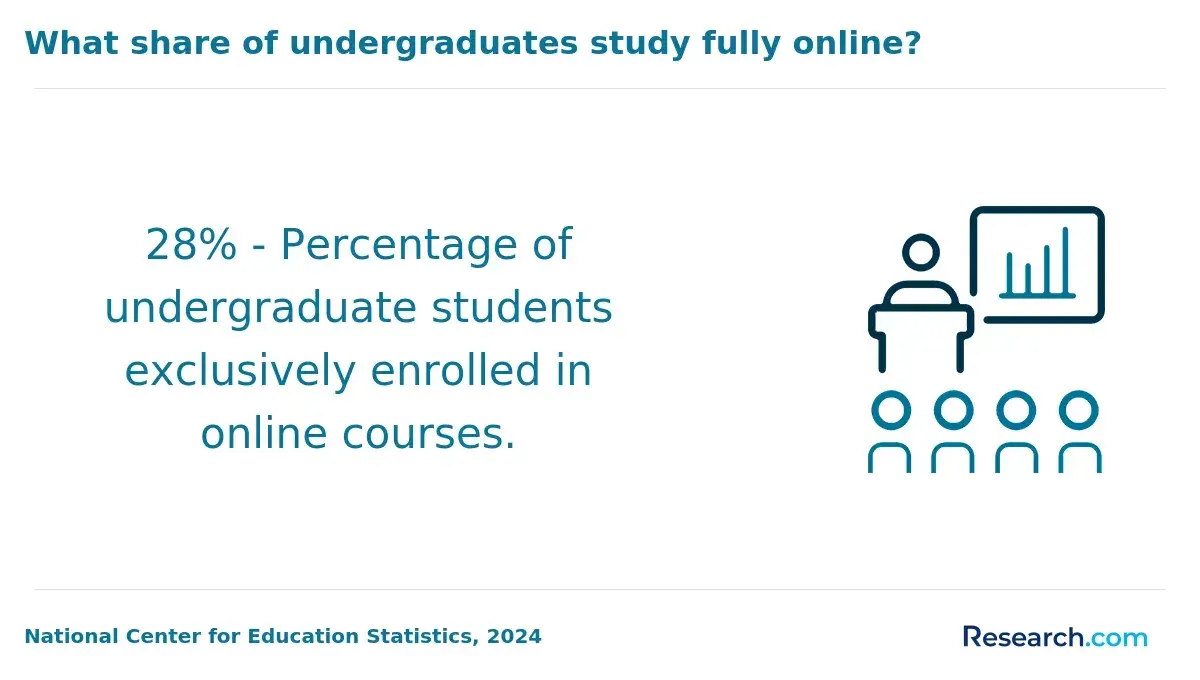
According to recent data, online higher education enrollments have grown by over 30% in the last ten years, underscoring the need for adaptable experiential learning opportunities. Typically, programs expect similar supervised hours and learning outcomes, such as applying instructional tools and designing educational content.
Differences arise mainly in how internships are arranged and completed. Online students often enjoy more flexibility in choosing local or virtual placements due to fewer geographic constraints. Scheduling tends to be more accommodating for those balancing other responsibilities, and supervision may incorporate remote mentoring through video conferencing or online platforms. These adjustments help preserve the quality of internship experiences while addressing the unique needs of both online and in-person learners.
Specialization choices in educational technology degree programs significantly influence internship or clinical hour requirements. For example, programs focused on instructional design or e-learning development often include internships emphasizing project-based work in corporate or higher education settings, supporting content creation and technology implementation.
In contrast, specializations like educational technology integration in K-12 environments typically require hands-on clinical hours working directly with teachers and students in classrooms. Research shows that nearly 65% of students in these programs engage in internships tailored to their specialization, highlighting the vital role these experiences play in workforce readiness and skill development related to educational technology degree internship requirements.
These varying internship demands affect student workload, scheduling, and career preparation. Intensive, in-person clinical hours often require significant time during regular school hours, limiting course flexibility and requiring strict compliance with institutional policies.
Alternatively, project-centered internships, such as those found in educational software development, may offer more flexible or remote work options, allowing students to complete coursework simultaneously. Understanding how specialization impacts edtech clinical hours can help students plan their education and career paths more effectively. Those seeking options might explore affordable online bachelor degree programs that offer diverse specializations aligned with their professional goals.
Work experience can sometimes replace internship requirements in educational technology degree programs, especially for students balancing professional duties. Many programs allow this substitution if the candidate's prior or current role closely matches the internship's intended learning outcomes.
Factors such as the relevance of tasks, duration, and depth of experience, and official employer documentation supporting the applicant's responsibilities play crucial roles. However, strict program accreditation standards-particularly at the graduate level-may still require formal internships to guarantee comprehensive practical training.
Mid-career professionals or students enrolled in applied specializations tend to have better chances of having their work experience accepted in lieu of an internship. On the other hand, those newer to the field without significant hands-on experience are generally expected to complete internships to build essential skills. Policies on this substitution vary widely across institutions and degree levels, so early consultation with program advisors is essential for clarity.
Internship and clinical rotation durations play a key role in shaping students' schedules and professional growth, with most educational technology programs requiring between 100 and 200 hours of practical experience. About 75% of these programs now offer flexible internship formats to accommodate diverse student needs.
Below are typical internship or clinical rotation timelines observed in this field.
- Short-term rotations: Lasting 6-8 weeks, these are designed for focused skill-building or project-specific involvement. They benefit students seeking intensive, targeted experiences without committing to an entire semester.
- Semester-long internships: Spanning 12-15 weeks, these placements provide broader field exposure and allow immersion in real-world technology integration and instructional design tasks. This duration aligns with standard academic calendars to facilitate smoother credit transfer and workload balance.
- Extended rotations: Often covering two semesters or more, these are suited for students pursuing advanced specializations within educational technology. They enable deep engagement with instructional leadership or technology strategy while meeting rigorous accreditation standards.
Internship length is also shaped by program focus-for example, instructional design tracks may mandate longer rotations to ensure mastery of both pedagogy and technological implementation. Programs emphasizing leadership might offer shorter but intensive clinical hours. Additionally, flexible scheduling options help accommodate part-time students or those balancing work and study commitments, making the required hands-on hours adaptable within different educational technology degree structures.
Job placement outcomes are a primary concern for prospective students because they indicate the practical value of an educational technology degree and affect the return on investment of time and money. According to a 2022 study by the National Association of Colleges and Employers (NACE), 65% of employers prefer candidates with internship experience, underscoring the increasing importance of experiential learning.
Below are key ways internships influence employment prospects after graduation:
- Employer Preference: Internship experience signals to employers a candidate's ability to apply theoretical knowledge in real-world environments, making graduates more attractive in a competitive job market.
- Professional Networking: Internships provide valuable opportunities to build connections within the industry, which can lead to job offers or strong references that support career advancement.
- Skill Development: Hands-on experience during internships hones skills aligned with current industry tools and technologies, helping graduates stay updated with rapid changes common in educational technology.
- Full-Time Position Potential: Many internships serve as trial periods that can convert into full-time roles, providing a smoother transition into professional employment after graduation.
Because of these benefits, internship impact on job placement educational technology graduates is often emphasized by programs aiming to enhance career readiness. Practical experience differentiates graduates who complete internships from peers with solely academic credentials. For those evaluating degree options, an associates degree in this field may also integrate internship opportunities to strengthen job prospects.
Graduates in educational technology who gain practical experience often command higher starting salaries, with studies showing internship participants earn about 16% more on average. This hands-on involvement enhances skill sets that employers prioritize when setting initial compensation.
Several factors contribute to this connection:
- Valued readiness: Employers see tangible experience as proof of job preparedness, reducing onboarding time and training expenses.
- Negotiation advantage: Candidates with documented success during clinical hours or internships tend to present stronger resumes, allowing for improved salary negotiations.
- Industry expectations: The educational technology field increasingly demands proficiency in digital tools and instructional design, benefits often gained through experiential learning.
- Program and specialization impact: Salary differences linked to experience can vary depending on whether a program is online or in-person and on specialization areas like e-learning development versus instructional design.
Additionally, the sector graduates enter-such as K-12 education, higher education, or corporate training-also influences pay scales related to prior experience. Despite some variability, earning internships or completing clinical rotations remains a strong strategy for career advancement and increased earning potential within educational technology roles.
What Graduates Say About Their Educational Technology Degree Internships or Clinical Hours
- Catherine: "Completing the internship requirement for my online educational technology degree was a transformative experience. Despite the average cost being around $1,500, I felt it was a worthwhile investment, providing hands-on skills that no textbook could offer. This practical exposure significantly boosted my confidence and opened doors to opportunities in instructional design. "
- Shiela: "The internship included in my educational technology online program was both challenging and rewarding. Considering the internship cost was reasonable compared to traditional programs, it allowed me to gain real-world experience without overwhelming financial stress. Reflecting on my career now, the internship was pivotal in helping me secure my current role in e-learning development."
- Ariella: "Engaging in the internship for my online educational technology degree gave me invaluable insights into the field at a minimal additional cost, roughly $1,200 on average. Professionally, it strengthened my resume and enhanced my ability to implement technology-driven learning solutions effectively. I appreciate how this component of my program bridged academic theory with actual practice."
Other Things You Should Know About Educational Technology Degrees
In 2027, internships in educational technology programs serve as valuable hands-on experience, bridging academic knowledge and real-world application. They help students develop practical skills, enhance resumes, and build professional networks, though not all programs require them.
Accreditation bodies for educational technology programs, such as CAEP or regional accreditors, may include internship or practicum components as part of their standards to ensure programs provide hands-on training. While not universally mandatory, many accredited programs incorporate internships to meet quality benchmarks that emphasize practical experience. This helps maintain program credibility and aligns with professional competencies.
Practicum requirements are usually met through supervised fieldwork in K–12 or higher-education settings, often 40 to 120 hours per term. Programs commonly require a university supervisor, site mentor, and a final reflection or portfolio documenting instructional design or technology integration work.
- Evaluating Onsite and Online Internship Mode Using Consumptive Metrics https://www.igi-global.com/article/evaluating-onsite-and-online-internship-mode-using-consumptive-metrics/332244
- Do Internships Count as Work Experience? In the U.S., Yes! [How to Work Here] - Intrax Global Internships https://www.globalinternships.com/post/does-internships-count-as-work-experience
- Education vs. Experience: Which One Gets the Job? https://www.investopedia.com/financial-edge/0511/work-experience-vs.-education-which-lands-you-the-best-job.aspx
- Work Experience vs. Education: What Matters More to Employers in 2025? - Bayt.com Blog https://www.bayt.com/en/blog/32142/work-experience-vs-education-what-matters-more-to-employers-in-2025/
- Educational Technology Master's Degree Program (MA) | Graduate Admissions - Apply Here - Concordia University https://www.concordia.ca/academics/graduate/educational-technology-ma.html
- Can I apply to internships at large US tech companies as a student with previous full time experience? https://workplace.stackexchange.com/questions/198113/can-i-apply-to-internships-at-large-us-tech-companies-as-a-student-with-previous
- 7 Powerful Reasons Why Tech Internships Boost Your Salary and Job Prospects https://www.careerist.com/insights/7-powerful-reasons-why-tech-internships-boost-your-salary-and-job-prospects
- Education vs Experience: What Do Employers Want More? For Ontario, Canada. https://www.cdicollege.ca/study-on-campus/ontario/community/news/education-vs-experience-what-do-employers-want-more/
- Where Are Unpaid Internships Legal? https://absoluteinternship.com/blog/where-are-unpaid-internships-legal/
- Inspired Teaching Multiple Subject Credential & Internship | NU https://www.nu.edu/degrees/teacher-education/programs/inspired-teaching-and-learning-preliminary-multiple-subject/