2027 How Much Does an Educational Technology Degree Program Cost? Tuition, Fees & Total Expense Breakdown

Co-Founder and Chief Data Scientist
Estimating the true cost of an educational technology degree program can be challenging for many students, with hidden fees and fluctuating tuition rates complicating budgeting efforts. Tuition and fees for such programs have increased by nearly 4% annually over the past five years, making financial planning crucial before enrollment.
This article breaks down tuition, additional fees, and total expenses associated with these programs. Understanding these components helps students compare institutions accurately, prepare realistic budgets, and avoid unexpected financial burdens throughout their education.
Key Benefits of Knowing the Educational Technology Degree Program Cost in 2026
- Knowing total costs helps students budget realistically and seek appropriate financial aid or scholarships, reducing the risk of unexpected debt in educational technology programs.
- Detailed fee breakdowns clarify expenses like technology resources and course materials, essential for this field's practical learning requirements, aiding informed decision-making.
- Understanding tuition trends supports comparing programs by value, as costs vary significantly-some reaching over $30,000 annually-impacting long-term investment in educational technology careers.
What Expenses Are Included in the Full Cost of a Educational Technology Degree?
Accurately estimating the full cost of an educational technology degree requires considering multiple expenses beyond tuition. These components collectively impact financial planning for prospective students.
- Tuition: This is typically the largest expense, with average annual undergraduate tuition for public institutions around $10,000 for in-state students. Private institutions can charge upwards of $35,000 per year, depending on the program and school.
- Mandatory fees: These include registration, student activity, and technology fees, adding approximately $1,000 to $2,000 annually. Such fees support campus technology and resources essential for educational technology coursework.
- Books and supplies: Specialized software, textbooks, and devices are often required, costing between $1,000 and $1,500 per year. These materials are crucial for keeping pace with evolving educational technology tools.
- Technology requirements: Students may need a compatible laptop or tablet with updated software, often requiring an initial investment of $500 to $1,500.
- Lab or clinical practicum fees: Some programs include additional costs for hands-on training with educational technology tools, though this varies by institution and program structure.
- Living expenses: Housing, food, transportation, and personal costs can range from $12,000 to $15,000 annually depending on the student's location, representing a significant portion of total expenses.
For students seeking flexible options, programs like an associate degree in 6 months online accredited offer alternative pathways. Understanding the full cost breakdown of an educational technology degree in 2026 is essential for making informed decisions about education investments.
What Is the Average Total Cost of a Educational Technology Degree Program in 2026?
The average total cost of a educational technology degree program in 2026 ranges from approximately $40,000 to $120,000. This figure accounts for tuition, fees, supplies, and living expenses over the entire duration of the program. Understanding the full cost is important for prospective students as it influences financial planning and decision-making.
Tuition alone varies widely; public universities charge between $10,000 and $25,000 annually for in-state students, while private institutions often cost between $30,000 and $50,000. Additional fees and materials contribute roughly $1,500 to $3,000 per year.
Program format, institution type, and regional location significantly affect total expenses. Online degrees typically lower costs by 15-30% through reduced housing and commuting costs.
Regional differences also matter, with programs in the Midwest and South usually less expensive than those on the Northeast or West Coast. For students exploring flexible options, open enrollment college courses online may offer pathways that impact overall affordability. Considering the educational technology degree tuition and fees breakdown in 2026 helps students anticipate financial commitments aligned with their goals and circumstances.
What Mandatory Fees Do Schools Charge for a Educational Technology Program in 2026?
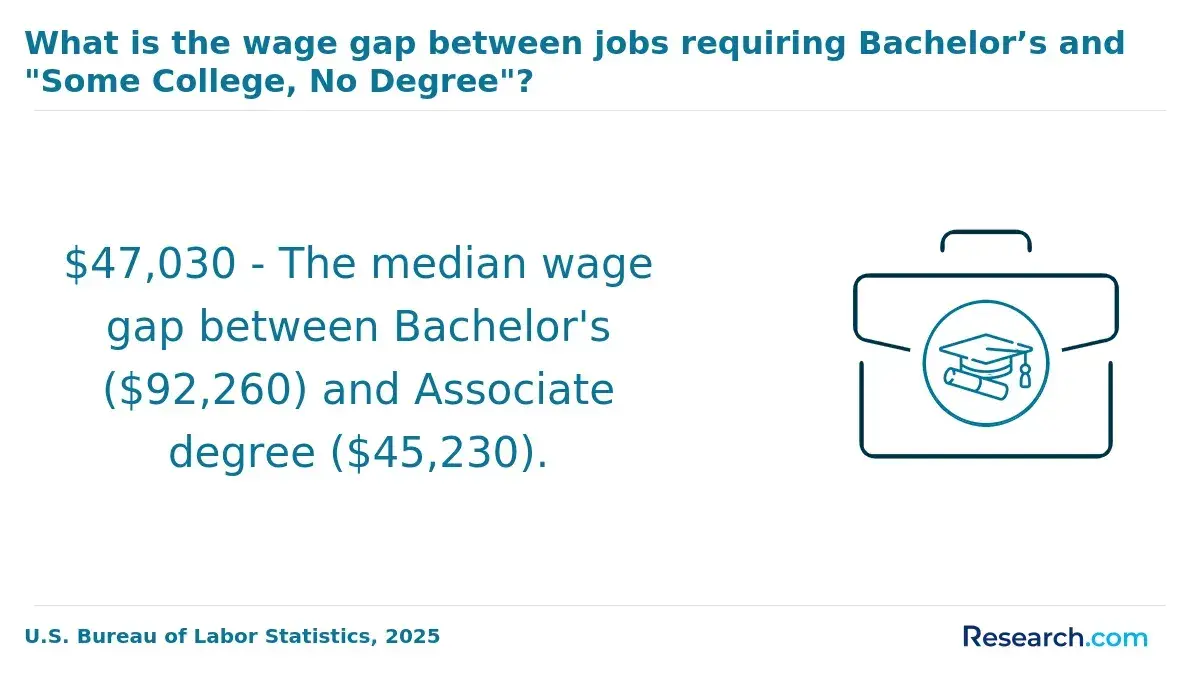
Mandatory fees are charges required by institutions in addition to tuition, covering essential services and resources that support the educational experience but are billed separately. These fees reflect costs associated with specialized infrastructure and student support, specific to different degree programs. The following outlines the typical mandatory fees for educational technology degree programs in 2026, which contribute significantly to the overall cost of attendance.
- Technology fees: Ranging from $100 to $400 per semester, these fees fund campus-wide digital infrastructure, software licenses, and specialized learning platforms crucial for educational technology students, often higher due to dependence on digital tools.
- Lab or practical fees: Typically between $50 and $200, these fees cover maintenance of equipment and access to hands-on learning environments like multimedia studios or simulation software vital in applied learning.
- Student services fees: Averaging around $200 per semester, these fees support academic advising, career counseling, libraries, and wellness resources, enhancing student success throughout the program.
- Assessment or testing fees: Some programs require standardized assessments or certification exams costing $50 to $150, which are necessary for course completion and credentialing.
- Campus facilities fees: Usually $150 to $300 per term, these fees contribute to upkeep of classrooms, study areas, and general campus amenities used by students.
Prospective students should review fee schedules carefully as mandatory fees for educational technology programs 2026 can increase the total cost by 10% to 15%, according to the National Center for Education Statistics. Those interested in accelerated learning options may explore accelerated master's programs online for potentially shorter degree completion timelines.
Understanding the educational technology degree program fees breakdown 2026 is essential for accurately planning finances and assessing the total investment required for these technologically intensive fields.
Students pursuing an educational technology degree in 2026 should anticipate additional program-specific fees beyond standard tuition and mandatory university charges. These extra costs support specialized resources and experiences essential to the program. Below are common additional fees typically encountered in this field.
- Lab Fees: Charges between $100 and $400 per semester cover the upkeep and access to technology-rich learning environments critical for hands-on training.
- Software Licenses: Annual costs from $50 to $300 fund program-specific software needed for tasks like instructional design, multimedia editing, or managing learning systems.
- Certification Preparation: Expenses ranging from $100 to $400 include fees for exam registration and study materials for credentials such as Google Certified Educator.
- Required Equipment: Students may need to purchase tablets, digital cameras, or compatible devices costing between $500 and $1,200 to participate fully in coursework.
- Fieldwork Costs: Practicum placements can add $100 to $500 for items like background checks, transportation, or specialized materials necessary for hands-on learning experiences.
Accurately estimating the cost of supplies and equipment is essential for planning the total expense of an educational technology degree. These costs can significantly impact a student's budget throughout the program.
Below are common items required in this field along with their typical price ranges and purposes:
- Computer: A reliable laptop or desktop is needed to run specialized software, with costs generally between $800 and $1,500 depending on performance and specifications.
- Software licenses: Access to tools like Adobe Creative Suite or Camtasia is often required, with annual fees ranging from $250 to $600, sometimes included in fees but often bought separately.
- Headsets or microphones: Necessary for recording and communication tasks, typically costing between $50 and $150.
- Storage solutions: External hard drives or cloud subscriptions help manage large media files, averaging around $100 per year.
- Specialized hardware: Optional equipment like interactive whiteboards or virtual reality headsets may be needed for some courses, costing anywhere from $300 to over $1,000.
Planning for these additional expenses, which can total between $1,200 and $3,000 over the degree duration, helps ensure a realistic financial outlook.
Living, food, and travel expenses form a significant portion of the overall cost for educational technology students in the U.S. These costs fluctuate greatly based on geographic location, housing choices, and individual habits. Understanding the typical expenses in these areas helps students plan their budgets effectively.
Common categories of expenses include:
- Housing: Annual housing costs range from about $8,000 in more affordable cities to $15,000 or more in expensive urban centers. Options vary between campus dormitories, off-campus apartments, or shared accommodations, with location being the primary driver of price differences.
- Utilities: These expenses often accompany housing and include electricity, water, internet, and heating, typically adding several hundred to a few thousand dollars yearly depending on the living situation and climate.
- Groceries and Dining: Food-related costs average between $3,000 and $5,000 annually. While purchasing groceries and cooking reduces expenses, occasional dining out contributes to the overall budget. Meal plans offered by some universities can alter food expenses but may be included in tuition.
- Local Transportation: Costs for commuting, such as public transit, fuel, or rideshares, usually range from $1,000 to $2,000 yearly. Usage frequency and distance largely influence this category.
- Travel for Internships or Clinical Placements: Students may need to budget for trips home or to off-campus sites, with round-trip expenses typically between $200 and $700. Holiday travel and remote study arrangements also impact these costs.
When I asked a student of an educational technology degree program about her experience managing these expenses, she reflected on the unpredictability of budgeting for travel during the pandemic. She explained, "I had to be flexible because some months involved extra trips back home for family reasons, which wasn't always easy to anticipate."
Regarding meals, she found that "cooking at home saved a lot, but occasionally I treated myself to meals out to maintain balance." Housing was the most consistent expense, though she noted, "Living in a shared apartment helped reduce costs, but coordinating bills with roommates required extra planning." Overall, she emphasized that maintaining an adaptable budget and staying aware of fluctuating costs was key while progressing through her degree program.
Educational technology programs frequently require internships or residencies as part of their curriculum to provide practical experience. These components are often mandatory, especially in programs preparing students for roles in K-12 schools, educational nonprofits, or corporate training departments.
Internships typically involve working directly in classrooms or organizations focused on learning technologies, while residencies are more common in certification pathways. Because these experiential elements are essential for skill development, they often contribute to the overall cost of the degree program, making budgeting for them a necessary consideration.
Additional expenses tied to internships and residencies can vary considerably based on location and program requirements. Students may need to cover travel costs, temporary housing, liability insurance, and specialized tools or software related to their fieldwork. These costs can range from a few hundred to several thousand dollars.
To manage these expenses effectively, prospective students should research whether local or virtual placements are available and inquire about possible stipends or fee waivers. Early planning helps create a more accurate financial outline for completing an educational technology degree.
Most institutions permit students to switch between part-time and full-time enrollment in educational technology programs, though this process is guided by institutional policies. Typically, students must consult academic advisors before making changes to ensure their academic goals and progression remain on track.
Approval often hinges on a student's academic standing and the timing within the academic calendar. Several factors, such as financial considerations and course scheduling, influence whether a switch is feasible or beneficial. Students should carefully assess their personal priorities before changing enrollment status.
Common requirements include maintaining good academic performance and obtaining advisor approval. Financial aid eligibility and award amounts often vary between part- and full-time status, potentially affecting a student's budget.
Course availability can also differ, with some classes limited to certain enrollment types or terms. Adjusting enrollment may impact the expected time to graduate, either extending or shortening degree completion. Understanding these limitations is crucial to making an informed decision.
When I spoke with a graduate who transitioned from part-time to full-time studies in an educational technology program, he shared that the process required meticulous planning and frequent communication with advisors. He recalled feeling uncertain initially but appreciated the flexibility that enabled him to accelerate his learning once personal circumstances allowed.
The shift brought its challenges, like managing a heavier workload, but ultimately improved his focus and momentum. "Switching to full-time was demanding but rewarding," he reflected, noting how the change aligned better with his career ambitions and personal readiness.
Financial planning for educational technology degrees requires careful consideration of the cost differences between part-time and full-time enrollment. These differences affect not only tuition expenses but also the overall duration and additional fees, influencing a student's total investment. Below is a structured comparison to help clarify these factors.
Full-Time Enrollment
- Tuition per Credit: Full-time students typically pay between $450 and $700 per credit at public universities, enrolling in 12 to 15 credits each semester. This leads to higher semester tuition but compressed study time.
- Total Program Cost: A full-time master's degree in educational technology usually requires 40 to 45 credits, resulting in a total tuition cost ranging from approximately $18,000 to $30,000.
- Mandatory Fees: While technology and lab fees add $300 to $600 per semester, these fees affect full-time students similarly to part-time students but represent a smaller proportional cost due to more credits being taken.
- Supplies and Equipment: All students can expect to spend an additional $500 to $1,500 annually on supplies, software licenses, and equipment required for the program.
- Living and Travel Expenses: The shorter duration of full-time study generally reduces living and travel expenses compared to part-time enrollment, allowing for faster program completion.
Part-Time Enrollment
- Tuition per Credit: Part-time students enroll in 3 to 9 credits per term, paying the same per-credit tuition but spreading payments over a longer period, which can affect long-term budgeting.
- Total Program Cost: While semester tuition is lower due to fewer credits, extended program length of three or more years may cause cumulative costs to be similar or slightly higher, especially as fees accumulate.
- Mandatory Fees: Fixed fees such as technology and lab charges of $300 to $600 per semester disproportionately impact part-time students as they pay these fees over more semesters.
- Supplies and Equipment: Costs for required materials remain between $500 and $1,500 annually, consistent with full-time students, but spread over a longer timeframe.
- Living and Travel Expenses: Part-time enrollment offers flexibility but may increase living and travel expenses due to the lengthier program duration and extended commuting or relocation necessities.
Choosing between full-time and part-time programs depends on both financial and scheduling priorities. Those seeking to minimize total time and upfront costs may prefer full-time enrollment, while part-time options suit those needing a flexible schedule despite potentially higher long-term expenses. For more information on related options, consider exploring quick degrees that pay well.
When comparing 2026 educational technology program tuition costs, it's important to assess both credit loads and program duration to achieve the best financial outcome.
What Graduates Say About the Cost of Their Educational Technology Degree
- Adam: "From a professional standpoint, the educational technology degree delivered solid ROI despite the upfront costs. The comprehensive curriculum helped me develop critical skills while I navigated living expenses through family support and smart financial planning. In hindsight, the investment elevated my career trajectory and broadened my expertise in a rapidly evolving field."
- Saul: "Reflecting on my time studying educational technology, the financial aspect was challenging but manageable with careful budgeting. The cost of tuition and daily expenses was offset by the flexible online classes, which allowed me to continue working and support myself. The long-term value of this degree became clear as I moved into higher-paying roles that truly leveraged what I'd learned."
- Callahan: "Pursuing an educational technology degree was a strategic investment for me. While the average cost of attendance was significant, I managed to balance my living expenses through part-time work and scholarships. The hands-on learning experience made every dollar worthwhile, and I've already seen a strong return on investment through new career opportunities."
Other Things You Should Know About Educational Technology Degrees
In 2027, books and materials for an educational technology degree program can range from $500 to $1,500 per year. This includes textbooks, software, and online resources essential for coursework. Costs may vary by institution and specific course requirements. --- **Question** Do public and private institutions differ significantly in tuition costs for educational technology degrees? **Answer** Yes, public institutions generally charge lower tuition fees for educational technology degrees compared to private institutions. In-state students at public universities often benefit from reduced rates, while out-of-state and private school students face higher costs. --- **Question** What financial aid options are available for students enrolling in educational technology degree programs in 2027? **Answer** In 2027, students can access various financial aid options, including federal grants, scholarships, and work-study programs. Additionally, many institutions offer merit-based scholarships and assistantships specific to educational technology programs to help offset costs. --- **Question** Are there cost differences between certification and degree programs in educational technology? **Answer** Yes, certification programs in educational technology typically cost less than degree programs. They often require fewer credits and can be completed in a shorter time frame, making them a more affordable option for those seeking specific skills without a full degree.
Public institutions generally offer lower tuition rates for in-state students compared to private schools. Private institutions tend to have higher sticker prices but may offset costs with generous scholarships and financial packages. Out-of-state students attending public universities typically face tuition closer to private school rates.
Yes. Online educational technology programs often avoid campus housing, parking, and student activity fees, while still charging technology fees, proctored-exam fees, or course fees. In 2027, many schools list these separately, so the total cost can differ even when tuition per credit is the same.
Potential hidden costs in a 2027 educational technology degree program may include technology fees, software licenses, travel for any in-person requirements, and maintenance of up-to-date devices. Such expenses can vary widely depending on the program and institution, affecting the overall budget.
- Cost of living in Poland https://study.gov.pl/cost-living-poland
- Hidden Costs of Studying Abroad: What Every Student Should Know https://gradright.com/hidden-costs-of-studying-abroad-student-should-know/
- Education and Technology MA https://www.ucl.ac.uk/prospective-students/graduate/taught-degrees/education-and-technology-ma
- Cost of Education Calculator | Michigan Tech Graduate School https://www.mtu.edu/gradschool/financial/cost/
- What Is the Real Cost of Technology in Education? Context https://www.hmhco.com/blog/cost-of-technology-in-education
- The costs of online learning https://fordhaminstitute.org/ohio/commentary/costs-online-learning
- Switch Website https://www.grad.ubc.ca/prospective-students/graduate-degree-programs/master-of-educational-technology
- International Programmes 2025/2026 https://www2.daad.de/deutschland/studienangebote/international-programmes/en/detail/4397/
- Study Abroad Costs: Tuition, Living & Hidden Expenses https://zylentrix.net/study-abroad-cost-breakdown/