2027 Educational Technology Degree Coursework Explained: What Classes Can You Expect to Take?

Co-Founder and Chief Data Scientist
Many students contemplating an educational technology degree face uncertainty about the coursework and how it aligns with job market demands. According to the U.S. Department of Education, over 70% of educational technology graduates report improved digital literacy and instructional design skills, critical for modern classrooms.
This article explains common classes within educational technology programs, highlighting how the curriculum builds technical expertise and pedagogical knowledge, equipping students for successful careers in education and instructional design.
Key Benefits of Educational Technology Degree Coursework
- Educational technology coursework develops technical skills in digital tools, enabling graduates to design effective learning experiences using emerging software and platforms.
- The curriculum emphasizes instructional design and data analysis, enhancing problem-solving abilities and improving learner engagement strategies.
- Graduates with educational technology expertise often see increased employability and earn 10-20% higher salaries, reflecting strong industry demand for tech-savvy educators.
What Types of Class Do You Take in a Educational Technology Degree?
Educational technology degree programs offer a structured curriculum that balances theoretical knowledge with practical skills. Recent trends show that over 60% of these programs prioritize hands-on learning experiences alongside foundational coursework, reflecting a growing emphasis on applied skills.
The curriculum typically includes several key categories, each designed to build essential competencies.
- Core Foundational Classes: These courses introduce students to fundamental concepts such as instructional design principles, learning theories, and technology integration strategies. They provide the essential groundwork for all other educational technology degree core coursework and practical applications.
- Specialization or Elective Courses: Electives allow learners to focus on specific areas like digital media, educational software, or e-learning development. These choices help students tailor their study paths to career interests and emerging industry demands.
- Research and Methods Coursework: This segment covers research design, data analysis, and evaluation methods, preparing students to critically assess educational technologies and contribute to evidence-based advancements.
- Practicum, Internship, or Capstone Experiences: Hands-on projects and field placements offer opportunities to apply theories in real educational environments, developing professional readiness and problem-solving skills.
For those considering accelerated paths in this field, exploring EdD online programs can provide fast-track options tailored to meet career goals.
What Are the Core Courses in a Educational Technology Degree Program?
Core classes in an educational technology degree program are essential for building foundational knowledge and practical skills that prepare students for both academic advancement and professional roles.
These core courses commonly include the following areas:
- Foundational Theory: These classes cover learning principles and cognitive processes important to technology integration, helping students understand how people absorb and retain information when using digital tools.
- Research and Methods: Students develop critical analytical skills through instruction in educational research, data analysis, and evaluation techniques to assess and improve technology-driven teaching strategies. Such training is vital for anyone interested in educational technology degree core courses focused on evidence-based practice.
- Professional Practices: This category prepares students with leadership and project management skills, as well as ethical considerations for implementing technology solutions in diverse educational environments.
- Applied Skills: Offering hands-on experience with instructional design, multimedia development, and the latest educational technologies, these courses equip students to create effective digital learning materials.
Those exploring educational technology degrees often also consider related fields-prospective students can learn more about counseling degrees online accredited as an additional pathway worth exploring.
What Elective Classes Can You Take in a Educational Technology Degree?
Elective courses in an educational technology degree empower students to shape their program around individual interests and career ambitions. Research indicates that nearly 65% of learners consider these electives essential for building practical skills and boosting employability in this fast-evolving field.
Below are some popular elective areas that students often select to deepen their expertise.
- Instructional Design: This course concentrates on developing engaging educational experiences through technology, with a focus on curriculum planning and the integration of multimedia tools. It prepares students for careers as instructional designers or e-learning developers.
- Data Analytics in Education: Students learn to interpret and utilize educational data to enhance learning effectiveness and institutional performance, gaining skills valuable for roles such as education researchers or assessment coordinators.
- Mobile Learning and App Development: This elective centers on creating mobile applications and platforms tailored for educational purposes, equipping students for positions in educational software creation and digital media development.
- Virtual and Augmented Reality in Education: Focused on leveraging immersive technologies, this course supports students pursuing innovative teaching methods or specialized corporate training roles.
One professional who completed an educational technology degree shared his experience selecting electives. He recalled the difficulty of narrowing down choices due to the wide range of intriguing options but emphasized how electing courses outside the core curriculum "opened unexpected doors" in his career.
He described spending extra hours mastering software tools and collaborating on projects that simulated real-world challenges, remarking, "Those electives felt like a personalized toolkit that made me confident stepping into the workforce."
His story highlights how thoughtful elective choices can transform the educational journey into a tailored career launchpad.
Practical, hands-on experiences in educational technology programs enable students to translate theoretical concepts into real-world applications. These internships or practicums offer valuable exposure to diverse educational settings and technology initiatives.
Approximately 70% of accredited programs mandate such experiences, which typically involve 100-200 hours over a semester or summer term. Key components of these requirements include:
- Program Requirements: Most programs require completion of an internship or practicum that integrates academic learning with practical application, ensuring students engage in meaningful educational technology projects.
- Duration and Hours: These experiences usually span a semester or summer and involve 100 to 200 hours of supervised work, providing sufficient time to develop skills thoroughly.
- Settings and Experiences: Students collaborate with educators, instructional designers, or administrators in schools, training centers, or corporate environments to design and implement technology-focused learning solutions.
- Skill Development: Participants enhance abilities in instructional design, technology integration, project management, and assessment techniques, while receiving mentorship to refine both technical and professional skills.
Capstone projects and theses are pivotal in demonstrating both academic understanding and practical expertise in educational technology. Approximately 70% of master's programs in this field give students the choice between these two final projects, offering flexibility according to their career or academic ambitions.
- Capstone vs. Thesis: A capstone centers on applying skills to real-world challenges, such as creating or assessing technology tools, and is often more practice-driven. In contrast, a thesis involves deep research, exploring new questions in the field through data analysis and extensive writing.
- Project Requirements: Both options typically require sustained independent work over a semester or more, with guidance from faculty, culminating in a formal presentation or defense to showcase mastery.
- Skills Developed: Capstones tend to enhance problem-solving, implementation, and professional communication abilities, whereas theses focus on research methodology, critical thinking, and academic writing skills.
- Time Commitment: Theses usually demand more extensive effort and time, often involving longer periods of study and data collection, while capstones generally require less time but emphasize practical deliverables.
- Career and Academic Alignment: Capstones suit those targeting careers in industry roles where applied expertise is valued, while theses better prepare students for doctoral programs or research-centered professions.
The professional I spoke with, who completed an educational technology program recently, chose the capstone route.
She explained, "I appreciated having a project that felt tangible and relevant to classroom technology challenges. The process was intense-balancing project development with other courses-but it sharpened my ability to handle real situations."
She also noted the mentorship from faculty was crucial, helping her refine ideas and stay organized.
"It wasn't just about finishing a project; it was about growing confidence in my skills." Reflecting on her choice, she said, "Deciding on a capstone made the degree feel more connected to my practical goals, though I respected how a thesis might have deepened my research skills."
Her experience highlights how these culminating projects shape different but complementary skill sets, tailored to diverse professional paths.
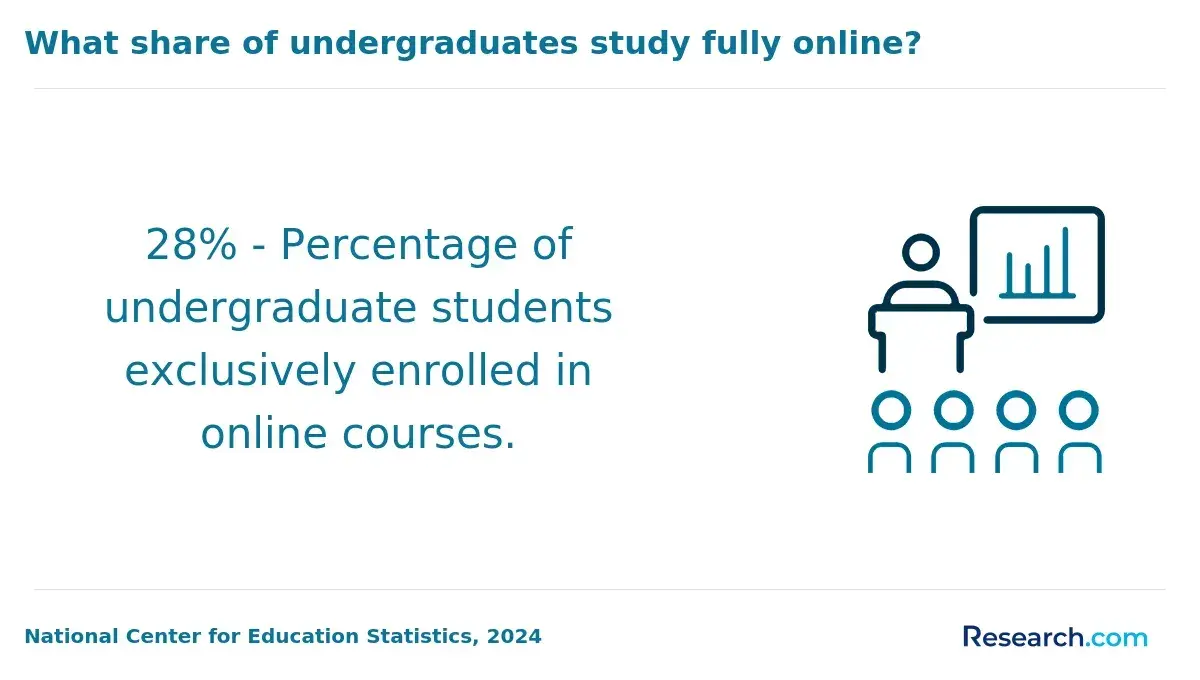
Educational technology coursework typically maintains consistent curriculum, learning outcomes, and academic standards whether pursued online or on campus.
Both formats cover essential topics such as instructional design, educational software, and digital learning theories, preparing students for similar career paths in the field. Therefore, the core academic content remains largely unchanged regardless of the delivery method.
The main differences arise in how courses are delivered and how students engage with faculty and peers. Online programs rely on video lectures, discussion forums, and virtual labs, offering greater flexibility and access from various locations. On-campus settings emphasize face-to-face collaboration and hands-on lab experiences, which can enhance direct interaction.
While assessments like projects and exams are standard in both formats, practical work online often uses simulations or virtual teamwork. Access to physical campus resources may be limited remotely, though many institutions provide digital versions to support students.
Educational technology classes typically require between 10 to 20 hours per week from most students. This weekly time commitment for educational technology courses is generally divided among attending lectures, completing readings, working on assignments, participating in group activities, and engaging in hands-on learning such as practicums or technology implementation tasks.
The workload can vary based on multiple academic and enrollment factors. Below is an overview of key considerations affecting study time:
- Enrollment Status: Full-time students usually dedicate more hours weekly compared to part-time learners, who balance coursework with other responsibilities.
- Course Level: Advanced or graduate-level educational technology classes often demand more independent study and project work than introductory courses.
- Learning Format: Online courses offer flexibility but require strong self-discipline; some students might spend extra time managing digital resources and discussions.
- Credit Load: Each credit typically corresponds to two to three hours of work per week, so the number of credits taken per term directly impacts total hours needed.
- Applied Projects: Practicum or capstone projects add significant effort by requiring real-world or simulated technology application beyond regular coursework.
On average, students can expect about 3 to 5 hours attending lectures or watching online videos, 3 to 6 hours on readings and research, 2 to 5 hours on assignments and projects, 1 to 3 hours collaborating with peers, plus variable hours on practicum tasks.
Prospective students planning their schedules and considering a executive MBA or similar graduate-level programs should factor in how these demands align with personal and professional commitments.
Total credit hour requirements play a vital role in determining the length of a program, the student's workload, and how soon graduation can be achieved. Students pursuing an educational technology degree should be aware of how credits are typically allocated across different components of the curriculum.
Common credit hour components in educational technology degree completion requirements generally include the following:
- Core Coursework: Undergraduate programs usually require around 60 to 70 credit hours devoted to foundational classes, including instructional design, learning theories, and technology integration. Graduate programs focus on advanced theory and research, often encompassing 15 to 25 credit hours of intensive core study.
- Electives: These courses allow students to specialize in areas such as e-learning, multimedia, or educational software development. Undergraduate electives often comprise about 20 to 30 credit hours, while graduate electives are fewer but more specialized.
- Experiential Requirements: Practicums, internships, capstone projects, or theses make up an essential component to provide hands-on experience. Undergraduate students might allocate 6 to 12 credit hours, whereas graduate students dedicate 6 to 15 credit hours depending on program emphasis.
Typically, undergraduate educational technology degrees require between 120 and 130 credit hours, usually completed over four years. Graduate programs, including master's degrees, range from 30 to 45 credit hours, influenced by full-time or part-time enrollment status.
For those aiming to explore flexible and affordable options, reviewing affordable online bachelor degree programs can be a practical step toward planning your academic journey.
Educational technology coursework equips students with the essential skills, knowledge, and hands-on experiences needed to succeed in various professional settings. Through a curriculum that integrates theory with applied learning, students develop competencies that directly translate to workplace demands.
The U.S. Bureau of Labor Statistics projects a 9% growth in employment opportunities with educational technology degree holders in instructional coordination and related fields through 2031, reflecting a growing industry demand.
- Skill Development: Courses focus on cultivating advanced instructional design, data analysis, and digital learning tools proficiency. These skills enhance a graduate's ability to create effective educational programs and improve learning outcomes, addressing key components of educational technology career readiness skills.
- Applied Projects: Many programs feature hands-on projects utilizing industry-standard technology. These real-world assignments build problem-solving capabilities and innovative thinking, preparing students to deliver efficient solutions in professional environments.
- Critical Thinking and Adaptability: Coursework encourages analysis of educational trends and technology integration strategies, enabling students to adapt in a rapidly evolving sector. This mindset is essential for addressing challenges and spearheading advancements in learning technologies.
- Industry Tools and Technologies: Exposure to current digital platforms and software familiarizes students with tools widely used in the field. Mastery of these resources enhances employability and ensures graduates can contribute immediately to organizational goals.
- Professional Networking Opportunities: Programs often facilitate connections with educators, technologists, and other professionals, expanding career readiness through collaborations and mentorship. These networks support career growth and awareness of emerging job prospects.
For those seeking practical and efficient paths to these skills, exploring fast online degrees can be a strategic option. This approach aligns well with the need to balance continuing education and professional obligations, making career advancement in educational technology accessible and timely.
Completing coursework in educational technology significantly enhances salary prospects by equipping graduates with skills that employers value highly in today's technology-driven educational environments.
The following key aspects of educational technology coursework contribute to improved earnings:
- Development of In-Demand Technical Skills: Courses often cover managing learning management systems and creating multimedia content, skills increasingly sought after by educational institutions and training organizations, which can lead to better-paying roles.
- Advanced Specialized Coursework: Higher-level classes focusing on educational leadership and project management prepare students for supervisory or administrative positions that typically offer increased compensation.
- Leadership and Management Training: Exposure to strategic planning and organizational management within educational settings enhances an individual's qualifications for roles involving team oversight and program development, often correlated with higher salaries.
- Applied Practical Experiences: Hands-on elements like practicums and capstone projects allow students to demonstrate real-world problem-solving and technology integration skills, making them more competitive candidates for advanced positions.
- Certification Preparation: Coursework that readies students for credentials such as the Certified Educational Technology Leader (CETL) can serve as a strong indicator of expertise to employers, frequently translating into salary premiums.
These components together boost both career readiness and the likelihood of securing roles with greater responsibility, such as instructional coordinators or technology integration specialists, which generally come with higher compensation packages.
What Graduates Say About Their Educational Technology Degree Coursework
- Julian: "The educational technology degree program offered an excellent balance between cost and quality, especially considering the average tuition I paid was quite reasonable compared to similar programs. Taking the coursework online allowed me to manage my job and studies efficiently, which I truly appreciated. This degree has directly advanced my career by equipping me with the skills to integrate technology into teaching effectively."
- Isla: "Reflecting on my time in the educational technology program, I found the campus experience invaluable despite the higher tuition fees compared to online options. Being physically present in classes fostered a collaborative environment that enriched my learning. The knowledge gained has been pivotal in making strategic decisions as an education specialist."
- Vivienne: "From a professional standpoint, the coursework in educational technology was well worth the investment, even though the cost was a significant consideration for me. The online format provided much-needed flexibility, which made it feasible to complete my studies while working full-time. Learning how to leverage digital tools has continuously improved my efficiency as an instructional designer."
Other Things You Should Know About Educational Technology Degrees
Many educational technology programs require a practicum or fieldwork course, often worth 3 to 6 credit hours. Students usually complete supervised projects in K-12 or higher education settings, such as lesson integration, software evaluation, or training teachers to use digital tools.
Yes, courses in educational technology frequently include comprehensive coverage of instructional design principles. Students learn how to analyze learner needs, design engaging instruction, develop educational materials, and evaluate learning effectiveness.
These foundational skills enable graduates to build educational experiences that are both pedagogically sound and technologically supported.
Educational technology degree programs in 2027 often include courses such as "Educational Software Development," "Multimedia Authoring Tools," and "Learning Management Systems" to help students gain essential software skills important for creating and managing educational technologies.
Many educational technology degree programs include content on emerging technologies such as virtual reality, augmented reality, artificial intelligence, and mobile learning.
These courses explore how new technologies can enhance teaching and learning, preparing students to innovate and adapt in a rapidly evolving digital education landscape.
- Education and Technology MA https://www.ucl.ac.uk/prospective-students/graduate/taught-degrees/education-and-technology-ma
- Educational Technology Master's Degree Program (MA) | Graduate Admissions - Apply Here - Concordia University https://www.concordia.ca/academics/graduate/educational-technology-ma.html
- Impact of qualifications and education on salary potential | ITTT TEFL & TESOL https://www.tesolcourse.com/ia/impact-of-qualifications-and-education-on-salary-potential/
- Career Readiness — Digital Learning Collaborative http://www.digitallearningcollab.com/career-readiness
- Educational Technology - Course Description | BAU | Bahçeşehir Üniversitesi https://bau.edu.tr/content/2993-educational-technology-course-description
- 10 Benefits of Technology in Education - London Gate College https://londongatecollege.com/10-benefits-of-technology-in-education/
- How does educational technology benefit students? - Sanako https://sanako.com/how-does-educational-technology-benefit-students
- Educational Technology Program Overview - CamTech University https://camtech.edu.kh/educational-technology-program-overview/
- Can a Master’s in Education Increase Your Salary? https://www.ndnu.edu/articles/education/masters-in-education-salary.html
- 10 Key Benefits of Education Technology for Students & Teachers https://www.sotatek.com/blogs/software-development/benefits-of-education-technology/