2027 Most Valuable Online Master's in Educational Technology Degree Programs Ranking in the Northeast

Co-Founder and Chief Data Scientist
Choosing the right online master's program in educational technology can be challenging, especially in the Northeast where options abound. This article introduces the 2027 Most Valuable Online Master's in Educational Technology Degree Programs Ranking in the Northeast, developed by the Research.com team of data scientists. It's designed to help you make an informed decision about which programs truly stand out.
By exploring this ranking, you'll discover programs that offer real value, preparing you for a rewarding career in the evolving field of educational technology. Taking this step can open doors to new opportunities and personal growth.
Key benefits of getting online educational technology degree in the Northeast
- Educational technology graduates in the Northeast can expect competitive salaries, with related roles in the US often earning between $50,000 and $75,000 annually, reflecting strong demand for tech skills in education.
- Graduates from universities like Syracuse University explore diverse career paths including instructional coordination, educational software design, and training specialists, opening doors to innovative and impactful roles.
- Online degrees offer flexibility and accessibility, as seen with graduates from Drexel University, allowing students to balance work and study while gaining up-to-date tech knowledge tailored for modern educational environments.
- Key benefits of getting online educational technology degree in the Northeast
- What can I expect from online educational technology degree in the Northeast?
- Where can I work with online educational technology degree in the Northeast?
- How much can I make with online educational technology degree in the Northeast?
- 2027 Most Valuable Online Master's in Educational Technology Degree Programs Ranking in the Northeast
- Key Findings
- How long does it take to complete online educational technology degree in the Northeast?
- What's the difference between online and on-campus educational technology degree?
- What is the average cost of online educational technology degree in the Northeast?
- What financial aid is available to online educational technology degree students in the Northeast?
- What are the prerequisites for enrolling in online educational technology degree program in the Northeast?
- What courses are typically in online educational technology degree programs in the Northeast?
- What types of specializations are available in online educational technology degree programs in the Northeast?
- How do you choose the best online educational technology degree in the Northeast?
- What career paths are available for online educational technology degree students in the Northeast?
- What is the job market for online educational technology degree in the Northeast?
- Top Trending Educational Technology Rankings
What can I expect from online educational technology degree in the Northeast?
The average cost of an online educational technology degree in the Northeast typically ranges between $20,000 and $40,000 for the entire program. Graduates from well-known institutions such as those in New York and Massachusetts often report that tuition fees and associated expenses fall within this range, reflecting regional market standards for flexible, high-quality online education.
Many students benefit from financial aid options, including federal grants, scholarships, and employer tuition reimbursement, which significantly reduce out-of-pocket costs. Working professionals pursuing these degrees appreciate the value of asynchronous coursework and occasional live sessions, allowing them to balance education with career and family commitments without substantial financial strain.
Graduates frequently highlight how the investment translates into rewarding career outcomes, such as roles in instructional design or technology integration within K-12 and higher education contexts. The Northeast's competitive pricing, combined with strong accreditation recognition, supports both affordability and quality, making these programs a practical choice for advancing in the evolving educational technology field.
Where can I work with online educational technology degree in the Northeast?
Graduates with an online educational technology degree in the Northeast find diverse career opportunities across K-12 schools, higher education, corporate training, and the growing edtech sector. Many K-12 schools in states like New York and Massachusetts actively seek technology specialists to implement digital learning tools, reflecting steady job growth highlighted by the U.S. Bureau of Labor Statistics. Graduates from prominent universities in the region often enter roles as instructional coordinators or educational technology specialists, contributing directly to curriculum development and classroom integration of emerging technologies.
In higher education, colleges such as those in Pennsylvania provide roles supporting faculty with online course design and learning management systems. These positions allow graduates to blend educational expertise with technology, enhancing the student experience in hybrid and fully online programs. Several alumni report positive satisfaction working in these roles, valuing the blend of innovation and impact.
Corporate and nonprofit sectors in metropolitan hubs like Boston and New York City employ educational technologists to design and manage e-learning initiatives. Startups in Silicon Alley also offer exciting roles in creating adaptive learning software, supported by the region's nearly 10% annual edtech growth. These dynamic environments attract graduates eager to innovate and shape digital education solutions.
How much can I make with online educational technology degree in the Northeast?
Graduates holding an online degree in educational technology in the Northeast typically see starting salaries between $60,000 and $75,000, especially in states like New York and Massachusetts. These figures align with common career paths such as instructional coordinators, who nationally earn around $77,000 annually, though the Northeast tends to offer higher wages due to regional demand. For instance, graduates from well-known institutions like Boston University or Syracuse University often secure positions paying mid-career salaries up to $90,000 or more, benefiting from strong local investment in digital learning.
Educational technology specialists working in urban centers such as Boston or Philadelphia frequently exceed $100,000 annually, reflecting larger budgets and specialized roles within universities and school districts. Instructional designers in the region typically earn between $65,000 and $85,000, with senior roles surpassing $95,000, according to Salary.com data. These figures highlight a promising financial landscape, motivating many recent graduates to pursue careers combining tech skills and education to support innovative learning environments.
Overall, the Northeast remains a compelling region for maximizing earning potential with an online educational technology degree, bolstered by ongoing growth in remote learning and digital curriculum development.
2027 Most Valuable Online Master's in Educational Technology Degree Programs Ranking in the Northeast
How do we rank schools?
Investing in your education is a significant decision that can shape your future, and the Research.com team understands the importance of making informed choices. To assist prospective students interested in Educational Technology, we have meticulously crafted the "2027 Most Valuable Online Master's in Educational Technology Degree Programs Ranking in the Northeast." Our commitment to quality, credibility, and accuracy is reflected in the extensive research and analysis conducted to compile this ranking.
We utilized the following reputable data sources to ensure a comprehensive evaluation of programs:
By exploring this ranking, readers will gain valuable insights into the most valuable online master's degree programs in Educational Technology in the Northeast, helping them make confident and well-informed decisions about their educational futures. For more details on how this ranking was created, please visit our Research.com methodology page.


# 5 position
Indiana University of Pennsylvania
Master of Education Training & Instructional Technology

Key Findings
- Tuition for online educational technology master's programs in the Northeast typically ranges from $15,000 to $40,000, with public universities offering lower rates for in-state residents.
- Graduates can expect early career salaries between $55,000 and $65,000 annually, rising to $85,000 or more with experience in urban centers like New York City or Boston.
- The job market for educational technologists is growing faster than average, driven by demand in higher education, K-12 districts, and ed-tech companies.
- Many programs are accredited and offer fully online courses, including synchronous and asynchronous options to fit working professionals' schedules.
- Regional partnerships often provide internship opportunities and practical experience during study.
How long does it take to complete online educational technology degree in the Northeast?
Completing an online educational technology degree in the Northeast typically takes between 18 months and 3 years, depending largely on enrollment status and program format. Full-time students at institutions like Boston University or Penn State often finish in about 1.5 to 2 years, benefiting from structured, asynchronous courses that support self-paced learning. Graduates describe the flexibility as a key advantage, allowing them to juggle work and study without feeling overwhelmed.
Part-time students, common among working professionals in New York and Massachusetts, may take closer to 3 years to complete their degree. Their need to balance tuition costs and job responsibilities often leads to lighter course loads per semester, extending the timeline but offering manageable progress. Many report satisfaction in meeting professional and personal goals with this approach.
Programs generally require 30 to 36 credit hours, with some degrees including thesis or capstone projects that can add time. NCES data shows about 60% of online graduate students nationally exceed two years, reflecting similar patterns seen in prominent Northeast universities.
What's the difference between online and on-campus educational technology degree?
Online educational technology degrees in the Northeast offer flexibility crucial for working professionals and parents balancing family duties. For instance, graduates from a well-regarded Boston university appreciated asynchronous courses, allowing them to study late at night after work without facing the hassle of commuting through busy urban areas. This flexibility contrasts with traditional on-campus programs at institutions like Syracuse University, where students benefit from structured schedules and face-to-face interactions that foster immediate feedback and relationship-building with professors and peers.
Financially, on-campus programs in this region can range between $30,000 to $50,000, reflecting higher costs tied to housing and commuting. Conversely, online learners often find reduced expenses but must account for technology fees or specific software purchases, a point noted by alumni from a New York City-based college. Both formats maintain accreditation standards, with many programs, whether online or on campus, accredited by bodies such as CAEP.
Graduates emphasize how on-campus experiences promote hands-on collaboration and in-person practicum, while online degrees emphasize mastering digital tools and remote learning techniques, preparing students to innovate educational technology across diverse environments.
What is the average cost of online educational technology degree in the Northeast?
The average cost of an online educational technology degree in the Northeast generally centers around a median total tuition cost of approximately $17,524. Students attending public universities in the region often benefit from in-state residency rates hovering near $15,480, making these programs an economical choice for local residents. Out-of-state students, however, should anticipate tuition closer to $17,149 on average, reflecting a modest increase. These figures provide a clear benchmark for those exploring the average cost of online educational technology degree northeast options.
Graduates from well-known Northeastern institutions often share how their investment enabled flexible advancement in their careers without relocating. For example, students pursuing online master's in educational technology tuition fees northeast remark on balancing work and study affordably, since many public schools package tuition reasonably, with some private programs exceeding $24,000. These graduates express satisfaction in gaining quality education aligned with industry demands, a motivating factor that eases financial concerns.
Additional costs such as technology fees and required materials typically add a few hundred to a couple thousand dollars to the total, though some programs bundle these expenses into tuition. Prospective students can reduce costs further by applying scholarships, federal aid, or employer tuition reimbursement. For those seeking in-depth comparisons, resources like the cheapest educational technology degree online masters provide valuable guidance to navigate varied tuition landscapes.

What financial aid is available to online educational technology degree students in the Northeast?
Students pursuing online educational technology degrees in the Northeast can access multiple financial aid avenues that help manage tuition costs, which typically range between $15,000 and $35,000 for graduate programs. Federal aid starts with the FAFSA application, unlocking options such as federal Direct Unsubsidized Loans and Grad PLUS loans, crucial for graduate students at institutions like Boston University or Syracuse University.
State-specific programs further ease financial burdens. For instance, New York residents attending online programs at universities like Columbia University can benefit from the Tuition Assistance Program (TAP). Similarly, Massachusetts students enrolled at Northeastern University often utilize the MassGrant program, while Pennsylvania learners at Temple University may qualify for state grants.
Institutional scholarships, both merit-based and need-based, are prevalent. Many graduates report receiving awards that significantly reduced their debt, especially those balancing work and study. Additionally, employer tuition reimbursement programs are common in school districts, empowering educators in the region to advance their expertise without overwhelming financial strain.
Private foundations occasionally provide grants and fellowships targeting innovation in instructional technology, complementing the public and institutional support available. These combined resources create a realistic pathway for many students passionate about educational technology in the Northeast.
What are the prerequisites for enrolling in online educational technology degree program in the Northeast?
Enrolling in online educational technology degree programs in the Northeast generally requires a bachelor's degree from an accredited institution. Although the degree need not be in education or technology, related coursework or experience strengthens applications. Graduates from well-known universities in the region often report that holding a solid academic foundation helped them feel confident navigating rigorous curricula.
A minimum GPA around 3.0 is common, though some institutions are flexible if applicants can demonstrate relevant professional experience. For example, graduates who worked as instructional designers or technology specialists highlighted how their practical skills supplemented GPA criteria effectively.
Standardized tests like the GRE are becoming less frequent but remain a requirement in certain programs, emphasizing the importance of checking individual university policies. Applicants must also submit letters of recommendation, typically from academic or professional references familiar with their capabilities.
- A statement of purpose describing career goals and motivation is usually required, helping admissions committees understand the applicant's commitment.
- Some programs may ask for background checks or verification of teaching credentials when relevant.
Many students successfully enter programs at Northeastern institutions after preparing transcripts, securing recommendations, and clearly articulating their academic and professional objectives, reflecting a well-rounded admissions profile aligned with regional expectations.
What courses are typically in online educational technology degree programs in the Northeast?
Online educational technology degree programs in the Northeast consistently include core courses that combine theory with practical application, preparing students to innovate in diverse learning environments. Graduates from well-regarded universities in Massachusetts and New York report that courses such as Instructional Design Models and Theories helped them develop frameworks for creating impactful learning experiences in both K-12 and corporate settings.
Students also engage deeply with Learning Technologies and Tools, gaining hands-on experience with current educational software and emerging digital platforms, which many find exciting and immediately applicable in their workplaces. The study of Educational Psychology allows them to understand learner behavior-a skill that former students say enhanced their ability to tailor instructional materials effectively.
Additional required coursework like Multimedia Development for Education empowers students to produce engaging videos and interactive content, often highlighting projects completed during internships affiliated with colleges in the region. The inclusion of Assessment and Evaluation prepares them to measure and improve educational outcomes, while Research Methods in Educational Technology equips them to analyze real-world data, a key confidence booster cited by recent graduates.
What types of specializations are available in online educational technology degree programs in the Northeast?
Online educational technology specializations Northeast programs commonly include instructional design, educational technology leadership, and learning analytics. Instructional design, prominent at many Northeast universities, trains graduates in crafting engaging digital learning materials and curriculum development. These graduates often feel empowered applying multimedia tools to enhance classroom experiences, especially as 70% of regional institutions have increased their digital education investments. For students at colleges known for educational technology degree focus areas Northeast, educational technology leadership offers robust preparation in technology policy and project management, helping graduates confidently lead integration efforts in school systems, where job growth is projected at 8% through 2023.
Learning analytics has gained traction as well, focusing on data-driven improvements in student outcomes. Graduates from Northeastern programs often cite how learning analytics skills helped them meet rising demands, given that 40% of K-12 districts in New York and Massachusetts now use analytics tools. Other notable specializations include mobile learning and distance learning administration, reflecting the variety available.
Tuition can vary widely; those interested might explore options like the cheapest instructional design master's degree online to balance cost and career goals effectively.
How do you choose the best online educational technology degree in the Northeast?
To choose the best online educational technology degree in the Northeast, start by verifying the program's accreditation with recognized bodies like CAEP or regional accreditors. Accreditation ensures the program meets rigorous standards, which graduates from prestigious Northeast institutions often highlight as key to their career advancement. Examining the curriculum is essential: look for courses covering instructional design, technology integration, and research methodology-core areas emphasized across top programs in New York and Massachusetts.
Cost considerations are crucial as well. The average tuition nationwide for these degrees ranges from $15,000 to $30,000, but Northeast programs typically incur higher fees due to regional living costs and institutional reputation. Some state schools provide in-state tuition discounts, making affordable online educational technology degrees Northeast residents recommend especially appealing. Flexibility is important; many programs offer part-time, fully online formats lasting between one and three years, meeting the needs of working professionals.
Graduates frequently appreciate strong institutional support-career services and alumni networks in the Northeast enhance job placement prospects. Reviewing graduation and employment rates reported by IPEDS and U.S. News can help assess program effectiveness. For those considering foundational pathways in education technology, exploring online bachelor degrees education can also be beneficial for long-term goals.
What career paths are available for online educational technology degree students in the Northeast?
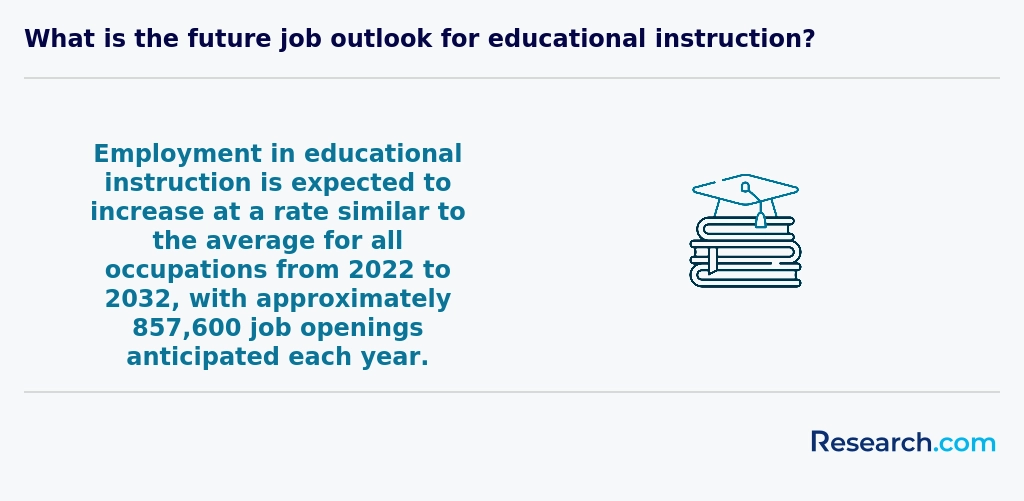
Graduates with an online educational technology degree in the Northeast frequently secure roles as instructional designers, blending pedagogical theory with technology to create engaging learning experiences in K-12 schools, universities, and corporate settings. A 10% projected growth for instructional coordinators nationally from 2022 to 2032 highlights growing demand. Many graduates from prominent Northeast institutions report rewarding careers supporting education through technology integration, a trend accelerated by school investments in digital infrastructure post-pandemic.
Other career paths include becoming educational technology specialists or technology integration coaches who work directly with teachers to enhance classroom technology use and improve student outcomes. Northeast school districts, especially those near Boston and Philadelphia, have increased technology funding, enabling graduates to thrive in these positions, contributing to effective remote and hybrid learning environments.
Additionally, graduates are drawn to e-learning development and administration roles managing platforms like learning management systems, benefiting from the Northeast's dense university networks and corporate headquarters. Educational consultants, advising STEM initiatives or employee training programs, find strong opportunities aligning with regional priorities.
Those seeking more information on an online college for teaching and educational technology careers Northeast may find tailored programs offering flexible study options and industry connections.
What is the job market for online educational technology degree in the Northeast?
The job market for graduates with an online educational technology degree in the Northeast remains strong, driven by a growing need for digital learning expertise among schools and universities. Graduates from well-known institutions in this region often share experiences of seamless entry into roles such as instructional coordinators or e-learning consultants within public school districts and corporate training centers. The demand reflects a broader national trend, with employment for instructional coordinators projected to grow 10% between 2021 and 2031, yet the Northeast's dense educational landscape enhances these opportunities.
Many graduates highlight the impact of attending programs in Massachusetts or New York, where connections to local education departments and technology firms facilitate job placements. For prospective students concerned about affordability, exploring the cheapest master teaching programs online can provide valuable financial relief. This strong job outlook for educational technology graduates Northeast encourages those pursuing careers in schools or higher education to consider local programs offering both quality education and strategic career support.
Frequently Asked Questions About educational technology
Online educational technology degree students in the Northeast can maximize their learning by actively engaging with their coursework and instructors through virtual office hours and discussion forums. According to the National Center for Education Statistics, over 75% of Northeastern institutions offer robust online platforms that enhance real-time interaction. Students should also utilize regional networking opportunities, such as local educational technology conferences in cities like Boston and New York, to build professional connections. Employing time-management strategies tailored to online study, alongside practical application of skills in local schools or organizations, further enriches understanding. Accessing resources through state education departments can also support student success.
The educational technology field is rapidly evolving, with several emerging niches gaining importance in the Northeast. One key area is adaptive learning technologies, which use data analytics and AI to create personalized student experiences. According to the New England Board of Higher Education, investments in AI-driven education tools increased by 23% in 2023.
Another growing niche is virtual and augmented reality applications in classrooms. These tools help engage students and enhance remote learning, a trend accelerated by the COVID-19 pandemic.
Learning analytics is also expanding, providing educators with detailed insights into student performance and engagement, improving curriculum design.
Additionally, there is increased demand for experts skilled in digital accessibility to ensure educational materials comply with legal standards and serve diverse learners effectively.
After completing an online educational technology degree in the Northeast, preparing for the job market involves strategic steps to enhance employability. Begin by building a strong portfolio showcasing projects, instructional designs, and technology integration relevant to education. Networking with professionals through regional education technology associations like the New England Educational Technology Association can open doors.
Internships or practicum experiences, often part of online programs, are critical for hands-on learning and employer connections. According to the Bureau of Labor Statistics, employment in educational technology roles is expected to grow 13% nationally through 2031, with the Northeast being a hub for educational institutions investing in tech.
Stay current with certifications such as CompTIA or ISTE to demonstrate technical skills. Additionally, leveraging university career services and local job boards tailored to education technology can provide targeted opportunities within the Northeast job market.
Employers in the Northeast increasingly seek educational technology graduates with strong technical skills, including proficiency in learning management systems (LMS) like Blackboard and Canvas. According to a 2023 report by the New England Board of Higher Education, 78% of regional employers prioritize candidates who excel in digital content development and instructional design. Additionally, data analysis skills to assess student learning outcomes are highly valued.
Communication abilities and collaboration are essential, as these professionals often work with educators, administrators, and IT teams. Problem-solving skills and adaptability to new technologies remain key, reflecting the rapid evolution of digital learning environments across Northeast institutions.
Finding internships in the Northeast for an educational technology degree involves targeted research and networking. Many universities in this region have partnerships with local school districts and edtech companies, offering students direct internship opportunities.
The National Center for Education Statistics reports that states like New York and Massachusetts invest heavily in educational technology, creating growing internship markets. Online educational technology students should also explore virtual internships offered by established firms like Curriki or EdSurge, which often recruit from Northeast programs.
Utilize university career services and platforms like Handshake and LinkedIn, filtering for internships in educational technology within the Northeast. Additionally, professional organizations such as the International Society for Technology in Education (ISTE) offer internship postings and mentoring.
Internships typically range from 8 to 12 weeks, allowing hands-on experience with instructional design, learning management systems, or digital content development-key skills for graduates entering this expanding sector.
An online educational technology degree can significantly boost career mobility and advancement for professionals in the Northeast. According to the U.S. Bureau of Labor Statistics, demand for instructional coordinators-many of whom hold educational technology degrees-is expected to grow by 10% nationally from 2022 to 2032. In the Northeast, states like New York and Massachusetts have seen an increase in schools and organizations adopting digital learning tools, creating more opportunities for skilled graduates. Earning this degree online offers flexibility while accessing regionally accredited programs, enabling current educators and tech specialists to upskill efficiently. This combination often translates to higher salaries and leadership roles.
Studying for an educational technology degree in the Northeast equips students with skills to work across various fields such as curriculum design, IT, and administration. Programs often integrate knowledge from psychology, computer science, and education theory, fostering versatile expertise. According to the U.S. Department of Education, Northeast institutions emphasize partnerships with local schools and tech companies, enhancing practical interdisciplinary experiences.
Students learn to apply digital tools in diverse educational settings, from K-12 to corporate training. Regionally, over 30% of ed-tech jobs require skills in data analysis and instructional design, which many programs address.
This broad training prepares graduates to adapt in fast-changing professional environments.
Choosing between a thesis and a non-thesis educational technology degree program in the Northeast largely depends on your career goals and learning preferences. Thesis programs require original research and are best suited for students aiming for academic or research roles, or considering doctoral studies. Non-thesis options focus on practical skills through coursework and projects, ideal for professionals seeking leadership or applied roles in schools and organizations.
In the Northeast, where institutions like Syracuse University and Penn State offer robust online programs, thesis tracks often involve close faculty mentorship and contribute to advancing educational technology theory. Meanwhile, non-thesis paths emphasize hands-on applications and may finish faster.
According to the National Center for Education Statistics, approximately 40% of online graduate students in education nationwide choose non-thesis routes, reflecting a demand for practical skills in this rapidly evolving field.
Students in the Northeast seeking online educational technology degrees with an international focus have several options through U.S. institutions offering global perspectives. Many universities integrate study-abroad residencies or international collaborations within their online programs. For example, New York University and Boston University feature programs with global case studies and optional travel components.
Additionally, some programs partner with overseas schools for joint coursework, enabling students to experience diverse educational technology methodologies without leaving the U.S. The University of Pennsylvania supports international research projects that enrich online curricula.
While direct online degrees offered by foreign schools remain limited for U.S. students, Northeast programs increasingly emphasize global competency, which is critical in this field. According to the Brookings Institution, incorporating international elements improves graduate marketability.
Part-time job opportunities that complement an educational technology degree in the Northeast often include roles in K-12 schools, tutoring centers, and higher education institutions. Positions such as instructional technologist assistant, digital content developer, or help desk support for educational software provide practical experience aligned with coursework. According to the Bureau of Labor Statistics, the Northeast shows steady growth in education-related technology jobs, which supports part-time roles especially in urban centers like Boston and New York.
These jobs help students apply skills like learning management system administration and multimedia content creation. Several universities, including those in New England, offer on-campus or remote opportunities linked to their education departments.
Online educational technology students in the Northeast benefit from extensive networking opportunities through regional professional organizations such as the New England Educational Technology Association (NEETA). These groups host virtual conferences and local meetups, connecting students with educators and industry leaders. Additionally, many Northeastern universities offer alumni networks and career services that facilitate mentorship and internship placements.
State education departments often collaborate with online programs to provide access to workshops and training. According to the EDUCAUSE 2023 report, 68% of Northeastern online learners actively participate in professional networks, enhancing job prospects.
Alumni networks are a valuable resource for students pursuing online educational technology degrees in the Northeast. These networks provide access to a community of graduates who share insights about emerging trends and job opportunities within the region's expanding ed-tech sector. According to the National Center for Education Statistics, institutions in the Northeast often maintain active alumni groups that facilitate mentorship programs and career advising.
Through connections made in alumni networks, students can tap into local professional events, workshops, and regional conferences, enhancing their practical knowledge and employment prospects. Research from EDUCAUSE highlights that 65% of educational technology graduates in the Northeast found job leads through such networks.
In addition, alumni support can help students navigate challenges particular to the online learning environment, fostering a sense of belonging despite physical distance. This support is especially important in the Northeast, where institutions emphasize collaborations between alumni and current students.
Students pursuing online educational technology degrees in the Northeast can tailor their programs to match specific career goals by selecting specialized tracks or electives. Many universities offer concentrations such as instructional design, e-learning development, or educational leadership, allowing learners to focus on skills most relevant to their profession. Coursework flexibility often includes asynchronous classes and project-based assignments, supporting various schedules.
Additionally, several institutions collaborate with regional schools and organizations, providing practical experience opportunities. According to the New England Board of Higher Education, over 60% of online educational technology programs in the Northeast offer customizable options to enhance job readiness and salary potential.
Students pursuing online educational technology degrees in the Northeast often face challenges related to balancing coursework with professional and personal responsibilities. Many are working educators, which makes time management critical. According to the National Center for Education Statistics, nearly 60% of graduate students nationwide juggle employment alongside studies, a trend mirrored in the Northeast.
Additionally, reliable internet access remains a concern in rural areas of the region, impacting the consistency of participation and engagement. Research from the Pew Research Center highlights that about 15% of households in certain Northeastern rural counties lack broadband access.
Finally, students may encounter limited local networking opportunities compared to traditional campus experiences, affecting collaboration and mentorship possibilities.
With an online educational technology degree, professionals can pursue several valuable certifications to boost their career prospects. One popular option is the Certified Educational Technology Leader (CETL) credential offered by the Consortium for School Networking (CoSN). This certification is widely recognized in the United States, including the Northeast, for validating leadership skills in integrating technology in education.
Another relevant certification is the Google Certified Educator program, which focuses on practical skills in Google tools, frequently used across schools in states like New York and Massachusetts. The International Society for Technology in Education (ISTE) also provides a Certification for educators aiming to demonstrate proficiency in digital learning strategies.
According to recent data from the New England Board of Higher Education, demand for certified educational technology specialists has grown by over 15% since 2020 in the region. Obtaining these credentials can enhance job opportunities in K-12 schools and higher education institutions throughout the Northeast.
To write a winning application for an online educational technology program in the Northeast, start by highlighting your relevant experience with digital learning tools and educational software. Admissions committees look for candidates who demonstrate both technical skills and a passion for improving education through technology.
Include specific examples of projects or work where you used technology to enhance learning outcomes. Northeast programs often emphasize practical experience alongside theory, so clearly presenting this can set your application apart.
Strong letters of recommendation from education or technology professionals in your network can reinforce your qualifications. According to the National Center for Education Statistics, Northeast institutions often receive more applications each year, making a tailored and focused application essential.
Finally, carefully follow each program's application guidelines, as missing materials can disqualify candidates even before review.
The field of educational technology is rapidly growing worldwide, with the U.S., particularly the Northeast, playing a significant role. Careers in this area offer opportunities to work on global initiatives that improve learning through digital tools and online platforms. According to the U.S. Bureau of Labor Statistics, employment for instructional coordinators, which includes educational technology specialists, is projected to grow 7% from 2021 to 2031, faster than the average for all occupations.
In the Northeast, states like New York and Massachusetts lead in adopting innovative educational technologies, supported by universities offering robust online degree programs. These programs emphasize skills relevant globally, including multimedia design, learning analytics, and instructional design strategy.
Experts highlight that a career in educational technology enables professionals to impact K-12 settings, higher education, and corporate training worldwide. Graduates from Northeast institutions often engage in international collaborations, reflecting the global demand for digital education expertise.
Gaining practical experience while studying for an online educational technology degree in the Northeast is crucial for career readiness. Many programs partner with local schools and districts to offer virtual internships or project-based learning opportunities. For example, universities in Massachusetts and New York often provide access to real-world scenarios through collaborations with K-12 schools.
Students can also engage in simulation labs offered online, which mimic classroom technology environments. Additionally, volunteering or part-time remote roles in educational technology companies, especially in tech hubs like Boston and Philadelphia, help build skills. According to the New England Board of Higher Education, 65% of regional programs include practicums or hands-on projects.
Choosing the right concentration within an online educational technology degree program in the Northeast begins with understanding your career goals. Popular concentrations include instructional design, educational leadership, and technology integration. Each has different skill requirements and future opportunities.
Research from the U.S. Department of Education shows that instructional design specialists are in high demand, especially in Northeastern states like New York and Massachusetts. These regions emphasize technology-driven teaching methods in K-12 and higher education.
Consider programs accredited by the Council for the Accreditation of Educator Preparation (CAEP) to ensure quality. Additionally, reviewing alumni outcomes and local job market trends can guide your decision effectively.
Top Trending Educational Technology Rankings
References
- EdTech HUB https://www.edtechhub.com/contents/event.php
- Technology in the Classroom | Importance & Challenges | GoGuardian https://www.goguardian.com/blog/technology-in-the-classroom-importance-challenges
- How to Pick Your Concentration for Your M.Ed. Degree | ACE Blog https://ace.edu/blog/how-to-pick-your-med-concentration/
- Networking for Careers in Ed Tech https://www.highfivepartners.com/blog/networking-for-careers-in-ed-tech
- Edtech.com - The #1 Education Technology job board. https://www.edtech.com/
- Educational Technology (M.Ed.) | York College of Pennsylvania https://www.ycp.edu/academics/programs/educational-technology-master-ed
- Educational Technology and the Future of Learning from a Global Perspective https://journal.iistr.org/index.php/BEI/article/view/807
- So you want to be an educational technologist……. | Tony Bates https://www.tonybates.ca/2019/06/28/so-you-want-to-be-an-educational-technologist/
- 3 Tips for Landing an Edtech Career | Elevate K-12 https://www.elevatek12.com/blog/elevate-in-action/how-to-pivot-to-an-edtech-career/
- Educational Technologist Cover Letter Example https://www.kickresume.com/en/help-center/educational-technologist-cover-letter-sample/