2027 Can You Get Licensed With an Online Educational Technology Degree? Requirements, Rules, and What to Know

Co-Founder and Chief Data Scientist
Many students pursuing an online educational technology degree wonder if they can obtain professional licensure upon graduation. This uncertainty affects career planning, especially as 42% of educational technology professionals report challenges with certification recognition across states. Licensure requirements vary widely among states, often involving specific coursework, supervised experience, and passing exams. Moreover, some accrediting bodies may not fully recognize online programs for licensure eligibility. This article clarifies state-by-state licensure rules, examines how online education impacts credentialing, and guides readers on meeting all requirements to transition smoothly into the educational technology workforce.
Key Benefits of Getting Licensed with an Online Educational Technology Degree
- Licensure paired with an educational technology degree can qualify graduates for roles such as instructional technologist, digital learning specialist, K–12 technology coach, or curriculum integration coordinator, supporting equitable access to effective digital learning tools across schools and districts.
- Professionals with an educational technology background earn a median annual salary of about $74,000, with higher earnings common in district-level leadership, higher education, or large school systems.
- Completing the degree online allows working educators to earn licensure without stepping away from their current roles, making it easier to apply new skills immediately while balancing professional and personal commitments.
Can You Get Licensed With an Online Educational Technology Degree?
Licensure with an online educational technology degree is attainable when the program meets necessary accreditation and state-specific requirements. Completing coursework alongside practical experiences, such as student teaching or internships, prepares graduates for professional roles and fulfills licensure boards' expectations. The curriculum often includes key components like instructional design, technology applications in education, and assessment strategies, which are essential for meeting state certification criteria. This comprehensive approach ensures students enrolled in online educational technology degree licensure requirements gain relevant knowledge and hands-on practice to qualify for licensure.
The advantage of obtaining a license through an online educational technology program includes access to regulated career paths like instructional coordinators, educational technology specialists, or licensed teachers with a technical focus. Licensed professionals can assume greater responsibilities in curriculum design, technology initiatives, and educational policy influence, resulting in broader career opportunities.
Additionally, earning licensure can enhance salary potential through recognized certification and specialized expertise. Prospective students interested in related fields may also explore MSW programs as complementary options for advancing their education and professional credentials.
Do Licensing Requirements for Educational Technology Vary by State?
Licensing rules for educational technology professionals exist to ensure a high standard of professional competence across the United States. These requirements can differ significantly by state, with about 40% of states having unique licensure standards tailored to educational technology roles. Such variation makes it essential to understand local regulations before pursuing credentialing.
Key areas where educational technology licensure requirements by state commonly vary include:
- Exams: States differ in the types of exams required and the scoring thresholds necessary to obtain licensure. These variations can affect candidates' preparation strategies and timelines.
- Supervised Experience: Requirements for supervised professional experience vary widely, including the number of hours and specific settings in which experience must be gained, influencing how and where candidates accumulate this necessary practice.
- Continuing Education: Ongoing education mandates differ by state in both frequency and content, impacting how professionals maintain their credentials and stay current with evolving technology.
- Scope of Practice: Definitions of what licensed educational technology professionals are authorized to do can vary, shaping career roles and responsibilities within each jurisdiction.
- Renewal Policies: Timelines, fees, and required procedures to renew a license are not uniform, affecting long-term career planning and license maintenance.
Because state-by-state rules for educational technology licensing vary, prospective students should thoroughly research specific state requirements before enrolling in programs. For those considering an online degree in this field, choosing one that aligns with state licensure standards is crucial. For related fields, exploring options like an engineering online degree may offer additional flexibility and career pathways.
Are Online Educational Technology Programs Different From Campus Programs for Licensure?
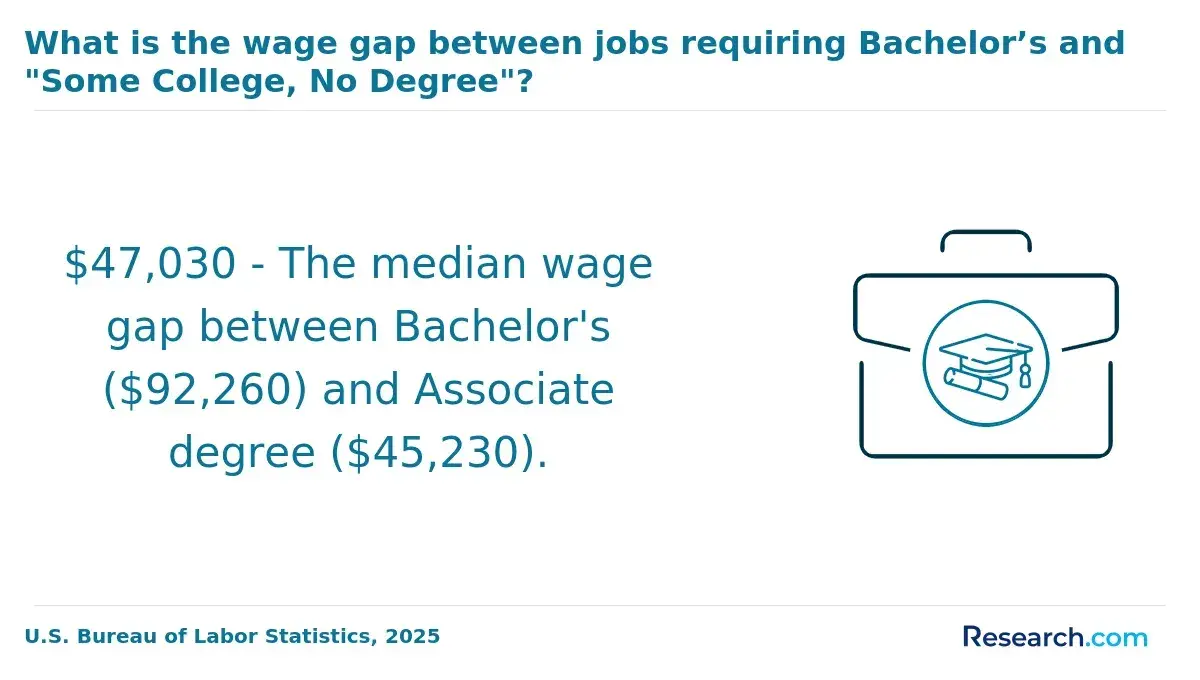
The format of an educational technology program-whether online or on-campus-does not inherently impact eligibility for professional licensure in the United States. Licensing authorities emphasize program accreditation and competency completion over delivery mode. Notably, online degree enrollment has risen by 30% over the past ten years, reflecting growing acceptance of remote learning pathways.
- Curriculum coverage: Programs must address all required topics and state-specific standards. Both online and campus formats are held to the same stringent curriculum expectations to ensure licensure readiness.
- Practical or clinical components: While coursework may be completed online, clinical hours or practicums are typically fulfilled locally to meet state requirements, providing essential hands-on experience.
- Assessment methods: Licensure boards require rigorous evaluation of candidate skills, regardless of whether assessments occur online or in person, maintaining consistent standards of competency verification.
- Skill development: Mastery of educational technology tools and instructional design principles is emphasized in all formats, ensuring graduates possess the technical and pedagogical skills demanded by professional roles.
- Employer perceptions: Employers increasingly recognize that graduates from well-structured online programs are equally qualified and prepared for licensure and workplace challenges as those from traditional campus programs.
Breakdown of Private Fully Online Nonprofit Schools

Online educational technology degree programs generally require clinical or practicum hours to ensure students gain practical experience necessary for professional practice and licensure. These hours help bridge the gap between theoretical knowledge and real-world application in diverse educational settings.
Key aspects of clinical or practicum requirements for online educational technology degree clinical hour requirements include:
- Typical Hours: Programs usually mandate between 100 to 300 hours, depending on state licensure standards and program criteria, providing sufficient hands-on practice to meet regulatory demands.
- Placement Settings: Students complete supervised work in local schools, educational centers, or related environments, helping them engage with instructional technologies and learner needs effectively.
- Supervision and Assessment: Certified professionals oversee the practicum experiences, ensuring quality guidance, mentoring, and proper evaluation of student competencies relevant to licensure.
- Skills Acquired: Participants develop expertise in technology integration, troubleshooting, instructional design, learner assessment, and collaborative educational planning, all essential for successful careers in educational technology.
- Online Program Facilitation: To accommodate remote learners, online programs coordinate local site placements or allow students to use their current professional settings, maintaining rigorous clinical standards despite the distance.
Prospective students interested in practicum hours for online educational technology licensure can benefit from exploring various degree pathways and requirements. For those considering alternative fields, information about masters in psychology online is also accessible for related educational career options.
Licensing exams serve to confirm a candidate's expertise and readiness to apply educational technology in real-world settings. Passing such an exam is a key requirement for obtaining state certification and advancing in educational technology careers. Nationally, about 70% of candidates succeed on their first attempt, indicating a balanced but rigorous assessment.
The following points summarize essential details about the typical exam requirements:
- Exam Name: Most states require the Praxis II: Educational Technology exam, which is designed specifically to evaluate skills needed for integrating technology effectively in education.
- Content Areas: The exam covers instructional design principles, strategies for technology integration, digital instructional tools, and methods for evaluating educational programs.
- Format: This exam is primarily multiple-choice and often includes scenario-based questions to assess applied knowledge in practical teaching and technology scenarios.
- Preparation Strategies: Successful candidates benefit from a comprehensive review of educational technology concepts, hands-on practice, and simulated exams to build confidence and skill.
- Retake Policies: Policies vary by region, but most allow multiple attempts with required waiting periods between tries, giving candidates the opportunity to improve.
- Relevance for Online Graduates: Graduates must ensure their online degree programs are accredited and meet state-specific eligibility criteria to qualify for the exam and eventual licensure.
Supervised work experience is often required after completing an online educational technology degree, especially for those seeking licensure or certification. This hands-on training bridges academic concepts and practical application, fostering essential skills for effective practice. Recent data shows that around 65% of states or credentialing agencies mandate supervised experience before full professional credentials are awarded.
The following points summarize the essential elements of this requirement.
- Duration and Settings: Typically lasting six months to two years, supervised work takes place in schools, corporate training departments, or educational organizations where technology enhances learning environments.
- Mentorship: Experienced educational technology professionals guide candidates, offering regular feedback and helping refine instructional design and technology integration skills.
- Skill Development: Candidates engage in creating instructional resources, collaborating with educators and learners, and adapting technology solutions to diverse needs.
- Documentation: Keeping detailed records of hours worked and competencies achieved is essential for meeting licensing board requirements and demonstrating readiness.
- Career and Licensure Impact: Completing supervised experience improves job performance, ensures adherence to industry standards, and is frequently a mandatory step for obtaining certification or licensure.
Licensure reciprocity allows professionals licensed in one state to obtain licensure in another with reduced duplication or additional exams. This flexibility is crucial for professionals who want to practice in different states, especially in fields requiring state-issued credentials.
Several key factors influence whether licensure reciprocity applies to online educational technology graduates.
- Eligibility criteria: Reciprocity often requires holding an active license in the original state and meeting the educational and professional standards of the receiving state. Graduates must ensure their credentials align with these requirements to facilitate license transfer.
- Program requirements: Since educational technology credentials vary widely, the accreditation status and curriculum of an online degree program can impact reciprocity. States may assess if the online educational technology program meets their specific licensure standards.
- State agreements: Some states have formal reciprocity agreements recognizing licenses from other states, while others may mandate additional exams or continuing education. Understanding these agreements helps graduates navigate licensure transfer more efficiently.
- Application process: Typically involves verification of credentials, submission of supporting documents, and possibly fees or interviews. Timely and accurate completion of these steps is essential for a smooth licensure transfer.
- Potential limitations: Differences in licensing scope, continuing education requirements, and regulatory frameworks across states may restrict full reciprocity. Graduates should be aware of these nuances when planning their career mobility across state lines.
Addressing state requirements for online educational technology licensure transfer is vital for graduates aiming to work beyond their initial licensing jurisdiction. For those researching pathways to expand their credentials affordably, exploring the most affordable online colleges offering educational technology programs can provide a strategic advantage in meeting reciprocity conditions.
Online educational technology programs have increased in popularity as they offer convenience and accessibility for professionals seeking licensure while managing other responsibilities. Graduate enrollment in online education has surged by more than 30% recently, reflecting its expanding role in career advancement. Below is a summary of key advantages and disadvantages to consider when evaluating these programs for licensure.
Pros
- Flexible scheduling: Students can complete coursework at their own pace, making it easier to balance education with work or family commitments.
- Wide accessibility: Programs allow access to learning materials and resources from multiple locations, benefiting those in remote or underserved areas.
- Support for diverse learners: Online formats accommodate various learning styles and schedules, broadening participation in licensure pathways.
Cons
- Limited supervised practice: Securing necessary hands-on training or internships can be more difficult, which may affect licensure requirements that emphasize field experience.
- Networking challenges: Reduced face-to-face interaction may limit professional connections that support job opportunities and career growth.
- Employer perceptions: Some hiring managers may view online credentials less favorably, potentially impacting employment prospects.
Obtaining licensure with an online educational technology degree can significantly boost salary prospects. Licensed professionals typically earn about 10% to 20% more than their non-licensed counterparts, reflecting formal recognition of their expertise and skills. This salary difference with licensed educational technology degree holders highlights the value of pursuing professional credentials.
Below are key ways licensure impacts earning potential and career growth.
- Access to higher-paying positions: Licensure often qualifies individuals for advanced roles such as instructional coordinators or technology integration specialists, which come with better compensation. These positions require demonstrated expertise that licensure helps validate.
- Eligibility for leadership roles: Licensed professionals are more frequently considered for leadership or administrative positions, which generally offer increased salaries. These roles also provide greater influence over educational technology initiatives.
- Specialized responsibilities: Duties such as curriculum development involving technology or staff training typically require licensure and are compensated at higher rates. This specialization signals a higher level of professional skill.
- Improved job security: Holding a license can enhance employment stability by making professionals more valuable to employers, which often leads to steadier income and better benefits. This security is especially important in fluctuating job markets.
Graduates with an online educational technology degree should consider licensure as a strategic step toward maximizing their salary and expanding career opportunities. While requirements vary by state or employer, licensure remains a significant factor in salary differences with licensed educational technology degree holders across the U.S. For those also exploring foundational credentials, reviewing options like associates degrees can provide a helpful overview of accessible pathways into education and technology fields.
Licensure significantly influences the career paths available to online educational technology degree holders, determining whether they can occupy roles requiring formal teaching credentials or work in positions focusing on technology implementation without licensing. Graduates often choose between obtaining licensure for classroom-focused jobs or entering non-licensed roles that leverage their technical expertise. Studies show that approximately 60% of non-licensed educational technology graduates find relevant employment within two years, while licensed professionals generally earn higher starting salaries but may experience less job flexibility.
Below is an overview of common roles divided by licensure status.
Jobs With a License
- Licensed Teacher: This position involves direct instruction in public or private K-12 schools, requiring certification and passing state-specific licensure exams. Licensed teachers benefit from increased job stability and established career advancement routes.
- Instructional Coordinator: Coordinators oversee curriculum development and instructional standards in school districts, ensuring compliance with educational regulations. This role often demands licensure and offers leadership opportunities within academic institutions.
- Educational Administrator: Licensed professionals in administration manage school programs and policies, frequently requiring teaching experience. These positions typically provide higher salaries and greater influence over educational strategies.
Jobs Without a License
- Instructional Designer: Focused on creating and improving educational programs and materials, this role emphasizes technology integration and learning theory without requiring teaching credentials.
- E-Learning Specialist: Specialists develop and deliver online training modules, working across sectors including education and corporate environments. Their expertise lies in technology application rather than formal licensure.
- Technology Coordinator: Responsible for managing educational technology systems and supporting staff, coordinators apply project management and technical skills to enhance teaching and learning tools.
What Graduates Say About Getting Licensed with an Online Educational Technology Degree
- Terrin: "Enrolling in the online educational technology degree was one of the best investments I ever made. Considering the average cost hovered around $15,000, it felt quite affordable compared to traditional programs. The flexibility of online learning allowed me to balance work and study seamlessly, and earning my licensure has opened doors to leadership roles in my school district."
- Aeson: "The cost of the online educational technology program was a concern initially, but after learning it averaged near $15,000, I realized it was a reasonable expense for the quality offered. The curriculum was comprehensive, and engaging with instructors online gave me valuable insights. As a licensed professional now, I appreciate how this program significantly enhanced my skills and career prospects."
- Vaughn: "Given the expense of getting a degree and licensure, I found the online educational technology program's average $15,000 cost to be quite efficient. My experience studying remotely was rigorous yet rewarding, with plenty of real-world applications. This degree truly transformed my professional trajectory, allowing me to implement new technologies effectively as a licensed educator."
Other Things You Should Know About Educational Technology Degrees
State education departments approve licensure applications, not the university that granted the degree. In 2027, candidates usually submit transcripts, exam scores, and fingerprint-based background checks to the state educator-licensing office, which then verifies whether the program meets that state’s certification rules.
In 2027, there are no unified federal guidelines specifically for licensing educational technology professionals. Licensing varies by state and typically depends on state education boards or specific professional organizations, which may have their own criteria for certification in educational technology.
- The Pros and Cons of Online Education Graduate Programs - Graduate Programs for Educators https://www.graduateprogram.org/blog/the-pros-and-cons-of-online-education-graduate-programs/
- General and Program Specific Requirements for Educational Technology Specialist | New York State Education Department https://www.nysed.gov/college-university-evaluation/general-and-program-specific-requirements-educational-technology
- The Advantages & Disadvantages For Getting An Education Online | by Ecourse Review | Medium https://medium.com/@ecoursereview/the-advantages-disadvantages-for-getting-an-education-online-9290bb108bd7
- Educational Technology and Instructional Design Jobs - Educational Technology https://educationaltechnology.net/educational-technology-jobs/
- Teacher Credential Requirements by State and Territory https://potomac.edu/teacher-credential-requirements-by-state-and-territory/
- Master of Arts (M.A.) in Educational Technology & Online Learning https://www.tesu.edu/degrees-programs/masters/ma-educational-technology-online-learning.php
- Teacher Education Course Descriptions https://catalog.mcpherson.edu/catalog-25-26/teacher-education-course-descriptions-25/
- What Certifications and Skills Are Required for a Career in Educational Technology? - Top Masters in Education https://www.topmastersineducation.com/what-certifications-and-skills-are-required-for-a-career-in-educational-technology/
- Professional Licensing Contacts for Teacher Education, Listed by State https://www.fredonia.edu/academics/colleges-schools/college-education-health-sciences-human-services/teacher-licensing-contacts-by-state
- What Is Teaching License Reciprocity? | ACE Blog https://ace.edu/blog/what-is-teaching-license-reciprocity/