2027 Easiest Online Master's in Educational Leadership Degree Programs Ranking in Washington, DC

Co-Founder and Chief Data Scientist
Exploring further education in Washington, DC? Our article introduces the 2027 Easiest Online Master's in Educational Leadership Degree Programs Ranking in Washington, DC, thoughtfully created by the Research.com team of data scientists. This ranking guides you through the top accessible programs designed to enhance your career in educational leadership.
Whether you're balancing work, family, or other commitments, discovering flexible and manageable programs can make all the difference. Earning a degree in educational leadership opens doors to meaningful opportunities and greater impact in education.
Read on to find the right program that fits your journey and goals.
Key benefits of getting online educational leadership degree in Washington
- Educational leadership graduates in Washington often pursue roles such as school principals or education administrators, with national median salaries around $98,000 per year, offering strong financial stability.
- Graduates from the University of Washington's educational leadership program commonly find rewarding careers in K-12 administration, higher education management, or district leadership, showcasing diverse opportunities.
- Completing an educational leadership degree online from a school like Washington State University allows flexibility for working professionals, making it easier to balance study, work, and family commitments while gaining practical skills.
- 2027 Easiest Online Master's in Educational Leadership Degree Programs Ranking in Washington, DC
- What can I expect from online educational leadership degree in Washington?
- Where can I work with online educational leadership degree in Washington?
What can I expect from online educational leadership degree in Washington?
When exploring the cost of an online educational leadership degree in Washington, students often find a welcoming balance between quality and affordability. Graduates from well-known institutions like the University of Washington or Seattle Pacific University frequently share how the tuition ranges from around $15,000 to $30,000 for the complete master's program. This range can feel surprisingly accessible, especially considering many programs offer in-state tuition rates for online learners, which significantly lighten the financial load. Imagine pursuing your degree from the comfort of your home in Spokane or Tacoma while tapping into expert faculty guidance and real-world leadership projects-it truly transforms education into an exciting adventure without breaking the bank.
Many students appreciate how financial aid options, including federal loans and employer tuition reimbursement, open doors to this meaningful career path. One graduate recalled the reassurance of knowing their investment was supported by scholarships and flexible payment plans, allowing them to focus on growing their leadership skills instead of stressing over expenses.
Where can I work with online educational leadership degree in Washington?
Graduates from online educational leadership programs at universities like the University of Washington and Seattle Pacific University often find themselves stepping into dynamic roles across the state. Imagine starting your day as a school principal in a bustling Seattle public school, balancing budget meetings while inspiring teachers to innovate. Many alumni describe the thrill of guiding their schools through state certification standards and witnessing the direct impact of their leadership on student success.
Others take adventurous routes working as curriculum specialists or directors of instruction in district offices throughout Washington, where they spearhead equity initiatives and culturally responsive teaching projects. These roles offer the satisfaction of shaping educational policies and uplifting diverse communities.
Some graduates embrace opportunities beyond K-12 settings, joining state education agencies or nonprofit groups focused on policy, while a few contribute to higher education by mentoring future educators. The career paths are as varied as the state itself, and Washington's growing demand for skilled leaders means fresh graduates often embark on rewarding journeys filled with growth and meaningful challenges.
Graduates holding an online educational leadership degree in Washington can anticipate a rewarding financial journey. Imagine a principal in Seattle, fresh from earning their degree at a renowned institution like the University of Washington, stepping into an average annual salary near $105,000. This exciting figure can climb up to $120,000, especially in bustling districts like Bellevue, reflecting both demand and local cost-of-living factors.
Assistant principals and leadership support roles also enjoy respectable earnings, typically between $75,000 and $90,000, giving early-career professionals a solid starting point. Those with some years of experience often see their compensation rise into the $90,000 to $110,000 range-like graduates from Seattle University who are growing into their leadership rhythm across diverse school environments.
The blend of competitive pay and enriching benefits, including health insurance and professional growth support, makes Washington's educational leadership path an inviting adventure for those eager to transform schools and communities while building a fulfilling career.
- Tuition for online educational leadership master's degrees in Washington ranges from $15,000 to $35,000, with public universities often offering lower rates for in-state students.
- The average starting salary for graduates is around $70,000 per year, increasing to over $100,000 for experienced principals and district leaders.
- Employment growth in educational leadership roles in Washington is projected at about 6% over the next decade, reflecting steady demand.
- Programs typically meet state licensure requirements, including administrative certification, coursework in leadership, school law, budgeting, and supervised internships.
- Many online programs offer asynchronous courses, allowing working professionals to study flexibly without relocating or leaving their jobs.
Online educational leadership degrees in Washington typically take between 1.5 to 3 years to complete, creating an exciting journey shaped by flexibility and personal pace. Imagine a graduate from the University of Washington, juggling part-time study while working full-time, who completes their degree in about two years-balancing real-life demands with academic goals. Meanwhile, a cohort student at Seattle University experiences a rich blend of synchronous and asynchronous learning, navigating a two- to three-year path filled with collaborative projects and leadership internships.
The adventure deepens with choices like accelerated programs that some schools offer, squeezing the journey into as little as 12 to 18 months for highly motivated learners. Part-time enrollment stretches the experience but allows students to immerse in leadership roles simultaneously, enriching their growth.
The experience is deeply personal: some bring in transfer credits, trimming time while others embrace full-time immersion to quickly unlock new career doors. Whether a quick sprint or a steady trek, Washington's programs open doors to leadership with thriving, adaptable paths.
Imagine balancing your coursework from a cozy corner at home in Seattle while managing a busy schedule-that's the everyday reality for many online educational leadership students at universities like the University of Washington. The online format offers a flexible rhythm, perfect for those juggling family or work commitments, with video lectures and lively discussion boards bringing the curriculum right to your fingertips.
Conversely, attending an on-campus program at places such as Seattle University means diving into face-to-face interactions, tapping into vibrant campus life, mentorship moments, and networking events that nurture leadership skills through real-time collaboration. Graduates often recall the energy of lively classroom debates and spontaneous hallway conversations that enrich their learning journey.
Both paths cover key topics like education policy and legal frameworks, essential for Washington's certification standards. While online learners cherish the freedom to study anywhere, on-campus students value the tactile connections and resource access-proving that each adventure shapes a unique leadership experience.
The average cost of an online educational leadership degree in Washington hovers around $33,490, offering a balanced investment for many eager learners. Graduates from Central Washington University and Western Washington University often share how paying about $400 to $700 per credit hour made the journey financially manageable, especially for residents who feel more connected to their local communities through these public institutions. This tuition usually covers around 30 to 40 credit hours, keeping the total within that average cost range. Exploring this, many students find the tuition and fees for online educational leadership programs in Washington DC quite reasonable compared to national trends.
Imagine a recent graduate reflecting on their experience balancing work, family, and studies at these schools-the affordable tuition helped fuel their motivation without overwhelming financial stress. Private universities and out-of-state schools tend to charge higher rates, sometimes between $800 and $1,200 per credit hour, inching closer to $40,000. Yet, these prices often come with specialized faculty and support services that enrich students' learning journeys, making the investment feel worthwhile.
Beyond tuition, a few hundred dollars annually for technology and administrative fees may apply but are usually minor compared to tuition savings. Many take advantage of scholarships, employer tuition reimbursement, or financial aid to ease their financial path, which echoes the adventurous spirit found in diving into an online masters in educational leadership. This approach allows learners in Washington to pursue their ambitions confidently, knowing the cost is transparent and manageable.
- Public in-state tuition: approximately $15,000-$25,000 total
- Private or out-of-state tuition: approximately $30,000-$40,000 total
- Additional fees: typically a few hundred dollars annually
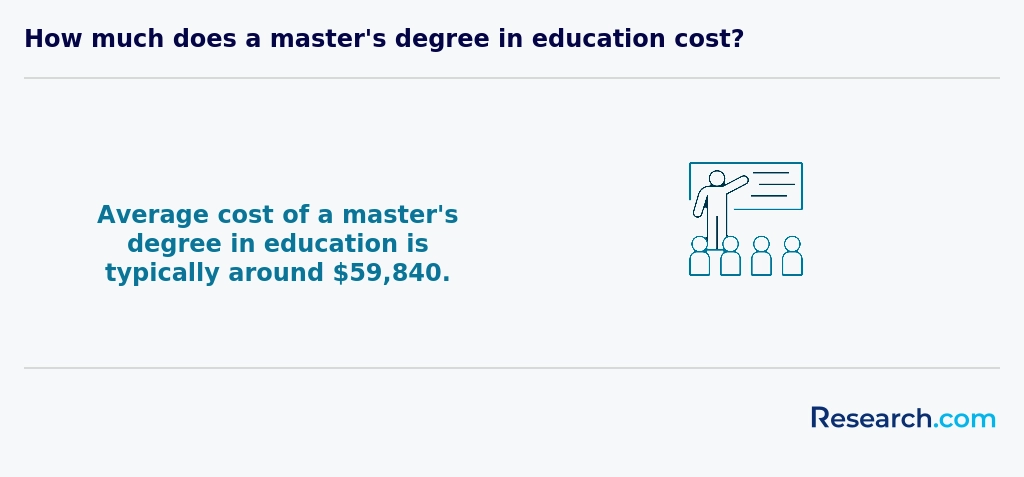
Embarking on an online educational leadership degree in Washington opens doors to a treasure trove of financial aid options that can make your journey both exciting and affordable. Imagine a graduate from a renowned university like the University of Washington, whose FAFSA application unlocked Pell Grants and federal loans, easing the path through flexible repayment plans tailored to busy educators. Exploring beyond federal aid, you'll find Washington's own programs, like the Washington Student Loan Program, offering low-interest rates perfect for residents balancing work and study.
Visualize a graduate from Seattle Pacific University benefiting from state scholarships aimed at educators, fueling their passion for leadership in local schools without overwhelming debt. Many universities provide scholarships and tuition waivers, rewarding your academic dedication and commitment to Washington's K-12 education system, often seen as a gateway to giving back to your community.
Professional associations, such as the Washington Educational Research Association, add another layer of support, granting exclusive awards that spark motivation and connection with like-minded peers. Plus, for those already in education roles, employer tuition reimbursement programs can turn dreams into reality by lightening financial strains as they advance their careers.
Diving into an online educational leadership degree in Washington often starts with holding a bachelor's degree from an accredited institution-no need for it to be strictly in education, though a background in teaching or school administration definitely opens doors. Imagine a graduate from the University of Washington's program who spent years shaping curriculum before taking the leap into leadership studies; their experience fuels confidence and readiness.
Hands-on experience matters here. Most Washington programs ask for at least two to three years in a school or educational setting, reflecting what many successful alumni describe as the foundation that makes leadership skills truly come alive. This real-world exposure transforms theory into action, preparing you to lead schools and districts with understanding.
Expect to provide transcripts, personal statements filled with your leadership passions, and letters of recommendation that tell your story. While some schools once demanded GRE scores, many now waive them, easing the pathway. If you've envisioned yourself navigating certification through the Office of Superintendent of Public Instruction (OSPI), programs at places like Seattle University align closely with those licensure goals, making your journey both practical and exciting.

Diving into an online educational leadership degree in Washington means encountering a vibrant mix of courses designed to turn you into a confident, capable leader. Imagine yourself exploring Educational Leadership Foundations, where you unpack leadership theories and discover how to inspire change in your future school. Graduates from the University of Washington often share how this foundational knowledge sparked their passion for educational transformation.
Next, courses like School Law and Ethics bring practical scenarios to life, helping you navigate tricky situations with confidence-essential for any administrator in Washington's unique legal landscape. At institutions like Central Washington University, students find this course invaluable for protecting student rights and managing staff relationships.
Classes such as Instructional Leadership and Curriculum Development feel like unlocking secrets to boosting teaching and learning outcomes. Paired with hands-on courses like Data-Driven Decision Making and Educational Finance and Budgeting, you learn to craft real-world improvement plans and manage budgets according to Washington policies.
Finally, the journey often culminates in a practicum, where students from Seattle Pacific University immerse themselves in supervised leadership practice, turning theory into inspiring action.
Exploring online educational leadership specializations Washington DC offers reveals exciting pathways tailored to diverse ambitions. Many graduates from the University of Washington describe how the School Administration focus armed them with skills in school finance and personnel management, preparing them for principal roles. This specialization aligns perfectly with Washington state's principal and superintendent certification demands, encouraging confident career leaps.
Others found joy in Instructional Leadership, where they developed strategies to boost teaching quality and student success. Imagine guiding your local schools as a curriculum coordinator, shaping learning experiences that inspire! This track is a popular choice for those drawn to improving classroom standards and teacher support.
Educational leadership degree focus areas Washington DC students appreciate also include Educational Technology Leadership, a cutting-edge specialization focused on integrating digital tools seamlessly in schools. Graduates often feel empowered bringing fresh tech ideas to classrooms, transforming education delivery.
For those curious about administration beyond K-12, specializations in Higher Education Leadership prepare candidates for vibrant roles in universities, from enrollment management to student affairs. Prospective students considering cost can explore the cheapest online doctorate in educational leadership, helping balance ambition with affordability on this rewarding journey.
Choosing the best online educational leadership degree in Washington is an exciting journey filled with important decisions. Imagine a graduate from the University of Washington sharing how the program's CAEP accreditation gave them confidence their degree held real value, especially when tackling the rigorous certification requirements set by Washington's Office of Superintendent of Public Instruction (OSPI). Programs that weave in these certification pathways pave a smoother route to leadership roles in local schools.
Consider program flexibility-graduates often highlight the relief of asynchronous classes that fit around busy work schedules, especially at public universities known for affordable tuition. This flexibility turns learning into a manageable adventure rather than a burden.
When scouting the best online educational leadership programs Washington DC offers, alumni success stories and strong faculty connections stand out. These relationships open doors to community mentorships and internships, making your degree a living network rather than just a credential.
For those curious about advancing even further, exploring the shortest online doctoral programs in education can inspire next steps beyond the master's level.

Graduates with an online educational leadership degree in Washington find themselves stepping into dynamic roles that truly shape the future of education. Many become school principals or assistant principals, where they enthusiastically lead classrooms and communities in districts around Seattle or Spokane, managing everything from budgets to parent partnerships. Others crave the challenge of being district-level administrators, such as superintendents or curriculum directors, who influence policies across multiple schools and earn competitive salaries reflecting their impact. Imagine leading innovative changes that ripple through entire school systems!
For those drawn to higher education, leadership roles at universities or colleges in Washington offer exciting opportunities as department chairs or student affairs directors, fostering vibrant campus communities and strategic growth. Some graduates explore the adventurous paths of educational consulting or work with nonprofits and tech companies, bringing fresh leadership strategies to schools statewide. If you're curious about possibilities beyond traditional paths, Washington's diverse education landscape invites exploration.
Many students at universities popular for educational leadership often share how their degrees fueled these career adventures. With affordable tuition and strong demand, pursuing an online masters educational leadership in Washington opens doors to rewarding and impactful careers. For those seeking online educational leadership careers Washington DC also offers unique settings to grow and lead.
The job market for graduates with an online educational leadership degree in Washington is both dynamic and full of opportunity. Many graduates from leading institutions such as the University of Washington and Seattle University share stories of quickly moving into roles like school principals or district administrators, where their skills in navigating diverse school settings are highly valued. The steady growth in Washington's K-12 student population means that demand for thoughtful leaders remains robust, especially for those who can blend technology with equity-focused initiatives.
Those exploring online educational leadership careers Washington DC will find that flexibility and resilience gained from virtual programs boost their candidacy. Washington's education system actively seeks leaders who can innovate in both rural and urban districts, creating exciting openings for graduates eager to make a meaningful impact.
Understanding licensure paths is crucial, and many appreciate how completing an approved program offers a smoother transition into leadership roles. For those wondering what is ed.s, this credential often elevates prospects further, opening doors to significant administrative positions.
2027 Easiest Online Master's in Educational Leadership Degree Programs Ranking in Washington, DC
Investing in your education is a significant decision that can shape your future, and the Research.com team understands the importance of making informed choices. To support prospective students interested in pursuing a master's degree in educational leadership in Washington, DC, we have carefully developed the "2027 Easiest Online Master's in Educational Leadership Degree Programs Ranking in Washington, DC." Our dedication to quality, credibility, and accuracy is demonstrated through rigorous research and detailed analysis to ensure this ranking is reliable.
We utilized the following reputable data sources to ensure a comprehensive evaluation of these programs:
By consulting this ranking, readers will gain valuable insights into the most accessible online master's programs in educational leadership in Washington, DC, empowering them to make well-informed decisions tailored to their educational goals. For further details about how the ranking was created, please visit our Research.com methodology page.


Frequently Asked Questions About educational leadership
Students pursuing online educational leadership degrees in Washington can enhance their learning by actively engaging with interactive course materials and virtual discussions. Research from the U.S. Department of Education highlights that online learners who participate regularly in forums and group projects demonstrate higher retention and application of leadership concepts.
Additionally, leveraging local Washington educational networks offers practical insights. Connecting with statewide organizations such as the Washington Association of School Administrators can provide valuable mentorship and professional development opportunities.
Balancing coursework with real-world experience through internships or part-time administrative roles in Washington schools strengthens leadership skills. Data from the National Center for Education Statistics shows that practical leadership exposure significantly improves graduate outcomes in educational leadership programs.
The field of educational leadership is evolving to include several emerging niches that address current challenges in schools. One significant area gaining attention is equity leadership, focusing on closing achievement gaps for diverse student populations. Washington state's diverse communities make this especially pertinent, with leaders trained to promote inclusion and culturally responsive practices.
Another growing niche is data-driven decision-making leadership, where administrators use analytics to improve student outcomes. This approach is supported by the increasing availability of educational technology in Washington schools.
Finally, mental health leadership is becoming critical. Due to rising awareness of student well-being, leaders with expertise in supporting mental health services are in demand across the state.
After earning an online educational leadership degree in Washington, preparing for the job market is essential to securing leadership roles in schools or districts. Start by obtaining the necessary state certification, such as the Washington State Principal Certificate or Educational Staff Associate Certificate, which are often required for administrative positions.
Networking is crucial; join local organizations like the Washington Association of School Administrators (WASA) to connect with professionals and access job postings. Additionally, gaining practical experience through internships or mentorships strengthens your resume.
According to the Bureau of Labor Statistics, Washington expects a 6% growth in education administration jobs through 2031, highlighting steady demand.
Employers in Washington seek several key skills in graduates of online educational leadership programs. Strong communication and interpersonal abilities are essential for managing diverse school communities and collaborating effectively with staff, students, and parents. Analytical skills are also important to assess educational data and improve school performance.
Leadership and decision-making capabilities rank highly, enabling graduates to navigate challenges and implement policies that benefit students. According to the Washington State Office of Superintendent of Public Instruction, candidates who demonstrate cultural competence and equity-centered leadership are increasingly valued in the region's diverse school districts.
Financial management and organizational skills are crucial, as principals must oversee budgets and school operations efficiently. Overall, employers prefer graduates who combine these practical skills with a clear commitment to student success.
Finding internships in Washington relevant to an educational leadership degree involves connecting with local school districts, universities, and educational organizations. Many districts like Seattle Public Schools and Washington State Office of Superintendent of Public Instruction (OSPI) offer internship and practicum opportunities for leadership-focused students.
Networking is essential; joining professional groups such as the Washington State School Directors' Association can provide valuable contacts. Additionally, students should utilize their online program's career services, which often have partnerships with district leaders and administrators.
According to the Washington Student Achievement Council, internships linked to educational leadership often include administrative roles or program coordination, providing practical experience aligned with degree goals. Applying early and tailoring applications to educational leadership themes enhances success chances.
An online educational leadership degree can significantly enhance career mobility and advancement opportunities in Washington. This degree prepares educators for administrative roles such as principals, program directors, and district leaders. According to the Washington Office of Superintendent of Public Instruction, administrators in education earn a median salary of around $95,000, reflecting strong career potential.
Washington's education system values advanced credentials, often requiring a master's plus additional certification for leadership roles. Online programs allow working professionals to earn these credentials without interrupting their careers.
Furthermore, the flexibility of online degrees means candidates can pursue specialized tracks aligned with Washington state educational standards, improving job competitiveness.
Studying for an educational leadership degree in Washington prepares students for interdisciplinary roles by emphasizing collaboration across various fields such as administration, counseling, and curriculum design. Washington's online programs often incorporate coursework that blends policy analysis, organizational management, and community engagement, all crucial for navigating complex educational environments.
According to the Washington Office of Superintendent of Public Instruction, leaders are expected to work effectively with diverse stakeholders, including social workers and mental health professionals. This interdisciplinary focus helps graduates manage multifaceted challenges in schools.
Programs accredited by the Council for the Accreditation of Educator Preparation (CAEP) in Washington ensure graduates possess skills applicable beyond traditional teaching leadership, promoting versatile career paths.
Choosing between a thesis and a non-thesis educational leadership degree program in Washington depends on your career goals and learning preferences. Thesis programs typically require original research, suitable for students interested in policy development or pursuing a doctorate. Non-thesis programs focus more on practical skills and coursework, often preferred by working professionals aiming for leadership roles in schools or districts.
The Washington State Board of Education notes that leadership positions often value practical experience, making non-thesis programs appealing. However, thesis options may better prepare candidates for research-intensive roles or academic careers. Consider your time availability, interest in research, and intended career path when deciding.
Students based in Washington seeking online educational leadership degrees with an international focus have several viable pathways. While fully foreign-accredited online degrees are less common, many U.S. universities offer programs with global perspectives or international study components. Some Washington residents enroll in accredited U.S. programs that include optional abroad residencies or partnerships with institutions overseas.
Notably, Washington ranks among the top states for educational leadership graduate programs, fostering connections that may support study abroad experiences. According to the National Center for Education Statistics, approximately 10% of educational leadership graduate students in Washington participate in programs with international elements.
Additionally, Washington learners can explore joint degree programs or certificate add-ons focusing on global education leadership, often available through partnership agreements between U.S. universities and international institutions.
Students pursuing an online educational leadership degree in Washington can benefit greatly from part-time roles that offer practical experience with school operations and administration. Common positions include substitute teaching, teacher's aide roles, and after-school program coordinators. These jobs provide valuable insight into educational environments and leadership challenges.
Washington's strong commitment to education, with over 2,200 public schools statewide, creates demand for support roles that complement leadership studies. According to the Washington Office of Superintendent of Public Instruction, part-time educational assistants earn an average of $15-$20 per hour, allowing students to balance work and study effectively.
Other opportunities such as data support specialists in school districts help students apply leadership skills in managing educational information systems. These jobs enhance resumes by developing both administrative and interpersonal skills necessary for school leadership careers.
Online educational leadership students in Washington benefit from a variety of networking opportunities despite studying remotely. Many universities offer virtual meetups, discussion forums, and alumni groups designed specifically for educational leadership cohorts. For example, institutions like Seattle University and the University of Washington provide online platforms where students can connect with peers and faculty.
Additionally, students can join professional organizations such as the Washington Association of School Administrators (WASA), which hosts conferences and workshops. WASA events often include sessions dedicated to leadership development, providing valuable networking with education professionals statewide.
These connections help online students access mentorship, job leads, and collaboration opportunities necessary for career growth in Washington's education sector.
Alumni networks play a crucial role for students pursuing online educational leadership degrees in Washington. These networks connect graduates with experienced professionals, fostering mentorship opportunities that support career growth. According to the Council of Chief State School Officers, Washington ranks among the top states investing in educational leadership development, making alumni connections valuable for navigating this competitive field.
Through these networks, students access job openings, internships, and professional development resources tailored to Washington's education system. Members often share insights on state-specific policies and leadership challenges, enhancing practical knowledge beyond coursework. Networking events and online forums create a sense of community, reducing isolation common in remote learning.
Research by the National Educational Leadership Preparation shows that active alumni networks contribute to higher employment rates within six months of graduation for educational leadership graduates, emphasizing their ongoing importance.
Customizing an online educational leadership degree in Washington involves selecting courses and concentrations that align with your career goals. Many programs offer specializations like K-12 administration, higher education leadership, or curriculum design. Washington's education system emphasizes leadership skills to manage diverse student populations and comply with state standards.
Look for programs accredited by the Council for the Accreditation of Educator Preparation (CAEP), ensuring quality and recognition across the state. Some universities also provide flexibility through elective credits or internships tailored to local school districts or educational organizations.
According to the Washington Office of Superintendent of Public Instruction, strong leadership skills directly contribute to higher student achievement, making specialization a valuable feature of your degree.
Online educational leadership students in Washington commonly face challenges balancing coursework with professional and personal responsibilities. Many students are working full-time in schools or districts while pursuing their degrees, which can lead to time management difficulties. According to the Washington State Board for Community and Technical Colleges, over 60% of online learners juggle jobs alongside their studies.
Another challenge is limited access to in-person networking, which is crucial for leadership roles. Building relationships with peers and faculty helps enhance skills and career opportunities, but online programs may restrict these interactions. Additionally, some students experience technological barriers, such as unreliable internet service in certain rural areas of Washington, impacting their ability to participate fully in synchronous classes.
Finally, adapting to the unique demands of online learning itself-self-motivation, discipline, and effective virtual communication-is a significant hurdle for many. These factors collectively shape the experience of Washington's online educational leadership students.
With an online educational leadership degree in Washington, graduates can pursue several professional certifications that enhance their career prospects in school administration and leadership. The most common is the principal certification, which allows individuals to become licensed school principals in Washington state. This certification requires meeting the Professional Educator Standards Board's criteria, including coursework and supervised experience.
Other options include superintendent certification, preparing leaders for district-wide administration roles. Candidates often need a master's degree in educational leadership plus additional state requirements.
Additionally, some graduates pursue certifications in specialized leadership areas, such as special education administration or curriculum coordination, to broaden their expertise. These credentials can increase job opportunities and salary potential, according to the Washington Office of Superintendent of Public Instruction.
To write a winning application for an online educational leadership program in Washington, start by clearly articulating your career goals and how the degree supports them. Washington is home to several accredited institutions offering leadership programs aligned with state standards set by the Washington Office of Superintendent of Public Instruction (OSPI).
Highlight any previous leadership experience in education and emphasize your commitment to improving school performance and student outcomes. Include specific examples, such as managing teams or implementing initiatives, as Washington employers look for practical skills.
Ensure your letters of recommendation come from credible educators or supervisors who can attest to your leadership potential.
Lastly, tailor your personal statement to reflect an understanding of Washington's education challenges and policies, citing recent reports from the National Center for Education Statistics (NCES) or the OSPI website where possible.
Educational leadership careers in the U.S., including Washington, are strongly influenced by global trends emphasizing collaboration, innovation, and equity in education. Leaders today are expected to adapt best practices from international models to improve student outcomes and foster inclusive school environments. According to the National Center for Education Statistics, Washington shows steady growth in leadership roles, reflecting a broader demand for skilled administrators able to manage diverse educational settings.
Many U.S. online programs incorporate comparative studies of educational systems worldwide, preparing leaders to engage with global educational challenges. This global perspective enhances decision-making skills and strategic planning in local contexts.
Moreover, Washington's educational leaders benefit from state policies aligned with UNESCO's Education 2030 goals, emphasizing lifelong learning and sustainable development. This alignment encourages leaders to implement programs that prepare students for a globally connected society.
To gain practical experience while pursuing an online educational leadership degree in Washington, students often engage in district-based internships or practicum placements. Many accredited programs require these hands-on components, typically involving leadership roles in K-12 schools or administrative offices. Washington's Office of Superintendent of Public Instruction (OSPI) supports such partnerships, helping students connect with local schools.
Additionally, some programs encourage virtual projects or leadership simulations, allowing students to apply theory in real-world contexts remotely. Given Washington's focus on educational equity, practical assignments often include initiatives aimed at diverse student populations, aligning with state leadership standards.
Choosing the right concentration within an online educational leadership degree in Washington depends on your career goals and the needs of local school districts. Concentrations often include K-12 administration, special education leadership, or curriculum development. Consider Washington's focus on equity and inclusion in education, which affects leadership roles significantly. The Washington Office of Superintendent of Public Instruction highlights a growing demand for leaders skilled in culturally responsive practices and educational policy.
Research regional job openings to identify required skills and preferred concentrations. Networking with licensed administrators in Washington can also provide insights. Many programs offer flexibility to tailor studies toward state certification requirements, which vary between public and private schools. Understanding these local details ensures your degree aligns with the state's education landscape.
- Utilize Your Alumni Networks https://www.keg.com/news/ways-to-use-your-alumni-networks-for-the-better
- How to Pick Your Concentration for Your M.Ed. Degree | ACE Blog https://ace.edu/blog/how-to-pick-your-med-concentration/
- How to Advance Your Career with an Ed.D. in Educational Leadership - Graduate Programs for Educators https://www.graduateprogram.org/blog/how-to-advance-your-career-with-an-ed-d-in-educational-leadership/
- What Can You Do With a Master's in Education Leadership? https://www.salemu.edu/blog/educational-leadership-careers/
- 6 Best Career Opportunities in Educational Leadership https://www.manchester.ac.ae/blog-post/6-best-career-opportunities-in-educational-leadership
- Best Educational Leadership Certificates Online 2026 https://www.onlineu.com/degrees/certificate-educational-leadership
- Bringing global perspectives to leadership in business https://www.eaie.org/resource/global-perspectives-leadership-business.html
- Career Opportunities After Earning an Educational Leadership Graduate Degree https://aituedu.org/career-opportunities-after-earning-an-educational-leadership-graduate-degree/
- Remote Educational Leadership Online Jobs https://www.virtualvocations.com/q-remote-educational-leadership-online-jobs.html
- Personal statement for applying a MAs educational leadership https://essayforum.com/graduate/statement-applying-mas-educational-leadership-85737/