2027 Easiest Online Educational Leadership Degree Programs Ranking in the USA

Co-Founder and Chief Data Scientist
Choosing the right online educational leadership degree program can feel overwhelming, but it doesn't have to be. This article presents the 2027 Easiest Online Educational Leadership Degree Programs Ranking in the USA, developed by the Research.com team of data scientists. It's designed to help you find programs that fit your goals and lifestyle.
Reading this ranking can simplify your decision-making and boost your confidence in pursuing a rewarding degree. Earning an educational leadership degree opens doors to meaningful careers and personal growth, making the journey truly worthwhile.
Key benefits of getting online educational leadership degree in America
- Salary: While specific salary data is unavailable, educational leadership graduates in the US generally enjoy competitive earnings reflecting leadership roles in schools and districts.
- Career paths: Graduates often become school principals, educational coordinators, or district administrators, benefiting from strong job growth and impactful roles shaping education.
- Online degree advantages: Earning a degree online offers flexibility for working professionals, allowing them to balance career and study while gaining the same quality education as traditional programs from well-known universities.
- 2027 Easiest Online Educational Leadership Degree Programs Ranking in the USA
- What can I expect from online educational leadership degree in America?
- Where can I work with online educational leadership degree in America?
What can I expect from online educational leadership degree in America?
The average cost of an online educational leadership degree in America typically ranges from $15,000 to $40,000, depending on the institution. Graduates from well-regarded universities such as Arizona State University or the University of Florida often report that their programs offer competitive tuition paired with extensive financial aid options. These institutions provide flexible payment plans and employer tuition reimbursement, helping to alleviate financial burdens during study.
Many students appreciate how online formats reduce costs related to commuting and housing, which are common in traditional on-campus programs. This affordability enables graduates to balance coursework with professional responsibilities, maintaining income while enhancing their qualifications. For example, a graduate from a fast-paced program at a public university shares that the reduced tuition allowed them to pursue an advanced degree without sacrificing family or job commitments.
Schools typically include practicum components, often completed locally, which provide essential hands-on leadership experience without incurring extra fees for travel. This practical approach combined with affordable tuition makes online educational leadership degrees an appealing investment for future school administrators across diverse American regions.
Where can I work with online educational leadership degree in America?
Graduates with an online educational leadership degree in America find diverse career opportunities across K-12 schools, postsecondary institutions, and district administration. Many take on roles as school principals or assistant principals, managing daily operations and improving student outcomes. For example, alumni from well-regarded programs at institutions like the University of Southern California or University of Florida often highlight their hands-on leadership experiences that directly translated into principal positions.
Others pursue leadership in colleges and universities, occupying roles such as deans or academic program directors where budgeting and policy development are key. Graduates from trusted programs like Michigan State University report confidence in navigating faculty management and strategic planning due to rigorous training.
Some work at the district level as superintendents or assistant superintendents, overseeing multiple schools and ensuring compliance with educational standards. Educational leadership graduates also find roles in consulting and policy, impacting reform at government or nonprofit organizations.
According to U.S. Bureau of Labor Statistics, median annual wages exceed $98,000, and demand is projected to grow 5% from 2021 to 2031, emphasizing promising prospects for dedicated graduates.
Graduates from online educational leadership programs in America often step into roles such as principals, assistant principals, or higher education administrators, where salaries vary widely based on their position and experience. For example, education administrators at the K-12 level commonly earn a median annual wage of about $100,340, according to the U.S. Bureau of Labor Statistics data from 2023. This reflects typical earnings for graduates from universities known for their leadership programs, such as the University of Southern California or Johns Hopkins University.
Those entering postsecondary administration positions report median salaries near $97,500, as noted in recent National Center for Education Statistics data. Aspiring leaders from institutions like Penn State or the University of Florida often relate feeling satisfied seeing their early careers start between $60,000 and $75,000 annually in smaller districts. Meanwhile, experienced leaders moving into larger urban districts or prestigious universities can expect salaries exceeding $120,000.
Advanced credentials, such as doctorates in educational leadership, further elevate earning potential. Superintendents frequently earn between $100,000 and $160,000 or more, with the American Association of School Administrators highlighting the impact of district scale and location on these figures. These earnings underscore the tangible rewards that online educational leadership degrees offer within America's vibrant education sector.
- Online educational leadership degrees in the US range from master's to doctorate levels and often offer fully online coursework for flexible learning.
- The average cost for a master's degree in educational leadership is between $20,000 and $40,000, with public universities generally charging less than private institutions.
- Median starting salaries for educational leadership roles like principals or administrators are around $98,000 annually, with early-career earnings between $70,000 and $85,000.
- Experienced professionals in larger districts or specialized roles can earn more than $120,000 per year, often receiving benefits such as retirement plans and healthcare.
- Employment for school and educational administrators is expected to grow by about 8% from 2022 to 2032 due to increased demand for qualified leaders.
- Many programs prepare students for state-specific certification or licensure, which is required for public school administration positions in the US.
Completing an online educational leadership degree in America typically takes between 1.5 to 3 years for a master's program. Students at institutions like the University of Southern California or Johns Hopkins University often finish within 18 to 24 months when studying full-time. Part-time study options, popular among working professionals, generally extend completion to about three years, allowing students to balance work and family commitments effectively. Graduates frequently describe feeling empowered by managing coursework alongside their careers.
Doctoral degrees in educational leadership, such as the EdD or PhD offered by universities like Vanderbilt or Penn State, usually require 3 to 6 years to complete. Timeframes vary due to research demands, dissertation progress, and residency. Many full-time online EdD candidates finish in 3 to 4 years, yet some take longer to meet all academic and certification requirements. These flexible schedules enable students to maintain professional duties while advancing academically, which many find motivating and rewarding.
Accelerated formats and year-round classes available at select schools can shorten timelines. Prospective students are encouraged to assess pacing, program structure, and personal circumstances to select the best fit for their goals.
Online and on-campus educational leadership degrees in America primarily differ in instruction methods and flexibility. Online programs, offered by universities such as Texas A&M and the University of Southern California, deliver coursework digitally, allowing students to access lectures and assignments asynchronously. This flexibility enables working professionals or parents to balance study with personal commitments, a benefit often highlighted by graduates who appreciate managing their own pace without sacrificing family time.
Conversely, on-campus programs at institutions like Vanderbilt University emphasize face-to-face interaction and structured schedules. These provide immersive networking opportunities and real-time discussions but may require relocating or commuting, adding to cost and time burdens.
Cost-wise, online degrees typically reduce expenses related to housing and transportation. With public in-state programs averaging $9,000 to $12,000 annually and private ones reaching upwards of $30,000, online options can be more affordable while maintaining accreditation standards recognized by employers across K-12 and higher education sectors.
Both formats require field experiences, though online students arrange local internships, ensuring practical leadership preparation comparable to on-campus counterparts.
The average cost of an online educational leadership degree in America typically centers around a median total of $23,165. For in-state students, the median total cost drops to about $16,635, while out-of-state students often face higher fees, averaging $29,452. These figures reflect tuition and associated expenses, offering a realistic baseline for budgeting a degree in this field at popular universities and colleges nationwide.
Graduates from well-known institutions report that the investment felt significant but rewarding, as many programs enhance leadership skills while providing flexible online formats. For example, students pursuing these degrees at large state universities have benefited from reduced fees due to residency status, while those studying at private or out-of-state colleges reflected on the higher costs balanced by the prestige and networking opportunities. This range in fees highlights the importance of comparing programs, especially for those searching by tuition fees for educational leadership programs online 2027.
Many online learners found that financial aid and scholarships targeted toward educational leadership reduced their overall burden substantially. Beyond expenses, these students emphasize the value of degrees through career advancement, with some pointing new professionals to resources such as what jobs can i do with a masters in educational leadership to connect education cost with employment outcomes. This approach encourages balancing cost concerns with potential earnings and job satisfaction in the long term.
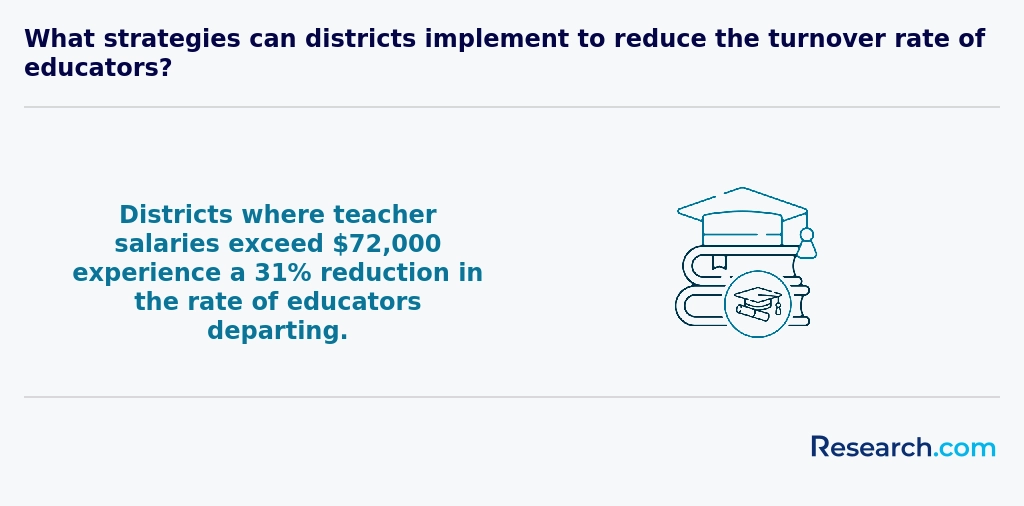
Students pursuing online educational leadership degrees in America can access a range of financial aid options to manage tuition costs, which typically range from $10,000 to over $30,000 annually. Federal aid remains a cornerstone; many graduates from programs at schools like the University of Southern California use FAFSA to secure federal student loans with fixed interest rates and flexible repayment plans. Although Pell Grants primarily support undergraduates, some federal grants might be accessible depending on income and enrollment status.
State-specific grants also play a vital role. For instance, students enrolled at Ohio State University benefit from Ohio's targeted scholarship programs designed for education professionals advancing their credentials.
Employer tuition assistance is another powerful support, especially for those already working in school systems. Graduates often report how districts covering tuition expenses at institutions such as Johns Hopkins University made completing their degrees financially feasible and rewarding.
Professional organizations like the American Association of School Administrators provide scholarships that many students leverage to reduce debt. Data indicates around 60% of graduate educational leadership students receive some form of financial aid, emphasizing the importance of early and comprehensive applications.
For many, combining federal aid, state scholarships, employer support, and organizational grants transforms what seems like an overwhelming cost into an achievable investment in their future leadership careers.
To enroll in an online educational leadership degree program in America, candidates must typically hold a bachelor's degree from an accredited institution, often in education or a related field. Graduates from institutions like the University of Southern California or Vanderbilt University frequently highlight how having a solid academic foundation made their transition into graduate studies smoother and more rewarding.
Applicants without a direct education background can still qualify by demonstrating relevant professional experience, such as roles in teaching or school administration. For instance, some students from popular programs shared how their leadership positions in local schools compensated for a non-education bachelor's degree, offering practical insights that enriched their coursework.
Though GRE scores are less frequently mandatory, many programs request official transcripts, letters of recommendation, and a personal statement specifying career goals. These requirements, common at universities like Johns Hopkins or Boston College, ensure candidates are prepared and motivated to excel.
Experience requirements generally range from one to three years in educational settings, helping applicants bring real-world perspectives that resonate positively throughout their studies.

Online educational leadership degree programs in America commonly include core courses essential for developing effective school leaders. Graduates from universities such as the University of Southern California and Rutgers University highlight courses like Educational Leadership Theory and Practice, which offers foundational models applied directly to real K-12 and higher education settings.
Students also engage with School Law and Policy, preparing them to navigate federal and state regulations crucial for compliance and ethical governance. Instructional Leadership courses focus on improving teaching quality, a frequent topic in student discussions about enhancing classroom impacts.
Organizational Management and Data-Driven Decision Making equip students with practical skills in budgeting, managing staff, and applying assessment data to refine educational programs. Ethics and Equity in Education frequently inspire graduates by emphasizing inclusive leadership that addresses diverse student needs.
Additional classes in Supervision and Professional Development, along with Research Methods and Program Evaluation, prepare students for coaching teachers and evaluating programs with evidence-based approaches-skills often praised for their immediate relevance in practicum experiences at respected institutions like Penn State and the University of Florida.
Online educational leadership specializations USA typically include tracks such as K-12 Educational Leadership, Higher Education Administration, Curriculum and Instruction Leadership, and Special Education Leadership. Graduates from universities known for these programs often describe feeling empowered as they move into roles like principals or assistant principals, managing school districts and shaping policies. K-12 Educational Leadership focuses on school management, curriculum design, and educational law, addressing the demands of approximately 98,500 principals and assistant principals employed in U.S. public schools in 2022.
Programs popular in America's colleges offer Higher Education Administration pathways, preparing students for roles in colleges and universities with knowledge in enrollment management and institutional research, aligned with a projected 10% job growth through 2030. Curriculum and Instruction Leadership emphasizes refining teaching methods and learning outcomes, while Special Education Leadership prepares leaders to manage compliance with federal laws such as IDEA.
Many graduates pursuing the best educational leadership degree concentrations America have found value in exploring specialized fields like school district leadership and educational technology leadership. Students balancing cost and speed often select fastest teacher leadership masters online programs that cater to these specializations.
Selecting the best online educational leadership degree USA requires a data-driven approach focused on accreditation, cost, and program flexibility. Accreditation by bodies such as CAEP or regional commissions guarantees rigorous standards, which graduates from renowned institutions often highlight as vital for career advancement. Affordable educational leadership programs in America commonly come from public universities offering in-state tuition, with total costs ranging from $10,000 to over $40,000. Graduates frequently report relief from financial stress when scholarships or assistantships are available.
Program structure matters: asynchronous classes and variable durations, from 18 months to four years, allow working professionals to balance commitments. Real-world applicability also influences satisfaction; diploma outcomes are stronger when curricula include internships or practicum, covering areas like school law and leadership theory. Alumni from top U.S. colleges appreciate career services that directly connect them to local education agencies, enhancing job placement rates. For further guidance on advanced options, consider exploring online edd education administration offerings tailored to leadership roles.
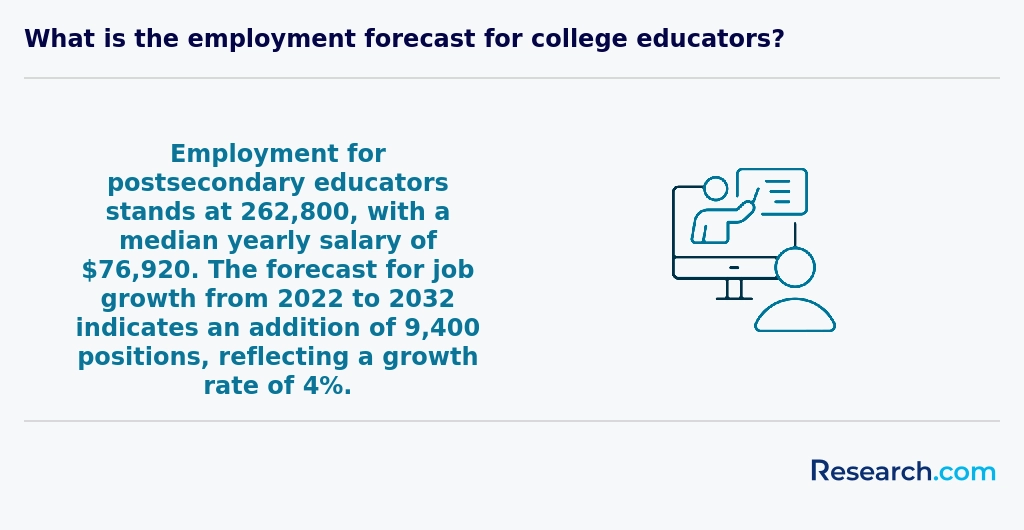
Graduates with an online educational leadership degree in America find diverse career paths across K-12 and higher education settings. Many secure positions as school principals, assistant principals, or district superintendents, roles demanding strong organizational and staff management skills. For instance, graduates from prominent institutions like the University of Southern California and Vanderbilt University report leading initiatives that improve curriculum and school culture, resonating well with the skills developed during their studies.
Postsecondary roles also offer opportunities; graduates often become academic advisors, deans, or directors of student services at colleges and universities. These careers benefit from the strategic and operational expertise gained through programs at universities such as Penn State and Arizona State University. The median salary for postsecondary educational administrators is approximately $97,500 annually, reflecting steady demand driven by expanded student support needs.
Beyond administration, careers in educational policy and consulting are available for those who blend leadership with systems analysis. Many alumni from well-regarded online programs enjoy advising districts and nonprofits on policy implementation, contributing to systemic improvement efforts. Prospective students can explore opportunities and program options through resources like online masters in educational leadership to align career goals with market demands in education leadership online degree careers USA.
The job market for online educational leadership jobs USA remains strong, supported by an 8% employment growth projection from 2022 to 2032 by the U.S. Bureau of Labor Statistics. Graduates from well-known programs at universities popular for educational leadership often find opportunities as assistant principals or program coordinators soon after completing their degrees. Schools in growing states and districts facing retirements provide ample openings, aligning with the steady demand for qualified leaders.
Many graduates value the flexibility of online learning, especially at institutions offering affordable, high-quality programs. For instance, those pursuing a online masters degree in education in one year appreciate the accelerated timeline combined with career-focused curriculum tailored to real-world school leadership challenges.
Educational leadership degree career opportunities America extend beyond entry-level roles, with mid- and senior-level positions requiring additional experience but offering competitive salaries. Graduates frequently report satisfaction with their career progression, attributing success to the practical training and support provided by their programs in navigating complex educational environments.
2027 Easiest Online Educational Leadership Degree Programs Ranking in the USA
Investing in your education is a significant decision that can shape your future, and the Research.com team understands the importance of making informed choices. To assist prospective students, we have meticulously crafted the "2027 Easiest Online Educational Leadership Degree Programs Ranking in the USA." Our commitment to quality, credibility, and accuracy is reflected in the extensive research and analysis conducted to compile this ranking.
We utilized the following reputable data sources to ensure a comprehensive evaluation of educational leadership programs:
By exploring this ranking, readers will gain valuable insights into accessible and high-quality online degree programs in educational leadership, enabling them to make confident and informed decisions about their educational journeys. For more details on our methodology, please visit our Research.com methodology page.





Frequently Asked Questions About educational leadership
Students pursuing online educational leadership degrees in America can maximize their learning by actively engaging with course materials and participating in virtual discussions. Research from the U.S. Department of Education indicates that interaction with professors and peers improves retention and understanding in online programs. Time management is also crucial; setting consistent study schedules helps balance coursework with professional and personal commitments.
Using digital resources like academic journals, leadership case studies, and webinars enhances learning beyond textbook content. According to the National Center for Education Statistics, nearly 75% of students who access supplementary materials report higher satisfaction with their programs. Additionally, networking through online forums and professional associations prepares students for real-world leadership challenges in education.
Emerging niches within the educational leadership field in America reflect shifts in educational needs and technology. One notable area is digital and remote learning leadership, driven by the rapid rise of online education. Leaders skilled in managing virtual classrooms and integrating technology into curriculum are increasingly in demand. According to the U.S. Department of Education, online enrollment rose by over 30% from 2019 to 2022, highlighting this trend.
Another growing niche is equity and inclusion leadership. Professionals focusing on diversity, equity, and inclusion strategies are essential as schools aim to better serve diverse student populations. Research from the National Center for Education Statistics shows increased attention to these issues nationwide.
Lastly, data-driven decision-making is gaining prominence. Leaders who can analyze educational data to improve student outcomes are valued, especially in districts adopting new assessment technologies.
After completing an online educational leadership degree in America, preparing for the job market involves several key steps. Start by obtaining state licensure or certification, which is often required for administrative roles such as school principal or district administrator. According to the National Center for Education Statistics, nearly 70% of education leadership positions require specific state credentials.
Networking is also crucial. Join professional organizations like the American Association of School Administrators to connect with peers and access job listings. Gaining practical experience through internships or volunteer roles, even post-graduation, strengthens your resume.
Finally, develop skills in data analysis and educational technology, as these are increasingly valued in leadership roles across U.S. schools.
Employers seeking graduates of educational leadership programs in America prioritize strong communication skills above all. According to the American Association of School Administrators, 85% of employers value the ability to engage effectively with staff, students, and parents. Additionally, decision-making and problem-solving skills are essential, as leaders must handle complex issues daily.
Data from the National Center for Education Statistics highlights that 78% of employers expect proficiency in data-driven instructional leadership. Graduates should also demonstrate adaptability to evolving educational technologies and policies. Finally, ethical leadership and a commitment to equity remain critical, supporting inclusive school environments and improved student outcomes.
Finding internships relevant to an educational leadership degree in America involves multiple strategic steps. Start by exploring partnerships between your online program and local school districts or educational organizations. Many universities offer virtual internship placement support tailored for educational leadership students.
The U.S. Department of Education and organizations like the American Association of School Administrators often list internship opportunities for aspiring leaders. According to the National Center for Education Statistics, practical experience is crucial, with around 65% of leadership programs requiring it.
Networking through professional platforms such as LinkedIn or attending virtual education conferences can also uncover internships. Additionally, contact your program's career services to access exclusive opportunities with K-12 schools and educational nonprofits.
In America, an online educational leadership degree significantly enhances career mobility and advancement opportunities. According to the U.S. Bureau of Labor Statistics, educational administrators with graduate degrees often experience faster job growth and higher salaries compared to those with only bachelor's credentials.
This degree prepares professionals for key roles such as principals, curriculum coordinators, and district administrators. A 2022 study from the National Center for Education Statistics found that over 60% of school leaders hold a master's or higher degree in educational leadership or administration. The online format offers flexibility, allowing working educators to gain advanced qualifications without pausing their careers.
Such degrees also build essential skills in policy, management, and leadership, vital for promotions and increased responsibilities within schools and districts.
Studying for an educational leadership degree in America equips students with skills that extend beyond traditional school management. Programs emphasize interdisciplinary knowledge, combining education theory with areas like public policy, business management, and psychology. This broad approach prepares graduates to work collaboratively in diverse environments, such as school districts, nonprofit organizations, or governmental agencies.
According to the National Center for Education Statistics, leadership roles increasingly require understanding complex social and economic factors affecting education. Online degrees offer flexible access to courses that integrate data analysis, equity, and organizational leadership. These competencies are essential for roles that cross educational, social, and administrative boundaries.
Choosing between a thesis and a non-thesis educational leadership degree program in America depends on your career goals and learning preferences. Thesis programs typically require original research and a formal written dissertation. They suit students considering doctoral studies or research-oriented roles in education.
Non-thesis options offer more coursework and practical experience, appealing to professionals focused on administrative or leadership positions rather than research. According to the National Center for Education Statistics, about 40% of master's students in education select thesis tracks, reflecting a strong interest in research skills.
Consider program duration, faculty expertise, and available resources when deciding.
Students based in America seeking to study educational leadership abroad via online programs have limited but growing options. Many US universities offer partnerships with international institutions, allowing students to complete coursework overseas while enrolled in American-accredited programs. Some programs also provide virtual global classrooms to incorporate diverse leadership practices.
The Council for the Accreditation of Educator Preparation (CAEP) reports that nearly 70% of educational leadership programs now include some form of international collaboration. However, fully foreign online degrees recognized in the US are rare, as licensure and accreditation standards vary widely.
Therefore, students should verify if international degrees meet state certification requirements before enrolling.
Part-time job opportunities that complement educational leadership degrees in America often include roles in school administration assistance, tutoring, and educational program coordination. These positions provide practical experience with leadership, communication, and organizational skills.
Many educational leadership students work as teacher aides or substitute teachers. According to the U.S. Bureau of Labor Statistics, these roles allow hands-on understanding of classroom dynamics and school operations, essential for future leaders.
Other common roles include graduate assistants in university education departments or part-time positions in education nonprofits. These jobs help build networks and expose students to policy development and program management relevant to leadership careers.
Part-time experience in these areas enhances both resumes and leadership competencies, increasing employability in the competitive educational leadership job market.
Online educational leadership programs in America provide various valuable networking opportunities despite their virtual format. Many universities offer access to exclusive online forums and discussion boards, where students interact with peers and faculty across the country. These platforms foster professional connections and the exchange of ideas relevant to school administration and policy.
Conferences and webinars hosted by institutions or educational organizations, such as the American Association of School Administrators, are often open to online students. Attendance at these events broadens professional networks in real time and virtually.
Internship placements and practicum experiences arranged through programs also connect students directly with school districts and leadership professionals. According to the National Center for Education Statistics, over 80% of educational leadership graduates found jobs through connections made during their studies.
Alumni networks play a crucial role in supporting online educational leadership degree students in America. These networks provide access to experienced professionals, expanding opportunities for mentorship and career growth. According to the American Educational Research Association, graduates connected to active alumni groups report a 30% higher rate of job placement within educational institutions.
Through networking events and online platforms, alumni share insights about leadership challenges and best practices, which are especially valuable for remote students who may lack direct campus interaction. Additionally, these networks facilitate referrals and recommendations, often key to securing leadership roles in schools and districts across the United States.
Customizing an online educational leadership degree in America allows students to align their studies with specific career goals. Many programs offer concentration areas such as K-12 administration, higher education leadership, or policy development. Selecting relevant electives helps focus on skills needed for desired roles.
Students may also tailor practicum experiences or internships to gain hands-on expertise in particular settings. According to the National Center for Education Statistics, over 70% of education leadership programs provide flexible course options to fit diverse career paths.
Additionally, some universities let learners adjust their thesis or capstone projects to address issues important to their professional interests, enhancing real-world applicability and job readiness.
Online educational leadership students in America often face challenges balancing coursework with their professional and personal lives. Many are working educators, which demands strong time management skills to meet deadlines and participate in discussions.
Technical difficulties also pose barriers. Reliable internet access and familiarity with learning management systems are essential, yet some students struggle with digital literacy or inconsistent connectivity, particularly in rural areas.
Another common issue is limited in-person interaction. Networking and mentorship-key components in leadership development-can be harder to achieve remotely, potentially affecting career growth.
According to the National Center for Education Statistics, about 30% of online students express concerns related to feelings of isolation during their programs.
Graduates with an online educational leadership degree in America can pursue several professional certifications to advance their careers in school administration and leadership. One common certification is the School Principal or Building Administrator license, which is often required by states for those seeking leadership roles in K-12 schools. Requirements vary but usually include a master's degree in educational leadership and supervised administrative experience.
Another sought-after credential is the Superintendent certification, which prepares individuals to oversee entire school districts. The American Association of School Administrators (AASA) offers specialized leadership certifications recognized nationwide.
Additionally, candidates may pursue certifications in areas like curriculum development, instructional supervision, or educational technology leadership, depending on their career goals.
Applying to an online educational leadership program in America requires a clear, well-prepared application. Start by highlighting your professional experience in education, as programs favor candidates with leadership or teaching backgrounds. According to the National Center for Education Statistics, over 60% of educational leadership students have prior experience in school administration or teaching roles.
Craft a compelling personal statement that explains your career goals and passion for educational leadership. Emphasize skills like communication, organization, and problem-solving, which are crucial for school leaders. Be sure to tailor your essays to the program's values and mission.
Request strong letters of recommendation from supervisors or colleagues who can attest to your leadership potential. Finally, maintain a competitive GPA, ideally above 3.0, since many programs in the US have this as a minimum requirement.
Educational leadership is a growing field in the United States, influenced by global trends in education management and policy. According to the U.S. Bureau of Labor Statistics, employment for educational administrators is projected to grow 8% from 2022 to 2032, reflecting steady demand. Internationally, many countries emphasize leadership skills to improve school performance and student outcomes, which aligns with U.S. goals for educational equity and innovation.
Globally, educational leaders often focus on collaborative management and cultural competence, skills also highlighted in American online degree programs. Institutions like the American Educational Research Association provide data supporting leadership's impact on school success worldwide.
American online educational leadership degrees prepare students to navigate both local and global educational challenges, incorporating policies, technology, and diverse community needs. These programs reflect international best practices while addressing U.S.-specific issues such as federal education law and diverse student populations.
Gaining practical experience while studying for an online educational leadership degree in America is essential to prepare for real-world challenges. Many programs include practicum or internship requirements, allowing students to work in K-12 schools, district offices, or educational nonprofits. These placements provide hands-on leadership experience, often under the supervision of licensed administrators.
Some universities partner with local school districts, making it easier for online students to gain field experience near their homes. According to the U.S. Department of Education, practical internships improve job placement rates for graduates in the education leadership field.
Additionally, virtual simulations and case studies are increasingly used to develop problem-solving skills relevant to school leadership roles.
Choosing the right concentration within an online educational leadership degree program in America depends on your career goals and interests. Common concentrations include K-12 leadership, higher education administration, and special education leadership. According to the National Center for Education Statistics (NCES), roles in K-12 school administration are projected to grow by 4% through 2031, which may influence your decision.
Consider the curriculum focus and alignment with your desired job. For example, K-12 leadership typically covers school management and policy, while higher education administration emphasizes college-level governance. Review program accreditation by bodies like CAEP or CHEA to ensure quality.
Finally, assess internship opportunities and faculty expertise. Programs affiliated with public school districts or universities can provide valuable practical experience and networking for future educational leaders in the US.
- What Can You Do With a Master's in Education Leadership? https://www.salemu.edu/blog/educational-leadership-careers/
- Cheapest Online Educational Leadership Programs https://aituedu.org/cheapest-online-educational-leadership-programs/
- How to Advance Your Career with an Ed.D. in Educational Leadership - Graduate Programs for Educators https://www.graduateprogram.org/blog/how-to-advance-your-career-with-an-ed-d-in-educational-leadership/
- Educational Leadership Network Europe - Home https://elnenetwork.org/
- Top 5 Skills Employers Look for in a College Graduate https://www.blog.intedashboard.com/blogs/active-learning/skills-college-graduate
- Online Master’s Programs in Educational Leadership: Compare Schools https://www.onlinemastersdegrees.org/best-programs/education/educational-leadership/
- M.Ed. in Educational Leadership | ACE https://ace.edu/degree-programs/masters-degrees/masters-education/master-of-education-in-educational-leadership/
- Educational Leadership Career Planner https://www.snu.edu/educational-leadership-career-planner
- College Persistence - https://www.studentleadershipnetwork.org/for-alumni/
- Real educational leadership challenges & practical ways to tackle them https://www.manchester.ac.ae/blog-post/real-educational-leadership-challenges