2027 Best Online Doctorate in Educational Leadership Degree Programs Ranking in Georgia

Co-Founder and Chief Data Scientist
If you're considering advancing your education and career, an online doctorate in educational leadership offers exciting opportunities. This article introduces the 2027 Best Online Doctorate in Educational Leadership Degree Programs Ranking in Georgia, created by the Research.com team of data scientists. It's designed to help you make an informed choice among quality programs.
Discover programs that align with your goals and lifestyle. Earning this degree can open doors to leadership roles in education, empowering you to make a meaningful impact. Keep reading to explore the leading options available to you.
Key benefits of getting online educational leadership degree in Georgia
- Educational leadership graduates in Georgia can expect competitive salaries similar to the national average for school and education administrators, which is approximately $98,000 per year, reflecting rewarding financial opportunities.
- Graduates from popular Georgia institutions like the University of Georgia often pursue careers as principals, instructional coordinators, or district leaders, providing diverse and fulfilling career paths in education.
- Completing an educational leadership degree online offers flexibility for working professionals, as seen with graduates from Georgia State University, allowing them to balance work, life, and study while advancing their careers efficiently.
- 2027 Best Online Doctorate in Educational Leadership Degree Programs Ranking in Georgia
- What can I expect from online educational leadership degree in Georgia?
- Where can I work with online educational leadership degree in Georgia?
What can I expect from online educational leadership degree in Georgia?
The average cost of an online educational leadership degree in Georgia typically ranges from $15,000 to $35,000 for the entire program, depending on the chosen university and length of study. Graduates from institutions like the University of Georgia and Georgia Southern University often share how investing in these programs felt worthwhile, as flexible online formats allowed them to balance work and family while advancing their careers.
These programs offer asynchronous courses that reduce the need for strict class schedules, making it easier for busy professionals to stay on track without sacrificing income. Many students appreciate how the tuition supports comprehensive coursework, covering topics such as educational law, finance, and leadership ethics tailored for Georgia's school systems.
Financial planning is essential, so prospective students should verify current tuition rates directly with schools and consider financial aid options. Graduates report that the knowledge gained, combined with practical field experiences, helped them feel confident stepping into roles like school principals or district administrators.
Where can I work with online educational leadership degree in Georgia?
Graduates with an online educational leadership degree in Georgia often find rewarding careers in K-12 schools, taking on roles like principals or district administrators in systems such as Fulton County or Gwinnett County Public Schools. These positions require certification, which many programs at institutions like Georgia State University or Kennesaw State University help students achieve, ensuring a smooth transition into leadership roles.
Beyond K-12 settings, many graduates move into higher education administration at community colleges or universities within the University System of Georgia. They might serve as academic affairs coordinators or student affairs leaders, shaping campus programs and policies. Such roles allow graduates to apply leadership skills learned online in real-world educational environments.
Others find opportunities in specialized fields like curriculum development, staff training, or educational consulting, working with nonprofit organizations or state agencies focused on improving Georgia's education system. These paths highlight the flexibility and broad impact graduates can have.
Graduates often express excitement about contributing directly to Georgia's education improvements while enjoying competitive salaries and steady job growth across the state.
Graduates with an online educational leadership degree in Georgia can expect to earn competitive salaries, with principals averaging about $90,000 per year according to the Georgia Department of Education. Those working in larger urban districts like Atlanta or DeKalb County often see salaries above $100,000, reflecting the higher cost of living and greater budget resources.
Assistant principals typically earn between $70,000 and $85,000 annually, providing a solid entry point to leadership roles within schools. For example, graduates from programs at well-regarded institutions such as Kennesaw State University or Georgia Southern University often share success stories of advancing quickly from assistant principal roles to principal positions, resulting in salary raises of 15% to 30%.
Curriculum directors and district administrators command even higher salaries, ranging from $90,000 to $110,000. Many Georgia school systems also reward those with advanced degrees like doctorates with additional stipends or salary increases, acknowledging the enhanced expertise they bring.
Beyond salary, graduates highlight the value of comprehensive benefits, such as retirement plans and health insurance, which add up to meaningful total compensation packages supporting long-term career satisfaction and growth in the state.
- Online educational leadership degrees in Georgia offer master's and doctoral programs for roles like school principals and district administrators.
- Tuition for master's programs ranges from $10,000 to $25,000, while doctoral programs often cost over $30,000.
- Entry-level educational administrators earn between $55,000 and $65,000 annually, with experienced leaders making $85,000 to over $100,000 per year.
- The job market is stable and growing, with more openings in urban and suburban areas but also demand in rural districts.
- Programs align with state certification requirements, helping graduates pursue licensure as school leaders.
- Degrees also prepare students for leadership roles beyond K-12, including higher education administration and educational consulting.
Completing an online educational leadership degree in Georgia typically takes between 1.5 to 6 years, depending on the level of study. For example, graduates from programs at the University of Georgia or Kennesaw State University often finish a master's degree within 2 years by balancing coursework with their jobs. They appreciate how flexible scheduling allows them to progress steadily without overwhelming their personal lives.
Educational Specialist (Ed.S.) degrees in Georgia usually require 1 to 2 years beyond a master's, offering an ideal option for educators aiming for leadership roles without committing to a doctorate. Many students from Georgia Southern University have shared how this timeline fit perfectly with their career goals while providing rigorous training.
For doctoral degrees like the Ed.D. or Ph.D., expect 3 to 6 years, largely because of dissertation work. Graduates from institutions such as Mercer University report that part-time enrollment options helped them stay motivated while working full-time. Planning your pace around work and family commitments is key to maintaining a positive, rewarding experience throughout your studies.
Choosing between online and on-campus educational leadership degrees in Georgia depends largely on your lifestyle and learning preferences. Graduates from online programs at Georgia Southern University often highlight the flexibility to study around full-time jobs and family life, appreciating the freedom to manage coursework on their own schedules. This format suits those who need to balance professional commitments while advancing their education.
In contrast, students at Kennesaw State University who attend on-campus programs frequently enjoy in-person interactions with professors and peers, which fosters a strong network and collaborative learning environment. They find value in access to campus resources like libraries and direct support for internships through local school partnerships.
Cost-wise, online degrees can be more affordable by eliminating commuting and housing expenses, while maintaining comparable tuition rates. Both formats require regional accreditation, ensuring high academic standards and transferability of credits. Assess practical needs like fieldwork access and personal time management to decide which path aligns best with your goals.
The average cost of an online educational leadership degree in Georgia is approximately $18,180 for both in-state and out-of-state students, with a median total cost around $28,350 depending on the program's length and credit requirements. Graduates from institutions like the University of West Georgia often share how affordable tuition rates-roughly $300 per credit hour-make attaining their master's or Ed.S. degrees manageable without sacrificing quality. Meanwhile, doctoral students at schools such as Georgia Southern University experience higher tuition but appreciate the deeper specialization despite the greater investment.
For many considering an online doctorate in educational leadership tuition fees Georgia play a key role in budgeting decisions. Programs typically range from $10,000 to $25,000 at public universities, but private colleges may charge upwards of $40,000, adding financial considerations for prospective students. Those balancing work and family find that exploring scholarships, employer tuition assistance, and federal aid can significantly reduce their costs and ease stress.
Students often recall having flexible options to maximize savings, like focusing on credit load and residency status. Those who qualify for in-state tuition can save thousands annually, making education more accessible. To find tailored programs that fit budgets and goals, prospective students are encouraged to research thoroughly, including reviewing the cheapest online educational leadership masters degree program options available in Georgia.
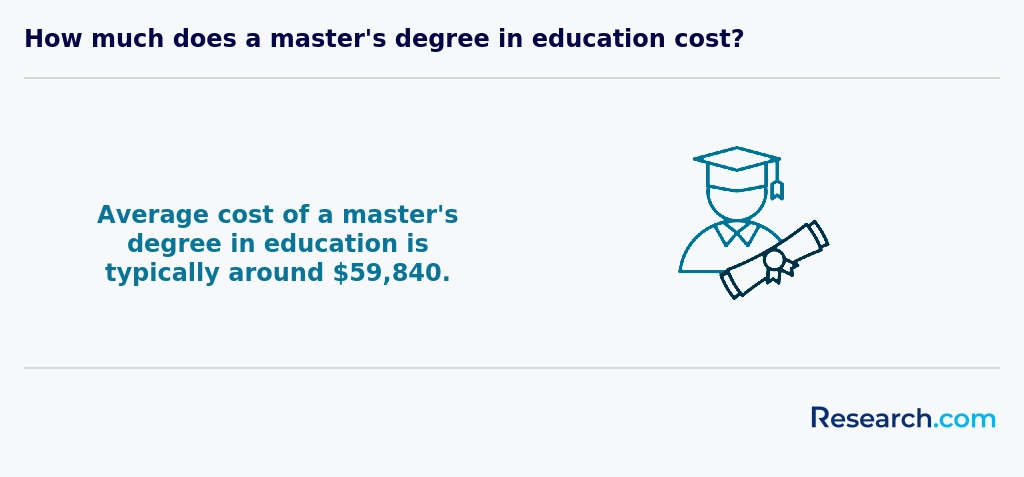
Students pursuing an online educational leadership degree in Georgia have access to a variety of financial aid options that can make their studies more affordable and manageable. Many start by applying for federal aid through FAFSA, unlocking eligibility for grants like the Pell Grant and low-interest federal loans such as Direct Unsubsidized and Grad PLUS Loans. Graduate students at schools like Georgia State University often find these loans essential in balancing tuition costs with living expenses.
State programs like the HOPE Scholarship or HOPE Grant, while traditionally for undergraduates, can sometimes be accessed through specific universities offering graduate assistance. For example, the University of Georgia's online learners frequently take advantage of institution-specific scholarships designed for educators demonstrating leadership potential.
Employer tuition reimbursement is another practical option many graduates appreciate, especially those already working in Georgia's school districts, where partnerships with universities help offset tuition based on career advancement goals. Additionally, external grants from organizations like the Georgia Educational Technology Consortium provide targeted support, helping students reduce financial stress and focus on their leadership growth.
To enroll in an online educational leadership degree program in Georgia, you must first hold a bachelor's degree from an accredited institution. Many students who successfully enter programs at well-known institutions like the University of Georgia or Kennesaw State University share that having a background in education or a related field gives them confidence during coursework, though it's not always required. What truly makes a difference is relevant professional experience-most programs expect at least three to five years working in K-12 education or administration, which helps you connect leadership theories to everyday challenges.
Graduates often highlight how their classroom or administrative experience shaped their leadership style, making academic concepts more practical and inspiring. Some programs may ask for GRE scores, but many waive them if you have strong work history and academic records. You'll also need to prepare personal statements and recommendation letters that reflect your passion and commitment to educational leadership in Georgia's unique school environments. Lastly, if you aim to become a licensed administrator, completing state-approved certification and passing the GACE exam are essential steps to ensure you're ready to lead.
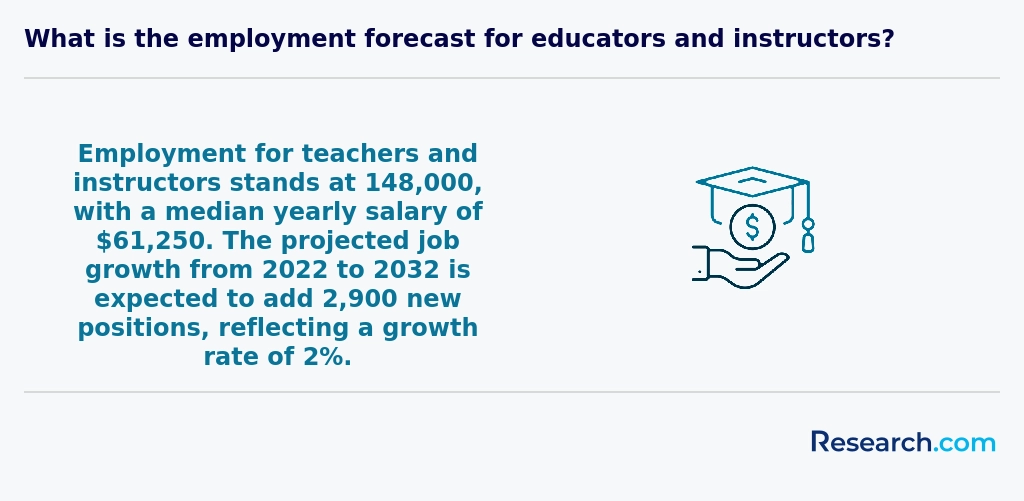
Students pursuing an online educational leadership degree in Georgia can expect a curriculum packed with practical, relevant courses tailored to the state's educational landscape. Core subjects typically include Educational Leadership Theory and Practice, which prepares graduates to lead with confidence in K-12 settings and higher education. Courses like School Law and Ethics equip learners to navigate Georgia's specific regulatory environment, while Education Finance and Resource Allocation teaches budgeting skills essential for managing public education funds effectively.
Graduates from prominent institutions such as the University of Georgia or Georgia Southern University share how courses on Data-Driven Decision Making helped them apply real school data to improve student outcomes. These programs often include Organizational Change and Development, training future leaders to manage transitions smoothly in districts or colleges. Coursework in Curriculum Design and Assessment and Human Resource Management rounds out skills to enhance instructional quality and staff collaboration.
Additionally, many students appreciate the research methods and capstone seminars focused on challenges unique to Georgia, like rural education leadership. This focused approach delivers confidence and actionable skills that graduates carry into rewarding careers.
Online educational leadership specializations Georgia offers include several focused tracks designed to match specific career goals. Graduates from major institutions like the University of Georgia or Georgia State University often describe the K-12 Educational Leadership specialization as practical and rewarding; it prepares them for roles such as principals and district administrators by covering essential topics like school law and curriculum development.
Georgia online doctorate educational leadership tracks also feature Higher Education Leadership, which suits professionals aiming for college or university administrative roles. Students report gaining confidence managing student affairs and institutional policies, crucial for success in Georgia's competitive higher education sector.
Other popular options are Curriculum and Instruction Leadership and Educational Policy and Administration. These pathways enable educators to shape teaching standards or influence policy at school boards or government agencies. Many students appreciate how these specializations address real challenges faced in Georgia's diverse school environments.
For those exploring cost-effective options, the online doctorate in educational leadership in Georgia offers specialized knowledge with competitive tuition, often supplemented by scholarships or assistantships.
Focus first on program accreditation in Georgia, especially by the Southern Association of Colleges and Schools Commission on Colleges (SACSCOC), to ensure quality and eligibility for financial aid. Graduates from popular universities like the University of Georgia often emphasize how this accreditation gave them confidence in their degree's value and recognition within the state's education system.
Look for programs that combine theory with practical experiences such as internships or capstone projects required for Georgia's school leadership certification. Many graduates recall how hands-on opportunities prepared them for real challenges as school principals or district administrators.
Cost and flexibility play vital roles. For affordable educational leadership doctorate degrees Georgia provides options ranging widely in tuition; comparing public and private institutions helps find a sustainable fit. Working professionals appreciate asynchronous classes and strong support services, which help balance study with career demands. Graduates frequently mention that selecting a program with accessible faculty and career counseling made a big difference in their success.
Finally, check metrics like graduation rates and alumni employment. Reviewing reports published by Georgia institutions will help you choose among the best online educational leadership programs in Georgia. For an in-depth view, explore the online higher education administration degree opportunities available.
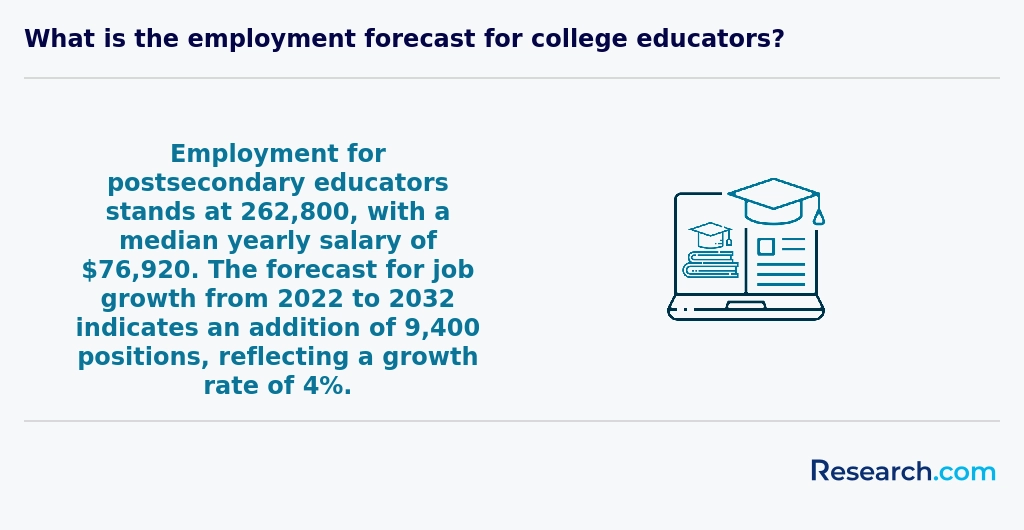
Graduates with an online educational leadership degree in Georgia often pursue career opportunities that make a real impact on local schools and communities. Many become school principals or assistant principals in K-12 settings, managing daily operations and fostering environments where both students and teachers thrive. For example, graduates from well-known Georgia universities have shared how leading a school has allowed them to implement innovative programs that directly improve student outcomes.
Beyond individual schools, a common path involves educational leadership jobs in Georgia online degree holders taking district-level roles, such as superintendents or administrators. These positions enable professionals to oversee multiple schools, develop policies, and lead staff training initiatives. Working in this capacity gives them the satisfaction of shaping education at a broader scale, often increasing their earning potential.
Other graduates find fulfilling careers in higher education administration or as curriculum coordinators, roles that support institutional strategy and instructional improvements. Many Georgia-based online masters degree educational leadership students appreciate the flexibility to work while advancing in these varied roles that align with their passions and strengths.
The job market for graduates with an online educational leadership degree in Georgia is robust and growing, especially as metropolitan areas like Atlanta experience rising student populations. Graduates from reputable institutions such as Georgia State University and Kennesaw State University often find opportunities as school principals or district administrators, benefitting from the state's focus on improving student outcomes and educational accountability. Many graduates report gaining confidence entering roles where their leadership directly impacts student success and school performance.
Online programs tailored to Georgia's certification requirements help students prepare for these roles effectively. The demand for qualified leaders in rural and urban districts alike creates a dynamic employment landscape. Prospective students can explore competitive educational leadership paths while managing costs by researching the cheapest edd online programs, which often provide flexible, affordable options to fit busy schedules and financial needs.
Graduates highlight how the ability to lead schools with updated knowledge on policy and administration translates to median salaries typically ranging from $75,000 to $110,000. This combination of steady demand and rewarding compensation makes online educational leadership jobs in Georgia a promising field for career-driven individuals.
2027 Best Online Doctorate in Educational Leadership Degree Programs Ranking in Georgia
Investing in your education is a significant decision that can profoundly impact your career, and the Research.com team recognizes the responsibility involved in making that decision. To support prospective students searching for doctoral programs, we have carefully developed the "2027 Best Online Doctorate in Educational Leadership Degree Programs Ranking in Georgia." Our dedication to quality, credibility, and accuracy is evident through rigorous research and analysis.
We utilized the following reputable data sources to ensure a comprehensive evaluation of the programs:
By reviewing this ranking, readers will gain valuable insights into the top online doctoral options in educational leadership within Georgia, enabling them to make well-informed decisions about their academic futures. For detailed information on how this ranking was constructed, please visit our Research.com methodology page.


Frequently Asked Questions About educational leadership
Students pursuing online educational leadership degrees in Georgia can maximize their learning by actively engaging with course materials and participating in virtual discussions. Many programs require practical leadership projects, which provide valuable real-world experience. Georgia has over 80 school districts, offering diverse opportunities for applied research and internships.
Utilizing university resources like tutoring, advising, and technology support is vital. According to the Georgia Department of Education, effective educational leaders typically combine theory with hands-on leadership experience, so students should seek local mentorship or networking within Georgia schools.
Time management and setting clear goals help maintain progress in self-paced online environments. Additionally, staying updated with Georgia's education policies and leadership standards ensures relevant knowledge throughout the program.
Emerging niches within educational leadership reflect evolving challenges and priorities in U.S. schools. One growing area is digital transformation leadership, where leaders guide schools through integrating technology effectively. This is especially relevant in Georgia, where 74% of K-12 schools report increased tech use post-pandemic, according to the Georgia Department of Education.
Another niche is equity-focused leadership, emphasizing closing achievement gaps for diverse student populations. Leaders in this area work to implement culturally responsive policies and inclusive curricula.
Additionally, data-driven decision-making leadership is rising, with administrators using student performance analytics to improve outcomes. Georgia's increasing investment in educational data systems supports this trend.
These niches offer promising pathways for online educational leadership degree candidates aiming to meet modern demands.
After completing an online educational leadership degree in Georgia, preparing for the job market involves several strategic steps. First, graduates should obtain or renew any required state certifications. Georgia's Professional Standards Commission sets specific credentials for school leaders. Networking is crucial; joining organizations like the Georgia School Superintendents Association can help connect with local education leaders. Additionally, gaining practical experience through internships or leadership roles in schools enhances employability. According to the Georgia Department of Labor, educational leadership positions in the state are expected to grow by 7% through 2031, indicating steady demand. Staying current with educational policies and leadership trends is also essential.
Employers in Georgia prioritize several key skills when hiring graduates with educational leadership degrees. Strong communication and interpersonal abilities rank highly, as leaders must engage effectively with teachers, parents, and community members. Problem-solving and decision-making skills are also crucial, enabling leaders to address challenges in diverse school environments. According to the Georgia Department of Education, candidates demonstrating data-driven instructional leadership are in increasing demand to improve student achievement.
Additionally, knowledge of school law and educational policy is essential, given evolving state regulations. Technology proficiency, especially in digital learning tools, is gaining importance as online and hybrid instruction models expand. Emotional intelligence and adaptability are valued in navigating Georgia's varied school demographics and needs.
Finding internships in Georgia related to educational leadership requires strategic approaches. Many students start by exploring partnerships between their online program and local school districts or educational agencies. For instance, the Georgia Department of Education often lists internship opportunities that focus on leadership and administration within K-12 schools.
Networking is essential. Joining professional groups like the Georgia School Superintendents Association or the Georgia Association of Educational Leaders can provide access to internships and mentorship programs.
Additionally, the University System of Georgia supports internship placements through career services for students enrolled online, connecting them with leadership roles in public and private schools across the state.
The U.S. Bureau of Labor Statistics highlights that educational leadership roles in Georgia are growing by 6% through 2030, increasing internship spots. Utilize local job portals focused on education careers to stay updated.
In Georgia, an online educational leadership degree significantly enhances career mobility by meeting state licensure requirements for school administrators. According to the Georgia Professional Standards Commission, candidates must hold advanced degrees in educational leadership to qualify for roles like principal or district administrator.
Moreover, the Georgia Department of Education highlights a rising demand for qualified leaders, projecting an 8% job growth in educational administration through 2028. Holding an online degree provides flexibility for working professionals, allowing them to maintain full-time jobs while advancing their credentials.
Salary data from the U.S. Bureau of Labor Statistics shows that educational leaders in Georgia earn a median annual wage of around $96,000, with advanced degrees often correlating with higher pay and promotions.
Studying for an educational leadership degree in Georgia equips students with skills needed for interdisciplinary roles in education and beyond. Programs typically emphasize collaboration, strategic planning, and policy analysis, preparing graduates to work with educators, administrators, community organizations, and government agencies. The Georgia Department of Education highlights leadership competencies that foster innovation and problem-solving across diverse educational settings.
Graduates learn to apply research-based practices to improve student outcomes and engage with stakeholders from multiple fields. According to the National Center for Education Statistics, Georgia's investment in leadership training supports district-wide improvement initiatives, reflecting real-world interdisciplinary demands.
Skills in communication, equity, and resource management gained through these degrees enable professionals to bridge gaps between different sectors, such as social services and curriculum development.
Choosing between a thesis and a non-thesis educational leadership degree program in Georgia depends on your career goals and learning preferences. Thesis programs typically require conducting original research and writing a formal document, which suits those interested in academic or research roles. According to the Georgia Professional Standards Commission, about 30% of EdD candidates in-state pursue thesis options for these reasons.
Non-thesis tracks focus more on practical leadership skills and coursework, appealing to professionals aiming for school administration or district leadership positions.
Consider also program length and time commitments, as thesis programs often take longer to complete due to research demands.
Review program requirements carefully and consult advisors at Georgia universities offering accredited online educational leadership degrees for tailored guidance.
Students based in Georgia seeking online educational leadership degrees from abroad face limited options due to accreditation and licensure requirements. Most U.S. states, including Georgia, require education leaders to hold degrees from regionally accredited institutions, typically American universities. However, some international universities partnered with U.S. institutions may offer joint or dual online programs that meet these standards.
Programs from recognized foreign universities without U.S. accreditation might face challenges in Georgia for licensure or career advancement in education administration. According to the Georgia Professional Standards Commission, candidates must ensure their degree is accepted for Georgia certification.
Therefore, Georgia students should prioritize online doctoral programs offered by U.S.-based or regionally accredited providers, including those with international collaborations ensuring compliance with Georgia state requirements.
Part-time job opportunities in Georgia that complement online educational leadership degrees are diverse and beneficial for hands-on experience. Working as a teacher assistant or substitute teacher in K-12 schools allows students to understand school dynamics and leadership challenges directly.
Educational program coordinators or tutors in after-school programs provide insights into curriculum development and student engagement strategies.
According to the Georgia Department of Education, roles in school administrative support offer practical experience in managing school operations and compliance matters. Additionally, working with local education agencies or community organizations on leadership initiatives enhances networking and real-world leadership skills.
Online educational leadership students in Georgia benefit from a variety of networking opportunities designed to enhance their professional connections. Many universities offering these programs facilitate virtual meetups, webinars, and discussion boards where students can share experiences and knowledge. The University System of Georgia encourages involvement in professional organizations such as the Georgia School Superintendents Association and the Georgia Association of Educational Leaders.
Additionally, regional conferences and workshops provide online students with chances to engage with peers and experts despite physical distance. According to the Georgia Department of Education, over 70% of educational leaders in the state are members of such professional groups, highlighting the importance of networking in career advancement.
Alumni networks offer significant benefits to students pursuing online educational leadership degrees in Georgia. These networks connect current students with experienced graduates who often hold leadership roles in schools and districts across the state. Access to such contacts can enhance job opportunities and professional growth.
According to the Georgia Department of Education, networking is critical for advancing within educational leadership roles. Alumni often share job openings, mentorship, and advice tailored to Georgia's specific educational policies and challenges.
Participation in alumni events and online forums also fosters collaboration and knowledge exchange, helping students stay informed about state education trends.
Overall, strong alumni connections increase graduates' career prospects and support ongoing professional development.
Customizing an online educational leadership degree in Georgia allows students to align their studies with specific career goals. Many programs offer elective courses in areas such as curriculum development, school administration, policy analysis, or special education leadership. Students can choose these options based on their interests or the demands of school districts in Georgia.
Some universities also provide opportunities for research projects or internships with local schools, which helps apply theory to practical challenges faced in Georgia's education system. According to the Georgia Department of Education, leadership skills tailored to diverse K-12 settings improve job prospects.
Flexibility in scheduling and choosing specializations makes it easier to balance work and study while focusing on skills needed for roles such as principal, superintendent, or instructional coordinator.
Online educational leadership students in Georgia often face several key challenges during their studies. One common issue is balancing rigorous coursework with professional and personal responsibilities, especially since many students work full-time in education roles. According to data from the Georgia Department of Education, over 70% of these students are employed while studying, intensifying time management demands.
Another challenge is accessing meaningful networking opportunities. Online formats can limit direct interpersonal interaction compared to traditional programs, making it harder to build professional connections critical for leadership roles in schools. Technical difficulties and inconsistent digital literacy also pose barriers, impacting student engagement and success.
With an online educational leadership degree in Georgia, graduates can pursue several professional certifications to advance their careers in school administration. One prominent certification is the Georgia Professional Leadership Certificate, which qualifies individuals for roles as principals, assistant principals, or school system administrators.
The certification process typically requires completing an approved leadership program, passing the Georgia Assessments for the Certification of Educators (GACE) School Leadership exam, and fulfilling relevant work experience requirements. According to the Georgia Professional Standards Commission, these credentials align with state standards to ensure effective education leadership.
Additionally, candidates may seek national credentials such as the National Board Certification for Principals, which enhances leadership recognition beyond Georgia. These certifications broaden career opportunities in public and private educational settings across the state.
To write a winning application for an online educational leadership program in Georgia, start by highlighting your professional experience in education. Most programs, such as those accredited by the Southern Association of Colleges and Schools Commission on Colleges (SACSCOC), value leadership roles in schools or districts.
Strong letters of recommendation from supervisors or colleagues who can attest to your leadership skills also enhance your application. Be sure to clearly state your career goals and how the degree aligns with advancing education in Georgia's diverse communities.
Additionally, maintain a competitive GPA-typically above 3.0-and prepare a compelling personal statement that reflects knowledge of educational challenges in Georgia.
Educational leadership is increasingly viewed through a global lens, reflecting the interconnected nature of education challenges worldwide. In the United States, including Georgia, this career emphasizes preparing leaders who can manage schools, districts, and educational programs with cultural competence and innovative practices.
According to the Georgia Professional Standards Commission, effective educational leaders must understand diverse learner needs and global trends in education. The US Department of Education also highlights leadership skills that embrace international collaboration and technology integration.
Globally, educational leadership requires adaptability to varied policy environments and education systems, encouraging leaders in Georgia to think beyond local norms. This broader perspective helps graduates address equity, inclusion, and evolving workforce demands both domestically and internationally.
Gaining practical experience while studying for an online educational leadership degree in Georgia is essential for career advancement. Many programs encourage internships or practicum placements in local schools or educational organizations. These hands-on opportunities allow students to apply leadership theories in real-world settings.
Students can also engage in mentorships with experienced educational leaders. According to the Georgia Professional Standards Commission, such experiences are highly valued in the state's education workforce. Additionally, virtual simulations and project-based assignments often complement field experiences within online courses.
Networking through Georgia education associations further enriches practical learning. Combining these experiences prepares graduates for leadership roles statewide.
Choosing the right concentration within an online educational leadership degree in Georgia depends on your career goals and interests. Common concentrations include K-12 administration, higher education leadership, and curriculum development. Each aligns with different roles, such as school principal, college administrator, or instructional coordinator.
Consider Georgia's job market, where the demand for school administrators is projected to grow by 5% through 2030, according to the U.S. Bureau of Labor Statistics. Also, review program accreditation and curriculum focus to ensure alignment with state licensure requirements set by the Georgia Professional Standards Commission.
Networking opportunities and faculty expertise within your concentration can further enhance career prospects. Research programs that offer specialized training and mentorship tailored to your chosen path within educational leadership.
- 2027 Best Online Doctorate in Educational Leadership Degree Programs Ranking in Florida
- 2027 Best Online Doctorate in Educational Leadership Degree Programs Ranking in Virginia
- 2027 Best Online Doctorate in Educational Leadership Degree Programs Ranking in Indiana
- 2027 Best Online Doctorate in Educational Leadership Degree Programs Ranking in Pennsylvania
- 2027 Best Online Doctorate in Educational Leadership Degree Programs Ranking in Michigan
- 2027 Best Online Doctorate in Educational Leadership Degree Programs Ranking in Nebraska
- Remote Educational Leadership Online Jobs https://www.virtualvocations.com/q-remote-educational-leadership-online-jobs.html
- Educational Leadership Network Europe - Home https://elnenetwork.org/
- Alumni Network https://center-for-leadership.org/academy/alumni-network/
- Alumni Leadership https://teachforall.org/our-impact/alumni-leadership
- Educational Leadership M.Ed. (Tier I) https://www.gcsu.edu/education/proflearning/educational-leadership-med
- Educational Leadership Network (ELN) https://icsei.org/network/educational-leadership-network/
- Utilize Your Alumni Networks https://www.keg.com/news/ways-to-use-your-alumni-networks-for-the-better
- M.Ed. in Educational Leadership (P-12 Tier I) https://education.mercer.edu/academic-programs/educational-leadership/m-ed-educational-leadership-p-12-tier-one/
- GA Reg. 505-3-.77 Educational Leadership Program ... https://public.fastcase.com/H1P9uiW3J20SFp%2BGCG%2BxLWwjzEqKipoQ12Bx4ubKdMBixQgnDnfGpsVyUGBQIXPTLWmCI3P%2Fmr1xgDz9XF0qiQ%3D%3D
- Leadership Alumni Networks Making a Difference https://networkweaver.com/leadership-alumni-networks-making-a-difference/