
2027 Most Valuable Online DNP Degree Programs Ranking in the Northeast

Co-Founder and Chief Data Scientist
Choosing the right Doctor of Nursing Practice (DNP) program can shape your future healthcare career, especially if you live in the Northeast. This article presents the 2027 Most Valuable Online DNP Degree Programs Ranking in the Northeast, developed by the Research.com team of data scientists. It's designed to guide you toward programs that offer real value and opportunities.
By exploring this ranking, you'll find helpful insights that make your decision easier and more confident. Earning a DNP degree can open doors to leadership roles and advanced practice, making it a rewarding investment in yourself.
Key benefits of getting online DNP degree in the Northeast
- The average salary for DNP graduates in typical nursing leadership or advanced practice roles in the Northeast ranges from $95,000 to $140,000, reflecting strong earning potential in the healthcare sector.
- A DNP graduate from Boston University often pursues careers as nurse practitioners, clinical nurse specialists, or healthcare administrators, offering diverse paths to impact patient care and health systems.
- Completing a DNP online from a school like Northeastern University allows flexibility to balance work and study, making it easier to gain real-world experience while advancing education efficiently.
What can I expect from online DNP degree in the Northeast?
The average cost of an online DNP degree in the Northeast typically ranges from $30,000 to $60,000, depending on the program and institution. Graduates from well-known schools in New York, Massachusetts, and Pennsylvania often share how tuition discounts and in-state rates significantly eased their financial burden. Many found part-time enrollment options essential for balancing work and study, making the investment feel more manageable and personally rewarding.
Students imagineFuture trends might include increased availability of scholarships and employer tuition reimbursement programs tailored to DNP candidates, further reducing costs. Some anticipate more universities expanding flexible payment plans or bundled clinical experience fees, allowing online learners to customize their financial commitments upfront.
Those pursuing degrees at prestigious Northeast nursing schools have expressed excitement about this evolving affordability, especially as it opens doors for more nurses to pursue leadership roles without overwhelming debt. The seamless blend of asynchronous coursework with local clinical placements continues to enhance value, making every dollar spent feel like an investment in both career and community health.
Where can I work with online DNP degree in the Northeast?
Graduates of online DNP programs from well-regarded Northeastern institutions often find themselves thriving in dynamic healthcare settings such as hospitals in New York and Massachusetts, working as nurse practitioners or clinical nurse specialists. One graduate shared how their DNP training from a top regional university enabled them to confidently lead a multidisciplinary team managing complex patient cases, making a real difference in care outcomes.
Beyond clinical roles, many DNP holders are stepping into public health leadership within community organizations, crafting innovative programs to reduce health disparities across urban and rural areas alike. Schools known for strong DNP curricula prepare students for this flexibility, reinforcing skills in policy development and quality improvement.
Academic careers are also expanding for DNP graduates at universities emphasizing evidence-based leadership training. Faculty roles combine teaching with mentorship that influence future nurses, generating pride and satisfaction for graduates who value giving back.
Looking ahead, the growing demand for healthcare administrators and consultants in dense states like New Jersey suggests exciting leadership pathways that merge clinical expertise with system-wide innovation-paths online DNP students are increasingly equipped to pursue.
How much can I make with online DNP degree in the Northeast?
Graduates from online DNP programs in the Northeast often find themselves in a robust and rewarding salary landscape, reflective of the region's high demand for advanced nursing roles. While specific BLS data for DNP salaries is limited, general figures indicate nurse practitioners nationwide earn about $123,000 annually, with Northeast graduates frequently exceeding this benchmark.
For example, DNP alumni from prominent institutions like Northeastern University or the University of Pennsylvania have reported starting salaries ranging from $125,000 to $145,000, especially when working in major urban healthcare systems. Those specializing in acute care or hospital leadership roles often see earnings rise to $150,000 or beyond, reflecting their critical clinical expertise.
Leadership positions in the Northeast, such as clinical directors or chief nursing officers, also present exciting financial opportunities, sometimes offering salaries between $160,000 and $180,000. Graduates often feel optimistic about these roles, knowing their advanced education positions them uniquely for such impactful and well-compensated careers.
As the healthcare environment evolves, Northeast DNP holders may experience even greater demand and salary growth, driven by ongoing professional development and the region's complex healthcare needs.
- Key benefits of getting online DNP degree in the Northeast
- What can I expect from online DNP degree in the Northeast?
- Where can I work with online DNP degree in the Northeast?
- How much can I make with online DNP degree in the Northeast?
- How do we rank schools?
- 2027 Most Valuable Online DNP Degree Programs Ranking in the Northeast
- What online DNP degree graduates have to say
- Key Findings
- How long does it take to complete online DNP degree in the Northeast?
- What's the difference between online and on-campus DNP degree?
- What is the average cost of online DNP degree in the Northeast?
- What financial aid is available to online DNP degree students in the Northeast?
- What are the prerequisites for enrolling in online DNP degree program in the Northeast?
- What courses are typically in online DNP degree programs in the Northeast?
- What types of specializations are available in online DNP degree programs in the Northeast?
- How do you choose the best online DNP degree in the Northeast?
- What career paths are available for online DNP degree students in the Northeast?
- What is the job market for online DNP degree in the Northeast?
- Frequently Asked Questions About DNP
- Top Trending DNP Rankings
How do we rank schools?
Investing in your education is a significant decision that can shape your future, and the Research.com team understands the importance of making informed choices. To assist prospective students, we have meticulously developed the "2027 Most Valuable Online DNP Degree Programs Ranking in the Northeast." Our commitment to quality, credibility, and accuracy is reflected in the thorough research and analysis undertaken to produce this ranking. We utilized the following reputable data sources to ensure a comprehensive evaluation of DNP programs:
By exploring this ranking, readers will gain valuable insights into the top online DNP degree programs in the Northeast, enabling them to make well-informed decisions about their educational paths. For more information about how this ranking was created, please visit our Research.com methodology page.
2027 Most Valuable Online DNP Degree Programs Ranking in the Northeast
# 1 position
Carlow University
Doctor
Carlow University offers a 24-month Doctor program focused on Nursing and Healthcare. The program has an open admission policy with an 87% acceptance rate. The graduation rate is 60%, and the average total cost is $32,730. Financial aid is widely accessible, with 100% of students receiving support. The program serves a substantial online community, with 1,288 students enrolled remotely.
# 2 position
Duquesne University
Doctor
Duquesne University offers a 24-month doctoral program focused on nursing and healthcare. The program has an open admission policy with an 84% acceptance rate. Its graduation rate is 77%, reflecting solid student success. The average total cost is $58,860, with all students receiving a high level of financial aid. Currently, 561 online students are enrolled in this program, providing a substantial community for distance learners.
# 3 position

The University of Massachusetts Amherst offers a Doctoral program focused on Nursing and Healthcare. This less selective program has a 60% acceptance rate and an 83% graduation rate. Students benefit from high levels of financial aid, with 89% receiving support. The average total cost for this program is $67,650. A sizable community of 7,335 online students is currently enrolled.
# 4 position

The University of New Hampshire offers an 18-month Doctor-level program focused on Nursing and Healthcare. With an open admission acceptance rate of 88%, the program enrolls 2,902 online students. It has a graduation rate of 76% and an average total cost of $25,905. A high percentage of students, 97%, receive financial aid, reflecting strong support for financing education.
# 5 position
Chatham University
Doctor
Chatham University offers a Doctoral program in Public Relations lasting 12 months. The program has a less selective acceptance rate of 62%, with a graduation rate of 63%. It enrolls 400 online students and provides a high level of financial aid, awarded to 100% of students. The average total cost for completing the program is $28,323.
# 6 position
Villanova University
Doctor
Villanova University offers a selective Doctoral program focused on Nursing and Healthcare, with an acceptance rate of 27%. The program spans 18 months and has a high graduation rate of 92%. Approximately 69% of students receive moderate financial aid. The average total cost is $44,000. There are 2,823 online students enrolled, reflecting a significant online presence within the program.
# 7 position

The University of Massachusetts Lowell offers a Doctor-level program focused on Nursing and Healthcare. The 36-month course has a graduation rate of 65% and an average total cost of $6,325. The program is open admission with an acceptance rate of 83%. High financial aid is available, benefiting 92% of students. Currently, 6,430 students are enrolled online, reflecting strong accessibility and support for distance learners.
# 8 position
Monmouth University
Doctor
Monmouth University offers a 24-month Doctoral program focused on Nursing and Healthcare. This degree has a graduation rate of 72%, demonstrating solid student success. The program is open admission with an 89% acceptance rate, making it accessible to many applicants. Tuition costs average $46,764, and 100% of students benefit from high levels of financial aid. Currently, 898 online students are enrolled, reflecting a strong remote learning community.
# 9 position
Sacred Heart University
Doctor
Sacred Heart University offers a Doctor-level program focused on Nursing and Healthcare, lasting 36 months. The program has a graduation rate of 73% and admits students at a less selective rate of 65%. Tuition averages $36,660, with all students receiving high levels of financial aid. The program supports a substantial online community, enrolling 1,145 students in distance learning options.
# 10 position
Seton Hall University
Doctor
Seton Hall University offers a Doctor-level program focused on Nursing and Healthcare. The program lasts 36 months and costs an average of $42,873. It has a graduation rate of 69%, with 221 online students currently enrolled. The acceptance rate is 73%, indicating a less selective admission process. Students benefit from high levels of financial aid, as 100% of enrollees receive some form of assistance.
What online DNP degree graduates have to say
- Michael: Pursuing my DNP online at Northeastern University was a seamless blend of rigorous academics and flexible scheduling. The faculty's expertise and support empowered me to balance work, family, and study successfully. This program truly elevated my clinical practice and confidence in leadership roles.
- Emily: The University of Pennsylvania's online DNP program exceeded my expectations. The interactive courses and real-world case studies made learning engaging despite being remote. I felt connected to peers and professors, which enhanced my motivation. Graduating has been life-changing for my career in healthcare policy.
- David: Choosing the online DNP at Boston College gave me unparalleled access to advanced resources and expert mentors, all while studying from home. The community vibe and personalized feedback turned distance learning into a rewarding experience. I now feel ready to make a meaningful impact in nursing practice.
Key Findings
- Online DNP programs in the Northeast offer flexible options, including fully online and hybrid formats designed for working nurses.
- The cost of earning a DNP online in this region ranges from $35,000 to $70,000, with public universities generally offering lower tuition for in-state students.
- Starting salaries for DNP graduates typically fall between $95,000 and $110,000, increasing to $120,000-$140,000 in specialized or leadership roles.
- The job market for doctoral-prepared nurses in the Northeast is expected to grow by about 20% over the next decade, driven by healthcare demands and an aging population.
- Most online DNP programs in the Northeast hold accreditation from CCNE or ACEN, ensuring recognized and quality education.
How long does it take to complete online DNP degree in the Northeast?
Completing an online DNP degree in the Northeast typically takes between 2 to 4 years full-time, but emerging trends suggest this could become more flexible soon. Graduates from institutions like Boston College often share how their journey felt both challenging and rewarding as they balanced coursework and clinical hours without relocating, thanks to local clinical options. For those entering with an MSN, accelerated programs available at places such as the University of Pennsylvania show promising pathways to finish in as little as two years.
As future programs evolve, part-time study options may become even more tailored, allowing busy professionals to extend their timelines comfortably beyond the current 4 to 5 years while maintaining steady progress. Advances in virtual simulation for clinical hours might also reduce total program duration, offering a more engaging and accessible experience.
Students in the Northeast can expect these flexible schedules and innovative approaches to open new doors, making the DNP journey less daunting and more aligned with their personal and professional lives.
What's the difference between online and on-campus DNP degree?
Online and on-campus DNP programs in the Northeast offer distinctly different experiences, shaping how students balance life and learning. Graduates from Northeastern University recall the flexibility of completing coursework on their own schedules while staying employed in busy cities like Boston or New York. These students appreciate how local clinical practicum arrangements fit around demanding work hours, a benefit rarely found in traditional on-campus programs.
On the other hand, alumni from Rutgers University share how in-person classes foster deep connections through face-to-face interactions and immediate collaboration. The energy of on-campus life in Newark or New Brunswick creates a supportive network that some find invaluable for professional growth. Yet, both online and campus paths adhere to rigorous standards from accreditation bodies, guaranteeing quality education regardless of delivery.
Looking ahead, blended and hybrid models are gaining traction among northeastern schools, weaving together the convenience of digital platforms with essential hands-on experiences. This evolution promises to empower more nursing professionals to pursue advanced degrees without sacrificing career momentum or regional ties.
What is the average cost of online DNP degree in the Northeast?
For many pursuing an online DNP degree in the Northeast, the average cost hovers around $36,380, reflecting a median that balances the expenses of both in-state and out-of-state students. Graduates from public universities often share how in-state tuition, typically near $21,727, made their journey more affordable, while others who chose private or out-of-state programs invested closer to $23,749 or beyond, embracing the value these paths offered. One graduate from a well-known state university recalls feeling hopeful as financial aid and employer tuition assistance helped bridge the gap between cost and opportunity.
Many students recognize that the cost of an online DNP program can fluctuate depending on credit hour requirements, which can range from 30 to 45 credits. At institutions like those in New York or Massachusetts, the per-credit rate significantly impacts total tuition, but students often appreciate the flexible schedules allowing them to advance their careers without uprooting their lives. Such flexibility, combined with competitive pricing, creates an encouraging environment for those budgeting their path to a DNP.
Practical considerations like technology fees and clinical expenses also play a role, yet graduates remain optimistic, especially when programs offer scholarships or alternative financial options. Prospective learners looking for accelerated options might explore shortest DNP programs online, which can influence overall costs and duration positively.
As the demand for advanced nursing roles continues to grow, the average online DNP degree cost Northeast students face today represents not just a financial figure, but an investment in future professional success and personal fulfillment.
What financial aid is available to online DNP degree students in the Northeast?
Graduates of online DNP programs from well-known Northeastern schools often share how institutional scholarships transformed their educational journey by significantly lowering costs. Many found that universities with strong nursing faculties targeting underserved areas, such as those in New York or Massachusetts, frequently offer merit-based awards tailored to reduce financial pressure. Imagine a working nurse in Boston who could access employer tuition reimbursement covering most of her tuition, allowing her to study without sacrificing income.
Federal aid remains a steady cornerstone, with graduate students borrowing up to $20,500 annually through Direct Unsubsidized Loans, easing upfront financial strain. Some graduates recall applying for state-specific programs, like New York's Nurse Education Scholarship, which helped them commit confidently to careers in shortage areas while offsetting debt. Professionals also benefit from nursing organizations' scholarships, reflecting a hopeful trend towards increased support for advanced practice nurses working towards their DNP online in the Northeast.
What are the prerequisites for enrolling in online DNP degree program in the Northeast?
Enrolling in an online DNP program in the Northeast typically means meeting a set of evolving prerequisites that keep pace with the region's dynamic healthcare landscape. Graduates from well-known universities like Boston College or New York University often recall that holding a Bachelor of Science in Nursing (BSN) and maintaining an active, unrestricted RN license in their state were crucial first steps. Many found that having one to two years of full-time clinical experience deeply enriched their study experience, allowing them to connect theory with practical nursing challenges.
Some graduates shared how programs gradually de-emphasize standardized tests like the GRE, instead valuing comprehensive academic records and hands-on professional growth. This shift reflects a growing appreciation for diverse clinical backgrounds and leadership potential.
For internationally trained nurses, submitting credential evaluations and demonstrating English proficiency remains a must but also an opportunity to showcase global perspectives in healthcare.
As the healthcare field progresses, prospective students might anticipate increased recognition of varied educational paths, experiential learning, and customized prerequisite waivers in Northeast programs, designed to support motivated candidates balancing work, family, and study.
What courses are typically in online DNP degree programs in the Northeast?
Online DNP programs in the Northeast typically include courses that blend rigorous clinical knowledge with leadership and policy expertise, setting a strong foundation for advanced practice. Graduates from Boston University and Thomas Jefferson University often recall how foundational classes like Advanced Pathophysiology, Pharmacology, and Health Assessment challenged their clinical reasoning in vivid, practical ways-imagine diagnosing complex conditions from home with virtual simulations that sharpen decision-making skills.
Coursework in Organizational and Systems Leadership prepares students to confidently navigate healthcare institutions, fostering skills needed to lead change effectively. One graduate shared how Health Care Policy, Finance, and Ethics classes at the University of Pennsylvania inspired a deeper passion for advocacy and systemic improvement, connecting theory with real ethical dilemmas faced by nurses today.
Evidence-Based Practice and Clinical Scholarship courses emphasize applying research to patient care, a focus cherished by many who have completed final capstone projects demonstrating impact in their communities. With health informatics evolving, students increasingly explore Information Technology in Health Care, preparing to leverage data and digital tools-a trend likely to expand as the Northeast's healthcare landscape embraces innovation.
What types of specializations are available in online DNP degree programs in the Northeast?
Online DNP specializations in the Northeast frequently include tracks like Family Nurse Practitioner, Psychiatric-Mental Health Nurse Practitioner, and Healthcare Leadership, reflecting the region's diverse healthcare landscape. Graduates from prominent universities often share how these specializations helped them quickly adapt to evolving clinical roles or leadership positions in top healthcare systems. For example, a recent graduate from a well-known Northeast college emphasized how the Adult-Gerontology Acute Care Nurse Practitioner specialization equipped them with skills essential for caring for an expanding elderly population facing complex conditions.
With the rise of technology, informatics is becoming a promising specialization. Students from leading institutions express excitement about leveraging data to improve patient outcomes and streamline healthcare operations. The trend toward community and public health nursing is also growing, especially as graduates engage in policy and preventive care initiatives targeting local populations.
Those exploring degrees may find the MSN to DNP program pathway beneficial, especially as Northeast programs offer flexible formats to accommodate working professionals pursuing these emerging and traditional specializations.
Prospective students considering the best Northeast online DNP degree programs appreciate the chance to tailor their education to rapidly changing healthcare demands while balancing work and life commitments, creating a fulfilling and impactful career journey.
How do you choose the best online DNP degree in the Northeast?
Choosing the best online DNP programs Northeast means anticipating future trends in healthcare education. Graduates from popular universities in this region often highlight programs combining rigorous online coursework with local clinical placements, blending flexibility with hands-on experience. Imagine completing your studies remotely while building strong connections with healthcare facilities nearby, a balance that many students find deeply rewarding and empowering.
Affordability also plays a crucial role. Affordable online DNP degrees in Northeast institutions are increasingly offering scholarships and bundled fee structures that cover clinical supervision and technology, relieving financial anxiety. One graduate reflected on how this transparency in cost planning allowed them to focus on learning without unexpected bills clouding their progress.
Beyond logistics, future students should consider how evolving curriculum focuses-such as leadership in health systems and population health-align with their career goals. Programs that integrate mentorship from seasoned nurse leaders enhance the learning journey, turning challenges into confidence. For a clearer view of career outcomes, prospective students explore DNP salary by specialty, helping them shape ambitions grounded in real-world prospects.

What career paths are available for online DNP degree students in the Northeast?
Graduates of an online DNP degree in the Northeast find themselves stepping into evolving roles that blend clinical expertise with leadership. Many choose to become nurse practitioners, thriving in states like Massachusetts and Pennsylvania where expanded practice authority is creating new opportunities for advanced care delivery. For instance, DNP graduates from renowned Northeast universities report feeling empowered by the region's supportive environment for nurse-led healthcare innovations. Others pursue nursing leadership roles, managing teams and influencing policy within large urban health systems known throughout the Northeast, reflecting emerging trends in healthcare administration and strategy management.
Education is another promising path. Faculty shortages in this region mean DNP holders often find themselves in demand as instructors shaping the next generation of nurses. Recent graduates from popular Northeastern colleges describe the rewarding experience of developing clinical curriculums while contributing to critical workforce development. Specialization in high-demand fields such as psychiatric nursing or nurse anesthesia is also common, complementing this with strong job satisfaction and competitive salaries. For those exploring advanced practice, FNP programs offered online provide a seamless extension within their DNP career options Northeast.
What is the job market for online DNP degree in the Northeast?
The job outlook for online DNP degrees in the Northeast is exceptionally promising, driven by a growing need for highly skilled healthcare leaders in densely populated states like New York and Massachusetts. Graduates from renowned programs, such as those at prominent public universities in the region, often share how their advanced training opened doors to leadership roles in healthcare systems across Boston or Philadelphia. These roles extend beyond traditional clinical practice to cutting-edge areas like healthcare policy and informatics, where DNP holders enjoy a competitive edge.
Many graduates report thriving in environments that appreciate their expertise, with salaries typically ranging from $120,000 to $140,000, reflecting the regional demand for top-level nursing professionals. State laws expanding nurse practitioner autonomy further enhance employment prospects. For students exploring options to fast-track their career advancement, programs like 1 year nurse practitioner programs online complement the DNP well.
This northeast demand for online DNP graduates is expected to intensify as healthcare institutions increasingly seek leaders who can navigate complex systems and deliver improved patient outcomes. The experience of recent graduates suggests a bright horizon for those investing in this pathway.
Frequently Asked Questions About DNP
Online DNP students in the Northeast can maximize their learning by actively engaging with faculty and peers through virtual office hours and discussion forums. Many accredited programs from institutions like Boston University and University of Pennsylvania offer flexible synchronous and asynchronous learning options, allowing students to balance work and study efficiently.
Utilizing local healthcare facilities for clinical practice is crucial since regional accreditation ensures clinical hours meet state requirements. According to the American Association of Colleges of Nursing, Northeast programs have a high NCLEX pass rate, reflecting strong academic preparation. Networking within local professional organizations can also enhance practical knowledge and career opportunities.
The Doctor of Nursing Practice (DNP) field in the Northeast is expanding into several emerging niches that reflect changes in healthcare needs and technology. One growing area is psychiatric-mental health, with the American Association of Colleges of Nursing reporting increased demand due to the region's mental health provider shortage.
Another important niche is population health and informatics. Northeastern programs increasingly emphasize skills in data analysis and health policy to improve community care outcomes. Telehealth also remains a rapidly developing specialty, accelerated by the COVID-19 pandemic and ongoing rural healthcare access challenges.
Lastly, leadership roles in healthcare systems are a prevalent focus, preparing graduates to influence organizational change and quality improvement, according to recent regional workforce studies.
Preparing for the job market after earning an online Doctor of Nursing Practice (DNP) degree in the Northeast involves strategic steps to maximize career opportunities. Graduates should begin by obtaining relevant certifications, such as the American Nurses Credentialing Center (ANCC) or American Association of Nurse Practitioners (AANP) credentials, which are highly recognized in this region.
Networking with local healthcare organizations and attending regional nursing conferences can enhance visibility and job prospects. According to the Bureau of Labor Statistics, the Northeast has a higher-than-average demand for advanced practice nurses, particularly in states like New York and Massachusetts.
Engaging in internships or clinical residencies aligned with one's specialization during the program also strengthens resumes. Utilizing resources from state nursing boards and professional associations is crucial to stay compliant with licensure requirements and to access job listings tailored to DNP graduates in the Northeast.
Employers in the Northeast value several key skills when hiring graduates with a Doctor of Nursing Practice (DNP) degree. Strong leadership abilities are paramount, as DNP professionals often guide clinical teams and influence healthcare policies. Analytical and evidence-based decision-making skills are essential, enabling nurses to improve patient outcomes through research and data interpretation.
Effective communication stands out as a critical skill, helping graduates collaborate across multidisciplinary teams and with patients. The American Association of Colleges of Nursing (AACN) highlights that competencies in healthcare technology and informatics are increasingly important in the Northeast's tech-driven healthcare systems.
Finally, cultural competence and adaptability to diverse populations enhance employability in this region's varied healthcare settings.
Finding internships for a Doctor of Nursing Practice (DNP) degree in the Northeast involves strategic research and networking. Many DNP programs in this region require clinical hours that must be completed through approved internships or practicums. Start by exploring partnerships your online program may have with hospitals and healthcare facilities across states such as New York, Massachusetts, and Pennsylvania.
Additionally, institutions like the American Association of Colleges of Nursing report that Northeast hospitals frequently collaborate with universities to offer placements. Utilize platforms like Symplicity or Handshake, which host internship listings tailored to healthcare students. Reaching out directly to state nursing boards can also provide resources on accredited clinical sites.
Networking through professional associations, like the Massachusetts Nursing Association, may further increase opportunities. According to a 2023 report by the Northeast Regional Nurse Educators Consortium, over 60% of DNP students in the Northeast secure internships within six months of active searching, signaling good availability in the region.
Obtaining an online Doctor of Nursing Practice (DNP) degree can significantly enhance career mobility and advancement opportunities for nurses in the Northeast. The region is home to a dense network of healthcare facilities that increasingly value the advanced skills and leadership that DNP graduates bring. According to the American Association of Colleges of Nursing (AACN), DNP-prepared nurses are in higher demand for executive roles, clinical leadership, and specialized care positions.
Online DNP programs in the Northeast often align with state licensing and certification requirements, making it easier for students to transition into advanced practice roles. The flexibility of online formats allows working professionals to maintain employment while upskilling, which supports steady career growth.
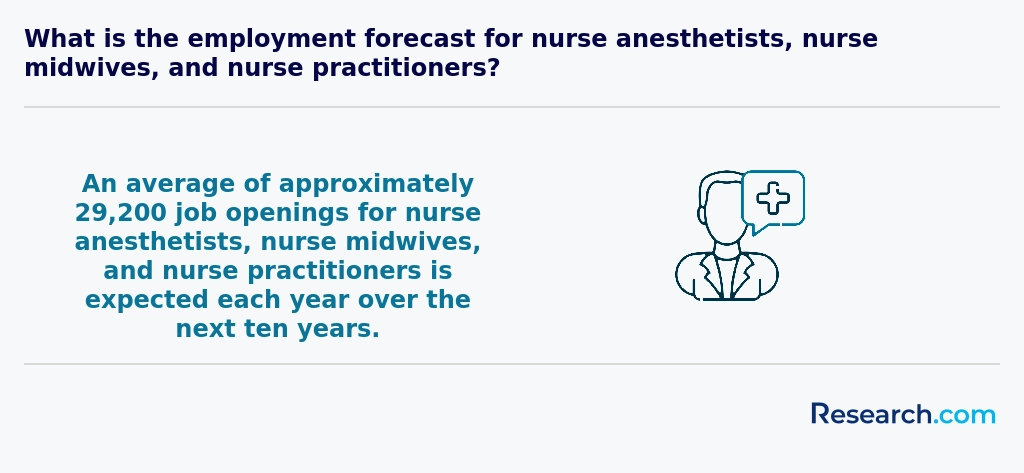
Data from the Bureau of Labor Statistics (BLS) indicates that nurse practitioners-the role often requiring a DNP-will see a job growth rate of 28% nationally by 2031, with Northeastern states like Massachusetts and New York projecting higher-than-average demand. This growth enhances mobility both within and across states, allowing DNP graduates more options for advancement and leadership in diverse healthcare settings.
Studying for a Doctor of Nursing Practice (DNP) degree online in the Northeast equips students with skills essential for interdisciplinary healthcare roles. Programs often emphasize collaboration with professionals from medicine, social work, and public health, reflecting the region's integrated healthcare systems. According to the American Association of Colleges of Nursing (AACN), about 65% of Northeast DNP programs include interdisciplinary coursework and clinical experiences.
This regional focus prepares graduates to lead teams effectively, improving patient outcomes through coordinated care. The Northeast's dense healthcare networks provide diverse practicum sites, enhancing real-world interdisciplinary exposure. Students develop competencies in leadership, health policy, and informatics applicable across healthcare professions, making them valuable in complex care environments.
When choosing between a thesis and a non-thesis DNP program in the Northeast, consider your career goals carefully. Thesis programs emphasize original research, preparing students for academic or research positions. Students complete a scholarly project, which may take more time but builds strong analytical skills. Non-thesis programs focus on clinical practice and leadership, ideal for nurses seeking to advance in healthcare management or direct patient care.
Many accredited Northeast DNP programs, such as those at Boston College and the University of Pennsylvania, offer both options. According to the American Association of Colleges of Nursing, 65% of DNP students in this region choose non-thesis pathways, reflecting the practical application focus.
Evaluate your interest in research intensity and the type of role you want post-graduation to guide your choice.
Students based in the Northeast interested in pursuing a Doctor of Nursing Practice (DNP) degree abroad have limited but notable options. Most U.S. students prefer accredited programs within the United States; however, some institutions in Canada and the United Kingdom offer programs that may accept international applicants. These options often require verification of prior coursework and licensure equivalencies.
Online DNP programs designed for U.S. residents typically do not include study abroad components, as clinical practice hours and state licensing requirements complicate international placements. According to the American Association of Colleges of Nursing (AACN), 85% of Northeast DNP programs are exclusively domestic and online.
For specific study abroad experiences, students might explore short-term clinical exchanges or electives through partnerships between Northeast universities and foreign schools, but full degree completion abroad is uncommon.
Part-time job opportunities that complement an online DNP degree in the Northeast often include roles such as nurse practitioner, clinical instructor, or healthcare consultant. These positions provide practical experience that enhances the advanced skills learned during the program. According to the U.S. Bureau of Labor Statistics, the Northeast region reports a particularly high demand for nurse practitioners, with employment projected to grow by 32% from 2021 to 2031.
Many DNP students find part-time work in hospital outpatient centers or community health organizations. Teaching part-time at nursing schools is another option, especially in states like New York and Massachusetts, where nurse educator shortages are common.
Online DNP students in the Northeast benefit from numerous networking opportunities that connect them with professionals and peers. Many universities host virtual events, webinars, and discussion forums specifically for their DNP cohorts. According to the American Association of Colleges of Nursing (AACN), over 70% of nursing programs in the region encourage online students to participate in local clinical settings or professional conferences to foster connections.
Professional nursing organizations like the Massachusetts Nurses Association and the New York State Nurses Association offer memberships that provide access to regional workshops and networking events. These platforms help students build relationships that are vital for mentorship and career advancement.
Alumni networks provide significant support for online DNP degree students in the Northeast by connecting them with experienced professionals across the region. These networks offer mentorship opportunities, which can be crucial for career development and navigating complex healthcare systems.
Research from the American Association of Colleges of Nursing (AACN) highlights that strong alumni connections increase job placement rates by up to 20% in nursing fields. In the Northeast, where healthcare systems are densely clustered, these networks facilitate local job referrals and continuing education resources.
Furthermore, alumni groups often host webinars, workshops, and networking events tailored to DNP students, enhancing professional growth beyond academic settings.
Many online DNP programs in the Northeast offer customizable tracks allowing students to align their studies with specific career goals. Common specializations include nurse practitioner, nurse educator, and healthcare leadership. By selecting these tracks, candidates can focus on advanced clinical practice or administrative skills tailored to their ambitions.
Additionally, several programs provide flexible clinical placement options in local healthcare settings, helping students gain relevant experience within their community. Accreditation by organizations like the CCNE ensures programs meet high standards, which is vital for licensure and employment.
Data from the American Association of Colleges of Nursing highlights that Northeast programs often emphasize evidence-based practice and leadership development, essential for nurses seeking executive roles.
Online DNP students in the Northeast often face several distinct challenges. Access to clinical placement sites remains one of the biggest hurdles due to high competition and regional healthcare system constraints. According to the American Association of Colleges of Nursing, nearly 60% of nursing students nationally report difficulty securing clinical hours, a figure often higher in densely populated Northeastern states.
Technology access and reliability can also be an issue, particularly for students balancing work and study at home. Some programs demand advanced simulation software, which may require high-speed internet and capable devices.
Additionally, students may experience feelings of isolation due to limited face-to-face interaction, which can impact motivation and networking opportunities essential for career growth.
An online Doctor of Nursing Practice (DNP) degree prepares graduates for advanced clinical roles and leadership positions in healthcare. In the Northeast, many DNP graduates pursue professional certifications to enhance their credentials and expand career opportunities. Common certifications include the American Nurses Credentialing Center (ANCC) certifications for Nurse Practitioners (NPs) in specialties such as family, pediatric, or psychiatric-mental health nursing.
Additionally, DNP graduates often seek certification as Clinical Nurse Specialists (CNS) or Nurse Executives, which align with leadership roles. According to the American Association of Colleges of Nursing (AACN), over 60% of Northeastern DNP students aim for at least one national certification to improve employability and meet regional healthcare demands.
Certifications from bodies like the Pediatric Nursing Certification Board (PNCB) or the National Certification Corporation (NCC) are also popular, particularly for specialized practice areas.
Writing a winning application for an online DNP program in the Northeast requires clarity, focus, and evidence of professional readiness. Applicants should clearly articulate their career goals and explain how the program aligns with their aspirations. Admissions committees often look for strong academic records; the average GPA for accepted students in Northeast DNP programs typically hovers around 3.4 to 3.7, according to the American Association of Colleges of Nursing.
Highlighting relevant clinical experience is key, as programs emphasize hands-on expertise. Strong letters of recommendation from supervisors or faculty enhance credibility.
Applicants must also submit a compelling personal statement that reflects leadership skills and a commitment to improving healthcare outcomes.
Lastly, verify and follow all application instructions carefully to avoid common mistakes that could delay review.
The Doctor of Nursing Practice (DNP) degree is highly regarded in the United States, especially in the Northeast, where healthcare systems emphasize advanced clinical leadership and evidence-based practice. Globally, the DNP role is less standardized, but U.S.-trained DNP graduates are increasingly recognized for their expertise in improving patient outcomes and healthcare quality.
According to the American Association of Colleges of Nursing (AACN), the Northeast leads in the number of institutions offering accredited online DNP programs, reflecting strong regional investment in advanced nursing education.
Globally, healthcare organizations look to the U.S. DNP model as a benchmark for clinical excellence, providing graduates with opportunities in international healthcare consulting and education.
Understanding these perspectives helps Northeast students gauge the growing value and mobility of a DNP career worldwide.
Gaining practical experience while studying for an online DNP degree in the Northeast typically involves completing clinical hours at healthcare facilities near your residence. Most accredited programs require between 1,000 and 1,200 clinical practice hours, which can be arranged through partnerships with local hospitals, clinics, or health systems.
Students often work directly with healthcare providers to apply advanced nursing skills in real-world settings. Schools may assist in placing students in sites based on their location and specialization, such as primary care or acute care.
According to the American Association of Colleges of Nursing (AACN), nearly 85% of online DNP programs in the Northeast have established clinical affiliations locally, making it feasible for students to meet requirements without relocating.
Online learners should proactively communicate with program coordinators to identify suitable clinical sites and preceptors early in their studies.
Choosing the right concentration within an online DNP degree program in the Northeast involves aligning your career goals with regional healthcare demands. Common concentrations include family nurse practitioner, psychiatric-mental health, and nurse executive leadership. According to the American Association of Colleges of Nursing (2023), family nurse practitioner roles are in high demand across Northeastern states due to primary care shortages.
Consider your current experience and future aspirations. For example, leadership tracks prepare nurses for administrative roles, while clinical focuses provide advanced patient care skills. Also, review program accreditation and faculty expertise to ensure quality education.
Financial and clinical placement support are critical, especially given the competitive Northeast healthcare market. Consulting state nursing boards for scope-of-practice regulations can further guide your decision.
Top Trending DNP Rankings
References
- Top Online DNP-Nurse Practitioner Programs (2026-2027) https://www.npschools.com/rankings/all-online-dnp-np-programs
- Online DNP Degree | Doctor of Nursing Practice https://online.carlow.edu/programs/doctorate-nursing-practice/
- Doctor of Nursing Practice Programs-Student Insights ... https://npwomenshealthcare.com/aha-moments-student-insights-regarding-a-new-dnp-program-vol2-no1/
- 2026 Most Affordable Online DNP Programs https://www.onlineu.com/most-affordable-colleges/dnp-degrees
- Nursing Practice Doctorate (DNP) Degree Online https://www.baypath.edu/academics/graduate-programs/nursing-practice-doctorate-dnp/
- What Can You Do With a DNP Degree? https://www.phoenix.edu/articles/nursing/what-can-you-do-with-a-dnp-degree.html
- Online DNP Program—Doctor of Nursing Practice Degree https://www.chamberlain.edu/academics/nursing-school/doctor-of-nursing-practice
- Career Paths for Nurses With a DNP https://www.allnursingschools.com/dnp/career-paths/
- What Does It Cost to Earn a DNP (Doctor of Nursing Practice)? https://www.doctorofnursingpracticednp.org/what-does-it-cost-to-earn-a-dnp-doctor-of-nursing-practice/
- Doctor of Nursing Practice (DNP) Degree Programs Online https://nursinglicensemap.com/nursing-degrees/dnp-degree-programs/


