
2027 Best Data Science Degree Programs Ranking in the South

Co-Founder and Chief Data Scientist
Choosing the right data science degree program can feel overwhelming, especially with so many options available in the South. This article introduces the 2027 Best Data Science Degree Programs Ranking in the South, carefully developed by the Research.com team of data scientists to guide you through your decision.
By exploring this ranking, you'll discover programs that offer quality education and valuable career opportunities.
Pursuing a data science degree can open doors to exciting job prospects and personal growth. Let this guide support your journey toward a rewarding future.
Key benefits of getting data science degree in the South
- Data science graduates in the South can enjoy strong salaries, with roles like Data Consultant earning about $119,040 annually and Marketing Analysts making around $83,190.
- Career paths are diverse, from becoming a Database Administrator to a Data Visualization Specialist, allowing flexibility to pursue what excites you most in the fast-growing data field.
- Online data science degrees offer great convenience and accessibility, letting you learn at your own pace from respected Southern universities while balancing work and life commitments.
- 2027 Best Data Science Degree Programs Ranking in the South
- What can I expect from data science degree in the South?
- Where can I work with data science degree in the South?
What can I expect from data science degree in the South?
Many students pursuing data science degrees in the South often ask about the cost-and the answer challenges common assumptions. While tuition varies, the average expense for these programs at universities like Duke, the University of North Carolina at Chapel Hill, and Georgia Tech typically ranges from $25,000 to $50,000 per year for in-state students. Graduates often reflect on the investment as a doorway to transformative opportunities, not just a price tag. One graduate from Georgia Tech recalled how the hands-on projects and network connections created immense value that far exceeded the tuition fees, sparking excitement about future careers.
Out-of-state tuition can climb higher, but many Southern institutions offer scholarships and assistantships that help ease financial burdens. This dynamic often surprises students, who find that combining cost management with the region's booming tech job market creates a compelling, practical path forward. Students experience early internships in Atlanta or Raleigh that validate the degree's worth well before graduation.
The financial commitment intertwines with rigorous academics and real-world opportunities, making the cost an integral part of a powerful, career-shaping journey rather than just an expense.
Where can I work with data science degree in the South?
Graduates from data science programs at institutions like the University of North Carolina and Georgia Tech often find themselves immersed in the South's booming tech scenes, such as Atlanta and Raleigh. These cities don't just offer jobs; they offer dynamic environments where cutting-edge projects in cloud computing and AI become daily realities. Imagine collaborating with teams developing machine learning models that influence millions of users-this is the kind of impact graduates can anticipate.
In healthcare hubs across Texas and Florida, data science graduates contribute to life-changing analytics. They work on predictive models that help hospitals allocate resources efficiently or identify at-risk patients early, blending data skills with a profound sense of purpose. This practical experience resonates with graduates who want more than just a job-they want to drive meaningful change through their work.
Financial centers like Charlotte provide fertile ground for graduates to apply data science in risk management and fraud detection. Here, the fast pace and strategic challenges keep professionals engaged and constantly learning. Data science students from Southern universities often highlight the excitement of transforming abstract data into actionable insights that shape major financial decisions.
Moreover, many Southern graduates find fulfilling careers in government agencies where they contribute to data-driven policymaking and infrastructure planning. These roles challenge conventional expectations by demonstrating how data science can enhance public services, proving the field's reach extends beyond private enterprise into shaping society at large.
Graduates from Southern universities like Georgia Tech or the University of Texas often find their data science degree translates into solid financial rewards. While entry-level positions might start around $70,000 to $85,000, tapping into specialized roles like data consulting can quickly push earnings above the regional average.
Data consultants in the South report mean annual wages near $119,040, reflecting the premium placed on advanced analytical skills. Similarly, database administrators earn approximately $104,810 per year, showcasing how expertise in managing data infrastructure commands healthy salaries even outside traditional tech hubs.
A graduate working as a marketing analyst can expect mean salaries around $83,190, blending data insights with business strategy. Meanwhile, roles like data visualization specialists earn nearly $64,700, perfect for those passionate about turning complex numbers into compelling stories.
One recent graduate shared how landing a data analyst role with a $66,670 average salary in a Southern metro balanced well against the region's lower living costs, allowing increased savings and lifestyle freedom. These numbers remind us that a data science degree in the South isn't just about a paycheck-it's about seizing opportunity in a growing market ripe with career potential.
- Undergraduate data science tuition in Southern states like Texas, Florida, and Georgia typically ranges from $8,000 to $15,000 per year for in-state students.
- Master's programs in public universities cost between $15,000 and $30,000 annually, while private schools may charge over $40,000 per year.
- The South's data science job market is growing at a rate of about 20% over the next decade, slightly above the national average.
- Entry-level data scientists earn between $65,000 and $75,000 annually, with experienced professionals making $110,000 or more in major Southern cities.
- Southern universities often provide industry connections and internships, focusing on practical skills like programming, statistics, and machine learning.
Completing a data science degree in the South often defies a simple timeline, even though the general expectation is around four years for a Bachelor's and two years for a Master's degree when studying full-time. Graduates from well-known institutions like the University of North Carolina or Georgia Tech share how their experiences varied; some took advantage of accelerated three-year programs, juggling intense courses to finish earlier, while others found that part-time study better balanced their work and life, stretching their Master's journey to three or four years without losing momentum.
Doctoral candidates face an even broader spectrum, often spending between four to six years, influenced greatly by research demands and funding. Online and hybrid options at Southern universities introduce flexibility but often extend completion times, reflecting real-life pressures and commitments.
Financial realities also shape timelines, as many students adjust their pace to manage tuition costs, sometimes slowing down yet gaining invaluable practical experience along the way. The timeline may seem rigid, but personal circumstances and institutional pathways make each journey unique and rewarding.
- Four years for a Bachelor's degree (full-time)
- Two years for a Master's degree (full-time)
- Three to four years for Master's degree (part-time)
- Four to six years for a Ph.D. program
Choosing between online and on-campus data science degrees in the South often boils down to a trade-off between immersion and flexibility. Graduates from institutions like the University of Texas at Austin praise the immediate access to advanced labs and face-to-face mentoring that on-campus learning provides, fueling deeper collaboration and a palpable sense of community.
Conversely, those enrolled online at universities such as Georgia Tech emphasize autonomy and adaptability. They balance coursework with careers or family life, appreciating the ability to revisit complex machine learning lectures at midnight or during weekends. Yet, they acknowledge the challenge of self-motivation without the daily rhythm of a campus environment.
Financially, on-campus public universities in Texas or Georgia offer lower in-state tuition around $7,000 to $10,000 yearly, making them attractive for residents. Online programs usually run higher, $10,000 to $15,000, but open doors for students in rural areas who can't relocate.
Networking experiences differ too: in-person interactions often translate into real internships and connections, while online students must proactively create virtual communities to bridge the gap.
Southern data science programs distinguish themselves through robust collaborations with industry leaders and research institutions, providing students with hands-on experience and cutting-edge insights. Universities such as the University of North Carolina at Charlotte partner with global tech companies-Amazon Web Services and IBM among them-to offer sponsored capstone projects, hackathons, and co-op placements. These partnerships not only supplement classroom theory but also position students to tackle real-world challenges in big data, machine learning, and AI. Research centers at institutions like Georgia Tech’s Institute for Data Engineering and Science (IDEaS) and Vanderbilt’s Data Science Institute secure federal grants and corporate funding, enabling undergraduates and graduate researchers to contribute to projects ranging from deep learning applications in healthcare to predictive analytics for smart cities. Participation in these initiatives often yields co-authored publications, patents, and presentations at major conferences-critical credentials for aspiring data scientists. Moreover, many Southern programs host annual industry symposia, where students pitch data-driven solutions to panels of corporate partners, forging direct pathways to internships and full-time roles. These events foster professional networking and provide insight into emerging sector needs, from natural language processing in finance to computer vision in agriculture. For students seeking cost-effective alternatives or regional comparisons, our Most Affordable Data Science Degree Programs Ranking in the Northeast offers detailed insights into budget-friendly options beyond the South, ensuring prospective enrollees can balance academic excellence with financial planning.
The average cost of a data science degree in the South challenges many assumptions about affordability in STEM fields. Graduates from prominent Southern universities often share how an in-state data science degree tends to balance quality and cost, with median total expenses around $11,901. This figure reflects tuition, fees, and additional living costs, a total that many find surprisingly reasonable given the robust job prospects after graduation. For out-of-state students, the median total cost rises significantly, near $45,042, reflecting the premium of attending Southern programs as a non-resident yet still often less than private alternatives in other regions.
Consider a graduate from a major Southern public university who describes their journey balancing tuition and living costs while benefiting from in-state tuition rates. They recall how scholarships and assistantships helped offset the harsher realities of additional yearly expenses such as books and housing, closely aligning with the total expenses for data science programs Southern US students typically anticipate. Such narratives reveal the pragmatic decisions behind choosing institutions well-known for data science and engineering to maximize return on investment.
Private schools in the South, with tuition costs potentially exceeding $30,000 annually, often attract students who value smaller class sizes and specialized research opportunities, despite the higher sticker price. Many prospective students carefully evaluate these different financial landscapes by comparing offerings and net costs. Resources like the Most Affordable Data Science Degree Programs Ranking in the Northeast provide useful benchmarks that invite reflection on whether the Southern tuition levels represent a sweet spot in cost versus quality.
Many students pursuing data science degrees in the South discover financial aid that goes beyond the usual assumptions. Graduates from institutions like the University of Texas or Georgia Tech often recall how the Free Application for Federal Student Aid (FAFSA) opened doors to Pell Grants covering up to $7,395 annually, easing the burden of tuition that can climb to $30,000 at public universities for in-state students.
State-specific scholarships become game changers for Southern residents. Imagine a Florida student benefiting from the Bright Futures Scholarship, transforming a daunting tuition bill into an achievable goal by rewarding academic excellence with substantial financial support. Texas students sharing stories of the Texas Educational Opportunity Grant reveal how knowing the right programs exists can turn financial uncertainty into motivation.
Institutional scholarships, especially those targeting STEM and data science fields, often come as unexpected relief. Southern tech hubs such as Raleigh have companies offering tuition reimbursements, reflecting industry efforts to cultivate skilled data scientists close to home. Many graduates express how these opportunities, combined with private scholarships aimed at diversity, make a data science degree feel not just accessible, but truly within reach.
Enrolling in a data science degree in the South demands more than just good grades; it requires a solid foundation in mathematics and programming. Graduates from the University of Texas emphasize how their strong background in algebra, calculus, and statistics was crucial before even stepping into the classroom. Many share that early exposure to programming languages like Python and SQL transformed intimidating concepts into exciting challenges rather than obstacles.
At institutions like Georgia Tech, the need for standardized tests such as the SAT or GRE still plays a role, but many students find their passion and persistence weigh just as heavily in admissions decisions. Stories from recent enrollees reveal how letters of recommendation and personal statements became opportunities to showcase problem-solving skills and genuine enthusiasm for data science's possibilities.
Understanding these prerequisites isn't about ticking boxes; it's about recognizing the blend of analytical thinking and creativity needed to thrive in a field where math meets real-world impact. The path might be demanding, but Southern universities provide a supportive environment that turns preparation into confidence.
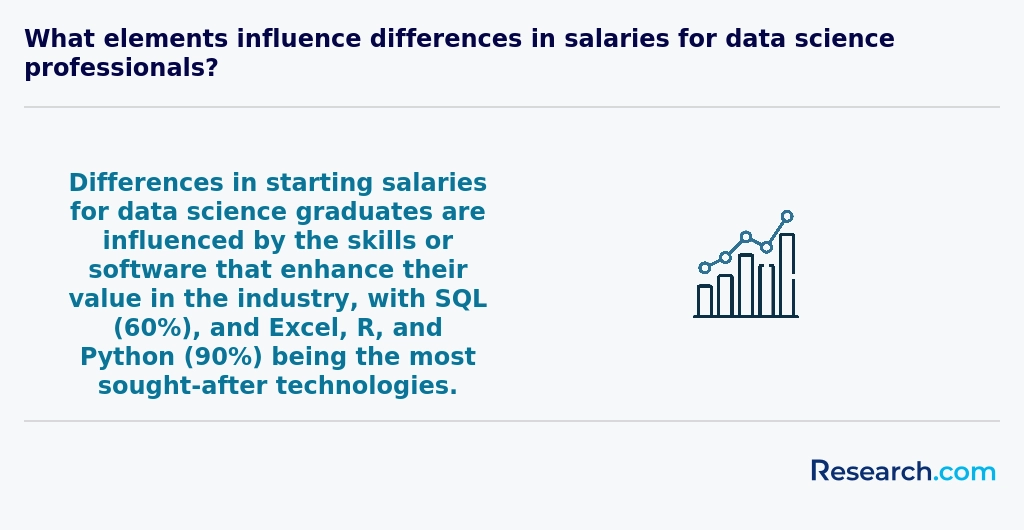
Graduates from data science programs at prominent Southern universities often reflect on the powerful blend of courses that challenge their thinking and sharpen essential skills. Far beyond just coding, their journey begins with foundational classes like Introduction to Data Science, which doesn't just cover theory but invites students to wrestle with ethical dilemmas they will face in healthcare analytics or finance sectors unique to the South.
Consider the rigorous Statistics and Probability courses-these aren't mere number crunching exercises but the backbone for interpreting real-world data trends critical to regional industries. Programming classes focusing on Python or R quickly move from tutorials to hands-on data wrangling, preparing students for roles where precision and creativity intersect.
Departments at universities like those in Texas and Georgia infuse their curriculum with advanced electives-Natural Language Processing or Big Data Technologies-that empower students to tackle cutting-edge problems seen in Southern tech hubs. Graduates describe their experience in Data Visualization classes as eye-opening; suddenly, mountains of data transform into compelling stories that inform decisions in ways textbooks can't teach.
Data science specializations in the South push beyond traditional tech roles, immersing students in dynamic fields like machine learning and artificial intelligence, where graduates from universities in Atlanta or Austin often recall how coding algorithms felt like sculpting the future. These tracks offer more than just technical know-how-they cultivate an ability to solve complex problems impacting healthcare, finance, and manufacturing hubs that define the region's economy. Another compelling path is big data analytics, favored in booming Southern tech cities; graduates describe handling massive datasets with tools like Hadoop as unlocking hidden stories behind business growth.
Business analytics stands out as a pragmatic specialization, blending data science with real-world decision-making. Students engaged in these programs often feel empowered by how their insights directly influence Southern businesses, a sentiment echoed by many attending colleges known for focusing on the best data science degree tracks Southern US offers. For those drawn to medicine, health informatics and biostatistics illuminate pathways to improving healthcare outcomes, with learners frequently motivated by the tangible impact of their analyses on regional hospitals.
Finally, the options extend to niche areas like computer vision and natural language processing. These emerging specialties prepare graduates for futuristic roles interpreting visual and language data, perfectly aligned with tech-forward job markets in the South. For working adults seeking flexibility, many discover advantages in programs such as the accelerated online degree for working adults, balancing life while building skills that open doors across Southern industries.
Choosing the best data science degree programs in the South means looking beyond rankings and flashy brochures. Graduates from well-known Southern universities often highlight how curriculum relevance-courses covering Python, R, SQL, and cloud computing-made the difference between theory and real-world impact. It's not just about what you learn, but how those skills translate into internships or industry partnerships nearby.
Affordability plays a nuanced role, especially when considering affordable data science degrees Southern US students can access without sacrificing quality. Many recall balancing work and study through flexible part-time or online options, appreciating how this adaptability allowed them to maintain their careers while advancing their education without overwhelming debt.
Look closely at career services and alumni networks too-some graduates share how engaging with active career centers and data science clubs opened doors to high-paying jobs sooner than expected. For students on a tighter timeframe, exploring short courses that pay well can also supplement degree learning and boost employability.
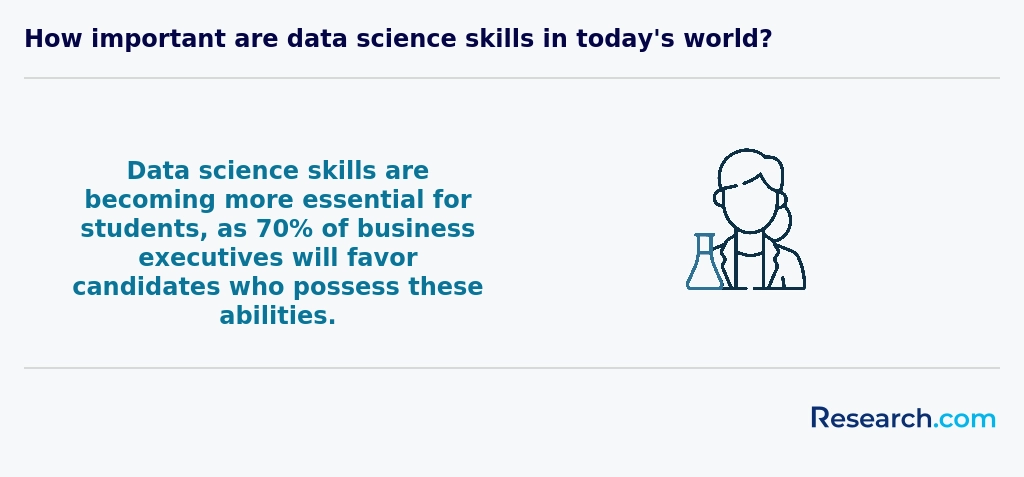
Graduates holding a data science degree in the South discover a spectrum of career paths that transcend traditional boundaries, especially given the region's booming tech ecosystems in cities like Atlanta and Austin. Many find themselves thriving as data analysts, translating complex datasets into actionable insights in industries ranging from healthcare to manufacturing. Others pursue roles as data scientists or machine learning engineers, where graduates from leading Southern universities leverage their skills to build predictive models that power innovations. These real-world applications challenge assumptions about what a data science degree offers and underscore the demand for jobs with a data science degree in Southern states.
Successful graduates often describe their experience in Southern colleges not only as academically rigorous but also rich with practical opportunities-connecting them to local startups or multinational corporations invested in data-driven solutions. Beyond standard roles, fields like AI ethics and healthcare analytics beckon those willing to apply analytical skills to multidisciplinary challenges. For those concerned about cost, exploring affordable online associate degrees programs can provide a strategic stepping stone into this vibrant job market.
The data science job market in the South offers a compelling mix of opportunity and growth, challenging the notion that only coastal tech hubs dominate this field. Graduates from well-known Southern universities often find themselves stepping into dynamic roles in cities like Atlanta and Dallas, where industries hungry for data insights fuel an expanding demand. With starting salaries ranging from $70,000 to $90,000, entry-level positions offer not just financial stability but a chance to influence sectors such as healthcare analytics and finance.
Many graduates recall how their education at popular Southern institutions provided practical skills aligned with the real-world challenges they now tackle daily. The South region data science career outlook reflects robust growth, supported by thriving startups and established companies eager to leverage big data analytics. Students considering a data science degree might also explore the best ranked online colleges to balance flexibility and quality education, making this field more accessible while still positioned for lucrative career paths.
2027 Best Data Science Degree Programs Ranking in the South
Investing in your education is a significant decision that can shape your future, and the Research.com team is dedicated to helping you make well-informed choices. To support prospective students interested in data science, we have carefully developed the "2027 Best Data Science Degree Programs Ranking in the South." Our commitment to quality, credibility, and accuracy is demonstrated through rigorous research and analysis.
We utilized the following reputable data sources to provide a comprehensive evaluation of data science programs:
By exploring this ranking, readers will gain valuable insights into top data science programs in the South, empowering them to make confident and informed educational decisions. For more details on our methodology, please visit our Research.com methodology page.


# 5 position
Virginia Polytechnic Institute and State University
Bachelor of Science in Data Science


Frequently Asked Questions About data science
Data science degree students in the South can maximize their learning by engaging with local industry and research opportunities. Many Southern universities offer partnerships with tech companies and healthcare organizations, which allow students to work on real datasets. For example, the Atlanta metro area hosts a growing tech hub with increasing demand for data scientists, according to the U.S. Bureau of Labor Statistics.
Students should also participate in internships, as internships in the South have risen 12% over the past five years, providing valuable practical experience. Furthermore, joining data science clubs or regional meetups helps build networks and skills.
Taking advantage of online resources to supplement coursework is crucial. Platforms like Coursera and edX, sometimes integrated within Southern universities, provide access to cutting-edge tools and techniques.
Finally, seeking mentorship from faculty with research grants funded by agencies such as the NSF enhances learning by exposing students to innovative projects and resources.
The data science field is rapidly evolving, with several emerging niches attracting attention in the Southern United States. One fast-growing area is healthcare data analytics, driven by the region's expanding medical research centers and hospitals.
Another notable niche is agricultural data science, where universities in the South apply data techniques to improve crop yields and sustainable farming practices.
Financial technology (fintech) analytics is also gaining momentum, especially in cities like Atlanta, a major financial hub in the South.
These specialties reflect the South's economic strengths and offer promising career paths for data science graduates. According to the Bureau of Labor Statistics, data scientist jobs in these sectors grew by 15% from 2019 to 2023.
Preparing for the job market after earning a data science degree in the South requires a strategic approach. Graduates should focus on building practical skills through internships and cooperative education programs, which are widely offered by southern universities. According to the Bureau of Labor Statistics, data science roles in southern states like Texas and Georgia are growing faster than the national average, making regional experience valuable.
Networking is essential; attending local industry meetups and conferences helps graduates connect with employers. Additionally, students should develop proficiency in programming languages such as Python and R, and gain experience with big data tools like Hadoop. Certifications from recognized bodies can also enhance resumes.
Staying informed about trends in healthcare, energy, and finance sectors-prominent industries in the South-is beneficial for targeting job applications effectively.
Employers in the South prioritize a blend of technical and analytical skills in data science graduates. Proficiency in programming languages such as Python and R remains essential, with 82% of Southern tech firms emphasizing this competence, according to a 2023 report from the Southern Technology Council.
Data management skills, including SQL and database technologies, are also highly valued, as well as the ability to work with big data tools like Hadoop and Spark. Additionally, strong statistical knowledge and experience with machine learning algorithms are crucial for interpreting complex datasets.
Communication skills are increasingly important for explaining findings clearly to non-technical stakeholders, especially in sectors like healthcare and finance prevalent in the Southern economy.
Finding internships in the South relevant to a data science degree involves targeted strategies. Start by exploring internship opportunities at regional tech hubs such as Atlanta, Dallas, and Raleigh, where companies increasingly seek data science talent. The U.S. Bureau of Labor Statistics highlights that data science roles are growing rapidly in these areas.
Additionally, leverage university career centers at Southern institutions; many maintain partnerships with local businesses offering internships. Online platforms like Handshake and LinkedIn also list region-specific openings. Networking through local data science meetups or professional organizations such as the Southeast Data Science Association can provide valuable connections.
Remember to focus on companies within finance, healthcare, and telecommunications sectors, which actively hire Southern data science interns. According to the National Association of Colleges and Employers, 60% of internships in these industries convert into employment, making them strategic targets for students in the South.
A data science degree significantly enhances career mobility and advancement opportunities for professionals in the South. According to the Bureau of Labor Statistics, demand for data scientists in Southern states like Texas, Georgia, and North Carolina is growing faster than the national average, driven by industries such as healthcare, finance, and technology.
Graduates with this degree often access higher-paying roles; for example, the average salary for data scientists in the South ranges between $85,000 and $120,000 annually, depending on the state and experience level (Glassdoor, 2023). Employers value the specialized skills gained through degree programs, including data analysis, machine learning, and programming.
Moreover, Southern universities increasingly collaborate with local industries, facilitating internships and networking essential for career growth. These partnerships help graduates transition into leadership positions more rapidly compared to peers without formal data science education.
Studying for a data science degree in the South equips students with skills necessary for interdisciplinary roles by blending technical training with domain-specific knowledge. Many Southern universities emphasize collaboration between computer science, statistics, business, and healthcare departments, reflecting regional industry needs.
For example, programs often include courses in bioinformatics and finance analytics, preparing graduates to work across diverse sectors. According to the Southern Regional Education Board, data science graduates in this region have increasingly found roles merging technology and applied sciences.
This interdisciplinary approach helps students develop problem-solving skills and adaptability, crucial for careers spanning artificial intelligence, healthcare, and marketing analytics, aligning with the South's growing tech and biotech industries.
Choosing between a thesis and a non-thesis data science degree in the South depends largely on your career goals and learning preferences. Thesis programs typically require original research and a formal thesis paper, appealing to those interested in research roles or continuing to a PhD. Non-thesis options often emphasize practical skills through coursework and projects, suited for professionals aiming for industry roles.
Southern universities like the University of North Carolina and Georgia Tech offer both formats, allowing flexibility. According to the Southern Regional Education Board, non-thesis programs have grown by 20% in enrollment over the past five years, reflecting industry demand for applied skills.
Consider program duration: thesis degrees may take longer due to research requirements. Assess your time, resources, and long-term plans carefully.
Students based in the South seeking to study data science abroad have several pathways to consider. Many universities in the Southern U.S. offer study-abroad partnerships with international institutions renowned for data science. These programs typically allow participants to earn credits toward their degree while gaining global experience.
Popular destinations include Europe and Asia, where data science programs integrate emerging technologies and practical applications. For example, the University of Florida reports that about 15% of its data science undergraduates participate in international study programs each year.
Additionally, some Southern universities provide dual-degree options with foreign schools, enabling students to graduate with credentials from both institutions. Scholarship opportunities and federal financial aid often support these international studies, making them accessible to a broader range of students.
Part-time job opportunities in the South that complement a data science degree often focus on roles requiring strong analytical and technical skills. Common options include data analyst internships, research assistant positions at universities, and remote freelance projects involving data cleaning or visualization. These roles provide practical experience working with real datasets and software like Python, R, or SQL.
According to the Bureau of Labor Statistics, metropolitan areas such as Atlanta, Charlotte, and Dallas offer growing demand for data-related jobs, making them ideal locations for students to gain relevant work experience. Universities often partner with local companies to provide part-time research or data support roles.
Engaging in these jobs helps students build both technical proficiency and industry connections, enhancing career prospects upon degree completion.
Data science students in the South benefit from a variety of networking opportunities through university-sponsored events, local meetups, and regional conferences. Many Southern universities partner with tech hubs and industry leaders, fostering connections through internships and collaborative projects.
Organizations such as Data Science Central and local chapters of the Association for Computing Machinery (ACM) often host workshops and networking sessions tailored to students. According to the Bureau of Labor Statistics, Southern metropolitan areas like Atlanta and Austin are growing data science employment hubs, increasing local professional engagement.
Students can also engage with alumni networks, which are active in mentoring and job placement. Universities frequently facilitate career fairs focused on data analytics roles, providing direct access to recruiters from top Southern companies.
Alumni networks play a vital role in supporting data science degree students in the South by providing valuable connections within the regional job market. Schools in states like Texas, Georgia, and North Carolina often have strong local industry ties, which help graduates access internships and job opportunities.
According to the Southern Regional Education Board, over 70% of students find employment in the South within six months of graduation, largely due to alumni referrals. These networks also facilitate mentorship programs, offering insights into industry trends and career paths specific to data science.
Furthermore, alumni events and online platforms create spaces for collaboration, enabling students to build professional relationships early. This support system helps students navigate the competitive tech landscape in southern metropolitan areas such as Atlanta and Dallas.
Customizing a data science degree in the South allows students to align their education with specific career goals. Many universities offer flexible curricula where students can choose electives in areas like machine learning, big data analytics, or business intelligence. For example, programs in Georgia and Texas often provide specialized tracks tailored to industries such as healthcare, finance, or technology.
Internships and research projects with local companies are common, providing practical experience and regional networking opportunities. According to the National Center for Education Statistics, Southern institutions award over 30% of data science-related degrees annually in the US, reflecting regional demand and resources.
Participation in capstone projects or collaboration with faculty on funded research can enhance skills relevant to desired roles, increasing employability in the Southern job market.
Data science students in the South often face challenges related to limited access to cutting-edge resources compared to more established tech hubs. According to the National Center for Education Statistics, Southern universities generally have lower research funding per student, which can affect the availability of advanced labs and software.
Many students also encounter difficulty finding internships locally. Tech industries are less concentrated in Southern states, making hands-on experience harder to secure. This limits opportunities to apply classroom knowledge in real-world settings.
Additionally, a 2023 report from the Southern Regional Education Board highlights that underrepresented minorities in the South may experience higher barriers in STEM programs, including data science, due to fewer mentorship programs and networking events.
With a data science degree, you can pursue several professional certifications to enhance your career prospects. Popular options include the Certified Analytics Professional (CAP), which validates your ability to draw insights from data. This certification is widely recognized across industries in the U.S., including the South.
Another valuable credential is the Microsoft Certified: Azure Data Scientist Associate, reflecting skills in cloud-based data science, a growing area in southern tech hubs like Atlanta and Austin.
Many graduates also pursue the Google Professional Data Engineer certification, which equips professionals with advanced data processing and machine learning expertise.
According to the Bureau of Labor Statistics, data science jobs in southern states are projected to grow by 28% through 2030, making these certifications increasingly relevant.
To write a winning application for a data science program in the South, start by highlighting your quantitative skills and experience with programming languages like Python or R. Southern universities often look for strong foundations in math and statistics. Including relevant internships or projects can significantly strengthen your profile. According to the Southern Regional Education Board, data science programs in states like Georgia and North Carolina have grown over 20% in enrollment, making competition tougher.
Emphasize your motivation for studying in the South by mentioning regional industries such as healthcare, finance, or technology hubs like Atlanta. Clear, concise personal statements that connect your goals to local opportunities can stand out to admissions teams.
Data science careers are increasingly valued worldwide, with a strong emphasis on skills like programming, statistics, and machine learning. In the US, especially in the South, universities have expanded data science programs to meet growing industry demand. According to the Bureau of Labor Statistics, employment for data scientists is projected to grow 36% from 2021 to 2031, much faster than the average for all occupations.
Globally, data science is a critical skill, and many Southern institutions partner with international companies, offering students exposure to diverse data challenges. This global relevance ensures graduates remain competitive both locally and internationally.
Industry reports from the Southern Regional Education Board highlight that Southern states are investing in STEM education, helping students tap into global job markets with skills that are in high demand.
Gaining practical experience while studying for a data science degree in the South is essential to enhance skills and employability. Many Southern universities offer internship programs in collaboration with local tech companies, providing real-world exposure. For example, schools in Texas and Georgia often connect students with internships through their career centers or industry partnerships.
Participating in research projects is another valuable option. According to the National Science Foundation, Southern institutions have seen a rise in data science-related research funding, especially in areas like healthcare and agriculture.
Joining student-led data science clubs and competitions also offers hands-on experience with datasets and tools commonly used in the industry.
Choosing the right concentration within a data science degree program in the South starts with understanding your career goals and local job market demands. Southeast states like Texas, Georgia, and North Carolina have growing tech hubs, where concentrations in machine learning, artificial intelligence, or business analytics offer strong opportunities. According to the U.S. Bureau of Labor Statistics, employment for data scientists in these states is projected to grow faster than the national average through 2030.
Look for programs offering practical experience and industry partnerships tailored to Southern economies, such as healthcare or energy. Reviewing faculty expertise and alumni outcomes can also guide your choice. For example, Georgia Tech emphasizes applied analytics, while Texas A&M highlights computational methods.
See What Experts Have To Say About Studying Data Science
Read our interview with Data Science experts

- Data Science Challenges: The Guide to Overcoming from DATAFOREST https://dataforest.ai/blog/overcoming-data-science-challenges
- How Much is the Data Science Course Fee in South Africa? https://datamites.com/blog/how-much-is-the-data-science-course-fee-in-south-africa/
- How to Become a Data Scientist in SA (2026) - iFundi https://ifundi.co.za/how-to-become-a-data-scientist-in-sa-2026/
- Best 7 Countries to Study Data Science & Analytics Abroad in 2026 https://www.studies-overseas.com/blogs/best-countries-to-study-data-science-and-analytics-abroad
- Data Science Connects Events Calendar https://www.datascienceconnects.com/DataScience/DataScience/Events/Events-calendar.aspx
- Data Science https://www.wits.ac.za/course-finder/postgraduate/science/msc-data-science/
- Networking Tips for Early Career Professionals in AI & Data Science - EU Data Jobs https://eudatajobs.com/blog/networking-tips-for-early-career-2024/
- Data Science Courses South Africa | Data Scientist | School of IT https://www.schoolofit.co.za/data-science-courses-south-africa/
- Data Scientist Jobs in Poland | Hays Technology https://www.hays.pl/en/web/hays-pl-technology/data-science-jobs
- Data Science Cover Letter Dos and Don’ts (2025) – 365 Data Science https://365datascience.com/career-advice/job-interview-tips/data-science-cover-letter-dos/


