2027 Most Affordable Cyber Security Degree Programs Ranking in Florida

Co-Founder and Chief Data Scientist
Choosing the right cyber security degree program can feel overwhelming, especially with so many options available in Florida. This article presents the 2027 Most Affordable Cyber Security Degree Programs Ranking in Florida, created by the Research.com team of data scientists to guide you toward the best choices.
By exploring this ranking, you'll discover quality programs that balance affordability and strong educational value. Earning a degree in cyber security opens doors to a rewarding and in-demand career. Dive in to find a program that fits your goals and start building your future with confidence.
Key benefits of getting cyber security degree in Florida
- Salary for graduates: Cyber security degree holders often earn competitive salaries, with roles like Network Security Engineer and Security Analyst averaging around $124,740 annually in Florida, making the investment rewarding.
- Career paths: Graduates from Florida universities can pursue diverse roles such as Incident Management Analyst or Information Security Specialist, gaining valuable skills that open doors in both public and private sectors.
- Online degree benefits: Earning a cyber security degree online from a Florida institution offers flexibility and convenience, allowing students to balance work and study while gaining the same valuable knowledge as traditional programs.
- 2027 Most Affordable Cyber Security Degree Programs Ranking in Florida
- What can I expect from cyber security degree in Florida?
- Where can I work with cyber security degree in Florida?
What can I expect from cyber security degree in Florida?
The average cost of pursuing a cyber security degree in Florida varies widely, depending on the institution and degree level. Graduates from public universities like the University of Central Florida often share how in-state tuition can range from around $6,000 to $12,000 per year, making it a manageable adventure for those eager to dive into cybersecurity. Meanwhile, community colleges offering associate degrees present even more budget-friendly pathways, sometimes costing less than $5,000 annually. Private institutions tend to run higher, but many students find the investment worthwhile given the hands-on experiences and certifications included.
Picture yourself at Florida State University, navigating live network security simulations or ethical hacking labs with classmates who cheer on every breakthrough. Many graduates describe the thrill of combining theory with real-world practice, preparing them for roles where they'll protect communities and businesses across Miami or Orlando. The blend of affordable tuition and dynamic learning makes studying cyber security in Florida both an exciting and financially accessible journey for students ready to explore this fast-growing field.
Where can I work with cyber security degree in Florida?
Graduates from top Florida institutions, like the University of Central Florida or Florida International University, find themselves stepping into thrilling roles where their cyber security degree truly comes alive. Imagine protecting sensitive data at a bustling Miami bank or developing security protocols for tech startups booming in Orlando's innovation hubs.
Many graduates dive into government roles, securing digital frontiers for federal agencies or local administrations in Tallahassee. The adrenaline rush of defending national security at military bases near Pensacola is a reality for some adventurous students.
Others navigate the private sector's fast-paced environments, working as ethical hackers or incident responders in healthcare and finance companies scattered across Tampa and Jacksonville. The excitement comes from constantly learning, adapting, and outsmarting cyber threats at every turn.
Students relish collaborative projects and internships during their studies that spark this passion-like consulting firms partnering with Florida's universities to simulate real-world cyber attacks, preparing graduates for their first impactful career days.
Graduates from cyber security programs at schools like the University of Florida or Florida Atlantic University often find themselves stepping into roles such as Security Analyst or Information Security Specialist, where the mean annual wage can reach around $124,740 nationally. In Florida, while salaries for these positions may be a bit lower than the national average, the expanding tech hubs in Miami and Tampa push numbers to exciting levels-often ranging between $80,000 and $95,000.
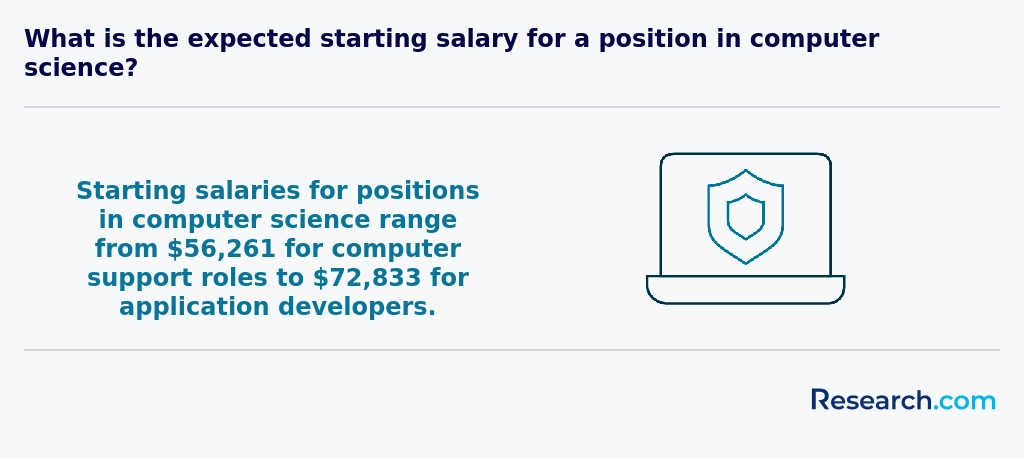
Imagine landing your first job post-graduation, starting around $60,000 to $70,000, and watching that number climb as you gain hands-on experience or earn certifications like CISSP. Some graduates vividly describe the thrill of securing their first six-figure offer after just a few years of focused work. Roles such as Network Security Engineer or Incident Management Analyst, with mean wages of $124,740, beckon with their blend of challenge and reward.
The path isn't only about the paycheck; it's an adventurous career where each day brings fresh puzzles. For many Florida grads, working in leadership roles leads to salaries soaring between $110,000 and $150,000, making the pursuit not just financially smart but deeply fulfilling.
- Annual tuition for in-state students at Florida public universities ranges from $6,000 to $8,000, while private institutions usually charge over $20,000 per year.
- Entry-level cyber security jobs in Florida pay about $60,000 annually, with mid-career salaries averaging $90,000 and senior roles exceeding $110,000.
- Cyber security jobs in Florida are expected to grow by around 31% over the next decade, outpacing the national average for all jobs.
- Many Florida programs align with certifications like CISSP, CEH, and CompTIA Security+, improving job prospects after graduation.
- Several Florida universities are part of the National Center of Academic Excellence in Cyber Defense, reflecting high academic standards and government recognition.
In Florida, diving into a cyber security degree feels like embarking on a thrilling journey through a dynamic landscape. For those starting at a community college, the adventure often lasts about two years full-time, laying down the essential skills to defend digital frontiers. Imagine a graduate from Miami Dade College, who after two years, steps confidently into an entry-level role, excited by their newfound knowledge.
At universities like the University of Central Florida or Florida International University, the bachelor's degree quest takes roughly four years of full-time study-a blend of hands-on labs and real-world challenges. Many students juggling work or family find themselves stretching this to five or six years, a testament to their perseverance and passion. Graduates often reminisce how those years equipped them with a network of mentors and peers ready to tackle cyber threats.
For the truly adventurous ready to master the craft, a master's degree can add one to two years beyond the bachelor's, fine-tuning expertise in cryptography or digital forensics. With options like accelerated or online formats, some Florida students speed through, motivated by career goals and flexible schedules. Each path offers its own exciting timeline for growth!
Pursuing a Cyber Security degree in Florida can be a highly rewarding career move, given the state's growing demand for skilled professionals in this field. With a comprehensive curriculum that covers both theoretical and practical aspects of cyber security, graduates can expect to gain a deep understanding of the subject matter. For those interested in exploring the best options for their educational pursuits, considering factors such as affordability, accreditation, and industry connections is crucial. To find the best cyber security degree in Florida, prospective students should research various programs, taking into account their own career aspirations and the job market's needs. This research can help individuals make informed decisions about their education, ultimately leading to a successful and fulfilling career in cyber security.
Choosing between online and on-campus cyber security degrees in Florida feels like stepping into two distinct worlds of learning adventure. Imagine a graduate from the University of Central Florida enjoying the vibrant campus buzz, late-night study sessions in specialized computer labs, and spontaneous hallway chats with professors-these moments spark quick problem-solving and build deep connections. Meanwhile, a graduate from Florida State University might recount the freedom of balancing a full-time job while pursuing their degree online, diving into virtual labs and engaging in lively forum debates from the comfort of home.
On-campus programs offer hands-on experiences and face-to-face networking, vital in Florida's fast-growing cyber security scene where local internships open doors. Online students, however, relish flexibility and often save money, thanks to fewer fees and no commuting. Both paths prepare students for exciting careers, but your choice hinges on whether you crave immersive, in-person collaboration or the freedom to chart your own learning schedule amidst Florida's sunny backdrop.
Florida’s top cyber security programs distinguish themselves through robust internship offerings and strategic industry partnerships that bridge academic learning with real-world applications. Many universities in the state collaborate with leading organizations-ranging from financial institutions in Miami to defense contractors in Tampa Bay-to provide students with paid and credit-bearing internships. These hands-on experiences allow learners to apply threat analysis, incident response, and vulnerability assessment skills in live environments under the mentorship of seasoned professionals. For example, the University of Central Florida’s partnership with a major healthcare network enables students to rotate through its Security Operations Center, gaining first-hand expertise in monitoring patient-data systems and complying with HIPAA regulations. Similarly, Florida State University teams up with local government agencies to place students in cyber defense roles where they assist in safeguarding critical infrastructure. These collaborations often culminate in capstone projects sponsored by industry partners, ensuring that graduates leave campus with both a polished portfolio and valuable professional references. Beyond Florida, students seeking to compare cost-effective options may also explore our Low Cost Cyber Security Degree Programs Ranking in Indiana, which highlights similar internship-driven models in the Midwest. By leveraging these structured pathways, aspiring cyber security specialists can accelerate their career readiness, expand their professional networks, and secure full-time positions upon graduation.
The average cost of a cyber security degree in Florida can feel like a thrilling puzzle to piece together. On average, in-state students pay around $6,466 total for their degree, a number that reflects the accessible and affordable cyber security degree programs Florida offers. Imagine a graduate from the University of Central Florida who balanced a budget carefully, knowing their tuition would stay within this reasonable range, yet gained exposure to cutting-edge cyber security techniques and vibrant campus life.
Community colleges offer a budget-friendly alternative, often costing even less while still delivering solid associate degrees or certifications. Graduates from these programs frequently share stories of diving into internships quickly, eager to start their careers with minimal student debt. On the other hand, private institutions in Florida tend to ask for upwards of $20,000 annually, but many students find value in smaller class sizes and personalized career services that help them stand out in niche fields.
Considering the broader picture, those navigating the cost landscape also weigh expenses beyond tuition, like certification exams crucial to advancing in the cyber security world. For a clearer view on the best options available, exploring the best cyber security degree in Florida can unlock paths tailored to your ambitions and budget.

Choosing an affordable cyber security program means balancing cost with credible recognition. Look for these key markers of quality to ensure your degree holds weight in the job market:
- Regional accreditation (e.g., SACSCOC) ensures overall academic rigor and credit transferability.
- NSA/DHS National Centers of Academic Excellence (CAE) designation signals alignment with federal standards.
- ABET accreditation or programmatic approval reflects robust technical curriculum and faculty expertise.
- Integration of industry certifications (CompTIA, CISSP prep) into coursework enhances real-world readiness.
For additional online options, see our guide to ai degrees online.
Diving into a cyber security degree in Florida opens doors not just to thrilling tech challenges but also to robust financial aid designed to fuel your journey. Imagine a student at Florida State University who eased their tuition worries thanks to Pell Grants-these federal awards can reach up to $7,395 annually, whispering a promise of reduced financial strain. Beyond federal help, the Florida Bright Futures Scholarship shines brightly, often covering 75% to 100% of tuition costs for hardworking students, transforming dreams into attainable goals at institutions like the University of South Florida.
Graduates frequently share how institutional scholarships tailored to cyber security programs made a tangible difference, bridging gaps that standard aid couldn't fill. Mixed with employer tuition assistance or benefits from programs like the GI Bill, especially for veterans, the financial landscape becomes a toolkit rather than a barrier. Exploring these options early at your chosen Florida college can spark a sense of excitement and confidence, making the path to a secure career feel truly within reach.
As cyber threats evolve in complexity, Florida’s top programs now blend artificial intelligence and machine learning into their curricula to equip graduates with next-generation defense skills. By mastering AI-driven tools, you’ll enhance threat detection, automate incident response, and analyze large datasets more efficiently.
- Leverage predictive analytics to identify vulnerabilities before they’re exploited
- Automate routine security tasks, freeing you to focus on strategic initiatives
- Apply machine learning models for real-time anomaly detection and forensic analysis
To deepen your expertise in AI-powered security solutions, consider complementary ai degrees online that strengthen both theoretical knowledge and hands-on application.
Diving into a cyber security degree in Florida starts with having a solid foundation, like a high school diploma or GED. Imagine a student at the University of Central Florida, excitedly recalling how their early high school math and science classes sparked their curiosity about digital defenses and problem-solving. These subjects aren't just boxes to check-they build the critical thinking needed to unravel complex cyber threats.
Many Florida colleges also look for some computer know-how. Graduates from Florida State University often mention how having taken programming or IT courses before enrolling made the coursework feel like an exciting puzzle rather than a daunting obstacle. SAT or ACT scores might still be requested by some schools, but several institutions have embraced test-optional policies, easing the path for adventurous minds ready to explore cyber security.
For those aiming higher, like entering a master's program at Nova Southeastern University, a bachelor's in a tech-related field opens the door. Professional IT experience can even serve as a unique ticket, proving real-world skills that match academic rigor. This journey is about more than just prerequisites; it's a thrilling entry into a fast-growing world that values your preparation and passion.

Pursuing recognized certifications alongside your degree can significantly boost your employability and expertise in the cybersecurity field. Many graduates leverage these credentials when advancing into roles such as becoming a information security analyst, ensuring they meet both technical and strategic demands. Below are the most impactful certifications and pathways for ongoing professional development: 1. CompTIA Security+ - Entry-level certification covering network security, threats and vulnerabilities, identity management and cryptography. - Ideal for recent graduates looking to validate foundational knowledge before moving into roles like security analyst or junior penetration tester. 2. Certified Ethical Hacker (CEH) - Teaches systematic penetration testing methodologies and tools to identify system weaknesses. - Recognized by employers seeking candidates with hands-on ethical hacking skills. 3. Certified Information Systems Security Professional (CISSP) - Advanced credential focusing on eight domains including risk management, security architecture and asset security. - Recommended for those targeting leadership positions, such as security architect or CISO. 4. GIAC Security Essentials (GSEC) - Emphasizes practical skills in active defense, incident handling and network monitoring. - Great for professionals eager to demonstrate real-world security expertise. 5. Certified Cloud Security Professional (CCSP) - Specialization in cloud infrastructure security, compliance and data protection. - Essential for graduates interested in securing cloud-based systems and services. Continuing Education and Micro-Credentials • Enroll in short courses on platforms like SANS Institute and (ISC)² Academy to stay current with emerging threats and technologies. • Pursue micro-degrees in areas such as threat intelligence, zero-trust architectures or secure DevOps to deepen specialized skills. • Attend industry conferences (e.g., Black Hat, DEF CON) and local meetups to expand your professional network and learn from leading experts. By strategically earning these certifications and engaging in lifelong learning, cybersecurity graduates in Florida can differentiate themselves in a competitive job market, accelerate career progression and maintain cutting-edge expertise in an ever-evolving field.
Diving into a cyber security degree in Florida means immersing yourself in a vibrant mix of courses that spark curiosity and practical know-how. Imagine starting with foundational classes like Introduction to Cyber Security, where you explore the digital battlefield's basics-understanding threats and defenses as if you were already part of the action. At popular schools like the University of Central Florida or Florida International University, graduates recall how Networking and Network Security courses helped them decode complex communication protocols, making sense of invisible data flowing around us.
Feeling that thrill of discovery? Students often describe Operating Systems and Cryptography classes as eye-openers, where understanding encryption feels like holding the keys to digital fortresses. Advanced courses such as Ethical Hacking and Penetration Testing turn theory into hands-on adventure, training you to find flaws before cybercriminals do. Digital Forensics and Incident Response classes put you in the investigator's shoes, unlocking secrets hidden in cyber attacks. These real-world scenarios make studying in Florida exciting and deeply rewarding, perfectly designed for eager learners ready to protect tomorrow's networks.
Cyber security degree specializations Florida students explore often spark excitement as they dive into dynamic fields like network security, digital forensics, information assurance, and ethical hacking. Imagine being at the University of Central Florida, tackling hands-on projects focused on firewalls and VPNs to defend against cyber intrusions-graduates describe this path as thrilling and essential for roles like network security analyst.
Others find adventure in digital forensics, piecing together cybercrime puzzles much like detectives, a specialization growing in demand across Florida's law enforcement and private sectors. Florida State University students embracing information assurance learn to safeguard sensitive data in industries such as healthcare, where compliance with HIPAA rules feels like guarding modern-day treasures.
Ethical hacking captivates many aspiring professionals, who relish the challenge of simulating attacks to outsmart cyber criminals. This energy reflects the appeal of Florida cyber security program concentrations that blend theory with bold practice, inspiring graduates to move confidently toward their careers. For those curious about becoming a information security analyst, the journey through these specializations is an adventure worth pursuing.
Diving into the world of cyber security degrees in Florida means exploring a mix of opportunities that align with your ambitions. Imagine attending a university in Tampa where graduates recall how hands-on labs and faculty expertise sparked their passion for network security and ethical hacking. These programs, especially in popular colleges around Miami and Orlando, often pair theory with internships, making learning feel immediate and thrilling.
When hunting for the best cyber security degree programs in Florida, pay close attention to accreditation like ABET or the NSA/DHS's CAE-CD designation; this ensures your education meets federal standards and opens doors in the job market. Affordability also shapes many journeys: some graduates took advantage of public university tuition averaging between $6,000 and $15,000 per year, while others embraced community colleges for a more budget-friendly start.
Flexibility in course formats and local industry connections frequently tip the scales. Graduates share how online or hybrid classes allowed them to balance work while building strong networks in Florida's booming cyber security sector. For those focused on cost, the Low Cost Cyber Security Degree Programs Ranking in Indiana offers insights, even if it's beyond Florida's borders, as a comparison point.
Ultimately, affordable cyber security colleges Florida offer varied experiences-graduates cherish programs where competitions, clubs, and hands-on projects feel like an ongoing adventure into cyber defense. Exploring these options with a sense of curiosity will lead you to a program that truly fits your dreams.
Graduates with a cyber security degree in Florida find themselves stepping into thrilling roles that defend organizations from digital threats. From becoming Information Security Analysts who safeguard vital data with a median salary of around $86,000, to Network Security Engineers crafting intricate defenses against hackers, the opportunities are diverse and exciting. Many graduates from well-known colleges in Florida share stories of jumping into Security Consultant roles, advising businesses on cyber resilience, or becoming Penetration Testers-ethical hackers probing systems for vulnerabilities before the bad guys do. Incident Responders, another popular path, thrive on the adrenaline of real-time cyber attack management.
The vibrant Florida tech scene, coupled with federal agencies and defense contractors scattered across Miami, Tampa, and Orlando, enriches these career paths and keeps job prospects dynamic. For students looking to accelerate their journey, exploring a fastest bachelor's degree online can make entering these exciting fields quicker. For those drawn to cyber security career opportunities in Florida, the hands-on experience and strong local demand create a rewarding playground for both beginners and experienced professionals.
Florida cyber security degree job prospects also include preparation for industry-recognized certifications like CompTIA Security+, CISSP, and CEH. These credentials, valued by employers nationwide, help graduates from Florida's leading universities stand out confidently in this adventurous career landscape.
The cyber security job outlook Florida is vibrant and full of opportunity for graduates eager to launch their careers. Imagine finishing your degree at a well-known Florida university and stepping into a bustling tech hub in Miami or Tampa, where the demand for cyber security expertise is surging due to rising cyber crime and state investments in critical infrastructure protection. Graduates often share excitement about landing entry-level roles like security analyst or incident responder, prized for both their challenge and impact.
Many students appreciate how Florida's public colleges offer affordable programs, making it easier to balance education costs with career ambitions. Those who combine degrees with sought-after certifications find themselves well-prepared to face dynamic roles in industries from healthcare to defense.
Florida cyber security employment opportunities also come alive through countless startups and defense contractors eager to hire skilled professionals, providing real-world experience along with competitive salaries that reflect local demand. If you want to explore flexible learning paths before you commit, consider checking out open enrollment college courses online available in Florida.
2027 Most Affordable Cyber Security Degree Programs Ranking in Florida
Investing in your education is a significant decision that can shape your future, and the Research.com team understands the importance of making informed choices. To assist prospective students seeking affordable cyber security degrees in Florida, we have meticulously crafted the "2027 Most Affordable Cyber Security Degree Programs Ranking in Florida." Our commitment to quality, credibility, and accuracy is reflected in the extensive research and thorough analysis conducted to compile this ranking.
We utilized the following reputable data sources to ensure a comprehensive evaluation of cyber security degree programs:
By exploring this ranking, readers will gain valuable insights into the most affordable and reputable programs available in Florida, allowing them to make confident and well-informed decisions about their educational investment. For more details on how this ranking was created, please visit our Research.com methodology page.

# 3 position
Embry-Riddle Aeronautical University-Worldwide
Master of Science in Cyber Intelligence and Security


# 9 position
Florida Gulf Coast University
Master of Science in Computer Science with Cybersecurity Concentration

Frequently Asked Questions About cyber security
Cyber security degree students in Florida can maximize their learning by engaging with hands-on training and internships. Many Florida universities partner with leading tech companies, providing valuable real-world experience. The demand for cyber security professionals in Florida is growing faster than the national average, with a projected 31% increase in related jobs by 2031, according to the U.S. Bureau of Labor Statistics.
Students should also participate in cyber defense competitions and join local chapters of professional organizations like the Florida Chapter of ISACA. These opportunities enhance networking and practical skills.
Moreover, leveraging online courses and certifications, such as CompTIA Security+, can complement formal education and improve job prospects.
The cyber security field is rapidly evolving, with several emerging niches gaining importance, especially in Florida's growing tech landscape. One notable area is cloud security, as more organizations move data and services to cloud platforms like AWS and Azure. This shift creates a strong demand for specialists who can secure cloud environments and manage risks.
Another expanding niche is Internet of Things (IoT) security. With Florida's increasing smart city initiatives and healthcare technologies, securing connected devices is critical to prevent breaches. Additionally, threat intelligence and incident response are becoming key focuses for cyber security professionals due to rising cyberattacks targeting businesses and government agencies.
According to the Florida Cybersecurity Task Force, the state expects a 20% increase in cyber security jobs by 2027, highlighting the importance of these emerging areas.
After earning a cyber security degree in Florida, preparing for the job market involves practical steps aligned with industry demands. Florida hosts a growing tech sector, with cyber security jobs expected to increase by 11% through 2031, according to the U.S. Bureau of Labor Statistics. Graduates should pursue relevant certifications such as CISSP or CompTIA Security+ to enhance their credentials.
Building hands-on experience through internships or cooperative education programs offered by Florida universities can be crucial. Networking with local professionals via organizations like the Florida Cyber Alliance also helps establish valuable connections.
Additionally, staying updated on Florida's specific regulatory standards and cyber laws can give candidates an edge in state government or private sectors.
Employers in Florida prioritize several key skills when hiring graduates with cyber security degrees. Strong technical knowledge of network security, risk management, and threat analysis is essential. Candidates should be proficient in programming languages like Python and familiar with security frameworks such as NIST and ISO 27001.
Additionally, problem-solving abilities and critical thinking are highly valued because cyber security professionals must respond quickly to emerging threats. Communication skills are also important since professionals often explain complex issues to non-technical teams.
According to the Florida Department of Economic Opportunity, demand for cyber security analysts is projected to grow 16% by 2030, illustrating the need for well-rounded graduates equipped with both technical and soft skills.
Finding internships in Florida relevant to a cyber security degree involves leveraging multiple resources. Many universities in Florida partner with local businesses, government agencies, and tech firms to offer internship opportunities. Students should explore their school's career services and cyber security department websites, which often list updated internships.
Florida has a growing cyber security industry, especially in the Tampa Bay, Orlando, and Miami areas, with thousands of job openings annually according to CyberSeek data. This growth creates strong demand for interns. Organizations like the Florida Cyber Alliance also provide internship information and networking events.
Additionally, major federal agencies such as the NSA and Department of Homeland Security sometimes offer internships in Florida. Students can also search platforms like Handshake and USAJOBS for cyber security internships in Florida.
A cyber security degree significantly enhances career mobility and advancement opportunities in Florida. The state's growing tech industry and numerous government agencies create strong demand for skilled cyber security professionals.
According to the Florida Department of Economic Opportunity, jobs for information security analysts are projected to grow by 23% from 2022 to 2032, outpacing average job growth rates. Holding a cyber security degree often leads to higher starting salaries and positions with greater responsibility.
Employers value formal education combined with certifications, making a degree a crucial foundation for promotions and lateral moves into specialized roles such as penetration testing or cyber forensics.
Graduates in Florida can leverage local industry connections and internship opportunities to boost their networks, further aiding career progression.
Studying for a cyber security degree in Florida equips students with skills that span multiple disciplines, including computer science, information technology, and risk management. Florida universities often integrate courses in law, ethics, and business, enabling graduates to tackle security challenges from varied perspectives.
Programs emphasize hands-on training and real-world problem solving, preparing students for dynamic roles in sectors like healthcare, finance, and government. According to the Florida Department of Economic Opportunity, cyber security jobs in the state are expected to grow by over 20% by 2030, highlighting the demand for versatile professionals.
This interdisciplinary approach ensures students are ready to collaborate across teams, understand regulatory frameworks, and adapt to emerging technologies.
Choosing between a thesis and a non-thesis cyber security degree program in Florida depends on your career goals and learning preferences. Thesis programs require conducting original research and writing a detailed paper, which is ideal if you plan to pursue a PhD or work in research and development.
Non-thesis programs focus more on practical skills and coursework, allowing faster completion and often suit students aiming for immediate employment in Florida's growing cyber security sector. According to Florida's Department of Economic Opportunity, cyber security jobs are expected to grow 18% through 2030, emphasizing strong technical skills.
Consider your time availability, career plans, and interest in research before deciding. Many universities like the University of Central Florida offer both options, supporting flexible pathways.
Students based in Florida seeking to study cyber security abroad have several pathways available through exchange programs and partnerships facilitated by Florida's universities. Many public institutions, such as the University of South Florida and Florida International University, participate in bilateral agreements allowing students to spend a semester or year at international universities with strong cyber security departments.
These programs often emphasize gaining global perspectives on cyber threats, which is vital as Florida reported over 85,000 cybersecurity job openings since 2022, according to CyberSeek. Students may also pursue short-term study abroad opportunities in countries known for advanced cyber security research, such as Germany and Singapore.
Financial aid and scholarships tailored for study abroad in STEM fields, including cyber security, are often available to Florida residents, reducing the cost barriers for international education.
Many part-time job opportunities in Florida can complement a cyber security degree education, helping students gain practical experience while studying. Entry-level roles such as IT support technician, network monitoring assistant, or information security intern are common. These positions allow students to apply classroom knowledge to real-world systems and understand practical challenges.
Florida hosts a growing tech sector, particularly in cities like Miami, Tampa, and Orlando. According to CyberSeek, Florida had over 23,000 job openings in information security in recent years, indicating a strong market for cyber security skills. Part-time roles in local government agencies, healthcare providers, and financial institutions often offer flexible hours for students.
Internships with cybersecurity firms or IT departments give students hands-on experience with threat analysis, penetration testing, and risk management. Such roles strengthen resumes and improve job prospects upon graduation.
Students can also benefit from freelance opportunities in security audits or helping businesses with compliance regulations like HIPAA or PCI-DSS. These part-time jobs in Florida provide valuable exposure to practical cyber security challenges alongside academic studies.
Cyber security students in Florida benefit from strong networking opportunities through universities, professional organizations, and industry events. Many Florida colleges hosting cyber security programs connect students with internships at local firms, government agencies, and tech companies. According to the Florida Department of Economic Opportunity, the information security sector in Florida grew by 7.2% between 2020 and 2023, increasing demand for qualified graduates.
Organizations such as ISACA and (ISC)² have active Florida chapters that host regular meetups, conferences, and workshops. These events allow students to engage with experienced professionals and gain insight into industry trends. Additionally, annual conferences like Florida CyberCon provide unique networking platforms, attracting hundreds of cyber security experts and employers to the state.
Florida's growing emphasis on cyber security education and workforce development creates numerous avenues for students to build valuable industry connections before graduation.
Alumni networks play a vital role for cyber security degree students in Florida by offering connections to professionals working in a rapidly growing field. Florida's cyber security workforce is expected to grow by 15% through 2028, according to the U.S. Bureau of Labor Statistics. This growth fuels demand for well-connected graduates.
Through alumni associations, students can access mentorships, internships, and job openings often not advertised publicly. Many Florida institutions encourage networking events that link students with experienced alumni working at state agencies, private firms, or federal contractors.
Such networks also support knowledge sharing, career advice, and industry insights crucial for keeping pace with evolving cyber threats and technologies in Florida's dynamic market.
Customizing a cyber security degree in Florida begins with choosing a program that offers flexible course options and specializations aligned with your career goals. Many Florida universities provide concentrations such as network security, digital forensics, or information assurance, allowing you to focus on your preferred area within cyber security.
In addition to electives, you can gain practical experience through internships within Florida's growing tech sector, especially in areas like Tampa and Miami where cyber jobs are expanding. According to CyberSeek, Florida has thousands of active cyber security job openings, reflecting strong local demand.
Some programs also offer certifications preparation, such as CompTIA Security+ and CISSP, which are valued by employers.
Finally, consider schools accredited by organizations like ABET to ensure quality education suited to evolving industry standards.
Cyber security students in Florida face several challenges unique to the region's education and job market. One significant difficulty is staying current with rapidly evolving threats and technologies. Florida ranks among the states with growing cyber crime incidents, increasing pressure on students to master advanced skills quickly (Florida Department of Law Enforcement, 2023).
Another challenge is limited access to specialized faculty and advanced research opportunities. Many Florida institutions are expanding programs, but demand often exceeds resources, which can affect the depth of hands-on experience students receive.
Additionally, financial constraints impact many students. While scholarships exist, cyber security programs can be costly due to their technical nature and lab requirements (U.S. Department of Education, 2023).
Networking within a competitive Florida job market also poses a hurdle, requiring students to seek internships and certifications proactively to stand out.
With a cyber security degree in Florida, graduates can pursue several respected professional certifications that enhance their job prospects. Popular certifications include the Certified Information Systems Security Professional (CISSP), which is recognized nationwide and valuable for mid- to senior-level roles. The Certified Ethical Hacker (CEH) is another prominent credential, focusing on offensive security skills.
Entry-level professionals often start with the CompTIA Security+ certification, which covers foundational security concepts. Additionally, the Certified Information Security Manager (CISM) credential is sought by those interested in managing enterprise security programs.
Industry reports highlight strong demand in Florida for these certifications due to the state's growing tech sector and increasing investment in cyber security infrastructure.
When applying to cyber security programs in Florida, it is essential to showcase a strong foundation in mathematics and computer science. Admissions committees often look for applicants with relevant coursework or certifications, such as CompTIA Security+ or Cisco's CCNA. Including practical experience, like internships or personal projects, can significantly strengthen your application.
Highlight your understanding of current cyber threats by referencing Florida's growing demand for cybersecurity professionals-expected to grow by 20% through 2030, according to the U.S. Bureau of Labor Statistics. Tailor your personal statement to reflect your passion for protecting digital assets and your career goals within Florida's expanding tech sector.
Lastly, secure strong letters of recommendation from professors or employers familiar with your analytical and problem-solving skills. Clear, concise writing that emphasizes your motivation and suitability for the program will make your application stand out.
The field of cyber security has become a global priority due to increasing threats to digital infrastructure. In the United States, including Florida, cyber security professionals are crucial to protecting both private and public sectors. According to the U.S. Bureau of Labor Statistics, employment for information security analysts is projected to grow 35% from 2021 to 2031, much faster than the average for all occupations.
Florida is a significant hub for cyber security careers, partly due to its military installations and growing tech industry. Organizations like the Florida Center for Cybersecurity support education and workforce development in this area. Cyber security degrees from Florida institutions align with international standards, emphasizing skills valued worldwide, such as risk management and ethical hacking.
Globally, demand for cyber security expertise reflects rising digital dependence. Prospective students should consider that a degree in Florida not only prepares them for local and national jobs but also for opportunities in multinational companies focused on cyber defense.
Gaining practical experience while studying for a cyber security degree in Florida is essential for career readiness. Many Florida colleges offer internships through partnerships with local government agencies, tech companies, and financial institutions. For example, the Florida Cybersecurity Consortium connects students to statewide internship opportunities, enabling hands-on work with real security challenges.
Students can also participate in cyber competitions such as the National Cyber League or Florida's own state-level contests, which simulate real-world scenarios and boost problem-solving skills. Additionally, many programs encourage involvement in research projects led by faculty, providing exposure to current threats and defense tactics.
Volunteer positions in non-profits or campus IT departments also help build practical skills. The Florida Department of Education reports that internships improve employment rates by 30% among cyber security graduates, emphasizing their value in Florida's job market.
Choosing the right concentration within a cyber security degree in Florida depends on your career goals and interests. Common concentrations include network security, digital forensics, and information assurance. Florida's growing tech industry, especially in cities like Miami and Tampa, demands expertise in cloud security and ethical hacking.
Consider certifications commonly sought by employers, such as CISSP and CEH, which align with specific concentrations. According to CyberSeek, Florida shows high demand for roles in security analysis and incident response, which may guide your focus.
Review program curricula carefully to ensure alignment with your desired skillset and industry needs.
- 2027 Most Affordable Cyber Security Degree Programs Ranking in Georgia
- 2027 Most Affordable Cyber Security Degree Programs Ranking in Alabama
- 2027 Most Affordable Cyber Security Degree Programs Ranking in North Carolina
- 2027 Most Affordable Cyber Security Degree Programs Ranking in Virginia
- 2027 Most Affordable Cyber Security Degree Programs Ranking in West Virginia
- 2027 Most Affordable Cyber Security Degree Programs Ranking in Indiana
- 2027 Most Affordable Cyber Security Degree Programs Ranking in Ohio
- 2027 Most Affordable Cyber Security Degree Programs Ranking in Illinois
- 2027 Most Affordable Cyber Security Degree Programs Ranking in Maryland
- 2027 Most Affordable Cyber Security Degree Programs Ranking in Pennsylvania
See What Experts Have To Say About Studying Cyber Security
Read our interview with Cyber Security experts

Shambhu Upadhyaya
Cyber Security Expert
Director, SEAS/SOM Cybersecurity MS Program
University at Buffalo

Muath Obaidat
Cyber Security Expert
Associate Professor
City University of New York


- Cyber security career guide - Canadian Centre for Cyber Security https://www.cyber.gc.ca/en/guidance/cyber-security-career-guide
- Study Cybersecurity Abroad in 2026 https://www.aeccglobal.com/study-abroad/courses/cybersecurity
- 5 Excellent Career Opportunities After a Diploma in Cyber Security https://www.ibat.ie/blogs/5-excellent-career-opportunities-after-a-diploma-in-cyber-security
- Skills and qualifications needed for a career in cyber security | Morson Talent - The Recruitment Experts https://www.morson.com/skills-and-qualifications-needed-for-a-career-in-cyber-security
- Addressing 5 Concerns with Cyber Security Degrees: How Can Higher Ed Help Prepare Cyber Students? - Cloud Range https://www.cloudrangecyber.com/news/addressing-5-concerns-with-cyber-security-degrees
- After graduation https://www.tue.nl/en/education/graduate-school/masters-track-cybersecurity/after-graduation
- Cybersecurity Degree Requirements: Everything You Need to Know https://online.maryville.edu/online-bachelors-degrees/cyber-security/resources/requirements/
- The 2026 Guide to Cybersecurity Internships - Programs.com https://programs.com/resources/cybersecurity-internships/
- Cybersecurity Bootcamps vs. Traditional Degrees: Which Is Right for You? - Transmosis https://transmosis.com/cybersecurity-bootcamps-vs-traditional-degrees-which-is-right-for-you/
- Alumni Network - SecurityScorecard https://securityscorecard.com/company/alumni-network/