2027 Most Valuable Online Criminal Justice Degree Programs Ranking in Rhode Island

Co-Founder and Chief Data Scientist
Choosing the right online criminal justice degree program in Rhode Island can feel overwhelming. That's why this article offers the 2027 Most Valuable Online Criminal Justice Degree Programs Ranking in Rhode Island, created by the Research.com team of data scientists.
It's designed to help students like you make confident, informed decisions about your education. Exploring these top programs lets you find options that fit your goals and lifestyle.
Getting a criminal justice degree opens doors to meaningful careers and personal growth. This guide supports your journey toward a rewarding future.
Key benefits of getting online criminal justice degree in Rhode Island
- Graduates with a criminal justice degree in Rhode Island can expect strong earning potential, with jobs like Police Officer averaging $76,550 annually and Crime Scene Investigator earning about $95,930 per year.
- Career paths from a Rhode Island university graduate include roles such as Correctional Officer, Forensic Science Technician, and Court Clerk, offering diverse opportunities to serve the community and grow professionally.
- Online criminal justice degrees offer flexibility and convenience, allowing students to balance work and study while gaining the same respected credentials as traditional programs from popular Rhode Island colleges.
- 2027 Most Valuable Online Criminal Justice Degree Programs Ranking in Rhode Island
- What can I expect from online criminal justice degree in Rhode Island?
- Where can I work with online criminal justice degree in Rhode Island?
What can I expect from online criminal justice degree in Rhode Island?
On average, students pursuing an online criminal justice degree in Rhode Island can expect tuition costs to range between $10,000 and $20,000 per year, depending on the institution and program length. Universities like the University of Rhode Island and Rhode Island College offer competitive pricing that balances affordability with quality education, allowing motivated learners to invest in their futures without overwhelming financial strain.
Graduates often share how their investment paid off through flexible schedules that allowed them to work while studying and gain practical skills applicable in real law enforcement or community safety roles. Many found encouragement in courses tailored to Rhode Island's public safety landscape, which deepened their connection to local justice issues and enriched their educational experience.
Imagining yourself mastering ethics, law enforcement practices, and forensic science online at these institutions, many students feel empowered by the opportunity to contribute positively to their communities right from the start. This supportive environment nurtures confidence and readiness to step into rewarding criminal justice careers across Rhode Island.
Where can I work with online criminal justice degree in Rhode Island?
Graduates with an online criminal justice degree from Rhode Island College or the University of Rhode Island discover exciting career opportunities across the state's diverse public safety landscape. Many find themselves serving as police officers in vibrant cities like Providence or Warwick, where their academic background empowers them to advance quickly and make a tangible impact on community safety.
Others step into roles within the Rhode Island Department of Corrections, working at facilities such as the Adult Correctional Institutions in Cranston. Here, graduates become correctional officers, probation officers, or parole officers-positions that offer both challenge and fulfillment through direct support of rehabilitation and public safety.
Graduates also thrive in legal settings, supporting public defenders or becoming victim advocates with local nonprofit organizations, demonstrating compassionate leadership in real-world situations. Private sector roles in security and corporate compliance are another pathway, especially in Providence's dynamic commercial environment.
By blending education from respected Rhode Island institutions with on-the-ground training, graduates confidently embark on meaningful careers, shaping safer communities and elevating justice throughout the state.
Graduates from online criminal justice programs in Rhode Island, such as those offered by the University of Rhode Island or Rhode Island College, can look forward to rewarding financial opportunities. Entry-level police officers in the state earn a mean annual wage of about $76,550, reflecting strong demand and respect for law enforcement careers locally. Those stepping into correctional officer roles make around $58,810 yearly, a solid foundation for building a career in public safety.
Forensic roles also offer exciting prospects. Crime Scene Investigators earn a mean salary near $95,930, highlighting the advanced technical skills valued in Rhode Island's criminal justice landscape. Forensic Science Technicians bring in about $71,540, demonstrating how specialized knowledge can boost your earnings potential.
Additionally, court clerks in Rhode Island typically earn nearly $48,760, an encouraging option for those interested in the judicial system. Many graduates find that combining their degree with local internships or cooperative education programs significantly enhances their career trajectory and income.
By pursuing an online criminal justice degree in Rhode Island, you're not only opening doors to these varied paths - you're also gaining skills that employers appreciate statewide, increasing your chances to earn a stable and fulfilling salary in your chosen field.
- The average total cost for a bachelor's degree in criminal justice at public institutions in Rhode Island ranges from $25,000 to $40,000 for in-state students.
- Online programs may offer additional savings with lower fees for remote learners.
- Entry-level salaries for criminal justice graduates in Rhode Island typically range from $38,000 to $45,000 per year.
- Mid-career professionals in criminal justice can earn between $55,000 and $70,000 depending on their role and employer.
- Rhode Island supports criminal justice careers through certification and training programs often integrated into online degrees.
- The state's small geographic size helps graduates build strong professional networks important for criminal justice careers.
Completing an online criminal justice degree in Rhode Island is an exciting journey that adapts to your lifestyle and goals. Many students at institutions like the University of Rhode Island find that earning an associate degree takes about 2 years of full-time study-perfect for those eager to jumpstart their careers or prepare for further education.
For those aiming higher, a bachelor's degree usually takes around 4 years of full-time study, though online flexibility allows part-time students to balance job and family commitments without losing momentum. Graduates often share how this adaptable pace empowered them to grow professionally while pursuing their dreams.
Master's programs can be completed in about 1.5 to 2 years, with accelerated options offered by Rhode Island College helping driven students finish faster. Many appreciate credit transfers for prior learning, turning past successes into a quicker path ahead.
With such flexible timelines and heartfelt support, pursuing your criminal justice degree in Rhode Island becomes not just a goal but a fulfilling reality that fits your unique story.
Choosing between online and on-campus criminal justice degrees in Rhode Island opens distinct pathways full of opportunity and growth. Online programs at institutions like Rhode Island College empower students to balance work and family, offering the freedom to learn at their own pace while gaining knowledge essential to careers in law enforcement or legal studies. Graduates often describe this flexibility as transformative, allowing them to pursue their passions without sacrificing personal responsibilities.
On the other hand, attending the University of Rhode Island brings the vibrant energy of campus life, where hands-on training and face-to-face interaction create rich learning experiences. Many students appreciate the camaraderie developed during in-person simulations and the immediate access to local internships that connect them directly with Rhode Island's criminal justice agencies. This immersive environment builds confidence and professional networks that inspire success.
Both paths prepare students effectively, with online learners mastering self-discipline and on-campus students thriving through collaboration. In Rhode Island's supportive educational community, every student can find the model that best fuels their ambitions.
The average cost of earning a criminal justice degree online in Rhode Island typically centers around a median total cost of approximately $41,280. This value reflects a balanced estimate that many online students experience while pursuing their degrees through well-regarded institutions in the state.
Students from popular schools such as the University of Rhode Island often share uplifting stories about managing their tuition through a mixture of financial aid, scholarships, and employer tuition reimbursement programs. These support systems help transform what might seem like a significant investment into a reachable goal for many. Graduates recall the relief and pride they felt knowing their dedication to justice was paired with affordable education tailored to fit their busy lives.
For prospective learners searching for programs with flexible and affordable structures, considering community colleges or smaller private institutions can be motivating. While tuition varies, the average online criminal justice degree cost Rhode Island options provide excellent value, often balanced by additional fees like technology access and course materials, typically between $500 and $1,000 annually. These costs become more manageable through the profound support networks within these schools.
Students who wish to explore further academic advancement might take advantage of options such as phd no dissertation programs, enabling continued growth without the same cost or time commitments as traditional pathways. This kind of opportunity inspires students to view their education as an investment in a brighter future where justice and community impact truly align.
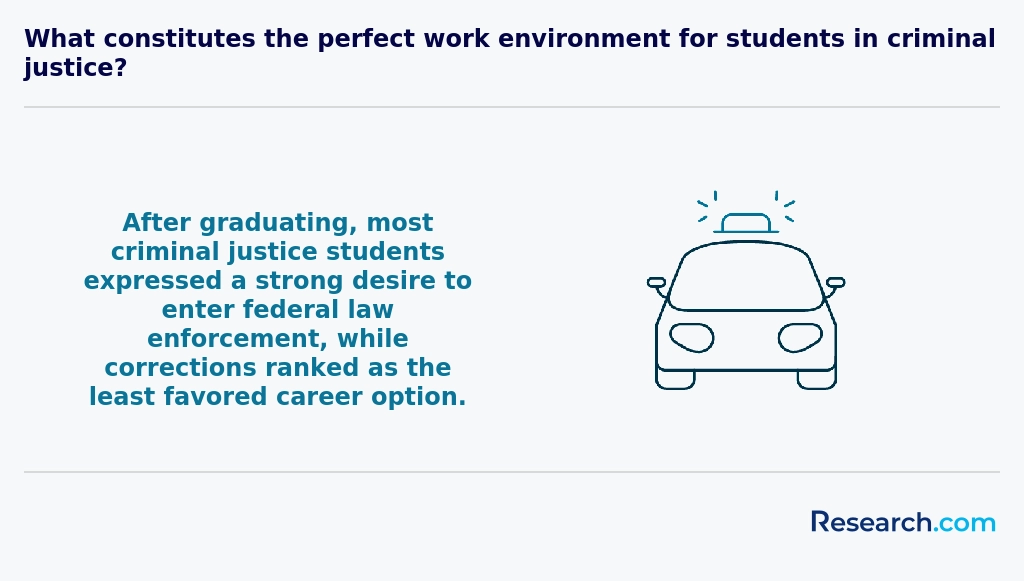
Students pursuing an online criminal justice degree in Rhode Island find a range of financial aid options that truly make their educational journey achievable and rewarding. Federal aid, including Pell Grants, offers up to $7,395 annually without the worry of repayment, giving students peace of mind as they focus on studies at institutions like the University of Rhode Island or Rhode Island College.
Graduates from these programs often recall how state-specific scholarships from the Rhode Island Higher Education Assistance Authority opened doors, especially the Rhode Island Promise Scholarship, which eases costs for community college students moving toward degrees in criminal justice.
Many thrive by tapping into merit-based awards offered directly through their schools, while some working students in law enforcement appreciate employer tuition reimbursement programs, lightening financial strain while they balance work and study.
Veterans and active-duty members benefit greatly from the GI Bill and Rhode Island National Guard educational assistance, enabling them to honorably serve while advancing their careers. Completing the FAFSA is a key step that these students highlight as essential to unlocking these vital resources.
Enrolling in an online criminal justice degree program in Rhode Island is an exciting step filled with promise, and meeting the prerequisites is simpler than many expect. Most graduates recall starting with just a high school diploma or equivalent, such as a GED, which lays a solid foundation to begin the journey at popular institutions like Rhode Island College or the University of Rhode Island.
For many associate degree students, the pathway is straightforward-just a completed application and sometimes placement test scores to ensure readiness. Bachelor's degree seekers often provide official transcripts from high school or prior colleges, affirming their academic background. Many graduates appreciate how some Rhode Island programs welcome transfer students by valuing their previous coursework, making continuing education attainable and rewarding.
In addition, taking intro courses in sociology or criminal justice beforehand can enrich your understanding and confidence in classes. Graduate students pursuing master's degrees find that having professional experience and strong letters of recommendation opens doors to advanced opportunities. This supportive framework across Rhode Island ensures you're well-prepared to pursue your passion for justice in a way that fits your life.

Online criminal justice degree programs in Rhode Island equip students with a dynamic range of courses designed to inspire and prepare future leaders in public safety and justice. Graduates from institutions like the University of Rhode Island often reflect on how courses such as Introduction to Criminal Justice and Criminology opened their eyes to the real-world impact of law enforcement and social systems on communities.
Students embrace learning criminal law and procedure, discovering the importance of protecting constitutional rights while navigating trial processes, which empowers them to advocate for justice confidently. Ethics and Professional Responsibility classes challenge learners to face complex moral dilemmas, fostering integrity essential for impactful careers.
Rhode Island's unique focus on community-based policing and restorative justice creates an engaging atmosphere where learners feel connected to local issues. Courses in Cybercrime and Digital Forensics bring cutting-edge skills, helping students envision themselves solving modern challenges. Graduates often describe a fulfilling journey of knowledge and growth that fuels their passion for making a difference in Rhode Island's criminal justice landscape.
Online criminal justice degree specializations Rhode Island students can pursue reflect a wide spectrum of exciting and meaningful career paths. Students at popular colleges embrace specializations like Law Enforcement, where coursework prepares them to become confident police officers or detectives, ready to serve their communities with courage and integrity. Graduates focusing on Corrections find purpose managing rehabilitation programs, positively impacting lives within local correctional facilities. Others are drawn to Forensic Science, gaining practical skills in crime scene analysis that make real differences in solving cases. Rhode Island's programs also inspire students passionate about leadership through Criminal Justice Administration, sharpening management and policy expertise vital to driving change in the justice system. Cybercrime and Cybersecurity specializations are increasingly popular among graduates eager to protect the state's digital landscape from emerging threats, blending technology and justice with impact.
Many graduates from Rhode Island institutions describe their studies as transformative, supported by flexible online courses that balance their personal and professional lives. These programs empower students to pursue Rhode Island online criminal justice career paths that are both fulfilling and scalable. With a focus on practical skills and current trends, students feel confident stepping into roles that serve and protect with purpose.
The diversity of options ensures every student finds a specialization that resonates with their calling, whether on the ground, behind the scenes, or in digital domains. Those aiming for sustainable careers also often explore online degrees that pay well, making the choice to study criminal justice in Rhode Island both an inspiring and smart investment in their futures.
Choosing the best online criminal justice degree Rhode Island offers means prioritizing programs that combine quality education with local relevance. Graduates from prominent Rhode Island colleges often share how regional accreditation and curriculum tailored to the state's unique legal and enforcement landscape helped them confidently step into roles with local agencies. Imagine being prepared to work alongside the Rhode Island State Police or engaging in community-focused corrections right after graduation-this connection makes your education truly meaningful.
Affordability is equally inspiring. Many students discover that affordable criminal justice programs Rhode Island provides not only ease financial burdens but also open doors to scholarships and aid. Those balancing work and family feel empowered by online programs offering asynchronous classes and dedicated support, making success achievable on their terms.
Look for curriculum diversity-from forensic science to cybersecurity-as graduates highlight how these skills expanded their career options. Also, explore internship opportunities and career services strong in Rhode Island's criminal justice network. For accelerated advancement, consider options like 1 year phd programs online, fueling your passion and career growth with speed and flexibility.
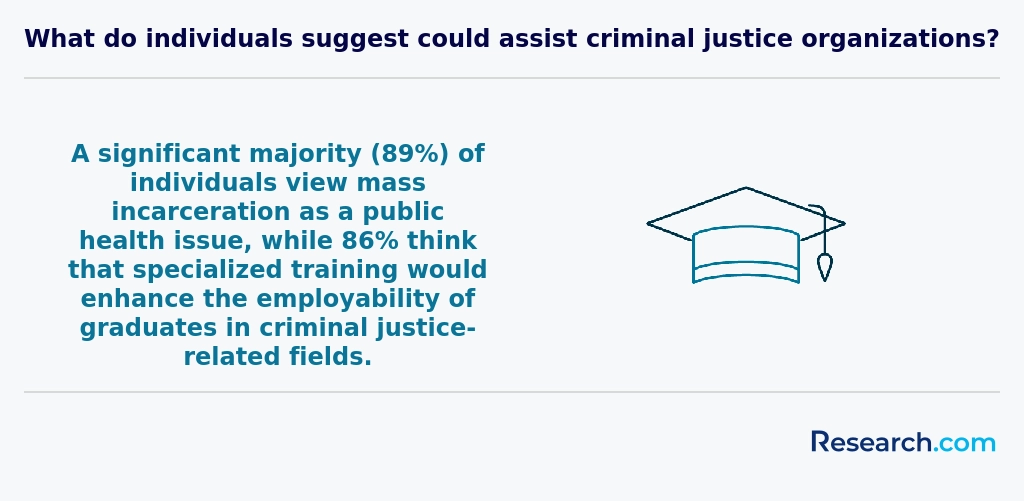
Graduates with an online criminal justice degree in Rhode Island find themselves empowered to pursue meaningful careers that make a real difference. Whether working as law enforcement officers in cities like Providence or Cranston, or supporting rehabilitation efforts as probation officers, these professionals experience the pride of serving their communities. Many graduates from local universities have shared how their education helped them secure rewarding positions within the Rhode Island Department of Corrections, where they contribute to both safety and rehabilitation.
Exciting opportunities also await within federal agencies such as the FBI and DEA, where Rhode Island's proximity to Boston and Hartford offices offers a strategic advantage. Meanwhile, others embrace roles in private security or corporate compliance, helping businesses protect people and assets. Students inspired by their journey often celebrate how a Rhode Island criminal justice degree job opportunities provided them with stability and a sense of purpose.
With online options offering flexibility and affordability, including in-state tuition benefits, pursuing an online criminal justice degree in Rhode Island is a smart step toward these fulfilling careers. For students exploring pathways, researching the cheapest online college options can reveal accessible programs that open these doors.
The job market for online criminal justice degree jobs Rhode Island offers promising pathways for motivated graduates. Many students from popular institutions like Rhode Island College and the University of Rhode Island find themselves stepping confidently into roles at local law enforcement agencies or correctional facilities. These graduates often share inspiring stories of how their flexible online studies enabled them to balance work and family while building skills that employers highly value.
Rhode Island's smaller but diverse criminal justice sector rewards dedication with steady employment in community service agencies, private security, and legal support, where median wages around $55,000 to $65,000 empower professionals to build fulfilling careers. Graduates feel encouraged knowing their degrees open doors to meaningful jobs and advancement opportunities statewide.
Financially aware students appreciate how the cost of online programs compares favorably with traditional in-state options, and many take advantage of scholarships and aid. For those seeking to enhance their career prospects, exploring some of the best accredited non profit colleges can provide flexible and respected options to embark on this rewarding journey toward public safety and justice.
2027 Most Valuable Online Criminal Justice Degree Programs Ranking in Rhode Island
Investing in your education is a significant decision that can shape your future, and the Research.com team understands the importance of making informed choices. To assist prospective students in Rhode Island, we have meticulously crafted the "2027 Most Valuable Online Criminal Justice Degree Programs Ranking in Rhode Island." Our commitment to quality, credibility, and accuracy is reflected in the extensive research and analysis conducted to compile this ranking.
We utilized the following reputable data sources to ensure a comprehensive evaluation of criminal justice programs:
By exploring this ranking, readers will gain valuable insights into the most valuable online criminal justice degree programs in Rhode Island, helping them make well-informed decisions about their educational paths. For more details on our methodology, please visit our Research.com methodology page.


Frequently Asked Questions About criminal justice
Students pursuing online criminal justice degrees in Rhode Island can enhance their learning by engaging actively with course materials and virtual discussions. Utilizing resources from the Rhode Island Department of Public Safety helps contextualize academic knowledge with local law enforcement practices.
Networking with peers and professionals through online forums and local internships offers practical experience. According to the Bureau of Labor Statistics, Rhode Island expects a steady demand for criminal justice roles, highlighting the value of hands-on learning.
Leveraging state-specific crime data from sources like the Rhode Island State Police enhances critical thinking and research skills, essential for success in this field.
Emerging niches in the criminal justice field reflect advances in technology and evolving societal needs. One significant area is cybersecurity and digital forensics, where professionals analyze digital evidence and fight cybercrime. With Rhode Island's growing tech sector, demand for these skills is increasing, as noted by local employment reports.
Another rising field is criminology focused on social justice and reform. Experts study systemic issues and work toward policies addressing disparities in the justice system. This aligns with national trends emphasizing rehabilitation over punishment.
Additionally, homeland security and emergency management roles are expanding due to rising concerns over terrorism and natural disasters. Rhode Island's strategic coastal location heightens local relevance.
These specialties offer promising career paths for students pursuing online criminal justice degrees in Rhode Island, connecting education with market needs.
After completing an online criminal justice degree in Rhode Island, preparing for the job market involves targeted steps. Start by building practical experience through internships or volunteer work with local law enforcement or legal organizations. According to the Rhode Island Department of Labor and Training, criminal justice-related jobs are projected to grow by 5% from 2020 to 2030, so understanding local agency requirements is key.
Networking is essential; join Rhode Island criminal justice associations to connect with professionals and attend relevant events. Also, refine your resume to highlight skills such as critical thinking and knowledge of Rhode Island's legal system, which employers seek. Certifications like CPR and specialized training can increase your competitiveness.
Employers in Rhode Island seeking criminal justice graduates prioritize a mix of practical and interpersonal skills. Communication skills rank highly, enabling graduates to effectively interact with diverse populations and law enforcement agencies. Analytical thinking is also essential, as it supports decision-making in complex situations typical in Rhode Island's criminal justice system.
Knowledge of regional laws and regulations is critical due to unique state policies, with many employers valuing familiarity with Rhode Island's legal framework. According to the Bureau of Labor Statistics, graduates equipped with problem-solving skills show higher employability in this field locally.
Technical proficiency, including experience with crime data analysis software, is increasingly requested. Lastly, ethical judgment and cultural competency are vital, reflecting the state's commitment to community-oriented policing.
Finding internships in Rhode Island relevant to a criminal justice degree involves a targeted approach leveraging local resources. Students should start by contacting their college's career services, which often have partnerships with law enforcement agencies, courts, and nonprofit organizations statewide. The Rhode Island Department of Corrections and the Providence Police Department frequently offer internship opportunities that provide hands-on experience.
Online job platforms such as Handshake and Indeed also list internship openings specific to Rhode Island criminal justice roles. Networking through professional organizations like the Rhode Island Criminal Justice Association can be valuable, as members share industry insights and job leads.
According to the Rhode Island Department of Labor and Training, the criminal justice sector is expected to grow steadily, further increasing internship availability. Early application and maintaining a strong academic record enhance chances of placement.
An online criminal justice degree in Rhode Island can significantly enhance career mobility and advancement opportunities within the state's public safety and law enforcement sectors. According to the Rhode Island Department of Labor and Training, criminal justice-related jobs are projected to grow around 5% between 2020 and 2030, reflecting steady demand. Employers often prefer candidates with formal education, as it provides theoretical knowledge and practical skills relevant to roles in policing, corrections, and investigation.
Graduates with an online degree can qualify for better positions such as detective or probation officer and improve their chances for promotion. The flexibility of online programs also allows working professionals to gain credentials without interrupting their careers, supporting continuous advancement.
Rhode Island's emphasis on educational qualifications for many law enforcement roles means that completing an accredited online degree can open doors not only locally but also regionally.
Studying for an online criminal justice degree in Rhode Island equips students with knowledge that spans multiple disciplines, such as law, psychology, sociology, and public administration. This interdisciplinary approach is essential because modern criminal justice roles often require understanding complex social systems and legal frameworks.
Rhode Island's programs emphasize critical thinking and communication skills, preparing graduates to collaborate effectively with law enforcement, legal professionals, and community organizations. According to the Rhode Island Department of Labor and Training, sectors like social services and legal occupations are projected to grow by 7% through 2030, highlighting the need for versatile professionals.
By combining theory with practical applications relevant to Rhode Island's legal and social landscape, students gain a well-rounded education suitable for diverse careers in the justice system.
Choosing between a thesis and a non-thesis online criminal justice degree program in Rhode Island depends on your career goals and learning preferences. A thesis option typically involves conducting original research and writing a substantial paper, which suits students planning to pursue a PhD or research-focused roles. Non-thesis programs usually emphasize coursework and practical skills, appealing to those aiming for professional positions in law enforcement or public administration.
The Rhode Island Department of Labor notes steady growth in criminal justice jobs, highlighting the importance of practical experience. Graduate students should consider their commitment to research, time availability, and future plans when selecting between these paths.
Students based in Rhode Island interested in studying criminal justice abroad typically consider online programs offered by U.S. institutions with international partnerships, as direct foreign degree options are limited. These programs often include opportunities for virtual international collaboration or study abroad components, which can supplement the online curriculum.
Rhode Island residents can access accredited online degrees from schools nationwide, benefiting from flexible learning while gaining exposure to comparative criminal justice systems through specialized courses. According to the Rhode Island Judiciary's 2023 report, understanding global justice practices is increasingly important due to the state's growing involvement in international legal matters.
To study fully abroad in criminal justice, students usually engage in exchange programs facilitated by their U.S. universities rather than enrolling directly overseas, ensuring credits transfer and licensure requirements are met.
Part-time jobs in Rhode Island that complement an online criminal justice degree often involve roles within public safety and community services. Positions such as security officer, corrections aide, or victim support assistant provide practical experience closely related to criminal justice fields. According to the Rhode Island Department of Labor and Training, security-related jobs grew by 8% between 2019 and 2023, reflecting ongoing demand.
Many students also seek internships with local law enforcement agencies, which offer valuable exposure to legal procedures and investigative work. Additionally, opportunities with nonprofit organizations focused on criminal justice reform can enhance understanding of social issues while building professional networks.
Online criminal justice students in Rhode Island benefit from several networking opportunities despite the virtual format. Many local universities provide access to virtual career fairs, connecting students with regional employers such as the Rhode Island Department of Corrections and local law enforcement agencies. Professional organizations like the Rhode Island Police Chiefs' Association offer events and webinars that online students can attend remotely.
Additionally, online programs often include virtual internships and partnerships with state agencies, helping students build practical connections. According to the Rhode Island Criminal Justice Commission, networking plays a crucial role in securing employment, with 45% of criminal justice jobs in the state filled through referrals.
Alumni networks play a crucial role in supporting online criminal justice degree students in Rhode Island. These networks offer valuable professional connections that help students access internships, job opportunities, and mentorship within the state's criminal justice system. In Rhode Island, where law enforcement and legal agencies emphasize local knowledge and community ties, alumni connections can provide a competitive hiring advantage.
According to the Rhode Island College Alumni Association, active networks improve job placement by up to 20%, reflecting the power of relationships formed during and after study. Alumni also share insights on Rhode Island's specific legal environment and policies, guiding current students effectively.
Engaging with alumni allows students to build a strong professional identity and enhances their understanding of the state's criminal justice trends and challenges. Overall, alumni networks help bridge academic study with practical career advancement in Rhode Island's justice sector.
Customizing an online criminal justice degree program in Rhode Island allows students to align their education with specific career goals. Many institutions offer elective courses in areas such as forensic science, cybersecurity, juvenile justice, or law enforcement administration. Selecting these electives can provide targeted skills relevant to local job markets.
Additionally, some programs include internship opportunities with Rhode Island agencies, including the Department of Corrections or local police departments, giving practical experience. Advisors often help tailor course loads and guide students toward certifications valued in Rhode Island's criminal justice sector.
According to Rhode Island Department of Labor data, roles like probation officers and detectives show steady growth, emphasizing specialized training. This makes customizing your degree a meaningful step for career advancement.
Online criminal justice students in Rhode Island often face challenges related to balancing coursework with professional or personal obligations. Many learners juggle full-time jobs in law enforcement or social services, making time management crucial. According to the Rhode Island Department of Labor, about 11% of the workforce is involved in public safety and protective services, indicating a significant number of students may face scheduling conflicts.
Another challenge is accessing practical training or internships. Criminal justice programs emphasize experiential learning, but remote students might struggle to find local opportunities or face limited in-person fieldwork availability.
Technical issues and inconsistent internet access can also impact student success, especially in rural parts of the state where broadband coverage is less reliable. Additionally, some students find it difficult to engage fully with peers and instructors due to the online format.
Graduates with an online criminal justice degree in Rhode Island can pursue several professional certifications to enhance career prospects. Common options include the Certified Criminal Justice Addictions Professional (CCJP) and the Certified Protection Professional (CPP), both respected in law enforcement and security fields.
The Rhode Island Police Chiefs' Association recommends certification through the Rhode Island Police Training Academy for officers, which may require a criminal justice background.
National certifications like the Law Enforcement Officer Certification from the Commission on Accreditation for Law Enforcement Agencies (CALEA) are also valued.
These credentials can improve job opportunities in policing, corrections, and private security sectors within Rhode Island's justice system.
Writing a winning application for an online criminal justice program in Rhode Island requires clear attention to detail and alignment with program expectations. Start by researching programs to understand admission criteria, including GPA and prerequisite courses. Highlight any relevant experience, such as internships with Rhode Island law enforcement or community service, which can demonstrate your commitment.
Emphasize your motivation for studying criminal justice, especially focusing on areas relevant to Rhode Island, like its specific crime trends and justice initiatives reported by the Rhode Island Department of Corrections. Include strong letters of recommendation from professionals familiar with your work ethic and academic potential.
Finally, proofread your application and tailor your personal statement to reflect how the program fits your career goals within Rhode Island's justice system.
Global perspectives on a criminal justice career emphasize the importance of understanding diverse legal systems and cultural approaches to law enforcement. For students in Rhode Island pursuing online degrees, this means gaining skills applicable both locally and internationally. The U.S. criminal justice system, including Rhode Island's, often influences global practices due to its extensive research and policy developments.
Rhode Island reported a 3.2% decrease in violent crime in 2022 according to the Rhode Island State Police, reflecting trends that affect criminal justice priorities worldwide. Online programs here incorporate such data to prepare students for evolving global challenges.
Careers in this field now demand sensitivity to global issues like human trafficking and cybercrime, which require cross-border cooperation and knowledge. Criminal justice professionals trained in Rhode Island can expect to engage with these global concerns.
Gaining practical experience while pursuing an online criminal justice degree in Rhode Island is essential for career readiness. Many programs encourage internships with local law enforcement agencies, courts, or correctional facilities. Rhode Island's Department of Corrections and Providence Police Department often offer internship opportunities that provide hands-on exposure to the criminal justice system.
Students can also engage in virtual simulations and case studies embedded in online courses. These tools help develop critical thinking and decision-making skills in realistic scenarios.
Additionally, some universities partner with Rhode Island organizations to facilitate service-learning projects, enhancing practical understanding while meeting community needs.
Choosing the right concentration within an online criminal justice degree program in Rhode Island involves considering local employment trends and personal career goals. Rhode Island's criminal justice system prioritizes areas like law enforcement, corrections, and cybersecurity, reflecting national shifts and regional needs as shown in labor reports from the Rhode Island Department of Labor and Training.
Students should evaluate concentration options offered by accredited universities, focusing on fields with growth potential. For example, cybersecurity roles in Rhode Island are expanding due to increased digital threats, making related concentrations valuable.
Additionally, consider the curriculum's alignment with Rhode Island's legal standards and availability of internships or partnerships with local agencies. This practical exposure enhances job readiness within the state's criminal justice sector.
- 2027 Most Valuable Online Criminal Justice Degree Programs Ranking in Massachusetts
- 2027 Most Valuable Online Criminal Justice Degree Programs Ranking in Connecticut
- 2027 Most Valuable Online Criminal Justice Degree Programs Ranking in New York
- 2027 Most Valuable Online Criminal Justice Degree Programs Ranking in Vermont
- 2027 Most Valuable Online Criminal Justice Degree Programs Ranking in Pennsylvania
- 2027 Most Valuable Online Criminal Justice Degree Programs Ranking in Maryland
- 2027 Most Valuable Online Criminal Justice Degree Programs Ranking in Virginia
- 2027 Most Valuable Online Criminal Justice Degree Programs Ranking in Ohio
- 2027 Most Valuable Online Criminal Justice Degree Programs Ranking in West Virginia
- 2027 Most Valuable Online Criminal Justice Degree Programs Ranking in Kentucky
See What Experts Have To Say About Studying Criminal Justice
Read our interview with Criminal Justice experts

James W. Marquart
Criminal Justice Expert
Associate Provost and Professor of Criminology
Texas Christian University

David Carter
Criminal Justice Expert
Professor, School of Criminal Justice
Michigan State University

Frank Schmalleger
Criminal Justice Expert
Professor Emeritus
The University of North Carolina

- Professional Networking in Criminal Justice https://www.criminaljustice.com/resources/professional-networking/
- Criminal Justice Degree Requirements | University of Bridgeport https://www.bridgeport.edu/news/criminal-justice-degree-requirements/
- Study Criminal Justice Abroad | Go Overseas https://www.gooverseas.com/study-abroad/criminal-justice
- Study Criminal Justice & Legal Studies Abroad https://worldstrides.com/en-us/higher-ed/academics/criminal-justice-legal-studies
- 10 skills you need to work in Criminal Justice | Service Care Solutions https://www.servicecare.org.uk/career-advice/10-skills-you-need-to-work-in-criminal-justice/
- Online Criminal Justice Degrees (Types, Benefits & FAQ) https://www.allcriminaljusticeschools.com/criminal-justice/criminal-justice-online-degree/
- Financial Aid Tips for Criminal Justice Students https://www.criminaljusticeprograms.com/financial-aid/
- Insights from Students and Alumni: Master Programme in Criminology and Criminal Justice https://soc.fss.um.edu.mo/insights-from-students-and-alumni-master-programme-in-criminology-and-criminal-justice/
- CRIMINAL JUSTICE https://www.stmartin.edu/documents/criminal-justice-resume-and-cover-letter-packet
- Emerging Trends in Criminal Justice Careers https://online.nmu.edu/criminal-justice-careers-emerging-trends/