2027 Best Online Criminal Justice Degree Programs Ranking in Columbia, MO

Co-Founder and Chief Data Scientist
Choosing the right criminal justice degree program can be challenging, especially with so many options available online. This article presents the 2027 Best Online Criminal Justice Degree Programs Ranking in Columbia, MO, created by the Research.com team of data scientists. It's designed to help you make an informed decision based on thorough data analysis.
Whether you're starting fresh or looking to advance your career, earning a criminal justice degree opens doors to meaningful opportunities. Explore programs that fit your goals and lifestyle in Columbia with confidence and clarity.
Key benefits of getting online criminal justice degree in Columbia
- Salary for criminal justice degree graduates: Graduates can expect competitive salaries, such as Police Officers earning a mean annual wage of $76,550 and Crime Scene Investigators making around $95,930, providing financial stability and rewarding careers.
- Career paths: Criminal justice degree holders from Columbia universities often find opportunities as Correctional Officers, Court Clerks, or Forensic Science Technicians, offering diverse roles in public safety and law enforcement.
- Benefits of online degrees: Earning a criminal justice degree online in Columbia allows for flexible scheduling and continued work while studying, making it easier to balance personal life and career goals without compromising education quality.
- 2027 Best Online Criminal Justice Degree Programs Ranking in Columbia, MO
- What can I expect from online criminal justice degree in Columbia?
- Where can I work with online criminal justice degree in Columbia?
What can I expect from online criminal justice degree in Columbia?
The average cost of an online criminal justice degree in Columbia, Missouri, varies depending on the institution and level of study but generally falls between $10,000 and $25,000 annually for undergraduate programs. For example, graduates from popular local universities have reported manageable tuition rates combined with financial aid, making these programs both accessible and valuable. Many students feel confident investing in their education knowing the strong community connections with law enforcement agencies and legal offices available in Columbia enhance their practical learning experience.
Master's level degrees tend to cost more, averaging between $15,000 and $35,000 for the entire program, but graduates often emphasize that this investment leads to advanced career opportunities in specialized fields like forensic science or cybercrime. The affordability paired with accredited programs from institutions such as the University of Missouri reassures students that they receive quality education that transfers well nationally. Access to state scholarships and tailored financial aid contributes to positive student experiences and reduced financial stress throughout their studies.
Where can I work with online criminal justice degree in Columbia?
Graduates with an online criminal justice degree in Columbia often find rewarding careers within local law enforcement agencies such as the Columbia Police Department and Boone County Sheriff's Office. Many graduates report fulfilling roles as police officers, investigators, or crime analysts, directly contributing to community safety. Students from popular institutions like the University of Missouri experience hands-on opportunities that prepare them for these positions, fostering confidence and professional growth.
Career paths also extend into the judicial system, where alumni secure jobs as court clerks, probation officers, or victim advocates within the Boone County Judicial Circuit. These roles allow graduates to engage meaningfully with the legal process and support justice administration.
In corrections, positions in facilities such as Boone County Jail and Missouri Department of Corrections enable graduates to work as correctional officers or rehabilitation specialists, offering impactful work in offender management and reintegration.
Additionally, private security companies and campus safety departments in Columbia provide graduates with roles in security management and compliance analysis, often linked to large institutions like the University of Missouri, ensuring diverse and stable employment opportunities.
Graduates with an online criminal justice degree from popular Columbia institutions often find rewarding employment opportunities with competitive salaries. For instance, police officers in Columbia earn a mean annual wage near $76,550, according to authoritative Bureau of Labor Statistics data, reflecting strong earning potential for those entering local law enforcement agencies.
Correctional officers typically make around $58,810 per year, offering a stable and accessible career path for graduates interested in corrections facilities around Columbia. Those pursuing forensic science roles, such as forensic science technicians, see mean salaries near $71,540, highlighting the benefits of specialized training.
Crime scene investigators enjoy some of the highest earnings in the criminal justice field, with mean annual wages approximately $95,930, aligning with experiences of graduates who value hands-on investigative roles in the area.
Court clerks, often employed within local judicial systems, earn around $48,760 annually, providing a solid entry into justice administration. Graduates express enthusiasm about these roles, noting the balance of meaningful community impact and financial stability that an online criminal justice degree can help unlock in Columbia.
- The cost of an online criminal justice degree in Columbia, Missouri ranges from $8,000 to $15,000 for a full undergraduate program.
- Columbia offers job opportunities through local law enforcement agencies like the University of Missouri Police and Columbia Police Department.
- The criminal justice job market in Missouri is expected to grow by about 7% over the next decade.
- Entry-level salaries start around $38,000 to $42,000 annually, with mid-career professionals earning $50,000 to $60,000 or more.
- Many online programs offer flexible, asynchronous classes suitable for working adults.
- Accreditation by bodies such as CCJET or the Higher Learning Commission is important for program quality and employer recognition.
The typical completion time for an online criminal justice degree in Columbia varies by degree level and enrollment status. Graduates from programs like the University of Missouri report that a Bachelor's degree generally takes about four years when pursued full-time. Many find the flexibility of online courses allows them to balance work and study effectively, sometimes extending their timeline to five or six years if attending part-time due to personal commitments.
For those pursuing an Associate's degree, completion often occurs in approximately two years with full-time study. Some motivated students accelerate their progress by transferring credits or enrolling in intensive sessions during summer or winter terms, shortening their path significantly. Graduate students aiming for a Master's degree in criminal justice from Columbia-based institutions experience a typical timeframe of 18 months to 3 years. This varies based on credit requirements and individual pacing.
Students appreciate the ability to tailor course loads according to their schedules, making online criminal justice education in Columbia both attainable and rewarding.
Online Criminal Justice degree programs in Columbia, MO often include dedicated career services teams, committed to helping you transition from academic study to professional practice. Whether you’re aiming for roles in law enforcement, corrections, or emerging fields like criminal psychology, these services typically offer:
- Personalized career counseling and resume critiques
- Mock interview sessions with experienced practitioners
- Virtual and in-person job fairs connecting you with local agencies
- Alumni networking events and mentorship programs Many programs report job placement rates exceeding 85% within six months of graduation, thanks to strong partnerships with the Columbia Police Department, the Boone County Sheriff’s Office, and state correctional agencies. Graduates have also leveraged these resources to explore specialized positions, including criminal psychology degree jobs, where interdisciplinary expertise in behavioral analysis and legal procedures is in high demand. Additionally, career services often coordinate practicum placements and internship pipelines, ensuring you gain real-world experience before graduation. By integrating these professional development opportunities into your curriculum, online Criminal Justice programs in Columbia, MO help you build a competitive edge in today’s job market.
Online criminal justice degrees in Columbia attract students seeking flexibility, especially working professionals balancing career and family commitments. Graduates from these programs often praise the ability to study anytime, anywhere, avoiding commuting to campuses like the University of Missouri-Columbia. Asynchronous coursework lets them complete assignments around busy schedules, fostering strong self-discipline and time management skills.
By contrast, on-campus programs in Columbia offer immersive experiences with in-person interaction, which many graduates value for networking and immediate feedback. Access to university facilities such as law libraries and criminal justice labs enhances hands-on learning, while internships arranged locally provide practical fieldwork exposure. For example, students at popular colleges benefit from face-to-face mentorship and participate in community-based projects that deepen professional readiness.
Cost remains a factor; Columbia students note that while in-state tuition averages around $10,000 annually, online options may slightly reduce expenses related to housing and transportation. Both formats adhere to strong accreditation standards, reassuring graduates of their degree's credibility in the criminal justice sector.
The average cost of an online criminal justice degree in Columbia typically centers around $31,320, a figure that reflects a balanced estimate for local students. Graduates of prominent local institutions, such as the University of Missouri, often recount how the in-state tuition at approximately $325 per credit hour helped keep their education affordable while gaining valuable knowledge. This pricing aligns well with the expected expenses for those looking into Columbia Missouri online criminal justice degree tuition fees.
Many students find the investment manageable when factoring in additional costs like technology fees-ranging from $50 to $150 per semester-and course materials, which usually amount to around $1,000 for the full program. Positive feedback from recent graduates underscores a strong return on investment, emphasizing the accessibility of financial aid and scholarships that soften the overall cost.
For those considering options beyond local institutions, the landscape includes private nonprofit schools, which may have higher tuition, yet offer flexible payment plans and supports. Students in Columbia can also explore programs before committing, ensuring they understand all expenses and potential aid available. Prospective candidates benefit from reviewing precise data from institutions and comparing it with national averages, especially given that many graduates are drawn by affordable tuition combined with the quality of education.
Those interested in expanding their career prospects might consider supplemental opportunities, as some graduates also pursue degrees such as accelerated MBA programs online to complement their criminal justice education and enhance their professional toolkit.

A high-quality online Criminal Justice degree in Columbia, MO is defined not only by its curriculum but also by the breadth and depth of support services available to students. Top programs recognize that online learners benefit from: • Dedicated academic advising: Personalized degree planning and guidance on course selection, transfer credits, and intern placements ensure you stay on track and meet institutional requirements. • 24/7 technical support: Reliable assistance with your learning management system (LMS), video conferencing tools, and any platform-related issues so you can focus on your studies without interruption. • Tutoring and writing centers: One-on-one and group tutoring for subjects like criminal procedure, research methods, and statistics, plus writing workshops to polish your reports and capstone projects. • Virtual library access: Comprehensive digital collections of journals, case law databases, and e-books that empower you to conduct in-depth research from anywhere. • Career services and alumni mentorship: Résumé reviews, mock interviews, job boards, internship matching, and networking events that connect you with law enforcement agencies, correctional facilities, and forensic labs across Missouri. Many programs also offer specialized support-such as disability services, veteran services, and peer mentoring circles-to address diverse learning needs. To explore cost-effective options that pair affordability with robust student services, see our Inexpensive Online Bachelor's in Criminal Justice Degree Programs Ranking in the South.
Students pursuing online criminal justice degrees in Columbia frequently rely on a combination of federal, state, and institutional financial aid to manage educational expenses. Federal aid programs, including Pell Grants and Direct Subsidized Loans, are crucial for many; Pell Grants offer up to $7,395 annually without repayment obligations, providing significant relief from tuition costs. Graduates from popular institutions in Columbia often recall how these grants, combined with flexible Direct Loans, eased their financial burdens during studies.
Missouri residents benefit from state-specific opportunities such as the Access Missouri Financial Assistance Program, which awards need-based grants applicable to eligible online criminal justice programs. These state grants often supplement federal aid, making education more accessible for local students balancing work and study.
Columbia's colleges also extend scholarships tailored to criminal justice majors, rewarding academic excellence and leadership qualities. Work-study programs further enable students to gain hands-on experience while supporting their finances, a valued feature for many former students building careers in criminal justice.
Veterans and active-duty military personnel enjoy additional assistance through the GI Bill® and the Missouri Military Homefront Program, which significantly reduce tuition costs and enhance affordability.
When considering an online Criminal Justice degree program in Columbia, MO, it's essential to think about the affordability and return on investment. Pursuing an online degree can be a cost-effective option, with median total costs ranging from $25,000 to over $37,000 per academic year. However, it's crucial to weigh these costs against the potential benefits and opportunities that a degree in criminal justice can offer. For instance, graduates from popular universities in Columbia, MO, such as the University of Missouri, have gone on to pursue successful careers in law enforcement, corrections, and social justice, with many citing their education as a pivotal factor in their professional growth. To find the most affordable criminal justice programs in Missouri, it's essential to research and compare different options, considering factors such as tuition, fees, and financial aid. By investing in an affordable online Criminal Justice degree program, students can set themselves up for success and achieve their career goals, whether that means working in law enforcement, corrections, or one of the many other career paths available to them.
Applicants seeking enrollment in online criminal justice degree programs in Columbia, MO, must meet several academic and technical prerequisites to ensure successful participation. For bachelor's programs, possessing a high school diploma or equivalent is mandatory. Universities like the University of Missouri require official transcripts demonstrating a minimum GPA, typically around 2.5, though some competitive tracks may expect higher academic achievement. Graduates often recall how submitting strong transcripts alongside optional ACT or SAT scores enhanced their admission prospects and unlocked scholarship opportunities.
Graduate-level candidates generally need a bachelor's degree from an accredited institution with a minimum GPA near 3.0. Additional requirements may include letters of recommendation, a purpose statement, and relevant professional experience, reflecting real-world law enforcement or corrections work. Students benefit from reliable internet access and basic computing skills to engage with digital course materials, a necessity emphasized by many online learners who successfully balance study with work.
Choosing an online criminal justice degree program in Columbia, MO with proper accreditation is vital to ensure your education meets industry and licensure standards. Accredited institutions are evaluated by recognized bodies-such as the Higher Learning Commission (HLC) and the Commission on Accreditation for Law Enforcement Agencies (CALEA)-for curriculum rigor, faculty qualifications, and student support services. This recognition not only validates the quality of instruction but also enables seamless credit transfers, access to federal financial aid, and eligibility for state certification exams. Before enrolling, verify that your chosen program holds regional accreditation from HLC or a similar agency. Check the U.S. Department of Education’s database to confirm accreditation status and review any sanctions or probationary periods. Accreditation also signals that graduates can pursue specialized career paths and remain competitive in the job market, from frontline roles to advanced positions. For example, this assurance of quality supports eligibility for roles in forensic and investigative fields, including criminal psychology degree jobs, where employers demand proven academic standards. Moreover, program quality extends beyond accreditation. Look for institutions that publish clear learning outcomes, maintain low student-to-faculty ratios, and offer robust career services such as resume workshops, internship placements with agencies like the Columbia Police Department, and alumni mentoring networks. These elements collectively ensure that your online criminal justice degree not only carries the necessary credentials but also delivers the practical skills and professional connections critical for long-term success in Columbia, MO’s dynamic criminal justice environment.
Online criminal justice degree programs in Columbia typically feature a comprehensive curriculum designed to equip students with practical and theoretical knowledge relevant to the field. Core courses introduce foundational topics such as the structure of the criminal justice system, criminology, and criminal law. For example, graduates often recall how the Intro to Criminal Justice course clarified the roles of law enforcement agencies and courts, making abstract concepts tangible through case studies and local law enforcement collaborations.
Students at Columbia's prominent institutions, including the University of Missouri, take courses covering criminology's impact on crime prevention, criminal law and procedures, and ethics within the justice system. Others engage deeply with subjects like corrections and rehabilitation, exploring real-life probation and reintegration examples that prepare them for community-focused careers.
Additionally, electives such as cybercrime investigation and forensic science allow learners to customize their studies, reflecting growing local demands. Graduates express pride in how these courses connect theory with hands-on experiences, often facilitated by internships tied to Columbia's law enforcement agencies.

Online criminal justice degree specializations Columbia MO commonly include focused tracks such as Cybercrime and Digital Forensics, Corrections and Rehabilitation, Forensic Science and Crime Scene Investigation, Law Enforcement and Policing, and Criminal Justice Policy and Administration. Graduates from institutions like the University of Missouri frequently share how the Cybercrime specialization equipped them with critical skills to analyze cyberattacks, preparing them for roles in an increasingly digital law enforcement environment. This hands-on expertise brings positive momentum and confidence as students transition into workforce demands.
Columbia Missouri criminal justice degree concentrations emphasize practical knowledge and strategic leadership. Corrections and Rehabilitation students often describe their programs as transformative, giving them insights on reducing recidivism through modern rehabilitation methods. Similarly, those pursuing Forensic Science mastery find their lab and crime scene investigation courses vital in real-world evidence analysis scenarios, which are highly respected by employers.
Those interested in advancing their careers may also explore connections to top executive MBA online degrees at Columbia universities, broadening their administrative and policy-making capabilities within the justice system.
Selecting the best online criminal justice degree in Columbia requires evaluating accredited programs that align with your career goals and offer relevant specialization options. Graduates from popular institutions in Columbia often praise programs that include real-world law enforcement scenarios, enhancing both confidence and preparedness. Regional accreditation, such as from the Higher Learning Commission, ensures recognized credentials valuable for local agencies like the Columbia Police Department.
Cost and affordability are key considerations. Many students seek an affordable criminal justice degree Columbia Missouri, balancing tuition with potential financial aid and scholarships targeted at local learners. Flexible online courses accommodating part-time enrollment benefit working professionals, allowing steady progress without sacrificing income or family time.
Reputation matters: programs tied to local courts or law enforcement provide networking and practical experience, which graduates find essential for strong job placement. Exploring careers for MBA degree holders also highlights the value of comprehensive education pathways blending criminal justice with broader skills.
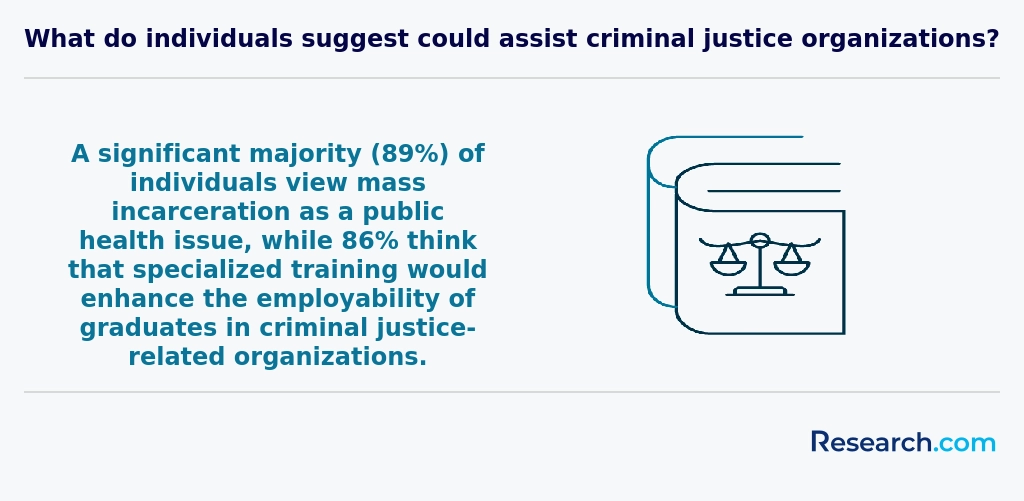
Graduates with an online criminal justice degree in Columbia often find themselves well-positioned for diverse roles within local and regional law enforcement agencies. Many alumni from Columbia's prominent colleges report securing positions as police officers, detectives, or federal agents, leveraging proximity to state and federal offices. Such roles provide dynamic experiences, from routine patrols to complex investigations, reflecting the active criminal justice careers in Columbia MO.
Others pursue careers as correctional officers, probation, or parole officers, where graduates apply legal knowledge and rehabilitation strategies gained through their studies. Columbia's educational institutions collaborate closely with local corrections departments, enabling students to transition smoothly into these roles. Social service-oriented positions, such as victim advocacy or court administration, also attract graduates eager to support justice system functions and community wellbeing.
Students specializing in emerging fields like cybercrime and forensic science benefit from specialized certifications, enhancing job prospects amid technological advancements in security. Those weighing alternative career options often explore finance career paths, reflecting the interdisciplinary possibilities for individuals with strong analytical and ethical training.
Overall, criminal justice degree job opportunities Columbia graduates pursue combine practical skills with meaningful public service, creating rewarding career trajectories in a growing and vital sector.

The job market for graduates with an online criminal justice degree in Columbia is steady and promising, reflecting a balance between local demand and broader national trends. Law enforcement agencies such as the Columbia Police Department and Boone County Sheriff's Office actively seek professionals equipped with modern criminal justice knowledge, making Columbia an attractive location for job seekers in this field. Graduates from well-known local institutions often report a sense of confidence and preparedness when entering the workforce, thanks to programs tailored to meet both practical and theoretical demands.
Those pursuing online criminal justice jobs in Columbia MO find opportunities not only in traditional policing roles but also in correctional institutions, federal agencies, and private security firms. Students from popular colleges appreciate the flexible learning environment, which enables them to gain experience while studying. Many take advantage of programs that emphasize real-world application, allowing them to smoothly transition into roles such as probation officers or forensic specialists.
The employment outlook is enhanced by the affordability of education, with some students exploring options for a cheap business degree online to complement their criminal justice studies, further broadening career possibilities in administration or management within public safety organizations.
2027 Best Online Criminal Justice Degree Programs Ranking in Columbia, MO
Investing in your education is a significant decision that can shape your future, and the Research.com team understands the importance of making informed choices. To assist prospective students in Columbia, MO, we have meticulously developed the "2027 Best Online Criminal Justice Degree Programs Ranking in Columbia, MO." Our commitment to quality, credibility, and accuracy is reflected in the thorough research and analysis undertaken to compile this ranking.
We utilized the following reputable data sources to ensure a comprehensive evaluation of criminal justice programs:
By exploring this ranking, readers will gain valuable insights into the best online criminal justice degree programs available in Columbia, MO, enabling them to make confident and well-informed decisions about their educational journey. For more information on how this ranking was created, please visit our Research.com methodology page.
Frequently Asked Questions About criminal justice
Students pursuing online criminal justice degrees in Columbia can enhance their learning by actively engaging with local resources. Columbia is home to the University of Missouri, whose criminal justice programs often provide access to real-world case studies and research opportunities. Leveraging partnerships with local law enforcement agencies, such as the Columbia Police Department, allows students to gain practical insights and internship experiences.
Consistent communication with professors and peers through discussion boards or video calls helps clarify complex topics. Additionally, focusing on time management and dedicating set hours weekly improves retention. According to the Bureau of Justice Statistics, practical experience complements academic learning, so internships or volunteer work in Columbia-area justice institutions can deepen understanding effectively.
The criminal justice field is evolving, with several emerging niches gaining importance. Cybercrime investigation is one fast-growing area due to increasing digital threats, requiring specialists skilled in technology and law enforcement. Another niche is forensic psychology, where experts analyze criminal behavior to aid investigations and court cases.
In Columbia, MO, the integration of data analysis in policing and criminal justice decision-making is expanding. According to the Missouri Economic Research and Information Center, demand for data analysts in public safety roles has grown over 12% in recent years. Additionally, restorative justice practices are becoming popular, focusing on rehabilitation and community involvement rather than punishment.
These specialties offer promising career paths for new graduates in online criminal justice programs.
After completing an online criminal justice degree in Columbia, preparing for the job market involves strategic steps to enhance employability. First, gaining relevant experience through internships or volunteer work with local agencies such as the Columbia Police Department or Boone County Sheriff's Office is crucial. These opportunities help build practical skills and professional networks.
Additionally, pursuing certifications like Certified Protection Professional (CPP) or Crime Prevention Specialist can improve job prospects. According to the Missouri Economic Research and Information Center, employment in protective services in Columbia is expected to grow steadily through 2029.
Networking via professional associations, such as the Missouri Chapter of the American Society of Criminology, also supports career advancement.
Employers in Columbia, Missouri, value a range of skills when hiring criminal justice degree graduates. Critical thinking ranks highly, enabling professionals to analyze complex situations and make informed decisions. Communication skills-both written and verbal-are essential, as officers and analysts must report findings clearly.
Knowledge of local laws and procedures is crucial given Missouri's unique legal environment. Additionally, proficiency with technology, including data management and crime analysis software, is increasingly important. According to the Missouri Department of Public Safety, adaptability and ethical judgment are also key traits that improve job performance in this field.
Finding internships in Columbia, Missouri, relevant to a criminal justice degree involves leveraging local resources and academic connections. Students should explore opportunities at the University of Missouri, which offers internships through its Department of Criminology and Criminal Justice. Many internships are also available with the Columbia Police Department and Boone County Sheriff's Office, both known to collaborate with schools for experiential learning.
Online students can benefit from virtual internship programs and networking events hosted by professional organizations like the Missouri Association of Criminal Justice Professionals.
According to the Missouri Department of Public Safety, internships in law enforcement and related fields have grown by 10% over the past five years, reflecting increasing demand for practical experience.
Obtaining an online criminal justice degree can significantly improve career mobility and advancement opportunities for individuals in Columbia, MO. The local job market for criminal justice professionals is expanding, with the Missouri Department of Corrections and Columbia Police Department frequently recruiting individuals with formal education in criminal justice.
According to the Bureau of Labor Statistics, those holding a bachelor's degree in criminal justice typically earn 20% more than those with only a high school diploma. Online degrees offer flexibility, enabling working professionals in Columbia to advance their education while maintaining employment.
Graduates can access roles in law enforcement, corrections, and federal agencies, often benefiting from promotional opportunities tied to formal qualifications. The online format also helps students build skills in areas such as criminal law, ethics, and investigative techniques, critical for advancement in Columbia's criminal justice system.
Studying for a criminal justice degree in Columbia equips students with skills applicable across multiple disciplines. Programs commonly integrate coursework in sociology, psychology, law, and public administration, reflecting the complex nature of justice systems.
In Columbia, Missouri, online criminal justice degrees often emphasize analytical thinking and communication, preparing graduates for roles beyond traditional law enforcement. This interdisciplinary approach is vital as 30% of local criminal justice jobs involve collaboration across social services, legal aid, and community outreach, according to the Missouri Economic Research and Information Center (MERIC).
Such preparation enables graduates to work effectively in policymaking, mental health advocacy, and rehabilitation, illustrating the broad applicability of their education.
Choosing between a thesis and a non-thesis criminal justice degree program in Columbia depends on your career goals and learning preferences. A thesis option involves conducting original research and writing a substantial paper, which can be beneficial if you plan to pursue a research career or graduate studies.
The non-thesis path focuses more on coursework, practical skills, and internships. This option suits professionals aiming to enter or advance in law enforcement, security, or public administration.
According to data from the Missouri Department of Higher Education, more than 60% of criminal justice graduates in Columbia choose the non-thesis route for quicker workforce entry.
Consider your long-term plans and consult academic advisors at local institutions such as the University of Missouri. Their guidance can help align your choice with current job market demands.
Students based in Columbia, Missouri, interested in studying criminal justice abroad typically explore online degree programs offered by U.S. institutions. Many universities provide fully online criminal justice degrees that allow students to access American curricula without relocating.
The University of Missouri system, based locally, offers online programs that meet regional standards, beneficial for those wanting to work locally or nationally after graduation. Online programs provide flexibility, enabling students to balance studies with employment, an important factor for many in Columbia's 122,000-strong population.
Because criminal justice regulations and practices can vary by state and country, students should ensure the program is U.S.-accredited, particularly by bodies like the Academy of Criminal Justice Sciences (ACJS).
This approach delivers recognized qualifications while expanding access to education beyond Columbia's city limits.
Students pursuing an online criminal justice degree in Columbia, Missouri, have several part-time job options that align well with their studies. Positions such as security officers, correctional aides, and police cadets offer practical experience and strengthen resumes. The Missouri Department of Corrections employs part-time correctional officers, which can provide firsthand insights into law enforcement procedures.
Additionally, campus security roles at the University of Missouri or local government internships can develop skills relevant to criminal justice careers. According to the U.S. Bureau of Labor Statistics, roles in protective service occupations are projected to grow by 7% nationally through 2031, indicating steady opportunities.
Part-time work in crisis intervention centers or victim advocacy organizations in Columbia can also complement academic learning by enhancing understanding of community safety and support services.
Online criminal justice students in Columbia, MO, have several opportunities to build professional networks despite studying remotely. Many local universities, including the University of Missouri, offer virtual career fairs and alumni events that online students can join.
Students can also engage with local chapters of professional organizations such as the Missouri Association of Criminal Defense Lawyers or the Missouri Peace Officers Association, which host seminars and workshops.
Additionally, Columbia's proximity to various justice agencies allows students who reside locally to participate in internships and volunteer programs, fostering direct connections.
Online platforms like LinkedIn and university forums enhance networking by connecting students with peers and professionals nationwide.
Alumni networks offer vital support for students pursuing online criminal justice degrees in Columbia, Missouri. These networks connect current students with graduates who have experience in local agencies such as the Columbia Police Department and Boone County Sheriff's Office. This connection helps students gain insights into career paths and job opportunities within the Columbia area.
According to the National Criminal Justice Association, networking plays a key role in job placement. Alumni often provide mentorship, recommend internships, and share professional resources that enhance students' practical knowledge beyond the classroom. In Columbia, where community ties are strong, alumni networks can significantly boost a student's chances of employment in criminal justice roles.
Engagement with alumni also fosters a sense of community and professional identity, which is crucial for career advancement. Students benefit from events and webinars hosted by alumni associations, offering up-to-date industry information and local trends that keep them informed and prepared for the evolving criminal justice landscape in Missouri.
Customizing an online criminal justice degree program in Columbia, MO, allows students to align their education with specific career goals. Many programs offer elective courses focused on areas like law enforcement, corrections, forensics, or cybersecurity. This flexibility lets students develop expertise relevant to their desired roles.
Students can also choose degree levels-associate, bachelor's, or master's-depending on their experience and ambitions. Columbia's proximity to institutions such as the University of Missouri provides local resources and networking opportunities, enhancing practical knowledge.
Additionally, some schools incorporate internships or practicum experiences, which are vital for hands-on learning in Missouri's criminal justice system. According to the Missouri Department of Public Safety, tailored education increases employment prospects in regional law enforcement, courts, and social services.
Students pursuing online criminal justice degrees in Columbia face several common challenges. One major difficulty is balancing coursework with work or family commitments, since many students are working adults. Time management becomes critical for online learners who must stay disciplined without the structure of in-person classes.
Another issue is limited access to local practical experiences. Criminal justice programs often require internships or fieldwork, which can be harder to secure remotely. Students in Columbia might find fewer placement opportunities nearby compared to larger metropolitan areas.
Furthermore, technical challenges like unreliable internet connections can hinder participation in synchronous learning or accessing digital resources. According to the Missouri Department of Higher Education, nearly 15% of rural students report internet problems impacting their studies.
Lastly, online students sometimes feel isolated, missing peer interaction and networking that benefit career development in criminal justice fields.
With an online criminal justice degree, professionals in Columbia can pursue several key certifications to enhance their careers. Popular options include the Certified Criminal Justice Professional (CCJP) offered by the American Board of Criminal Justice Professionals, which validates broad expertise in the field. Another important certification is the Certified Protection Professional (CPP) from ASIS International, targeted at security management roles. For those interested in law enforcement, the Missouri Police Chief's Association offers specialized leadership certifications. These credentials often improve job prospects and earning potential. According to the U.S. Bureau of Labor Statistics, certified specialists tend to see faster career advancement within criminal justice sectors.
Applying for an online criminal justice program in Columbia requires a clear, focused approach. Start by thoroughly researching accredited institutions offering programs tailored to your career goals. Columbia, MO, benefits from access to well-regarded schools like the University of Missouri, which emphasize practical skills in their curriculum.
Highlight your relevant experience, such as internships, volunteer work, or jobs in law enforcement or legal fields. Admissions committees value applicants who demonstrate a genuine commitment to criminal justice.
Strong personal statements outlining your motivation and future goals can significantly boost your chances. Additionally, ensure all transcripts and test scores are submitted accurately and on time.
Review program-specific requirements carefully, as some demand writing samples or letters of recommendation.
Criminal justice careers are increasingly shaped by global perspectives, reflecting the interconnected nature of law enforcement and legal systems. In the United States, including Columbia, Missouri, practitioners benefit from understanding international trends such as human rights, cybercrime, and transnational crime. According to the Bureau of Labor Statistics, employment for criminal justice roles is projected to grow by 5% through 2031, highlighting demand for globally aware professionals.
Programs in Columbia often emphasize comparative justice systems and international law, preparing students to address complex challenges worldwide. This global outlook also supports collaborations across borders, enhancing public safety strategies and policies.
Gaining practical experience while studying for an online criminal justice degree in Columbia, MO, is essential for career readiness. Many programs require or recommend internships, which can often be completed locally. Columbia, home to several law enforcement agencies, including the Columbia Police Department and the Boone County Sheriff's Office, offers opportunities for students to engage in supervised work.
Students can also participate in virtual simulations and case studies provided by their schools, enhancing decision-making skills.
Additionally, networking through local criminal justice organizations and attending relevant community events can help build practical knowledge and professional connections.
Choosing the right concentration within an online criminal justice degree program in Columbia involves assessing your career goals and local job market needs. Popular options include law enforcement, corrections, cybersecurity, and forensic science. According to Missouri's Department of Public Safety, Columbia has growing demands for cybersecurity specialists and community policing professionals.
Consider exploring concentrations that align with Columbia's criminal justice agencies, such as the Columbia Police Department or Boone County Sheriff's Office, which often seek candidates skilled in community outreach and digital investigation.
Review curricula to ensure they offer practical skills and internships tailored to Missouri's legal framework. This alignment increases job prospects in Columbia's evolving criminal justice sector.
- 2027 Best Online Criminal Justice Degree Programs Ranking in St. Louis, MO
- 2027 Best Online Criminal Justice Degree Programs Ranking in Cape Girardeau, MO
- 2027 Best Online Criminal Justice Degree Programs Ranking in Winfield, KS
- 2027 Best Online Bachelor's in Criminal Justice Degree Programs Ranking in Little Rock, AR
- 2027 Best Online Criminal Justice Degree Programs Ranking in Hays, KS
- 2027 Best Online Criminal Justice Degree Programs Ranking in Campbellsville, KY
- 2027 Best Online Master's in Criminal Justice Degree Programs Ranking in Cincinnati, OH
- 2027 Best Online Criminal Justice Degree Programs Ranking in Livonia, MI
- 2027 Best Online Criminal Justice Degree Programs Ranking in Montgomery, AL
- 2027 Best Online Criminal Justice Degree Programs Ranking in Stephenville, TX
See What Experts Have To Say About Studying Criminal Justice
Read our interview with Criminal Justice experts

Mark Moore
Criminal Justice Expert
Research Professor of Public Management
Harvard University

James W. Marquart
Criminal Justice Expert
Associate Provost and Professor of Criminology
Texas Christian University

Frank Schmalleger
Criminal Justice Expert
Professor Emeritus
The University of North Carolina

- Insights from Students and Alumni: Master Programme in Criminology and Criminal Justice https://soc.fss.um.edu.mo/insights-from-students-and-alumni-master-programme-in-criminology-and-criminal-justice/
- What Kind of Job Can You Get With a Criminal Justice Degree? | CCU Online https://www.ccu.edu/blogs/cags/2017/01/what-kind-of-job-can-you-get-with-a-criminal-justice-degree/
- Criminal Justice Salary - How Much Can I Make With a Criminal Justice Degree? - Grace Christian University https://gracechristian.edu/blog/criminal-justice-salary/
- Advancing Economic Mobility for Workers With Criminal Records https://www.jff.org/idea/advancing-economic-mobility-for-workers-with-criminal-records/
- Online Criminal Justice Degree & Career Information https://www.criminaljustice.com/online-degrees/
- What Can You Do With a Degree in Criminal Justice? | UMass Global https://www.umassglobal.edu/blog-news/what-can-you-do-with-a-criminal-justice-degree
- MS Criminal Justice Thesis Track vs. Internship | University of Bridgeport https://www.bridgeport.edu/news/criminal-justice-thesis-track-vs-internship/
- The Current Challenges of International Criminal Law - FIBGAR https://fibgar.es/en/portfolio-item-en/the-current-challenges-of-international-criminal-law/
- Tips to Help Criminal Justice Students and Grads Network Successfully https://www.allcriminaljusticeschools.com/blog/networking-strategies-for-criminal-justice-students-and-grads/
- Emerging Trends in Criminal Justice Careers https://online.nmu.edu/criminal-justice-careers-emerging-trends/