2027 Most Valuable Business Degree Programs Ranking in Hobbs

Co-Founder and Chief Data Scientist
Choosing the right business degree program in Hobbs can feel overwhelming, but we're here to help. This article introduces the 2027 Most Valuable Business Degree Programs Ranking in Hobbs, crafted by the Research.com team of data scientists.
By exploring this ranking, you'll gain insights into programs that offer strong career prospects and solid returns on your educational investment. A business degree opens many doors, and knowing which options truly stand out can empower your decisions.
Whether you're starting fresh or considering a switch, this guide aims to make your path clearer and your goals more achievable.
Key benefits of getting business degree in Hobbs
- Business degree graduates in Hobbs can expect competitive salaries, such as $83,190 annually for Business Development Executives and $112,950 for Business Analysts, offering strong financial opportunities.
- Graduates from local colleges in Hobbs often pursue diverse career paths including management, analysis, and client relations, providing flexibility and growth in various industries.
- Obtaining a business degree online offers the advantage of balancing work and study, allowing students in Hobbs to gain valuable skills while managing personal commitments comfortably.
- 2027 Most Valuable Business Degree Programs Ranking in Hobbs
- What can I expect from business degree in Hobbs?
- Where can I work with business degree in Hobbs?
What can I expect from business degree in Hobbs?
The average cost of pursuing a business degree in Hobbs typically ranges between $5,000 and $8,000 per year at local institutions like New Mexico Junior College. Graduates often describe this investment as surprisingly accessible, especially when compared to larger universities, making higher education feel within reach rather than a distant dream. Many students share how affordable tuition allowed them to balance work, family, and studies, reducing financial stress linked to traditional business programs elsewhere.
What stands out in Hobbs is the value beyond cost-students highlight real-world internships with energy firms and local businesses that turn theory into tangible skills. For instance, studying at a Hobbs-area college often means collaborating directly with companies powering the region's economy, adding depth to the affordable price tag. This hands-on approach transforms the business degree into a gateway for confident, career-ready graduates rather than just a certificate.
This balance of cost and practical experience challenges the typical belief that quality education has to come with overwhelming debt. For many in Hobbs, it sparks hope and a renewed belief in education as an achievable step toward sustainable success.
Where can I work with business degree in Hobbs?
Graduates with a business degree in Hobbs often find themselves entrenched in the city's vibrant energy sector, where roles in financial analysis and project management are more than just job titles-they're gateways to shaping one of the region's most dynamic industries. Those who studied at local colleges have shared how internships with energy companies transformed theoretical knowledge into real-world impact, navigating the complexities of operations supervision in ways textbooks never fully capture.
Beyond energy, the healthcare landscape beckons with administrative roles that blend compassion and business acumen. Graduates from Hobbs institutions describe the satisfaction of managing budgets at regional medical centers, improving resource allocation that directly affects patient care quality.
Retail and public service further expand opportunities. It's common for alumni to thrive in sales management or city government roles, gaining a sense of purpose by driving community growth. Many also take entrepreneurial paths, inspired by local support from economic development groups, turning academic ideas into thriving startups right in Hobbs.
Graduates with a business degree in Hobbs often find salaries that reflect both local economic realities and their chosen career paths. For instance, a business development executive can anticipate earning around $83,190 annually, a figure that stands as a strong incentive for those pursuing leadership roles after completing programs at local institutions like New Mexico Junior College.
Business analysts, another common career choice among Hobbs graduates, have a mean annual wage of approximately $112,950 nationally, suggesting that those who leverage strong analytical skills developed in college have significant earning potential-especially if they aim for positions beyond the local market or with larger corporations.
Graduates often share stories of starting at entry-level business positions that pay closer to $45,000-$50,000 in Hobbs but experience meaningful growth as they gain experience and certifications. This progression is common among alumni who combine their degrees with practical internships and network-building at popular Hobbs institutions.
Such salary trajectories offer more than just numbers-they represent the confidence and empowerment that come with turning classroom learning into real-world success within industries like oil and gas or healthcare management, which deeply influence the Hobbs economy.
- Annual tuition and fees for business degrees in Hobbs range from $8,000 to $12,000 at public institutions.
- Entry-level salaries for business graduates typically fall between $40,000 and $50,000 per year.
- Mid-career professionals with business degrees earn approximately $65,000 to $75,000 annually, depending on experience and specialization.
- Hobbs offers accredited associate and bachelor's degree programs with curriculum covering accounting, economics, and business law.
- Local job demand focuses on project management, customer relations, and data analysis skills, favoring graduates with practical experience.
Completing a business degree in Hobbs often reflects familiar national timelines, yet each student's journey feels uniquely their own. Many graduates from New Mexico State University at Carlsbad or Eastern New Mexico University-Roswell recall how the typical two-year associate degree laid a strong foundation without overwhelming their daily lives. For some, balancing part-time study with work stretched this timeline but imbued their learning with practical, real-world insights that full-time studies might not offer.
Bachelor's degree seekers often find themselves immersed in four years of coursework, but for others, that duration flexes. Graduates report how transferring credits or juggling family responsibilities transformed what might seem like a fixed timeline into a personalized path, filled with both challenge and satisfaction.
Those pursuing an MBA appreciate the flexibility Hobbs institutions provide-some finish in one year through accelerated options while others savor a two-year journey that deepens their strategic thinking. This blend of structure and adaptability makes the timeline less about strict calendars and more about meaningful progress.
As the business landscape rapidly evolves, business degree programs in Hobbs, NM are increasingly integrating cutting-edge trends to prepare students for future challenges. Today’s curriculum not only focuses on traditional core subjects but also embraces emerging areas such as data analytics, digital transformation, and sustainable business practices. Students are gaining hands-on experience with technology trends, from artificial intelligence applications in market research to innovative digital strategies fostering e-commerce growth. These insights provide graduates with a competitive edge in a dynamic job market where digital skills and agile decision-making are prized. Additionally, forward-thinking programs are emphasizing soft skills like critical thinking, adaptability, and effective communication to support leadership in diverse business environments. For example, students pursuing a business marketing degree learn to blend creative campaign strategies with data-driven insights, ensuring they are well-equipped for the evolving demands of modern industries. By aligning academic learning with real-world applications and current industry trends, these programs aim to produce graduates who not only understand current market dynamics but are also prepared for the innovations of tomorrow.
Choosing between online and on-campus business degrees in Hobbs isn't just about convenience or location-it's about how you see your education shaping your future. On-campus programs at colleges like New Mexico Junior College immerse students in a vibrant campus life, where spontaneous hallway chats with professors and group projects forge networks that extend beyond graduation. Graduates often recall the energizing buzz of attending live lectures, tapping into campus resources, and feeling part of a community that pushed them to excel.
Meanwhile, online business degrees offer a different kind of freedom. Many working professionals in Hobbs find this option a lifeline, fitting classes around demanding jobs or family care. Picture logging in after a long workday and engaging in a lively virtual debate on marketing strategies with peers from across the nation. While it lacks the physical campus vibe, the flexibility fuels motivation and self-discipline in ways on-campus students might not experience.
Both routes carry the weight of accreditation and rigorous curricula, but the choice reflects personal rhythms-whether you thrive on structured face-to-face interaction or prefer molding study time around life's unpredictability.
In Hobbs, the average cost of a business degree varies significantly depending on residency and institution type, with median total costs around $31,270 for out-of-state students and $16,670 for those in-state. Graduates from New Mexico Junior College often speak positively about the affordability of their associate programs, which act as a strong foundation and a budget-friendly entry point into business studies. For those continuing to a four-year college in New Mexico, tuition generally climbs but remains manageable compared to national averages.
Many students balancing work and study find value in the investment despite the financial challenge because the skills gained lead to rewarding opportunities post-graduation. It's not just tuition-living expenses, books, and fees add layers to the total expense, often pushing costs considerably higher. These realities make the average cost of business degree programs in Hobbs a complex figure that goes beyond just sticker price.
Prospective students often share how scholarships and grants have been game changers, highlighting how financial aid transforms the financial landscape and reduces anxiety. Choosing the right program and planning carefully can transform this daunting figure into an achievable goal. For those seeking alternatives, exploring online accounting courses with certificate offers a practical supplement to traditional degrees, blending convenience with cost savings.
Understanding the total expenses for business degrees Hobbs 2027 means looking beyond averages and thinking about individual circumstances, program length, and the purpose behind earning the degree-factors that truly define its value.
Financial aid for business degree students in Hobbs often feels like a hidden lifeline rather than a straightforward benefit. Graduates from New Mexico Junior College recall the relief of receiving merit-based scholarships between $500 and $2,000, awards that directly recognized their leadership and academic achievements. These aren't just numbers-they represent moments of encouragement when balancing tuition costs and daily life felt overwhelming.
The foundation for many is the federal aid system, anchored by FAFSA. Pell Grants, offering up to $7,395 for those who qualify, can dramatically shift what seems unaffordable into an attainable goal. Even students attending smaller Hobbs colleges tap into federal loans, appreciating their low-interest structures as a strategic investment in their future businesses.
State programs like the New Mexico Legislative Lottery Scholarship add another layer of hope-$2,500 annually to ease financial strain, particularly impactful for local community college attendees. Combine this with on-campus work-study opportunities, and many Hobbs students experience the empowering feeling of earning while learning, weaving together education and real-world business skills.
The prerequisites for enrolling in a business degree in Hobbs often challenge the notion that good grades alone guarantee success. Graduates from New Mexico Junior College recall how meeting a minimum GPA of around 2.5 to 3.0 opened doors, yet the real test was mastering foundational courses like algebra and introductory economics, which many underestimated at first. This academic rigor builds essential skills for navigating the business world beyond the classroom.
Standardized tests such as the SAT or ACT remain part of the equation, though some Hobbs institutions now embrace test-optional policies, reflecting a shift to holistic evaluations. One graduate shared feeling relieved that their work experience helped balance weaker test scores, a reminder that real-world skills can sometimes hold equal weight.
International students vividly remember overcoming English proficiency hurdles, with TOEFL or IELTS scores serving as their keys to opportunity. Even at the graduate level, programs respect prior achievement but also value meaningful professional experience, blending theory with practical insights.
When considering a business degree in Hobbs, NM, it's essential to weigh the various options available, including the valuable business programs in New Mexico, to find the one that best aligns with your career goals and financial situation. The decision involves evaluating factors such as program reputation, cost, accreditation, and the specific specializations offered, as these elements can significantly impact your future career prospects and earning potential. By taking the time to research and compare different programs, you can make an informed decision that sets you up for success in the business world.
Business degree programs in Hobbs challenge students to grasp the essentials of leadership through courses like Principles of Management, where graduates often recall applying organizational strategies in real-world projects during their time at local colleges. The emphasis on Financial and Managerial Accounting equips students with the confidence to decode complex financial statements, a skill many find invaluable when interning with nearby businesses.
Marketing Fundamentals isn't just theory-it's explored through hands-on market research exercises that reflect Hobbs' unique consumer patterns, making lessons memorable and immediately applicable. Business Finance courses invite students to navigate investment scenarios mirroring the energy sector's volatility that defines much of Hobbs' economy, deepening both understanding and excitement.
Entrepreneurship classes resonate deeply, especially for those dreaming of launching ventures suited to Hobbs' local economy. Graduates often remark on how courses combining Business Law and Operations Management helped them balance legal considerations with efficient processes, honing practical skills that feel relevant from day one.

In Hobbs, business degree programs typically offer a range of specializations that challenge students to think beyond textbook theory, blending local economic realities with national trends. Graduates from popular colleges often highlight their focus on management and entrepreneurship, feeling empowered by hands-on projects that simulate leading a small energy firm or launching a startup in Hobbs' vibrant business scene. These specializations don't just teach skills-they provoke ambition.
Accounting and finance remain dominant, reflecting Hobbs' ties to energy and oil industries. Many students appreciate how their coursework mirrors real challenges they might face, such as managing budgets in local firms or preparing tax plans for small businesses. Studies on business degree specializations in Hobbs reveal this practical emphasis draws students eager to make an immediate impact in their communities.
For those drawn to human dynamics, human resource management opens doors to managing local talent growth, while marketing specializations focus on digital strategies tailored to regional markets. Prospective students exploring these options might also consider online business management courses to complement in-person learning, broadening their expertise and adaptability.
Choosing the best business degree in Hobbs means looking beyond surface-level rankings. Graduates from New Mexico Junior College and Eastern New Mexico University-Roswell often describe how the affordable tuition and flexible class schedules allowed them to balance work and family, a reality many don't consider when chasing the "prestige" of larger schools. These affordable business schools Hobbs NM challenge the assumption that higher cost equals higher quality, as many students found their pathways enriched by practical internships and local employer connections that those schools foster.
Consider the program's relevance to your career ambitions. Business degrees focusing on management or marketing at Hobbs colleges come with the added benefit of close ties to Lea County's growing job market. Graduates often recount how these opportunities, combined with career support networks, propelled them forward. If you crave unique curricula grounded in your interests, such as combining business fundamentals with a forensic science major, Hobbs institutions offer surprisingly diverse options to explore.
Reflect on what will truly prepare you: is it accreditation, cost, flexibility, or the quality of hands-on experience? The best business degree programs in Hobbs ask you to weigh these personally - opening doors to futures shaped by your own standards, not just textbook definitions.

Graduates with a business degree in Hobbs often discover career paths that defy simple categorization, shaped by the city's unique economic fabric. In this region, heavily influenced by the energy sector and agriculture, many find themselves stepping into management roles at local oil and gas companies, where the blend of financial expertise and leadership learned at institutions like New Mexico Junior College proves indispensable. These positions go beyond routine tasks, demanding strategic thinking and operational agility amid volatile markets.
Job opportunities with business degree Hobbs holders extend vividly into marketing and sales fields, where graduates support small and medium-sized enterprises in expanding their customer reach. Those who studied at Eastern New Mexico University share stories of transforming local businesses by applying nuanced insights into consumer behavior and market dynamics.
Logistics represents another compelling avenue, fueled by Hobbs' proximity to Texas, offering chances to manage supply chains crossing state borders. Financial services roles also attract graduates seeking stability and growth, echoing the national trend of high earning potential in this sector.
Ultimately, entrepreneurship thrives here, with graduates launching ventures or consulting locally. For those exploring flexible options, the best online business degree programs provide accessible routes into these diverse career avenues, reflecting the practical value and optimism surrounding a business degree career options in Hobbs.
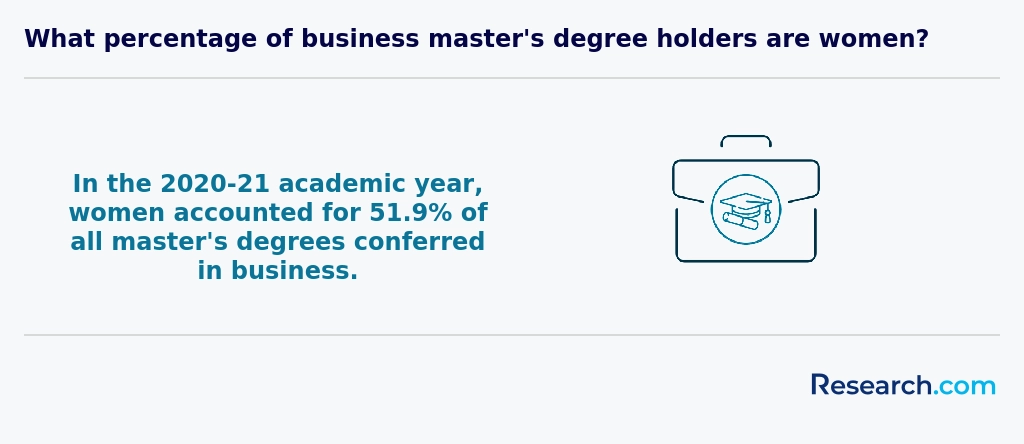
The job market for a business degree in Hobbs is closely tied to the city's dominant energy sector and supporting industries. Graduates from local universities often find themselves managing operations for oil and gas companies or handling financial analyses for retail businesses. One graduate recalls how working as a sales and marketing manager in Hobbs felt rewarding, not merely for the paycheck but because their efforts directly impacted the local economy's growth. These roles reflect the practical nature of employment opportunities for business graduates Hobbs offers.
Although salaries tend to be lower than national averages, around $45,000 to $60,000 annually, this reality is balanced by the affordable tuition rates in the area's business programs. For students weighing their options, the lower cost of education in Hobbs combined with steady employment growth projections from the New Mexico Department of Workforce Solutions can make the return on investment more appealing. Those curious about exploring valuable educational pathways can consult rankings of valuable business programs in New Mexico.
2027 Most Valuable Business Degree Programs Ranking in Hobbs
Investing in your education is a significant decision that can shape your future, and the Research.com team understands the importance of making informed choices. To assist prospective students in Hobbs, we have meticulously crafted the "2027 Most Valuable Business Degree Programs Ranking in Hobbs." Our commitment to quality, credibility, and accuracy is reflected in the extensive research and analysis conducted to compile this ranking.
We utilized the following reputable data sources to ensure a comprehensive evaluation of business degree programs:
By exploring this ranking, readers will gain valuable insights into the most valuable business degree programs in Hobbs, empowering them to make well-informed decisions about their educational and professional futures. For more details on our methodology, please visit our Research.com methodology page.
# 1 position
University of the Southwest
Master of Business Administration

# 2 position
University of the Southwest
Bachelor of Business Administration
# 3 position
University of the Southwest
Doctor of Business Administration
Frequently Asked Questions About business
Business degree students in Hobbs can enhance their learning by engaging with local industries, especially energy and oil sectors that dominate the regional economy. Internships and cooperative education opportunities with companies like Energen and New Mexico Junior College provide practical experience, which is crucial for applying theoretical knowledge.
Students should also leverage resources like the Southeast New Mexico Economic Development Foundation, which offers networking events and business workshops tailored to Hobbs' market. Actively participating in these programs helps students build professional relationships and gain insights into local business trends.
Additionally, utilizing Hobbs Public Library's research tools and online business databases can improve academic research skills.
Maintaining close communication with academic advisors ensures students align coursework with career goals and emerging market needs. Statistics from the U.S. Bureau of Labor Statistics show that business-related internships increase graduate employability by over 20%, highlighting the value of applied experiences.
Emerging niches within the business field reflect evolving market demands and technological advances. In Hobbs, sectors like data analytics and supply chain management are gaining significant attention, driven by local industries such as oil and gas distribution. According to the U.S. Bureau of Labor Statistics, the demand for data analysts is projected to grow by 25% nationally through 2031, signaling strong job prospects for graduates in this area.
Additionally, sustainable business practices and corporate social responsibility are becoming crucial as companies focus on environmental impact. Locally, small businesses in Hobbs are seeking professionals skilled in digital marketing to expand their reach, reflecting a national trend toward e-commerce and social media strategy roles.
Graduates with a business degree in Hobbs should start by developing relevant skills through internships offered by local companies, especially in the oil and energy sectors, which dominate the regional economy. According to the New Mexico Department of Workforce Solutions, these industries offer growing opportunities in management and finance roles. Networking is also crucial; joining local chambers of commerce or business organizations can connect students with potential employers.
Additionally, acquiring certifications such as Project Management Professional (PMP) or Certified Public Accountant (CPA) can increase job market competitiveness. Career services at Hobbs-area colleges often provide resume support and interview training, helping graduates tailor applications for specific job openings. Staying informed about local economic trends improves readiness for job opportunities in this dynamic market.
Employers in Hobbs value a mix of technical and interpersonal skills in business degree graduates. According to the New Mexico Department of Workforce Solutions, strong communication abilities top the list, with 85% of local employers highlighting the need for clear written and verbal skills.
Additionally, problem-solving and critical thinking are crucial. These skills help graduates adapt to the diverse industries dominant in Hobbs, such as energy and retail. Data analysis is also increasingly important, as companies seek employees who can interpret market trends and support strategic decisions.
Finally, teamwork and leadership capabilities rank highly, reflecting Hobbs employers' preference for candidates who can collaborate effectively and manage projects efficiently.
Finding internships in Hobbs relevant to a business degree involves leveraging local resources and networking opportunities. Hobbs, a city with a growing energy sector and small business community, offers various internships in finance, marketing, and management. Students should first explore programs through Eastern New Mexico University-Hobbs, which partners with area employers to provide internship placements. Additionally, local chambers of commerce and business associations frequently post internship openings.
Online platforms like Handshake and the U.S. Department of Labor's CareerOneStop also list internships available in Hobbs. Reaching out directly to companies in the oil, gas, and retail sectors can increase chances of securing a position. Networking at local business events or job fairs is essential to connect with potential employers.
In Hobbs, obtaining a business degree can significantly enhance career mobility and advancement opportunities. The local economy, largely driven by oil and gas, manufacturing, and retail sectors, values candidates with formal business education and skills in management, finance, and marketing.
According to the U.S. Bureau of Labor Statistics, Hobbs has seen steady employment growth in business-related roles, reflecting regional demand. Graduates with business degrees often access higher-paying positions, with median salaries around 15-20% above those without degrees, based on New Mexico's workforce reports.
Furthermore, business degrees provide foundational knowledge that supports entrepreneurial ventures, which are vital to Hobbs's growing small business landscape. Networking through college programs also facilitates connections essential for career progression locally and regionally.
Studying for a business degree in Hobbs equips students with versatile skills essential for interdisciplinary roles in today's dynamic workplace. Local programs emphasize practical knowledge in areas such as finance, marketing, and management, fostering a strong foundation across key business disciplines.
Students also engage with courses that integrate technology, communication, and problem-solving, preparing them to collaborate effectively with professionals from different fields.
According to the New Mexico Department of Workforce Solutions, Hobbs's economy benefits from sectors like energy, retail, and healthcare, highlighting the need for business graduates who can adapt and contribute in varied industries.
By combining broad business education with regional economic insights, Hobbs colleges prepare graduates to navigate complex, cross-sector challenges successfully.
Choosing between a thesis and a non-thesis business degree program in Hobbs depends largely on your career goals and learning preferences. A thesis program typically involves conducting original research and writing a detailed paper, which can prepare you for roles in research, academia, or advanced studies like a PhD. Non-thesis programs focus more on practical skills through coursework and may include internships or projects.
The New Mexico Higher Education Department reports that practical experience is highly valued by local employers in Hobbs' growing oil and gas sector, a major business field here. Consider how much research you want to engage in versus applied learning.
If you aim to work directly in Hobbs' business market or pursue professional certifications, a non-thesis option might be more suitable. Conversely, if you plan further academic work or want to stand out with specialized expertise, the thesis path is beneficial.
Students based in Hobbs seeking to study business abroad have several viable options through U.S. institutions offering international programs. Many New Mexico colleges and universities collaborate with partner institutions overseas, allowing students to earn business degrees with global exposure. For example, Eastern New Mexico University, nearby Hobbs, supports study abroad opportunities in countries such as Spain and the UK, focusing on international business practices. According to the Institute of International Education, around 10% of U.S. business undergraduates participate in study abroad programs annually, enhancing cross-cultural competencies valuable in today's global market.
Students pursuing business degrees in Hobbs have access to various part-time job opportunities that enhance their education. Retail positions in local stores help develop customer service and sales skills vital for marketing and management careers. Hobbs' growing oil and energy sector offers internships and assistant roles in administrative and finance departments, providing practical experience in business operations.
Additionally, many Hobbs businesses seek part-time help in bookkeeping and data entry, allowing students to apply accounting and analytical knowledge. Organizations such as the Hobbs Chamber of Commerce sometimes offer volunteering or paid event coordination roles, helping students gain networking and project management experience.
Business students in Hobbs benefit from several valuable networking opportunities that support professional growth. Local institutions like New Mexico Junior College and the University of Texas Permian Basin often host business-related events, guest lectures, and career fairs, providing direct contact with regional employers.
The Hobbs Chamber of Commerce actively welcomes student involvement, offering access to workshops, mentorship programs, and business mixers. These events create a platform to connect with local entrepreneurs, executives, and professionals in sectors such as energy, retail, and finance, which dominate the regional economy.
Additionally, internships facilitated by colleges in Hobbs frequently connect students with businesses, enhancing practical experience and expanding professional networks prior to graduation. According to the New Mexico Department of Workforce Solutions, Hobbs' business sector employment increased 3.5% recently, signaling growing opportunities for networking within the community.
Alumni networks offer essential support for business degree students in Hobbs by connecting them with experienced professionals who have local industry knowledge. These networks provide access to mentorship, internships, and job opportunities, which can be crucial in Hobbs' evolving economy.
According to the National Association of Colleges and Employers, students with active alumni contacts are 70% more likely to secure employment within six months after graduation. In Hobbs, where the energy sector and small businesses dominate, alumni connections help students navigate these specific markets effectively.
Business alumni often organize networking events and workshops in Hobbs, fostering professional relationships that lead to collaboration and career advancement. This community engagement not only supports students academically but also offers practical resources for career growth in the region's unique economic landscape.
Customizing a business degree program in Hobbs involves selecting courses and experiences aligned with your specific career goals. Many local institutions offer electives in areas such as entrepreneurship, marketing, or finance, allowing you to focus on your preferred field. You can also pursue internships with Hobbs-based companies, which helps build relevant work experience and networking connections.
Academic advisors play a key role in tailoring your program to fit industry demands in southeastern New Mexico. Considering regional economic data, specializing in energy management or supply chain logistics may increase job prospects, given Hobbs' connections to the oil and gas sector.
Additionally, joining business clubs or attending local events supports practical learning beyond the classroom.
Business students in Hobbs often face challenges related to limited local internship and networking opportunities. As a smaller city, Hobbs has fewer large companies and corporate headquarters compared to major metropolitan areas, which can restrict hands-on experience crucial for career development. According to the New Mexico Department of Workforce Solutions, the oil and gas industry dominates Hobbs' economy, potentially narrowing the scope for diverse business roles.
Another challenge is balancing education costs with personal finances. While New Mexico offers some in-state tuition benefits, students must still manage expenses on a modest median local income of around $50,000 annually, which can impact their ability to focus solely on studies.
Additionally, access to specialized business courses may be more limited locally, requiring students to seek online or hybrid programs for broader curriculum options.
With a business degree, professionals in Hobbs can pursue several valuable certifications to enhance their careers. A widely recognized option is the Certified Public Accountant (CPA), ideal for those interested in accounting and finance. This certification requires passing the CPA exam and meeting state-specific experience requirements. Another important certification is the Project Management Professional (PMP), which focuses on managing projects across industries.
The Certified Management Accountant (CMA) is also popular, emphasizing financial management skills. For those in marketing or sales, the Certified Professional Sales Person (CPSP) offers specialized knowledge. According to the U.S. Bureau of Labor Statistics, professionals with these certifications often see salary increases of 10-20%. Local Hobbs businesses value these credentials for their demonstrated expertise and commitment.
To write a winning application for a business program in Hobbs, start by clearly demonstrating your interest in business and your career goals. Admissions committees often look for applicants who can connect their experiences with the program's offerings. In Hobbs, where the local economy relies heavily on energy and oil industries, highlighting any relevant work or internships can strengthen your application.
Maintain a strong GPA, typically above 3.0, as competitive business programs prioritize academic performance. Also, prepare for standardized tests like the SAT or ACT if required, aiming for scores near or above national averages.
Communicate your leadership skills through examples, as Hobbs-area programs value community involvement and practical experience. According to the U.S. Department of Education, applicants who include a well-crafted personal statement tailored to their chosen school tend to receive more favorable consideration.
Finally, obtain strong letters of recommendation from teachers or employers familiar with your business potential. Present a neat, error-free application to convey professionalism and attention to detail, which are key in business fields.
The global perspective on a business career emphasizes adaptability and cultural awareness as key skills. In a connected world, companies value graduates who understand international markets and can manage cross-border operations. According to the U.S. Bureau of Labor Statistics, careers in business management are expected to grow by 8% from 2022 to 2032, reflecting steady demand.
For Hobbs students, understanding global business trends is crucial. Hobbs' position near energy and trade hubs offers unique insight into global supply chains. Local economic reports highlight an increasing need for professionals skilled in both business fundamentals and global economic factors.
Top U.S. business schools often integrate global case studies, preparing students for diverse markets. This global business awareness contributes to higher employability and advancement opportunities across industries.
Students pursuing a business degree in Hobbs can gain practical experience through internships and cooperative education programs. Local businesses, especially in the oil, gas, and energy sectors prominent in the region, often offer internships tailored to business students. These opportunities allow students to apply classroom knowledge in real-world settings.
Additionally, many nearby colleges encourage participation in business competitions and student-run enterprises, providing hands-on management experience. Volunteering for local chambers of commerce or economic development organizations also exposes students to business operations and networking.
According to the New Mexico Department of Workforce Solutions, Hobbs has seen annual job growth around 1.5% in business-related fields, increasing internship availability in recent years.
Choosing the right concentration within a business degree program in Hobbs involves evaluating both your interests and the local job market. Popular concentrations include marketing, finance, management, and entrepreneurship. According to the U.S. Bureau of Labor Statistics, industries such as oil and gas, retail, and healthcare dominate Hobbs's economy, influencing demand for business professionals in these sectors. Exploring concentrations aligned with local economic strengths can improve job prospects after graduation.
It is also important to consider your career goals and strengths. For example, if you enjoy data analysis and numbers, finance or accounting might suit you better. Speak with academic advisors and local employers to understand which skills are most valuable in Hobbs's business community.
- 2027 Most Valuable Business Degree Programs Ranking in Lubbock
- 2027 Most Valuable Business Degree Programs Ranking in Abilene
- 2027 Most Valuable Business Degree Programs Ranking in El Paso
- 2027 Most Valuable Business Degree Programs Ranking in Denton
- 2027 Most Valuable Business Degree Programs Ranking in San Antonio
- 2027 Most Valuable Business Degree Programs Ranking in Austin
- 2027 Most Valuable Business Degree Programs Ranking in Dallas
- 2027 Most Valuable Business Degree Programs Ranking in Wichita
- 2027 Most Valuable Business Degree Programs Ranking in Denver
- 2027 Most Valuable Business Degree Programs Ranking in Houston
See What Experts Have To Say About Studying Business
Read our interview with Business experts


Ingrid S. Greene
Business Expert
Clinical Assistant Professor of Management
Loyola Marymount University

David W. Stewart
Business Expert
Emeritus President's Professor of Marketing
Loyola Marymount University

- Is a thesis always mandatory in a master's degree program? - EFMU: The Euler-Franeker Memorial University and Institute https://euler.euclid.int/is-a-thesis-always-mandatory-in-masters-degree-program/
- The Smart Student’s Guide to Choosing a Business Degree – EU... https://www.euruni.edu/blog/the-smart-students-guide-to-choosing-a-business-degree/
- How long is a Business Administration Degree https://henryharvin.ae/blog/how-long-is-a-business-administration-degree/
- Finding Networking Opportunities as a Student | National Society of High School Scholars https://www.nshss.org/resources/blog/blog-posts/how-to-find-networking-opportunities-as-a-student/
- 2024 Best Business Schools | How Alumni Rate Their Undergraduate Business Degrees https://poetsandquantsforundergrads.com/news/best-business-schools-alumni-rate-undergraduate-business-degrees/5/
- Global Perspectives: International Opportunities for Business School Students - SBS Swiss Business School https://sbs-uae.org/global-perspectives-international-opportunities-for-business-school-students-3/
- Local Business https://www.hobbsnm.gov/business_support.html
- Financial Aid https://www.nmjc.edu/admission/financial_aid/index.aspx
- Bringing global perspectives to leadership in business https://www.eaie.org/resource/global-perspectives-leadership-business.html
- How to Use Your MBA for Career Growth While You’re Still Studying - International Career Institute USA https://icieducation.com/blog/how-to-use-your-mba-for-career-growth-while-youre-still-studying/