
2027 Most Valuable Business Degree Programs Ranking in Delaware

Co-Founder and Chief Data Scientist
Choosing the right business degree program can shape your future career and open doors to exciting opportunities. This article introduces the 2027 Most Valuable Business Degree Programs Ranking in Delaware, created by the Research.com team of data scientists to guide you toward the best programs available.
By exploring this ranking, you'll gain insight into which degrees offer strong value and promising career paths. Whether you're starting fresh or considering a change, this information can help you make a confident, informed decision about your education and future.
Key benefits of getting business degree in Delaware
- Salary for business degree graduates: Graduates can expect rewarding salaries such as $83,190 annually for Business Development Executives and $112,950 for Business Analysts, showing strong financial potential.
- Career paths: A typical Delaware business graduate can explore dynamic roles in business analysis, development, or management, offering exciting opportunities to grow and lead.
- Benefits of online degrees: Earning a business degree online from a Delaware institution provides flexible learning and the chance to balance work and study, making career advancement more accessible and enjoyable.
- 2027 Most Valuable Business Degree Programs Ranking in Delaware
- What can I expect from business degree in Delaware?
- Where can I work with business degree in Delaware?
What can I expect from business degree in Delaware?
The average cost of a business degree in Delaware typically ranges from $10,000 to $40,000 per year, varying based on whether students attend public institutions like the University of Delaware or private colleges. Graduates often reflect on the value gained through access to the Alfred Lerner College of Business and Economics, where tuition is balanced by opportunities such as internships with local financial firms or startups. Many students recall how experiential learning, combined with Delaware's unique corporate landscape, made their investment feel worthwhile.
Financial aid and scholarships frequently ease the tuition burden, making it more manageable. For instance, some graduates describe leveraging state-funded programs or university partnerships with corporate sponsors to reduce costs while gaining practical exposure. This synergy between cost and hands-on experience inspires confidence in securing roles in Wilmington's thriving finance and corporate sectors, emphasizing a return on investment beyond just academic credentials.
Looking ahead, with Delaware's growing emphasis on entrepreneurship and innovation, business students might find expanding opportunities for funded projects and paid internships that further justify tuition expenses and enrich their educational journey.
Where can I work with business degree in Delaware?
Graduates from well-known Delaware institutions like the University of Delaware often find themselves drawn to the state's booming finance sector, where the presence of over 1,300 banks offers dynamic roles in financial analysis, compliance, and risk management. Many feel energized by the fast-paced environment at companies such as Bank of America or JPMorgan Chase, enjoying the blend of technology and finance that shapes Delaware's future.
Others pursuing business degrees at Delaware State University discover exciting opportunities in manufacturing hubs, where they apply skills in supply chain management and business development for leading healthcare corporations like AstraZeneca. These graduates express satisfaction in navigating the intersection of business operations and innovative product creation.
The state's expanding healthcare industry, including hospital administration and medical finance, attracts graduates who appreciate the meaningful impact of their work, especially when paired with specialized healthcare management training. Corporate services in Delaware, home to more than 60% of Fortune 500 firms, offer pathways in consulting and governance that many find intellectually rewarding and promising for long-term career growth.
Graduates from Delaware's well-regarded business programs often find promising salary prospects soon after completing their degrees. For example, business analysts-one of the most sought-after roles-earn a mean annual wage of approximately $112,950 in Delaware, according to recent BLS data. This level of income creates exciting possibilities for new graduates entering the field, especially those starting at universities like the University of Delaware, where strong connections to Wilmington's corporate network help launch careers.
Similarly, business development executives in Delaware earn an average of $83,190 per year. Graduates have shared that working in Wilmington's vibrant business scene helps them rapidly grow their professional skills and income. These real-life experiences make the state attractive for those who want both solid pay and valuable industry exposure.
Looking ahead, specialized skills in data analytics or strategic management gained during studies can further boost salary potential. Delaware's focus on innovation in finance and corporate services suggests that business graduates who invest in continuous learning will likely enjoy rising earnings and rewarding career paths.
- Annual tuition for business degrees in Delaware ranges from $13,000 to $28,000, depending on the type of institution attended.
- Early-career business graduates earn between $50,000 and $60,000 per year, with experienced professionals making over $90,000.
- Key industries hiring business graduates include finance, insurance, healthcare, and manufacturing.
- The state offers practical experience opportunities like internships and cooperative education programs to improve job prospects.
- Delaware's location near Philadelphia and Baltimore expands employment options beyond the state.
- Employment growth is expected in roles such as financial analysts, accountants, and marketing specialists.
Completing a business degree in Delaware generally spans from two to four years, depending on your chosen path and pace. Graduates from the University of Delaware often share how their full-time bachelor's degree journey took about four years, matching the typical pace across the state. Meanwhile, those attending Delaware Tech appreciate the flexibility of associate degree programs that let them start working sooner and later transfer credits toward a bachelor's, effectively speeding up their education.
Many students balance evening or online classes, which some Delaware State University learners found empowering as they juggled work and family, even if it extended their timeline beyond four years. The experience of internships provided by these institutions often adds depth and excitement, although it might stretch the duration slightly.
For those eyeing an MBA, programs in Delaware commonly last one to two years full-time, yet part-time options offer a tailored pace, letting busy professionals shape their educational journey to fit life's rhythms while aiming for success.
Delaware’s business programs stand out for their strong emphasis on internships and hands-on projects, ensuring students graduate with real-world experience. Many universities, including the University of Delaware and Wilmington University, partner with local companies in finance, marketing, and operations to offer semester-long internships that often lead to full-time job offers. For example, business majors at UD have interned with DuPont and JPMorgan Chase, applying classroom concepts to live campaigns and financial models. Cooperative education (co-op) programs further enhance practical learning by alternating academic semesters with work placements. These paid co-ops allow students to build professional networks early-one Wilmington University student credited her co-op at a Wilmington-based startup with securing her current marketing analyst role. Moreover, experiential learning courses, such as consulting projects for Delaware nonprofits, enable students to tackle strategic challenges while refining critical thinking and communication skills. While Delaware offers robust on-campus experiences, cost-conscious learners can also explore flexible alternatives. For students evaluating affordable online pathways, our Cheapest Online Business Degree Programs Ranking in Ohio provides insight into programs with lower tuition rates and similar experiential components. By combining Delaware’s rich internship ecosystem with strategic online options, aspiring business professionals can maximize both learning and return on investment.
Graduates from the University of Delaware often describe on-campus business programs as immersive experiences that foster strong connections through face-to-face collaboration, internships, and direct access to faculty. These structured schedules create a reliable routine, which many find inspiring and motivating while navigating their studies alongside campus events and networking opportunities within Delaware's business community.
Conversely, alumni of Delaware State University's online programs highlight the flexibility of remote learning, allowing them to balance jobs, family, and education without the stress of commuting. This format appeals especially to those living in rural areas of Delaware, offering equal access to quality education and accreditation without housing costs or daily campus visits.
Looking ahead, the blending of these experiences-such as hybrid models emerging at Delaware institutions-may redefine business education, combining the convenience of online courses with periodic in-person interactions to amplify both professional networking and personalized learning.
When considering a business degree in Delaware, one of the most crucial factors to evaluate is the cost-benefit analysis. Prospective students must weigh the potential financial returns of their investment against the expenses of tuition, fees, and other educational costs. The state of Delaware offers a range of affordable options for business education, including the most affordable business programs in Delaware, which can significantly impact the financial burden of pursuing a degree. By understanding the cost structure and the potential salary outcomes, students can make informed decisions about their educational paths, ensuring they choose a program that aligns with their financial realities and career aspirations. This thoughtful approach to evaluating costs and benefits is essential for maximizing the value of a business degree in Delaware.
The average cost of a business degree in Delaware typically revolves around a median total cost of about $33,732, which reflects a balance between in-state and out-of-state tuition combined with additional expenses. Graduates from the University of Delaware often share how in-state tuition fees make pursuing a business degree more manageable, especially when coupled with state scholarships and financial aid designed for local students. Private institutions such as Wilmington University or Goldey-Beacom College tend to charge higher tuition, but many students appreciate the flexibility these schools offer for working adults, making the investment feel worthwhile despite the steeper costs. This real-life experience highlights the importance of budgeting for fees, supplies, and living expenses, which together tend to add significantly to the total tuition and fees for Delaware business degrees.
Prospective students exploring their options increasingly look toward combining affordable tuition with financial aid opportunities, which makes attending Delaware's public universities especially appealing. With evolving educational models, graduates anticipate innovative scholarship programs and part-time study options to emerge, potentially lowering out-of-pocket expenses even further, while maintaining quality education. For those prioritizing cost-efficiency, consulting resources such as the most affordable business programs in Delaware can provide clear guidance grounded in current market trends and future possibilities.
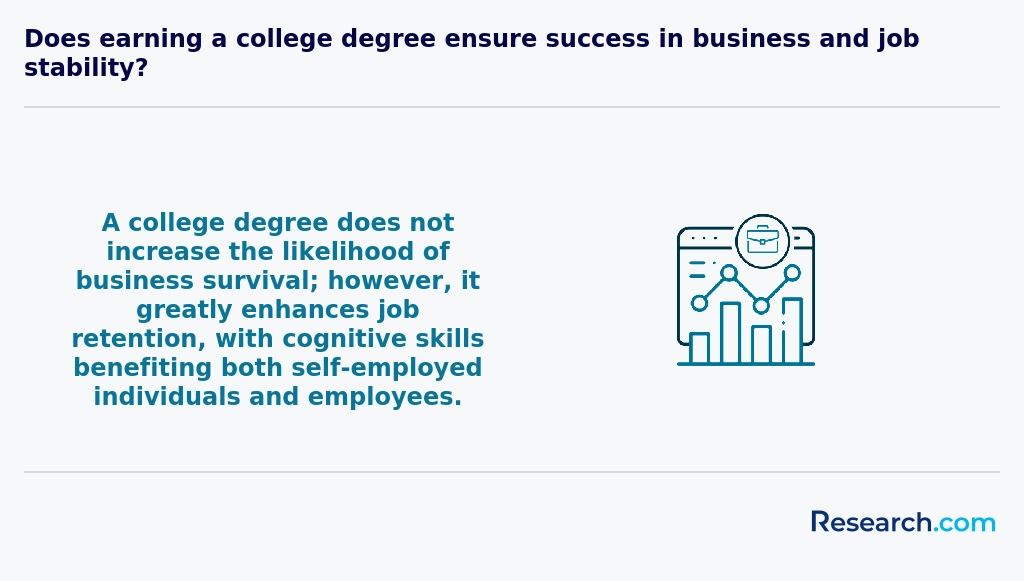
Investing in a Business degree in Delaware can yield significant long‐term financial benefits, but understanding the return on investment (ROI) is crucial for making an informed choice. On average, Delaware graduates repay their tuition costs within 5 to 7 years, thanks to median starting salaries of $58,000 for entry‐level roles and $80,220 for project managers. By comparing total program costs-ranging from $38,000 to $52,000 for a bachelor’s degree-with projected lifetime earnings, students can expect an ROI of approximately 300% over a 20‐year career span. Accelerated pathways further enhance ROI by reducing both time and tuition expenses. For instance, many learners pursue an accelerated business degree online, shaving up to a year off their studies and lowering overall costs by 15–20%. This strategy not only accelerates entry into the workforce but also maximizes earnings potential by allowing graduates to start earning sooner. When evaluating ROI, factor in hidden costs like books, fees, and living expenses. Delaware’s in‐state tuition discounts, coupled with financial aid, can lower the breakeven point by several semesters. Additionally, graduates report that high‐impact internships-often built into capstone courses-can lead to immediate job offers, further shortening the payback period. Ultimately, prospective students should calculate ROI by weighing program length, total cost, and anticipated salary growth. By selecting programs with strong career services, industry partnerships, and internship placements, learners can ensure their Delaware Business degree delivers both professional fulfillment and a robust financial return.
Business students in Delaware often find financial aid options that make their educational journey more manageable and inspiring. Many graduates from the University of Delaware recall how Pell Grants, which offer up to $7,395 annually, lightened their financial load during critical semesters, allowing them to focus on building leadership skills rather than stressing over tuition.
State-based programs like the Delaware SEED Scholarship also play a vital role. These scholarships, aimed at in-state residents attending local colleges, provide a crucial boost by covering substantial tuition portions. Graduates often share how combining SEED with federal aid unleashed opportunities to dive deeper into internships and networking events, enriching their career prospects.
Merit scholarships at Delaware's business colleges reward academic and professional excellence, offering support that can stretch from partial aid to full tuition remission. Stories from alumni highlight how these scholarships motivated them to excel and seize campus leadership roles confidently.
Looking ahead, there's growing excitement about employer tuition assistance expanding for Delaware business students. Many graduates reflect on the relief of getting reimbursed by local firms, inspiring others to consider continuing education while working.
As the business landscape rapidly evolves, understanding emerging industry trends is essential for prospective students and professionals alike. Delaware’s business education sector is adapting to innovations such as digital transformation, data analytics, and sustainable practices, all of which influence curriculum updates and skill requirements. Today’s business degree programs increasingly emphasize technology integration, remote collaboration, and agile management practices-competencies that are critical in an ever-changing market. These trends are reflected in both academic and employer expectations. Many institutions are now partnering with local businesses to offer real-world projects, internships, and certifications in emerging fields. The focus on developing leadership skills in dynamic environments ensures that graduates are well-prepared to navigate post-pandemic economic shifts. Furthermore, organizations seek candidates who not only master traditional business concepts but also possess a forward-thinking mindset to drive innovation. For additional insights into specialized Business Degree Programs, exploring how these programs are integrating modern trends can help you make a more informed decision. Staying updated on the latest industry trends and future career prospects empowers you to leverage your education fully, ensuring long-term success in Delaware’s competitive job market.
Delaware business degree programs typically require applicants to hold a high school diploma or equivalent, along with strong academic records in subjects such as math and English. Graduates from popular Delaware institutions often recall how their solid foundation in algebra and geometry made business analytics courses feel approachable rather than overwhelming. Those who prepared by taking introductory economics or accounting classes found themselves confident and ready to dive deeper once enrolled.
Many schools in Delaware still value standardized test scores like the SAT or ACT, though test-optional policies are becoming more common. This shift encourages applicants who may excel in other areas to showcase their strengths through transcripts and personal statements instead. Future students can imagine submitting compelling letters of recommendation and resumes highlighting their internships or part-time jobs, which resonate well with admissions committees.
Graduate applicants aiming for MBAs in Delaware often bring an accredited bachelor's degree and competitive GMAT or GRE scores, but some programs increasingly recognize relevant work experience. This flexibility reflects evolving admissions trends that appreciate diverse backgrounds and skills, making the journey to a business degree more accessible and inspiring for many prospective students.
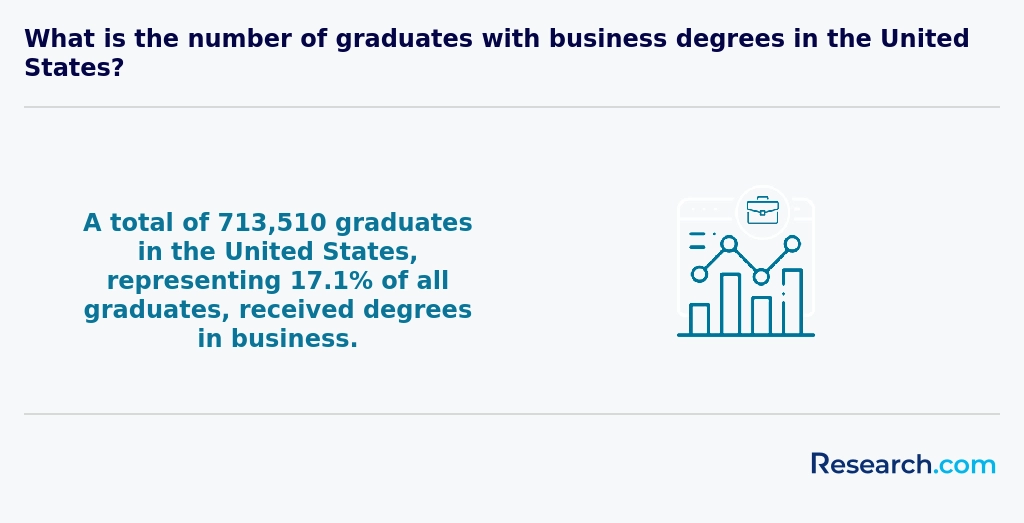
Students pursuing a business degree in Delaware typically engage with core courses such as accounting, economics, finance, marketing, management, and business law. Graduates often reflect on how these fundamentals create a solid framework, helping them confidently navigate complex business challenges both locally and nationally.
At institutions like the University of Delaware's Alfred Lerner College of Business and Economics, many students find themselves excited by specialized courses in data analytics, strategic management, and information systems. These subjects prepare them for future demands, equipping them with skills to innovate in an increasingly digital business landscape.
Hands-on experiences like case studies, group projects, and internships are common, allowing students to apply theories in Delaware's vibrant business community. This real-world application often sparks enthusiasm and a sense of accomplishment as students witness their learning translate into practical success.
Courses in business ethics and communication remain vital, with graduates appreciating how these lessons enhance leadership and negotiation abilities-essential in Delaware's corporate environment known for emphasizing governance and compliance.
Delaware's business degree specializations reflect both traditional strengths and emerging trends, giving students a broad range of options to tailor their studies. Popular concentrations include finance, marketing, and management, which graduates from well-known institutions in the state often cite as crucial in developing skills that connect directly to Delaware's robust corporate environment. These specializations prepare students to confidently enter industries tied to the state's position as a corporate and financial hub.
For those interested in business degree specializations in Delaware that embrace future opportunities, fields like data analytics and technology management are gaining traction among students. Graduates share how these paths have immersed them in hands-on projects involving real-time market analytics and IT solutions, preparing them for evolving roles in business intelligence across sectors such as healthcare and manufacturing. Connecting studies to local internships often leads to exciting career beginnings.
Students exploring Delaware business management concentration options appreciate the integration of cross-disciplinary learning, such as entrepreneurship and international business, which supports innovative thinking aligned with global market demands. Many also find value in the state's unique advantages, as explained on the Business Degree Programs pages, inspiring a sense of readiness and excitement for their professional journeys.
Choosing the best business degree in Delaware means anticipating future career demands and personal growth opportunities. Graduates from Delaware's universities often reflect on how focusing on specialized fields like finance or marketing helped them stand out in local job markets. Considering Delaware's AACSB-accredited institutions guarantees a rigorous education respected by employers statewide. Many students find that smaller class sizes foster strong connections with professors, which proved invaluable when seeking internships in Wilmington's vibrant financial and healthcare sectors.
Affordability remains top of mind, with graduates citing that exploring affordable business schools Delaware was key to balancing quality education and manageable debt. Flexible scheduling and online learning options increasingly attract students balancing work and study, making programs more accessible than ever. Some students recommend checking out accelerated business degree online offerings to reduce time-to-degree without sacrificing depth.
Future-focused learners also weigh programs' ties to Delaware's evolving industries and their graduate employment rates, ensuring their degree opens doors locally. Imagining yourself thriving in Delaware's business environment means choosing a program that aligns with your ambitions and lifestyle.
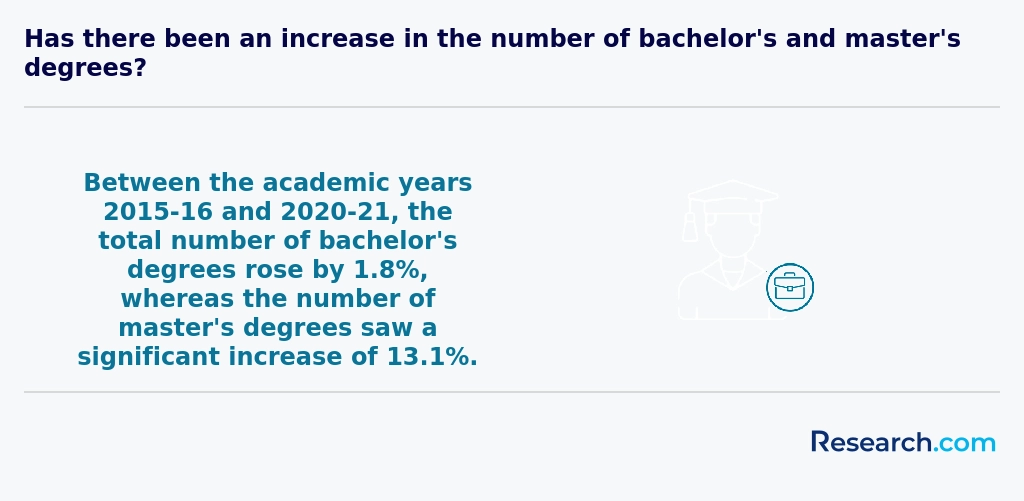
Graduates with a business degree in Delaware often find themselves stepping into dynamic roles such as financial analysts or compliance officers, especially in Wilmington's bustling financial sector. Many who studied at prominent Delaware colleges reflect on the invigorating challenges and rewards of supporting Fortune 500 companies that have chosen Delaware for incorporation. This unique environment sharpens their skills in corporate law and financial management, opening new doors as business degree career opportunities in Delaware continue to expand with regulatory innovation.
Other graduates pursue marketing or human resource management roles across Delaware's growing healthcare and manufacturing industries, appreciating the state's supportive business climate. Entrepreneurs benefit from startup-friendly policies and strong networking resources, envisioning ventures fueled by the state's cost-effective incorporation options. Such possibilities are commonly discussed among students attending Delaware's leading business programs, inspiring confidence about their futures.
For those considering education costs alongside career prospects, programs featured in the Cheapest Online Business Degree Programs Ranking in Ohio provide valuable financial insights. These choices align well with Delaware business degree job prospects, helping students manage investments while targeting promising career paths.
Business degree job opportunities in Delaware continue to expand, fueled by the state's role as a corporate hub and its thriving finance and insurance sectors. Graduates from popular institutions like the University of Delaware often share optimistic stories about landing roles within Wilmington's bustling financial services scene or with insurance firms headquartered locally. These experiences highlight the strength of Delaware's job market for business degree holders, where steady growth in corporate management and consulting positions opens doors to rewarding careers.
Delaware business degree career prospects also benefit from the state's affordable education costs compared to national averages, making the investment worthwhile. Students often find that practical internships and networking opportunities through local universities place them a step ahead in competitive fields like accounting and marketing. For those balancing studies with ambitions to enter the workforce quickly, exploring fast associate degree programs online can provide a helpful boost toward their goals.
2027 Most Valuable Business Degree Programs Ranking in Delaware
Investing in your education is a significant decision that can shape your future, and the Research.com team understands the importance of making informed choices. To assist prospective students in Delaware, we have meticulously crafted the "2027 Most Valuable Business Degree Programs Ranking in Delaware." Our commitment to quality, credibility, and accuracy is reflected in the extensive research and analysis conducted to compile this ranking.
We utilized the following reputable data sources to ensure a comprehensive evaluation of business degree programs:
By exploring this ranking, readers will gain valuable insights into the most valuable business degree programs in Delaware, helping them make educated decisions about their educational paths. For more details on our methodology, please visit our Research.com methodology page.

# 2 position
Wilmington University
Master of Business Administration

# 3 position
Wilmington University
Bachelor of Business Administration


# 8 position
Wilmington University
Doctor of Business Administration
# 9 position
Strayer University-Delaware
Bachelor of Business Administration

Frequently Asked Questions About business
Business degree students in Delaware can maximize their learning experience by actively engaging in both academic and practical opportunities. Delaware hosts several reputable institutions such as the University of Delaware, where experiential learning, including internships and cooperative education, is strongly emphasized. Students benefit from Delaware's strategic location near major business hubs like Philadelphia and Baltimore, providing access to internships in finance, logistics, and healthcare sectors that dominate the state's economy. According to the Delaware Department of Labor, internships boost graduate employment rates by up to 30%. Networking through local business organizations and campus events further equips students with real-world insights and professional connections.
Emerging niches within the business field in Delaware reflect broader national trends emphasizing technology and sustainability. Fields like data analytics and supply chain management are gaining traction, responding to increasing demand for skills in big data and global logistics. According to the Delaware Department of Labor, employment in these areas is expected to grow faster than average through 2030.
Additionally, Delaware's strong financial services sector fuels interest in fintech and compliance management. Businesses are investing more in regulatory expertise due to complex local and federal laws. Green business practices and sustainable supply chains are also expanding niches, aligned with national pushes toward environmental responsibility.
Entrepreneurship and innovation support roles, particularly in digital marketing and e-commerce, continue to develop as Delaware encourages small business growth. These niches offer diverse opportunities for students pursuing business degrees who want to position themselves in evolving markets.
After completing a business degree in Delaware, preparing for the job market involves several strategic steps. Start by leveraging campus career services at institutions like the University of Delaware, which offers tailored support including resume workshops and employer networking events. Delaware's business sector is diverse, with finance, healthcare, and manufacturing playing major roles, so targeting internships in these industries can enhance practical experience.
Networking is crucial; joining local organizations such as the Delaware Small Business Chamber can help build valuable connections. According to the Delaware Department of Labor, employment in business-related fields grew by 3% from 2021 to 2023, signaling a positive environment for new graduates. Finally, consider certifications like CPA or digital marketing credentials to stand out in specialized fields.
Employers in Delaware highly value business degree graduates who demonstrate strong analytical and communication skills. According to the Delaware Department of Labor, candidates equipped with data-driven decision-making abilities rank among the most sought-after in the state's business sector. Additionally, proficiency in digital tools like Excel, Salesforce, and emerging CRM software is increasingly important.
Leadership and teamwork skills also remain critical. Delaware's growing finance and healthcare industries often seek graduates who can manage projects, collaborate effectively, and adapt to fast-paced environments. A 2023 survey by the Delaware Business Roundtable highlights that 68% of employers prioritize problem-solving skills in new hires.
Knowledge of local market trends and regulatory environments further distinguishes candidates. Understanding Delaware's tax advantages and corporate laws adds practical value for business roles related to compliance and strategy.
Finding internships in Delaware relevant to a business degree involves leveraging local resources and networks. Delaware's proximity to major metropolitan areas like Philadelphia and Baltimore expands opportunities beyond state borders, but several in-state options exist. Students should explore internship listings through Delaware's community colleges and universities, such as the University of Delaware, which often partner with local businesses.
The Delaware Department of Labor provides a dedicated website for internships and job placements, frequently highlighting openings in finance, marketing, and management sectors. According to the Delaware Business Times, about 45% of local businesses offer internships geared toward college students.
Networking through Delaware's chambers of commerce and business associations also proves valuable, as many internships are filled via referrals. Online platforms like Handshake and LinkedIn, focused on university students, list Delaware-specific business internships. Businesses in sectors like banking, healthcare, and logistics-key economic drivers in Delaware-regularly seek interns to support their operations.
In Delaware, earning a business degree significantly enhances career mobility and advancement opportunities. According to the Delaware Department of Labor, sectors like finance, insurance, and professional services dominate the state's economy, making business skills highly relevant. Graduates with business degrees often access a broader range of roles, from management to consulting, compared to non-degree holders.
Delaware's growing corporate hub, including many Fortune 500 companies, values formal business education for leadership positions. Studies show individuals with a bachelor's degree in business can expect higher starting salaries, averaging 20-30% more than those without such credentials, improving job security and upward mobility.
Furthermore, local universities offer specialized business programs aligned with Delaware's economic demands, further boosting graduates' employability within the region.
Studying for a business degree in Delaware equips students with skills that span multiple disciplines, preparing them for versatile career paths. Many Delaware institutions emphasize combining core business knowledge with coursework in technology, economics, and communication. This interdisciplinary approach reflects the state's diverse economy, which includes finance, manufacturing, and healthcare sectors.
Delaware's strong focus on experiential learning, often involving partnerships with local companies, enables students to apply business principles in real-world settings. According to the Delaware Department of Labor (2023), over 60% of business graduates find employment in fields requiring cross-functional expertise within one year of graduation.
Students also benefit from Delaware's proximity to major metropolitan areas, which fosters networking and internships across a variety of industries, further enhancing interdisciplinary capabilities.
Choosing between a thesis and a non-thesis business degree program in Delaware depends on your career goals and interests. A thesis program typically involves conducting original research and writing an extensive paper, ideal for students aiming for academic positions or research roles.
Non-thesis programs focus more on practical skills through coursework and internships, which suit those targeting immediate employment in Delaware's robust sectors like finance, logistics, or healthcare management. According to the Bureau of Labor Statistics, Delaware's business sector saw a 3.5% job growth in 2023, highlighting demand for practical experience.
Consider your learning style, time commitment, and professional plans when choosing.
Students based in Delaware seeking to study business abroad have several opportunities through programs offered by local institutions. The University of Delaware, for example, provides multiple study abroad options in business-related fields, including partnerships with European and Asian universities.
These programs typically range from short-term summer courses to full-semester exchanges. Participation allows students to gain international experience and global business perspectives, which are highly valued in today's market. According to the University of Delaware's study abroad office, about 500 students participate annually across all fields.
Additionally, Delaware State University encourages business students to explore exchanges and internships abroad, enhancing cross-cultural skills crucial for future careers. Funding options such as scholarships and grants are also available to support this experience.
Delaware offers several part-time job opportunities that effectively complement business degree programs. Positions in retail management, customer service, and administrative support are common, providing hands-on experience in sales, communication, and organizational skills. Many students also find roles as interns in Delaware's finance and banking sectors, particularly in Wilmington, known as a hub for the credit card industry with firms like JPMorgan Chase and Barclays. These internships offer exposure to real-world financial operations, enhancing classroom learning.
Additionally, small businesses and startups in Delaware often seek part-time assistants for marketing and operations roles, offering practical insights into entrepreneurship and strategic planning. According to the Delaware Department of Labor, the professional and business services sector has grown steadily, signaling increasing part-time opportunities for students seeking relevant experience.
Business students in Delaware benefit from strong networking opportunities through local universities and professional organizations. Institutions like the University of Delaware offer career fairs and industry-specific networking events, connecting students to businesses in sectors such as finance, manufacturing, and healthcare. According to the Delaware Prosperity Partnership, the state hosts over 3,000 business establishments, creating ample chances for internships and mentorships. Additionally, Delaware's small size encourages close relationships between students and local business leaders. Organizations like the Delaware State Chamber of Commerce and the Delaware Business Roundtable provide platforms for students to engage with professionals and expand their connections within the regional economy.
Alumni networks provide valuable support to business degree students in Delaware by opening doors to professional connections. Many universities in Delaware have active alumni groups that organize networking events, mentorship programs, and career workshops. These connections help students find internships and job opportunities in key Delaware industries like finance, healthcare, and manufacturing.
According to the Delaware State Chamber of Commerce, strong local networks can significantly boost job placement rates for business graduates in the state. Alumni often share insights about the Delaware business landscape, including companies headquartered here such as DuPont and AstraZeneca.
Through alumni networks, students gain access to exclusive job listings and guidance on navigating Delaware's competitive job market. This support can be critical for recent graduates starting their careers.
Customizing a business degree program in Delaware allows students to align their education with specific career goals. Many Delaware universities offer flexible curricula with options to choose concentrations such as finance, marketing, entrepreneurship, or supply chain management. This flexibility enables students to develop skills tailored to local industries, including finance and chemical manufacturing, which are strong sectors in Delaware's economy according to the Delaware Department of Labor.
Students can also pursue internships or cooperative education experiences with prominent Delaware-based companies like DuPont or Bank of America to gain practical experience. Additionally, some programs enable students to take elective courses in data analytics or international business, expanding career opportunities. Advisors and faculty often assist students in mapping coursework to industry demand and emerging trends.
Business students in Delaware commonly face challenges such as balancing coursework with part-time employment, given that many seek practical experience while studying. According to the National Center for Education Statistics, a significant percentage of Delaware students work during their studies, which can affect academic performance. Additionally, rising tuition costs pose a financial burden, especially as Delaware's average in-state tuition for public universities hovers around $11,000 annually (College Board, 2023). Access to internships in the local market can also be competitive due to the state's smaller size and concentration of industries. Furthermore, adapting to rapid changes in business technology and market trends demands continuous learning outside the classroom.
With a business degree in Delaware, you can pursue several professional certifications that enhance your career prospects. The most popular is the Certified Public Accountant (CPA), especially valuable for those interested in accounting and finance. Delaware requires candidates to meet specific education and experience criteria to sit for the CPA exam.
Another widely recognized certification is the Project Management Professional (PMP), which prepares business graduates for leadership roles in managing projects. The Delaware Department of Labor notes that PMP-certified professionals often see faster career advancement.
The Certified Management Accountant (CMA) focuses on financial management and strategic planning, suitable for business majors seeking roles in corporate finance.
Additionally, certifications like Chartered Financial Analyst (CFA) and Certified Business Analysis Professional (CBAP) offer focused expertise for investment and business analysis careers.
Professional certifications can significantly increase earning potential and job opportunities in Delaware's competitive business market.
Crafting a winning application for a business program in Delaware requires careful attention to detail and alignment with the expectations of admissions committees. Begin by highlighting your academic strengths, particularly in quantitative subjects like math and economics, which are core to business studies. Delaware hosts several respected institutions, including the University of Delaware, which reported an average undergraduate GPA of 3.5 for admitted business students in 2023 (National Center for Education Statistics).
Include a clear, well-written personal statement that explains your motivation for pursuing a business degree in Delaware and how it aligns with your career goals. Mention any relevant experience, such as internships within Delaware's robust finance and healthcare sectors, which employ over 40,000 business professionals (Delaware Department of Labor).
Finally, secure strong letters of recommendation from educators or employers familiar with your academic or professional abilities. These detailed insights can improve your application's competitiveness in Delaware's growing business education landscape.
Global perspectives on a business career emphasize adaptability, cultural awareness, and digital competence. In the U.S., and particularly in states like Delaware, business degrees increasingly reflect these trends by offering international business concentrations and courses in emerging technologies.
Delaware's strategic location near major East Coast markets and its status as a corporate hub-with over 60% of Fortune 500 companies incorporated there-provides students unique insights into global corporate governance and compliance issues. According to the Delaware Division of Corporations, this environment prepares graduates for global business challenges.
Moreover, U.S. employment projections by the Bureau of Labor Statistics highlight growth in business management roles, many requiring global perspectives to succeed in a connected economy.
Gaining practical experience while studying for a business degree in Delaware is essential for career readiness. Many institutions in Delaware, such as the University of Delaware, offer internship programs that connect students with local businesses. Delaware's strategic location near major corporate hubs provides ample opportunities for internships in sectors like finance, marketing, and supply chain management.
Additionally, cooperative education (co-op) programs allow students to alternate between classroom study and paid work, giving valuable hands-on experience. Organizations such as Delaware Business Roundtable actively support networking events and mentorship programs for students.
Students often benefit from participating in real-world projects, case competitions, and business clubs, which enhance problem-solving and leadership skills. According to the Delaware Department of Labor, nearly 60% of business students secure internships before graduation, boosting employability in the competitive Delaware job market.
Choosing the right concentration within a business degree program in Delaware begins with assessing your career goals and interests. Popular concentrations include finance, marketing, management, and entrepreneurship, each aligning with different sectors in Delaware's economy. For example, finance roles are prominent due to Wilmington's status as a financial hub hosting over 300 banks, according to the Delaware Department of Labor.
Consider local industry demands and labor market data. The state's emphasis on healthcare, finance, and manufacturing sectors suggests concentrations in management or supply chain could offer strong employment prospects. Additionally, reviewing program curricula and opportunities for internships can help match your skills to real-world experience.
Speak with academic advisors and attend information sessions to understand the differences in course focus and career support within each concentration. Delaware universities often tailor concentrations to regional business trends, providing networking advantages important for job placement after graduation.
- 2027 Most Valuable Online Business Degree Programs Ranking in Maryland
- 2027 Most Valuable Online Business Degree Programs Ranking in New Jersey
- 2027 Most Valuable Online Business Degree Programs Ranking in Pennsylvania
- 2027 Most Valuable Online Business Degree Programs Ranking in Virginia
- 2027 Most Valuable Online Business Degree Programs Ranking in West Virginia
- 2027 Most Valuable Online Business Degree Programs Ranking in New York
- 2027 Most Valuable Online Business Degree Programs Ranking in North Carolina
- 2027 Most Valuable Online Business Degree Programs Ranking in Ohio
- 2027 Most Valuable Online Business Degree Programs Ranking in Massachusetts
- 2027 Most Valuable Online Business Degree Programs Ranking in South Carolina
See What Experts Have To Say About Studying Business
Read our interview with Business experts

David Souder
Business Expert
Senior Associate Dean for Faculty and Research
Michigan State University


David W. Stewart
Business Expert
Emeritus President's Professor of Marketing
Loyola Marymount University

- How to Write the Perfect Cover Letter – EU Business School https://www.euruni.edu/blog/write-perfect-cover-letter/
- Niche Business Ideas: A Guide to Profitable Niche Business Selection - Inar Learn https://inarlearn.com/niche-business-ideas-a-guide-to-profitable-niche-business-selection/
- Business - Delaware County Community College https://www.dccc.edu/business/
- A 2016 Global Perspective on Business and Career Planning https://careerproinc.com/blogging/a-2016-global-perspective-on-business-and-career
- Enterprise project challenge https://barclayslifeskills.com/help-others/lessons/enterprise-project-challenge/
- University of Delaware Lerner College of Business and Economics https://poetsandquantsforundergrads.com/school-profile/university-delaware-lerner-college-business-economics/
- How to Identify Profitable Business Niches: A Guide for ... https://www.invoiceonline.com/the-entrepreneur-s-handbook/entrepreneurship/business-strategy/how-to-identify-profitable-business-niches-97365
- Business Study Abroad Programs | Go Overseas https://www.gooverseas.com/study-abroad/business
- What is the future of bachelor’s degrees in business? https://www.amba-bga.com/insights/what-is-the-future-of-bachelors-degrees-in-business
- Guide to Business Internships | Higherin https://higherin.com/career-guides/business/business-internships





