
2027 Most Affordable Business Degree Programs Ranking in San Antonio

Co-Founder and Chief Data Scientist
Choosing the right business degree program in San Antonio can be challenging, especially when considering costs and quality. This article presents the 2027 Most Affordable Business Degree Programs Ranking in San Antonio, carefully crafted by the Research.com team of data scientists.
Our ranking helps you explore programs that offer great value without breaking the bank. Whether you're starting your educational journey or aiming to advance your career, finding an affordable program can open many doors.
Reading this article will empower you to make an informed decision that fits your goals and budget.
Key benefits of getting business degree in San Antonio
- Competitive salaries: Business degree graduates in San Antonio can expect strong earning potential, such as Business Analysts earning a mean annual wage of $112,950 and Business Development Executives around $83,190.
- Diverse career opportunities: Graduates from institutions like the University of Texas at San Antonio often find rewarding roles in business analysis, development, or account management, offering exciting growth paths.
- Flexible learning options: Online business degrees from local universities provide convenience and balance, enabling students to gain valuable skills while managing work and personal commitments effectively.
- 2027 Most Affordable Business Degree Programs Ranking in San Antonio
- What can I expect from business degree in San Antonio?
- Where can I work with business degree in San Antonio?
What can I expect from business degree in San Antonio?
The average cost of pursuing a business degree in San Antonio is notably influenced by whether a student attends a public or private institution. For example, graduates from the University of Texas at San Antonio often recall that in-state tuition hovers around $10,000 per year, which many found manageable compared to national tuition averages. This relative affordability allows students to focus more on gaining practical experience rather than being overwhelmed by financial stress. However, those attending private schools like St. Mary's University usually encounter higher tuition fees, reflecting the different funding structures and resources available.
Many business students appreciate the availability of scholarships and financial aid specific to the San Antonio area, which can significantly offset costs. One graduate described how these supports made a difference in balancing living expenses while engaging in internships that enriched their learning. Still, it's important to consider that costs extend beyond tuition, including books, supplies, and daily living, which vary depending on personal circumstances and choices.
Where can I work with business degree in San Antonio?
Graduates from San Antonio's business programs, such as those at the University of Texas at San Antonio or St. Mary's University, often find themselves stepping directly into roles within the city's diverse economic sectors. Many land opportunities in financial services firms-local banks like Frost Bank and credit unions frequently seek graduates for finance and accounting roles. One graduate shared how internships with these companies helped turn theoretical knowledge into practical skills.
Others gravitate toward healthcare organizations like Methodist Healthcare or the University Health System, where business acumen in budgeting and operations is highly prized. For example, a recent graduate described managing supply chain tasks that directly impacted patient care quality, illustrating the tangible impact of business skills.
The military presence in San Antonio offers unique avenues, especially for those interested in logistics and contract management tied to Joint Base San Antonio. Students have noted the appeal of supporting defense projects while gaining leadership experience.
Business graduates also thrive in San Antonio's vibrant tourism sector or the growing tech startup scene, applying skills from event planning to business development. While some might assume these paths are limited, the city's evolving economy actually broadens potential career landscapes for business students here.
Graduates with a business degree in San Antonio often find themselves earning competitive salaries that reflect the local market's unique opportunities. For example, business analysts-common roles for recent graduates from institutions like the University of Texas at San Antonio-have a mean annual wage of about $112,950 according to 2023 BLS data. This figure can feel encouraging when considering the cost of living in San Antonio, which is notably lower than in cities like Dallas or Austin.
Meanwhile, Business Development Executives report average salaries near $83,190 annually, offering a solid starting point for those entering sales or client relationship roles. Though some management positions lack specific data, graduates in San Antonio's healthcare, tech, and logistics sectors often share stories of steady salary growth as they gain experience.
While some alumni point out that salaries here can trail behind larger metro areas, the balance between wage levels and affordable living expenses tends to foster a positive sense of financial stability. This balance encourages many graduates from popular business programs to remain and thrive locally rather than seeking opportunities far away.
- The average annual tuition for business degrees varies: $10,000 to $12,000 at public universities, $25,000 to $35,000 at private schools, and under $5,000 at community colleges.
- Entry-level salaries for business graduates in San Antonio average around $50,000 per year, increasing to $75,000-$90,000 with experience.
- San Antonio's business job market grows at approximately 5% annually, outpacing the national average due to its diverse economy.
- Key employment sectors include financial services, healthcare administration, retail management, and technology.
- The city provides valuable internship and cooperative education opportunities through local universities and businesses to improve student employability.
Completing a business degree in San Antonio generally takes about four years for full-time students at institutions like The University of Texas at San Antonio (UTSA). Graduates often reflect on the balanced pace allowing them to absorb foundational concepts thoroughly while enjoying campus life. Many find that finishing between 120 and 130 credit hours within this timeframe feels both manageable and rewarding.
However, not all experiences fit this mold. Part-time students, especially working professionals, might take five or six years to graduate due to balancing careers and studies. These students often appreciate the flexibility, sharing how spreading coursework over a longer period helped reduce stress and enhance skill retention.
Graduate options such as UTSA's MBA programs vary too. Full-time MBAs typically last two years, but accelerated tracks can be completed in as little as 12 to 18 months, offering a motivating, goal-driven experience. Part-time MBAs may extend to three or more years, appealing to those needing adaptable schedules without pausing their careers.
Ultimately, time to complete depends on choices around course load, program type, and life commitments, making the journey uniquely personal for each San Antonio business student.
To further enhance the educational experience for business students in San Antonio, TX, it is essential to consider the broader landscape of opportunities available across the state. For instance, exploring the most affordable business programs in Texas can provide valuable insights into cost-effective options that align with students' financial and academic goals. This approach not only fosters a more informed decision-making process but also underscores the importance of accessibility in higher education. By examining the array of business programs across Texas, students can make more strategic choices about their educational investments, ultimately empowering them to pursue their professional aspirations with confidence.
Online business degrees in San Antonio offer flexibility that resonates with many working adults balancing jobs and family. Graduates from institutions like the University of Texas at San Antonio often share how asynchronous courses allowed them to study late at night or during weekends, which would be impossible with rigid class schedules. This freedom, however, can sometimes lead to feelings of isolation despite online platforms' attempt to foster community through discussion boards and video calls.
Conversely, on-campus programs at places such as St. Mary's University provide structured routines and direct interpersonal engagement. Students frequently describe the energizing experience of networking face-to-face through events and internships with local businesses in healthcare or finance sectors. The access to campus resources like business incubators also enhances skill development in ways difficult to replicate virtually.
Cost-wise, both formats tend to be competitive in San Antonio, but the choice often hinges on whether a student prioritizes convenience or hands-on interaction within the city's business ecosystem.
San Antonio’s competitive tuition rates and moderate cost of living position it favorably among U.S. cities for students seeking an affordable business degree. While the average in-state tuition at public four-year universities here hovers around $11,260, cities with lower living costs can offer even more budget-friendly options. For example, students interested in online formats may compare San Antonio’s offerings to those in smaller college towns by reviewing our Affordable Online Business Degree Programs Ranking in Murray, KY, where tuition can be up to 20% lower and housing expenses are significantly reduced. When evaluating total program costs-including fees, books and living expenses-San Antonio still ranks well due to generous financial aid packages and scholarship opportunities. However, prospective students should factor in regional differences: meal plans and on-campus housing average $8,000 annually in San Antonio, versus $6,200 in Murray. By conducting a side-by-side comparison of tuition schedules, aid availability and local expenses, applicants can strategically choose the best value, whether they enroll in a traditional on-campus program or an affordable online alternative.
The average cost of a business degree in San Antonio varies notably depending on whether students attend public, private, or community colleges. Median data suggest that in-state students typically spend around $32,106 total for their degree, while out-of-state students face higher costs, near $43,194. This aligns with experiences from graduates of local institutions like Texas A&M University-San Antonio, where in-state tuition remains relatively affordable, making it a popular choice for those seeking affordable business degree programs in San Antonio.
Graduates from the University of the Incarnate Word, a private college in San Antonio, often reflect on the value of their education despite higher tuition, which can exceed $30,000 annually. This higher investment is often justified by the smaller class sizes and specialized resources they received. Meanwhile, students attending San Antonio College appreciate the lower cost of associate business degrees-often around $5,000 total-which can serve as a stepping stone to bachelor's programs or direct workforce entry.
When budgeting for a business degree, students also consider expenses beyond tuition, such as fees, textbooks, and living costs. Many alumni highlight the importance of scholarships and financial aid in making their education financially manageable. Exploring the most affordable business programs in Texas can reveal additional opportunities to reduce financial burdens while pursuing a business degree in San Antonio.
Accreditation is a critical factor when evaluating affordable business degree programs in San Antonio, TX. Institutions accredited by recognized bodies ensure that their curriculum, faculty, and resources meet industry standards, enhancing both academic rigor and employer confidence. The three main accrediting agencies for business schools are:
- Association to Advance Collegiate Schools of Business (AACSB): Globally regarded as the gold standard, AACSB accreditation signifies excellence in teaching, research, and student outcomes.
- Accreditation Council for Business Schools and Programs (ACBSP): Focuses on teaching excellence and student learning, ideal for programs emphasizing practical skills.
- International Accreditation Council for Business Education (IACBE): Prioritizes outcomes assessment and continuous improvement, often found in growing regional institutions. When comparing programs, verify accreditation status on official school websites and the U.S. Department of Education database. Accredited degrees not only improve job prospects but also facilitate credit transfers and eligibility for graduate programs, including a fast track business administration degree that can accelerate your career trajectory. By prioritizing accredited programs, you ensure that your investment in an affordable business degree in San Antonio delivers both quality education and long-term professional value.
Students pursuing a business degree in San Antonio often rely on a mix of federal, state, and local financial aid to manage costs. For example, federal grants like the Pell Grant can provide up to $7,395, which for many UTSA business students significantly reduces tuition expenses. Others turn to low-interest Federal Direct Loans, balancing aid with careful repayment planning.
State grants such as the Texas Grant and the Texas Educational Opportunity Grant (TEOG) further ease financial burdens, especially for those attending community colleges or public universities. Graduates recount how these funds made attending schools like St. Mary's University more feasible without overwhelming debt.
Local scholarships from organizations like the San Antonio Area Foundation also play a critical role. Business students often share how winning these scholarships felt like a community's personal investment in their ambitions, boosting confidence and motivation.
Institutions themselves add merit-based scholarships and departmental grants, while work-study and paid internships offer both income and experience, creating a practical balance between study and earning in the vibrant San Antonio economy.
Enrolling in a business degree program in San Antonio generally requires meeting a set of foundational prerequisites that ensure students are prepared for the academic demands ahead. Most popular local institutions, like public universities and community colleges, emphasize that applicants hold a high school diploma or GED. Graduates from these programs often recall that maintaining a minimum GPA-typically around 2.5 to 3.0-was vital for acceptance, especially at more competitive schools.
In addition, completing core coursework in math and English is frequently expected, as these subjects support the analytical and communication skills essential in business studies. For example, students at community colleges appreciate how their strong math foundation helped ease their transition into finance and accounting classes at transfer universities.
While some schools still request SAT or ACT scores, many have shifted to test-optional policies, reflecting evolving admissions standards. Supplementary materials like personal statements and letters of recommendation also play a role, offering applicants a chance to convey motivation and fit beyond grades. Transfer students must provide transcripts demonstrating success in introductory college courses, which reassures faculties of their preparedness.
- High school diploma or GED
- Minimum GPA around 2.5 to 3.0
- Standardized test scores, if required
- Completion of foundational coursework in math and English
- Submission of transcripts and additional documents as requested
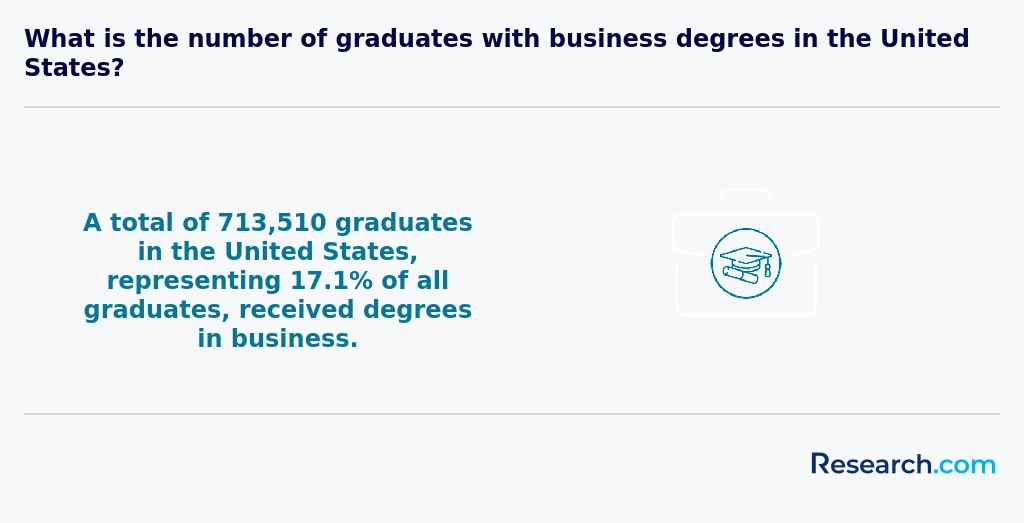
The business education landscape in San Antonio is evolving rapidly, fueled by technological advancements, shifting industry demands, and innovative curriculum designs. In this dynamic environment, institutions are integrating digital tools, experiential learning methods, and global business practices to better prepare students for the challenges of tomorrow's market. Recent trends include an increased focus on data analytics, artificial intelligence, and sustainable business practices, all of which are becoming essential in modern business environments. Students are also embracing blended learning approaches that combine traditional classroom interaction with online flexibility. For instance, many programs now incorporate interactive platforms and virtual simulations, enabling learners to gain practical skills in real-time scenarios. Such forward-thinking initiatives not only enrich the educational experience but also offer graduates a competitive edge in the job market. Additionally, the synergy between local industry and academic institutions is strengthening, resulting in enhanced internship programs, guest lectures from industry leaders, and mentorship opportunities. These developments contribute to a more integrated ecosystem where theoretical knowledge is directly applied to solve real-world business challenges. By choosing a Business degree in San Antonio, students position themselves at the forefront of innovation, ready to navigate and shape the future business landscape. This forward-looking perspective complements traditional factors such as affordability and rigorous coursework, ensuring that graduates are not only job-ready but also capable of leading transformational change in their careers.
Business degree programs in San Antonio typically feature core courses like Principles of Management, Financial Accounting, Marketing, Microeconomics, and Macroeconomics. Graduates from local universities often recall how management classes taught them to navigate real-world leadership challenges through case studies and group projects, critical for careers in San Antonio's thriving business sectors such as healthcare and technology.
Marketing courses take a practical approach by analyzing consumer behavior and market research, which students find relatable when exploring local businesses' strategies. Additionally, courses in business law and ethics help students grasp the legal and moral complexities they will face, something graduates consider invaluable in today's regulatory environment.
Notably, programs at institutions like the University of Texas at San Antonio integrate management information systems to reflect the city's growing digital economy, allowing students to gain hands-on experience with tools that improve business processes. Electives such as entrepreneurship or international business let students tailor their education, echoing graduates' experiences of feeling empowered to pursue diverse career paths within San Antonio's dynamic marketplace.
Business degree specializations in San Antonio often reflect the city's economic fabric, with popular tracks including finance, marketing, management, entrepreneurship, and supply chain logistics. Graduates from local institutions report that finance programs resonate strongly due to the metropolitan area's robust job market of over 32,000 finance-related roles. Marketing students frequently emphasize digital marketing strategies, tying their coursework to the city's growing tourism and retail sectors. Management and entrepreneurship tracks draw students who are eager to lead or start businesses within San Antonio's supportive small business ecosystem, often sharing stories of internships turning into rewarding career opportunities.
However, some graduates note that focusing narrowly on traditional specializations might limit exposure to emerging fields like information systems or international business, which are increasingly relevant in a connected economy. Universities in San Antonio provide various specializations designed to balance practical skills with future job market demands, reflecting the multifaceted nature of the city's business landscape. Those interested in pursuing detailed options are encouraged to explore a Business degree carefully to align with both passion and regional opportunities, especially when considering San Antonio affordable business degree programs.
Choosing the best business degree in San Antonio starts with weighing accreditation carefully. Graduates from AACSB-accredited schools in the city often report feeling confident their education is respected by local employers, especially in sectors like defense and financial services that dominate the area. However, accreditation alone doesn't guarantee the right fit; some students find value in programs emphasizing flexibility, such as evening or online classes at institutions catering to working adults. These options can be critical in balancing life and studies without compromising career momentum.
Affordability is equally pivotal. Many students seek affordable business degree programs San Antonio offers, like public universities where tuition hovers around $11,000 for in-state students. Yet, some private colleges may justify higher costs by providing targeted scholarships and practical internship links with local firms, enhancing job-ready skills. Indeed, graduates often highlight how these networking opportunities translate into real connections in San Antonio's growing economy.
Specialization also shapes decision-making. Aligning your focus with thriving local industries, such as healthcare management or tech-related business roles, can improve post-graduation outcomes. Prospective students might explore a fast track business administration degree if time or work commitments influence their choice, supporting rapid advancement without sacrificing educational depth.

Business degree career opportunities in San Antonio cover a broad spectrum, yet graduates often weigh multiple paths carefully. Many find rewarding roles in finance and accounting, supported by local giants like Frost Bank and USAA, where starting in financial analysis or risk management can evolve into management positions. Graduates from universities in San Antonio appreciate how practical internships complement their degree by connecting classroom theory to these real workplace demands. However, the competitive nature of the finance sector means success often requires continuous skill development beyond initial qualifications.
Healthcare administration is also a strong avenue, with institutions such as Baptist Health System providing places for business graduates to apply management skills in hospital settings. Those pursuing this path note the sector's rapid growth in the city, yet acknowledge that navigating healthcare regulations can be complex and requires adaptability. Business programs in San Antonio often integrate health-sector case studies, helping students develop confidence before entering these roles.
Entrepreneurship offers an inspiring route, especially with access to support from groups like the San Antonio Chamber of Commerce and Tech Bloc. Business graduates from local colleges often share the excitement of launching startups in the city's vibrant ecosystem, though they recognize risks involved in startup success. Furthermore, for students exploring cost-effective options, the Affordable Online Business Degree Programs Ranking in Murray, KY highlights alternatives to more expensive studies, helping some balance ambition with budget constraints.
Marketing and supply chain management also attract business graduates, with San Antonio's retail growth and strategic location presenting fresh opportunities. Those interested in marketing find entry-level coordinator roles accessible, while supply chain specialists benefit from the city's logistics infrastructure. Students pursuing these careers emphasize the importance of internships for gaining relevant expertise and industry connections in San Antonio's competitive job market.
The business degree job outlook San Antonio graduates face is generally optimistic, supported by a diverse local economy. Those earning degrees from institutions like the University of Texas at San Antonio often find multiple employment opportunities across financial services, healthcare administration, and military contracting sectors. Graduates frequently report appreciation for the city's lower cost of living combined with median salaries around $65,000, which fosters a positive balance between income and expenses.
San Antonio business degree employment opportunities are often rich in variety, reflecting the city's booming tourism industry and retail management roles, which attract many recent graduates. The presence of major military bases also contributes to defense-related business jobs, making the market multifaceted. While some graduates express challenges in highly competitive niches, many value the city's practical opportunities and strong community connections in business sectors.
For students balancing education with work, programs like the accelerated online degree for working adults provide flexible paths to enter San Antonio's workforce sooner, emphasizing the city's accommodating educational environment. This approach enhances career accessibility in the evolving local economy.
2027 Most Affordable Business Degree Programs Ranking in San Antonio
Investing in your education is a significant decision that can shape your future, and the Research.com team understands the importance of making informed choices. To assist prospective students in San Antonio, we have meticulously crafted the "2027 Most Affordable Business Degree Programs Ranking in San Antonio." Our commitment to quality, credibility, and accuracy is reflected in the extensive research and analysis conducted to compile this ranking.
We utilized the following reputable data sources to ensure a comprehensive evaluation of business degree programs:
By exploring this ranking, readers will gain valuable insights into the most affordable business degree programs available in San Antonio, helping them make well-informed decisions about their educational paths. For more details on our methodology, please visit our Research.com methodology page.

# 3 position
The University of Texas at San Antonio
Doctor of Philosophy in Management and Organization Studies



Frequently Asked Questions About business
Business degree students in San Antonio can enhance their learning by engaging with the city's strong economic sectors, including healthcare, military, and cybersecurity. San Antonio is home to major employers like USAA and H-E-B, offering student internships that provide practical experience.
Local universities such as the University of Texas at San Antonio and St. Mary's University offer tailored business programs with access to faculty experts and networking events. Utilizing career services and attending business-related workshops can also greatly benefit students.
Additionally, San Antonio's growing startup ecosystem encourages students to participate in entrepreneurial programs and business incubators, helping them apply classroom knowledge to real-world challenges.
Emerging niches within the business field reflect evolving market demands and technological advances. In San Antonio, specializations like supply chain management have gained traction due to the city's growing role as a logistics hub, supported by the Port San Antonio development.
Data analytics and business intelligence are also critical, with local businesses increasingly relying on data to drive decisions. The Bureau of Labor Statistics notes that jobs in these areas are expected to grow by over 25% nationally through 2030.
Another emerging niche is sustainability management, as San Antonio commits to expanding green energy efforts, including the CPS Energy initiative to increase renewable sources.
Finally, digital marketing and e-commerce continue to expand, fueled by the rise of small businesses and startups in the region's vibrant entrepreneurial ecosystem.
After completing a business degree in San Antonio, job market preparation is key to success. Focus first on gaining practical experience through internships or cooperative education programs offered by local universities. San Antonio's growing economy, particularly in sectors like healthcare, military, and finance, creates diverse job opportunities.
Networking is essential; joining local chapters of professional organizations such as the San Antonio Chamber of Commerce or attending business-related events can connect graduates with employers. According to the Texas Workforce Commission, business services jobs in San Antonio have grown by approximately 3% annually over recent years.
Additionally, developing soft skills like communication, leadership, and problem-solving increases employability. Utilizing university career centers for resume reviews and interview preparation also improves job readiness. Staying informed on industry trends through San Antonio-based business news and local economic reports supports ongoing professional development.
Employers in San Antonio value several key skills when hiring business degree graduates. According to data from the San Antonio Economic Development Foundation, strong communication abilities are essential, as nearly 80% of local businesses emphasize teamwork and client interaction. Analytical thinking and problem-solving skills are also high priorities, with demand rising in finance, logistics, and healthcare sectors.
Technology proficiency, especially in data analytics and business software like Microsoft Excel and QuickBooks, is critical due to the region's growing digital economy. Additionally, leadership and project management skills prepare graduates to thrive in San Antonio's diverse industries including manufacturing and cybersecurity.
Finding internships in San Antonio relevant to a business degree involves leveraging the city's diverse economy, which includes sectors like finance, healthcare, and logistics. Students should begin by exploring career services offered through universities such as the University of Texas at San Antonio (UTSA), which connects students with local businesses.
Online job portals like Handshake and LinkedIn often list internships specifically based in San Antonio, including opportunities at firms like USAA and Valero Energy. According to the San Antonio Chamber of Commerce, industries such as financial services have grown nearly 4.5% annually, increasing internship availability.
Additionally, attending local networking events and career fairs can provide direct contact with employers seeking business interns. Building relationships with faculty who have industry connections often leads to recommended internships in competitive companies.
A business degree significantly enhances career mobility and advancement opportunities in San Antonio's growing economy. According to the U.S. Bureau of Labor Statistics, jobs in business management and financial sectors are expected to grow by 8% locally through 2031, faster than the national average. This growth creates demand for graduates with business knowledge, especially in industries like healthcare, finance, and manufacturing prominent in San Antonio.
Employers in the region value business degrees for developing critical skills such as leadership, strategic thinking, and financial analysis. These skills often lead to higher starting salaries and quicker promotions. Data from San Antonio's Workforce Solutions indicate that business graduates typically see a 15-25% wage increase compared to non-degree holders in similar roles.
Further, San Antonio hosts numerous companies, including several Fortune 500 firms, that prefer candidates with formal business education for advancement into mid and senior management. Networking opportunities through local universities and business organizations also support career growth for degree holders.
Studying for a business degree in San Antonio equips students with versatile skills essential for interdisciplinary roles. Local universities emphasize integration of business knowledge with technology, healthcare, and logistics-key industries in the region. For example, the San Antonio Chamber of Commerce highlights the city's growing sectors like cybersecurity and biotech, often requiring cross-functional expertise.
Curriculums typically blend courses in management, finance, and information systems, fostering analytical and problem-solving abilities. Internships and partnerships with area enterprises, such as those in the military and healthcare domains, provide practical experience in interdisciplinary environments. This approach readies graduates to navigate complex challenges across multiple fields effectively.
Choosing between a thesis and a non-thesis business degree program in San Antonio depends on your career goals and learning preferences. A thesis option typically involves conducting original research and writing a detailed paper, which is ideal if you plan to pursue a PhD or a research-focused career. In contrast, non-thesis programs emphasize coursework and practical skills, appealing to those seeking immediate entry into San Antonio's job market, especially in sectors like finance and healthcare, which grew by 3.5% and 4.2% respectively over the past year (San Antonio Economic Development Office, 2023).
Consider the time commitment as well: thesis programs often require more time to complete due to research demands. The choice should align with your long-term goals and the specific industry needs within the San Antonio metropolitan area.
Students in San Antonio seeking to study business abroad have several paths within the US higher education system. Many universities in San Antonio, including University of Texas at San Antonio (UTSA), offer established study abroad programs tailored for business students. These programs often partner with institutions worldwide, providing options in Europe, Asia, and Latin America.
UTSA's Office of International Programs reports that about 15% of its business students participate in study abroad experiences, gaining exposure to global markets and diverse business practices. Popular destinations include Spain, Germany, and China, where students can earn credits toward their degree.
Additionally, students may explore exchange or dual-degree programs through regional consortia, which enable spending a semester overseas while paying home tuition rates. Scholarships and financial aid are often available to help offset costs.
San Antonio offers diverse part-time job opportunities that can enhance a business degree education. Internships in local financial institutions, such as Frost Bank and USAA, provide practical experience in banking and insurance sectors. According to the San Antonio Economic Development Foundation, the city's finance and insurance industries employ over 45,000 people, signaling strong job availability.
Retail management roles are also common, where business students can develop leadership and operational skills. Many startups and small businesses in San Antonio's growing tech corridor seek part-time marketing and sales assistants.
These positions help students apply classroom knowledge while building professional networks in one of Texas's top business hubs.
San Antonio offers robust networking opportunities for business students looking to connect with industry professionals and local entrepreneurs. The city's economic landscape, ranked seventh-largest in the U.S. according to the U.S. Bureau of Economic Analysis (2023), supports numerous business associations and events.
Students can engage with organizations like the San Antonio Chamber of Commerce and the Hispanic Chamber of Commerce, both providing frequent networking events, workshops, and mentorship programs. Local universities often host career fairs that attract companies from the healthcare, technology, and financial sectors, which together employ over 45% of the local workforce.
Additionally, San Antonio's growing startup ecosystem offers students chances to participate in incubators and pitch competitions, fostering connections with investors and innovators. These avenues help business students build valuable contacts essential for career advancement.
Alumni networks are a vital resource for business degree students in San Antonio. These networks connect students to graduates who have experience in local industries, offering mentorship and career advice. According to the San Antonio Economic Development Foundation, the city's business sector grows steadily, making such connections valuable for networking and job placement.
Participation in alumni events often leads to internship opportunities and introductions to hiring managers, which can be crucial in the competitive business job market. Additionally, local alumni groups provide support tailored to San Antonio's unique economic landscape, including sectors like healthcare, finance, and energy.
Research shows that university alumni networks increase employment rates by up to 20% for recent graduates nationwide, illustrating the importance of these contacts for business students seeking to establish themselves professionally in the region.
Students seeking business degrees in San Antonio can customize their programs through electives, concentrations, and flexible course formats. Many local institutions offer specializations such as finance, marketing, entrepreneurship, and supply chain management, allowing learners to tailor their studies to industry demands.
Additionally, San Antonio's growing economy-driven by sectors like healthcare, military, and technology-provides opportunities for internships and partnerships aligned with career goals, helping students gain practical experience.
Some colleges also offer flexible scheduling options, including evening, weekend, and online classes, which accommodate working professionals aiming to balance education with career advancement.
Business students in San Antonio often face challenges related to balancing academic demands with work and family responsibilities. According to a 2023 report by the Texas Higher Education Coordinating Board, nearly 45% of local college students juggle part-time or full-time jobs while studying. This dual responsibility can limit time for networking and internships, which are crucial in business education.
San Antonio's competitive job market also pressures students to gain practical skills quickly. Many find the need to adapt to rapidly changing business technologies and market trends overwhelming, as noted by workforce studies from the San Antonio Economic Development Foundation. Additionally, access to affordable internships remains limited, affecting hands-on experience.
With a business degree from San Antonio institutions, graduates can pursue several professional certifications to enhance their careers. Popular options include the Certified Public Accountant (CPA), especially for those interested in accounting roles. The Project Management Professional (PMP) credential is also valued in San Antonio's growing corporate and logistics sectors.
Other useful certifications include the Certified Management Accountant (CMA) and the Chartered Financial Analyst (CFA) for finance-focused careers. Given San Antonio's expanding healthcare and military industries, certifications like Lean Six Sigma are increasingly in demand for process improvement roles.
Many San Antonio employers recognize these credentials, which can improve hiring prospects and salary potential. According to the San Antonio Economic Development Foundation, certified professionals often see salary increases between 10-20% in local markets.
To write a winning application for a business program in San Antonio, start by carefully researching each school's admission requirements and deadlines. Highlight your academic achievements, relevant work experience, and any leadership roles. San Antonio's diverse economy, including sectors like healthcare and military, values practical skills and local engagement, so emphasize community involvement or internships tied to these industries.
Strong letters of recommendation can boost your application; seek them from supervisors or professors familiar with your business potential. Craft a clear, focused personal statement explaining why you want to study business in San Antonio, referencing local opportunities where possible.
Finally, maintain accuracy and professionalism throughout, and proofread carefully before submitting to maximize your chances.
A business career offers opportunities shaped by global economic trends and local market dynamics. In the US, particularly in cities like San Antonio, business degrees emphasize cross-cultural communication, international trade, and global finance. According to the San Antonio Economic Development Foundation, the city's growing export economy-worth over $20 billion annually-requires professionals with a global outlook.
Business programs in San Antonio often integrate global case studies to prepare students for diverse markets. The emphasis on technology and international business law reflects worldwide interconnectedness. Graduates can pursue roles in multinational companies or local firms expanding abroad, making global perspectives vital for success in today's competitive marketplace.
Gaining practical experience while studying for a business degree in San Antonio is achievable through several avenues. Many local colleges have partnerships with San Antonio's large industries, such as healthcare, finance, and technology, providing students with internship opportunities. The San Antonio Economic Development Foundation highlights that over 10,000 new jobs were created in these sectors in 2023, increasing internship availability.
Students can also join business clubs and participate in case competitions hosted by universities or local chambers of commerce. Volunteering for nonprofit organizations in San Antonio allows hands-on management experience. Additionally, many institutions encourage cooperative education programs (co-ops), offering paid work terms integrated within academic studies.
Choosing the right concentration within a business degree program in San Antonio requires careful consideration of your interests and local job market trends. Popular concentrations include finance, marketing, management, and supply chain, each offering unique career paths. According to the San Antonio Economic Development Foundation, sectors like healthcare, manufacturing, and logistics are growing, which can influence demand for certain business specializations.
Researching labor statistics from the U.S. Bureau of Labor Statistics helps identify concentrations with strong job growth locally. Additionally, consider programs accredited by AACSB or ACBSP for reputable education. Speak with advisors and attend local networking events to gain insight into what employers seek in business graduates within San Antonio's economy.
- 2027 Most Affordable Business Degree Programs Ranking in Dallas
- 2027 Most Affordable Business Degree Programs Ranking in Denton
- 2027 Most Affordable Business Degree Programs Ranking in Lubbock
- 2027 Most Affordable Business Degree Programs Ranking in El Paso
- 2027 Most Affordable Business Degree Programs Ranking in New Orleans
- 2027 Most Affordable Business Degree Programs Ranking in Little Rock
- 2027 Most Affordable Business Degree Programs Ranking in Conway
- 2027 Most Affordable Business Degree Programs Ranking in Wichita
- 2027 Most Affordable Business Degree Programs Ranking in Mobile
- 2027 Most Affordable Business Degree Programs Ranking in Kansas City
See What Experts Have To Say About Studying Business
Read our interview with Business experts

Ingrid S. Greene
Business Expert
Clinical Assistant Professor of Management
Loyola Marymount University


David W. Stewart
Business Expert
Emeritus President's Professor of Marketing
Loyola Marymount University

- Skills Employers Look for in Business Graduates – EU Business School https://www.euruni.edu/blog/skills-employers-look-for-in-business-graduates/
- Career Goals: 17 Inspirational Examples for you in 2026 https://www.imd.org/blog/learning-and-development/career-goals/
- A guide to finding an internship https://www.ipag.edu/en/blog/guide-finding-internship
- Business Management Career Paths https://www.mtsac.edu/management/careers.html
- BUSINESS MANAGEMENT ENGLISH (THESIS / NON-THESIS) - Lisansüstü Eğitim Enstitüsü https://lee.nisantasi.edu.tr/en/business-management-english-thesis-non-thesis/
- Guide to Business Internships | Higherin https://higherin.com/career-guides/business/business-internships
- Interdisciplinary Business https://www.okwu.edu/academics/undergraduate/bachelor-interdisciplinary-business/
- 55 Trending Business Ideas for 2025 and Beyond https://www.uschamber.com/co/start/business-ideas/top-trending-business-ideas
- Business Study Abroad Programs | Go Overseas https://www.gooverseas.com/study-abroad/business
- What is the future of bachelor’s degrees in business? https://www.amba-bga.com/insights/what-is-the-future-of-bachelors-degrees-in-business





