
2027 Most Popular Business Degree Programs Ranking in Wilmington

Co-Founder and Chief Data Scientist
Choosing the right business degree program in Wilmington can feel overwhelming. To make this easier, the Research.com team of data scientists created the 2027 Most Popular Business Degree Programs Ranking in Wilmington. This ranking helps you discover which programs are recognized and respected locally.
Reading this article will guide you in making an informed decision about your education and career path. A business degree opens doors to diverse opportunities, personal growth, and financial stability. Explore the options and find a program that fits your goals and passion.
Key benefits of getting business degree in Wilmington
- Salary benefits: Graduates with a business degree in Wilmington can expect strong earning potential, with roles like Business Development Executive averaging an annual wage of $83,190 and Business Analysts earning around $112,950. These salaries reflect rewarding financial prospects in local business careers.
- Career paths: Business degree holders from Wilmington colleges often find diverse opportunities, including roles in management, sales, and analysis, allowing them to tailor their careers to their strengths and passions. This flexibility helps graduates find meaningful and satisfying jobs.
- Online degrees advantage: Earning a business degree online in Wilmington offers flexibility and the chance to balance studies with work or family commitments, leading to successful career advancement. Many online graduates report feeling empowered and confident in their skills, making the learning experience highly rewarding.
- 2027 Most Popular Business Degree Programs Ranking in Wilmington
- What can I expect from business degree in Wilmington?
- Where can I work with business degree in Wilmington?
What can I expect from business degree in Wilmington?
The average cost of pursuing a business degree in Wilmington offers a refreshing balance between quality education and affordability. Graduates from the University of North Carolina Wilmington (UNCW), for example, often recall that tuition and fees align well with the city's accessible cost of living, making it a smart investment without the stress of overwhelming debt.
Many students appreciate how Wilmington's business programs blend classroom theory with vibrant local opportunities. Hands-on internships with companies like PPD or Corning are common, giving real-world experience that feels stimulating and purposeful rather than abstract.
For those drawn to entrepreneurship, the supportive ecosystem-bolstered by the Wilmington Chamber of Commerce and local startup incubators-translates into meaningful connections and affordable resources. Graduates frequently describe this environment as energizing and empowering, encouraging them to confidently launch ventures without breaking the bank.
All in all, the cost to study business here feels like an investment in a lively community where education and opportunity go hand in hand, inspiring students to explore and grow their ambitions.
Where can I work with business degree in Wilmington?
Graduates from Wilmington's well-regarded business programs find themselves immersed in a vibrant job market that sparks excitement and possibility. Imagine a fellow business student from the University of North Carolina Wilmington landing a role at a major bank like Bank of America, diving into financial analysis with hands-on challenges that sharpen both knowledge and confidence.
Others explore the dynamic healthcare sector, joining teams at Novant Health or New Hanover Regional Medical Center, where business skills translate into improving patient services and streamlining operations. This real-world impact fuels a deep sense of purpose and career satisfaction.
Manufacturing and logistics firms, such as Chemours and the bustling Port of Wilmington, beckon graduates eager to tackle supply chain puzzles or project management tasks. The fast pace keeps alumni energized and continually growing.
For those drawn to entrepreneurship, Wilmington's startups and small businesses offer thrilling opportunities to innovate, from marketing strategies to financial planning, supported by strong local networks and programs at community colleges and universities alike.
If you're diving into a business degree in Wilmington, you're stepping into a world where careers truly elevate your earning potential. Graduates from local institutions often land roles like Business Development Executives, earning a solid mean annual wage of around $83,190. Imagine the thrill of negotiating deals and growing company revenue while enjoying a competitive salary that supports your ambitions in this vibrant coastal city.
For those enchanted by data and strategy, working as a Business Analyst can be especially rewarding, with mean earnings hitting about $112,950 per year. Many recent business grads from Wilmington's community colleges and universities find this path exciting as it combines analytical thinking with real business impact, plus a paycheck that reflects those skills impressively.
Wilmington's business environment is ripe with opportunities to grow, and these figures mirror the city's evolving economy. Graduates often share stories of their first steps out of classrooms-feeling both challenged and empowered by the dynamic energy of Wilmington's corporate scene, especially with salaries that encourage exploring roles across marketing, development, and analysis.
- The cost of a business degree in Wilmington ranges from $8,000 to $20,000 per year depending on the type of institution attended.
- The University of North Carolina Wilmington offers lower in-state tuition compared to private colleges, making it a more affordable choice for local students.
- Entry-level business graduates in Wilmington earn an average salary between $50,000 and $55,000 annually, with experienced professionals reaching around $80,000 or more.
- Wilmington's job market for business graduates is strong in finance, healthcare, technology, and tourism sectors, with opportunities in banking, accounting, project management, and entrepreneurship.
- Internships and cooperative education programs are widely available through partnerships between local companies and educational institutions, enhancing job prospects.
- Wilmington's relatively low cost of living helps graduates manage student debt and build careers more effectively in the city.
Completing a business degree in Wilmington often unfolds like an exciting journey through time and growth. Full-time students aiming for a Bachelor of Business Administration at institutions like the University of North Carolina Wilmington typically find themselves immersed in about four vibrant years of study-each semester bringing new challenges and opportunities. Graduates remember these years as a blend of energized classroom discussions, community projects, and late-night study sessions, all within a supportive campus atmosphere.
For those balancing work or family life, the adventure stretches longer. Part-time students savor the flexibility Wilmington schools offer, pacing their studies over five to six years or more while juggling real-world responsibilities. This slower rhythm transforms learning into a practical, hands-on experience, often enriched by evening and online classes.
Graduate business seekers also find Wilmington inviting, with MBA programs that range from a fast-paced 12-month sprint to a measured three-year expedition. Many appreciate how UNCW's flexible formats allow them to tailor their journey to personal goals and schedules, turning ambitions into achievements at their own pace.
Graduates of Wilmington’s top business programs not only benefit from a quality education but also continue to grow long after they leave campus. Many institutions offer comprehensive career services, networking events, alumni mentoring programs, and continued education resources that ensure ongoing professional development. These support systems help graduates refine their skills, stay updated on emerging industry trends, and maintain strong connections with peers and professionals. For instance, career centers may partner with local businesses to host workshops and networking sessions, while alumni associations provide exclusive events and digital communities. Interested in learning about the typical timeline for earning a business degree? Check out https://research.com/degrees/how-long-does-it-take-to-get-a-business-degree for valuable insights. Emphasizing lifelong learning and robust career support, these initiatives empower graduates to adapt to market changes and achieve long-term success in an ever-evolving business landscape.
Choosing between an online business degree and an on-campus experience in Wilmington feels like picking your own adventure. Imagine walking the bustling halls of the University of North Carolina Wilmington, joining lively group projects, and networking right where local finance and logistics thrive. Graduates often recall the energizing buzz of face-to-face classes and the chance to build real, local professional connections.
Now picture a different path: studying business online from anywhere in the world, just like many students from Wilmington College do. The freedom to pause a lecture, balance family time, or tackle assignments after work creates a unique rhythm. These graduates speak about mastering self-discipline and savoring the flexibility to learn at their own pace while still tapping into virtual internships and nationwide networks.
- On-campus learning sparks immediate dialogue and teamwork in dynamic settings.
- Online programs demand strong time management and offer great scheduling freedom.
- Both formats creatively use technology to bring business concepts to life.
The average cost of a business degree in Wilmington offers a welcoming balance between quality education and affordability. Graduates from popular universities such as the University of North Carolina Wilmington often recall managing their budget with tuition fees that typically align close to $7,277 for in-state students, allowing them to focus more on their studies and less on financial stress. The in-state tuition feels approachable when compared to private institutions, where the financial commitment can be much steeper. Out-of-state students, meanwhile, might anticipate costs reaching near $39,280, a considerable difference, but one that often comes with access to a broader array of programs and networking opportunities.
Many Wilmington business students describe an adventurous experience navigating tuition fees, housing, and supplies, bringing their academic journey to life with vibrant campus activities and internships. When looking at Wilmington business degree tuition fees 2027, it's encouraging to see figures that reflect a practical investment, especially when additional living expenses hover around $12,000 to $15,000 annually. This creates a context where students feel empowered to explore their passions while planning financially.
Flexible learning options in Wilmington, including part-time enrollment or online courses, further open doors to those balancing work and study. Some graduates emphasize their relief in finding programs that support this balance, especially as they sought the easiest MBA programs to get into, enabling a smoother transition into career growth without overwhelming costs.

Diving into a business degree in Wilmington comes with a treasure trove of financial aid options that really make the journey manageable. Many students at Wilmington University, for example, eagerly tap into Pell Grants-these federal gifts can cover up to $7,395 a year, a huge relief against tuition fees that hover around $9,700 for in-state learners. Picture a recent graduate who balanced their classes while benefiting from these grants, feeling the weight of financial stress lift as they focused on their studies.
Some even discover Federal Supplemental Educational Opportunity Grants (FSEOG), which provide extra help when money is tight. Completing the FAFSA is like unlocking a gateway-opening doors to subsidized loans with lower interest rates that students use thoughtfully to shape their futures without drowning in debt.
Local scholarships shine brightly too. Those merit-based awards from Wilmington-area colleges celebrate hard work and leadership, often inscribed in stories of students who grew both their business savvy and confidence. And for the creative jugglers of work and study, employer tuition reimbursement is a lifeline, turning jobs into stepping stones.
To top it off, federal work-study programs connect students with real business experiences on and off campus, making every hour more than just a paycheck-a hands-on adventure in their chosen field.
To make an informed decision about pursuing a business degree in Wilmington, NC, it's beneficial to compare local programs to national standards, considering factors such as curriculum, accreditation, and graduate outcomes. For instance, comparing the best popular business colleges, which can be found at best popular business colleges, to those in Wilmington can provide insights into how local institutions stack up against broader national trends. This comparison can help prospective students understand the strengths and unique offerings of business programs in Wilmington, NC, and how they might prepare graduates for success in the national job market.
Dreaming of diving into a business degree in Wilmington? Get ready to show that you've laid a strong foundation, just like many recent graduates who eagerly recall the day they proudly presented their high school diploma or GED to the admissions office at top Wilmington colleges. This key credential opens the door to the adventure ahead.
Picture yourself navigating through core subjects with a GPA hovering between 2.5 and 3.0-math puzzles, English debates, and social studies projects-that sharpen your mind, much like the preparation stories shared by Wilmington business students who found these challenges exhilarating and rewarding. Many have also tackled SAT or ACT exams, though some campuses embraced test-optional policies recently, sparking hope and flexibility for future applicants.
If your path veers toward graduate studies, imagine submitting your bachelor's transcripts and showcasing valuable work experience, just like countless Wilmington MBA candidates who felt a rush of confidence when their years in the professional world transformed into tangible admittance strengths. Some also recounted the GMAT test, but increasingly, work achievements can unlock those doors without it.
Writing personal statements or gathering letters of recommendation might feel like weaving your unique story-something many Wilmington students remember fondly as a moment to express their passion and goals, fueling a genuine connection with their chosen programs.

Diving into a business degree in Wilmington means embracing a vibrant mix of courses that spark curiosity and practical know-how. Graduates from popular universities here often recall how Principles of Accounting opened their eyes to the language of business, decoding financial statements as if reading a thrilling novel. Imagine sitting in a lively Wilmington classroom, discussing Marketing Fundamentals where real local brands become case studies, making theories come alive.
Hands-on experiences in Business Finance prepare students to navigate investments and budgets, while Organizational Behavior brings ethics and leadership into view, inspiring future managers to lead with empathy. Operations in a port city come into focus through Operations Management, examining Wilmington's bustling supply chains that keep goods moving worldwide.
At well-known colleges, students also explore Business Law and Management Information Systems, marrying legal insight and technology with competitive strategies learned in Strategic Management. This blend shapes confident graduates ready to adventure into diverse careers right from Wilmington's dynamic business scene.
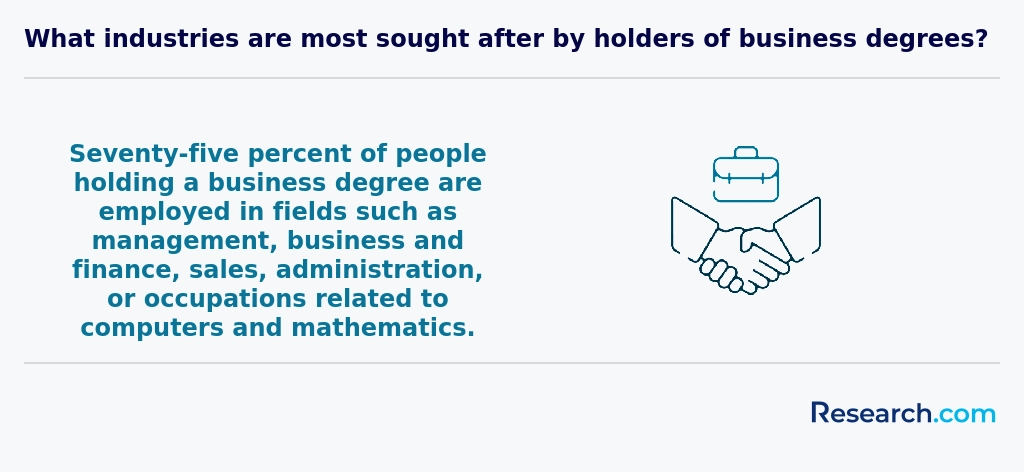
Business degree specializations in Wilmington are as diverse as the city's vibrant economy, inviting students to dive into paths perfectly tailored to real-world demands. Graduates from popular colleges often share how focusing on accounting or marketing helped them develop sharp skills to navigate Wilmington's bustling financial and retail sectors. Imagine engaging with courses centered on investment strategies or digital brand management, all while connecting to the pulse of local industries.
Among Wilmington business degree concentration options, finance, management, and entrepreneurship come alive through hands-on projects and internships in nearby companies. Many graduates enthusiastically recount how studying supply chain management, vital for a port city like Wilmington, unlocked unique insights into logistics and transportation challenges. For those eager to explore global commerce, the international business specialization opens doors to exciting cross-border trade opportunities.
One standout path is the highest ranked logistics degree, perfectly highlighting how Wilmington's education landscape embraces practical experience alongside academic rigor, making each specialization both an adventure and a launchpad for success.
Choosing the best business degree programs Wilmington means diving into options that match your ambitions and the city's dynamic economy. Graduates from the University of North Carolina Wilmington often recall how AACSB accreditation gave them confidence that their education met national standards, preparing them for real-world challenges. Imagine walking through Wilmington's bustling finance and tourism hubs, knowing your marketing or supply chain knowledge aligns perfectly with local industries eager to hire.
Affordability plays a leading role too. Many students weigh the moderate living costs here alongside tuition fees, turning to financial aid or scholarships to make their dream degree tangible. One recent grad emphasized how internships linked through local colleges created meaningful connections, transforming classroom theory into career-ready skills.
Exploring specialized paths that resonate with Wilmington's economy sharpens your edge. If you want to broaden your career horizons beyond North Carolina, look at Texas accounting schools, which offer a range of options and might complement your discovery journey through business education.
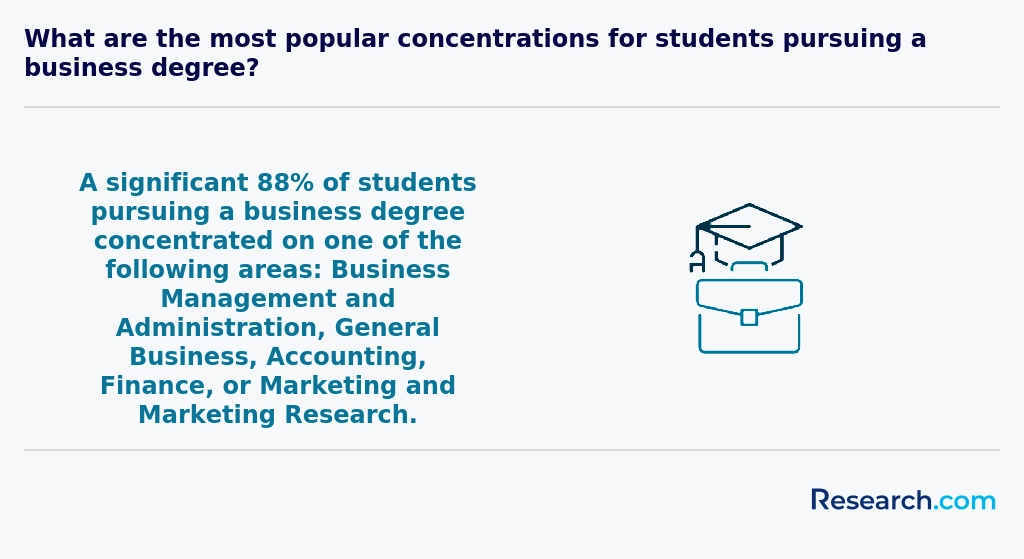
Graduates with a business degree in Wilmington find themselves at an exciting crossroads where multiple career paths unfold. Whether stepping into roles as financial analysts, marketing specialists, human resource managers, or operations leaders, the city's thriving financial sector offers real chances to grow and innovate. Many graduates from local universities share stories of landing internships that lead to full-time positions in banks or tech companies, where they feel empowered making tangible impacts on regional business strategies.
The diversity of Wilmington's economy-anchored by banking, logistics, and a growing tech scene-means business degree career opportunities in Wilmington are anything but limited. Entrepreneurs emerge from colleges with fresh ideas, energized by support from chambers of commerce and community programs. For those curious about marketing, for example, several graduates find success after attending marketing degree universities nearby, blending creativity with business savvy to open exciting doors.

The business degree job outlook Wilmington offers is vibrant and full of diverse opportunities, especially for graduates eager to dive into industries like healthcare administration, financial services, and logistics. Imagine a recent graduate navigating the bustling Port of Wilmington, where supply chain management roles are ripe for fresh talent ready to tackle international business challenges. Many local business schools, known for their hands-on learning, attract students keen to immerse themselves in Wilmington's growing tech startup scene, fueling innovation and new ventures.
For Wilmington business degree employment opportunities, it's common for early-career professionals to land jobs starting around $45,000 to $55,000, with the excitement of upward mobility into management or specialized roles bringing salaries above $75,000. Graduates often share stories about practical internships sponsored by the vibrant local business community, where networking is as dynamic as the city's energetic waterside atmosphere. Studying at popular institutions also means benefiting from affordable tuition, making the investment in a business education here both smart and accessible-explore more about the best popular business colleges in North Carolina for a closer look.
2027 Most Popular Business Degree Programs Ranking in Wilmington
Investing in your education is a significant decision that can profoundly impact your career and life trajectory. The Research.com team recognizes the importance of making well-informed choices and has dedicated extensive effort to ensure the quality, credibility, and accuracy of the "2027 Most Popular Business Degree Programs Ranking in Wilmington." We carefully analyzed multiple authoritative data sources to provide an unbiased and comprehensive evaluation. We utilized the following reputable data sources to compile this ranking:
By reviewing this ranking, readers will gain valuable insights into the most popular business degree programs in Wilmington, enabling them to make informed decisions about their educational investments. For more information on how this ranking was created, please visit our Research.com methodology page.

# 3 position
Miller-Motte College-Wilmington
Bachelor of Science in Business Administration

Frequently Asked Questions About business
Business degree students in Wilmington can maximize their learning experience by engaging actively with local industries. Wilmington's economy, driven by finance, logistics, and technology sectors, offers valuable internship and networking opportunities supported by organizations like the Wilmington Chamber of Commerce. Participating in internships not only provides practical skills but also boosts employability after graduation. Students should utilize resources such as career services and attend local business seminars and workshops to connect with professionals.
Additionally, Wilmington is home to several accredited institutions offering business programs that emphasize experiential learning, which research shows increases student success and retention rates. Students are encouraged to join student-led business clubs and case competitions to develop leadership and teamwork skills critical in today's business world.
Emerging niches within the business field are reshaping career opportunities for Wilmington students pursuing business degrees. One notable area is supply chain management, especially important due to Wilmington's growing status as a logistics hub with the Port of Wilmington expanding operations. According to the U.S. Bureau of Labor Statistics, demand for supply chain managers is expected to grow 27% from 2021 to 2031 nationally.
Another key niche is data analytics. Businesses increasingly rely on data-driven decisions, and Wilmington's business schools are integrating analytics into their curricula to meet this demand.
Green business practices and sustainable management are also gaining traction. With increasing focus on environmental responsibility, companies in Wilmington seek leaders who understand sustainable strategies.
Finally, digital marketing continues to expand, reflecting the shift toward online consumer engagement throughout the region's growing small business sector. These niches provide specialized career paths for today's students.
Preparing for the job market after earning a business degree in Wilmington involves strategic planning and practical experience. Wilmington's economy, driven by finance, logistics, and tourism, offers unique opportunities for graduates. Engaging in internships with local firms, such as banks or shipping companies, helps build relevant skills and professional networks.
According to the U.S. Bureau of Labor Statistics, business-related jobs in Wilmington are expected to grow moderately by 2028, emphasizing the importance of gaining real-world experience during studies. Joining campus career services and attending Wilmington job fairs can also significantly enhance job prospects.
Developing soft skills like communication and adaptability is crucial, as local employers value these traits highly. Certifications in project management or data analytics further boost employability in Wilmington's competitive market.
Employers in Wilmington highly value business degree graduates who demonstrate strong analytical and communication skills. According to the Wilmington Chamber of Commerce, 78% of local businesses emphasize critical thinking and problem-solving as essential abilities. Proficiency in data analysis and financial literacy is also crucial given the city's growing finance and logistics sectors.
Additionally, teamwork and leadership are frequently requested skills. A report by the North Carolina Department of Commerce highlights collaboration and adaptability as key traits sought after in business roles across Wilmington.
Digital literacy, especially in software like Excel and CRM platforms, is increasingly important to remain competitive in this evolving job market.
Finding internships in Wilmington related to a business degree involves leveraging local resources and networks. Wilmington is home to various industries including finance, logistics, and technology, which frequently offer internships for business students. According to the Wilmington Chamber of Commerce, companies like PPD, Bank of America, and DuPont provide internship opportunities annually.
Start by checking career services at Wilmington-area colleges such as the University of North Carolina Wilmington. These offices often maintain partnerships with local businesses specifically for internships. Additionally, online job platforms like Handshake and LinkedIn allow filtering for Wilmington-based business internships.
Networking is also crucial. Attend local business events, career fairs, and workshops hosted by the Cape Fear Entrepreneurs Forum to connect directly with potential employers. Finally, exploring government programs or non-profits such as the Wilmington Business Development organization can reveal additional internship openings.
In Wilmington, earning a business degree significantly enhances career mobility and advancement opportunities. According to the U.S. Bureau of Labor Statistics, the Wilmington metropolitan area is experiencing steady growth in management and financial occupations, both of which typically require formal business education.
Graduates with business degrees often qualify for higher-paying roles such as marketing managers, financial analysts, and operations managers. Local employers place a strong emphasis on skills acquired through these programs, including leadership, strategic planning, and financial literacy.
A 2023 report by the Delaware Department of Labor noted that professionals holding business degrees in Wilmington see a 15% higher likelihood of promotion within five years compared to those without degrees.
Studying for a business degree in Wilmington equips students with skills essential for interdisciplinary roles by integrating knowledge from finance, marketing, management, and technology. Wilmington's proximity to industries like banking and port logistics provides unique experiential learning opportunities, fostering collaboration across sectors.
Degree programs often include courses in data analysis, communication, and project management, which are vital for navigating complex business environments. According to the University of North Carolina Wilmington, about 40% of business graduates pursue careers that require cross-functional expertise.
This blend of theoretical knowledge and practical experience prepares students to work effectively in diverse teams and adapt to various professional settings within Wilmington's growing economy.
Choosing between a thesis and a non-thesis business degree program in Wilmington depends on your career goals and academic interests. A thesis option typically involves conducting original research and writing a detailed paper, which is valuable if you plan to pursue a PhD or a research-focused career.
The non-thesis track usually emphasizes practical coursework and internships, appealing to students seeking direct entry into Wilmington's business sectors, such as finance or logistics.
According to the U.S. Bureau of Labor Statistics, Wilmington's business job market is growing steadily, with a 7% increase projected over the next decade.
Programs with thesis options may take longer to complete but can enhance critical thinking skills, while non-thesis degrees often allow faster graduation and more hands-on experience.
Students based in Wilmington seeking to study business abroad have several options through exchange programs and partnerships with international institutions. Many Wilmington-area universities, including the University of North Carolina Wilmington (UNCW), offer study abroad opportunities in countries such as the United Kingdom, Spain, and China. These programs often focus on global business practices, international marketing, and cross-cultural management.
According to UNCW's Office of International Programs, approximately 10% of business students participate in study abroad experiences annually, enhancing their global perspective and employability. Wilmington students can also pursue short-term faculty-led trips or semester-long exchanges, allowing them to earn credits toward their degrees while gaining valuable international exposure.
Wilmington offers various part-time job opportunities that can enhance business degree education. Many students find roles in local financial institutions, such as banks and credit unions, providing practical experience in customer service and basic financial operations. According to the Wilmington Chamber of Commerce, the finance sector employs over 12,000 people, reflecting the city's status as a financial hub.
Retail management positions also offer valuable insights into operations, inventory control, and marketing strategies. Additionally, internships or assistant roles with Wilmington's numerous small businesses and startups allow students to develop project management and communication skills.
Part-time roles in these areas help students apply classroom learning in real-world settings, enhancing their resumes and professional networks.
Wilmington offers a variety of networking opportunities for business students aiming to build professional connections. Local universities often host career fairs, where companies from key sectors like finance, logistics, and manufacturing participate. These events provide direct access to recruiters and industry leaders.
Additionally, Wilmington's Chamber of Commerce regularly organizes networking mixers and workshops tailored to emerging professionals. According to the Wilmington Business Journal, over 70% of local companies prefer hiring graduates who have engaged in such events.
Students can also join business clubs and attend seminars at institutions like the University of North Carolina Wilmington, enhancing peer and mentor interaction.
Alumni networks offer significant advantages to business degree students in Wilmington by providing access to a broad community of professionals. These connections can lead to internships, job placements, and mentorship opportunities. According to the Wilmington Chamber of Commerce, over 65% of local hires in business roles come through networking and alumni referrals.
These networks often organize events and workshops, improving students' soft skills and industry knowledge. Additionally, many Wilmington-area universities maintain active alumni databases that help students connect with experienced graduates in sectors like finance, marketing, and logistics.
Research by the National Association of Colleges and Employers shows that graduates with strong alumni ties generally have 20% higher employment rates within six months post-graduation. In Wilmington's competitive business market, leveraging these alumni connections is a practical strategy for career advancement.
Customizing a business degree program in Wilmington allows students to align education with specific career goals. Many local colleges offer concentrations such as finance, marketing, or entrepreneurship, enabling students to focus on areas relevant to Wilmington's growing sectors. For example, Wilmington's expanding financial services industry often seeks graduates with specialized knowledge in risk management or investment analysis.
Students can also choose electives that enhance practical skills like data analytics or international business, boosting employability. Internships with Wilmington-based companies provide valuable hands-on experience and networking opportunities within the community. Academic advisors typically assist students in designing a tailored curriculum that fits personal ambitions, increasing job readiness.
According to the U.S. Bureau of Labor Statistics, the demand for business-related roles in North Carolina is expected to grow 8% through 2030, highlighting the value of a focused business education in Wilmington.
Business students in Wilmington often face challenges related to balancing academic demands with work or family responsibilities. Many students attend part-time or online programs, which can create time-management difficulties. Additionally, access to local internships in prominent industries like finance and port logistics is competitive, limiting hands-on experience opportunities.
Wilmington's rising cost of education also affects students, with tuition and living expenses increasing faster than wages. According to the Wilmington Chamber of Commerce, about 30% of business students report financial stress during their studies. Furthermore, navigating the evolving business landscape, including digital transformation and sustainability, requires continuous adaptation to new skills and technologies.
With a business degree, Wilmington students have access to various professional certifications that enhance career prospects. Popular choices include the Certified Public Accountant (CPA) for accounting professionals, which requires passing the Uniform CPA Exam and meeting state-specific requirements. Another widely recognized certification is the Project Management Professional (PMP), valuable for managing complex projects in industries prevalent in Wilmington, such as finance and logistics.
The Certified Management Accountant (CMA) is also respected, focusing on financial management and strategy, important for Wilmington's growing business sector. Additionally, the Certified Business Analysis Professional (CBAP) supports roles in analyzing and improving business processes.
These certifications typically require a combination of education, experience, and examination, and can significantly boost a graduate's employability in Wilmington's competitive market, according to data from the Wilmington Economic Development Council.
Writing a winning application for a business program in Wilmington begins with understanding the competitiveness of local schools. Business degrees in Wilmington often require a strong academic record, especially in math and economics. Highlighting relevant work experience or internships in Wilmington's growing industries, such as finance and port logistics, can strengthen your application. According to the Wilmington Chamber of Commerce, the area's economy is expanding, which increases the demand for skilled business graduates.
Demonstrating clear career goals related to Wilmington's job market shows focus. Many programs also ask for personal statements that reflect leadership potential and problem-solving skills. Including specific achievements and quantifiable results improves credibility. Ensure recommendations come from professionals familiar with your business aptitude or academic performance. Finally, submitting all documents before the deadline, usually between December and February, is critical to avoid disqualification.
The global outlook on business careers emphasizes adaptability, cultural understanding, and technological skills. With Wilmington's position as a growing financial hub, local business students benefit from exposure to international trade and regional corporate operations. According to the U.S. Bureau of Labor Statistics, roles in management and finance, common among business graduates, are expected to grow by 8% nationwide through 2030, reflecting steady demand.
Wilmington's business education often integrates global case studies and internship opportunities with companies involved in import-export and logistics. This prepares students for careers that require navigating diverse economic environments. Additionally, proficiency in digital tools and data analysis is increasingly vital worldwide.
Gaining practical experience while studying for a business degree in Wilmington is achievable through multiple avenues. Many Wilmington institutions encourage internships with local businesses, an excellent way to apply classroom concepts in real-world settings. Wilmington's vibrant port economy and expanding financial sector offer diverse internship opportunities. According to the Wilmington Chamber of Commerce, about 35% of local businesses actively partner with colleges to provide student internships.
Additionally, co-op programs allow students to alternate between academic terms and paid work periods in relevant companies. Participating in student-run business clubs and consulting projects can also develop hands-on skills. Volunteering for nonprofit organizations headquartered in Wilmington is another option to build experience while networking locally.
Choosing the right concentration within a business degree program in Wilmington depends on your career goals and the local job market. Wilmington's economy is strong in finance, logistics, and technology, making concentrations like finance, supply chain management, and information systems highly relevant. According to the Wilmington Regional Economic Development Council, finance and logistics sectors have grown by over 8% since 2020. Research local employers and industry trends to align your studies with available opportunities.
Consider your personal strengths and interests. If you enjoy numbers, finance or accounting could be a good fit. If you prefer managing projects and operations, look at supply chain or business management.
- 2027 Most Popular Business Degree Programs Ranking in Virginia Beach
- 2027 Most Popular Business Degree Programs Ranking in Lynchburg
- 2027 Most Popular Business Degree Programs Ranking in Savannah
- 2027 Most Popular Business Degree Programs Ranking in Arlington
- 2027 Most Popular Business Degree Programs Ranking in Macon
- 2027 Most Popular Business Degree Programs Ranking in Jacksonville
- 2027 Most Popular Business Degree Programs Ranking in Atlanta
- 2027 Most Popular Business Degree Programs Ranking in Daytona Beach
- 2027 Most Popular Business Degree Programs Ranking in Gainesville
- 2027 Most Popular Business Degree Programs Ranking in Winter Park
See What Experts Have To Say About Studying Business
Read our interview with Business experts

David W. Stewart
Business Expert
Emeritus President's Professor of Marketing
Loyola Marymount University

David Souder
Business Expert
Senior Associate Dean for Faculty and Research
Michigan State University


- Why Alumni Networks Matter in Business School: 7 Reasons https://europe.ceibs.edu/article/why-alumni-networks-matter-business-school
- How Long Does It Take to Get Your Business Degree? https://www.umassglobal.edu/blog-news/long-does-take-get-your-business-degree
- How Long Does It Take to Get a Business Administration Degree? - Team Academy https://teamacademy.nl/how-long-does-it-take-to-get-a-business-administration-degree/
- Online Degree vs. Traditional: Choosing the Right Path https://beal.edu/online-degree-vs-traditional/
- What is the future of bachelor’s degrees in business? https://www.amba-bga.com/insights/what-is-the-future-of-bachelors-degrees-in-business
- How to Find a Job with an International Business Degree - Hunter Recruiting https://www.hirecruiting.com/newsroom/how-to-find-a-job-with-an-international-business-degree/
- BUSINESS MANAGEMENT ENGLISH (THESIS / NON-THESIS) - Lisansüstü Eğitim Enstitüsü https://lee.nisantasi.edu.tr/en/business-management-english-thesis-non-thesis/
- Wilmington University https://applywave.com/product/wilmington-university-masters-degree/
- Professional Business Certifications to Boost Your Career in 2025 https://www.business.com/articles/best-business-certifications/
- Business degree: What to study and how to find a job https://brive.com/blog/studies/business-degree-guide-to-study-and-find-a-job/


