
2027 Most Popular Business Degree Programs Ranking in Virginia

Co-Founder and Chief Data Scientist
Choosing the right business degree program is an important step toward a successful future. This article introduces the 2027 Most Popular Business Degree Programs Ranking in Virginia, created by the Research.com team of data scientists to support students in making informed decisions.
By exploring this ranking, you'll gain valuable insights into top programs worth considering across Virginia. Whether you're starting your educational journey or planning to advance your career, a business degree opens doors to opportunities and growth.
Stay confident and inspired as you discover options that match your aspirations.
Key benefits of getting business degree in Virginia
- Salary for business degree graduates: Graduates in Virginia can expect competitive earnings, such as Business Development Executives making around $83,190 annually and Business Analysts earning about $112,950 per year, reflecting strong financial rewards.
- Career paths: A business degree from a well-known Virginia university opens doors to dynamic careers in marketing, finance, and management, offering exciting growth opportunities tailored to your strengths and passions.
- Online degree benefits: Earning a business degree online from a reputable Virginia college provides flexibility for balancing work and study while gaining the same valuable skills and connections as traditional programs.
- 2027 Most Popular Business Degree Programs Ranking in Virginia
- What can I expect from business degree in Virginia?
- Where can I work with business degree in Virginia?
What can I expect from business degree in Virginia?
Students pursuing a business degree in Virginia typically encounter tuition costs that vary widely depending on the institution and residency status. Public universities like Virginia Commonwealth University or George Mason University generally offer in-state tuition averaging between $10,000 and $15,000 annually, while out-of-state students might expect to pay around $25,000 or more. Private colleges often exceed $30,000 per year in tuition but may provide scholarships or financial aid to ease the burden.
Graduates often reflect on the value of internships and cooperative education programs integrated into their studies. For example, business students at the University of Richmond recall how hands-on experience with local startups and financial firms boosted their confidence and expanded their networks, justifying tuition investments. This balance of cost and experiential learning fosters a sense of optimism about future career opportunities.
Looking ahead, as Virginia's economy continues to grow in sectors like technology and government services, business degree seekers might find more specialized programs with competitive pricing emerging, enhancing access and value for students across diverse backgrounds.
Where can I work with business degree in Virginia?
Graduates from business programs at universities like the University of Virginia and Virginia Commonwealth University often find themselves thriving in Northern Virginia's bustling job market. The proximity to Washington, D.C., opens doors to roles in government agencies and consulting firms, where graduates apply strategic planning skills in real-world projects. Many recall how internships with companies like Booz Allen Hamilton transformed their classroom learning into hands-on experience, sparking excitement about careers in finance and analytics.
In Richmond, business graduates frequently step into marketing and financial analysis positions at regional banks or insurance companies. Experiences shared by recent alumni highlight the rewarding challenge of helping institutions like Virginia Credit Union innovate and grow while deepening their understanding of consumer behavior.
Health systems such as Sentara Healthcare attract graduates eager to shape healthcare operations, embracing opportunities to improve patient care through data-driven decisions. Meanwhile, those from schools near port cities like Old Dominion University often find supply chain and logistics careers in manufacturing and international business particularly fulfilling, given Virginia's strong industrial base.
Graduates holding business degrees from well-known Virginia institutions often find promising salary prospects. For example, those stepping into roles like Business Development Executives can anticipate an average annual wage around $83,190. This salary reflects growing demand in Virginia's bustling economic centers such as Richmond and Northern Virginia. Another rewarding path is Business Analyst positions, with mean wages approximately $112,950 yearly, highlighting the high value of analytical skills in today's data-driven business environment.
Business students from colleges across Virginia frequently share stories of landing these positions shortly after graduation, excited by the solid base salary combined with opportunities for growth. With Virginia's corporate hubs expanding, especially in tech and finance sectors, the financial outlook for business graduates looks brighter than ever. Those pursuing roles aligned with finance or systems management often see salaries significantly above state averages, fueling their confidence and professional aspirations.
These figures suggest that a business degree in Virginia not only opens doors but also supports an upward trajectory in earnings as graduates gain experience and specialize.
- Public in-state tuition for a four-year business degree in Virginia ranges from $12,000 to $20,000 per year, while private universities can charge over $35,000 annually.
- New business graduates in Virginia earn an average starting salary between $50,000 and $60,000 per year, increasing to $90,000 to $110,000 with experience and advanced qualifications.
- Key employment sectors include finance, government contracting, technology, healthcare, and public administration, especially near Northern Virginia and Richmond.
- Virginia's proximity to Washington, D.C. offers unique opportunities in consulting, federal contracting, and government agencies.
- Many Virginia institutions offer internships and cooperative education programs connected to local industries, enhancing job prospects for graduates.
Completing a business degree in Virginia traditionally takes about four years, especially for full-time students at institutions like the University of Virginia or Virginia Tech. Many graduates recall balancing a demanding course load across eight semesters, which gives a satisfying rhythm to their academic journey.
However, the landscape is shifting as more students explore accelerated options. Some ambitious learners take summer classes or overload their semesters to finish in two and a half to three years, eagerly entering the workforce sooner while enjoying the support of dedicated academic advisors.
Others, juggling jobs or family, appreciate flexible scheduling that extends their timeline but offers the freedom to study evenings or weekends. This adaptability at Virginia's colleges creates a personalized experience, making degree completion feel attainable and motivating for non-traditional students.
Graduates often share how degree audits at public universities helped them avoid extra credits and stay on track, blending structure with encouragement. These evolving pathways suggest a future where business degrees in Virginia fit diverse lifestyles and ambitions without sacrificing quality.
When weighing the average four-year cost of an in-state public business degree-approximately $45,040-against starting salaries of $60,000–$70,000 and mid-career medians exceeding $100,000, Virginia’s programs deliver a strong return on investment. With a payback period often under four years, graduates recoup tuition through elevated earnings and career advancement. Key ROI metrics include: • Average annual in-state tuition: $11,260 • Median starting salary for business majors: $69,000 • Median mid-career salary: $108,000+ • Estimated payback period: 3–4 years Beyond salary, consider total cost factors-books, housing, and living expenses-against lifetime earnings projected over 20–30 years. Graduates report promotion rates 20% faster than peers without a business degree, amplifying long-term value. For those eyeing further education, affordable online master’s options can enhance ROI without breaking the bank. Explore our Low Cost Online Master's in Business Degree Programs Ranking in South Carolina to compare tuition, delivery formats, and salary outcomes before committing to graduate studies. Ultimately, a business degree in Virginia balances manageable upfront costs with robust salary growth, making it a financially sound choice for ambitious professionals.
Online and on-campus business degrees in Virginia create distinctly different student experiences that shape career paths in unique ways. Graduates from the University of Virginia often recall vibrant campus life-attending lively networking events, joining business clubs, and having face-to-face mentorship that boosted their confidence in real-world settings. They emphasize how these moments built lasting connections and hands-on skills.
Meanwhile, online students from Virginia Tech appreciate the unmatched flexibility of asynchronous classes, allowing them to balance work and family commitments while pursuing a degree. One graduate valued the ability to study late at night after work hours, which felt empowering and tailored to their lifestyle. However, they note the challenge of missing spontaneous in-person interactions, which are a core benefit of campus life.
Looking forward, as digital tools evolve, virtual reality networking or hybrid models might blend these strengths-offering both convenience and meaningful engagement. This future could redefine what it means to study business in Virginia, making quality education accessible without sacrificing connection.
The average cost of a business degree in Virginia varies significantly depending on residency and choice of institution. In-state students attending well-known public universities such as Virginia Tech or the University of Virginia can expect a median total cost of around $18,486, making the pursuit of a business degree more affordable within the state. This in-state tuition advantage often brings a sense of relief to graduates who appreciate balancing quality education with manageable expenses.
Out-of-state students face higher expenses, with the median total cost also noted around $46,000, a figure reflecting the premium non-residents pay for attending Virginia public universities. These students often share their experiences of investing more upfront but valuing the education and networking opportunities afforded by these respected programs. Private institutions in Virginia, popular for their business programs, tend to align closer to these higher figures, leading to a greater financial commitment.
For those seeking the cheapest business schools in Virginia, financial aid and scholarships play a vital role in lowering the real burden. Many graduates describe how strategic use of these resources helps turn what seems like a steep Virginia business degree tuition and fees into a rewarding investment. Considering these dynamics, prospective students can weigh options clearly as they plan their futures.
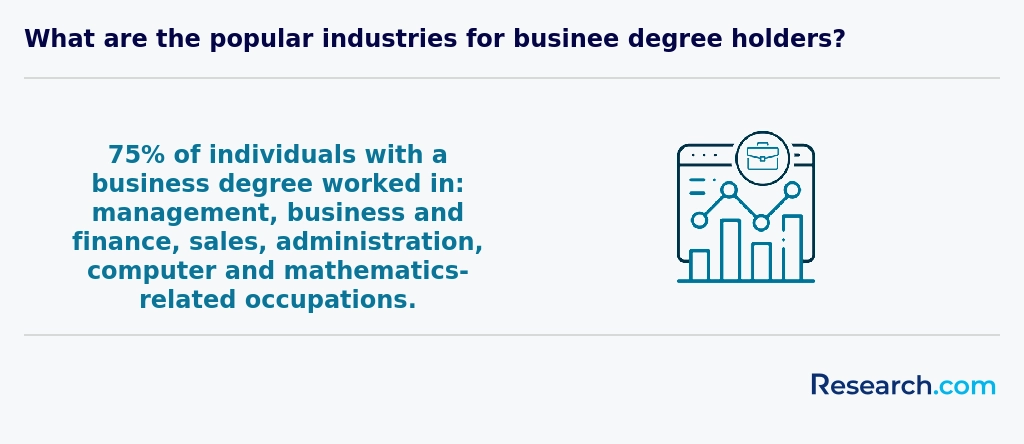
Below is the Research.com 2024 ranking of Virginia’s most popular business degree programs, determined by student enrollment, graduate outcomes, and industry reputation: 1. University of Virginia (UVA) – Bachelor of Commerce 2. Virginia Tech – BS in Business Administration 3. George Mason University – BS in Business Management 4. James Madison University – BS in Business Administration 5. Old Dominion University – Online BS in Business Administration 6. Virginia Commonwealth University – BS in Business Administration 7. Radford University – BS in Business Administration 8. Christopher Newport University – BS in Business Administration 9. University of Richmond – BS in Business Administration 10. Hampton University – BS in Business Administration Whether you’re seeking specialized tracks in finance or marketing, or planning to accelerate your graduate study, this list highlights programs with strong academic rigor and proven career support. For professionals eager to fast-track their credentials, explore our guide to the quickest online mba.
Business students in Virginia often find that federal aid, like Pell Grants and low-interest student loans, form a crucial financial foundation during their studies. For example, a Virginia Tech graduate recalls how a Pell Grant covering up to $7,395 alleviated immediate tuition stress, allowing focus on academic growth. This aid does not need repayment, which offers tangible peace of mind amid financial uncertainty.
State initiatives such as the Virginia State Grant Program provide targeted funds for in-state students demonstrating financial need and academic progress. At the University of Virginia, business majors have leveraged these grants to bridge gaps that federal aid doesn't fully cover. These layered supports can transform an otherwise heavy financial burden into a manageable commitment.
Institutional scholarships at public universities often reward leadership, merit, and need. Many graduates from James Madison University reflect on how institutional awards, combined with on-campus work-study programs, not only helped fund their education but also developed valuable professional skills through part-time roles.
Looking ahead, expanding partnerships between Virginia's business community and educational institutions may increase private scholarship availability, sparking new opportunities for students to finance their degrees with local support. This hopeful ecosystem encourages incoming students to actively explore financial aid options early to maximize these evolving resources.
For prospective students, one of the most crucial factors in choosing a business degree program in Virginia is the cost. With tuition fees varying significantly across institutions, understanding the financial implications is essential. Students seeking affordable options may find it beneficial to explore the cheapest business schools in Virginia, which offer quality education at a lower cost. By considering these factors, students can make informed decisions about their educational investments, balancing the need for a reputable degree with the reality of financial constraints. This approach enables them to pursue their career aspirations without being unduly burdened by student debt, setting them up for success in the competitive business landscape of Virginia.
Enrolling in a business degree in Virginia commonly begins with meeting clear academic standards, such as completing high school or GED with strong grades in math, English, and social studies. Graduates from popular schools like Virginia Commonwealth University often recall how their solid foundation in algebra and statistics set the stage for mastering complex business concepts. Many students appreciate that while some colleges still value SAT or ACT scores, a growing number of programs are leaning toward test-optional policies, easing admissions pressure.
Transcripts showing a GPA around 2.5 or higher are typical benchmarks, though top programs may ask for more. Students from diverse backgrounds, including international applicants, find that demonstrating English proficiency through TOEFL or IELTS is both encouraging and rewarding as it opens doors to effective communication in class and beyond. Financially, the journey requires planning, with in-state tuition at public Virginia schools averaging about $11,500 annually, a fact that many graduates reflect on as a worthwhile investment in their career ambitions.
Looking ahead, some graduates note the value of relevant work experience and strong recommendation letters, especially for graduate programs like MBAs at Virginia's universities. These evolving prerequisites hint at a future where holistic profiles and real-world skills become increasingly vital, inspiring hopeful students to prepare not just academically but as confident future business leaders.
. In today’s competitive job market, supplementing your traditional business degree with specialized online certificates can be a game-changer. These certification programs enable you to gain advanced skills in key areas such as digital marketing, data analytics, and project management, further enhancing your expertise and making your resume stand out. By integrating these credentials, you not only build upon your academic foundation but also demonstrate a proactive commitment to continuous learning and career advancement. These programs often offer flexible schedules, allowing working professionals to study without compromising their current job responsibilities. For those eager to learn more about upgrading your skills, check out Best Online Business Certificates to Advance Your Career for a curated selection of options that can complement your degree and propel your career forward.
Business degree programs in Virginia typically include foundational courses like Principles of Management, Financial and Managerial Accounting, and Marketing Fundamentals. Graduates from institutions such as the University of Virginia and Virginia Commonwealth University often share how these core classes helped them confidently navigate real-world business challenges early in their careers.
Alongside these essentials, students frequently dive into electives aligned with fast-evolving industries in Virginia, like government contracting and technology. For example, courses in corporate finance or digital marketing allow learners to apply modern tools to local business contexts, making classroom lessons feel immediately relevant and exciting.
Virginia's emphasis on business communication and ethics prepares students not just to analyze data but also to lead with integrity and clarity. Many graduates recall how project-based courses and internships offered through their schools made theory come alive, fostering a strong sense of achievement and readiness for the dynamic job market here.
Looking ahead, emerging trends suggest increased integration of data analytics, sustainable business, and entrepreneurial innovation will shape future curriculums, keeping Virginia students well-prepared for tomorrow's opportunities.
Business degree specializations in Virginia continue to evolve, reflecting the dynamic nature of the state's economy and global business trends. Graduates from popular business programs in Virginia's universities often share how specializations like finance, marketing, and management prepare them not only for traditional roles but also emerging careers in fintech, digital marketing analytics, and sustainable leadership. For example, students concentrating on information systems at well-known Virginia colleges find themselves equipped to navigate the complex intersection of technology and business, a crucial skill set for future-ready professionals.
Another growing area in Virginia business degree concentration options is entrepreneurship, where graduates express excitement about launching innovative startups locally and beyond. Special tracks such as international business and supply chain management also resonate strongly, especially considering Virginia's strategic position in government contracting and global trade. These students often feel empowered by the practical lessons and regional industry connections their programs offer.
Exploring options beyond traditional specializations, many potential students benefit from resources like Best Online Business Certificates to Advance Your Career, helping them tailor their education to future market demands and personal ambitions.
Choosing the best business degree in Virginia means looking beyond just tuition or reputation; it's about envisioning how your education will fit into the evolving job market. Graduates from well-regarded schools like the University of Virginia's Darden School often share how AACSB accreditation boosted their confidence in the program's rigor. Many find that aligning their specialization with Virginia's emerging sectors, such as technology or government contracting, made a tangible difference during internships and job searches. For instance, students at Virginia Tech's Pamplin College of Business frequently describe how close industry ties offered real-world projects that sparked enthusiasm and career clarity.
Affordability also plays a key role in choosing the best business degree programs in Virginia ranking. Graduates often highlight how selecting in-state schools helped minimize debt stress, allowing them to focus more on learning and networking rather than finances. Flexible scheduling options, including online or part-time programs, give busy students practical pathways to advance their careers, a trend likely to grow as remote learning becomes mainstream. For those eager to accelerate their education, exploring the quickest online mba options can unlock timely opportunities without sacrificing quality.
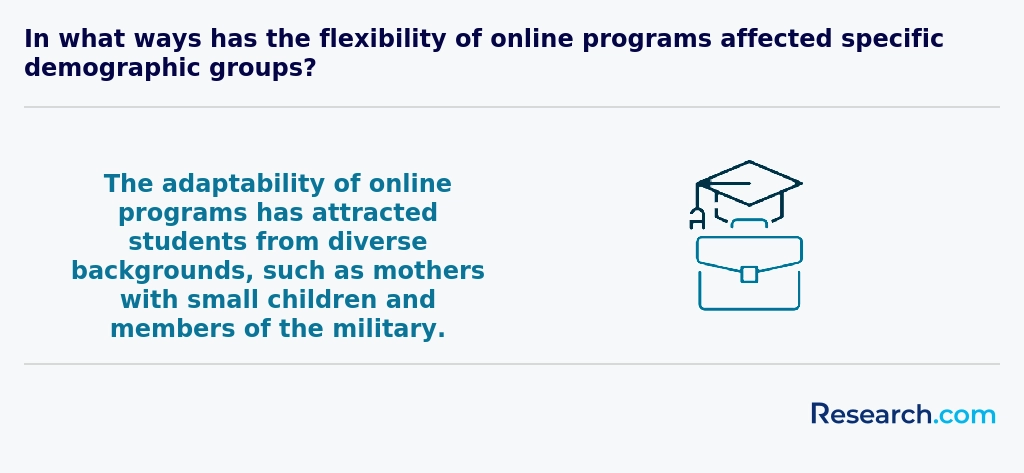
Business graduates from universities in Virginia often find diverse paths awaiting them, reflecting the state's dynamic economy. For instance, those completing degrees at popular schools like the University of Virginia or Virginia Commonwealth University often land roles in finance within Richmond's bustling banking sector. These graduates frequently share how the blend of strong academic foundations and local industry ties empowers them to thrive as financial analysts or investment advisors, capitalizing on Virginia's expanding finance industry. This speaks directly to Virginia business degree job prospects as graduates embrace vital, well-paying positions.
Others are drawn toward marketing and digital entrepreneurship, especially students inspired by Northern Virginia's vibrant technology scene near Washington, D.C. They report engaging internships and startup incubators that shape their skills in brand management and digital innovation. This environment supports emerging trends in marketing careers and the entrepreneurial spirit fostered at specialized centers like the Small Business Development Centers (SBDC). These experiences illustrate the broad business degree career opportunities in Virginia.
Seeking further practical pathways, many graduates appreciate the affordable cost of studying business here, often citing programs featured in the Low Cost Online Master's in Business Degree Programs Ranking in South Carolina as examples of accessible education that fuels career growth. The combination of reasonable tuition and local economic growth makes Virginia an exciting place for future business professionals to explore long-term success.
The job market for business degree holders in Virginia is poised for steady growth, fueled by the state's proximity to Washington, D.C., and its strong sectors in government, finance, and technology. Graduates from popular Virginia institutions often find themselves quickly employed in vibrant industries including cybersecurity firms and defense contractors, where their skills are in high demand. Many report that Virginia's relatively low unemployment rate of 3.1% helps ease the transition from student life to rewarding careers, highlighting a positive employment outlook for those pursuing a business degree job opportunities in Virginia.
Students investing in programs at well-regarded Virginia universities experience diverse career trajectories, from management roles to entrepreneurial ventures. Competitive salaries-starting near $50,000 and advancing to $80,000 or more-reflect this region's robust economy. Many grads share stories of leveraging networking events close to major economic hubs to land positions quickly. Exploring an accelerated online degree for working adults also allows flexibility for those balancing career growth and education.
2027 Most Popular Business Degree Programs Ranking in Virginia
Investing in your education is a significant decision that can profoundly impact your career and future, and the Research.com team recognizes the need for careful, informed choices. To support prospective students in Virginia, we have thoroughly developed the "2027 Most Popular Business Degree Programs Ranking in Virginia," reflecting our dedication to quality, credibility, and accuracy. Our ranking is based on extensive research and data analysis from multiple trusted sources.
We utilized the following reputable data sources to create this ranking:
By reviewing this ranking, readers will receive valuable insights to help select the most suitable business degree programs tailored to their goals and needs. For further details on how this ranking was developed, please visit our Research.com methodology page.


Frequently Asked Questions About business
Business degree students in Virginia can maximize their learning experience by engaging in internships with local companies. Virginia hosts a diverse economy, including strong sectors in government contracting, tech, and finance, offering numerous practical opportunities. According to the Virginia Economic Development Partnership, over 50% of business graduates find internships in these areas, which enhance real-world skills.
Networking is also crucial. Virginia students should participate in university career fairs and local business organizations such as the Virginia Business Higher Education Council. These connections often lead to mentorships and job placements.
Additionally, taking advantage of experiential learning programs like case competitions or cooperative education can strengthen problem-solving skills. Many Virginia universities offer these as part of their business curricula.
The business field in Virginia is rapidly evolving, with several emerging niches attracting considerable attention. One prominent area is business analytics, driven by the increasing importance of data in decision-making across industries. According to the Virginia Economic Development Partnership, demand for analytics professionals has grown by over 20% in the past five years.
Another significant niche is sustainable business practices. Virginia companies are placing greater emphasis on environmental, social, and corporate governance (ESG), creating new roles focused on sustainability management.
Additionally, cybersecurity management within business operations is gaining traction, reflecting Virginia's strong technology sector. This niche merges business strategy with security protocols to protect organizational data.
Lastly, entrepreneurship and innovation management continue to be vital as startups flourish in hubs like Richmond and Northern Virginia, supported by local economic initiatives.
After completing a business degree in Virginia, preparing for the job market involves strategic steps to enhance employability. Networking is crucial; attend career fairs hosted by Virginia universities and join professional organizations like the Virginia Chamber of Commerce. These connections often lead to internships and job opportunities. Developing practical skills through internships or cooperative education programs can increase your competitiveness. According to the Virginia Employment Commission, sectors such as finance, information technology, and healthcare are top employers for business graduates. Additionally, mastering software like Excel, Salesforce, or QuickBooks improves your résumé appeal. Regularly consulting resources like Handshake or LinkedIn also helps track job openings. Staying informed and proactive is key.
Employers in Virginia highly value business degree graduates who demonstrate strong analytical skills. According to the Virginia Employment Commission, 65% of business roles require data interpretation and financial analysis abilities. Graduates with proficiency in critical thinking and problem-solving are more competitive in the state's growing sectors such as finance, technology, and healthcare administration.
Communication skills, both written and verbal, are another priority. Many Virginia companies emphasize teamwork and client interaction, making clear communication essential. Leadership capabilities also stand out, as employers seek graduates who can manage projects and motivate teams effectively.
Technological literacy, including familiarity with software like Excel, SAP, and customer relationship management tools, is frequently listed in Virginia job postings. Keeping up with evolving business technology trends positions graduates for success in this competitive market.
Finding internships in Virginia relevant to a business degree involves leveraging state resources and local industry connections. Virginia hosts a diverse business environment, including finance, technology, and government contracting sectors, particularly in Northern Virginia, Richmond, and Virginia Beach. Students should start by utilizing their university career centers, which often have partnerships with local companies offering internships tailored to business majors.
Additionally, platforms like the Virginia Employment Commission provide listings of internship opportunities specifically for Virginia residents. Networking through professional organizations such as the Virginia Business Higher Education Council can also open doors. According to the U.S. Bureau of Labor Statistics, internships improve employment prospects for 70% of business graduates nationwide, underscoring the importance of these experiences.
In Virginia, earning a business degree significantly enhances career mobility and advancement opportunities. According to the Virginia Employment Commission, individuals with business-related degrees are more likely to access managerial and specialized roles that offer higher salaries. For example, business graduates frequently move into positions in finance, marketing, and management, sectors that saw a projected growth rate of 7.5% from 2022 to 2032. This degree also provides foundational skills valued across industries, making graduates adaptable to different roles and company types within the state's diverse economy.
Furthermore, Virginia's strong network of universities and local businesses offers students internship and networking opportunities, strengthening their marketability. Studies from the Georgetown University Center on Education and the Workforce reveal that business graduates nationally earn a median salary about 20% higher than those with only a high school diploma, a trend reflected in Virginia's competitive job market. Ultimately, a business degree in Virginia equips students with practical and leadership skills essential for climbing the career ladder in the region's evolving economy.
Studying for a business degree in Virginia equips students with versatile skills essential for interdisciplinary roles. Virginia's universities emphasize integrating knowledge from fields such as economics, information technology, communication, and management. This broad approach helps students tackle complex business challenges by applying diverse perspectives.
Many Virginia business programs offer courses combining data analytics, marketing, and finance, fostering adaptability in various industries. According to the Virginia Economic Development Partnership, sectors like government contracting, IT, and finance strongly demand professionals with multidisciplinary expertise.
Hands-on projects and internships further prepare students to collaborate across departments and industries, enhancing problem-solving and leadership abilities.
Choosing between a thesis and a non-thesis business degree program in Virginia depends largely on your career goals and learning preferences. Thesis programs require conducting original research, which suits students aiming for academic careers or roles involving analysis, such as consulting or market research. Non-thesis options focus more on coursework and practical skills, ideal for professionals seeking to advance in management or entrepreneurship without dedicating time to extensive research.
Virginia hosts top-ranked universities offering both formats, with graduate enrollment in business programs growing by 5% annually, according to the Virginia Department of Education. Cost, time commitment, and professional objectives are key factors to consider.
Students in Virginia seeking to study business abroad have access to numerous exchange programs through state universities such as the University of Virginia and Virginia Commonwealth University. These institutions often partner with international business schools across Europe, Asia, and Latin America, allowing students to earn credits toward their degrees while gaining global experience.
Additionally, many Virginia colleges participate in the U.S. Department of State's Gilman Scholarship Program, which supports Pell Grant recipients studying abroad, including business majors. According to the Institute of International Education, over 3,000 Virginia students studied abroad in 2022, with business as a top field of study.
Short-term faculty-led programs and internships through Virginia's business schools also provide international exposure, which is valuable for career development in a globalized economy.
Part-time job opportunities in Virginia that complement business degree education often involve roles in retail management, marketing assistance, and financial services. For example, students may work as sales associates or customer service representatives to develop communication and organizational skills relevant to business operations.
Internships or part-time positions in local startups and established companies in cities like Richmond and Arlington offer practical exposure to project management and business analytics. According to the Virginia Employment Commission, employment in business and financial occupations is projected to grow by 7% through 2030, reflecting strong regional demand.
Additionally, roles in bookkeeping or administrative support can sharpen accounting and data management abilities, enhancing students' resumes while pursuing their degrees.
Business students in Virginia have access to numerous networking opportunities through universities, professional organizations, and industry events. Universities like the University of Virginia and Virginia Tech offer career fairs and alumni networking events that connect students with local and national employers. According to the Virginia Economic Development Partnership, over 300,000 people are employed in Virginia's professional and business services sector, indicating strong local demand for talent.
Students can also join organizations such as the Virginia Chamber of Commerce or the Virginia Business Coalition, which host workshops, seminars, and networking mixers tailored to emerging business professionals. Additionally, Virginia's proximity to Washington D.C. provides access to a wide range of business conferences, trade shows, and government contracting opportunities.
Alumni networks play a crucial role in supporting business degree students in Virginia by providing valuable professional connections. Many Virginia universities, such as the University of Virginia and Virginia Tech, have extensive alumni communities that actively mentor current students. These networks offer access to internships, job opportunities, and industry insights, which are vital in Virginia's competitive job market.
According to the Virginia Department of Labor, sectors like finance, technology, and consulting are growing, making networking essential. Alumni events and platforms also help students build relationships that can lead to career advancement and entrepreneurship guidance within Virginia's diverse business environment.
Customizing a business degree program in Virginia allows students to align their education with specific career goals. Many Virginia universities offer concentrations such as finance, marketing, or supply chain management within their programs. For example, George Mason University and the University of Virginia enable students to choose electives tailored to emerging industries in the region.
Students can also pursue internships or cooperative education opportunities with local businesses, gaining practical experience. According to the Virginia Economic Development Partnership, sectors like cybersecurity and data analysis are growing, prompting schools to include relevant courses. Taking advantage of these options helps learners develop skills demanded by Virginia's evolving job market.
Business students in Virginia face several common challenges during their studies. One key difficulty is balancing coursework with internships or part-time jobs, as experiential learning is crucial in the competitive Virginia job market. According to the Virginia Economic Development Partnership, sectors like finance and technology are rapidly evolving, requiring students to develop adaptable skills and stay current with industry trends.
Another challenge involves managing student debt, which averaged over $30,000 for Virginia graduates in 2022, per data from The Institute for College Access & Success. Additionally, students often navigate large class sizes at public universities, limiting personalized interaction with faculty.
Time management and networking are also significant concerns for students aiming to connect with employers and gain practical experience.
With a business degree in Virginia, graduates can pursue several respected professional certifications to advance their careers. Popular options include the Certified Public Accountant (CPA) credential, especially relevant for accounting graduates, as Virginia ranks among states with high demand for CPAs according to the Virginia Board of Accountancy.
Business degree holders may also consider the Project Management Professional (PMP) certification. The Project Management Institute reports that Virginia hosts thousands of PMP-certified professionals, reflecting the region's strong project management industry presence.
Additionally, becoming a Certified Management Accountant (CMA) is common for those focusing on financial analysis and management. The Institute of Management Accountants shows growing CMA interest in Virginia due to expanding corporate sectors.
To write a winning application for a business program in Virginia, begin by thoroughly researching the specific schools and their program offerings. Highlight how your background aligns with the school's mission and values. Virginia hosts top-ranked business schools such as the University of Virginia's Darden School and Virginia Tech's Pamplin College of Business, both emphasizing leadership and innovation.
Showcase your academic achievements, professional experience, and any relevant extracurricular activities. Business programs in Virginia often value strong quantitative skills and community involvement.
Additionally, a well-crafted personal statement and solid letters of recommendation are crucial. According to the Virginia Council of Higher Education, tailored applications that clearly articulate career goals and contribution plans tend to score higher in admissions.
Business careers today are shaped by an increasingly global economy. Graduates with business degrees in Virginia enter a workforce where multinational companies and international trade play key roles. According to the Virginia Employment Commission, sectors like finance, information technology, and logistics are rapidly expanding, reflecting global business trends.
Understanding diverse markets and cultural differences is essential. Many Virginia universities incorporate global business practices and international internships into their curricula to prepare students for this reality. The U.S. Bureau of Labor Statistics highlights that jobs requiring global awareness often offer higher salaries and growth potential.
Thus, pursuing a business degree in Virginia opens doors to careers that connect local knowledge with worldwide opportunities.
Gaining practical experience while studying for a business degree in Virginia is vital for career readiness. Many Virginia universities encourage internships with local companies, allowing students to apply classroom theories to real-world settings. For example, the Richmond Fed reports strong demand for business interns in sectors like finance and marketing.
Additionally, cooperative education programs blend academic study with paid work experiences. Students often earn academic credit while working, providing a deeper understanding of business operations.
Campus resources such as business clubs and case competitions also foster practical skills. Networking events frequently connect students with Virginia's diverse business community, enhancing job prospects after graduation.
Choosing the right concentration within a business degree program in Virginia begins with understanding your career goals and the region's economic landscape. Virginia's economy includes strong sectors such as government contracting, technology, finance, and logistics, which can guide your decision. For example, concentrations in management or finance align well with Northern Virginia's large financial and federal contracting industries, according to the U.S. Bureau of Labor Statistics.
Next, consider your personal strengths and interests in areas like marketing, accounting, or entrepreneurship. Research programs offered by Virginia institutions to find courses matching your goals. Additionally, internships and networking opportunities in Virginia's business hubs can influence your choice.
- 2027 Most Popular Business Degree Programs Ranking in Maryland
- 2027 Most Popular Business Degree Programs Ranking in Delaware
- 2027 Most Popular Business Degree Programs Ranking in Georgia
- 2027 Most Popular Business Degree Programs Ranking in Indiana
- 2027 Most Popular Business Degree Programs Ranking in Florida
- 2027 Most Popular Business Degree Programs Ranking in Alabama
- 2027 Most Popular Business Degree Programs Ranking in Connecticut
- 2027 Most Popular Business Degree Programs Ranking in Missouri
- 2027 Most Popular Business Degree Programs Ranking in Illinois
- 2027 Most Popular Business Degree Programs Ranking in Arkansas
See What Experts Have To Say About Studying Business
Read our interview with Business experts

David W. Stewart
Business Expert
Emeritus President's Professor of Marketing
Loyola Marymount University


Ingrid S. Greene
Business Expert
Clinical Assistant Professor of Management
Loyola Marymount University

- Why Employers Prize a Global Perspective from MBA Graduates | WU Executive Academy https://executiveacademy.at/en/knowledge/career/why-employers-prize-a-global-perspective-from-mba-graduates
- Business | Central Virginia Community College https://centralvirginia.edu/programs-classes/business
- Why You Should Start Networking as a Student – and How to Do It https://amplifyme.com/blog/why-you-should-start-networking-as-a-student
- 5+1: Five challenges facing business schools and one solution https://charteredabs.org/insights/opinion/51-five-challenges-facing-business-schools-and-one-solution
- Pre-Business https://www.vsu.edu/business/programs-of-study/pre-business/
- How to Write the Perfect Cover Letter – EU Business School https://www.euruni.edu/blog/write-perfect-cover-letter/
- 55 Trending Business Ideas for 2025 and Beyond https://www.uschamber.com/co/start/business-ideas/top-trending-business-ideas
- 2024 Best Business Schools | How Alumni Rate Their Undergraduate Business Degrees https://poetsandquantsforundergrads.com/news/best-business-schools-alumni-rate-undergraduate-business-degrees/5/
- Business Administration | Reynolds Community College https://www.reynolds.edu/programs/program-pages/business-administration-as.html
- Know more about thesis vs non- thesis: what is the difference? https://studyfans.com/en/blogs/816


