2027 Most Popular Business Degree Programs Ranking in Tyler

Co-Founder and Chief Data Scientist
Choosing the right business degree program can feel overwhelming, especially with so many options available in Tyler. This article introduces the 2027 Most Popular Business Degree Programs Ranking in Tyler, created by the Research.com team of data scientists to guide you in making an informed decision.
Discover which programs stand out and understand what makes them valuable for your future career. Reading this ranking will empower you to select a program that aligns with your goals and aspirations.
Investing in a business degree is a step toward new opportunities and personal growth, and this article is here to support you every step of the way.
Key benefits of getting business degree in Tyler
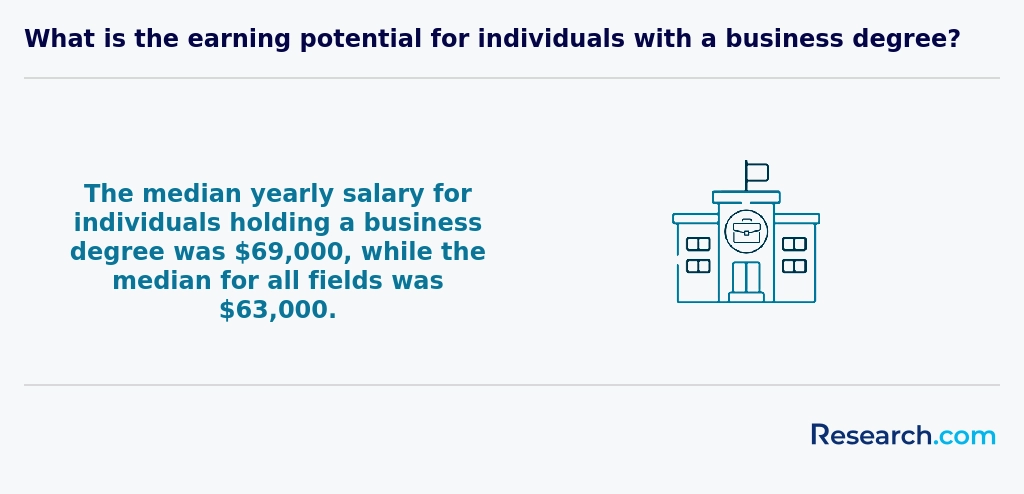
- Salary for business degree graduates: Graduates in Tyler's business field can expect strong earning potential, such as Business Analysts making around $112,950 annually and Business Development Executives earning about $83,190 per year.
- Career paths: A business degree from Tyler Community College opens doors to diverse roles in management, marketing, and analysis, providing flexibility and opportunities to grow in various industries.
- Online degree benefits: Earning a business degree online from the University of Texas at Tyler offers convenience and balance, allowing students to gain valuable skills while managing work or family commitments.
- 2027 Most Popular Business Degree Programs Ranking in Tyler
- What can I expect from business degree in Tyler?
- Where can I work with business degree in Tyler?
What can I expect from business degree in Tyler?
The average cost of pursuing a business degree in Tyler is relatively affordable compared to other Texas cities. Graduates from the University of Texas at Tyler, a leading institution in the region, often recall that the in-state tuition for business undergraduates in recent years hovered around $10,000 annually. This affordability allows students to focus more on gaining practical experience rather than worrying excessively about debt.
Several graduates appreciate how this cost balance supports their ability to engage in internships and local networking without the pressure of high tuition fees. For example, students taking part in partnerships with Tyler-based companies can simultaneously build professional connections and manage expenses effectively.
However, it's important to note that private colleges in Tyler might present higher tuition, which can impact a student's financial planning. Still, many find that the investment pays off considering the region's expanding business sectors and local employment opportunities.
While tuition is a central factor, students should also consider the availability of scholarships and financial aid, which some programs at Tyler institutions actively promote to ease the financial burden.
Where can I work with business degree in Tyler?
Business graduates in Tyler often find themselves employed across a variety of sectors reflecting the city's diverse economy. Many graduates from institutions like the University of Texas at Tyler share how their education prepared them for healthcare administration roles at major local hospitals, such as UT Health Tyler, where balancing budgets and improving patient services bring real satisfaction and tangible community impact.
Others gravitate toward manufacturing firms like Becknell Industrial, citing rewarding experiences in supply chain management and project coordination that challenge their analytical skills daily. This hands-on involvement in managing facility operations helps solidify their business acumen in a fast-paced environment.
Retail and hospitality also offer accessible pathways, especially for those who enjoy customer-focused roles in marketing and sales management. Graduates often describe the excitement of working in a growing city with over 100,000 residents, where they can see immediate results from their strategies in dynamic local businesses.
Some graduates express enthusiasm about entrepreneurial opportunities through small to medium-sized enterprises or startups, supported by local resources like the Tyler Economic Development Council. Here, applying classroom concepts to real-world business growth fosters a deep sense of accomplishment.
Meanwhile, public sector roles appeal to those interested in government or nonprofit work, providing avenues to contribute meaningfully to community development-an aspect many find fulfilling beyond traditional corporate paths.
Graduates from Tyler's colleges with business degrees often start their careers with salaries reflecting both local economic conditions and the broader market trends. For example, business development executives typically earn around $83,190 annually, demonstrating a solid entry point for those focused on growth-oriented roles. This salary aligns well with the ambitions of many Tyler graduates eager to contribute to the region's expanding industries.
More specialized roles, such as business analysts, show even greater earning potential, with mean annual wages near $112,950. Graduates with strong analytical skills and familiarity with data tools, often acquired through coursework or internships at Tyler's universities, find themselves well-positioned to secure these higher-paying positions.
Students in Tyler frequently share that landing a role as a business development executive or analyst involves not just education, but networking within the local healthcare, manufacturing, and education sectors-fields strong in Tyler's economy. The blend of practical experience and academic preparation fosters optimism and career satisfaction among graduates navigating the local job market.
- The total cost for a bachelor's degree in business in Tyler ranges from $25,000 to $40,000 for in-state students, depending on the institution and program.
- Starting salaries for business graduates in Tyler typically range from $50,000 to $55,000 per year, increasing to $75,000 to $90,000 in mid-career.
- Projected job growth for business-related occupations in Tyler is steady, expected to increase by 5% to 7% over the next decade.
- Many Tyler schools offer internships and cooperative education programs that provide valuable practical experience.
- Financial aid options such as scholarships, grants, and federal student loans are available to help lower education costs.
Completing a business degree in Tyler typically requires about four years for a full-time bachelor's student, as seen at institutions like the University of Texas at Tyler. Graduates often reflect on balancing coursework with internships, finding that the steady pace allowed them to absorb material deeply while building practical skills. Some students speed up their journey by enrolling in summer classes, finishing in as little as three years-a challenging but rewarding path for those eager to enter the workforce sooner.
For those pursuing an MBA locally, the duration usually ranges from one to two years. Full-time MBA students sometimes finish in just 12 months, experiencing an intense, immersive program that sharpens their business acumen quickly. Meanwhile, part-time learners often appreciate the flexibility to juggle professional commitments, even if it extends the timeline.
It's worth noting that many working professionals in Tyler choose part-time or hybrid options, which lengthen completion times but provide essential balance. Success stories from these students emphasize adaptability and the value of fitting education into busy lives without sacrificing quality.
Choosing between online and on-campus business degrees in Tyler largely hinges on how you prefer to engage with your education and daily life. Graduates from popular local colleges often note that on-campus programs offer vibrant face-to-face interactions and hands-on group projects, fostering strong networking and leadership skills essential in Tyler's business community. For instance, students attending traditional classes regularly share experiences around the campus library or collaborate immediately after lectures, creating a supportive environment.
Conversely, many online business students highlight the freedom to study after work or manage family responsibilities, appreciating how digital platforms unlock flexibility without sacrificing access to accredited programs. Some online students in Tyler mention completing accelerated courses that fit their career pace, saving time while avoiding commute-related stress.
Cost-wise, on-campus tuition averages near $10,740 annually for in-state students, but online learners often benefit from reduced living expenses. While some Tyler employers value the immersive campus experience, others increasingly recognize online degrees, especially those earned from respected institutions offering full accreditation.
The average cost of earning a business degree in Tyler reflects a balance between affordability and quality, particularly for local students. For those attending public institutions like the University of Texas at Tyler, in-state tuition usually totals around $9,736 annually, which many graduates describe as a worthwhile investment given the strong connections these schools maintain with the Tyler business community.
However, out-of-state students should be prepared for significantly higher expenses, with median total costs rising to roughly $41,824. Graduates from Tyler Junior College often highlight the financial relief their education provided, as community college tuition in Tyler is considerably lower and can be a pragmatic first step in reducing overall debt before transferring to a four-year program. This route exemplifies an effective strategy for managing the average cost of business degree in Tyler.
While tuition is a major factor, students also consider living expenses and additional fees. Living in Tyler feels manageable compared to larger cities, which supports a positive student experience. Many successful alumni recall benefiting from scholarships and financial aid, which alleviate costs substantially, making a business degree more accessible. Prospective students exploring options may find that Tyler offers diverse pathways - an advantage explored further by reviewing the most popular business colleges in the area.
To make an informed decision about which business college to attend in Tyler, TX, it's essential to consider several factors, including accreditation, curriculum, and career support services. Prospective students can explore the most popular business colleges in the area, weighing the pros and cons of each institution. By researching and comparing different programs, students can find the best fit for their academic and professional goals, setting themselves up for success in their future careers.
Business students in Tyler commonly rely on a mix of federal, state, and institutional financial aid to manage education costs. Many start by completing the Free Application for Federal Student Aid (FAFSA), unlocking access to Pell Grants that can reduce tuition by thousands. Graduates from institutions like the University of Texas at Tyler describe how receiving a Pell Grant eased their financial stress, allowing them to focus more on studies than part-time jobs.
State grants, such as the Texas Grant and TEXAS Grant, specifically support in-state students attending public colleges. These can be crucial for Tyler students balancing limited resources, especially those demonstrating strong academic performance. Local universities often supplement this aid with merit-based scholarships targeted at business majors in accounting, management, and marketing, rewarding leadership and community involvement.
Work-study programs offer another practical financial option, providing paid experience that aligns with business fields. Some graduates share how employer tuition reimbursement and private scholarships from Tyler-area businesses helped them bridge funding gaps, encouraging a positive outlook for career advancement while studying.
As the business landscape continues to evolve with rapid technological advancements and shifting market priorities, recent trends indicate that graduates in Tyler, TX, are increasingly expected to blend traditional business expertise with digital savvy and innovative problem-solving skills. Emerging fields such as data analytics, digital marketing, and sustainable business practices are reshaping conventional roles. Students and alumni alike have noted that courses now incorporate future-forward topics like machine learning applications in finance and remote team management strategies, preparing graduates for a dynamic job market. Additionally, the local economy’s shift towards tech-integrated business solutions is fostering new opportunities for roles that require both strategic thinking and technical proficiency. For a comprehensive understanding of the academic commitment required in this evolving field, you can explore insights on How Long Does It Take To Get A Business Degree, which can help shape realistic educational timelines and career planning. Staying current with industry trends through professional workshops, webinars, and networking events is highly recommended. As Tyler continues to grow as a business hub, students who proactively update their skills and adapt to market changes will find themselves at a competitive advantage, equipped not only with a solid educational foundation but also with the foresight to navigate future challenges and opportunities.
Enrolling in a business degree program in Tyler typically involves meeting clear but thoughtfully structured prerequisites. Most undergraduate programs require a high school diploma or GED, with a focus on strong performance in math and English-skills essential for navigating the challenges of courses in finance, marketing, and management. For example, graduates from universities in Tyler often reflect on how early coursework in algebra helped them approach complex business problems with confidence.
Although many schools in Tyler have adopted test-optional policies for SAT or ACT scores, checking each college's admission policy is crucial. Transfer students need to provide official transcripts and maintain a GPA around 2.5 to 3.0, a common threshold that signals readiness for business studies. Some programs emphasize prior coursework in economics or statistics, recognizing these as foundational for the highly quantitative nature of business curricula.
For graduate degrees like the MBA, applicants generally must hold a bachelor's degree and submit GMAT or GRE scores, though work experience may sometimes compensate. Tyler students often appreciate this flexibility, especially when juggling careers and study plans. Financially, tuition varies significantly, so those enrolling in Tyler should plan accordingly to avoid surprises during their academic journey.
Business degree programs in Tyler commonly include core courses such as accounting, finance, marketing, management, and economics, which provide a solid foundation for understanding business operations. Graduates from popular local universities often highlight how these courses helped them grasp essential skills like budgeting and strategic planning through practical activities, such as analyzing real company financial statements or developing marketing plans for local businesses.
Beyond the basics, many programs emphasize business law and ethics, reflecting Tyler's diverse regulatory environment. Students find this especially valuable when navigating compliance issues relevant to East Texas industries like healthcare and manufacturing. For example, some graduates recall case studies on ethical dilemmas faced by regional companies that made these lessons tangible and personally meaningful.
Specialized subjects often include entrepreneurship, supply chain management, human resources, and business analytics. These areas connect directly to Tyler's vibrant startup ecosystem and established manufacturing sector. Students frequently describe internships through local businesses where they applied classroom theories to real problems, enhancing confidence and job readiness.
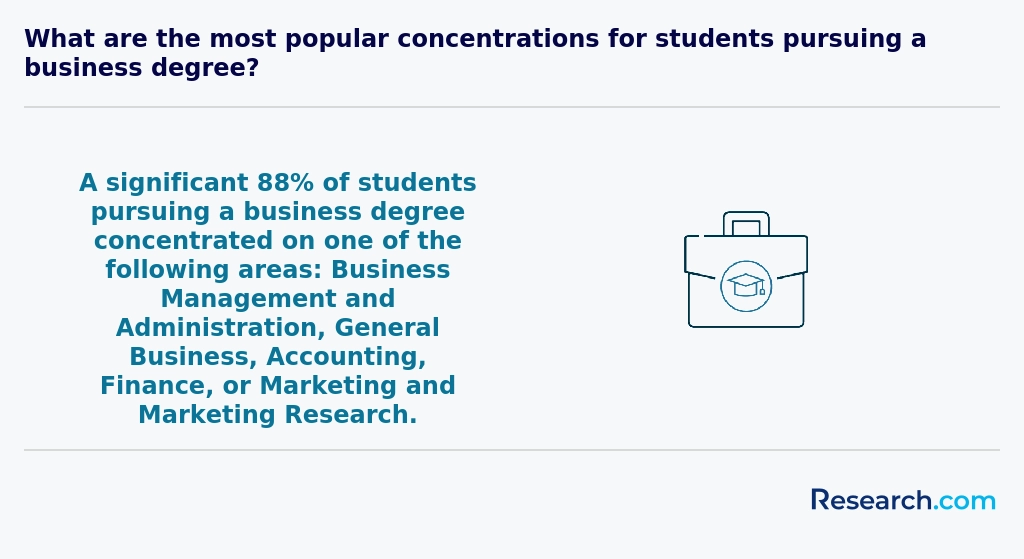
Business degree specializations in Tyler typically mirror national trends but are uniquely shaped by the region's economic landscape. Common concentrations include Accounting, Marketing, Management, Finance, Entrepreneurship, and Supply Chain Management. Graduates from Tyler's universities often reflect on how Accounting prepared them for critical roles in corporate settings, while Marketing students highlight hands-on projects around Tyler's growing digital economy. Those pursuing Supply Chain Management appreciate the relevance to local manufacturing, showing how these specializations connect classroom theory to real-world industry needs.
Tyler business degree programs with concentrations encourage students to develop skills aligned with personal interests and market demands. Some graduates have shared their excitement about entrepreneurship tracks, emphasizing innovation and business plan development aligned with Tyler's budding startup scene. Meanwhile, Management concentrations emphasize leadership skills as students collaborate with local healthcare and manufacturing firms, enhancing their practical experience.
For prospective students wondering about program length, visiting resources like How Long Does It Take To Get A Business Degree can clarify expectations while considering the costs and time investment of these specializations.
Choosing the best business degree programs in Tyler involves weighing factors like program reputation, accreditation, and alignment with your career goals. Graduates from the University of Texas at Tyler often emphasize the value of its AACSB accreditation, which employers recognize as a mark of quality. However, some find that smaller colleges offer more personalized support, so it's worth exploring all local options critically rather than assuming one size fits all.
Affordability is another important consideration. Many students appreciate Tyler's lower cost of living compared to larger cities, which complements the generally reasonable tuition fees at local institutions. Still, it's wise to compare living expenses and financial aid opportunities carefully to avoid surprises. Some find that focusing on affordable business degree options Tyler leads to a more sustainable, less stressful college experience.
Look for programs offering practical experiences such as internships or projects connected with Tyler's key industries like healthcare and manufacturing. Hearing from recent graduates, these hands-on opportunities often prove vital for job readiness and networking. If you're weighing alternatives, consider also exploring pathways like the quickest online associates degree, which some find useful to supplement traditional studies.
Graduates with a business degree in Tyler often navigate diverse career paths shaped by the city's unique economy. Many find rewarding roles as financial analysts or advisors, where they help individuals and companies manage assets in a market showing steady growth. Marketing managers are also in high demand, particularly because Tyler's retail and service sectors continue to expand, creating opportunities to craft strategies that resonate both locally and online. Some graduates choose human resources roles, supporting booming sectors like healthcare, where staffing demands have surged recently.
Others leverage their degree by entering operations and supply chain management within Tyler's manufacturing hubs, focusing on efficiency and cost control. There is also a noticeable trend of entrepreneurs and small business owners, benefiting from a supportive community and local resources, contributing to Tyler's vibrant business climate. Students at Tyler's popular colleges often reflect on how their experiences prepared them for these paths, noting the blend of theory and practical exposure that aligns well with real-world demands.
Those exploring less traditional options might consider looking into easy doctorate degrees to extend their expertise. Overall, these business degree career options in Tyler highlight a pragmatic balance between traditional roles and innovative ventures, grounded in the region's economic landscape.
The job market for business degree graduates in Tyler reflects steady opportunities driven by the city's diverse economy, including healthcare, retail, and manufacturing sectors. Many Tyler business degree employment trends reveal that recent graduates from popular local colleges find roles in management, marketing, or finance, often within growing small and medium-sized enterprises. These experiences translate into relatable, real-world skills like project planning and sales leadership, helping graduates build confidence in their career paths.
Graduates often note that while entry-level salaries range between $45,000 and $55,000, there is room for growth as professionals gain experience in Tyler's expanding job market. The city's relatively low unemployment rate compared to national figures encourages students to pursue business degrees with optimism. However, students must weigh these advantages with education costs, which in Texas public universities generally range from $10,000 to $15,000 annually. Some even explore options like the cheapest doctorate degree online for advanced business studies to enhance long-term prospects.
Overall, those considering business degree job opportunities in Tyler benefit from a regional economy that supports a variety of business career paths, though staying adaptable and proactive remains essential as the market evolves.
2027 Most Popular Business Degree Programs Ranking in Tyler
Investing in your education is a significant decision that can shape your future, and the Research.com team understands the importance of making informed choices. To assist prospective students in Tyler, we have meticulously developed the "2027 Most Popular Business Degree Programs Ranking in Tyler." Our dedication to quality, credibility, and accuracy is evident in the thorough research and analysis behind this ranking.
We utilized the following reputable data sources to ensure a comprehensive evaluation of business degree programs:
By exploring this ranking, readers will gain valuable insights into the most popular business degree options available in Tyler, empowering them to make well-informed educational decisions. For more information about our methodology, please visit our Research.com methodology page.

# 3 position
Texas College
Bachelor of Business Administration

Frequently Asked Questions About business
Business degree students in Tyler can maximize their learning experience by engaging with local industry connections. Tyler's economy, with its strong sectors in healthcare, manufacturing, and retail trade, offers valuable internship and networking opportunities. According to the Tyler Economic Development Council, nearly 75% of local companies prefer hiring graduates familiar with regional market trends.
Participating in internships or cooperative education programs provides practical skills that complement classroom knowledge. Students should also take advantage of resources at institutions like the University of Texas at Tyler, which offers access to business clubs and mentorship programs.
Furthermore, attending local business seminars and events helps students stay informed on the latest industry developments, enhancing their readiness for the competitive job market.
The business field is rapidly evolving, with several emerging niches gaining momentum in Tyler and across the U.S. One notable area is data analytics and business intelligence, driven by companies' need to interpret complex data to improve decision-making. According to the Bureau of Labor Statistics, employment in this sector is projected to grow 25% nationally through 2031, reflecting strong demand.
Digital marketing has become another key niche, as more businesses shift to online platforms. Local Tyler firms increasingly seek experts skilled in social media strategy, SEO, and content creation to reach broader audiences.
Additionally, supply chain management is gaining traction amid recent disruptions in global trade, with Tyler's growing logistics sector offering promising job opportunities. Specialized programs in sustainable business practices are also rising, addressing the demand for environmentally responsible corporate strategies.
After completing a business degree in Tyler, graduates should focus on building practical skills to enter the job market successfully. Networking is essential; many local businesses in Tyler value connections made through internships and business events. The Tyler Chamber of Commerce reports that internships increase job placement chances by over 30% in the region.
Additionally, enhancing digital skills such as data analysis and proficiency in Excel or CRM software improves employability. Participating in career workshops offered by institutions like the University of Texas at Tyler can provide valuable resume and interview preparation.
Considering Tyler's growing economy in sectors like retail and healthcare, tailoring your job search to these fields can increase opportunities.
Employers in Tyler highly value business degree graduates who demonstrate strong communication skills. According to the U.S. Bureau of Labor Statistics, effective verbal and written communication remains crucial for business roles across industries in Texas.
Analytical thinking and problem-solving are also key skills. Local Tyler employers, especially in finance and healthcare sectors, seek graduates who can analyze data and make strategic decisions.
Additionally, teamwork and leadership abilities are essential. Many companies encourage collaboration, so graduates capable of leading projects and working well with diverse teams have an advantage.
Familiarity with digital tools like Microsoft Excel and enterprise resource planning software is increasingly demanded by employers to improve efficiency and reporting accuracy.
Finding internships in Tyler relevant to a business degree involves a strategic approach combining local resources and national platforms. Tyler hosts several companies in industries like manufacturing, healthcare, and finance, which often offer business-related internships. According to the Tyler Economic Development Council, sectors such as retail trade and professional services are significant employers, providing many internship opportunities.
Students should start by consulting university career centers, such as those at the University of Texas at Tyler, which maintain partnerships with local businesses. Networking events and business associations like the Tyler Chamber of Commerce also offer valuable connections.
Online job platforms, including Handshake and LinkedIn, list internships specific to Tyler. Applying early and tailoring resumes to local industry demands increases chances of securing placements in accounting, marketing, or management roles.
In Tyler, Texas, earning a business degree can significantly improve career mobility and advancement opportunities. According to the U.S. Bureau of Labor Statistics, management and business occupations in the Tyler metropolitan area are projected to grow steadily, reflecting demand for qualified professionals.
Local employers often prioritize candidates with formal business education when considering promotions or leadership roles. A degree in business equips students with essential skills such as financial analysis, marketing, and organizational management, making them versatile in various industries prevalent in Tyler, including manufacturing, healthcare, and retail.
Additionally, institutions like the University of Texas at Tyler offer programs that connect students with regional employers through internships, enhancing practical experience and job readiness.
Research from the Texas Workforce Commission highlights that business degree holders in the Tyler area typically earn higher salaries and have faster career progression compared to those without such credentials.
Studying for a business degree in Tyler equips students with a broad skill set vital for interdisciplinary roles. Local institutions emphasize courses that blend finance, marketing, management, and information technology. This integrated approach reflects the diverse business environment in Tyler, where sectors like manufacturing, healthcare, and retail overlap.
Students learn to analyze data, manage projects, and communicate effectively across departments. According to the Tyler Economic Development Council, 40% of local businesses prioritize candidates with cross-functional expertise. Tyler's business programs also offer internships and partnerships with regional companies, providing practical experience in multidisciplinary teams.
Such education prepares graduates to solve complex problems requiring knowledge beyond traditional business boundaries.
Choosing between a thesis and a non-thesis business degree in Tyler depends on your career goals and learning preferences. A thesis program requires conducting original research and writing a substantial paper, which suits students aiming for academic or research-oriented careers. Non-thesis programs typically emphasize coursework and practical skills, ideal for those seeking immediate employment in business sectors.
Tyler's growing industries-such as healthcare management and regional trade-value both advanced research and applied skills. According to the Texas Higher Education Coordinating Board, about 60% of Tyler business graduates pursue non-thesis options for quicker workforce entry, while 40% choose thesis tracks for opportunities in consulting or doctoral studies.
Consider also your interest in research, time commitment, and potential internships offered locally to make an informed choice.
Students based in Tyler interested in studying business abroad have several pathways through US higher education programs. Many universities that serve Tyler residents offer study-abroad opportunities in partnership with international institutions. For example, the University of Texas at Tyler provides exchange programs in Europe and Asia, allowing business students to gain global experience while earning credits toward their degrees.
Community colleges in Tyler also facilitate transfer agreements enabling students to participate in short-term business programs abroad. According to the Texas Higher Education Coordinating Board, nearly 20% of business undergraduates in Texas engage in some form of international education.
Additionally, virtual global business courses are increasingly popular, offering students exposure to international markets without traveling.
Part-time job opportunities in Tyler that complement business degree education often include positions in retail management, sales, and administrative support. These roles allow students to develop practical skills such as customer relations, inventory management, and office coordination, which are highly valued in business careers.
Tyler's growing economy, particularly in areas like healthcare and manufacturing, provides additional opportunities in entry-level marketing and financial services roles. According to the Texas Workforce Commission, sectors like professional and business services experienced a 3.5% employment growth in Tyler in 2023, enhancing job prospects for students seeking relevant experience.
Internships or part-time roles in local banks, insurance firms, or small businesses also offer valuable exposure to business operations and financial management. These positions help build a professional network essential for future career advancement in Tyler's competitive job market.
Business students in Tyler have access to a variety of networking opportunities that can enhance their educational and professional development. Local universities, such as the University of Texas at Tyler, often host career fairs and business-related events connecting students with regional employers and industry leaders.
Additionally, the Tyler Chamber of Commerce offers student memberships and hosts regular networking events, enabling students to meet local business professionals and entrepreneurs. According to the Tyler Economic Development Council, the city's growing sectors, including healthcare, manufacturing, and retail, create diverse opportunities for student engagement.
Professional organizations like the East Texas Business Alliance also provide mentorship programs and workshops tailored to business students, helping them build connections before graduation.
Alumni networks play a crucial role for business degree students in Tyler by providing valuable connections within the local and regional job markets. These networks often include graduates employed in key industries such as manufacturing, healthcare, and retail, which are prominent sectors in Tyler's economy according to the Tyler Economic Development Council. Access to these contacts can lead to internships, mentorships, and job opportunities that might otherwise be difficult to find.
Furthermore, alumni groups often host networking events, workshops, and speaker sessions tailored to current students. This facilitates knowledge exchange and professional development directly relevant to Tyler's business environment.
Research from the National Association of Colleges and Employers shows that strong alumni networks improve job placement rates and starting salaries, benefits applicable to Tyler students as well.
Customizing a business degree program in Tyler to align with your career goals typically involves selecting specialized tracks or concentrations offered by local institutions. Many universities in Tyler provide options such as finance, marketing, management, or entrepreneurship, allowing students to focus on areas that suit their interests.
Internships and cooperative education opportunities in Tyler's growing economy-especially in sectors like healthcare administration and manufacturing-help students gain relevant experience. According to the Tyler Economic Development Council, businesses in the region seek graduates with practical skills and local market knowledge.
Additionally, some schools offer flexible scheduling and online courses, which can assist working professionals in balancing education with career advancement.
Business students in Tyler face several common challenges as they pursue their degrees. One significant issue is balancing academic workload with part-time work, a necessity for many local students due to economic pressures. According to the U.S. Department of Education, nearly 60% of undergraduate students in Texas work while studying, which affects time management and academic performance.
Another challenge involves limited internship opportunities within Tyler's business community. While the city has a growing economy, students often compete for fewer internships compared to larger metropolitan areas, impacting practical experience acquisition.
Lastly, navigating the complexity of business curricula and staying updated with rapidly evolving market trends can overwhelm students, especially those without prior business backgrounds.
With a business degree in Tyler, you can pursue several professional certifications that enhance your career prospects and expertise. Common certifications include the Certified Public Accountant (CPA) for those specializing in accounting. The CPA credential is highly valued and can lead to roles in finance and auditing.
Another popular certification is the Project Management Professional (PMP), which suits graduates interested in leadership and managing projects across industries. Additionally, the Certified Management Accountant (CMA) is ideal for those focusing on management accounting and financial analysis.
Data from the Texas Workforce Commission shows that business and financial occupations in Tyler are expected to grow by about 7% through 2030, increasing demand for certified professionals.
Writing a winning application for a business program in Tyler requires clear focus and preparation. First, research local schools such as the University of Texas at Tyler, noting their specific admission criteria and program strengths. Tailor your personal statement to highlight relevant experience, career goals, and how Tyler's business community aligns with your ambitions. Including measurable achievements, such as internships or leadership roles, strengthens your profile. Many programs favor applicants with a minimum GPA of 3.0 and standardized test scores, though some schools emphasize holistic review. Demonstrating knowledge of Tyler's growing economy, including the healthcare and manufacturing sectors, can also make your application stand out.
The global perspective on a business career emphasizes adaptability and a broad skill set. With increasing globalization, professionals must understand diverse markets and cultures. In the U.S., and specifically in Tyler, Texas, business degrees are evolving to include international business practices and digital competencies.
According to the U.S. Bureau of Labor Statistics, business-related jobs are expected to grow by 8% from 2022 to 2032, highlighting strong future demand. Institutions in Tyler align their programs with these trends to prepare graduates for both local and global opportunities.
Knowledge of global trade, communication skills, and technological proficiency are crucial for success in today's interconnected economy.
Gaining practical experience while studying for a business degree in Tyler is essential for career readiness. Many local colleges collaborate with Tyler's vibrant business community, offering internship programs that place students in companies across sectors such as healthcare, retail, and finance. According to the Texas Workforce Commission, Tyler's growing economy provides numerous opportunities for hands-on learning.
Students can also engage in cooperative education (co-op) programs, combining classroom instruction with paid work experience. Additionally, participating in business clubs and case competitions hosted by institutions like the University of Texas at Tyler enhances skills in real-world scenarios. Volunteering for local nonprofits or entrepreneurial initiatives is another way to develop relevant expertise.
Choosing the right concentration within a business degree program in Tyler involves evaluating your career goals alongside market demands. Tyler's economy emphasizes healthcare, manufacturing, and retail sectors, so concentrations like healthcare management, supply chain, or marketing can be advantageous. According to the Tyler Economic Development Corporation, local businesses value skills in logistics and digital marketing.
Consider your strengths and interests first. Then, research the programs offered by universities such as the University of Texas at Tyler, which provides various concentrations tailored to regional employers. Additionally, review job placement rates and opportunities for internships within Tyler's business community.
Finally, seek advice from academic advisors and local professionals to align your concentration with Tyler's growing industries and your long-term career plans.
- 2027 Most Popular Business Degree Programs Ranking in Dallas
- 2027 Most Popular Business Degree Programs Ranking in Denton
- 2027 Most Popular Business Degree Programs Ranking in Austin
- 2027 Most Popular Business Degree Programs Ranking in Little Rock
- 2027 Most Popular Business Degree Programs Ranking in Conway
- 2027 Most Popular Business Degree Programs Ranking in San Antonio
- 2027 Most Popular Business Degree Programs Ranking in Lubbock
- 2027 Most Popular Business Degree Programs Ranking in Mobile
- 2027 Most Popular Business Degree Programs Ranking in Birmingham
- 2027 Most Popular Business Degree Programs Ranking in Montgomery
See What Experts Have To Say About Studying Business
Read our interview with Business experts

David Souder
Business Expert
Senior Associate Dean for Faculty and Research
Michigan State University

David W. Stewart
Business Expert
Emeritus President's Professor of Marketing
Loyola Marymount University

Ingrid S. Greene
Business Expert
Clinical Assistant Professor of Management
Loyola Marymount University

- Is a thesis always mandatory in a master's degree program? https://euler.euclid.int/is-a-thesis-always-mandatory-in-masters-degree-program/
- 5+1: Five challenges facing business schools and one ... https://charteredabs.org/insights/opinion/51-five-challenges-facing-business-schools-and-one-solution
- Exploring Different Types of Business Majors https://www.ivywise.com/ivywise-knowledgebase/exploring-different-types-of-business-majors/
- Global Perspectives: International Opportunities for Business ... https://sbs-uae.org/global-perspectives-international-opportunities-for-business-school-students-3/
- Financial Aid https://tjc.edu/paying-for-college/financial-aid/
- Skills Employers Look for in Business Graduates – EU Business School https://www.euruni.edu/blog/skills-employers-look-for-in-business-graduates/
- Jobs after studying business administration: opportunities at a glance | JobTeaser https://www.jobteaser.com/en/advices/jobs-after-studying-business-administration-opportunities-at-a-glance
- Business Work Experience & Careers Day https://www.careerdays.co.uk/business-work-experience-careers-day
- 1. Online registration https://moderna.edu.pl/majors/management/bachelor-of-management/business-management/
- Business Administration https://www.texascollege.edu/business-administration