
2027 Most Popular Business Degree Programs Ranking in Norfolk

Co-Founder and Chief Data Scientist
Choosing the right business degree can feel overwhelming, especially in a city like Norfolk with many options. That's why this article is here to help.
We present the 2027 Most Popular Business Degree Programs Ranking in Norfolk, carefully created by the Research.com team of data scientists. This ranking offers clear insights on which programs stand out, helping you make an informed decision.
Exploring these top programs can open doors to exciting careers and personal growth. Whether you're starting fresh or advancing your skills, this guide supports your journey toward success.
Key benefits of getting business degree in Norfolk
- Business degree graduates in Norfolk can earn competitive salaries, with roles like Business Development Executive earning a mean annual wage of $83,190 and Business Analysts earning $112,950, reflecting strong financial rewards for these careers.
- A typical Norfolk business graduate might explore diverse career paths such as marketing, finance, or management, offering exciting opportunities to grow professionally and make an impact in various industries.
- Completing a business degree online in Norfolk provides flexibility and convenience, helping students balance work and study while gaining the same valuable skills as traditional programs, perfect for busy lifestyles.
- 2027 Most Popular Business Degree Programs Ranking in Norfolk
- What can I expect from business degree in Norfolk?
- Where can I work with business degree in Norfolk?
What can I expect from business degree in Norfolk?
The average cost of earning a business degree in Norfolk typically ranges based on the institution and program format. Graduates from Old Dominion University and Norfolk State University often recall managing tuition and fees averaging between $8,000 to $15,000 per year for in-state students. This cost reflects a balance that allows students to access quality, accredited programs without overwhelming financial burdens.
Many students appreciate that flexible options-such as evening classes or online coursework-help maintain employment while studying, softening the financial impact and making education feel achievable. One graduate describes the convenience of attending classes after a full workday, which made pursuing a degree in Norfolk feel both practical and empowering.
Beyond tuition, costs related to materials, internships, and networking events are often mitigated by campus resources and local business partnerships. These hands-on opportunities help students envision their future careers and find value beyond textbook learning, providing real-world experiences essential for success in Norfolk's evolving industries.
Where can I work with business degree in Norfolk?
Graduates from business programs at Norfolk State University and Tidewater Community College often find themselves stepping into dynamic roles within Norfolk's bustling port and military sectors. Imagine working alongside maritime logistics teams at the Port of Virginia, managing complex trade operations and supply chains that keep the East Coast economy moving. This hands-on experience builds valuable skills in international business and operational management.
Many alumni share how their business acumen translates smoothly into opportunities at Naval Station Norfolk, handling contracts and project management in a high-stakes defense environment. These real-world settings empower graduates, fueling confidence as they tackle large-scale budgeting and procurement challenges.
Others venture into Norfolk's growing healthcare and tech scenes, helping healthcare providers optimize marketing strategies or driving growth in startups nurtured by local innovation centers. Such roles inspire a sense of purpose and creativity, reflecting the city's evolving economic landscape.
For business students in Norfolk, the future holds a wealth of career paths, blending traditional industries with emerging entrepreneurial ventures that make the city an exciting place to launch a meaningful career.
Graduates with a business degree from Norfolk's well-regarded institutions often see promising salary prospects, especially when stepping into roles like Business Development Executive or Business Analyst. For instance, Business Development Executives in the area earn a mean annual wage of around $83,190, reflecting a solid entry to mid-level earning potential. Meanwhile, those entering analytical positions frequently surpass these figures, with Business Analysts earning a mean annual salary near $112,950, highlighting the value of specialized skills gained in college.
Many Norfolk business graduates recount feeling energized by the city's dynamic market, where practical coursework and internships directly translate into competitive paychecks. Imagine walking out of a local career fair at a Norfolk university and landing a role that offers more than $80,000 annually-this is a reality for numerous students.
Looking forward, as Norfolk's industries such as port logistics and defense contracting expand, business graduates can anticipate growing demand and rising wages. The adaptability gained through Norfolk's vibrant business programs prepares graduates to thrive in this evolving environment, securing roles with increasingly attractive compensation packages.
- In Norfolk, in-state public universities charge around $10,000 to $15,000 annually for a bachelor's business degree, while private colleges cost between $25,000 and $35,000 per year.
- Business graduates in Norfolk have an average starting salary of about $50,000, which can increase to $75,000-$80,000 within five to ten years.
- Employment opportunities exist in finance, marketing, human resources, entrepreneurship, supply chain management, and business operations.
- Business degree programs usually take four years and often offer part-time or online options for flexibility.
- Internships with local companies are commonly included to help gain practical experience and build networks.
- Demand for skilled business professionals in Norfolk has been stable with projected job growth rates of 5% to 7% in related fields.
Completing a business degree in Norfolk typically takes around four years for full-time students, a timeline familiar to graduates of institutions like Old Dominion University and Norfolk State University. Many students feel energized by the balance of general education, core business courses, and specialized electives that prepare them for diverse careers. Some ambitious learners successfully accelerate their studies, finishing in three years by taking heavier course loads or summer classes, which sparks a sense of achievement and momentum.
Others, especially working adults at Tidewater Community College, often opt for part-time enrollment. Though this extends degree completion to five years or more, it offers the flexibility to gain real-world experience simultaneously, fostering confidence and practical skills. Graduate business programs, including MBA options popular at local universities, usually take one to two years full-time, but part-time alternatives allow students to expand their expertise over a longer period without sacrificing current job roles.
Future trends in Norfolk may include more hybrid and accelerated pathways, supported by digital platforms, enabling students to personalize their pace and experience. Graduates often express enthusiasm about how these flexible schedules enable lifelong learning while balancing personal and professional growth.
When considering a business degree, one of the most crucial decisions is choosing the right school, and for those interested in Norfolk, VA, understanding what sets these institutions apart is essential. Prospective students often find that attending a business school in Norfolk, VA, offers a unique blend of academic rigor, practical experience, and networking opportunities. The city's thriving business community and proximity to major economic centers make it an ideal location for those looking to launch or advance their careers. Furthermore, many of these schools are recognized as being among the most popular business school options in the state, attracting students from diverse backgrounds and providing a rich learning environment. By leveraging the resources and connections available in Norfolk, graduates can position themselves for success in a variety of fields, from finance and marketing to entrepreneurship and management. This combination of factors makes Norfolk an attractive location for business education, offering students the tools, knowledge, and networking opportunities necessary to thrive in today's competitive business landscape.
Graduates from Norfolk's top business schools often describe on-campus programs as immersive experiences where networking happens naturally-catching up after class or participating in local internships with nearby businesses fuels their enthusiasm and builds real-world connections. Picture attending Old Dominion University and stepping right into a buzzing campus career fair or a collaborative study session in the business hall. This direct interaction fosters motivation and accountability, anchoring students in their academic journey.
Conversely, alumni from online business programs in Norfolk highlight the flexibility that empowers them to juggle work, family, and studies. They recall late-night assignments balanced with a child's bedtime or logging in from remote parts of town, embracing autonomy and building strong self-discipline. As colleges like Eastern Virginia Medical School expand virtual resources, these students can access career workshops and networking events from home, blending convenience with engagement.
Looking ahead, Norfolk's evolving business education landscape might blur these lines further, offering hybrid models that combine online flexibility with occasional on-campus experiences, enhancing both community and personalized pacing.
For many prospective students, understanding the return on investment (ROI) is critical when choosing a business degree program. This section explores how tuition costs, salary expectations, career advancement, and long-term benefits contribute to the overall value of earning a Business degree in Norfolk, VA. Evaluating ROI involves not only comparing costs versus potential earnings but also considering factors such as alumni success, networking opportunities, and the overall stability of the local job market. Many graduates have observed that the solid foundation provided by local institutions like Old Dominion University translates into higher starting salaries and accelerated career growth. For instance, while the upfront investment might seem significant, the competitive salaries for roles like Business Analysts and Project Managers demonstrate how a well-chosen degree program can pay dividends over time. Furthermore, measuring ROI also means taking into account the flexibility and duration of the program, ensuring that students can quickly transition into meaningful careers. For a better understanding of completion timelines and how they might impact overall investment strategies, you can review insights on How Long Does It Take to Get a Business Degree?. Ultimately, this comprehensive approach to ROI helps prospective business students make an informed decision that balances financial considerations with long-term career success.
The average cost of a business degree in Norfolk reflects a mix of accessible and more significant financial investments depending on the institution and residency. Graduates from popular institutions like Old Dominion University often share how the in-state tuition, averaging around $12,750 total, balances well with quality education and practical opportunities. This cost makes pursuing a business degree in Norfolk attractive for local students seeking value while planning their futures. Yet, out-of-state students typically face higher expenses, reinforcing the importance of residency in managing tuition budgets.
Community colleges such as Tidewater Community College offer even more affordable options for those starting a business degree, often reported by students as a strategic stepping stone to further education. This pathway resonates well with many who want to reduce initial debt while gaining foundational business skills. The Norfolk business degree tuition and fees across these options allow for varied approaches, supporting students with different financial resources and career goals.
As business education evolves, emerging trends include flexible online components and hybrid models at these institutions, potentially lowering costs and opening doors wider than before. Graduates often express excitement about how these adaptable formats support their busy lives, helping them balance work and study more effectively. For prospective students exploring their options, reviews of the most popular business school in Norfolk highlight positive experiences that combine quality education with reasonable costs, fueling optimism about the value and accessibility of business degrees here.

Business students in Norfolk often rely on a mix of financial aid options that evolve with changing economic landscapes. Federal Pell Grants remain a crucial foundation, easily lifting the financial weight for those qualifying, especially when paired with affordable federal loans. Graduates from Old Dominion University recall how merit-based scholarships and work-study options provided both financial support and valuable professional experience simultaneously.
Looking ahead, local scholarships sponsored by the Norfolk Business Council and chambers of commerce are becoming more competitive yet rewarding. These funds recognize leadership and community impact, encouraging students to actively engage beyond the classroom.
Employer tuition assistance programs are also burgeoning, particularly in Norfolk's port and logistics industries, reflecting a strategic investment in workforce development. Many part-time students speak to the relief and motivation this aid inspired as they balanced work and study.
With living costs around $12,000 yearly, Norfolk students intentionally apply early for FAFSA and harness a variety of state and institutional aid. This strategic approach offers optimism for managing education expenses while pursuing a business degree locally.
Enrolling in a business degree program in Norfolk usually means meeting foundational academic requirements that set you up for success. Graduates from Norfolk State University often recall how a strong high school record in math and English helped them confidently handle early business coursework. Typically, you'll need a high school diploma or GED, with many programs expecting a GPA around 2.5 to 3.0 to demonstrate your readiness.
Standardized tests like the SAT or ACT may still play a role, although some Norfolk colleges have embraced test-optional policies. Students who submitted strong scores found it boosted their confidence in application competitiveness, especially at more selective schools.
Beyond grades, you'll likely compile application essentials such as a personal statement, letters of recommendation, and a resume highlighting your ambitions and experiences. Fellow Norfolk applicants share how these materials allowed them to express their passion for business beyond numbers.
For those considering an MBA locally, practical work experience and possession of a bachelor's degree are key. Many future business leaders in Norfolk see these prerequisites as opportunities to demonstrate maturity and a real-world business perspective.

Business degree programs in Norfolk typically include courses like Principles of Management, which graduates often recall as the foundation for developing confident leadership skills applicable in local companies. Financial and Managerial Accounting classes help students from Norfolk's colleges master the language of business, enabling them to manage budgets and interpret complex financial reports with ease.
Marketing courses stand out as particularly exciting, with students frequently sharing how hands-on projects connected to Norfolk's vibrant maritime and defense sectors gave their learning real-world impact. Business Law and Ethics classes ground students in understanding regulations crucial for navigating Norfolk's unique legal environment, fostering a strong sense of responsibility.
Local graduates often highlight electives like Supply Chain Management and International Business, which reflect Norfolk's importance as a major port city. These courses prepare them to tackle dynamic challenges in logistics and global trade, creating an empowering experience that fuels ambition.
Statistics and Entrepreneurship are also pivotal, equipping Norfolk students to analyze data and innovate within the city's growing small business community, leaving many feeling prepared and optimistic about their futures.
Business degree specializations in Norfolk reflect the city's dynamic economic landscape, offering areas like Finance, Marketing, and Supply Chain and Logistics that align with regional demands. Graduates from popular colleges in Norfolk often share how immersive courses in entrepreneurship sparked their drive to launch startups tailored to local markets. Marketing programs leverage Norfolk's vibrant port and tourism scenes, allowing students to apply classroom strategies in real-world contexts, which fosters a sense of excitement and readiness for future challenges.
Norfolk business degree concentration options continue evolving, notably in International Business, where students engage with global trade issues linked to the city's military and commercial port status. Management and logistics specializations prepare learners to lead in diverse sectors such as healthcare and maritime transport, creating confident professionals eager to contribute locally and globally. Many find that practical experiences during internships enrich their education, making the pathway through a business degree both stimulating and relevant.
For those curious about timelines, How Long Does It Take to Get a Business Degree? offers helpful insights into the duration and structure of such programs in Norfolk.
Choosing the best business degree in Norfolk means looking beyond the basics to anticipate the future needs of the local economy and your own career path. Graduates from popular universities in Norfolk often emphasize the value of programs with strong ties to regional industries like shipping and logistics, which provide real-world internships and networking opportunities that make the classroom experience come alive.
Many students pursuing the best business degree programs in Norfolk seek programs accredited by AACSB, ensuring their education is recognized nationally and opens doors in competitive job markets. Affordability also plays a key role-graduates from affordable business colleges Norfolk VA appreciate how balancing cost with quality kept their goals achievable without overwhelming debt.
Flexibility is another trend reshaping education, with more students opting for online study options or 1 year masters programs that fit around work or family life, a pathway that transformed the journey for many local business students aiming for swift entry or advancement in their careers.
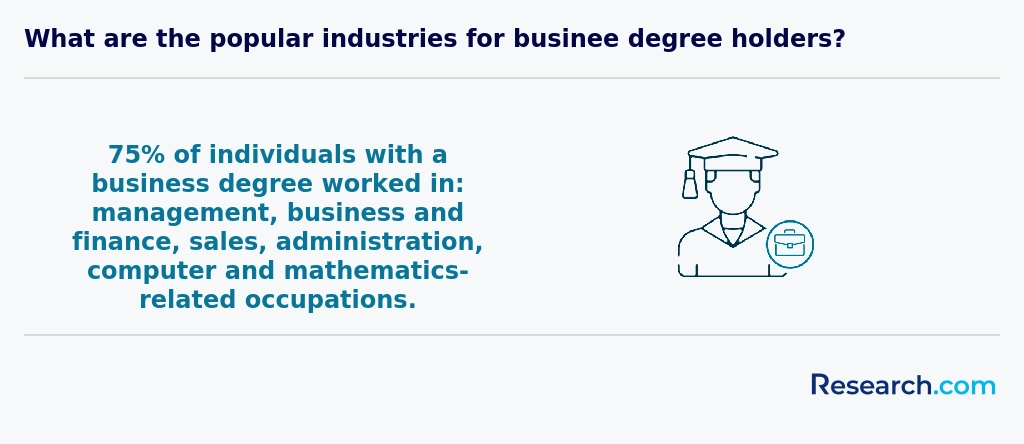
Graduates with a business degree in Norfolk find themselves well-positioned to enter diverse career paths aligned with the city's economic strengths. Many step into roles in management, finance, and marketing, especially within sectors influenced by Norfolk's status as a shipping and military hub. For instance, a graduate from a local college often secures a job in logistics management at the Port of Virginia, gaining firsthand experience with complex supply chain operations. This kind of opportunity highlights the emerging focus on global trade and international business in the region. Such experiences foster a positive outlook as graduates feel connected to vibrant industries driving Norfolk's growth, reinforcing promising Norfolk business degree job prospects.
Others pursue careers in human resources or business consulting, supporting both corporate and public sector organizations. Norfolk's universities encourage students to explore entrepreneurship as well, allowing graduates to create startups or innovate within Virginia's expanding tech ecosystem. One graduate found that the degree's versatility enabled them to move confidently into roles that blend traditional business acumen with fresh, creative approaches.
The city's evolving business environment also invites future-focused learners to consider advanced education options such as a phd without a dissertation that can sharpen strategic leadership skills and open doors to higher-level positions. These routes reflect the forward-thinking mindset encouraged by Norfolk's educational institutions and employers.
The business degree job outlook Norfolk reveals a promising landscape for graduates stepping into the local job market. Those who have earned their degrees from well-regarded institutions in the area often find themselves quickly absorbed into roles connected to the region's expanding sectors like finance, logistics, and management. Graduates describe landing positions as financial analysts at local banks or stepping into marketing roles with defense contractors, highlighting how practical internships and networking in Norfolk can accelerate their careers.
Business students from popular Norfolk colleges appreciate how the community's economic ties to the Port of Virginia and the military create unique opportunities, especially in supply chain and project management fields. With tuition averaging around $12,000 at public universities, many find this investment worthwhile due to starting salaries typically ranging from $50,000 to $65,000, fostering excitement about their future earning potential.
For those considering flexible study options, some explore the best accredited non-profit online colleges to balance work and education while staying rooted in Norfolk's business career opportunities.
2027 Most Popular Business Degree Programs Ranking in Norfolk
Investing in your education is a significant decision that can shape your future, and the Research.com team understands the importance of making informed choices. To assist prospective students in Norfolk, we have meticulously crafted the "2027 Most Popular Business Degree Programs Ranking in Norfolk." Our commitment to quality, credibility, and accuracy is reflected in the extensive research and analysis conducted to compile this ranking.
We utilized the following reputable data sources to ensure a comprehensive evaluation of business degree programs:
By exploring this ranking, readers will gain valuable insights into the most popular business degree programs in Norfolk, enabling them to make well-informed decisions about their educational journeys. For more details on our methodology, please visit our Research.com methodology page.


Frequently Asked Questions About business
Business degree students in Norfolk can maximize their learning by actively engaging in local internships, given the city's growing economy, particularly in maritime and logistics sectors. According to the Norfolk Economic Development Department, businesses in these industries employ a significant portion of the workforce, offering real-world experience opportunities.
Participating in student organizations such as business clubs or networking groups also enhances practical skills and connections. Norfolk's proximity to Tidewater Community College and Old Dominion University provides access to workshops, guest lectures, and career fairs tailored to business majors.
Additionally, utilizing campus resources like career counseling and mentorship programs improves academic and professional outcomes. Research shows that students involved in internships and mentorships increase their employment prospects after graduation.
Emerging niches within the business field reflect evolving market demands and technological advances, particularly relevant for Norfolk students. One growing area is sustainable business practices, driven by increasing corporate focus on environmental responsibility. According to the U.S. Bureau of Labor Statistics, jobs in sustainable management are expected to grow faster than average through 2030.
Another key niche is data analytics and business intelligence. Businesses rely heavily on data to drive decision-making, creating demand for graduates skilled in statistics and analytics software.
Healthcare management also presents opportunities, given Norfolk's expanding healthcare sector. The city's healthcare employment grew by 5% from 2019 to 2022, based on data from Virginia's Employment Commission.
Lastly, entrepreneurship focused on tech startups remains vital, supported by Norfolk's investment in innovation hubs and co-working spaces.
After completing a business degree in Norfolk, preparing for the job market involves several strategic steps. Norfolk's economy, with strengths in defense, shipping, and logistics, offers unique opportunities. Graduates should leverage internships and co-op programs available locally to gain relevant experience. According to the U.S. Bureau of Labor Statistics, networking within Norfolk's business community increases employment prospects significantly.
Building a strong resume tailored to industries prominent in Norfolk, such as maritime and financial services, is essential. Engaging with local professional groups or chambers of commerce can enhance connections. Additionally, candidates should develop technical skills like data analysis and proficiency with business software, which are in high demand.
Employers in Norfolk highly value business degree graduates who demonstrate strong analytical and communication skills. According to the Hampton Roads Chamber of Commerce, 78% of local businesses prioritize candidates who can interpret data effectively and present insights clearly. This reflects the rise of technology-driven decision-making in Norfolk's diverse economy.
Leadership and teamwork are equally important. Many companies seek graduates who have experience managing projects and collaborating across departments, as Norfolk hosts numerous firms in shipping, defense contracting, and finance.
Critical thinking and adaptability also rank high, with 65% of employers favoring graduates who can navigate fast-changing market conditions. Practical experience through internships or co-op programs enhances these skills significantly.
Finding internships in Norfolk related to a business degree involves a combination of research and networking. Norfolk, VA, has a growing economy with prominent industries in shipping, defense, and finance, providing diverse internship possibilities. According to the Virginia Employment Commission, industries like professional services and finance make up a significant portion of Norfolk's job market, making it ideal for business students.
Students should check with local universities such as Old Dominion University, which offers career services and job fairs specifically targeting business majors. Additionally, platforms like Handshake and local chambers of commerce list internships from businesses actively seeking interns in Norfolk.
Networking events, including those hosted by the Norfolk Business Council, can connect students with potential employers. Also, applying early and preparing a tailored resume increase chances of securing internships in Norfolk's competitive market.
A business degree significantly enhances career mobility and advancement opportunities in Norfolk's competitive job market. According to the U.S. Bureau of Labor Statistics, individuals with bachelor's degrees in business fields often experience faster promotion rates and higher earning potential compared to those without degrees.
Local data from the Hampton Roads Economic Development Alliance highlights that Norfolk's diverse industries, including finance, logistics, and tourism, actively seek candidates with strong business foundations. Graduates frequently move into managerial roles within five years, leveraging skills such as financial analysis, marketing, and strategic planning.
Furthermore, the region's growing economy benefits degree holders by offering networking events and partnerships between universities and Norfolk-based companies, bridging education with career advancement.
Studying for a business degree in Norfolk equips students with skills essential for interdisciplinary roles by emphasizing collaboration across various fields such as finance, marketing, and technology. Local institutions often integrate coursework that combines business principles with data analytics, communication, and management strategies.
Norfolk's diverse economy, which includes military, shipping, and entrepreneurship sectors, provides practical contexts for students to apply their learning in real-world scenarios. According to the U.S. Bureau of Labor Statistics, job growth in related interdisciplinary business roles in the Norfolk area is projected to rise by 8% through 2028, highlighting the demand for versatile professionals.
Students benefit from internships and partnerships with local companies, promoting hands-on experience and cross-disciplinary knowledge applicable to multiple industries in the region.
When choosing between a thesis and a non-thesis business degree program in Norfolk, students should consider their career goals and academic interests. A thesis option typically involves conducting original research and writing a detailed paper, which prepares students for roles in research, consulting, or further graduate study. In contrast, non-thesis programs focus more on coursework and practical skills, often appealing to those aiming for immediate employment in Norfolk's diverse business sectors such as maritime, logistics, or finance.
Data from the Virginia Department of Education indicates that Norfolk's growing professional market favors practical experience, making non-thesis programs attractive for many.
However, those interested in deepening theoretical knowledge or pursuing a PhD might prefer the thesis track, which trains strong critical thinking and analytical skills.
Students based in Norfolk seeking to study business abroad have several pathways within the US higher education system. Many universities offer exchange programs allowing Norfolk-based students to spend a semester or year at partner institutions globally. These programs provide valuable international business exposure and cultural experience.
Additionally, Norfolk students can enroll in US universities with extensive global campuses or online options that include international business curricula. Institutions like Old Dominion University in Norfolk have partnerships supporting study-abroad opportunities, especially in Europe and Asia.
According to the Institute of International Education, about 15% of US business students participate in study-abroad programs, a trend Norfolk students can follow to enhance their resumes with global experience.
Norfolk offers several part-time job opportunities that align well with business degree studies. Popular roles include administrative assistant positions, customer service representatives, and sales associates. These jobs provide valuable experience in communication, organization, and sales techniques, enhancing practical business skills.
Local Norfolk businesses, such as in the retail and hospitality sectors, frequently seek part-time workers with business knowledge, offering flexible schedules that fit academic commitments. Additionally, roles in local nonprofit organizations and small startups offer experience in project management and marketing.
According to the U.S. Bureau of Labor Statistics, Norfolk's business-related job market is projected to grow by 5% through 2030, increasing opportunities for students seeking relevant work experience.
Business students in Norfolk have multiple networking opportunities thanks to the region's diverse economy and active business community. Local universities such as Old Dominion University and Norfolk State University regularly organize business clubs, guest lectures, and career fairs that connect students with industry professionals.
Additionally, Norfolk is home to the Hampton Roads Chamber of Commerce, which hosts networking events and workshops tailored to business development. The city's port and military sectors also offer specialized events where students can meet potential employers and mentors.
According to the Virginia Economic Development Partnership, Norfolk's business network supports over 185,000 jobs, providing ample connections for emerging professionals.
Alumni networks play a crucial role in supporting business degree students in Norfolk. These networks connect current students with graduates who have established careers locally and nationally, offering mentorship and career guidance. According to the University of Virginia Darden School of Business, strong alumni connections increase job placement rates by up to 20%, a relevant statistic for Norfolk's competitive market. Norfolk's growing economy, particularly in shipping and finance sectors, benefits from graduates leveraging alumni ties to access internships and job openings early.
Alumni events and workshops often facilitate networking opportunities that enhance students' soft skills and professional confidence. Local businesses frequently collaborate with alumni to provide real-world project experience to students, strengthening their resumes and industry knowledge before graduation.
Customizing a business degree program in Norfolk allows students to align their education with specific career goals. Many local institutions offer flexible curricula with various concentrations such as finance, marketing, entrepreneurship, or supply chain management. Students can often choose electives tailored to Norfolk's strong sectors, including maritime business and defense contracting, which are significant to the region's economy according to the Hampton Roads Economic Partnership.
Hands-on learning opportunities, such as internships with Norfolk-based companies, help apply classroom knowledge practically. Additionally, some programs provide options for online or part-time study, supporting working professionals. Career services and academic advising further assist in selecting courses and activities that build skills directly relevant to one's desired business field in Norfolk.
Business students in Norfolk face several challenges as they pursue their degrees. One common difficulty is balancing work and study, as many students juggle part-time jobs to support themselves while attending classes. According to the U.S. Census Bureau, about 41% of Norfolk's young adults work while in school, adding to their time management challenges.
Another issue is access to internships that offer practical experience. Norfolk's competitive business market means fewer local internship opportunities, which can affect career readiness. Additionally, navigating the rising tuition costs, which average over $10,000 annually at local institutions, continues to stress many students financially.
Finally, adapting to remote or hybrid learning models post-pandemic has been a hurdle for some, impacting engagement and networking possibilities crucial for business careers.
With a business degree, professionals in Norfolk can pursue several respected certifications to enhance their careers. Common options include the Certified Public Accountant (CPA) credential, essential for those focusing on accounting and finance. The Project Management Professional (PMP) certification is also highly regarded for business graduates interested in overseeing projects.
Another valuable certification is the Certified Management Accountant (CMA), concentrating on financial strategy and management. Norfolk's growing economy, driven by sectors such as defense and shipping, offers many roles requiring these credentials, according to local labor reports from the Virginia Employment Commission.
Additionally, the Chartered Financial Analyst (CFA) designation suits those targeting investment and financial analysis careers within the area's expanding financial services sector.
Writing a winning application for a business program in Norfolk starts with thorough research. Familiarize yourself with local schools such as Old Dominion University, renowned for its business programs in the region. Highlight your academic strengths with a solid GPA, as competitive programs typically look for applicants with at least a 3.0.
Craft a clear, compelling personal statement that illustrates your career goals relevant to Norfolk's business environment, which includes sectors like maritime trade and defense contracting. Use specific examples to show leadership and problem-solving skills. Including relevant work or internship experience can boost your profile.
Lastly, prepare for any required standardized tests such as the GMAT or GRE, and obtain strong recommendation letters from professionals familiar with your business aptitude.
The global perspective on a business career increasingly values skills such as cross-cultural communication, adaptability, and digital literacy. In the US, including Norfolk, business programs emphasize these competencies to prepare graduates for diverse international markets. According to the National Association of Colleges and Employers, 63% of employers seek candidates with global experience, highlighting the demand for internationally-minded professionals.
Norfolk, with its port and growing international trade connections, offers unique opportunities for students to engage in global business practices. Universities here often include courses on international business, reflecting a worldwide integration of markets.
Understanding global economic trends and international regulations is also critical. Students equipped with this knowledge are more competitive in careers spanning finance, marketing, and supply chain management across borders.
Gaining practical experience while studying for a business degree in Norfolk is essential for developing real-world skills. Many universities in Norfolk, such as Old Dominion University, offer internship programs that connect students with local businesses. Internships can provide valuable exposure to industries like finance, marketing, and government services, which are significant in the Norfolk economy.
Additionally, students often participate in cooperative education (co-op) programs. These allow extended work placements integrated into academic curriculums, helping students apply classroom knowledge to workplace challenges.
Business clubs and simulation competitions also enhance practical learning by fostering teamwork and leadership skills. According to the U.S. Bureau of Labor Statistics, students with internship experience have a 15% higher employment rate post-graduation.
Choosing the right concentration within a business degree in Norfolk involves evaluating local industry demands and personal career goals. Norfolk's economy is heavily influenced by sectors such as maritime, logistics, and defense, which suggests concentrations like supply chain management or international business can offer strong job prospects. According to the Hampton Roads Economic Development Alliance, these sectors continue to grow steadily, emphasizing practical skills.
Students should also consider internship opportunities with Norfolk's major employers, including military bases and port authorities. Exploring concentrations aligned with these organizations enhances real-world experience and networking chances. Additionally, reviewing program curricula and seeking academic advising helps pinpoint areas matching individual strengths and interests.
- 2027 Most Popular Business Degree Programs Ranking in Virginia Beach
- 2027 Most Popular Business Degree Programs Ranking in Richmond
- 2027 Most Popular Business Degree Programs Ranking in Fairfax
- 2027 Most Popular Business Degree Programs Ranking in Washington
- 2027 Most Popular Business Degree Programs Ranking in Arlington
- 2027 Most Popular Business Degree Programs Ranking in Raleigh
- 2027 Most Popular Business Degree Programs Ranking in College Park
- 2027 Most Popular Business Degree Programs Ranking in Durham
- 2027 Most Popular Business Degree Programs Ranking in Lynchburg
- 2027 Most Popular Business Degree Programs Ranking in Dover
See What Experts Have To Say About Studying Business
Read our interview with Business experts

David W. Stewart
Business Expert
Emeritus President's Professor of Marketing
Loyola Marymount University

Ingrid S. Greene
Business Expert
Clinical Assistant Professor of Management
Loyola Marymount University

David Souder
Business Expert
Senior Associate Dean for Faculty and Research
Michigan State University

- BUSINESS MANAGEMENT ENGLISH (THESIS / NON-THESIS) - Lisansüstü Eğitim Enstitüsü https://lee.nisantasi.edu.tr/en/business-management-english-thesis-non-thesis/
- 55 Trending Business Ideas for 2025 and Beyond https://www.uschamber.com/co/start/business-ideas/top-trending-business-ideas
- Business degree: What to study and how to find a job https://brive.com/blog/studies/business-degree-guide-to-study-and-find-a-job/
- 2024 Best Business Schools | How Alumni Rate Their Undergraduate Business Degrees https://poetsandquantsforundergrads.com/news/best-business-schools-alumni-rate-undergraduate-business-degrees/5/
- How Long Does It Take to Get Your Business Degree? https://www.umassglobal.edu/blog-news/long-does-take-get-your-business-degree
- Guide to Business Internships | Higherin https://higherin.com/career-guides/business/business-internships
- Enterprise project challenge https://barclayslifeskills.com/help-others/lessons/enterprise-project-challenge/
- A guide to finding an internship https://www.ipag.edu/en/blog/guide-finding-internship
- Exploring Different Types of Business Majors https://www.ivywise.com/ivywise-knowledgebase/exploring-different-types-of-business-majors/
- Networking Tips for Business Students and MBA Candidates - Cyprus West University https://www.cwu.edu.tr/networking-tips-for-business-students-and-mba-candidates/


