
2027 Most Popular Business Degree Programs Ranking in Fayetteville

Co-Founder and Chief Data Scientist
Choosing the right business degree program can feel overwhelming, especially with so many options available in Fayetteville. To make this journey easier, the Research.com team of data scientists has created the 2027 Most Popular Business Degree Programs Ranking in Fayetteville.
This article will guide you through the top programs worth considering, helping you make an informed decision that fits your goals and interests. Earning a business degree opens doors to exciting career opportunities and personal growth. Dive in to discover which programs can set you on a path to success.
Key benefits of getting business degree in Fayetteville
- Salary benefits: Business graduates in Fayetteville can expect competitive salaries, such as a Business Development Executive earning around $83,190 annually and a Business Analyst making about $112,950 per year, reflecting strong earning potential.
- Career paths: A business graduate from the University of Arkansas at Fayetteville often pursues exciting roles in management, marketing, or consulting, providing diverse opportunities to grow and succeed locally and nationally.
- Online degree advantages: Earning a business degree online from a school like the University of Arkansas allows for flexible scheduling, making it easier to balance work and study while gaining the skills needed for a rewarding career.
- 2027 Most Popular Business Degree Programs Ranking in Fayetteville
- What can I expect from business degree in Fayetteville?
- Where can I work with business degree in Fayetteville?
What can I expect from business degree in Fayetteville?
The average cost of earning a business degree in Fayetteville can vary, but many students attending the University of Arkansas's Sam M. Walton College of Business typically invest around $9,000 to $10,000 per year in tuition for in-state residents. Graduates often mention how this investment felt well worth it given the personalized attention from moderate class sizes and the hands-on learning experiences that prepared them for real-world challenges. For example, engaging in internships with local companies or participating in case competitions helped many feel confident stepping into the workforce.
Students appreciate that this cost reflects access to quality education accredited by AACSB International, opening doors to exciting careers nearby, such as roles with retail giants and technology firms in the region. Many feel encouraged by the support from career services and mentorship programs, which turn these years into a transformative growth journey. This blend of affordability, strong academics, and career resources makes Fayetteville an inspiring place to pursue a business degree.
Where can I work with business degree in Fayetteville?
Graduates with a business degree in Fayetteville step into a vibrant job market teeming with opportunity. Many find rewarding careers in retail management, marketing, or supply chain roles within local stores and national chains, putting theory into practice every day. Imagine a recent business graduate from the University of Arkansas at Fayetteville leading a team at a bustling regional shopping center, using skills gained in class to solve real-world challenges.
Healthcare administration is another exciting path. Graduates contribute to local hospitals by managing budgets and improving patient services, making a meaningful impact in the community. For instance, a college graduate from Fayetteville State University might thrive handling financial planning in a fast-paced medical center, blending compassion with business acumen.
Manufacturing and logistics are thriving fields here, too. Business degree holders often oversee production or optimize transportation routes, ensuring products move smoothly from factories to customers. With Fayetteville's strategic location, graduates can feel proud knowing their work supports efficient regional commerce.
Small businesses offer ambitious graduates the chance to innovate and grow. Whether managing marketing campaigns or developing new ventures, Fayetteville's entrepreneurial spirit gives business students an inspiring space to apply their diverse skills and chase their professional dreams.
Graduates with a business degree from Fayetteville's top institutions, like the University of Arkansas, are stepping into rewarding careers with impressive earning potential. For instance, a Business Development Executive in Fayetteville can expect a mean annual wage of about $83,190, reflecting the vibrant local economy and growing corporate presence.
Those pursuing analytical roles see even higher rewards. Business Analysts, a popular path for data-driven graduates, earn an average annual salary of $112,950, showing how in-demand expertise transforms into financial success.
Many alumni vividly recall landing their first roles, energized by Fayetteville's supportive business community and affordable cost of living. This combination enables them to thrive personally and professionally while building strong foundations for rapid career growth.
With these opportunities, Fayetteville business graduates confidently envision careers filled with both challenge and prosperity-eager to lead, innovate, and make a real impact in regional and national markets.
- The average total cost for an in-state business bachelor's degree in Fayetteville ranges from $25,000 to $35,000, including tuition and fees.
- Starting salaries for recent business graduates in Fayetteville average around $50,000 per year.
- With five to ten years of experience, business degree holders can expect salaries between $70,000 and $80,000 annually.
- Fayetteville's job market offers opportunities in finance, management, human resources, and supply chain roles supported by regional companies and retail giants.
- Most local business programs have AACSB accreditation, ensuring recognized education quality and better career prospects.
- The moderate cost of living in Fayetteville makes earning and pursuing a business degree more affordable compared to larger urban areas.
Completing a business degree in Fayetteville feels like an achievable and exciting journey. Most students at popular institutions like the University of Arkansas find themselves finishing a bachelor's degree in about four years of full-time study, completing around 120 credit hours. Many graduates recall the rewarding challenge of balancing classes with summer sessions to speed things up, allowing them to enter the workforce sooner while feeling confident and prepared.
Some students accelerate their path by taking extra credits each semester or enrolling in summer courses, shaving a year off their degree timeline. Others, juggling jobs or family, choose evening or online classes that fit their busy lives perfectly, stretching their journey to five years but embracing every valuable lesson gained along the way.
For those pursuing associate degrees at Fayetteville's community colleges, the two-year full-time track offers a solid foundation and a sense of accomplishment that opens doors quickly.
Graduate students aiming for an MBA in Fayetteville experience flexible programs that range from one to two years full-time, with many appreciating the freedom part-time or online options provide as they advance their careers with enthusiasm and determination.
Choosing between online and on-campus business degrees in Fayetteville opens exciting possibilities tailored to your lifestyle. On-campus programs at universities like the University of Arkansas offer vibrant experiences filled with face-to-face collaboration, lively campus events, and hands-on internships with local businesses in retail, logistics, and healthcare. Graduates often recall the powerful connections made during group projects and the motivation that comes from structured schedules and direct support from professors and peers.
Alternatively, online business degrees provide incredible flexibility, perfect for balancing work, family, or other commitments without compromising educational quality. Many Fayetteville-area graduates praise the convenience of studying anytime, anywhere, using interactive digital tools and virtual support. This approach empowers self-motivated learners to thrive while managing their busy lives, all while accessing the same accredited curriculum recognized nationwide.
Whether on-campus or online, both paths nurture growth, skill development, and career readiness, making Fayetteville's business degrees a springboard to a successful future.
The average cost of earning a business degree in Fayetteville is encouragingly accessible, especially for in-state students attending the University of Arkansas, the city's premier business school. On average, the total cost for in-state students is about $9,105, a figure that empowers many locals to pursue their ambitions without overwhelming financial burdens. Graduates often reflect on how this investment set them up for rewarding careers, highlighting how Fayetteville's supportive academic environment made the journey manageable and worthwhile.
For out-of-state students, the median total cost rises to approximately $28,313. While higher, many find this a valuable opportunity to gain a respected education in a vibrant college town. Fayetteville's balance of quality education and community spirit creates a motivating backdrop where students feel inspired to reach their potential. Many remember late nights collaborating with peers at the university and celebrating milestones as pivotal experiences that added profound value to their education beyond just tuition.
Prospective students looking into Fayetteville business degree tuition and fees will find that budgeting for these expenses is feasible when considering scholarships, financial aid, and work-study options. Those exploring specific paths, such as accounting, often research the accounting degree cost alongside other programs to plan smartly for their futures. This proactive approach helps students stay motivated and confident, knowing they can craft a rewarding education tailored to their circumstances.

Students pursuing a business degree in Fayetteville benefit from a variety of financial aid options that make education more accessible and affordable. Many graduates recall how the Federal Pell Grant and FSEOG grants lifted a significant portion of their tuition burden, empowering them to focus on their studies rather than worrying about costs. Applying early through FAFSA is key to unlocking these opportunities, with Pell Grants offering up to $6,495 in support.
Federal loans, both subsidized and unsubsidized, provide flexible and manageable borrowing solutions, allowing students to invest in their futures without overwhelming debt. Meanwhile, state programs like the Arkansas Academic Challenge Scholarship reward motivated in-state students with awards up to $6,000 annually, lightening the financial load for local business majors.
At the University of Arkansas's Sam M. Walton College of Business, numerous merit scholarships motivate students by recognizing leadership and academic excellence. Many graduates share how the combination of scholarships and work-study roles gave them practical experience alongside financial relief, turning aspirations into achievable goals.
When considering a business degree in Fayetteville, NC, one of the most critical decisions is choosing the right college. With numerous institutions offering business programs, prospective students must evaluate factors such as program accreditation, faculty expertise, curriculum relevance, and alumni success. For those interested in exploring the range of options, visiting websites of popular business colleges can provide valuable insights into their strengths and specializations. Additionally, understanding the local job market and the demand for specific business skills can help students align their educational goals with potential career paths, ensuring a more focused and effective learning experience.
To enroll in a business degree program in Fayetteville, prospective students typically need a high school diploma or GED, establishing a strong academic foundation. Imagine yourself stepping into a classroom at the University of Arkansas, where graduates often share how meeting these basic requirements gave them the confidence to thrive in business studies.
Standardized test scores like the SAT or ACT may be requested, though many schools near Fayetteville are embracing test-optional policies. This flexibility opens doors for many eager learners passionate about business but looking for alternative ways to showcase their potential.
Completion of key courses in math, English, and social sciences is common, preparing you for exciting topics such as economics and finance. Fayetteville's colleges often require a solid GPA, around 2.5 to 3.0, which reflects the dedication needed to succeed and grow.
Transfer students find that finishing introductory business classes and earning general education credits empower them to confidently tackle advanced courses, a step celebrated by many who have graduated from AACSB-accredited programs in the area.
Financial preparedness and for international students, English proficiency and visa requirements, are part of the rewarding journey that many Fayetteville business students embrace with optimism, knowing these steps lead to promising futures.

Business degree programs in Fayetteville offer a well-rounded curriculum designed to inspire confidence and real-world readiness. Graduates from popular institutions here often recall how courses like Principles of Management helped them develop leadership skills by analyzing case studies from local businesses, while Financial Accounting gave them hands-on experience preparing statements during their internships.
The vibrant Fayetteville community enriches learning in courses such as Marketing Fundamentals, where students craft strategies tailored to the city's dynamic retail and technology sectors. Courses like Business Law and Microeconomics provide essential frameworks that empower students to navigate complex business environments with clarity and confidence.
Students enjoy tackling Operations Management projects that simulate real production challenges faced by Fayetteville's growing companies. Electives including entrepreneurship and international business further ignite their passion, making study not just theoretical but deeply connected to Fayetteville's thriving economy and promising career paths.
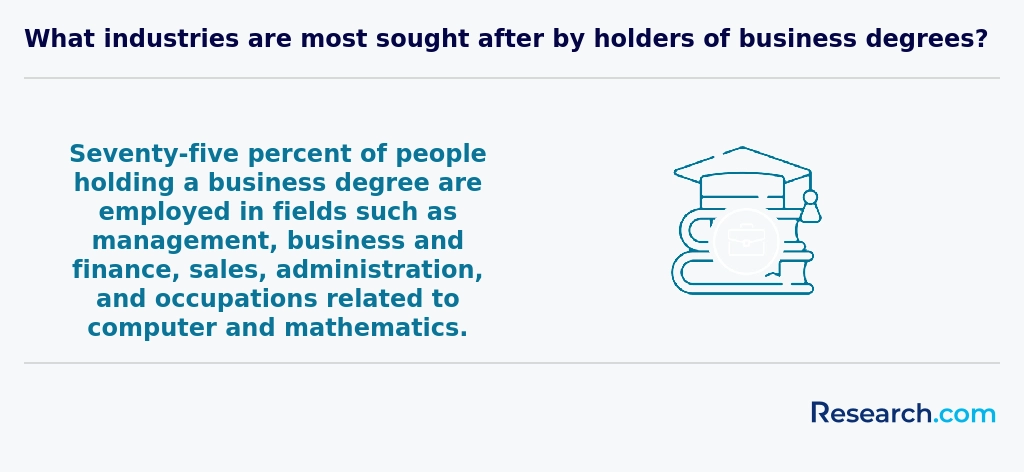
In Fayetteville, students pursuing a business degree can choose from a variety of exciting specializations that align perfectly with the city's vibrant economic landscape. Popular options include Accounting, where graduates develop expertise in financial reporting and auditing-skills highly sought after in Fayetteville's growing business community. Marketing offers a dynamic path, focusing on digital strategies and consumer insights that drive success for local small and medium-sized enterprises. Management specializations prepare students for leadership roles across diverse sectors, from healthcare to manufacturing, leveraging Fayetteville's access to regional business hubs. Finance emphasizes investment and risk management, reflecting the city's growing interest in entrepreneurship and local investments. Many graduates from the University of Arkansas and other Fayetteville colleges feel empowered by these focused programs, which not only provide practical skills but also inspire confidence in their career journeys.
For those curious about emerging fields, programs often include International Business and Entrepreneurship, nurturing the spirit of innovation essential to Fayetteville's supportive small business environment. Students passionate about healthcare may also explore options aligned with an MBA in healthcare innovation, blending business acumen with industry impact. These Fayetteville business degree program options foster both personal growth and professional success, making graduates ready to contribute meaningfully to the community's future.
Choosing the best business degree programs in Fayetteville starts with exploring what excites you most-whether it's finance, marketing, or entrepreneurship. Many graduates from the University of Arkansas share how discovering their passion through specialized programs, like supply chain management, made their education feel purposeful and aligned with local job opportunities. This connection between personal interests and practical skills creates confidence and motivation during your studies.
Affordability is another uplifting factor. Numerous affordable business schools in Fayetteville welcome students eager to achieve their dreams without overwhelming debt. Past students often celebrate how manageable tuition, along with hands-on internships connecting them to Fayetteville's vibrant local businesses, made their academic journey feel both valuable and real. These experiences not only build expertise but also foster lasting community ties and professional networks.
Look for programs with strong support, small classes, and faculty who bring real-world insight. You might even find unique pathways to pursue something like real estate appraiser certification alongside your degree, opening doors to exciting careers. Graduates often reflect on how these opportunities gave them the tools and confidence to thrive in today's dynamic business world.
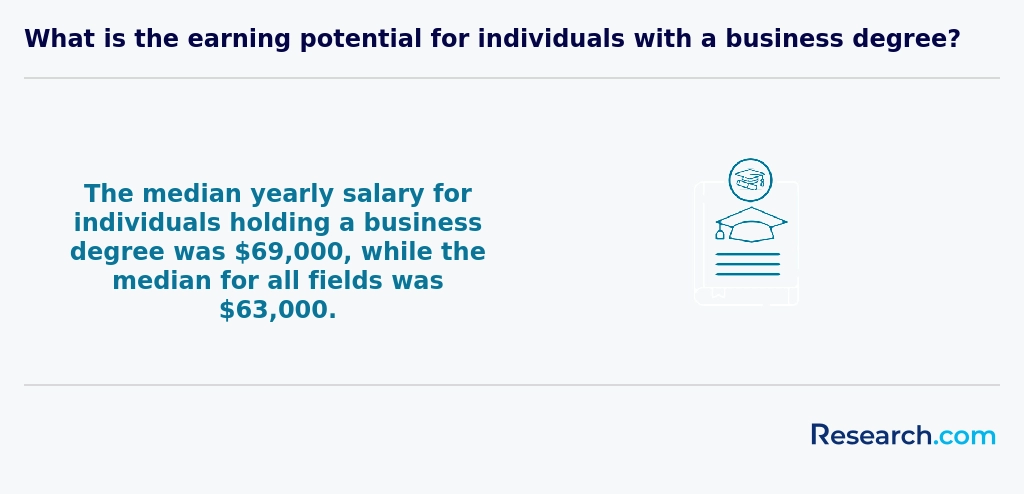
Graduates holding a business degree in Fayetteville find themselves stepping into a vibrant job market filled with exciting career opportunities. Many from popular universities in the area pursue management and administration roles, thriving as operations managers or human resources specialists within the city's bustling small businesses and regional branches. Such positions offer not only valuable experience but also clear paths for advancement.
Others leverage their skills in finance and accounting, taking advantage of Fayetteville's expanding economy. With a median annual wage near $72,000 for financial roles statewide, graduates are motivated to become financial analysts or auditors, confident in their future stability. Marketing careers also attract many business degree holders, where they shine as digital marketing specialists or sales managers, delivering innovative strategies for local tech startups and retail companies.
Entrepreneurial graduates discover robust support in Fayetteville's business ecosystem, benefiting from incubators and networks that transform their ideas into successful ventures. Those interested in logistics and supply chain management also flourish, thanks to the city's strategic location. For students aiming even higher, doctorate in accounting online programs provide further specialization and career growth. This array of paths reflects the diverse and promising business degree career opportunities in Fayetteville.

Business degree job opportunities Fayetteville offer an inspiring blend of growth and versatility, thanks to the city's dynamic economy and diverse industries. Graduates from popular institutions like the University of Arkansas find themselves equipped to enter roles ranging from management to business analytics, thriving in sectors such as retail, logistics, and healthcare. The region's favorable employment prospects make this a rewarding place for students eager to launch their careers close to home.
Many Fayetteville business degree graduates share stories of landing positions at influential companies headquartered nearby, where strong ties to supply chain and marketing functions allow them to apply classroom knowledge in meaningful ways. This vibrant ecosystem encourages entrepreneurial spirit among those who want to start their own ventures or engage with small to medium-sized local businesses, highlighting Fayetteville business degree employment prospects for adaptable and ambitious individuals.
A key to success lies in mastering skills emphasized in business programs here, especially as digital transformation reshapes workplace demands. Students also explore pathways such as MBA careers in finance, opening doors to advanced roles with competitive pay. With affordable tuition and a supportive job market, Fayetteville becomes an ideal environment to build a thriving business career.
2027 Most Popular Business Degree Programs Ranking in Fayetteville
Investing in your education is a significant decision that can shape your future, and the Research.com team understands the importance of making informed choices. To assist prospective students in Fayetteville, we have meticulously created the "2027 Most Popular Business Degree Programs Ranking in Fayetteville." Our commitment to quality, credibility, and accuracy is demonstrated by the thorough research and analysis involved in compiling this ranking.
We utilized the following reputable data sources to ensure a comprehensive evaluation of business degree programs:
By exploring this ranking, readers will gain valuable insights into the most popular business degree programs available in Fayetteville, empowering them to make well-informed decisions about their educational paths. For more details on our methodology, please visit our Research.com methodology page.


Frequently Asked Questions About business
Business degree students in Fayetteville can maximize their learning experience by engaging actively with local resources and networks. Fayetteville's economy, driven by sectors like retail, healthcare, and education, offers practical internship opportunities with organizations such as the Fayetteville Chamber of Commerce and multinational firms in nearby Fort Bragg.
Students should also utilize campus resources including career services and business clubs, which often connect learners with mentors and job shadowing prospects. According to the U.S. Bureau of Labor Statistics, Fayetteville's business job growth is projected at 5% from 2022 to 2032, highlighting the value of gaining relevant experience during studies.
Additionally, taking part in workshops focused on entrepreneurship and digital marketing can boost skills aligned with regional business demands.
Emerging niches in the business field are increasingly shaping academic programs in Fayetteville. Specialized areas like supply chain management and data analytics are gaining prominence due to Fayetteville's growing logistics sector. According to the U.S. Bureau of Labor Statistics, demand for analysts skilled in processing large data sets is projected to grow 31% nationally by 2031, influencing course offerings locally. Sustainability management also stands out, reflecting rising corporate responsibility trends in the region.
Additionally, entrepreneurship programs focusing on tech startups align with Fayetteville's expanding small business ecosystem, supported by local incubators and economic development partnerships. These niches offer practical, career-ready skills that appeal to students seeking innovative business opportunities.
Preparing for the job market after completing a business degree in Fayetteville involves strategic planning and practical experience. Graduates should begin by leveraging local resources such as the University of Arkansas career center, which offers tailored job placement services and networking events. According to the Arkansas Department of Workforce Services, sectors like retail trade, healthcare, and manufacturing dominate Fayetteville's economy, offering diverse opportunities for business graduates.
Internships are crucial; they provide real-world experience and help build professional connections in Fayetteville's growing business community. Developing strong skills in data analysis, digital marketing, and project management is increasingly important in the local job market. Engaging in professional organizations, like the Northwest Arkansas Business Council, can also enhance employment prospects by expanding your network.
Employers in Fayetteville highly value business degree graduates who demonstrate strong communication and analytical skills. According to recent surveys by the Fayetteville Regional Chamber of Commerce, 78% of local employers prioritize candidates who can effectively interpret data to support decision-making.
Leadership and teamwork abilities are also critical, as many Fayetteville businesses operate in collaborative environments. The U.S. Bureau of Labor Statistics notes that soft skills like adaptability and problem-solving consistently rank among the top qualities sought in business professionals nationwide, including Fayetteville.
Technical proficiency, especially in Microsoft Excel and financial software, is increasingly important. A 2023 report from the Arkansas Department of Workforce Services highlights that business graduates with digital literacy are 30% more likely to secure employment within six months of graduation in this region.
Finding internships in Fayetteville related to a business degree involves several practical steps. Start by exploring resources at local universities such as the University of Arkansas, which hosts a strong business program and maintains connections with regional employers. Many Fayetteville businesses, especially in retail, logistics, and finance, offer internships to students aiming to gain real-world experience.
Utilize Fayetteville-based job portals and career fairs to discover openings specific to the area. Networking events sponsored by local business chambers can also be valuable. According to the Fayetteville Chamber of Commerce, sectors like supply chain management and marketing are growing, increasing internship availability.
Additionally, online platforms like Handshake and LinkedIn provide Fayetteville-based internship listings. Combining university support, community resources, and online tools will improve the chances of securing a relevant business internship in Fayetteville.
In Fayetteville, earning a business degree significantly enhances career mobility and advancement opportunities. The city's expanding economy, driven by sectors like retail, healthcare, and logistics, demands skilled managers and analysts. According to the U.S. Bureau of Labor Statistics, business and financial occupations in the Fayetteville metro area are projected to grow by over 7% through 2030, signaling increased job openings for degree holders.
Business degrees provide foundational skills in management, finance, and marketing valued by local employers. Graduates often access higher starting salaries compared to those without degrees, with Fayetteville's average business graduate earning approximately 15% more annually, based on regional salary surveys.
Furthermore, local networking opportunities and connections established through Fayetteville-area universities help propel career advancement within the region.
Studying for a business degree in Fayetteville equips students with skills that span multiple disciplines, preparing them for diverse professional roles. Many local programs emphasize teamwork, communication, and problem-solving, which are essential for interdisciplinary collaboration. Fayetteville's business curricula often integrate finance, marketing, management, and technology, reflecting the dynamic needs of the city's economy.
The presence of several Fortune 500 companies in the region creates opportunities for internships and networking, enabling hands-on experience in varied business functions. According to the Fayetteville Chamber of Commerce, 65% of graduates find employment in roles that require cross-functional knowledge within a year of graduation.
Additionally, some institutions partner with other departments like computer science or economics to foster a well-rounded education. This approach ensures students learn to navigate complexities across sectors, enhancing adaptability in the modern workforce.
Choosing between a thesis and a non-thesis business degree program in Fayetteville depends on your career goals and learning preferences. A thesis option is research-intensive, suitable for students interested in academic or analytical roles. Completing a thesis involves conducting original research and writing a substantial paper, which can take more time but strengthens critical thinking skills.
Non-thesis programs focus more on coursework and practical knowledge, ideal for those aiming to enter the workforce quickly. Fayetteville's business job market, especially in sectors like logistics and retail, values practical experience that non-thesis programs often emphasize.
According to the Arkansas Economic Development Commission, Fayetteville's unemployment rate dropped to 3.1% in 2023, reflecting a competitive job market where relevant skills matter.
Many local employers prefer candidates who have hands-on experience, which non-thesis paths provide through internships and projects.
Ultimately, consider your long-term ambitions and consult with academic advisors at Fayetteville institutions offering business degrees to make an informed decision.
Students based in Fayetteville seeking to study business abroad have several options through U.S. universities offering international exchange programs. The University of Arkansas, located in Fayetteville, supports various study abroad partnerships with institutions in Europe, Asia, and Latin America. These programs often last one semester or a full academic year, providing exposure to global business practices.
Many business students can benefit from programs accredited by AACSB, which ensures high quality education abroad. Fayetteville students typically receive academic credit for completed coursework, aiding degree progression.
According to the Institute of International Education, U.S. students majoring in business constitute approximately 28% of study abroad participants, emphasizing strong demand within this field.
Part-time job opportunities in Fayetteville offer valuable practical experience for students pursuing business degrees. Common options include retail management, customer service roles, and administrative positions in local businesses. These jobs help develop skills in operations, communication, and leadership, which complement academic knowledge. Fayetteville's growing economy, driven partly by the University of Arkansas and local startups, provides diverse opportunities.
Internships at financial institutions or marketing firms in the city are particularly beneficial. According to the Fayetteville Chamber of Commerce, the retail trade and professional services sectors account for a large portion of job growth, offering business students real-world applications of their studies.
Business students in Fayetteville benefit from a variety of networking opportunities that enhance their academic and professional growth. The University of Arkansas, the city's flagship institution, hosts several events each year such as career fairs and business mixers that connect students directly with local employers and industry leaders.
Regional chambers of commerce frequently organize workshops, panels, and networking luncheons focused on business development. Participation in student chapters of national organizations, like the American Marketing Association or the Association for Financial Professionals, also provides access to professionals and internships.
Additionally, Fayetteville's growing economy, supported by sectors like retail, manufacturing, and technology, offers ample chance for students to build relationships and gain real-world experience through internships or mentorship programs. According to the Fayetteville Chamber of Commerce, over 300 businesses engage with local colleges annually to foster workforce development.
Alumni networks play a crucial role for business degree students in Fayetteville by offering access to established professionals and local business leaders. These connections often lead to internships, mentorships, and job opportunities within Fayetteville's growing economy, particularly in sectors like retail, manufacturing, and technology.
According to the University of Arkansas Alumni Association, Fayetteville's business alumni actively engage in events and professional groups, fostering a supportive community for students. Studies indicate that 70% of job openings are filled through networking, underlining the importance of alumni connections for career success.
Moreover, alumni networks provide guidance on navigating Fayetteville's unique business environment and help students build relevant skills tailored to regional market needs.
Customizing a business degree program in Fayetteville begins with selecting electives and concentrations that align with your career goals. Many local institutions offer specializations such as marketing, finance, supply chain management, and entrepreneurship.
Students can often tailor their studies by choosing courses that support Fayetteville's economic strengths, including retail, manufacturing, and logistics, given the city's role as a distribution hub. For example, the Fayetteville metropolitan area's employment in management and business occupations grew by 4.5% from 2018 to 2023, according to the U.S. Bureau of Labor Statistics.
Internships and cooperative education programs available through universities provide practical experience within local businesses. Additionally, some programs encourage participation in Fayetteville's small business incubators, which can enhance skills in real-world settings.
Students should consult academic advisors to create individualized plans that incorporate these opportunities, ensuring their business degree matches their professional aspirations within the region's job market.
Business students in Fayetteville often face challenges related to balancing coursework with part-time jobs, a common situation reported by the University of Arkansas' student surveys in 2023. Many also struggle with developing practical skills that align with the regional job market, which heavily emphasizes supply chain management and entrepreneurship. Access to internships can be competitive due to the growing number of business programs in the area. Additionally, managing student loan debt is a concern, as average borrowing rates at Fayetteville institutions align with the national average of $30,000 per borrower, according to the College Board. Networking opportunities remain crucial yet sometimes limited outside of campus events.
A business degree opens many doors to professional certifications that can boost your career in Fayetteville and beyond. Popular certifications include the Certified Public Accountant (CPA) for those interested in accounting and finance. Completing the CPA can increase job opportunities in Arkansas' growing financial sector.
The Project Management Professional (PMP) certification is ideal for graduates targeting management roles, reflecting skills employers seek in Fayetteville's diverse industries. Another option is the Chartered Financial Analyst (CFA), which is valuable for careers in investment and corporate finance.
Many certification programs require relevant work experience and passing rigorous exams, but they provide enhanced credibility and higher earning potential nationwide.
Applying to business degree programs in Fayetteville requires careful preparation to stand out. Start by researching programs offered by local institutions like the University of Arkansas, which is renowned for its Sam M. Walton College of Business. Highlighting relevant experience in leadership, internships, or community involvement will strengthen your application.
Ensure your personal statement clearly explains your career goals and how the program aligns with them. According to the National Association for College Admission Counseling, over 80% of successful applicants emphasize fit and motivation. Fayetteville's growing economy, with a 3.5% job growth rate in business roles (Bureau of Labor Statistics, 2023), makes this a compelling point to include.
Be sure to provide strong letters of recommendation that attest to your skills and potential. Additionally, maintaining a competitive GPA-typically above 3.0 for business programs-improves your chances. Finally, tailor your resume and transcripts carefully to meet Fayetteville institutions' requirements, demonstrating professionalism and attention to detail.
Global perspectives on a business career emphasize adaptability and cultural awareness, which are crucial in today's interconnected markets. In the United States, including Fayetteville, business degrees increasingly incorporate international business concepts to prepare students for global challenges. According to the U.S. Bureau of Labor Statistics, opportunities grow in fields like international marketing and global supply chain management.
Fayetteville's proximity to key logistics hubs enhances local demand for globally minded business professionals. Programs often include coursework in global economics and cross-cultural communication. These skills help graduates navigate diverse markets and work effectively with multinational companies.
Students pursuing business degrees in Fayetteville benefit from exposure to global trends, aligning with the broader U.S. higher education emphasis on preparing individuals for a competitive international marketplace.
Students pursuing a business degree in Fayetteville can gain practical experience through internships offered by local companies such as Walmart and J.B. Hunt Transport Services, both headquartered nearby. Universities often partner with these corporations to create internship programs that provide real-world business challenges and networking opportunities.
Additionally, many Fayetteville institutions offer cooperative education (co-op) programs combining academic study with paid work experience. Participating in student-run organizations and business competitions is another way to develop hands-on skills while studying.
According to the U.S. Bureau of Labor Statistics, internships significantly improve job prospects after graduation, making them highly recommended for business students in Fayetteville.
Choosing the right concentration within a business degree in Fayetteville involves understanding both your interests and the local job market. Fayetteville's economy is growing in sectors like logistics, retail, and healthcare, which suggests concentrations such as supply chain management, marketing, or healthcare administration may offer strong job prospects.
Research local employers and industry trends using resources like the Fayetteville Regional Chamber of Commerce or the Arkansas Economic Development Commission. These organizations frequently publish reports highlighting in-demand skills and sectors.
Consider how each concentration aligns with your strengths and career goals. For example, finance may suit those interested in numbers and analysis, while entrepreneurship is ideal for students who aim to start their own business.
Most Fayetteville-area colleges, like the University of Arkansas at Fayetteville, provide academic advising to help tailor your choice to your ambitions and local opportunities.
- 2027 Most Popular Business Degree Programs Ranking in Lynchburg
- 2027 Most Popular Business Degree Programs Ranking in Virginia Beach
- 2027 Most Popular Business Degree Programs Ranking in Savannah
- 2027 Most Popular Business Degree Programs Ranking in Arlington
- 2027 Most Popular Business Degree Programs Ranking in Macon
- 2027 Most Popular Business Degree Programs Ranking in Atlanta
- 2027 Most Popular Business Degree Programs Ranking in Jacksonville
- 2027 Most Popular Business Degree Programs Ranking in Daytona Beach
- 2027 Most Popular Business Degree Programs Ranking in Gainesville
- 2027 Most Popular Business Degree Programs Ranking in Birmingham
See What Experts Have To Say About Studying Business
Read our interview with Business experts


David Souder
Business Expert
Senior Associate Dean for Faculty and Research
Michigan State University

Ingrid S. Greene
Business Expert
Clinical Assistant Professor of Management
Loyola Marymount University

- What is the future of bachelor’s degrees in business? https://www.amba-bga.com/insights/what-is-the-future-of-bachelors-degrees-in-business
- How Long Does It Take to Get Your Business Degree? https://www.umassglobal.edu/blog-news/long-does-take-get-your-business-degree
- Networking Tips for Business Students and MBA Candidates - Cyprus West University https://www.cwu.edu.tr/networking-tips-for-business-students-and-mba-candidates/
- Is a thesis always mandatory in a master's degree program? - EFMU: The Euler-Franeker Memorial University and Institute https://euler.euclid.int/is-a-thesis-always-mandatory-in-masters-degree-program/
- How to Write a Statement of Purpose for Business School https://www.statementswritingservices.com/blog/how-to-write-a-statement-of-purpose-for-business-school.html
- Global Perspectives: International Opportunities for Business School Students - SBS Swiss Business School https://sbs-uae.org/global-perspectives-international-opportunities-for-business-school-students-3/
- Niche Business Ideas: A Guide to Profitable Niche Business Selection - Inar Learn https://inarlearn.com/niche-business-ideas-a-guide-to-profitable-niche-business-selection/
- 5+1: Five challenges facing business schools and one solution https://charteredabs.org/insights/opinion/51-five-challenges-facing-business-schools-and-one-solution
- Business degree: What to study and how to find a job https://brive.com/blog/studies/business-degree-guide-to-study-and-find-a-job/
- Exploring Different Types of Business Majors https://www.ivywise.com/ivywise-knowledgebase/exploring-different-types-of-business-majors/


