
2027 Best Online Business Degree Programs Ranking in Connecticut

Co-Founder and Chief Data Scientist
Exploring the right business degree can feel overwhelming, especially with so many options available online. This article introduces the 2027 Best Online Business Degree Programs Ranking in Connecticut, crafted by the Research.com team of data scientists. It's designed to help you confidently navigate choices and find programs that genuinely fit your goals.
Whether you're starting fresh or advancing your career, earning a business degree opens doors to growth and opportunity. Dive in to discover top programs worth considering and make a decision that feels both informed and inspiring.
Key benefits of getting online business degree in Connecticut
- Business degree graduates in Connecticut can expect competitive salaries, with roles like Business Development Executive earning a mean annual wage of $83,190 and Business Analyst positions averaging $112,950 per year.
- A business degree opens doors to diverse career paths such as marketing, finance, or management; for example, graduates from the University of Connecticut often find success in dynamic roles tailored to their skills and interests.
- Online business degrees offer flexibility and convenience, allowing students from anywhere in Connecticut to balance work and study effectively, as demonstrated by graduates from institutions like UConn's online program.
- 2027 Best Online Business Degree Programs Ranking in Connecticut
- What can I expect from online business degree in Connecticut?
- Where can I work with online business degree in Connecticut?
What can I expect from online business degree in Connecticut?
The average cost of an online business degree in Connecticut varies depending on the institution and residency status. Graduates from well-known public universities often report tuition rates ranging from $300 to $500 per credit hour for in-state students, making the total tuition approximately $36,000 to $65,000 for the entire program. Private colleges typically charge higher rates, sometimes exceeding $700 per credit hour, but many students find value in the personalized support and specialized tracks offered.
Many students choose public universities in Connecticut due to their affordability combined with solid accreditation, which provides confidence in the degree's value. For example, some graduates share how managing work and family while taking asynchronous classes helped them maintain steady progress without sacrificing income.
Scholarships, employer tuition assistance, and flexible payment plans are common strategies students employ to reduce out-of-pocket costs. Focusing on programs aligned with local industries like finance and healthcare can also boost job prospects, further increasing the return on investment for the tuition spent.
Where can I work with online business degree in Connecticut?
Graduates with an online business degree in Connecticut often find rewarding careers in finance and insurance, particularly in Hartford, dubbed the "Insurance Capital of the World." Many alumni from institutions like the University of Connecticut and Central Connecticut State University secure roles as financial analysts or risk management specialists at companies such as Aetna or Travelers, leveraging the state's robust finance sector.
Others apply their skills in manufacturing firms like Sikorsky Aircraft and Electric Boat, where business graduates manage supply chains and oversee operations. These practical roles provide a hands-on approach that many online business students appreciate, connecting classroom knowledge directly to industry needs.
Marketing, sales, and human resources positions within Connecticut's numerous small to medium businesses also attract graduates. Those from local colleges have shared how internships and networking events in Stamford and New Haven's growing tech hubs propelled their careers in entrepreneurial ventures and business development.
Finally, merging business expertise with healthcare or educational administration enables graduates to thrive in hospitals and universities, handling strategic planning and financial management tasks that enhance organizational success.
Graduates with an online business degree in Connecticut can anticipate competitive earnings, especially given the state's strong corporate and financial sectors. For example, business analysts earn a mean annual wage of approximately $112,950, a figure well above the national average and reflective of the demand in cities like Hartford and Stamford. Many graduates from popular institutions such as the University of Connecticut and Quinnipiac University report transitioning into these roles, appreciating both the salary and the opportunity to engage with major regional employers.
Business development executives in Connecticut can expect a mean annual wage near $83,190. This role offers a dynamic career path for graduates who enjoy building client relationships and driving company growth. The solid earning potential allows comfortable living despite the state's higher cost of living.
Successful alumni often point to practical skills gained through their online programs-such as data analysis and strategic planning-as key factors in securing these well-paying jobs. Leveraging local networks and internship opportunities can further enhance job prospects and salary growth after graduation.
- Tuition for online business bachelor's degrees in Connecticut ranges from $10,000 to $25,000 per year, with public universities offering lower rates for in-state students.
- Early-career salaries for business graduates in Connecticut average around $55,000 annually.
- Mid-career salaries for business degree holders can reach $85,000 or more, boosted by proximity to major financial centers like New York City.
- The Connecticut job market for business professionals is expected to grow by about 5% over the next decade.
- Top employment sectors include finance, insurance, healthcare, and manufacturing, with roles such as financial analysts and marketing managers in demand.
- Online programs often include practical learning and networking opportunities within Connecticut's varied business hubs.
Completing an online business degree in Connecticut commonly takes about four years for full-time bachelor's students, but flexibility is key. Graduates from well-known institutions like the University of Connecticut appreciate how online formats let them balance work and family, sometimes stretching their studies across five years without feeling overwhelmed. Others have successfully accelerated their pace by transferring credits or opting for intensive courses, finishing in as little as three years.
Associate degrees usually require around two years full-time, giving students a practical starting point before moving on to bachelor's programs at schools such as Central Connecticut State University.
For those pursuing a graduate degree like an MBA online, completion can range from one year if full-time, to three or more years part-time, allowing working professionals at places like Quinnipiac University to upgrade skills without pausing careers.
Choosing a program with flexible scheduling and credit transfer options can help tailor your learning timeline, making it easier to stay motivated and succeed.
Many prospective students with non-business undergraduate degrees are increasingly interested in advancing their careers by pursuing an MBA. This section explores how individuals from diverse academic backgrounds can leverage an MBA for career growth, even if their previous education wasn’t rooted in business studies. It explains that while a foundational understanding of business principles can be beneficial, many MBA programs are designed with flexible entry requirements and offer comprehensive bridging courses to help ease the transition. In this context, applicants may benefit from seeking programs that emphasize experiential learning, networking opportunities, and mentorship from seasoned professionals. Additionally, understanding the admissions process-including how standardized tests, professional experience, and personal statements factor into an application-can equip candidates with a clearer picture of what to expect. For those unsure about the fit of an MBA in their career trajectory, exploring is-an-mba-right-for-someone-without-a-business-degree may provide valuable insights. By addressing common concerns such as bridging the gap between non-business backgrounds and MBA coursework, this section empowers prospective students to make an informed decision. It reinforces that with the right preparation and program selection, an MBA can serve as a strategic tool for career advancement, regardless of one’s undergraduate focus.
Choosing between online and on-campus business degrees in Connecticut mainly comes down to how you want to balance flexibility with direct interaction. For example, graduates from the University of Connecticut who chose the traditional route often highlight the value of face-to-face engagement with professors and classmates, which helped them build strong networks through career fairs and clubs. On-campus programs offer the structure of set class times and access to campus resources like libraries, but commuting or relocating can complicate life for those with jobs or families.
On the other hand, graduates from Southern Connecticut State University's online business program praise the ability to study at their own pace while managing work and personal commitments. Online degrees, especially popular in Connecticut communities, offer asynchronous classes that fit busy schedules without sacrificing the quality of education. Though virtual networking requires more initiative, growing digital platforms make connecting with peers and employers easier.
Ultimately, Connecticut students benefit from comparable tuition rates across formats, but those seeking flexibility often find online programs preferable without losing academic credibility.
When considering an online business degree in Connecticut, understanding the cost implications and available financial planning strategies is crucial. Prospective students should explore the various factors that influence the overall cost of obtaining a degree, including tuition fees, additional expenses such as digital textbooks and course materials, and potential savings from choosing an online program. For instance, students looking for affordable options can research the cheapest business schools in connecticut, which can provide valuable insights into budget-friendly educational paths. By weighing these costs against the potential benefits, such as enhanced career prospects and salary increases, students can make informed decisions about their educational investments. Effective financial planning involves not only considering the immediate costs but also exploring available financial aid options, such as grants, scholarships, and loans, which can significantly alleviate the financial burden of pursuing a degree.
The average cost of earning an online business degree in Connecticut typically centers around $26,250, whether you are an in-state or out-of-state student. This median total cost reflects the common tuition rates many students encounter, offering a clear benchmark for those planning their finances. Many graduates from well-known Connecticut colleges appreciate how this price point balances quality education with reasonable expense, especially compared to private institutions charging significantly higher tuition.
Students pursuing an online business degree in the state often find that public universities offer competitive tuition, making higher education accessible without compromising on valuable networking and experiential learning opportunities. Using Connecticut online business degree tuition fees as a guide can help prospective students budget effectively for the full program. Graduates recall managing school expenses alongside work and family, highlighting the importance of carefully reviewing all fees including technology and course materials.
Financial aid plays a crucial role in reducing overall costs. Many students benefit from grants, scholarships, and federal assistance tailored for Connecticut residents, making programs more affordable. When considering where to enroll, it's wise to explore options at the cheapest business schools in Connecticut to maximize your return on investment while studying online.

Online business students in Connecticut can tap into multiple financial aid sources to make their education more affordable. Graduates from popular schools like the University of Connecticut often highlight how applying for the FAFSA opened doors to Pell Grants, which provide up to $7,395 per year without repayment. This aid, combined with federal student loans at low interest rates, allowed them to focus on studies instead of immediate financial stress.
State-specific programs also play a big role. Many returning adult learners at institutions such as Central Connecticut State University successfully received the Roberta B. Willis Scholarship, designed to help degree completers. Additionally, workforce development grants have eased the burden for students balancing jobs and coursework.
Institutional scholarships at colleges offering online business degrees-often merit- or need-based-have proven invaluable. Some schools collaborate with local businesses to provide targeted support, which many students found motivating as it connected their education with future career paths.
Employer tuition reimbursement programs further relieve costs, especially for part-time students seeking advancement. These combined opportunities help Connecticut's online business students confidently pursue their goals without overwhelming debt.
To enroll in an online business degree program in Connecticut, you typically need a high school diploma or an equivalent credential like a GED. For example, graduates from well-known institutions such as the University of Connecticut often find that submitting SAT or ACT scores is still recommended, although many schools have embraced test-optional policies to focus more on your overall potential.
Official transcripts demonstrating solid academic performance are essential to show you're prepared for college-level work. Many students who succeeded shared that having a GPA around 2.5 to 3.0 helped them gain admission, alongside strong letters of recommendation or personal statements that highlight leadership or passion for business.
For MBA applicants at Connecticut colleges, holding an accredited bachelor's degree and relevant professional experience can greatly strengthen your application. These real-world experiences, particularly in Connecticut's key industries like finance or manufacturing, often make candidates stand out and feel confident throughout the admissions process.

Online business degree programs in Connecticut commonly include courses that build strong, practical skills tailored to the state's vibrant economy. Graduates from well-known institutions like the University of Connecticut and Sacred Heart University highlight core classes such as Principles of Management, where they learned leadership by analyzing real company scenarios and tackling team challenges.
Accounting courses, both financial and managerial, teach students to interpret numbers crucial for making smart business decisions, a vital skill in Connecticut's finance and insurance sectors. Marketing Fundamentals classes provide hands-on experience with digital campaigns, reflecting the growing demand for tech-savvy marketers in the region.
Students often praise courses in Business Law and Ethics for helping them confidently navigate legal challenges they'll face in real workplaces. Advanced courses like Corporate Finance and Supply Chain Management align well with Connecticut's manufacturing and trade industries, giving learners a competitive edge.
Electives on entrepreneurship and sustainability enable students to innovate and adapt, preparing them for evolving business landscapes. This practical curriculum has empowered many graduates to quickly secure roles and thrive locally.
Online business degree specializations in Connecticut cover a range of practical fields tailored to student career goals. Popular concentration options include Accounting, where graduates learn financial reporting and auditing skills vital for CPA certification. Business Administration offers broad knowledge in management and strategy, preparing students for leadership roles. Finance specialization equips learners with investment analysis and corporate finance tools, benefiting from Connecticut's proximity to New York's financial centers. Marketing focuses on digital strategies and consumer behavior, helping students thrive in the growing e-commerce sector.
Other notable specializations include Human Resource Management, which trains students in labor laws and recruitment, and Supply Chain Management that prepares graduates for logistics and operations roles crucial to local industries. Graduates from well-known Connecticut colleges appreciate the flexibility of these online programs, enabling them to balance work and study effectively.
If you're questioning your readiness for graduate business studies, explore if is-an-mba-right-for-someone-without-a-business-degree applies to you.
Students looking for Connecticut business degree concentration options find these specializations align well with current labor market growth, particularly in finance and marketing sectors.
Choosing the best online business degree programs Connecticut requires careful attention to accreditation, affordability, and program flexibility. Graduates from well-known Connecticut universities often emphasize that regional accreditation combined with AACSB or ACBSP business accreditation guarantees a respected diploma that employers value. Cost is a critical factor; many find that public institutions offer affordable online business degrees in Connecticut, with tuition averaging near $14,000 in-state per year, compared to pricier private options. It helps to look beyond tuition to fees for materials and technology, which can add up quickly.
Flexibility also shapes student satisfaction. Online learners juggling jobs and family praise programs offering asynchronous courses that let them study on their own schedule, common among top Connecticut colleges. Support services like career counseling and technical help are vital, especially for remote students seeking guidance. Graduates often advise choosing programs with strong local industry connections, such as finance and manufacturing electives, to boost job prospects.
For students aiming to accelerate their career, exploring options like a fastest online mba can also be advantageous. Overall, selecting a program aligned to your goals and lifestyle is essential to success in business education.
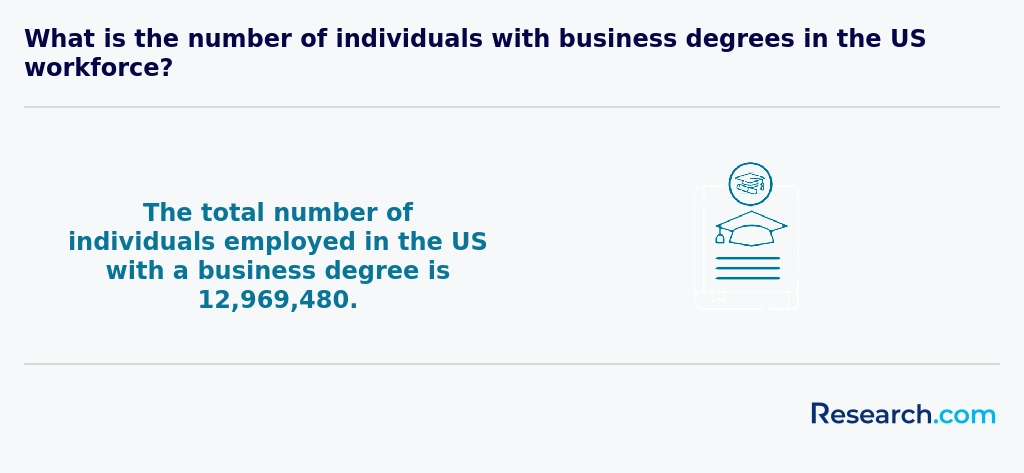
Graduates with an online business degree in Connecticut find diverse career paths across finance, management, and entrepreneurship. Many enter roles like financial analyst or accountant, leveraging the state's strong presence of financial institutions and insurance companies. Other graduates pursue management positions such as marketing or sales managers, where they apply skills learned through programs offered by popular schools in Connecticut. Business degree jobs in Connecticut also include human resources or supply chain management, thanks to the state's manufacturing and transportation industries.
Entrepreneurial graduates often benefit from supportive local small business resources, helping them launch startups or excel in business development roles. Practical experiences shared by graduates from Connecticut-based colleges highlight the value of adaptable skills that open doors to these varied roles. For those seeking affordable options, checking the Low Cost Online Business Degree Programs Ranking in Saratoga Springs, NY can offer helpful financial guidance when planning their education.
The job market for online business degree jobs Connecticut graduates is robust, supported by a diverse economy focused on finance, insurance, and professional services. Graduates from popular institutions in Hartford and Stamford often share how skills learned in project management and digital marketing directly translate to roles in these sectors, helping them secure positions quickly. Employers like Hartford Financial Services Group consistently seek candidates with strong business analytics and management expertise.
Students enrolled in Connecticut colleges appreciate that the state's unemployment rate hovers slightly below the national average, providing a sense of stability and opportunity. Many find that focusing on emerging fields such as healthcare business management or technology startups makes their job search more successful. Networking through local chambers of commerce further enhances prospects, allowing graduates to connect meaningfully with industry leaders.
Competitive salaries, often around $75,000 annually, encourage graduates to consider advancing their careers through further education, including a master degree online 1 year. This pathway is practical for those balancing work and study, boosting qualifications without interrupting professional growth.
2027 Best Online Business Degree Programs Ranking in Connecticut
Investing in your education is a significant decision that can shape your professional future, and the Research.com team recognizes the importance of making well-informed choices. To support aspiring business students in Connecticut, we have carefully developed the "2027 Best Online Business Degree Programs Ranking in Connecticut." Our dedication to quality, credibility, and accuracy is demonstrated by the thorough research and analysis underpinning this ranking.
We utilized the following reputable data sources to ensure a comprehensive evaluation of online business degree programs:
By reviewing this ranking, readers will gain valuable insights that can help them identify high-quality programs tailored to their needs and career aspirations. For a detailed explanation of our ranking methodology, please visit our Research.com methodology page.


# 3 position
Charter Oak State College
Bachelor of Business Administration

Frequently Asked Questions About business
Online business degree students in Connecticut can maximize their learning experience by actively engaging in virtual class discussions and networking opportunities. Research from the Connecticut Department of Labor highlights that the state's business sector is growing steadily, emphasizing skills in management, marketing, and finance. Students benefit from applying real-world Connecticut market examples to coursework.
Utilizing academic resources like virtual libraries and tutoring services offered by Connecticut institutions enhances comprehension. Time management and setting a structured study schedule are crucial for balancing work and study commitments commonly faced by adult learners.
Moreover, connecting with local business organizations and online alumni networks provides practical insights and career opportunities specific to Connecticut's economy.
Emerging niches within the business field reflect today's evolving economy and technological advances, especially relevant to Connecticut's dynamic market. Digital transformation roles, such as data analytics and digital marketing, are increasingly vital as companies shift to online environments.
Additionally, sustainability and green business practices are gaining traction, driven by Connecticut's commitment to clean energy and environmental policies. Financial technology (fintech) is another growth sector, supported by the state's robust banking industry centered in cities like Stamford.
Lastly, supply chain management and logistics have become crucial due to global disruptions and Connecticut's strategic location near major ports and transport hubs. These niches represent promising avenues for future business professionals.
After earning an online business degree in Connecticut, preparing for the job market involves several key steps. First, graduates should leverage local resources such as the Connecticut Department of Labor, which offers job postings and career counseling tailored to state business sectors. Networking is essential; joining Connecticut-based business groups like the Connecticut Business & Industry Association (CBIA) can help connect graduates with employers.
It is important to develop soft skills alongside technical knowledge. Employers in Connecticut highly value communication and leadership, especially in sectors like finance and manufacturing, which are significant within the state economy.
Internships and part-time roles, sometimes available through online degree programs, offer practical experience that enhances employment prospects. Additionally, obtaining certifications in areas such as project management or data analysis can distinguish candidates in a competitive market.
Using platforms like LinkedIn to build a professional online presence helps graduates reach employers beyond Connecticut's borders, increasing job opportunities. According to the U.S. Bureau of Labor Statistics, the business and financial operations sector in Connecticut is projected to grow steadily, emphasizing the importance of continuous skill development.
Employers in Connecticut increasingly value business degree graduates who possess strong analytical and communication skills. According to the Connecticut Department of Labor, proficiency in data analysis and financial literacy are among the top technical skills sought by local companies.
Additionally, teamwork and leadership abilities are essential, as many business roles in Connecticut's growing finance and manufacturing sectors require collaboration across departments. A 2023 survey by the Hartford Business Journal found that 78% of employers emphasize critical thinking and problem-solving skills for entry-level business positions.
Digital literacy, including familiarity with software like Excel and CRM systems, also ranks highly. Graduates who combine technical expertise with interpersonal skills stand better chances in Connecticut's competitive job market.
Finding internships in Connecticut relevant to a business degree involves several strategic steps. First, students should explore resources offered by their online program's career services, as many schools partner with local companies. Connecticut's economy boasts strong finance, insurance, and manufacturing sectors, providing diverse internship opportunities. According to the Connecticut Department of Labor, Stamford and Hartford often have the highest demand for business interns.
Networking is key-join Connecticut-based business chambers, like the Connecticut Business & Industry Association, and attend virtual local career fairs. Online platforms such as Handshake or LinkedIn also list Connecticut internships specifically. Finally, contacting local banks, marketing firms, and logistics companies directly can uncover unadvertised positions.
Obtaining an online business degree in Connecticut can significantly enhance career mobility and advancement. Employers in Connecticut's robust sectors-such as finance, insurance, and manufacturing-often prefer candidates with formal business education. According to the Connecticut Department of Labor, business and financial occupations are expected to grow by 7% from 2022 to 2032, slightly above the national average. An online degree offers flexibility for working professionals, allowing them to gain skills recognized by local employers without interrupting their careers.
Degrees from accredited Connecticut institutions also improve networking opportunities within the state's business community. Graduates frequently leverage specialized knowledge in management, marketing, and finance to access higher-level positions and increased salary potential.
Studying for an online business degree in Connecticut prepares students for interdisciplinary roles by combining core business principles with skills from technology, communications, and analytics. Connecticut's business programs often integrate practical coursework in finance, marketing, and management alongside emerging fields such as data analysis and digital innovation.
Many Connecticut institutions align their curricula with regional economic demands. The state's diverse economy includes finance, healthcare, and manufacturing sectors, encouraging programs to emphasize cross-functional skills. For example, the Connecticut Department of Economic and Community Development highlights the importance of adaptable business professionals who can navigate complex industries.
This interdisciplinary approach equips graduates to collaborate across departments, solve multifaceted problems, and adapt to evolving business environments. Online formats also foster digital communication skills, vital in today's interconnected workplaces.
When choosing between a thesis and a non-thesis business degree program in Connecticut, consider your career goals and learning preferences. Thesis programs emphasize research and critical analysis, which can benefit students planning to pursue doctoral studies or research-intensive roles. Non-thesis options focus more on practical skills and coursework, suitable for professionals aiming to enter or advance in Connecticut's diverse business sectors.
The state's business environment, including finance and insurance sectors contributing about 12% of employment (Connecticut Department of Labor, 2023), values applied skills often emphasized in non-thesis programs. On the other hand, thesis programs may better prepare students for academic or policy roles.
Cost and time commitment are also factors; thesis programs may require longer study periods due to research demands.
Students based in Connecticut seeking to study business abroad have several options to consider. Many US institutions in Connecticut partner with international universities, offering dual-degree programs or study-abroad opportunities that include business coursework. For example, the University of Connecticut frequently collaborates with European and Asian schools, allowing online business students to gain global perspectives.
Additionally, programs accredited by the Association to Advance Collegiate Schools of Business (AACSB) ensure global recognition, which is important for those pursuing international studies. According to the Connecticut Office of Higher Education, about 27% of Connecticut college students participate in study-abroad programs annually, many focusing on business fields.
Online business degree students can also explore virtual exchange programs, providing international business exposure without leaving home. These options are particularly beneficial for working professionals in Connecticut's robust finance and insurance sectors, which employ a significant portion of the state's workforce.
Part-time jobs in Connecticut that complement an online business degree often involve roles in finance, marketing, and administration. Positions like accounting assistant, sales associate, or marketing intern offer practical experience aligned with business studies.
The Connecticut Department of Labor notes high demand for business-related roles in Hartford and Stamford, financial hubs with numerous corporate offices. Gaining experience in local small businesses and nonprofits can develop essential skills in management and client relations. Internships or part-time roles in digital marketing agencies are also valuable, reflecting the growing digital economy.
Students benefit from jobs that enhance analytical, communication, and organizational skills, which are critical for business careers.
Online business students in Connecticut benefit from various networking opportunities despite studying remotely. Many universities offer virtual career fairs and online professional events that connect students with local businesses and alumni. For example, the Connecticut Business and Industry Association (CBIA) hosts workshops and webinars accessible to online learners.
Connecticut's strong business sectors, such as finance and insurance, provide a fertile ground for networking. Online students can join statewide LinkedIn groups or professional associations like the Hartford Chamber of Commerce to connect with industry leaders. According to the CBIA, over 70% of Connecticut businesses actively engage in community networking, which students can leverage virtually.
Additionally, some business programs facilitate virtual internships and mentorship programs with Connecticut-based companies, enhancing students' practical experience and professional contacts.
Alumni networks provide significant benefits to online business degree students in Connecticut by connecting them to a broad community of professionals. These networks offer valuable opportunities for mentorship, internships, and job placements, which are crucial for career advancement in the state's competitive business environment.
Connecticut's strong business sectors, including finance and insurance, make alumni contacts especially beneficial. According to the Connecticut Department of Labor, industries related to business services continue to grow, increasing demand for well-connected graduates.
Engagement with alumni also helps students expand their professional skills through events and workshops, fostering lifelong learning beyond the classroom.
Students pursuing an online business degree in Connecticut can tailor their programs by selecting concentrations aligned with their career goals. Popular specializations include finance, marketing, entrepreneurship, and supply chain management. Many accredited institutions in Connecticut offer flexible electives, enabling learners to focus on areas where the state shows economic strength, such as finance and insurance sectors, which comprise a significant portion of Connecticut's GDP according to the U.S. Bureau of Economic Analysis.
Additionally, students can often choose internships or capstone projects related to local industries. This practical experience enhances skills and professional networks in Connecticut's competitive business environment. Customizing electives and experiential learning opportunities helps align academic work with individual career paths.
Online business students in Connecticut face several notable challenges as they pursue their degrees. One common issue is balancing coursework with professional and personal responsibilities, especially since many students are working adults. According to the Connecticut Office of Higher Education, about 60% of online students juggle part-time or full-time jobs alongside their studies.
Another challenge involves limited opportunities for networking compared to traditional on-campus programs. Building professional connections is crucial, particularly in Connecticut's competitive business sectors like finance and insurance centered in Hartford.
Additionally, access to reliable technology and stable internet can be a hurdle in some parts of the state, impacting students' ability to participate fully in virtual classrooms. This digital divide remains a concern despite Connecticut's generally high broadband coverage.
With an online business degree in Connecticut, graduates can pursue several key professional certifications that enhance their career prospects. Popular certifications include the Certified Business Manager (CBM), Certified Management Accountant (CMA), and Project Management Professional (PMP). These credentials are widely recognized and can lead to higher earning potential and leadership roles.
The Connecticut Department of Labor highlights that fields such as finance, marketing, and project management remain in demand, making related certifications particularly valuable. Earning these credentials often requires passing exams and meeting experience criteria, but online business degree holders are well-positioned to succeed.
Certifications like the Certified Financial Planner (CFP) also complement an online business degree and are respected in Connecticut's growing financial sector, especially in Hartford, the state's financial hub.
To write a winning application for an online business program in Connecticut, start by clearly demonstrating your motivation and career goals. Admissions committees value applicants who connect their background with how the program aligns with Connecticut's evolving business landscape. Highlight any relevant work experience, internships, or leadership roles, especially in sectors prominent in the state such as finance, insurance, or manufacturing.
Ensure your personal statement is concise and free of errors. According to the Connecticut Office of Higher Education, schools often emphasize communication skills as critical for business success. Providing strong letters of recommendation from professional or academic sources can also enhance your application.
Finally, make sure to meet all deadline requirements and submit official transcripts promptly, as Connecticut institutions like the University of Connecticut have competitive admissions processes for their online programs.
Business careers increasingly demand a global perspective, as companies in Connecticut and beyond operate within interconnected markets. According to the Connecticut Department of Economic and Community Development, international trade supports over 300,000 jobs in the state, underlining the importance of global competencies.
Understanding different cultural, economic, and legal systems is vital for business professionals. US higher education, including many online business degree programs, emphasizes skills like cross-cultural communication and international marketing. This prepares graduates to work with global partners or within multinational corporations.
Employers in Connecticut value adaptability and global awareness, as reflected in rising demand for business graduates fluent in global trends and digital tools. These skills improve career prospects both locally and worldwide.
Students pursuing an online business degree in Connecticut can gain practical experience through internships offered by local companies. Many universities collaborate with businesses in finance, insurance, and manufacturing sectors, which represent key industries in the state.
Additionally, online programs often include project-based coursework, allowing students to apply real-world business concepts. Virtual simulations and case studies are common tools that help bridge theory and practice.
Connecticut's Business & Industry Association highlights that over 60% of business students secure internships before graduation, providing valuable workplace exposure.
Some schools also facilitate networking events and mentorship opportunities with Connecticut business professionals, further enhancing hands-on learning.
When choosing a concentration within an online business degree in Connecticut, start by assessing your career goals and interests. Popular areas include finance, marketing, and management, each offering distinct skills relevant to Connecticut's diverse economy. For example, Connecticut's finance sector is robust, with Hartford known as the "Insurance Capital," making finance concentrations beneficial for those aiming at local job markets.
Investigate the curriculum of each concentration to ensure it aligns with industry standards and your professional aspirations. According to the Connecticut Department of Labor, jobs in business and financial operations are projected to grow by 7% through 2030, highlighting promising opportunities.
Consider schools accredited by recognized bodies like AACSB or ACBSP to ensure quality education. Additionally, look for concentrations that offer practical experience or networking opportunities with Connecticut businesses.
- 2027 Best Online Business Degree Programs Ranking in New York
- 2027 Best Online Business Degree Programs Ranking in Massachusetts
- 2027 Best Online Business Degree Programs Ranking in New Jersey
- 2027 Best Online Business Degree Programs Ranking in Pennsylvania
- 2027 Best Online Business Degree Programs Ranking in Vermont
- 2027 Best Online Business Degree Programs Ranking in Maryland
- 2027 Best Online Business Degree Programs Ranking in Maine
- 2027 Best Online Business Degree Programs Ranking in Virginia
- 2027 Best Online Business Degree Programs Ranking in Ohio
- 2027 Best Online Business Degree Programs Ranking in West Virginia
See What Experts Have To Say About Studying Business
Read our interview with Business experts

Ingrid S. Greene
Business Expert
Clinical Assistant Professor of Management
Loyola Marymount University

David W. Stewart
Business Expert
Emeritus President's Professor of Marketing
Loyola Marymount University


- Compare 13 Undergrad + 11 Grad Business Schools in Connecticut https://www.discoverbusiness.us/education/schools/us/connecticut/
- Business Administration Major https://www.easternct.edu/programs/business-administration.html
- Business Administration Cover Letter: Examples & Templates https://www.resume-now.com/cover-letter/examples/administrative/business-administration
- Online MBA Programs in Connecticut - 2022's Top Schools | OnlineMBA.com https://www.onlinemba.com/rankings/states/connecticut/
- Skills Employers Look for in Business Graduates – EU Business School https://www.euruni.edu/blog/skills-employers-look-for-in-business-graduates/
- Know more about thesis vs non- thesis: what is the difference? https://studyfans.com/en/blogs/816
- Exploring Different Types of Business Majors https://www.ivywise.com/ivywise-knowledgebase/exploring-different-types-of-business-majors/
- Guide to Business Internships | Higherin https://higherin.com/career-guides/business/business-internships
- Business Study Abroad Programs | Go Overseas https://www.gooverseas.com/study-abroad/business
- Write a business plan https://www.gov.uk/write-business-plan


