
2027 Best Business Degree Programs Ranking in Utah

Co-Founder and Chief Data Scientist
Choosing the right business degree program is an exciting step toward a successful future. Our article presents the 2027 Best Business Degree Programs Ranking in Utah, created by the Research.com team of data scientists. This ranking helps you navigate your options with clear, data-driven insights.
Whether you're just starting or considering a change, this guide highlights programs worth your attention. Earning a business degree opens doors to diverse opportunities and personal growth. Dive in to discover which programs align best with your goals and ambitions.
Key benefits of getting business degree in Utah
- Graduates with a business degree in Utah can expect strong salary potential, with roles such as Business Development Executives earning around $83,190 annually and Business Analysts earning about $112,950 per year.
- Business degree holders often pursue diverse careers, including roles in management, analysis, and development, similar to graduates from the University of Utah who find opportunities in thriving local industries.
- Online business degrees offer flexibility and convenience, allowing students from Utah to balance work and study efficiently while gaining skills comparable to those earned through traditional programs, as seen with graduates from Utah State University's online platform.
- 2027 Best Business Degree Programs Ranking in Utah
- What can I expect from business degree in Utah?
- Where can I work with business degree in Utah?
What can I expect from business degree in Utah?
When considering the average cost of a business degree in Utah, graduates from institutions like the University of Utah's David Eccles School of Business often reflect on the balance between affordable tuition and the invaluable opportunities available. Tuition at public universities tends to be competitively priced compared to national averages, easing financial pressure while still providing access to high-quality programming. Many students appreciate how this affordability pairs with the state's relatively low cost of living, allowing them to focus more on learning and less on financial strain.
Financial aid and scholarships play a crucial role, frequently making business degrees attainable for a diverse range of students in Utah. Graduates commonly recall how these resources reduced their debt burden and enabled them to engage fully in internships and entrepreneurial projects. This practical experience, combined with affordable education, creates a sense of optimism and readiness when entering Utah's vibrant economic landscape.
Where can I work with business degree in Utah?
Graduates from business programs in Utah, such as those from the University of Utah's David Eccles School of Business or Brigham Young University's Marriott School, often step confidently into diverse roles across the state's thriving economy. Many find themselves in financial services within Salt Lake City's dynamic banking and investment firms, applying analytical skills honed during their studies to real-world financial challenges.
Others embrace Utah's burgeoning tech scene, particularly around the Silicon Slopes area. Here, business graduates take on positions in project management or sales management at innovative startups, blending their strategic insights with the fast pace of the technology sector. This experience is invigorating, offering a blend of creativity and challenge that excites many new professionals.
Healthcare administration also invites business graduates to manage complex operations in expanding hospital systems, a field where their skills contribute directly to efficient, patient-focused care. Meanwhile, retail and government roles provide opportunities to put leadership and organizational abilities into practice, delivering stability and growth potential. These career paths showcase how a business degree in Utah opens doors to meaningful and varied work that graduates embrace with enthusiasm and purpose.
Graduates from Utah's respected business programs, such as those at the University of Utah and Brigham Young University, often find themselves stepping into well-paying roles. For example, business analysts in Utah command a median annual salary of around $112,950, reflecting the strong demand for analytical skills in both local and national markets.
Another common path is business development, where entry into executive roles yields mean annual wages near $83,190. These figures resonate with many graduates who have navigated internships and networking opportunities within Utah's dynamic economic hubs like Salt Lake City.
While some roles like project management and operations supervision lack clear published data, the general trend in Utah's business landscape shows increasing earning potential as professionals gain experience. Many graduates notice that their salaries rise significantly after their first few years, particularly if they leverage the region's expanding tech and finance sectors.
It's worth noting that Utah's moderate cost of living enhances the real value of these salaries, making it possible for recent graduates to enjoy a comfortable lifestyle while building their careers.
- Tuition for public four-year universities in Utah ranges from $7,000 to $9,000 per year for in-state students, making it relatively affordable.
- Entry-level salaries for business graduates in Utah typically range from $45,000 to $55,000 annually, depending on the specialty.
- Mid-career business professionals in Utah can expect average salaries between $75,000 and $90,000.
- Utah's job market features a low unemployment rate and strong demand in sectors like technology, finance, healthcare, and retail.
- Many Utah universities emphasize internships and cooperative education to provide practical experience and improve job placement.
Completing a business degree in Utah often depends on the chosen level of study and your personal schedule. For instance, many graduates from the University of Utah share that a full-time bachelor's degree takes about four years, aligning with the typical 120 to 130 credit hour requirement. This steady pace offers a balanced college experience with time for internships and networking.
Associate degrees at community colleges like Salt Lake Community College usually take around two years full-time, providing a practical, accelerated path that many appreciate for entering the workforce promptly or transferring later to a four-year program.
Graduate students at Utah State University pursuing MBAs often note that full-time programs typically run one to two years, with some accelerated options available for those with prior business background-allowing ambitious learners to quickly boost their careers.
For working professionals balancing life and study, part-time options are popular. Many find that spreading a bachelor's degree over five to six years at institutions like Westminster College offers rewarding flexibility without sacrificing progress.
The affordable tuition at Utah public universities often encourages students to stay full-time, speeding up completion and easing financial stress, which graduates frequently highlight as a wise choice in their journey.
Navigating your path to a business degree in Utah goes beyond analyzing rankings and understanding course content. Prospective students benefit from actionable strategies that help them maximize both academic performance and post-graduation career success. Start by clearly defining your career goals and researching each program’s curriculum, faculty expertise, and internship opportunities. Seek out mentorship, attend virtual or on-campus networking events, and engage with current students or alumni to get first-hand insights into campus culture and professional support. Additionally, it’s important to compare program flexibility and financial planning options-resources such as the easiest business degrees page offer guidance for balancing affordability with quality education. By proactively leveraging these tips and learning from the experiences of others, you can confidently choose a program that aligns with your aspirations, ensuring that every aspect of your journey nurtures your potential for success.
Graduates from the University of Utah and Brigham Young University often reflect on how their on-campus business degrees shaped their college experience. Being physically present on campus fostered meaningful connections with professors and peers, which many credit for valuable networking opportunities. Daily access to campus resources like career centers and libraries also enriched their learning journey, creating a balanced mix of academic and social engagement.
On the other hand, online business students in Utah appreciate the flexibility that lets them study around work and family commitments. Many found that managing coursework on their own schedule demanded strong self-discipline but also rewarded them with a sense of independence and control. For example, some working professionals in Utah's tech sector valued how online programs allowed them to gain business skills without pausing their careers.
Both paths cover core subjects equally, but the choice often comes down to lifestyle preferences. Whether navigating campus life at BYU or logging in from home for an online degree, Utah students find ways to thrive in business education that fits their unique situation.
When weighing the true value of a business degree in Utah, understanding your return on investment (ROI) is critical. On average, in-state undergraduates pay approximately $38,496 in tuition, while graduates can expect starting salaries near $60,000-rising to over $100,000 for roles such as Business Analyst. To calculate your payback period, divide total tuition by your annual post‐graduation salary increase: for example, a $38,496 investment recouped at a $20,000 salary bump equates to just under two years. Beyond salary, consider additional expenses like textbooks (roughly $1,200/year) and fees ($500–$1,000/year), offset by financial aid and scholarships. Federal aid may cover up to 75% of costs, and work-study opportunities can further reduce debt. For career changers or working professionals, accelerated paths such as a fast track mba can shorten time to degree completion, lowering both tuition and opportunity costs while propelling you into higher-earning management roles more quickly. Finally, factor in long-term earnings growth: business degree holders in Utah often see a 80%–130% salary increase over 12 years post-graduation. When combined with lifelong networking benefits and alumni resources, the net present value of this education underscores its transformative potential. By projecting income versus outlay, you can choose the program that delivers the highest ROI and fastest pathway to financial success.
The average cost of obtaining a business degree in Utah offers a balanced outlook for many students, especially those focusing on in-state public universities. Graduates often reflect that paying around $6,962 for the entire program feels like a wise investment compared to national averages. This figure represents a more affordable pathway to earning a valuable degree while enjoying quality education from reputable institutions.
Students from universities such as the University of Utah find that tuition and fees remain manageable, allowing them to focus on gaining practical skills and networking rather than stressing excessively over financial burdens. These experiences highlight how budgeting thoughtfully for tuition, books, and living expenses can ease the financial challenges during the journey. It is also worth noting that some graduates chose private colleges, which, although more costly, often provide tailored financial aid that can make those choices more accessible.
Exploring the average cost of business degree in Utah, prospective students discover a landscape where cost-effectiveness meets academic rigor. Many appreciate the availability of various scholarships and support programs that complement tuition savings. For those weighing their options, detailed information about affordable business programs in Utah proves invaluable in identifying well-suited schools without compromising on quality or financial sense.

To make the most of your educational investment, considering the affordability of business programs is crucial. Prospective students in Utah can benefit from exploring options that balance quality education with financial feasibility. When searching for affordable business programs, it's essential to weigh factors like tuition costs, financial aid opportunities, and the potential return on investment. For instance, students can look into affordable business programs in Utah that offer a comprehensive education without excessive financial burden. By doing so, individuals can position themselves for success in the business world while managing their financial commitments effectively. This thoughtful approach to selecting a business program can lead to a rewarding educational experience that aligns with one's career aspirations and financial situation.
Business students in Utah often find relief from tuition costs through a mix of financial aid tailored to their unique needs. Graduates from the University of Utah and Brigham Young University frequently share how Pell Grants and federal student loans helped them manage expenses early on, offering accessible funds without immediate repayment pressure. These federal options serve as a dependable foundation for many aspiring professionals.
State-specific scholarships, such as the Utah Regents' Scholarship, provide another valuable layer of support, especially for high-achieving students entering business programs. Many students describe how institutional scholarships from their colleges, awarded for leadership or academic excellence, significantly lightened their financial burden.
Private scholarships connected to local business communities, like those from the Utah Association of Certified Public Accountants, are often a game-changer. They not only ease tuition costs but also encourage connections to Utah's vibrant economy. Part-time work through work-study programs further allows students to gain experience while earning, creating a balanced approach to financing their education.
Utah’s top business schools don’t just offer rigorous coursework-they back students with dedicated career services and a vibrant alumni network that accelerates professional growth. From day one, students can tap into on-campus career centers, where certified advisors guide everything from resume building to mock interviews. Regularly hosted alumni panels and networking mixers connect current students with seasoned professionals working across sectors like finance, marketing, and entrepreneurship. Mentorship programs pair undergraduates with alumni who share industry insights and unlock hidden job markets. Many universities maintain online platforms where graduates post internship openings and full-time positions, ensuring pipelines remain active year-round. Data shows that business graduates who participate in at least one career center workshop enjoy a 25% higher placement rate within six months of graduation. Furthermore, structured internship partnerships with local corporations-ranging from Salt Lake City tech startups to national consulting firms-provide real-world experience and often lead to return offers. For students aiming to continue their education or specialize further, exploring the Most Affordable Online Master's in Business Degree Programs Ranking in Wisconsin can be a strategic next step in planning a long-term career trajectory.
Enrolling in a business degree program in Utah means meeting foundational prerequisites designed to build your confidence and academic strength. Many graduates from well-known Utah institutions have shared how maintaining a solid GPA-typically between 2.5 and 3.0-helped them feel prepared and competitive without overwhelming stress. This standard encourages a balanced approach to high school studies that many find rewarding.
Test scores from the SAT or ACT are often requested, though the shift toward test-optional policies gives students flexibility, especially those who excel in practical skills rather than standardized exams. Reflecting on peers' experiences at Utah's public universities, demonstrating proficiency in math and English through coursework or placement tests has been a key step in easing into complex subjects like accounting and finance.
For those aiming higher, like pursuing an MBA, meeting graduate prerequisites such as holding a bachelor's degree and sometimes submitting GRE or GMAT scores can feel challenging but also motivating. Many graduates noted how relevant work experience paired with these requirements translated into greater confidence and readiness to tackle Utah's dynamic business landscape.
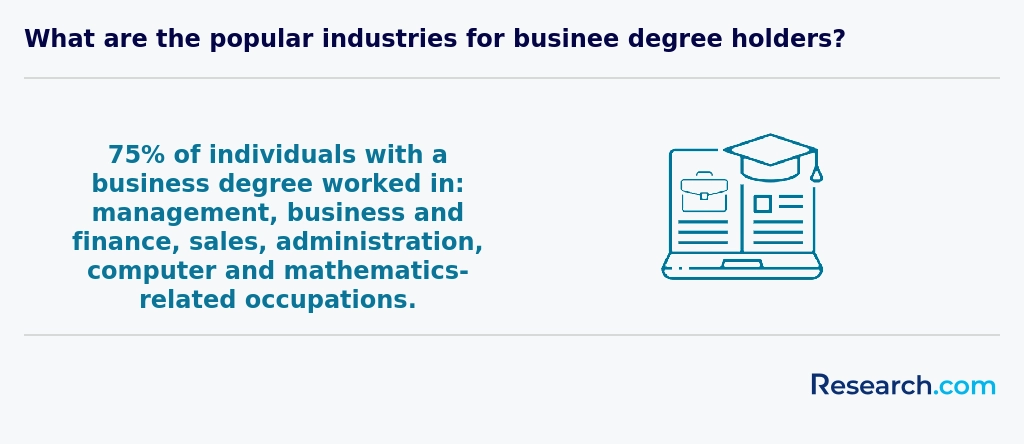
A business degree in Utah typically immerses students in courses that build a strong foundation in management, accounting, marketing, and economics-essentials that graduates from Utah State University and the University of Utah often describe as eye-opening. Many recall how studying accounting prepared them to interpret real financial statements, a skill greatly valued in Utah's growing finance sector.
Core courses go beyond theory to practical learning: marketing classes involving market research and consumer behavior are frequently linked to projects with local companies, providing hands-on experience that students find energizing and relevant.
Graduates often highlight the value of courses in business law and ethics, which helped them navigate complex decisions with integrity, especially important in Utah's business culture. Finance and operations management classes teach practical skills in investment and supply chain logistics-topics that resonate strongly in Utah's booming startup scene.
Many students appreciate classes in organizational behavior and information systems, emphasizing leadership and technology's role in business, reflecting the dynamic environments they will enter after graduation.
Students pursuing a business degree in Utah often discover a rich variety of specializations tailored to meet the state's dynamic job market and economic strengths. Common concentrations include accounting, finance, marketing, and management, each aligned with Utah's growing industries-from thriving tech startups to expanding financial services in Salt Lake City. Graduates from institutions like the University of Utah and Brigham Young University frequently share how these focused programs prepared them for specific career paths, whether managing corporate finances or leading innovative marketing campaigns.
The appeal of these Utah business degree concentration options lies in their real-world applicability. For example, entrepreneurship programs shine given Utah's reputation as a hub for startups, imparting confidence and practical skills to students eager to launch their own ventures. Others find supply chain management particularly rewarding as it connects directly with local manufacturing and distribution jobs, providing a clear route to employment.
Those exploring the nuances of a business education in Utah sometimes seek guidance about the easiest business degrees. Resources like easiest business degrees can offer valuable perspectives for students balancing ambition with workload.
Choosing the best business degree in Utah involves weighing what matters most to you, whether that's specialization, cost, or flexibility. Many graduates from the University of Utah and Brigham Young University reflect on how focusing on concentrations like finance or entrepreneurship helped them secure jobs in thriving sectors like technology or services. Exploring affordable business schools in Utah can ease financial burdens, with public universities offering significantly lower tuition compared to private options.
Accreditation is vital-graduates always stress how AACSB-accredited programs gave them confidence in the quality of their education. Flexibility also plays a big role; working professionals appreciate online or hybrid formats that let them balance school and life. Some have found that pursuing a fast track mba helped them advance more rapidly, fitting into busy schedules.
Finally, connecting with alumni networks and local industries in Salt Lake City or Provo creates invaluable opportunities. These real-world ties often shape storytelling moments where students express excitement about their career paths ignited during internships.

Graduates with a business degree in Utah find a wealth of career paths thanks to the state's thriving economy and diverse industries. Many step into management roles, overseeing operations in companies across technology, healthcare, or retail, such as those emerging hubs near the University of Utah. These positions not only offer leadership experience but also stability, reflecting the positive outlook for business degree career opportunities in Utah.
Finance is another strong sector. Graduates often achieve rewarding roles as financial analysts or accountants, particularly in Salt Lake City's expanding financial services arena. Their efforts contribute to dynamic local markets while benefiting from wages above the state median. This blend of challenge and reward fuels enthusiasm among those pursuing Utah business degree job prospects.
Entrepreneurship also springs to life, with many graduates from public universities enjoying the state's startup-friendly ecosystem. They tap into supportive networks and resources that make launching ventures a tangible dream. For those curious about varied educational investments, check out the Most Affordable Online Master's in Business Degree Programs Ranking in Wisconsin, a helpful resource for comparing costs and opportunities.
The Utah business degree job market is notably resilient, shaped by the state's thriving economic landscape and supportive business climate. Graduates from universities such as the University of Utah and Brigham Young University often find themselves welcomed by a growing demand for skills in finance, marketing, and management, especially in hubs like Salt Lake City. These graduates frequently share stories of early career success, citing plentiful opportunities in roles like financial analysis and business consulting that allow them to make impactful contributions swiftly.
Employment opportunities in Utah reflect a diverse range of sectors, including emerging fields like green energy and healthcare administration. The proximity to major regional headquarters helps graduates secure competitive salaries and leap into leadership positions sooner than one might expect. Many find that the lower tuition costs relative to national averages make the investment in a business degree attractive, often being rewarded by career growth and satisfaction.
For working adults considering a path to advance in this dynamic job environment, exploring quickest online degrees for working adults can be a practical option. This approach helps balance career demands while embracing Utah's expanding business degree employment opportunities in Utah, proving that careful planning paired with Utah's robust market offers a promising future.
2027 Best Business Degree Programs Ranking in Utah
Investing in your education is a significant decision that can profoundly impact your future, and the Research.com team is committed to helping you make well-informed choices. To support prospective students in Utah, we have carefully developed the "2027 Best Business Degree Programs Ranking in Utah." Our dedication to quality, credibility, and accuracy is demonstrated through thorough research and analysis in compiling this ranking.
We utilized the following reputable data sources to ensure a comprehensive evaluation of business degree programs:
By consulting this ranking, readers will obtain valuable insights into Utah's top business degree programs, empowering them to choose the best educational path tailored to their goals. For further information on the methodology behind this ranking, please visit our Research.com methodology page.



# 16 position
Ensign College
Bachelor of Applied Science in Management

# 17 position
Western Governors University
Master of Business Administration

# 18 position
Western Governors University
Bachelor of Business Administration
# 19 position
Weber State University
Bachelor of Business Administration

# 20 position
Weber State University
Master of Science in Business
Frequently Asked Questions About business
Business degree students in Utah can maximize their learning by engaging with the state's growing economy, which includes strong sectors like technology, finance, and manufacturing. According to the Utah Department of Workforce Services, professional and business services jobs grew by 3.5% in 2023, highlighting opportunities for real-world experience.
Students should seek internships with local companies such as Qualtrics or Overstock to gain practical skills. Utah's universities often collaborate with these firms to offer internships and cooperative education programs. Aligning coursework with emerging industries can enhance job readiness.
Joining student organizations and attending networking events hosted by Utah's business schools helps build connections within the state's vibrant entrepreneurial community. Leveraging resources like the Utah Small Business Development Center can also support experiential learning and business planning.
Emerging niches within the business field in Utah reflect national trends while leveraging the state's local economy. Data from the Utah Department of Workforce Services highlight growth in areas such as data analytics, digital marketing, and sustainable business practices. These fields align with Utah's expanding tech sector, often called the "Silicon Slopes," where companies increasingly require expertise in big data and online consumer engagement.
Another rising niche is supply chain management, supported by Utah's strategic location as a logistics hub in the western US. Additionally, healthcare administration is expanding due to Utah's growing medical industry.
Students pursuing business degrees in Utah should consider programs offering specialization in these areas to align with job market demands.
Preparing for the job market after earning a business degree in Utah involves strategic steps. First, gaining practical experience is vital. Many Utah universities, such as the University of Utah and Brigham Young University, offer internship programs that connect students with local companies in industries like technology, finance, and healthcare, which are key sectors in Utah's growing economy.
Networking is equally important. Participating in local business organizations or events, such as those organized by the Utah Governor's Office of Economic Development, can help graduates build valuable professional contacts.
Additionally, Utah's job market values skills in data analytics, digital marketing, and financial management, so pursuing relevant certifications alongside a degree can enhance employability. According to the Utah Department of Workforce Services, business and financial operations roles in the state are projected to grow by 14% through 2030, highlighting strong opportunities for graduates.
Employers in Utah highly value business degree graduates who possess strong analytical skills. According to the Utah Department of Workforce Services, data-driven decision-making is crucial across industries such as finance, technology, and healthcare. Communication skills also rank near the top, with 78% of Utah employers emphasizing clear interpersonal and presentation abilities.
Leadership and teamwork are essential, especially as Utah's business landscape grows in startups and established companies like Adobe and Qualtrics. Adaptability and problem-solving skills are increasingly important as automation and digital tools reshape traditional roles.
Proficiency in technology, including Excel, data analytics, and ERP systems, is frequently requested in job listings within Utah. These skills help graduates contribute immediately to their organizations' success.
Finding internships relevant to a business degree in Utah involves several strategic steps. Start by leveraging university career centers, which often have partnerships with local companies across Salt Lake City, Provo, and Ogden. According to the Utah Department of Workforce Services, Utah's business sector is growing rapidly, with industries like finance, technology, and retail offering internship opportunities.
Online platforms such as Handshake and Utah's Talent Connect are valuable for locating internships tailored to business students. Networking through local business associations, like the Utah Chamber of Commerce, can also uncover hidden opportunities. Many internships in Utah provide hands-on experience in marketing, finance, and management roles.
In Utah, a business degree significantly enhances career mobility and advancement opportunities. Employers value business graduates for their versatility in areas like management, finance, and marketing, which are critical in the state's growing industries such as technology and healthcare. According to the U.S. Bureau of Labor Statistics, Utah's business and financial operations sector is expected to grow by 6% from 2022 to 2032, surpassing some national averages.
Graduates with business degrees often advance faster into supervisory and executive roles. Data from the Utah Department of Workforce Services shows that individuals with bachelor's degrees in business earn approximately 20-30% more than those without degrees in comparable roles.
Moreover, Utah's robust network of startups and established corporations offers multiple avenues for upward mobility, especially for those with specialized business education. Employers typically seek candidates with both theoretical knowledge and practical skills, which business programs in Utah provide through internships and cooperative education experiences.
Studying for a business degree in Utah offers students a strong foundation in core business principles while emphasizing interdisciplinary skills. Utah's universities often integrate coursework from fields like technology, communication, and data analytics, which are crucial in today's diverse job market. According to the Utah System of Higher Education, programs encourage collaboration across departments, preparing students to navigate complex business environments effectively.
Utah's growing economy, with industries ranging from finance to tech startups, demands versatile professionals. Business degrees here often include practical experiences such as internships and projects that cross traditional academic boundaries. This approach equips graduates to handle roles requiring knowledge beyond business, including marketing, IT, and operations. Such cross-disciplinary preparation aligns well with regional economic needs highlighted by the Utah Economic Council.
Choosing between a thesis and a non-thesis business degree program in Utah depends on your career goals and learning preferences. A thesis program requires original research and is ideal for those considering doctoral studies or roles in research and analytics. It typically demands strong writing and critical thinking skills.
Non-thesis programs focus more on practical skills through coursework and may include internships or projects. This path suits students aiming for immediate application in Utah's strong sectors like technology, finance, and entrepreneurship.
According to the Utah System of Higher Education, enrollment in thesis programs tends to be lower but attracts students interested in academic or specialized research careers.
Costs and time commitments also vary, with thesis tracks often taking longer due to research requirements. Consider speaking with advisors at Utah institutions to assess which format aligns best with your professional aspirations.
Students based in Utah who wish to study business abroad have several structured options through U.S. universities with strong international partnerships. Many Utah institutions, such as the University of Utah and Brigham Young University, offer exchange programs and study abroad opportunities that allow business students to complete part of their degree overseas.
These programs often partner with universities in Europe, Asia, and Latin America, providing exposure to global markets and diverse business practices. The Utah System of Higher Education reported that over 500 students annually participate in such exchanges, many within business disciplines.
Additionally, students can pursue dual-degree or international MBA programs tailored for global experience without leaving the U.S. These options expand professional networks and enhance career prospects globally while leveraging Utah's strong business education infrastructure, ranked among the top in the Mountain West region.
Students pursuing business degrees in Utah can benefit greatly from part-time jobs that reinforce their academic learning. Positions such as sales associates, administrative assistants, and marketing interns are common and provide practical experience in customer relations, project management, and communication skills. According to the Utah Department of Workforce Services, sectors like retail, finance, and tech have shown steady growth, making these roles relevant for business students.
Internships with local startups or companies in Salt Lake City offer exposure to real-world business operations, often complementing coursework in finance or management. Additionally, roles in data entry or business analysis can improve proficiency with software tools essential to business professions.
Business students in Utah have access to robust networking opportunities through universities, professional organizations, and industry events. The University of Utah and Brigham Young University offer business clubs and career fairs where students connect with local employers. According to the Utah Governor's Office of Economic Development, over 11,000 businesses operate in the state, providing diverse internship and job prospects.
Students can also benefit from groups like the Utah Business Roundtable and Young Entrepreneurs Academy, which foster mentorship and collaboration. Regional chambers of commerce frequently host events tailored to students. These platforms help students build professional relationships crucial for career growth in Utah's competitive business environment.
Alumni networks offer significant advantages for business degree students in Utah, providing access to a broad community of professionals and mentors. These networks facilitate connections in key Utah industries such as technology, finance, and real estate, which contribute over $100 billion annually to the state's economy according to the Utah Governor's Office of Economic Development.
Students benefit from career guidance, internship opportunities, and job referrals available through alumni. Research from the National Association of Colleges and Employers shows that 85% of jobs are filled via networking, underscoring the value of these connections.
Additionally, alumni events and professional development workshops hosted by universities help students build skills and gain industry insights relevant to Utah's evolving market.
Customizing a business degree program in Utah allows students to align their education with specific career goals. Many Utah universities offer a range of concentrations such as finance, marketing, entrepreneurship, and supply chain management. Students can select electives within these areas to build specialized skills. For example, the University of Utah's David Eccles School of Business provides options in technology commercialization and real estate, reflecting Utah's growing tech and housing markets.
Internships and cooperative education programs are also common, enabling practical experience with local companies like Adobe and Zions Bank. Additionally, some institutions offer dual-degree or certificate options to broaden expertise.
According to the Utah System of Higher Education, Utah ranks in the top states for business-friendly environments, making tailored degrees highly valuable for future employment in this dynamic market.
Business students in Utah often face challenges related to balancing rigorous coursework with practical experience. Many programs emphasize internships and networking, which can be difficult to secure due to local market competition. According to the Utah Department of Workforce Services, business roles in the state are growing steadily, but students must differentiate themselves through skills beyond academics.
Financial constraints also play a significant role. The average tuition for public universities in Utah is lower than the national average, yet students still encounter fees for materials, exams, and living expenses. Additionally, adapting to rapidly changing business technologies requires continuous learning, which can pressure students to stay current alongside their studies.
With a business degree in Utah, you can pursue several professional certifications to enhance your career prospects. Popular options include the Certified Public Accountant (CPA) for those interested in accounting, requiring passing the Uniform CPA Exam and meeting Utah's state-specific experience rules.
Another notable certification is the Project Management Professional (PMP), valued in many Utah industries, including technology and construction. This credential demonstrates expertise in managing projects effectively.
For finance professionals, the Chartered Financial Analyst (CFA) designation is highly respected and involves passing a series of exams demonstrating investment management skills.
Additionally, the Certified Management Accountant (CMA) certification focuses on financial management and strategy, appealing to many Utah businesses aiming for growth. According to the Utah Department of Workforce Services, demand for certified business professionals is expected to grow 7% by 2028.
To write a winning application for a business program in Utah, start by thoroughly researching each school's values and program strengths. Tailor your personal statement to reflect how your goals align with Utah's growing business sectors, such as technology and finance. Highlight relevant experience or internships, especially those connected to Utah's economy, which has seen a 4.3% growth in business services jobs in recent years (Utah Department of Workforce Services, 2023).
Strong letters of recommendation from professors or professionals familiar with your business potential can significantly boost your application. Additionally, demonstrate your quantitative and communication skills, which are crucial in Utah's competitive business environment. Meeting all deadlines and providing complete documentation are essential steps often overlooked by applicants.
A business career today is viewed through a global lens, emphasizing cross-cultural skills and international markets. For students in Utah, understanding this perspective is key, as Utah firms increasingly engage in global trade and partnerships. According to the Utah Governor's Office of Economic Development, exports from Utah reached over $7 billion in 2022, highlighting the state's growing role in global commerce.
Business degrees now often include coursework in international finance, marketing, and cultural awareness, preparing graduates for diverse workplaces. Globally minded business professionals are in high demand, with the U.S. Bureau of Labor Statistics projecting employment growth of 8% for business and financial occupations through 2032.
For Utah students, gaining experience with international business can enhance career prospects locally and abroad.
Gaining practical experience while pursuing a business degree in Utah is essential for career readiness. Many universities statewide encourage internships, cooperative education (co-op) programs, and local business partnerships. For example, the Utah Department of Workforce Services highlights that internships in Salt Lake City's growing finance and tech sectors provide valuable hands-on experience.
Business students can also participate in case competitions, student-run enterprises, and community projects to apply their classroom knowledge.
Local chambers of commerce and economic development councils often promote networking events and mentorship opportunities specific to Utah's diverse industries, including tourism, technology, and manufacturing.
Engaging in these activities helps students develop skills and build professional connections within Utah's business community.
Choosing the right concentration within a business degree program in Utah involves assessing your career goals and the state's economic strengths. Utah's economy is driven by industries like technology, finance, and manufacturing, with Salt Lake City and Provo being key business hubs (Utah Department of Workforce Services, 2023). Concentrations such as finance, marketing, or supply chain management align well with local job growth trends.
Consider your skills and interests alongside market demand. For example, data analytics is emerging as a valuable concentration due to rising tech opportunities in Utah. Research faculty expertise and internship availability at Utah institutions, as practical experience influences employability.
Examining Utah-specific employment projections and networking opportunities will help tailor your business degree to the state's dynamic economy.
- 2027 Best Online Business Degree Programs Ranking in New Mexico
- 2027 Best Online Business Degree Programs Ranking in Texas
- 2027 Best Online Business Degree Programs Ranking in Nebraska
- 2027 Best Online Business Degree Programs Ranking in South Dakota
- 2027 Best Online Business Degree Programs Ranking in North Dakota
- 2027 Best Online Business Degree Programs Ranking in Oklahoma
- 2027 Best Online Business Degree Programs Ranking in Minnesota
- 2027 Best Online Business Degree Programs Ranking in Missouri
- 2027 Best Online Business Degree Programs Ranking in Wisconsin
- 2027 Best Online Business Degree Programs Ranking in Mississippi
See What Experts Have To Say About Studying Business
Read our interview with Business experts

Ingrid S. Greene
Business Expert
Clinical Assistant Professor of Management
Loyola Marymount University

David Souder
Business Expert
Senior Associate Dean for Faculty and Research
Michigan State University

David W. Stewart
Business Expert
Emeritus President's Professor of Marketing
Loyola Marymount University

- BUSINESS MANAGEMENT ENGLISH (THESIS / NON-THESIS) - Lisansüstü Eğitim Enstitüsü https://lee.nisantasi.edu.tr/en/business-management-english-thesis-non-thesis/
- Business degree: What to study and how to find a job https://brive.com/blog/studies/business-degree-guide-to-study-and-find-a-job/
- How to Write a Statement of Purpose for Business School https://www.statementswritingservices.com/blog/how-to-write-a-statement-of-purpose-for-business-school.html
- How to Write the Perfect Cover Letter – EU Business School https://www.euruni.edu/blog/write-perfect-cover-letter/
- Bringing global perspectives to leadership in business https://www.eaie.org/resource/global-perspectives-leadership-business.html
- Online Degree vs. Traditional: Choosing the Right Path https://beal.edu/online-degree-vs-traditional/
- Niche Business Ideas: A Guide to Profitable Niche Business Selection - Inar Learn https://inarlearn.com/niche-business-ideas-a-guide-to-profitable-niche-business-selection/
- Why Alumni Networks Matter in Business School: 7 Reasons https://europe.ceibs.edu/article/why-alumni-networks-matter-business-school
- Networking Tips for Business Students and MBA Candidates - Cyprus West University https://www.cwu.edu.tr/networking-tips-for-business-students-and-mba-candidates/
- 5+1: Five challenges facing business schools and one solution https://charteredabs.org/insights/opinion/51-five-challenges-facing-business-schools-and-one-solution


