2027 Best Business Degree Programs Ranking in Hawaii

Co-Founder and Chief Data Scientist
Choosing the right business degree program in Hawaii can feel overwhelming, but it's an exciting step toward a rewarding future. This article presents the 2027 Best Business Degree Programs Ranking in Hawaii, created by the Research.com team of data scientists to guide you through the best options.
By exploring this ranking, you can make informed decisions that align with your goals and interests. Earning a business degree opens doors to diverse career opportunities and personal growth, empowering you to build the success you envision.
Discovering the right program has never been easier or more valuable.
Key benefits of getting business degree in Hawaii
- Business degree graduates in Hawaii can expect competitive salaries, such as a Business Analyst earning a mean annual wage of $112,950 and a Business Development Executive earning around $83,190 per year.
- A typical business graduate from the University of Hawaiʻi enjoys diverse career paths, from management roles to analytical positions, offering exciting opportunities to grow professionally in vibrant local industries.
- Completing a business degree online through a respected Hawaii university offers flexibility and convenience, allowing students to balance work and family while gaining valuable skills for successful careers.
- 2027 Best Business Degree Programs Ranking in Hawaii
- What can I expect from business degree in Hawaii?
- Where can I work with business degree in Hawaii?
What can I expect from business degree in Hawaii?
The average cost of earning a business degree in Hawaii can vary, yet students often find the investment worthwhile given the unique learning environment. At the University of Hawaii at Manoa, for example, in-state tuition for business programs typically runs around $12,000 to $15,000 annually, while out-of-state students may pay closer to $35,000. Graduates from Shidler College of Business often reflect on how the cost felt like an investment in gaining top-tier knowledge grounded in Hawaii's one-of-a-kind economic landscape.
Many students describe their experience as both challenging and exciting, especially when immersed in practical projects tied to local agriculture or international trade with Asia-Pacific partners. Some internships negotiated through the university connect students with real businesses, making every dollar spent feel tangible, as they build networks while exploring Honolulu's vibrant business scene.
While tuition is a key factor, students highlight how scholarships, work-study, and state support often ease the financial journey, keeping the dream of a business career in Hawaii reachable.
Where can I work with business degree in Hawaii?
Graduates with a business degree from schools like the University of Hawaii at Mānoa or Hawaii Pacific University often find themselves stepping into Hawaii's bustling tourism and hospitality scene. Imagine starting your career managing a resort in Waikiki, blending your studies with the island's vibrant culture and welcoming travelers from all over the world. These roles let graduates thrive as marketing specialists, human resource pros, or finance experts in hotels and resorts that fuel nearly 20% of Hawaii's economy.
Others dive into Honolulu's finance world, joining banks and credit unions as financial analysts or portfolio managers. Picture working downtown, where your skills help families and businesses grow their futures. Government and non-profit agencies across the islands also beckon, offering leadership and strategic planning jobs that make a real difference in communities.
For the adventurous, Hawaii's small business scene and emerging tech or renewable energy sectors provide fertile ground. Recent grads have jumped into entrepreneurship or project management, championing sustainability and innovation while embracing the island lifestyle.
Graduates from popular Hawaii institutions pursuing a business degree often discover exciting earning potentials that align well with the state's vibrant economy. For instance, a business analyst can expect a mean annual wage around $112,950, showcasing a rewarding path for those who enjoy diving into data and strategy. Imagine a recent graduate from the University of Hawaii at Manoa stepping into such a role, navigating the unique challenges of Hawaii's market with confidence and earning a competitive salary that reflects their expertise.
Meanwhile, business development executives in Hawaii typically earn about $83,190 per year, a solid income for those keen on forging new opportunities in the local tourism-driven and real estate sectors. Graduates from Hawaii Pacific University often find themselves energized by the dynamic environment, applying their classroom knowledge to spark growth in businesses across the islands.
These figures underscore how a business degree from Hawaii's top colleges not only opens doors but also fuels ambitions with tangible rewards-perfect for individuals ready to embrace both career challenges and island life.
- Annual tuition for in-state students at the University of Hawaii at Manoa ranges from $12,000 to $14,000, while out-of-state students pay about $34,000.
- Community colleges in Hawaii offer lower tuition, around $4,000 to $5,000 annually for associate degrees or transfer pathways.
- Starting salaries for business graduates in Hawaii average between $50,000 and $55,000, with mid-career salaries rising to $75,000-$85,000 depending on specialization.
- Job growth for business roles in Hawaii is steady, especially in tourism, finance, real estate, government, management, marketing, and financial planning.
- Hawaii offers unique opportunities in international trade within the Asia-Pacific region due to its strategic geographic location.
- Many Hawaiian institutions emphasize internships and local business networking to support practical experience and employment after graduation.
Completing a business degree in Hawaii usually takes around four years if you're diving into a bachelor's program at places like the University of Hawaii system. Imagine starting at a vibrant campus in Manoa, fully immersed in island life, while steadily earning credits toward your dreams. Many graduates remember the rewarding challenge of balancing classes with beach days and local events.
For those who explore a more affordable path, beginning at a community college with a two-year associate degree before transferring to a four-year university is a popular route. Graduates often describe this as a smart, flexible way to embrace college life without rushing.
Graduate degrees add another flavor: an MBA can take two years full-time, but adventurous souls looking for speed find accelerated options finishing in just over a year. Part-time studies let working students stay steady, extending the journey to suit their life rhythms.
Investing in a graduate business degree requires careful consideration of both costs and long-term salary potential. In Hawaii, the average MBA program tuition ranges from $30,000 to $60,000, depending on residency status and institution. When evaluating return on investment (ROI), consider:
- Time to Recoup Costs: With an average post-MBA salary increase of 35–50%, many graduates in Hawaii recoup tuition within 3–5 years through higher earnings in roles like finance manager or operations director.
- Salary Growth Trajectory: Entry-level MBA holders in Honolulu report starting salaries of $75,000–$90,000, rising to six-figure incomes within five years as they leverage leadership skills and networking connections.
- Opportunity Cost: Factor in potential earnings if you remain in your current role versus the incremental gain delivered by advanced credentials. For candidates weighing specialized master’s programs, research on the best paying masters degree in business can help you target fields-such as finance, data analytics, or supply chain management-that demonstrate the highest salary premiums. By aligning program costs, career aspirations, and local market demand, prospective graduate students can make informed decisions that maximize both professional growth and financial stability.
Choosing between online and on-campus business degrees in Hawaii feels like deciding how to explore a vibrant island-each path brings its own unique adventure. Online programs offer a thrilling sense of freedom, letting students study from their favorite beachside spot or cozy home office. Graduates often recall the delight of balancing work, family, and learning without the hassle of inter-island travel, a big plus when commuting between Honolulu and Maui can eat up precious time and funds.
On the other hand, stepping onto the University of Hawaii at Manoa campus immerses students in a lively community buzzing with face-to-face networking and real-world internships. Many graduates treasure the hands-on experiences that local business partnerships provide, sparking connections that feel both authentic and inspiring.
While tuition can be similar across both formats, the choice really comes down to personal rhythm-online learners thrive with self-discipline and tech-savviness, while on-campus students enjoy structured days and immediate support from peers and professors. Both journeys cultivate strong skills in finance, marketing, and entrepreneurship, perfectly tailored to Hawaii's unique business landscape.
Experiencing a business degree in Hawaii extends well beyond classroom lectures and textbooks-it encompasses the vibrant student life and rich campus culture that foster personal and professional growth. Students quickly discover that campus life here is as dynamic as the business programs themselves, with a focus on community, collaboration, and cultural exchange. Many campuses host student-run business clubs, networking events, and mentorship programs that allow you to connect with like-minded peers and industry professionals. These activities not only enhance your academic journey but also help build lifelong connections that prove invaluable as you transition into the professional world. Hawaii’s unique geographical setting provides an almost unparalleled backdrop for both academic pursuits and leisure. Imagine wrapping up a challenging economics seminar and then joining classmates for a sunset beachside networking session or participating in local community projects that merge business skills with cultural enrichment. This blend of rigorous academics and active social engagement creates an environment where creativity is nurtured and diverse perspectives are celebrated. For more insights on how your educational path can be enriched by a supportive community and varied extracurricular opportunities, consider exploring opportunities through Business Management Degree programs, which exemplify the integration of academic excellence with vibrant campus life.
The average cost of a business degree in Hawaii can vary quite a bit depending on whether you're an in-state or out-of-state student, as well as the type of institution you attend. For those calling Hawaii home, the median total cost is usually around $12,186, which aligns well with tuition fees at public universities like the University of Hawai'i system. Graduates often recall how living and studying in this tropical paradise added a sense of adventure to their educational journey, despite the expenses.
Out-of-state students typically face significantly higher costs, with median total expenses reaching about $47,509. This difference reflects the higher tuition rates charged by public institutions and the additional living costs unique to Hawaii's gorgeous but pricey environment. Many students find this investment worthwhile, enjoying engaging business programs and the cultural richness that can't be found elsewhere.
Private colleges in Hawaii, popular among those looking for smaller class sizes and specialized business courses, often have tuition closer to the higher end, contributing to that total expense for business degree Hawaii 2027 seekers need to plan for. However, financial aid opportunities and scholarships available at these schools help soften the cost trail.
For practical advice on navigating expenses, prospective students often explore options at the most affordable business schools in Hawaii. Many alumni treasure not only their academic growth but also the vibrant community and stunning surroundings that make the investment in a business degree uniquely rewarding here.

Diving into the world of business studies in Hawaii, many students quickly discover a treasure trove of financial aid opportunities that make their educational journey not just possible but exciting. Imagine enrolling at the University of Hawaii's Shidler College of Business and unlocking Pell Grants of up to $7,395, a game-changer that doesn't need to be repaid and eases the burden of the $11,500 annual tuition for residents.
Graduates often share how state-specific help, like the Hawaii State Grant Program, transformed their college experience by providing need-based support, allowing them to focus more on leadership projects and less on finances. Merit-based scholarships are another beacon, rewarding driven individuals with funds that recognize academic excellence or community involvement-setting students up to thrive both inside and outside the classroom.
Even professional groups, such as the Hawaii Chamber of Commerce, act like hidden gems, offering scholarships and networking chances that opened doors beyond textbooks. Many working students also find joy in employer tuition assistance, blending career growth with classroom success uniquely suited to Hawaii's vibrant business scene.
Evaluating the return on investment (ROI) of a business degree in Hawaii is essential for making an informed decision. With average annual tuition for a bachelor’s program ranging from $12,600 to $13,100 and typical time to completion at four years, the total tuition investment is approximately $50,400 – $52,400. Considering the mean early-career salary of $65,000 for business graduates in Hawaii, most students can expect to recoup their tuition costs within three to four years of full-time employment. Factoring in loan interest and living expenses, the realistic payback period extends to around five years, after which the degree contributes directly to lifetime earnings growth. Several factors influence ROI, including program length, financial aid, and job placement rates. For instance, graduates who secure internships through university partnerships often experience accelerated career advancement and higher starting salaries. Prospective students should compare placement statistics and average salary outcomes across institutions to identify programs with the strongest ROI profiles. Additionally, leveraging scholarships and grants can reduce upfront costs, enhancing the net return of the degree. Students seeking lower-cost alternatives without sacrificing quality may also explore affordable online options. To discover top-value programs outside Hawaii, see our Inexpensive Online Business Degree Programs Ranking in Kentucky, which highlights accredited online degrees with exceptional ROI. By examining both cost and career outcomes, you can choose a program that balances affordability with long-term earning potential. Maximizing ROI further involves selecting accredited schools, engaging in experiential learning opportunities, and utilizing career services for job placement support. Ultimately, a strategic approach to program selection and financial planning ensures that your investment in a business degree yields substantial personal and professional rewards.
To step into a business degree program in Hawaii, you'll first need a high school diploma or GED-the essential launchpad for college success. Imagine preparing your application for a school like the University of Hawaii at Manoa, where your SAT or ACT scores might be optional depending on your unique academic story. Many graduates recall how this flexibility eased their path, allowing their passion and previous coursework, especially in math and English, to shine.
Strong skills in these core subjects matter here. Think of a student demonstrating sharp analytical abilities through high school economics or social sciences classes, catching the eye of admissions committees. Beyond grades, schools like Hawaii Pacific University often appreciate personal statements and letters of recommendation that reveal your drive and leadership, much like former students who highlighted their community involvement or internships.
Financial readiness is equally important; with tuition often higher than the mainland, understanding costs and exploring scholarships is a must. International and transfer students, too, navigate extra waters like visas or credit transfers, adding to the adventure of joining Hawaii's vibrant business education community.

When considering a business degree in Hawaii, budgeting is a crucial aspect that can significantly impact your educational journey. Understanding the costs involved and exploring options for financial aid can help alleviate stress, allowing you to focus on your studies. The average cost of pursuing a business degree in Hawaii can range from $12,600 to $13,100 for the entire program, with additional fees such as a non-refundable shipping and handling fee of approximately $65 per semester. Many students have found that attending most affordable business schools in Hawaii has been instrumental in managing their educational expenses, making it possible to pursue their passions without excessive financial burden. By carefully planning your budget and seeking out affordable options, you can set yourself up for success and make the most of your time in Hawaii's vibrant academic environment.
Diving into a business degree in Hawaii means engaging with courses that blend core business knowledge with the island's unique economic landscape. Imagine sitting in a lively Principles of Management class at a school like the University of Hawaii, where you explore leadership through local case studies involving family-run resorts or agricultural businesses. Graduates often recall how Financial Accounting classes didn't just teach numbers-they unlocked ways to analyze financial health for companies thriving in Hawaii's tourist-driven economy.
Marketing courses offer adventurous students the chance to craft campaigns tailored to multicultural audiences, inspired by Hawaii's diverse communities and vibrant markets. Many find Business Law fascinating as it ties legal concepts to real challenges faced by small enterprises across the islands. Business Ethics sparks engaging debates on sustainable practices, a priority given Hawaii's commitment to environmental stewardship.
Electives like international business and hospitality management deepen this connection, reflecting the state's role as a global hub for tourism and trade. Hands-on experiences through internships with local companies turn theory into exciting real-world learning adventures, making each course memorable and deeply relevant.
Exploring business degree specializations in Hawaii opens doors to exciting fields perfectly suited to the islands' unique economy. Students at popular universities often dive into areas like accounting, where they master Hawaii's intricate tax systems, or marketing, focusing on dynamic digital strategies to boost the booming tourism industry. Graduates share how their hands-on experiences in these programs bring real-life clarity-imagine crafting marketing campaigns that attract visitors to Maui or navigating financial planning within local banks.
Venturing into finance or management, many find joy in understanding risk while learning leadership skills essential for Hawaii's vibrant hospitality scene. Entrepreneurship sparks creativity for those eager to launch innovative businesses tailored to island life. Some students even discover emerging areas like international business and supply chain management, aligning with Hawaii's role as a Pacific trade hub.
For anyone intrigued by these specializations, a Business Management Degree provides an adventurous path full of opportunity and growth right here in Hawaii.
Choosing the best business degree in Hawaii is an exciting journey where you weigh accreditation, local relevance, and hands-on experience. Graduates from popular colleges often share how programs accredited by AACSB offered them a trusted edge-employers immediately recognized the quality and rigor. Imagine studying supply chain management at a Hawaii university, focusing on logistics tailored to island life, transforming classroom theory into real solutions for local businesses.
Many students find that tuition costs and financial aid significantly influence their decision. Since Hawaii tuition can be higher, seeking affordable business schools in Hawaii that balance cost and quality becomes crucial. One graduate recalled how internships arranged through their school's Honolulu connections led to lifelong opportunities and a deep sense of community.
Exploring programs that link directly to Hawaii's booming sectors unlocks unique career paths. If you want to stand out, consider customizing your studies with electives geared toward tourism or renewable energy. For those curious about lucrative options beyond the bachelor's level, check out the best paying masters degree in business to see what might elevate your future prospects even more.
Graduates with a business degree in Hawaii find exciting opportunities scattered across the islands' vibrant economy. From the bustling hospitality sector to innovative startups, Hawaii offers diverse career paths that reflect its unique cultural and economic landscape. Many graduates from local universities dive into hotel and resort management or tourism marketing, thriving in roles that connect them directly with visitors and the spirited aloha spirit.
Others discover their passion in finance, banking, or real estate, navigating Hawaii's competitive markets with skills honed during their studies. A growing number of business degree holders pursue roles in public administration or non-profits, where they combine economic expertise with a deep appreciation for Hawaii's social and environmental challenges. This blend makes their work meaningful and impactful, resonating with the island community.
For students exploring business degree career opportunities in Hawaii, entrepreneurship shines as a bright path. Supported by resources like the Hawaii Small Business Development Center Network, graduates often launch small local businesses that celebrate innovation and culture. Many find inspiration at popular colleges and universities, where hands-on experiences shape their journey. For accessible options, consider the Inexpensive Online Business Degree Programs Ranking in Kentucky as a starting point to compare costs and widen prospects.
Exploring the business degree job outlook in Hawaii reveals a dynamic landscape shaped by the islands' unique economy. Graduates from institutions like the University of Hawaii at Manoa and Hawaii Pacific University often find themselves drawn into vibrant roles in tourism management, finance, and entrepreneurship. Imagine stepping into a bustling hotel lobby in Waikiki, where hospitality management graduates apply their skills to elevate guest experiences, or working alongside local entrepreneurs who benefit from the state's encouragement of startups and small business growth.
Business students commonly share stories of securing internships through close-knit networking opportunities that Hawaii uniquely offers, bridging classroom learning with real-world practice. Career opportunities for business graduates Hawaii-wide frequently include positions such as financial analysts or sales managers, roles that have a strong demand according to local labor reports.
Despite tuition costs being a significant investment, many find that the local job market's steady growth, especially in tourism and small business sectors, offsets this with competitive wages and rewarding career paths. Those curious about quick, practical options might explore what 6 month certificate course can lead to a higher salary online to boost their prospects even faster.
2027 Best Business Degree Programs Ranking in Hawaii
Investing in your education is a significant decision that can shape your future, and the Research.com team understands the importance of making informed choices. To assist prospective students in Hawaii, we have meticulously crafted the "2027 Best Business Degree Programs Ranking in Hawaii." Our commitment to quality, credibility, and accuracy is reflected in the extensive research and analysis conducted to compile this ranking.
We utilized the following reputable data sources to ensure a comprehensive evaluation of business degree programs:
By exploring this ranking, readers will gain valuable insights into the best business degree programs available in Hawaii, helping them make informed decisions about their educational paths. For more details on our methodology, please visit our Research.com methodology page.


# 10 position
University of Hawaii Maui College
Bachelor of Business Administration

Frequently Asked Questions About business
Business degree students in Hawaii can enhance their learning by actively engaging with the state's unique economic sectors, such as tourism, agriculture, and renewable energy. Hawaii's economy heavily relies on these industries, contributing approximately 21% of the state's GDP, according to the Hawaii State Department of Business, Economic Development & Tourism (DBEDT).
Internships with local companies or government agencies offer practical experience and networking opportunities. Students should also leverage Hawaii's multiple small business development centers for mentorship and workshops focused on entrepreneurship.
Participation in student organizations, such as business clubs, can strengthen leadership skills and professional connections. Additionally, students may benefit from taking advantage of online resources and certifications that complement classroom learning.
Emerging niches in the business field are shaping the future of education and employment, especially in Hawaii's unique market. One significant area is sustainable business management, reflecting Hawaii's strong commitment to environmental stewardship and renewable energy. This niche prepares students to lead organizations focused on green practices and corporate social responsibility.
Another growing field is digital entrepreneurship, driven by Hawaii's expanding tech sector and startup ecosystem. Students learn how to launch and manage online ventures, tapping into global markets from the islands.
Healthcare management is also rising in importance, as Hawaii faces an aging population requiring skilled administrators familiar with both healthcare policies and business principles. According to the Hawaii State Department of Labor, jobs in healthcare administration are projected to grow by over 15% through 2030, highlighting opportunities in this niche.
After completing a business degree in Hawaii, preparation for the job market should focus on gaining practical experience and building professional networks. Internships with local companies in sectors like tourism, real estate, and finance provide valuable insights and contacts. According to the Hawaii Department of Labor and Industrial Relations, industries such as retail trade and professional services continue to grow steadily, offering multiple entry points for graduates.
Developing strong communication and digital skills is essential, as many employers seek candidates proficient in data analysis and virtual collaboration. Joining Hawaii-based business organizations, like the chamber of commerce, can expand networking opportunities and increase job prospects for new graduates.
Employers in Hawaii seek a variety of skills when hiring business degree graduates. Communication remains essential, as professionals must collaborate with diverse teams and engage with customers from different cultural backgrounds typical in Hawaii's economy. According to the Hawaii State Department of Labor, interpersonal and teamwork abilities rank among the top requirements for job candidates in the business sector.
Analytical and problem-solving skills are also critical. Graduates who can interpret data and implement strategic solutions stand out in industries like tourism, retail, and healthcare, all vital to Hawaii's economy. Additionally, knowledge of digital tools and business software is increasingly important in the local job market.
Adaptability and cultural awareness enable graduates to thrive in Hawaii's unique business environment. Employers value those who can navigate both traditional business practices and evolving market trends effectively.
Finding internships in Hawaii relevant to a business degree requires a strategic approach that taps into local industries like tourism, finance, and healthcare, which dominate the state's economy. According to the Hawaii Department of Labor, nearly 20% of the state's workforce is employed in professional and business services, offering numerous internship opportunities.
Students should begin by contacting career services at their college or university, where partnerships with regional companies often exist. Online platforms such as Handshake also list internships offered by Hawaii-based businesses.
Networking through local chambers of commerce or business organizations like the Hawaii Business Roundtable can connect students with potential employers. Additionally, government agencies and nonprofits sometimes offer paid internships that provide valuable hands-on experience.
In Hawaii, earning a business degree significantly enhances career mobility and advancement opportunities. Employers in the state value formal education, especially in business disciplines, given the diverse economy spanning tourism, international trade, and agriculture. According to the Hawaii Department of Labor and Industrial Relations, individuals with undergraduate business degrees typically experience faster promotions compared to those without degrees.
Business degrees provide foundational skills in management, finance, and marketing, which are crucial for leadership roles in local companies. Graduates also benefit from networking opportunities through Hawaii's universities, connecting them with business communities across the islands. This network support helps in job placement and career growth within the competitive Hawaii job market.
Furthermore, data from the U.S. Bureau of Labor Statistics highlights that business-related occupations in Hawaii offer average wages approximately 15% higher than the state's overall median income, improving long-term financial prospects for degree holders.
Studying for a business degree in Hawaii offers unique opportunities to develop interdisciplinary skills essential for modern careers. Hawaii's economy is diverse, including tourism, agriculture, and international trade, which encourages programs to incorporate knowledge from multiple fields. For instance, students often engage with courses blending business fundamentals with environmental sustainability, cultural studies, and technology.
The University of Hawaii system emphasizes experiential learning, preparing students for roles requiring collaboration across different sectors. According to the Hawaii State Department of Business, Economic Development & Tourism, over 40% of local businesses seek graduates with skills in both business strategy and community engagement. This reinforces the need for interdisciplinary fluency.
By analyzing real-world challenges unique to Hawaii, such as supply chain logistics on islands, graduates are primed to innovate beyond traditional business roles. This approach aligns with broader U.S. trends promoting versatile business education to adapt to evolving economies and workplaces.
When choosing between a thesis and a non-thesis business degree program in Hawaii, consider your career goals and learning preferences. A thesis option often suits students aiming for research roles or further graduate study, as it requires original research and strong analytical skills. Non-thesis programs focus more on practical skills and coursework, ideal for those seeking immediate entry into Hawaii's diverse business sectors, such as tourism or real estate.
Hawaii's Department of Business, Economic Development & Tourism highlights the importance of practical experience in the local market. Thesis programs may also take longer to complete than non-thesis routes, impacting cost and time commitments for students.
Students based in Hawaii who wish to study business abroad have several options within the US higher education system. Many universities on the mainland offer study abroad programs that partner with international institutions, allowing students to earn credits while gaining global business experience. For example, University of Hawaii students often participate in exchange programs in Asia, Europe, and Latin America. According to the National Center for Education Statistics, business remains the most popular major among study abroad participants nationwide.
The University of Hawaii itself encourages global learning, with programs designed to integrate Pacific Rim business practices, helping students apply their Hawaiian business knowledge internationally.
Furthermore, federal financial aid and scholarships are sometimes available for qualified students pursuing business degrees abroad, making these opportunities more accessible.
Students pursuing business degrees in Hawaii have several part-time job options that can enhance their education and practical skills. Positions such as retail associates, administrative assistants, and customer service representatives provide hands-on experience with sales, communication, and office management-key areas in business studies.
Internships at local companies, especially in Honolulu's growing tourism and hospitality sector, offer valuable exposure to marketing and management. According to the Hawaii Department of Labor, tourism-related jobs account for over 21% of the state's employment, highlighting opportunities in this field.
Additionally, roles in small businesses or startups allow practical application of financial analysis and business strategy learned in class, which is essential for career readiness in Hawaii's diverse economy.
Business students in Hawaii benefit from a variety of networking opportunities that connect them with local industries and professionals. The University of Hawaii system, including UH Mānoa's Shidler College of Business, offers access to mentorship programs, business competitions, and events featuring established leaders in fields like tourism, real estate, and finance.
Hawaii's Chamber of Commerce and industry-specific groups hold regular networking events and workshops, which students can attend to build professional relationships. Participation in internships is also highly encouraged, providing practical experience and contacts. According to the Hawaii Business Research Library, nearly 75% of graduates find employment through these networking channels.
Local conferences and seminars focused on Pacific Rim trade and entrepreneurship further broaden business students' professional networks, preparing them for career success in the unique Hawaiian market.
Alumni networks play a crucial role in supporting business degree students in Hawaii by offering valuable connections within the local and regional business communities. Given Hawaii's distinct economic environment, with strong sectors like tourism, hospitality, and international trade, these networks provide students access to internships, mentorships, and job opportunities tailored to the state's market. According to the Hawaii Chamber of Commerce, businesses frequently seek graduates recommended through alumni channels, enhancing employability.
Furthermore, alumni events foster professional development and collaboration, allowing students to learn about evolving industry trends directly from experienced professionals. This support often leads to higher graduation employment rates and career advancement within Hawaii's competitive business landscape.
Customizing a business degree program in Hawaii allows students to align their studies with specific career goals. Many Hawaiian universities offer various concentration options such as entrepreneurship, finance, or hospitality management, reflecting the state's strong tourism and service industries. Selecting electives related to local economic sectors enhances job readiness.
Internships and cooperative education opportunities with Hawaii-based companies provide practical experience and networking benefits. According to the Hawaii Business Roundtable, internships improve employment outcomes by up to 40%.
Additionally, some programs allow students to engage in research projects addressing unique regional challenges, such as sustainable tourism or indigenous business practices. Online and hybrid courses add flexibility, enabling working professionals to tailor schedules to their needs.
Business students in Hawaii often face challenges related to geographical isolation. Being located far from the US mainland can limit access to internships, networking opportunities, and major corporate headquarters. According to the Hawaii Business Magazine, this isolation affects students' ability to gain real-world experience during their studies.
Another challenge is the high cost of living and tuition, which often exceeds national averages. The College Board reports that total annual expenses in Hawaii's universities can be 20% higher than the national average, creating financial pressure.
Additionally, students must adapt to Hawaii's unique business environment, which is heavily influenced by tourism and local culture. This specialization requires them to acquire sector-specific knowledge alongside general business skills.
With a business degree in Hawaii, students can pursue various professional certifications to boost their careers. Popular options include the Certified Public Accountant (CPA) certification, especially valuable for those interested in accounting roles. The CPA credential requires passing a rigorous exam and meeting experience criteria.
Another widely recognized certification is the Project Management Professional (PMP), suitable for graduates aiming to lead projects across industries, including Hawaii's growing tourism and tech sectors.
For finance professionals, the Chartered Financial Analyst (CFA) certification is highly respected and focuses on investment management.
According to the Hawaii Department of Labor, these certifications can increase job prospects and salaries within the state's competitive business market.
To write a winning application for a business program in Hawaii, focus on demonstrating your understanding of the local economy, which heavily relies on tourism, agriculture, and international trade. Emphasize any relevant experience or interest in these sectors. Admissions committees value clear goals, so articulate how a business degree in Hawaii will help you contribute to local communities or regional growth.
Highlight your academic achievements with a strong GPA and relevant coursework in economics, management, or finance. Many programs also require standardized test scores like the SAT or ACT, so prepare accordingly.
Letters of recommendation should come from individuals familiar with your work ethic and potential, such as employers or professors. Finally, tailor your personal statement to reflect Hawaii's unique business environment, underscoring your commitment to sustainability and innovation.
The global perspective on a business career emphasizes the importance of adaptability and cross-cultural skills. In today's interconnected world, companies value professionals who understand international markets and diverse consumer behavior. For students in Hawaii, this is especially relevant due to the state's role as a Pacific trade hub.
According to the U.S. Bureau of Labor Statistics, business occupations are expected to grow by 8% nationally from 2022 to 2032. Hawaii's economy heavily relies on tourism, international trade, and hospitality, highlighting the need for business graduates skilled in global supply chains and strategic management.
Business degrees often integrate global case studies and internships, preparing students for challenges beyond U.S. borders. This practical approach aligns well with Hawaii's diverse economic landscape, where understanding global trends can enhance career opportunities locally and internationally.
Students pursuing a business degree in Hawaii can gain practical experience through internships offered by local companies and organizations. Many universities in Hawaii have partnerships with prominent firms in tourism, hospitality, and international trade sectors, which dominate the local economy. According to the Hawaii Chamber of Commerce, nearly 25% of internships available relate to business and management roles, providing students with real-world skills and professional networking opportunities.
Additionally, cooperative education programs allow students to alternate between classroom study and paid work placements, enhancing their career readiness. Hawaii's focus on sustainable business practices also opens doors for hands-on projects in green entrepreneurship, supported by community initiatives and local business incubators.
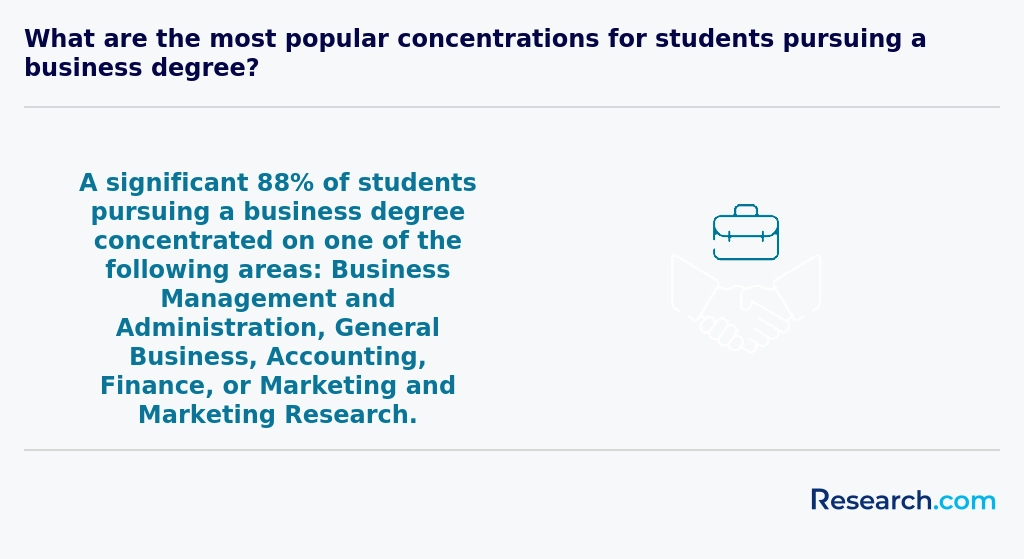
Choosing the right concentration within a business degree program in Hawaii involves assessing your career goals, interests, and the local job market. Popular concentrations include management, marketing, finance, and entrepreneurship. According to the Hawaii Department of Labor, sectors like tourism, real estate, and finance remain strong employers, suggesting concentrations aligned with these industries may offer more job opportunities.
Consider also your skills and preferences. For example, if you enjoy working with people and communication, marketing or human resources might fit well. If you prefer data and analysis, finance or accounting could be better options. Research specific programs to see which concentrations align with Hawaii's economic landscape and your ambitions.
- 2027 Best Online Business Degree Programs Ranking in New Mexico
- 2027 Best Online Business Degree Programs Ranking in Texas
- 2027 Best Online Business Degree Programs Ranking in South Dakota
- 2027 Best Online Business Degree Programs Ranking in North Dakota
- 2027 Best Online Business Degree Programs Ranking in Nebraska
- 2027 Best Online Business Degree Programs Ranking in Oklahoma
- 2027 Best Online Business Degree Programs Ranking in Minnesota
- 2027 Best Online Business Degree Programs Ranking in Missouri
- 2027 Best Online Business Degree Programs Ranking in Wisconsin
- 2027 Best Online Business Degree Programs Ranking in Mississippi
See What Experts Have To Say About Studying Business
Read our interview with Business experts

David W. Stewart
Business Expert
Emeritus President's Professor of Marketing
Loyola Marymount University

Ingrid S. Greene
Business Expert
Clinical Assistant Professor of Management
Loyola Marymount University


- Business Administration Degree Salary | UE Amsterdam https://www.ue-amsterdam.com/blog/business-administration-degree-salary-how-much-can-you-earn
- 8 Best Places to Study Abroad for Business [+ How to Choose] https://www.semesteratsea.org/study-abroad-for-business/
- Jobs after studying business administration: opportunities at a glance | JobTeaser https://www.jobteaser.com/en/advices/jobs-after-studying-business-administration-opportunities-at-a-glance
- Best Business Schools in Hawaii (U.S.A) 2025/2026 Ranking https://eduniversal-ranking.com/business-school-university-ranking-in-hawaii-usa.html
- 5+1: Five challenges facing business schools and one solution https://charteredabs.org/insights/opinion/51-five-challenges-facing-business-schools-and-one-solution
- Career Goals: 17 Inspirational Examples for you in 2026 https://www.imd.org/blog/learning-and-development/career-goals/
- The Biggest Challenges for Business School Students | EU Business School https://www.euruni.edu/blog/the-biggest-challenges-for-business-school-students/
- Online Degree vs. Traditional: Choosing the Right Path https://beal.edu/online-degree-vs-traditional/
- Enterprise project challenge https://barclayslifeskills.com/help-others/lessons/enterprise-project-challenge/
- Financial Aid Resources https://collegeiswithinreachhawaii.com/financial-aid-resources/