
2027 Most Popular Accounting Degree Programs Ranking in Milwaukee

Co-Founder and Chief Data Scientist
Choosing the right accounting degree program is an important step toward a successful career in Milwaukee's growing financial sector. This article introduces the 2027 Most Popular Accounting Degree Programs Ranking in Milwaukee, created by the Research.com team of data scientists to guide you through the best educational options available.
By exploring these top programs, you'll gain valuable insights to make an informed decision that fits your goals and lifestyle. An accounting degree opens doors to rewarding opportunities, and this ranking helps you find the path that's right for you.
Key benefits of getting accounting degree in Milwaukee
- Accounting degree graduates in Milwaukee can expect competitive salaries, with Staff Accountants earning a mean annual wage of $90,780 and Bookkeepers or Tax Preparers averaging around $49,580 per year.
- Graduates from popular institutions like the University of Wisconsin-Milwaukee often pursue diverse careers, including auditing, tax preparation, and accounts payable, offering strong job stability and growth opportunities.
- Completing an accounting degree online through local universities allows flexibility for busy students while maintaining the same quality education, making it easier to balance work, family, and study commitments.
- 2027 Most Popular Accounting Degree Programs Ranking in Milwaukee
- What can I expect from accounting degree in Milwaukee?
- Where can I work with accounting degree in Milwaukee?
What can I expect from accounting degree in Milwaukee?
The average cost of pursuing an accounting degree in Milwaukee varies depending on the institution but generally falls between $10,000 and $30,000 per year for in-state students. Graduates from the University of Wisconsin-Milwaukee often mention the balance between affordability and quality education as a key factor in their positive experience. Meanwhile, students at Marquette University acknowledge higher tuition but emphasize the value of comprehensive programs and extensive networking opportunities that justify the expense.
It's important to consider that many programs integrate combined bachelor's and master's pathways, which can increase total costs but also streamline preparation for CPA licensure. Graduates frequently highlight scholarships, internships, and part-time work as effective ways to offset expenses. Those interning at local firms often describe gaining practical experience that feels invaluable compared to purely classroom learning. While the price tag might initially seem daunting, students share a sense of confidence knowing their investment aligns with Milwaukee's strong job market and median accounting salaries around $75,000 annually.
Where can I work with accounting degree in Milwaukee?
Graduates holding accounting degrees from Milwaukee institutions such as the University of Wisconsin-Milwaukee often find themselves stepping into a dynamic job market where opportunity comes in many forms. It's common for these graduates to secure positions at well-known public accounting firms like Deloitte and PwC, where they engage in auditing, tax planning, or consulting-roles that many describe as both challenging and rewarding. These firms value candidates pursuing CPA licensure, reflecting a real pathway to career advancement.
Others explore private sector roles at companies embedded in Milwaukee's robust manufacturing and healthcare industries, including firms like Harley-Davidson or Froedtert Health. Here, graduates handle financial reporting or cost accounting, offering varied day-to-day experiences that keep work engaging and impactful. Some publicly funded agencies also offer avenues in budgeting and auditing, viewed by past graduates as stable government careers with meaningful community impact.
Accounting students from local colleges often emphasize the importance of internships and networking with professional groups to enter emerging fintech startups, where advisory roles blend finance with technology. This evolving landscape encourages adaptability and rewards those who actively seek diverse experiences in Milwaukee's accounting ecosystem.
Graduates with an accounting degree in Milwaukee often find entry-level roles offering mean annual wages around $49,580, typical for positions like bookkeepers, tax preparers, associate auditors, and accounts payable clerks. This aligns with real experiences of graduates from local institutions such as the University of Wisconsin-Milwaukee, where many start just above $50,000, reflecting regional economic conditions.
For those advancing to staff accountant roles, the potential increases significantly, with mean annual wages reaching approximately $90,780, or about $43.65 per hour. Graduates recall that gaining hands-on experience through internships and networking in Milwaukee's finance sector was crucial for securing these higher-paying positions. Employers in Milwaukee's robust manufacturing and corporate arenas tend to reward specialized skills in areas like forensic or management accounting.
It's also important to consider certifications such as the CPA, known locally to boost salaries by 10% to 15%. Graduates often share enthusiasm about how achieving CPA status opened doors to mid-career roles with salaries well beyond the regional median, confirming the positive trajectory of accounting careers in Milwaukee's competitive job market.
- Bachelor's degree tuition for accounting in Milwaukee ranges from $8,000 to $15,000 per year at public universities and $18,000 to $30,000 at private colleges.
- Entry-level accounting salaries in Milwaukee are typically between $50,000 and $60,000 annually.
- Mid-career accountants often earn $75,000 to $90,000 per year, while senior roles can exceed $100,000.
- The demand for accounting jobs in Milwaukee is expected to grow by about 7% over the next decade.
- Many programs prepare students for CPA licensure, offering tailored coursework and internship opportunities with local firms.
Completing an accounting degree in Milwaukee generally takes about four years of full-time study at institutions like the University of Wisconsin-Milwaukee. Graduates often describe this period as manageable yet intensive, balancing core business courses and specialized accounting classes. Some find ways to accelerate their path by utilizing prior credits or enrolling in accelerated programs, trimming the timeline to around three years.
Others, especially those juggling work or family commitments, report taking five to six years to finish, appreciating the flexibility Milwaukee colleges offer. This approach allows them to maintain a steady income while pursuing their degree, a scenario many locals find realistic and encouraging.
For those aiming to qualify as Certified Public Accountants, an additional one to two years for a master's degree is common, fulfilling the Wisconsin Board of Accountancy's 150-credit-hour requirement. Several graduates highlight how schools in Milwaukee credit relevant work experience, making their journey feel personalized and supportive rather than rigid.
. When selecting an accounting program in Milwaukee, WI, it is essential to consider several factors to ensure the chosen program aligns with your career goals and personal circumstances. One crucial step is to research the most popular accounting degree programs, such as those found through a best popular accounting degree ranking, which can provide insights into the reputation and quality of education offered by local institutions. Additionally, understanding the curriculum, internship opportunities, and faculty expertise can significantly influence your decision. By carefully evaluating these aspects, you can make an informed choice that sets you up for success in your accounting career.
Students pursuing accounting degrees in Milwaukee often find on-campus programs, like those at the University of Wisconsin-Milwaukee, offer rich face-to-face interactions that foster networking and immediate feedback. Graduates recall how in-person classes and access to campus resources, such as accounting labs and career services, created a supportive environment that enhanced their learning and professional connections.
Conversely, online degrees provide needed flexibility for those balancing jobs or family, delivering courses through digital platforms. Milwaukee students appreciate how accredited online programs maintain quality while eliminating commuting costs and offering virtual simulations. Some graduates express satisfaction with the ability to study on their own schedule without sacrificing curriculum rigor, though they acknowledge missing out on spontaneous peer interactions.
When it comes to practical experience, on-campus students often benefit from easier access to internships and group study sessions, while online students rely on virtual collaboration tools. Both formats integrate CPA exam preparation, though on-campus learners sometimes prefer in-person review advantages. Ultimately, choices hinge on personal circumstances and learning preferences specific to Milwaukee's educational landscape.
Accounting continues to evolve rapidly with advancements in digital technology, automation, and data analytics reshaping the profession. In today’s dynamic market, graduates not only need a strong foundation in traditional accounting principles but also must be prepared to navigate emerging trends such as artificial intelligence in auditing, cloud-based financial management, and cybersecurity risks that impact financial data. For instance, innovations in data analysis have enabled firms to enhance decision-making processes and identify discrepancies faster than ever before. Additionally, one increasingly popular specialization is forensic accounting-an area where professionals use investigative techniques to uncover financial discrepancies and fraud. For those interested in this niche, exploring the forensic accounting outlook can provide valuable insights into job prospects and necessary skill sets. As industry demands shift toward these new technologies and methodologies, staying current with ongoing education, professional certifications, and practical experience becomes essential for career advancement in accounting. Embracing these emerging trends can not only facilitate smoother transitions into advanced roles but also position graduates as innovative contributors in a competitive job market.
The average cost of pursuing an accounting degree in Milwaukee generally falls around a median total of $55,997, with in-state students averaging about $43,640. This cost reflects tuition, fees, and other related expenses over the typical duration of a bachelor's degree. Graduates from public institutions such as the University of Wisconsin-Milwaukee often report balancing these costs with financial aid, which can make the investment feel more attainable despite initial sticker prices.
Community colleges like Milwaukee Area Technical College provide a more affordable pathway with annual tuition between $4,000 and $6,000 for in-district students. Many students choose this route to complete foundational courses before transferring to a four-year school to minimize total expenses. Graduates who took this path often express satisfaction in managing costs while still earning a credential that opens doors in accounting careers.
Meanwhile, private institutions such as Marquette University command a higher tuition, roughly $49,000 annually, yet offer substantial scholarships and flexible payment options. Accounting students from these schools frequently highlight the value of smaller class sizes and enhanced networking opportunities, which some feel justifies the greater expense despite the elevated price.
It is important for prospective students investigating the total tuition and fees for Milwaukee accounting programs to remember that additional costs like books, housing, and certification exams can add significantly to the budget. Exploring financial aid and the best popular accounting degree options in the area can help make these investments more manageable and align with individual financial situations.
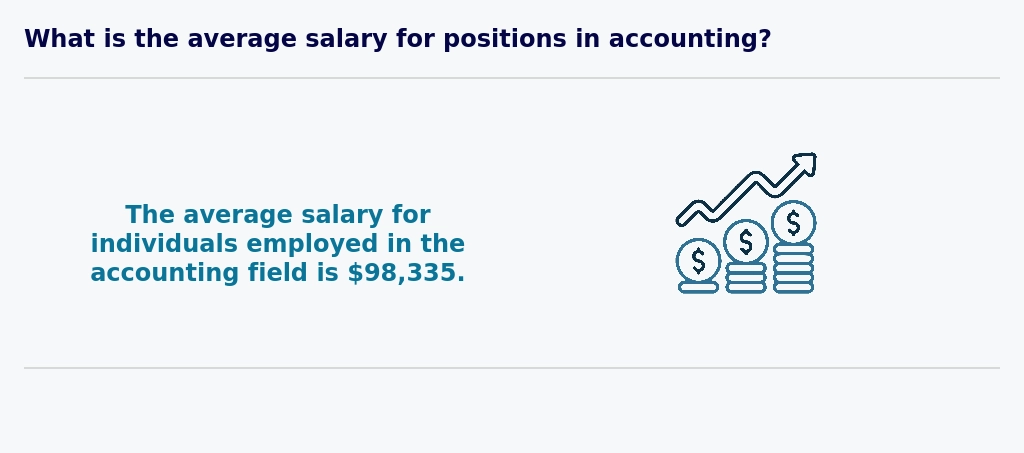
Earning professional certifications is a critical step for accounting graduates in Milwaukee, WI looking to distinguish themselves in a competitive job market. The most sought-after designation is the Certified Public Accountant (CPA), which in Wisconsin requires 150 semester hours of education, passing the Uniform CPA Exam, and meeting the state’s ethics and experience requirements. Many universities in Milwaukee, including those offering an accelerated accounting bachelor’s degree, integrate CPA review courses and internship opportunities to help students fulfill these stringent criteria and gain hands-on experience. Beyond the CPA, graduates can pursue additional credentials to align with specialized career paths. The Certified Management Accountant (CMA) designation focuses on strategic financial management and is administered by the Institute of Management Accountants (IMA). Candidates must hold a bachelor’s degree, complete two years of relevant work experience, and pass a two-part exam covering financial planning, analysis, control, and decision support. Similarly, the Certified Internal Auditor (CIA) credential, granted by the Institute of Internal Auditors, emphasizes risk assessment and control processes, requiring 24-30 months of work experience and successful completion of a three-part examination. Maintaining these certifications involves ongoing continuing professional education (CPE) to stay current with evolving standards and regulations. Most state boards and professional bodies require 20–40 hours of CPE annually or biannually, covering topics such as ethics, tax law changes, and emerging technologies in accounting information systems. By strategically planning their academic coursework and leveraging university career services, Milwaukee students can map out a certification pathway that not only boosts their credibility but also opens doors to senior and specialized roles across public accounting firms, corporate finance departments, and government agencies.
Accounting students in Milwaukee often navigate financial aid by blending federal, state, and local resources to manage tuition costs at institutions like the University of Wisconsin-Milwaukee. For example, many graduates recall applying for the Pell Grant through FAFSA, easing their financial burden with up to $7,395 annually without repayment obligations-an essential help when balancing study and living expenses. Others have highlighted the Wisconsin Higher Education Grant (WHEG), which adjusts aid based on income and enrollment, making public university attendance more accessible for residents.
Scholarships also play a meaningful role. Some accounting students share how WICPA scholarships provided motivation and recognition for academic dedication, sometimes covering thousands of dollars and encouraging continued pursuit of accounting careers locally. Local private scholarships, often awarded for community involvement, capture the unique Milwaukee spirit and offer additional funding that alumni found instrumental.
Beyond aid, internships within Milwaukee's financial sector provide both financial support and practical experience-graduates frequently mention how such opportunities transformed their educational journey, blending income with skill-building in real-world settings.
Enrolling in an accounting degree program in Milwaukee typically requires a solid academic foundation, though expectations can differ among institutions. Graduates from popular local colleges often recall that having a high school diploma or equivalent was essential, alongside completing core math classes like algebra and geometry. This preparation is crucial because accounting studies heavily rely on numerical accuracy and analytical skills, which become apparent during coursework at schools such as Marquette University or the University of Wisconsin-Milwaukee.
Many Milwaukee students emphasize that a strong grasp of English and communication skills is just as important as math, given the need to write clear reports and interpret complex financial documents. While standardized tests like the SAT or ACT may be required for four-year institutions, some local colleges have shifted to test-optional policies, acknowledging different paths can lead to success.
Practical computer literacy also plays a significant role. Milwaukee learners often share how early exposure to accounting software in class significantly boosted their confidence and smoother transition into internships or part-time jobs.

Accounting degree programs in Milwaukee consistently feature a blend of foundational and specialized courses designed to mirror real-world demands. Graduates from institutions like the University of Wisconsin-Milwaukee often emphasize how classes such as Financial Accounting and Managerial Accounting helped them confidently interpret financial data in both corporate and nonprofit settings.
Core subjects typically include Intermediate and Advanced Accounting, deepening a student's understanding of complex financial statements and asset valuation. Several students reflect on how Auditing courses cultivated their attention to detail by simulating compliance checks, an essential skill given Milwaukee's diverse industries.
Taxation classes offer practical applications of federal tax laws, which graduates appreciate for their direct relevance during internships, especially at local accounting firms. Others highlight the value of courses in Accounting Information Systems and Business Law, noting their role in preparing for the CPA exam and navigating ethical challenges in practice.
Electives in finance and statistics further enhance analytical skills, with many students reporting that hands-on assignments using software like QuickBooks and Excel brought classroom concepts to life, making the transition into Milwaukee's job market smoother and more rewarding.
Accounting degree specializations Milwaukee programs commonly offer include Tax Accounting, Auditing, Forensic Accounting, Management Accounting, and Information Systems Auditing. Graduates from popular colleges in Milwaukee often describe Tax Accounting as a pragmatic choice, especially given the city's business diversity and the steady demand for tax professionals. Auditing appeals to those who enjoy scrutinizing details; students frequently highlight how coursework prepares them for public accounting and corporate roles, reflecting Wisconsin's projected 6% job growth in this field.
Forensic Accounting attracts students intrigued by fraud detection and financial crime, who find the specialization aligns well with growing regulatory challenges in Milwaukee's financial sectors. Those pursuing this path often benefit from understanding the forensic accounting outlook regionally. Management Accounting is favored by individuals interested in helping companies navigate budgeting and performance evaluation, a skill highly relevant to Milwaukee's manufacturing and service industries. Programs emphasizing Accounting Information Systems are gaining popularity, meeting demand for expertise in cybersecurity and data integrity within accounting.
While these options reflect prominent types of accounting programs in Milwaukee, students should critically assess how each aligns with personal career goals and local market needs before committing.
Choosing the best accounting degree in Milwaukee involves evaluating accreditation, curriculum, and real-world connections. Graduates from AACSB-accredited schools often share how rigorous coursework prepared them well for the CPA exam, a key step for many aspiring accountants. Yet, accreditation is not the sole measure of quality; some smaller programs excel in specialized areas like forensic accounting or tax, offering hands-on internship opportunities with local firms that diversify professional experience.
Considering affordability is crucial, especially when searching among affordable accounting colleges Milwaukee offers. Graduates commonly advise balancing tuition costs with financial aid options to avoid excessive debt while still accessing strong faculty and resources. Some students in Milwaukee appreciate programs that cater to varied schedules, including online options or accelerated accounting bachelor's degree tracks, which can better fit working lifestyles.
Finally, personal interactions with advisors and current students on campus visits help illuminate the program's culture and support system. Graduates often highlight how understanding local job placement rates and employer partnerships influenced their decision, confirming the importance of choosing a program deeply connected to Milwaukee's business environment.
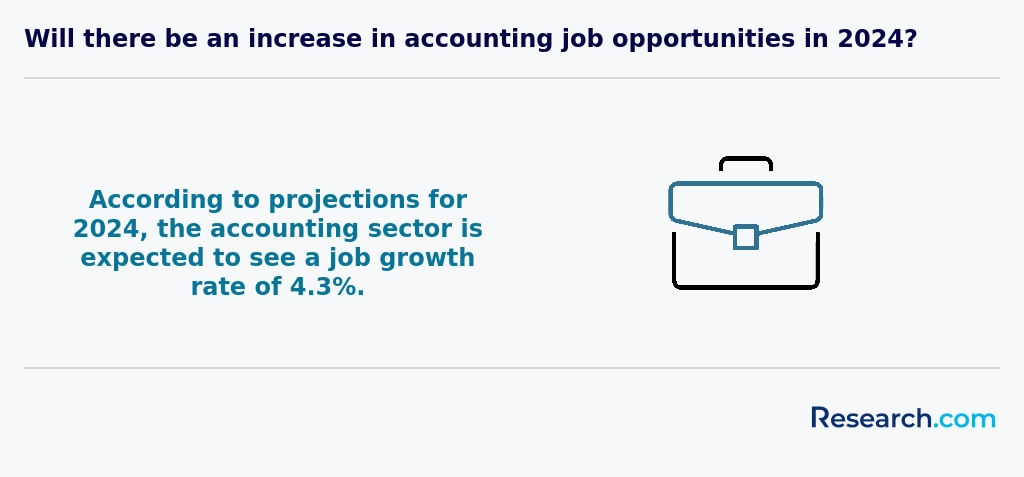
Graduates pursuing accounting careers in Milwaukee often find diverse options aligned with the city's economic landscape. Many enter public accounting, joining CPA firms that serve local small to mid-sized businesses-this hands-on experience is common among alumni from Milwaukee's top institutions. One graduate described the rewarding challenge of preparing tax returns and consulting for family-owned companies, appreciating the meaningful client relationships formed through such roles.
Others explore corporate accounting within Milwaukee's manufacturing or healthcare sectors, taking on roles like financial analyst or internal auditor. These positions, frequently reported by recent graduates, provide stepping stones toward leadership, exemplified by success stories from students at regional colleges who advanced to CFO roles. The availability of job opportunities for accounting graduates Milwaukee-wide suggests a practical pathway for career growth despite broader economic uncertainties.
Emerging fields like forensic accounting and data analytics also attract students eager to blend technology with finance. Milwaukee-area programs encourage skill development in these specialties, preparing graduates to meet evolving industry demands. Additionally, some find fulfillment in government or nonprofit roles that emphasize financial oversight and compliance, consistent with the values emphasized during their studies.
The financial commitment of earning an accounting degree in Milwaukee, ranging roughly from $10,000 to $30,000 annually, is balanced by mostly stable job placement rates. Prospective students might weigh these factors carefully, and those looking for accelerated options can explore a fast-track online associates degree as a complementary route.
The accounting job opportunities in Milwaukee reflect the city's role as a vibrant economic center with a diverse mix of industries requiring financial expertise. Graduates from popular institutions such as Marquette University and the University of Wisconsin-Milwaukee often find roles not only in traditional accounting firms but also in corporate finance, tax departments, or government agencies. Many report positive experiences securing internships through local professional organizations, which help bridge academic learning with practical application.
Milwaukee accounting degree salary outlook is generally favorable, with entry-level positions offering competitive compensation near the state average, typically between $60,000 and $75,000 annually. This range improves markedly for those earning certifications like CPA. Given the spread of opportunities-from small businesses to large regional firms-graduates feel encouraged but are mindful about gaining relevant experience to remain competitive in the local market.
For students weighing the investment in education, Milwaukee schools offer reasonable tuition costs and financial aid, compared to national figures. Some have found choosing an easiest bachelor's degree program path useful for managing workload balance during studies, allowing for engagement with internships and networking, which are vital in this field.
2027 Most Popular Accounting Degree Programs Ranking in Milwaukee
Investing in your education is a significant decision that can shape your future, and the Research.com team is committed to helping you make well-informed choices. To support prospective students in Milwaukee, we have carefully developed the "2027 Most Popular Accounting Degree Programs Ranking in Milwaukee." Our dedication to quality, credibility, and accuracy is evidenced by the thorough research and analysis conducted to produce this ranking.
We utilized the following reputable data sources to ensure a comprehensive evaluation of accounting degree programs:
By exploring this ranking, readers will gain valuable insights into the most popular and credible accounting degree programs available in Milwaukee, empowering them to make confident decisions about their educational paths. For more information on how we create our rankings, please visit our Research.com methodology page.


Frequently Asked Questions About accounting
Accounting degree students in Milwaukee can maximize their learning experience by engaging with local professional organizations such as the Milwaukee chapter of the Wisconsin Institute of Certified Public Accountants (WICPA). Participation in such groups offers networking, internship opportunities, and exposure to current industry practices. Milwaukee's universities often provide access to internship programs with regional firms, enhancing practical knowledge and resume strength.
Utilizing campus resources like tutoring centers and accounting labs supports mastery of complex subjects. Students should also keep up with changes in tax laws and accounting standards through reputable sources like the Financial Accounting Standards Board (FASB) and IRS updates.
Active involvement in case competitions and workshops helps develop critical thinking and problem-solving skills highly valued by employers in Milwaukee's competitive job market.
The accounting field is evolving with several emerging niches attracting interest from students in Milwaukee and nationwide. One fast-growing area is forensic accounting, which involves investigating financial fraud and legal disputes. According to the U.S. Bureau of Labor Statistics, forensic accounting jobs are expected to grow 16% by 2032, much faster than average.
Another key niche is environmental accounting, focused on tracking and reporting an organization's environmental costs and sustainability efforts. Milwaukee's increasing emphasis on green business practices boosts local demand for such expertise.
Additionally, accounting technology specialists who manage advanced software and data analytics tools are increasingly sought after in Milwaukee's financial sector, reflecting the integration of AI and automation in accounting processes.
Preparing for the job market after completing an accounting degree in Milwaukee involves strategic planning and skills development. Graduates should focus on obtaining relevant internships during their studies, as Milwaukee hosts many firms in finance and manufacturing sectors seeking accounting talent. Networking is crucial; joining local chapters of organizations like the Milwaukee Chapter of the Wisconsin Institute of CPAs (WICPA) offers valuable connections.
Additionally, pursuing certifications such as the CPA can significantly improve employability, since over 20% of accounting roles in Milwaukee require or prefer it, according to the Bureau of Labor Statistics. Familiarity with accounting software widely used in the region, like QuickBooks or SAP, also enhances job readiness.
Employers in Milwaukee highly value accounting graduates who demonstrate strong technical skills. Proficiency in software like QuickBooks, Excel, and emerging data analytics tools is essential. According to the Wisconsin Department of Workforce Development, 73% of local job postings for accounting roles emphasize technology competence.
Attention to detail and analytical thinking are critical, as many firms require accuracy in financial reporting and auditing processes. Communication skills also rank highly; the ability to explain complex financial information clearly to non-accountants is often a deciding factor.
Wisconsin employers prefer candidates familiar with Generally Accepted Accounting Principles (GAAP) and those pursuing or holding Certified Public Accountant (CPA) licensure. Practical experience through internships or cooperative education enhances employability in Milwaukee's competitive accounting market.
Finding internships in Milwaukee relevant to an accounting degree requires proactive research and networking. Many local employers, including accounting firms, banks, and corporations, offer internships to students pursuing accounting careers. The Milwaukee Accountants' Society and the Wisconsin Institute of Certified Public Accountants provide valuable resources and job boards specifically for accounting internships.
Students should also explore career centers at Milwaukee's universities, such as the University of Wisconsin-Milwaukee, where internship listings and employer contacts are regularly updated. According to the National Association of Colleges and Employers, about 65% of accounting graduates find internship opportunities through university connections.
Additionally, attending local networking events and career fairs increases access to internships in the Milwaukee metro area, a financial hub with a growing demand for accounting professionals. Online portals like Handshake and LinkedIn can supplement these efforts by listing Milwaukee-based internships tailored to accounting students.
An accounting degree in Milwaukee significantly enhances career mobility and advancement opportunities within the city's competitive job market. According to the U.S. Bureau of Labor Statistics, the Milwaukee metropolitan area hosts over 9,000 accounting professionals, with employment projected to grow by 5% through 2031. Holding a formal degree opens doors to higher-level positions such as senior accountant, auditor, and financial analyst, which often require certification like CPA licensure. Additionally, Milwaukee's diverse business sector including manufacturing, healthcare, and finance values candidates with strong academic backgrounds. This education equips graduates with technical skills and regulatory knowledge critical for career progression locally.
Studying for an accounting degree in Milwaukee equips students with skills that extend beyond traditional accounting. Programs emphasize interdisciplinary learning by integrating courses in finance, business law, information systems, and data analytics. This approach prepares graduates to work effectively in diversified teams and tackle complex financial challenges.
Milwaukee's economic landscape, featuring sectors like manufacturing, healthcare, and finance, encourages accounting students to understand varied industry needs. According to the Wisconsin Department of Workforce Development, accounting roles requiring cross-functional expertise have grown by 12% over five years.
Local universities often collaborate with businesses to provide internships, giving practical exposure to interdisciplinary roles.
When choosing between a thesis and a non-thesis accounting degree in Milwaukee, consider your career goals and learning preferences. A thesis option typically suits students interested in research or pursuing a PhD, requiring original analysis on accounting topics. Milwaukee offers programs where thesis students develop strong analytical and writing skills, valuable for academic or specialized roles.
Non-thesis degrees focus more on practical coursework and may appeal to those aiming for immediate employment in public accounting, corporate finance, or government sectors. According to the National Association of State Boards of Accountancy, most Milwaukee CPA firms value practical experience over extensive research.
Cost and time also differ: thesis degrees may take longer due to research work, while non-thesis paths often finish faster. Check Milwaukee-area universities for specific requirements and align your choice with your professional aspirations.
Students based in Milwaukee who are interested in studying accounting abroad have several pathways to consider. Many universities in Milwaukee, such as the University of Wisconsin-Milwaukee, offer study abroad programs in partnership with international institutions, allowing accounting students to gain global experience while earning credits towards their degree.
Additionally, enrolling in accredited accounting programs overseas can complement Milwaukee students' education, especially in countries with established accounting standards like the UK or Canada. According to the National Association of State Boards of Accountancy, international study helps broaden understanding of global accounting practices.
Scholarships and exchange agreements facilitated by Milwaukee schools often support these opportunities, making it more feasible for students to access education abroad.
Milwaukee offers various part-time job opportunities that complement accounting degree education, providing practical experience alongside academic learning. Positions such as bookkeeping assistants, tax preparers, and accounting clerks are common and align well with coursework. According to the U.S. Bureau of Labor Statistics, entry-level accounting roles in Milwaukee often require familiarity with accounting software like QuickBooks and Excel, skills developed in college.
Local small businesses, accounting firms, and nonprofit organizations frequently hire part-time help during tax season and fiscal year-end closing, making these periods ideal for gaining hands-on experience. Jobs involving data entry and financial record maintenance also build essential skills for accounting students.
Networking through these roles can improve job prospects after graduation, connecting students with professionals in Milwaukee's robust financial sector.
Accounting students in Milwaukee benefit from numerous networking opportunities that enhance their professional growth. Local universities often host career fairs and accounting-specific events, connecting students directly with employers in the region's robust financial sector.
The Milwaukee Chapter of the Wisconsin Institute of Certified Public Accountants (WICPA) offers student memberships, providing access to workshops, mentoring, and networking events tailored specifically to accounting students.
Additionally, organizations like the Milwaukee Business Journal and local CPA firms regularly sponsor seminars and panel discussions, giving students a chance to engage with industry leaders.
These opportunities can significantly boost students' chances of internships and job placements in Milwaukee's competitive accounting market.
Alumni networks offer significant benefits to accounting degree students in Milwaukee by providing valuable professional connections. These networks connect current students with graduates who work in local accounting firms, corporations, and government agencies. Such connections often lead to internships, job shadowing, and mentorship, which are crucial for gaining real-world experience.
Milwaukee's strong business community, including firms like BDO and Baker Tilly, often collaborates with alumni to recruit talent. According to data from the Wisconsin Department of Workforce Development, over 15% of accounting jobs in Milwaukee are filled through referrals, highlighting the importance of networking.
Furthermore, alumni events and online platforms help students stay informed about industry trends and certification opportunities such as CPA preparation.
Customizing an accounting degree program in Milwaukee allows students to align their education with specific career goals. Many local universities offer flexible course options, including concentrations in tax accounting, auditing, or forensic accounting. This specialization helps students build valuable expertise sought by Milwaukee-area employers. For example, incorporating courses in data analytics or financial management can enhance abilities necessary for roles in regional firms or manufacturing companies.
Students can also pursue internships or cooperative education experiences within Milwaukee's robust financial services sector, gaining practical skills and local industry connections. According to the Milwaukee Workforce Development Office, hands-on experience improves job placement rates significantly. Additionally, some programs offer CPA exam preparation tailored to Wisconsin's licensing requirements, providing a direct pathway to certification.
Accounting students in Milwaukee often face a demanding curriculum that requires strong analytical and mathematical skills. Many students report challenges balancing coursework with part-time jobs or internships, which are common in this city's competitive job market. According to the Wisconsin Educational Communications Board, accounting programs in Milwaukee typically require mastering complex software like Excel and QuickBooks, which can be difficult without prior experience.
Furthermore, preparing for the CPA exam adds pressure, since Wisconsin's accounting board requires 150 semester hours of education, often extending study time beyond a standard degree. Milwaukee students also navigate shifting regulations and tax laws, a typical hurdle for those aiming to work locally. Access to affordable tutoring and networking resources remains essential in overcoming these challenges, as indicated by the University of Wisconsin-Milwaukee's student support services data.
With an accounting degree, you can pursue several professional certifications that enhance career prospects in Milwaukee's robust financial sector. One of the most recognized is the Certified Public Accountant (CPA) license, which requires passing a national exam and meeting specific state experience criteria. Wisconsin's Board of Accountancy sets these standards, making the CPA credential highly respected locally and nationally.
Other notable certifications include the Certified Management Accountant (CMA), which focuses more on business strategy and management, and the Certified Internal Auditor (CIA), ideal for those interested in internal auditing roles. These certifications often lead to higher salary potential and specialized career paths.
The demand for CPAs in Milwaukee is strong, with the Bureau of Labor Statistics projecting a steady job growth rate of around 6% for accountants and auditors through 2030.
Writing a winning application for an accounting program in Milwaukee begins with clear preparation and focus. Applicants should highlight their academic achievements in math and business-related courses, as these form the foundation of accounting skills. Milwaukee-area programs often value candidates with practical experience, so including internships or relevant part-time jobs strengthens the application.
Strong personal statements that explain your interest in accounting and career goals specific to the Milwaukee job market can make a positive impression. According to the Wisconsin Department of Workforce Development, accounting jobs in Milwaukee are projected to grow by 7% through 2030, signaling good career prospects.
Applicants must also ensure to meet all deadlines and submit transcripts, letters of recommendation, and test scores promptly. Demonstrating attention to detail and professionalism throughout the application process reflects qualities essential for accounting professionals.
The accounting profession is recognized globally as a vital component of business and finance. In the United States, including Milwaukee, accounting careers are shaped by standards such as Generally Accepted Accounting Principles (GAAP), while internationally, many countries follow the International Financial Reporting Standards (IFRS). This dual framework reflects a growing demand for accountants familiar with both systems, especially due to globalization and multinational corporations.
According to the U.S. Bureau of Labor Statistics, employment for accountants and auditors is projected to grow 7% from 2022 to 2032, aligning with steady demand worldwide. In Milwaukee, firms increasingly seek accountants skilled in cross-border financial regulations, international tax compliance, and global auditing practices.
Developing global perspectives prepares Milwaukee accounting graduates to work in diverse environments. It enhances career opportunities by enabling professionals to participate in international financial reporting, consulting, and compliance roles.
Gaining practical experience while studying for an accounting degree in Milwaukee is vital for career readiness. Many local universities and colleges offer internship programs connecting students with firms in Milwaukee's financial sector. These internships provide real-world exposure to accounting practices and are often supported by school career centers.
The Milwaukee metropolitan area hosts numerous accounting firms, including regional offices of Big Four companies, which frequently recruit interns. According to the Milwaukee Economic Development Corporation, internships increase employment chances by up to 60% for accounting students.
Additionally, students can engage in cooperative education (co-op) programs that combine coursework with paid, credit-earning work experience. Participating in student organizations like Beta Alpha Psi also offers networking and practical project opportunities in accounting.
Choosing the right concentration within an accounting degree program in Milwaukee depends largely on your career goals and local industry demands. Milwaukee's economy has a strong presence of manufacturing, healthcare, and financial services, influencing relevant accounting specializations.
Students may consider concentrations such as tax accounting, auditing, or managerial accounting. For example, tax accounting expertise is valuable due to numerous local businesses needing specialized tax knowledge. Auditing skills are in demand as companies seek to comply with regulations.
Research from the Wisconsin Department of Workforce Development shows steady growth in accounting roles, particularly for those with specialized skills.
Visiting local institutions and speaking with advisors can provide clarity tailored to Milwaukee's job market trends.
- 2027 Most Popular Accounting Degree Programs Ranking in Madison
- 2027 Most Popular Accounting Degree Programs Ranking in Chicago
- 2027 Most Popular Accounting Degree Programs Ranking in Grand Rapids
- 2027 Most Popular Accounting Degree Programs Ranking in Indianapolis
- 2027 Most Popular Accounting Degree Programs Ranking in Saint Paul
- 2027 Most Popular Accounting Degree Programs Ranking in Minneapolis
- 2027 Most Popular Accounting Degree Programs Ranking in Cincinnati
- 2027 Most Popular Accounting Degree Programs Ranking in Saint Louis
- 2027 Most Popular Accounting Degree Programs Ranking in Columbus
- 2027 Most Popular Accounting Degree Programs Ranking in Cleveland
See What Experts Have To Say About Studying Accounting
Read our interview with Accounting experts

John Wermert, Ph.D., CPA
Accounting Expert
Associate Professor of Accounting
Middle Tennessee State University

Yaw M. Mensah
Accounting Expert
Professor and Interim Vice Dean for Strategic Partnerships
Rutgers Business School

- Are accounting students overloaded and under-supported? https://www.studentvoice.ai/blog/accounting-students-challenges-with-workload-and-support/
- Harnessing the Power of an Alumni Network | Friend & Grant Accountants https://www.friendandgrant.co.uk/blog/how-to-harness-the-power-of-alumni-networks/
- Master’s Program in Accounting and Auditing (Thesis/Non-Thesis, Turkish) https://www.isikun.edu.tr/en/academic/graduate/accounting-auditing/masters-program-accounting-and-auditing-thesis/non-thesis
- Why International Career Mobility is Key to Attracting the Next Generation of Professional Accountants https://www.ifac.org/knowledge-gateway/discussion/why-international-career-mobility-key-attracting-next-generation-professional-accountants
- How to Meet Accounting Degree Requirements for Career Success - ICMS https://www.icms.edu.au/degree-discovery/how-to-meet-accounting-degree-requirements/
- 8 Accounting Niches You Should Consider | Accountancy | Bingparse https://www.icslearn.co.uk/blog/accountancy/8-accounting-niches-you-should-consider/
- Top 10 Accounting and Finance Skills Employers Want | Tamarack Recruiting | Tamarack Recruiting https://tamarackrecruiting.com/top-10-accounting-and-finance-skills-employers-want-tamarack-recruiting/
- Guide to Transition into an Accounting Career https://teach.com/online-ed/business-degrees/online-masters-accounting/how-to-transition-to-an-accounting-career/
- 7 Accounting Certifications to Explore | DeVry University https://www.devry.edu/blog/accounting-certifications.html
- Jobs you can get with a degree in Accounting | Monroe University https://www.monroeu.edu/academics/undergraduate-programs/school-business-and-accounting/jobs-with-degree-in-accounting


